Understanding the different sounds made by the suffix “-ed” can be a fun and engaging experience for first-grade students. When we add “-ed” to a verb, it can produce one of three distinct sounds: /t/, /d/, or /əd/. This variation can be confusing for young learners, but with the right sorting activity, they can grasp these concepts more easily.
Start by gathering a list of verbs that change when “-ed” is added. For instance, “walk” becomes “walked” and produces the /t/ sound, while “play” becomes “played,” resulting in the /d/ sound. Finally, “want” transforms into “wanted,” which gives the /əd/ sound. By grouping these words, students can see patterns and differences in pronunciation.
A simple sorting activity can help reinforce this knowledge. Prepare three columns labeled with the sounds: /t/, /d/, and /əd/. Provide students with a set of word cards that they can sort into the appropriate columns. As they work, encourage them to say each word aloud. This not only reinforces their understanding but also helps develop their reading skills.
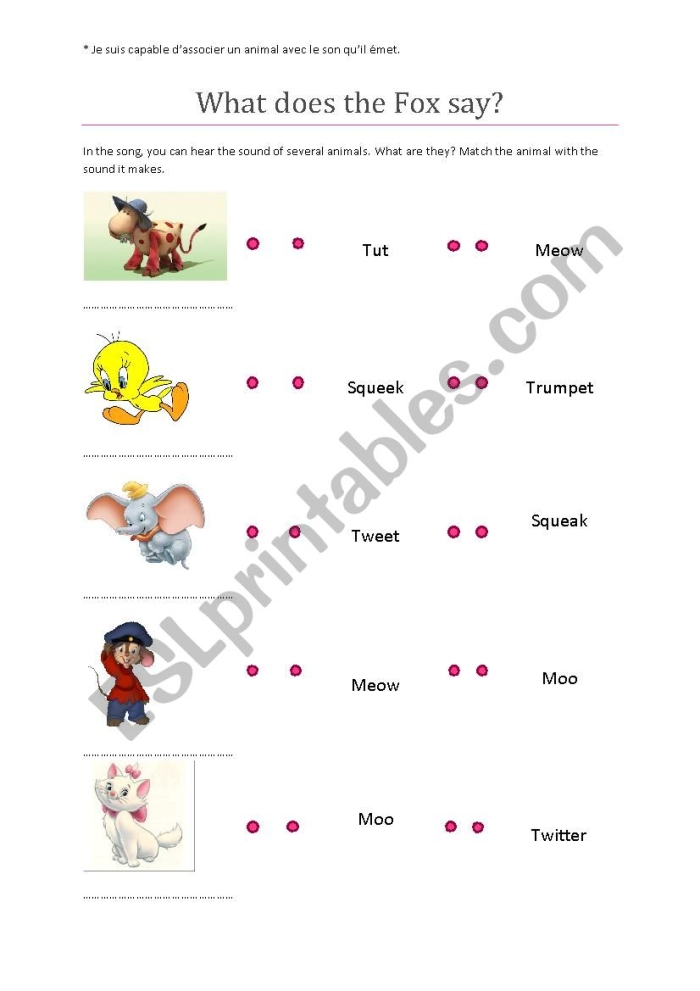
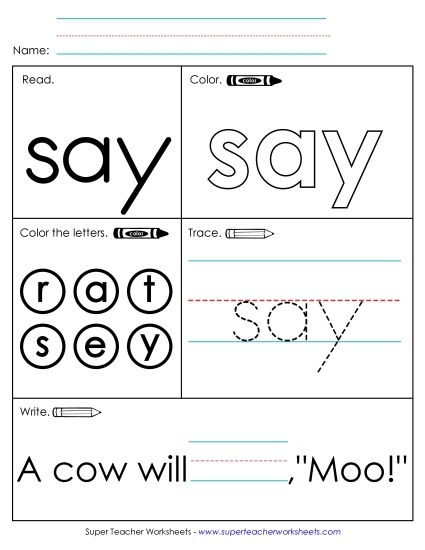
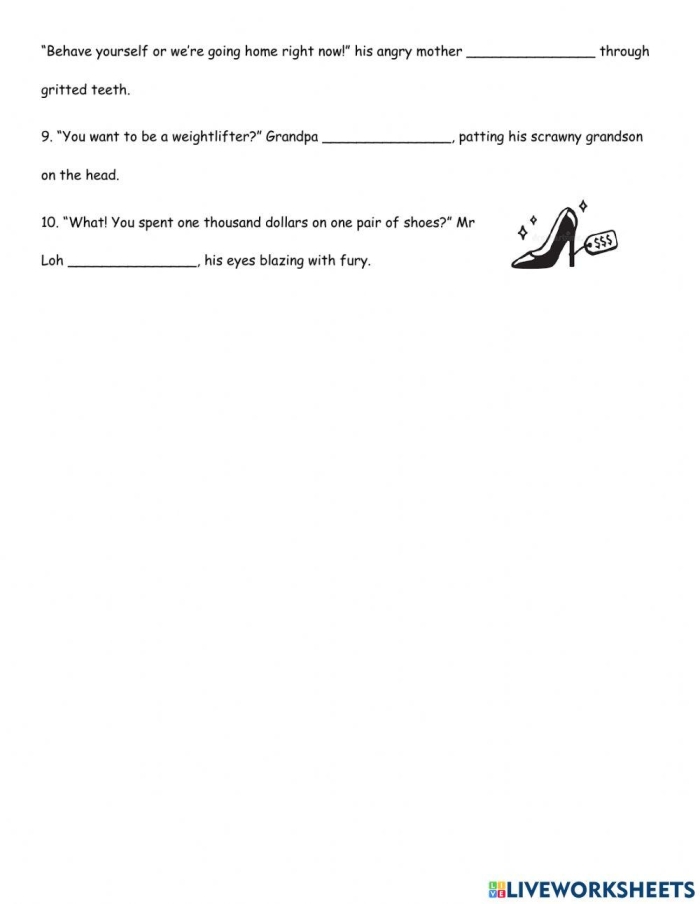
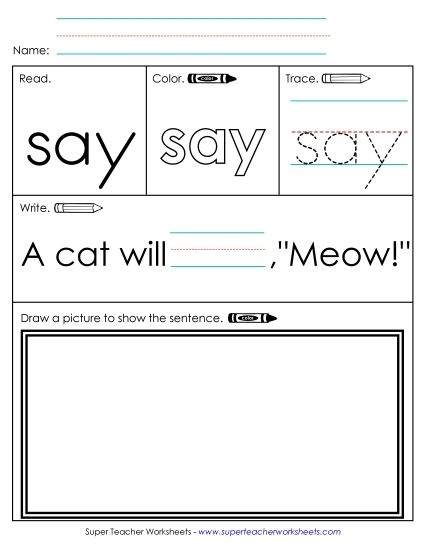
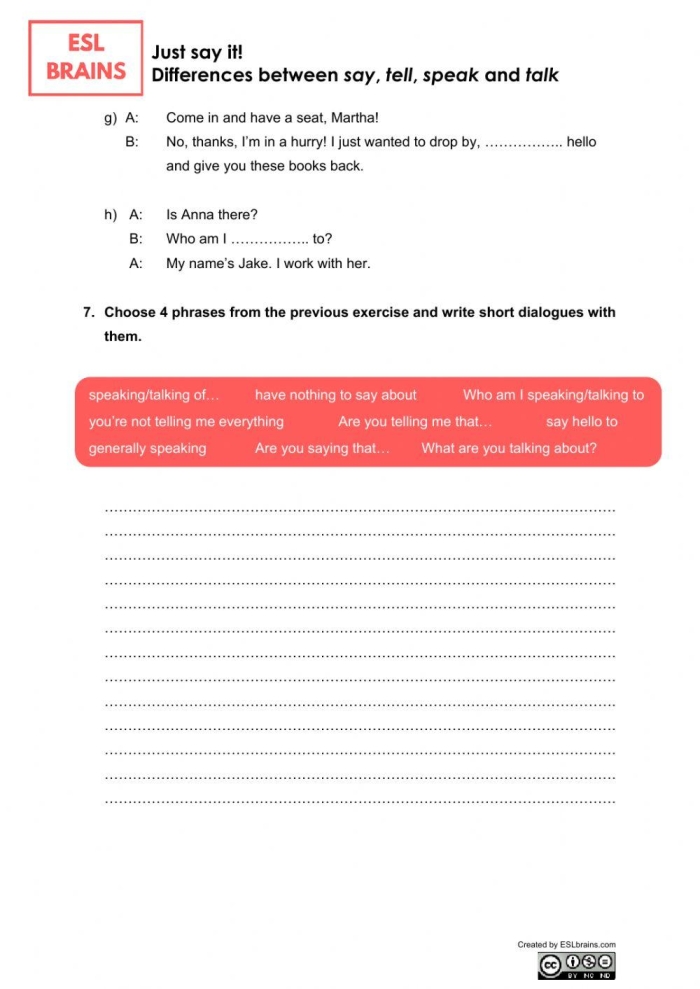
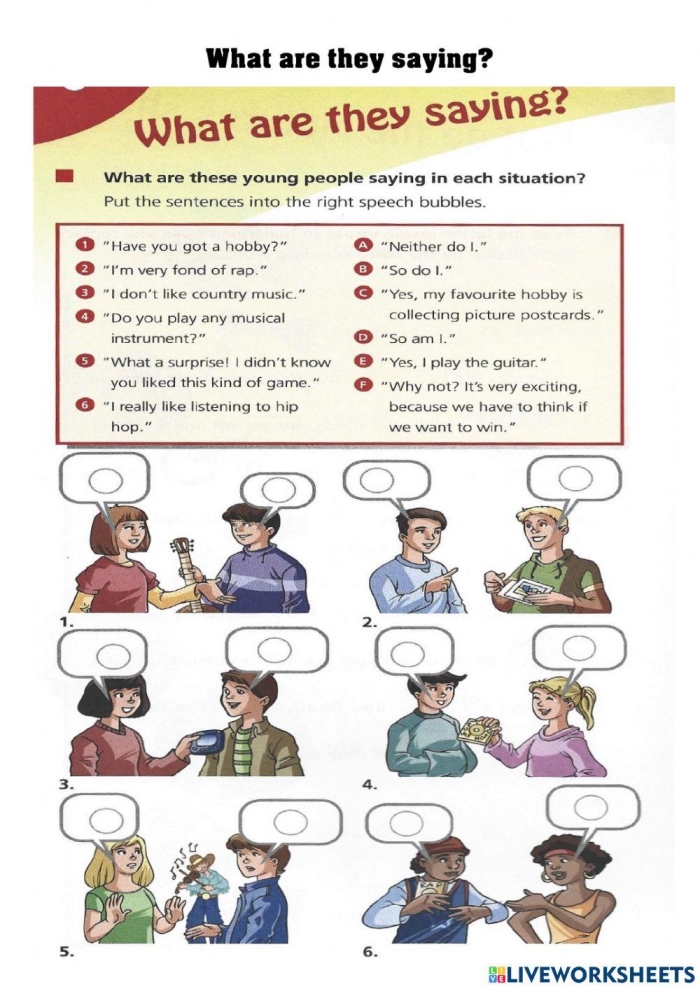
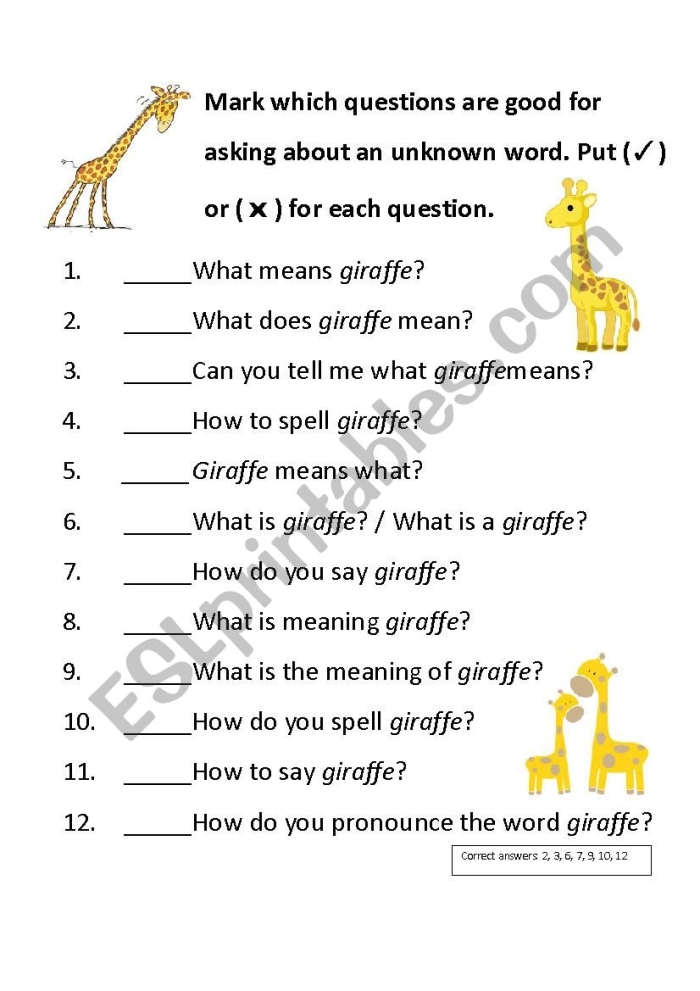
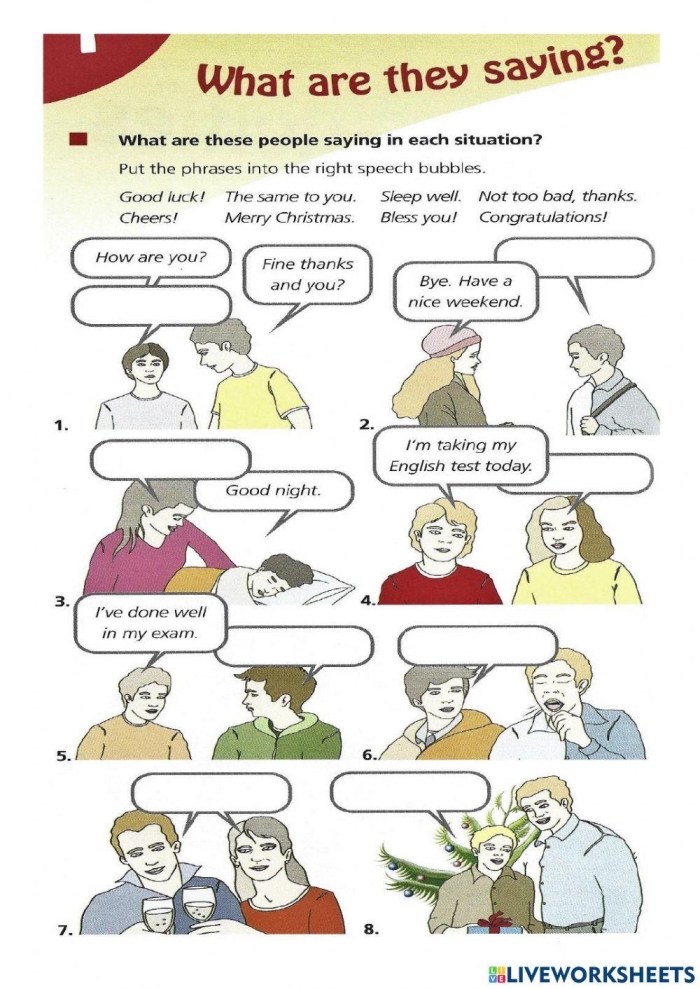
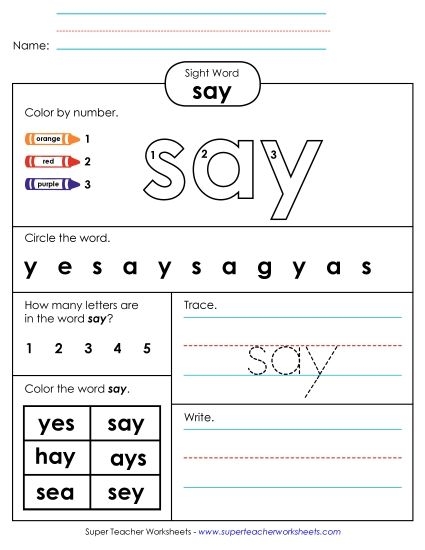
To make this activity even more interactive, consider incorporating a printable resource like the What Does -ed Say? worksheets. These can provide additional practice and reinforce the concepts learned through sorting. Engaging students in various activities will solidify their understanding of how the suffix “-ed” affects pronunciation.
By implementing sorting activities and using resources designed for first graders, you can help students become more confident in their reading and comprehension skills. Understanding the sounds of “-ed” is a foundational step in their literacy journey, and with consistent practice, they will master it in no time.
Start Practicing with These Worksheets