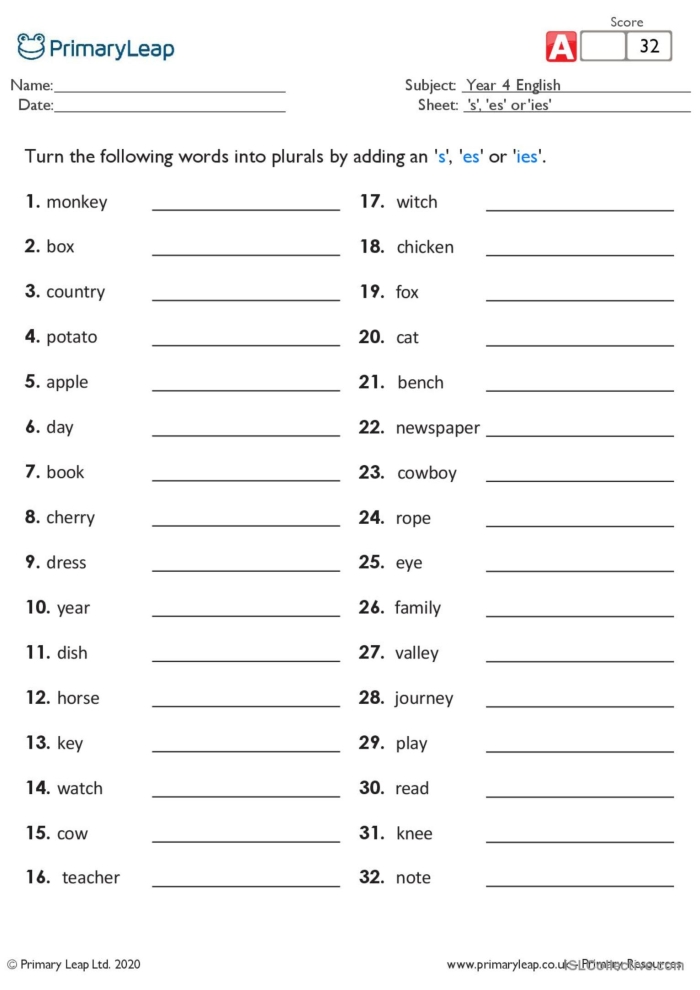
Most first graders stumble over plural endings because English doesn’t follow one simple rule. Your child might confidently add an “s” to every word, creating “boxs” instead of “boxes” or “bushs” instead of “bushes.” Understanding when to use “s” versus “es” is a foundational grammar skill that takes practice and exposure to master.
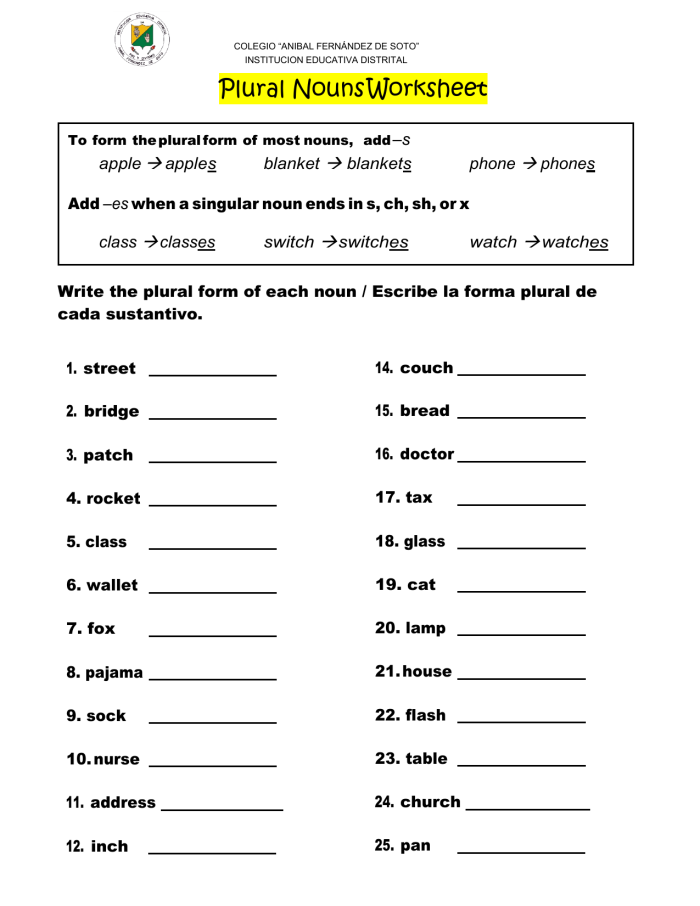
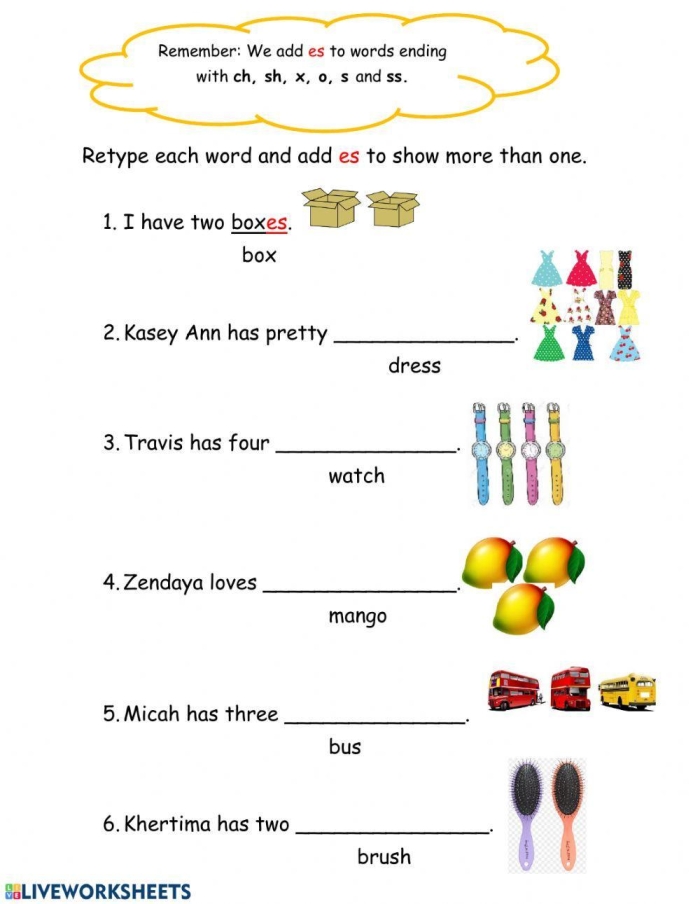
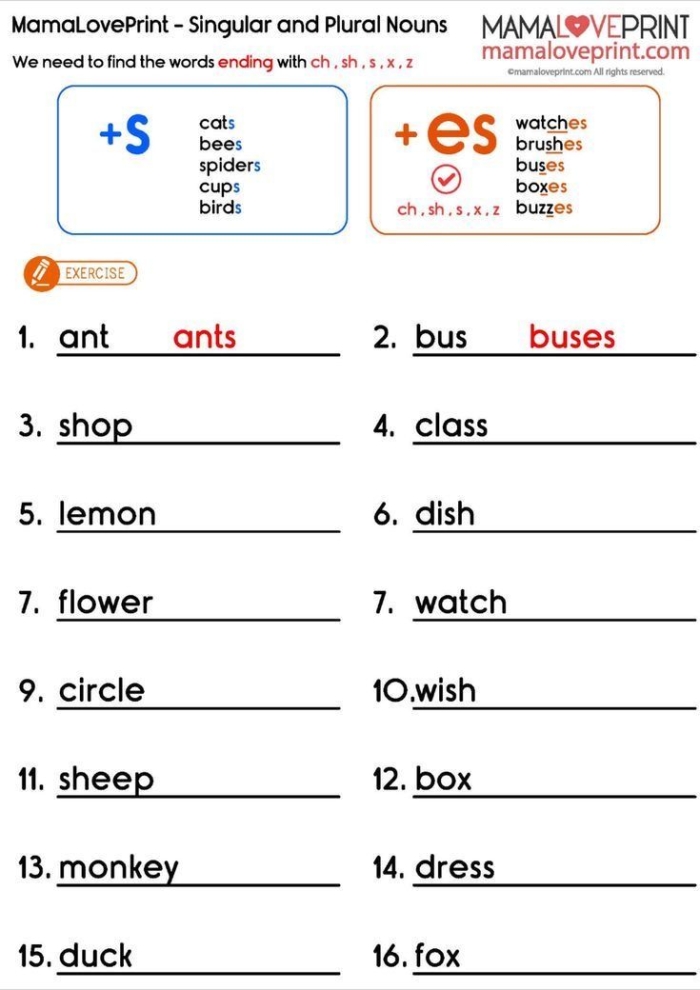
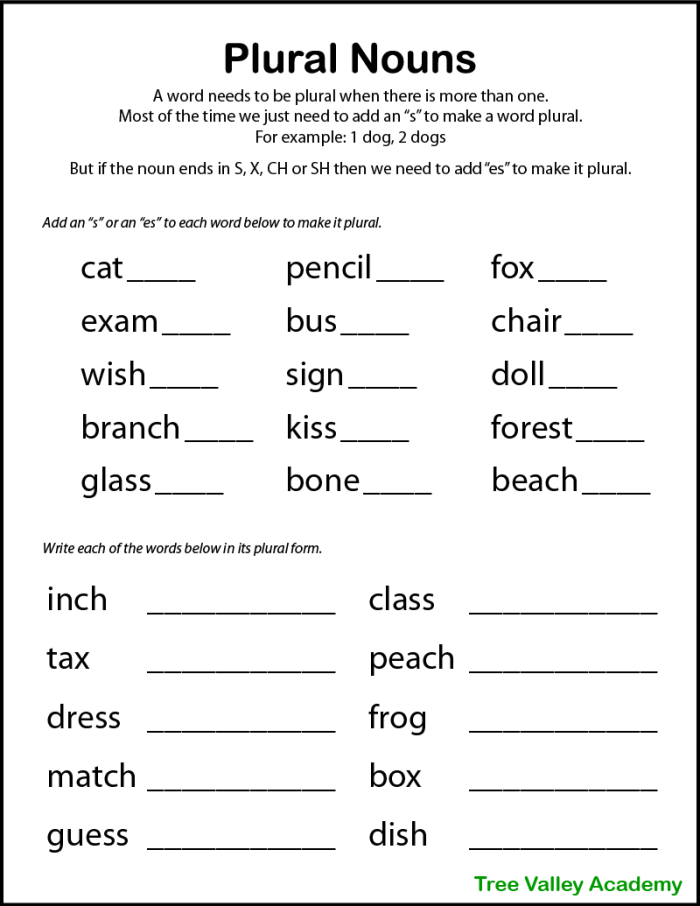
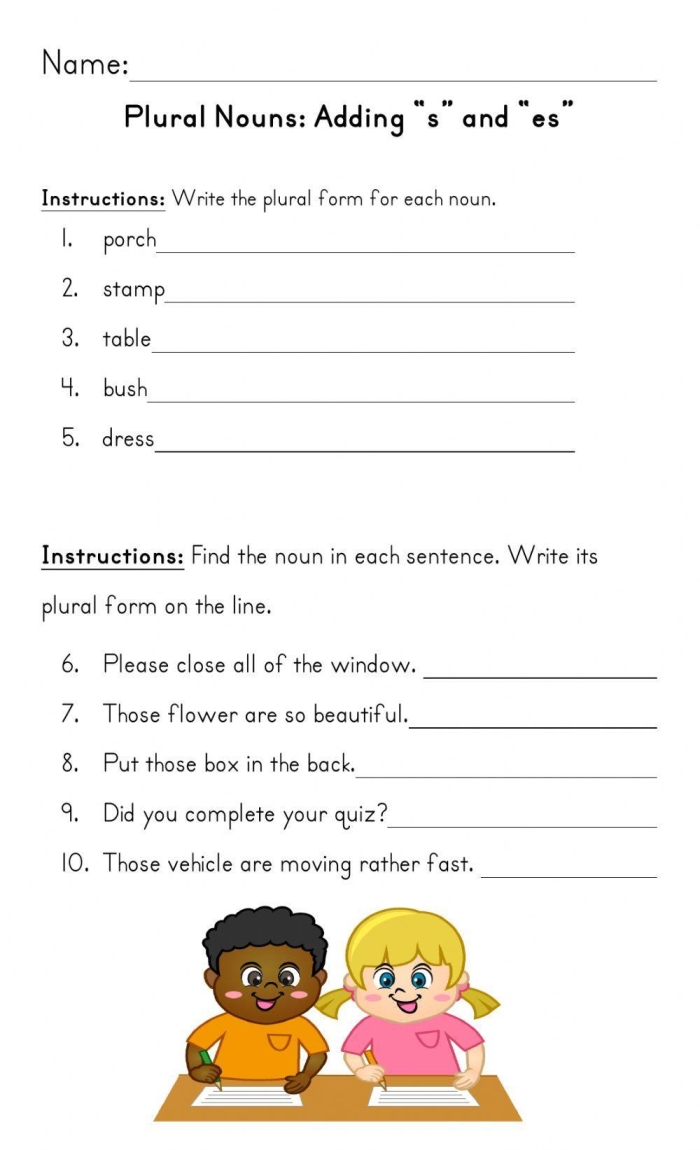
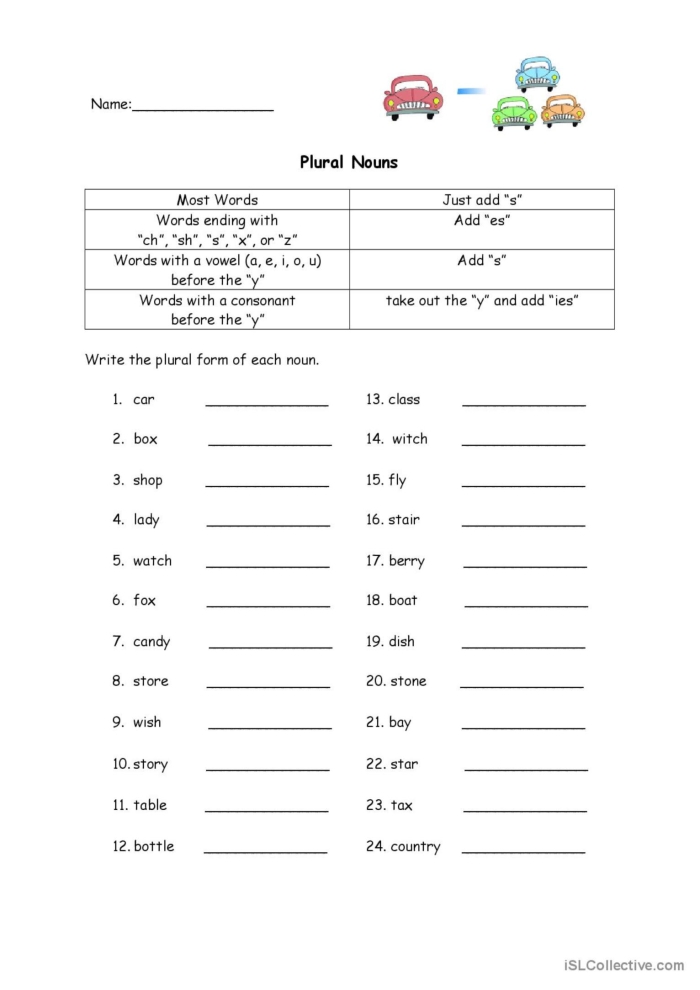
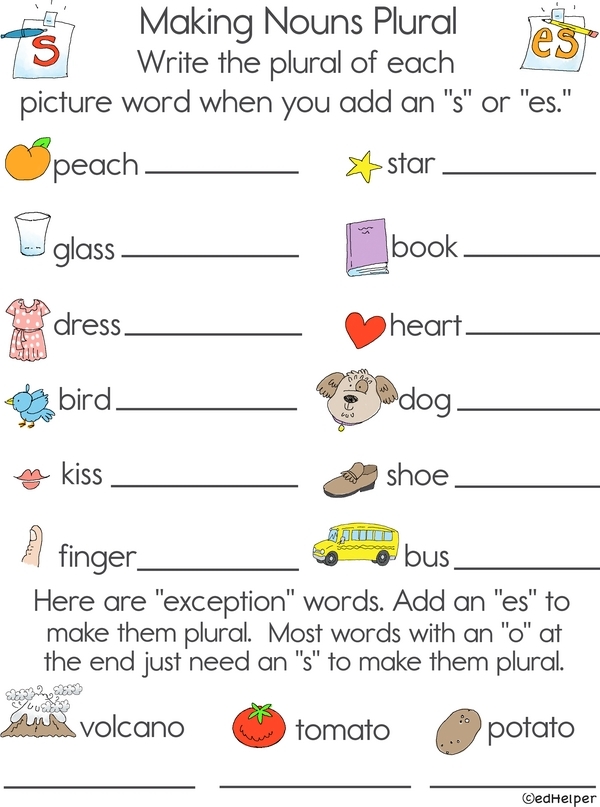
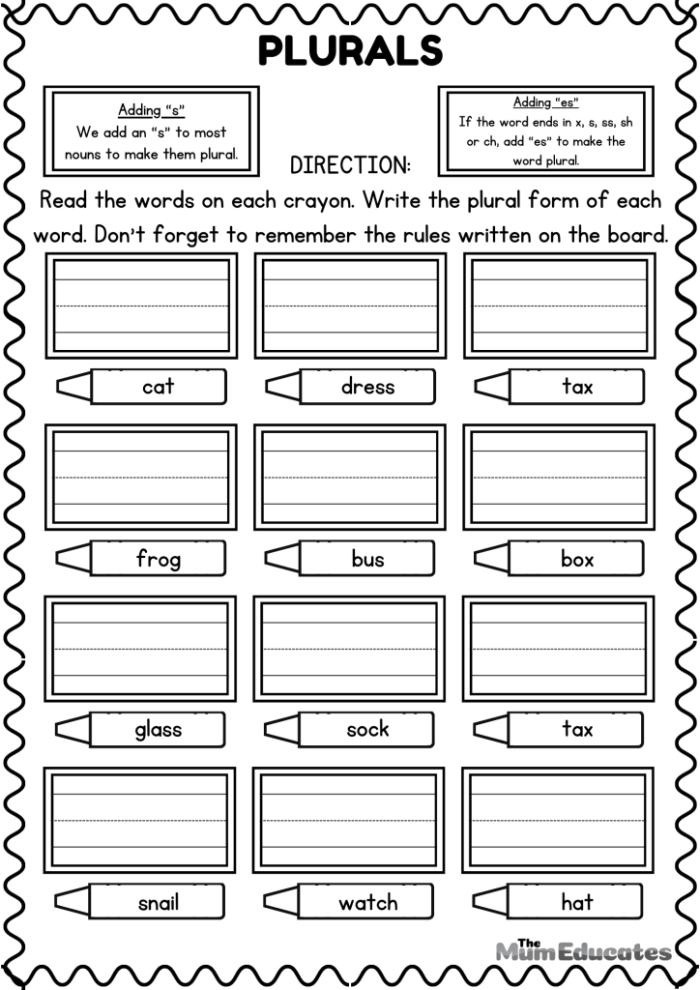
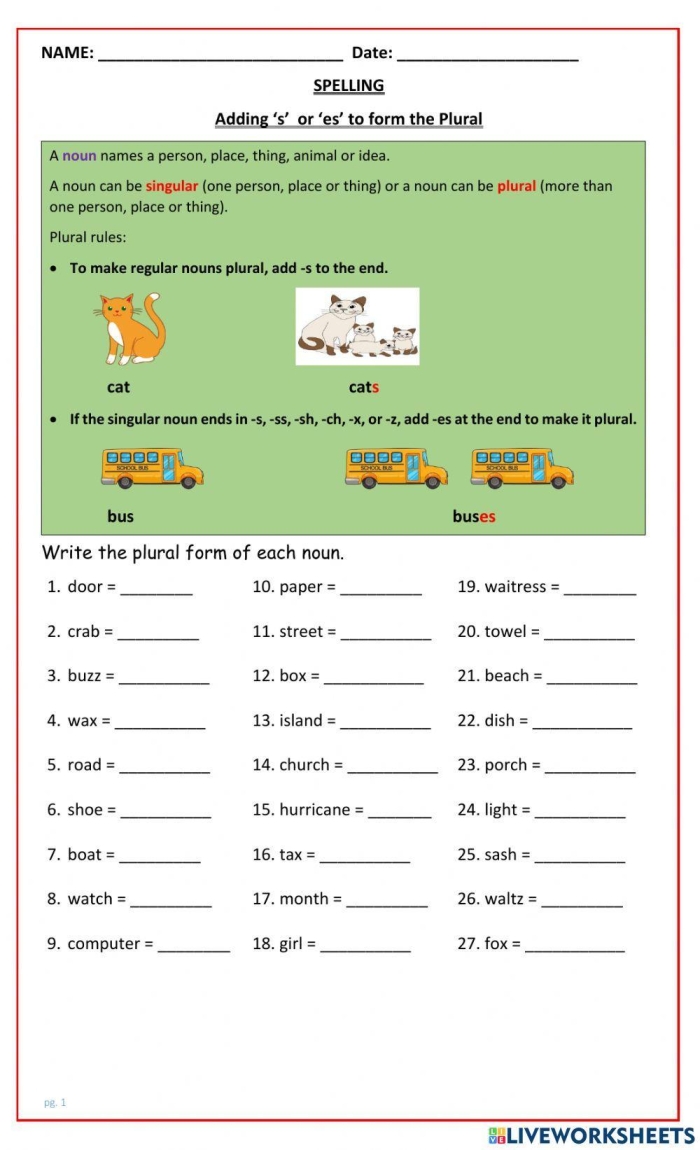
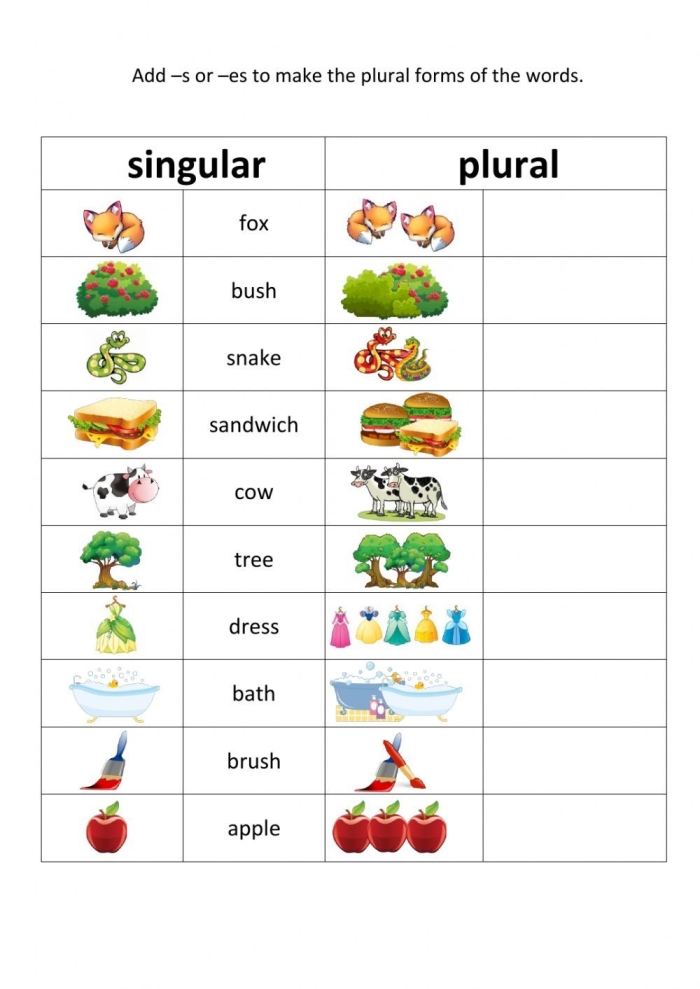
The basic rule sounds straightforward: add “s” to most words to make them plural. Cat becomes cats, dog becomes dogs, and book becomes books. But then students encounter words ending in “x,” “z,” “ch,” “sh,” or “ss,” which require “es” instead. A box needs to become boxes, not boxs. A dish becomes dishes, not dishs. This exception confuses many young learners because it feels arbitrary without clear explanation.
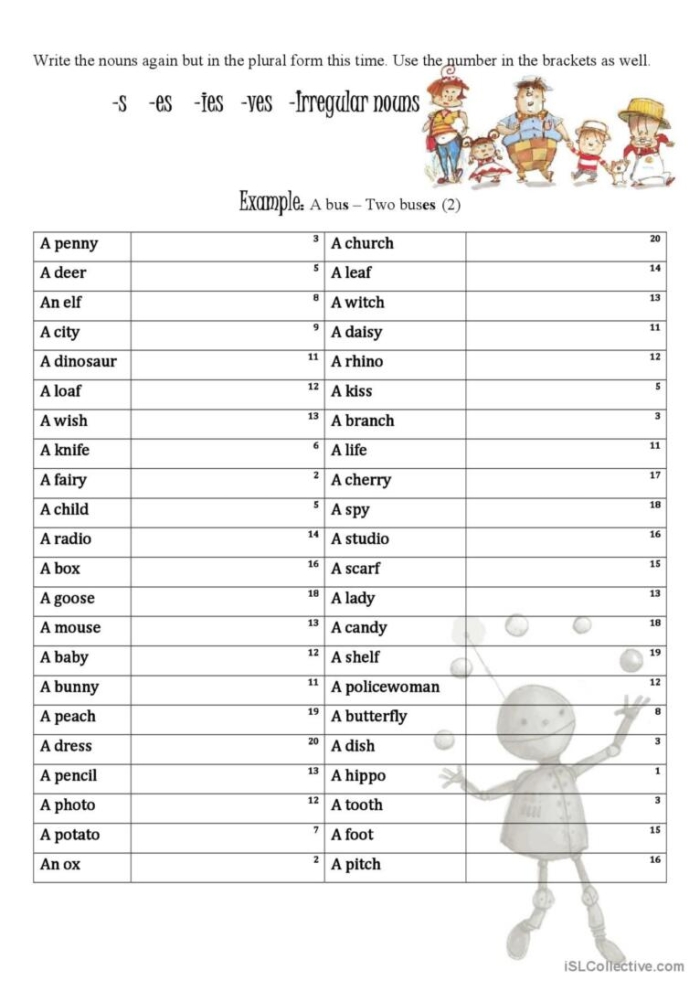
First graders benefit from seeing these patterns repeatedly through practice. When children work through exercises that ask them to choose the correct plural form, they begin recognizing which word endings trigger the “es” addition. Pairing grammar work with other literacy activities strengthens retention. For instance, combining plural practice with phonics practice with blends and digraphs helps students see how sound patterns connect to spelling rules.
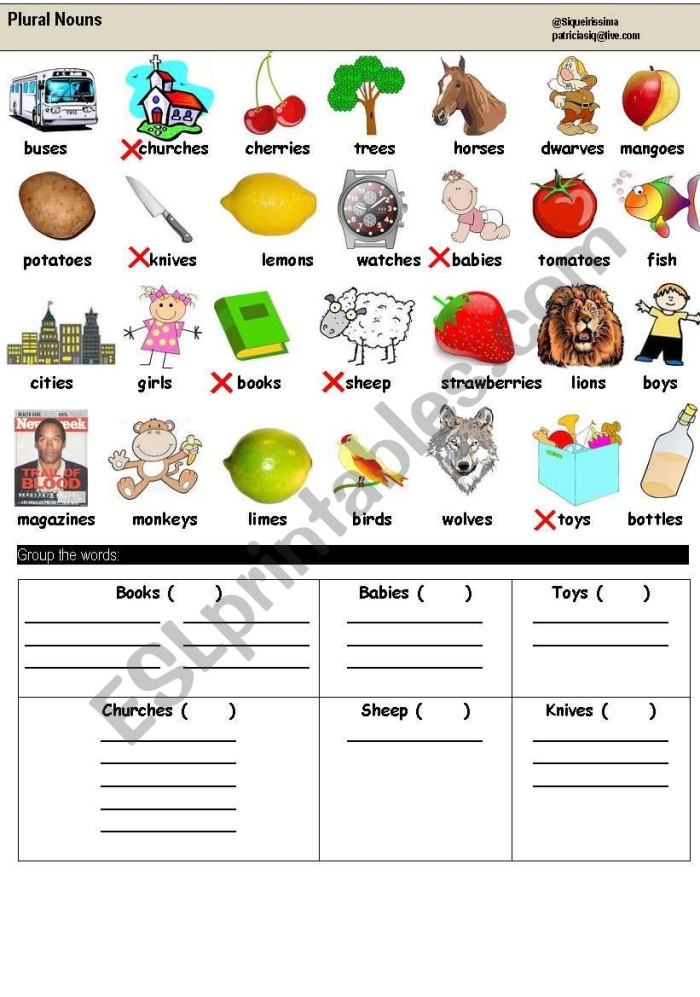
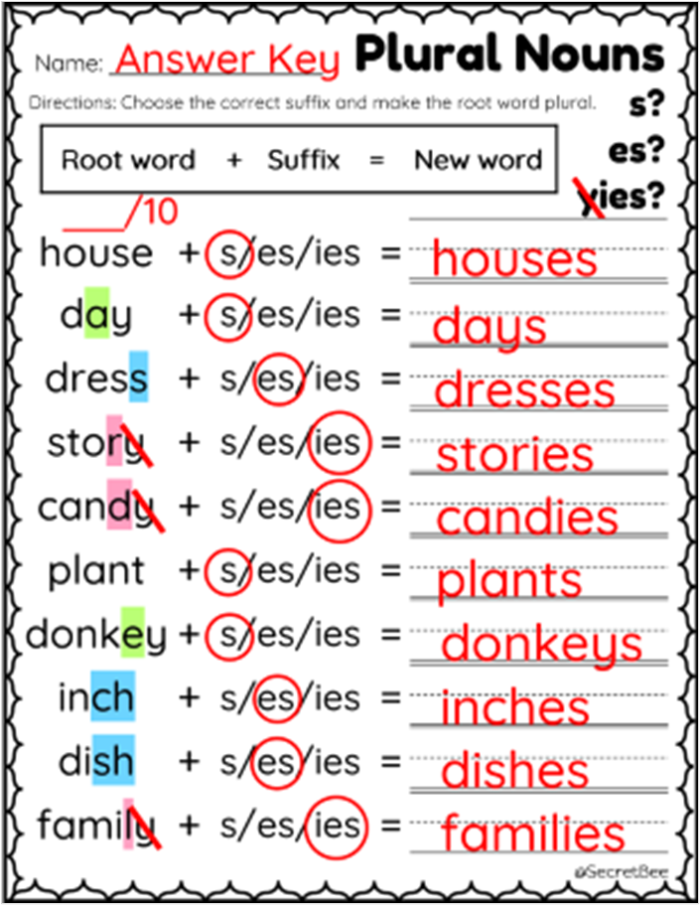
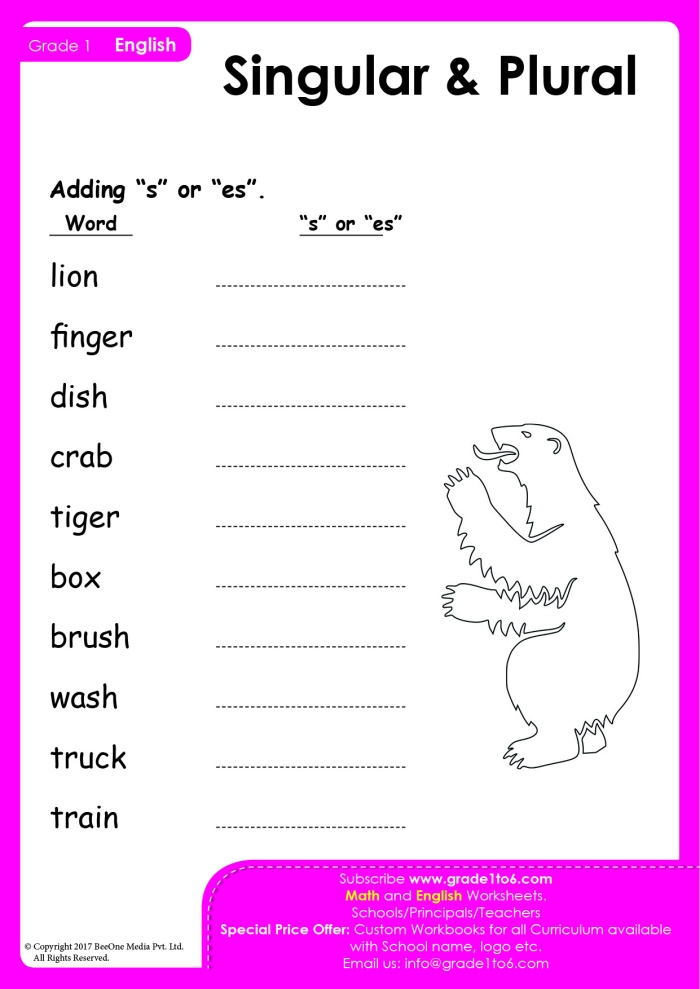
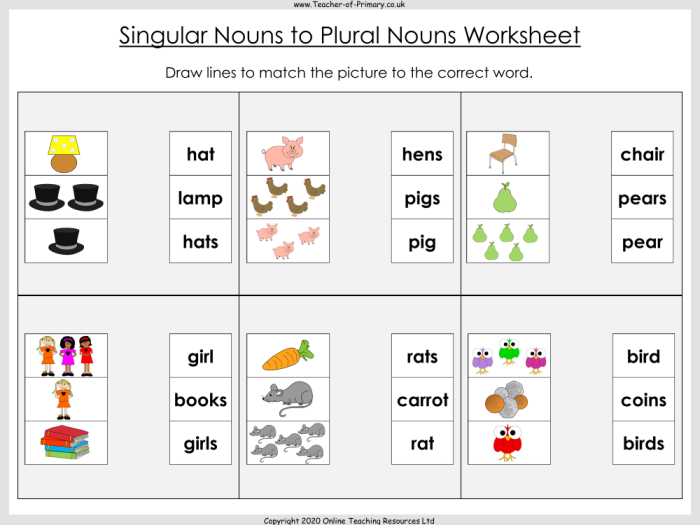
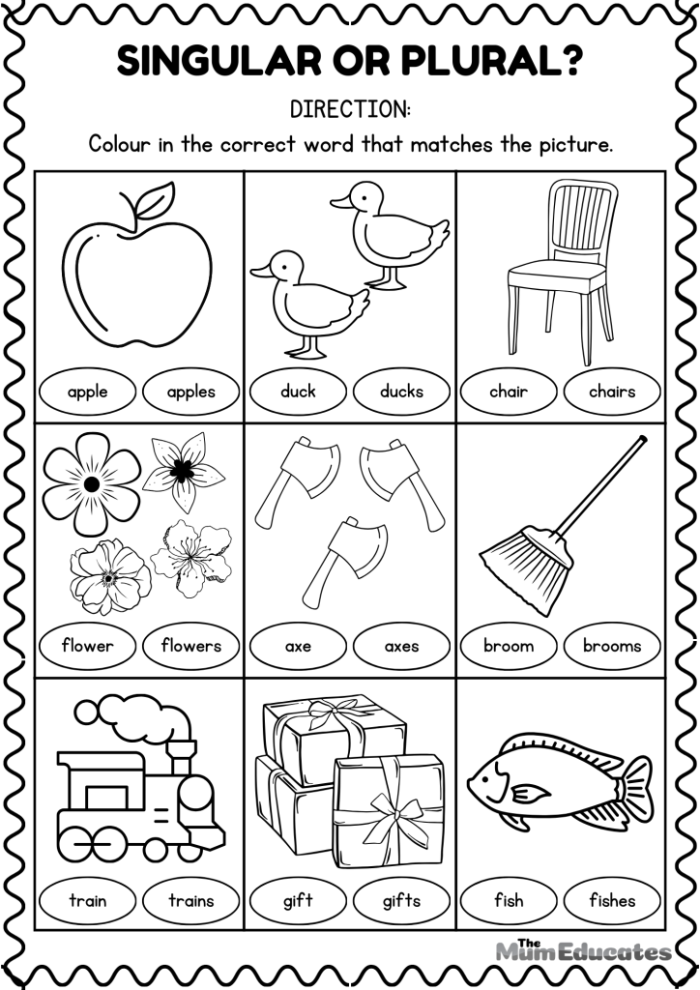
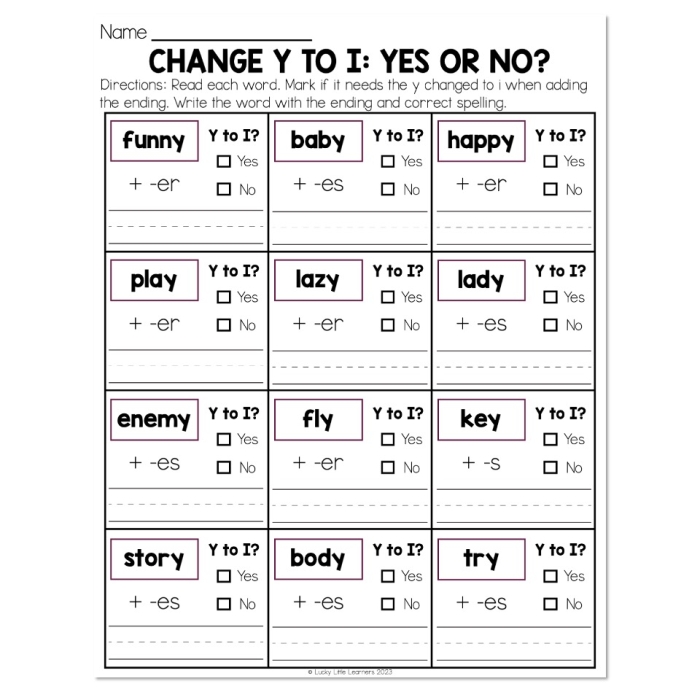
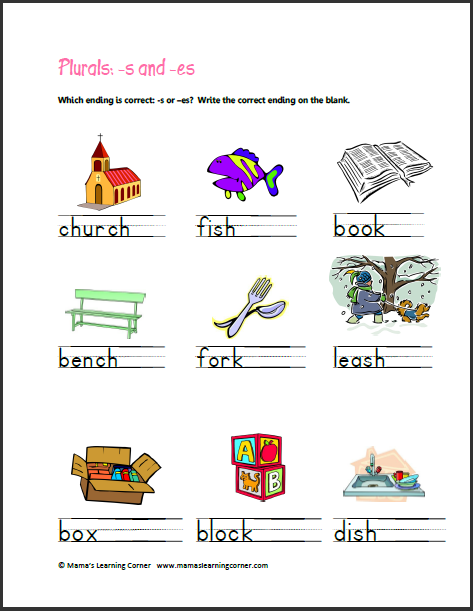
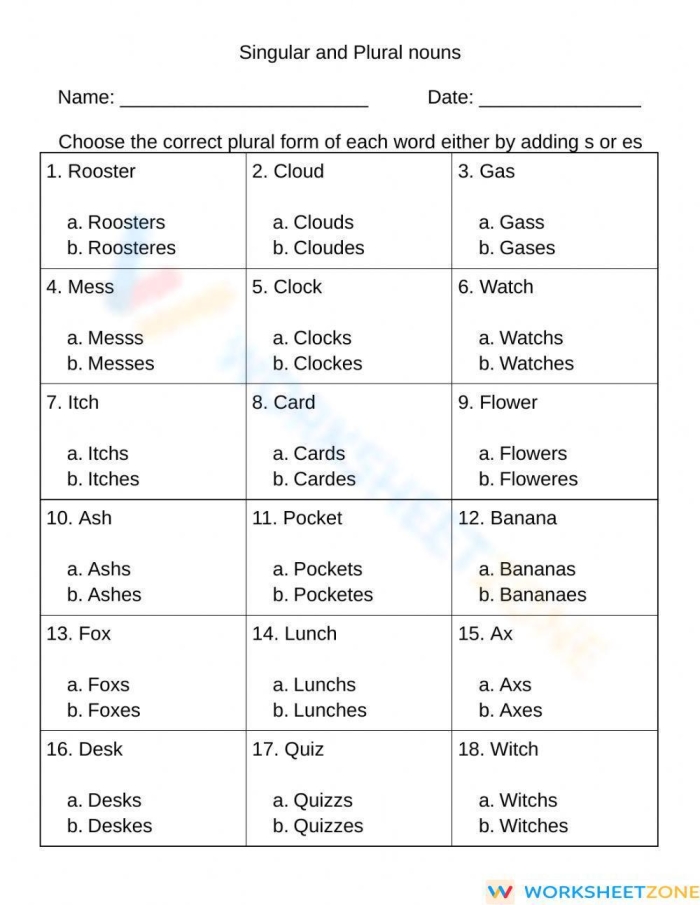
Worksheets designed specifically for this skill allow children to practice in low-pressure settings. A well-structured activity might present a word and offer two plural options, asking students to circle the correct form. This format builds confidence while reinforcing the distinction between “s” and “es” endings.
Repetition matters at this age. Your first grader might need to encounter the same rule across multiple contexts before it clicks. Using printable plural endings worksheets alongside reading activities gives children multiple opportunities to see these patterns in action, making the grammar rule feel less like an exception and more like a pattern worth remembering.
Use These Worksheets Today