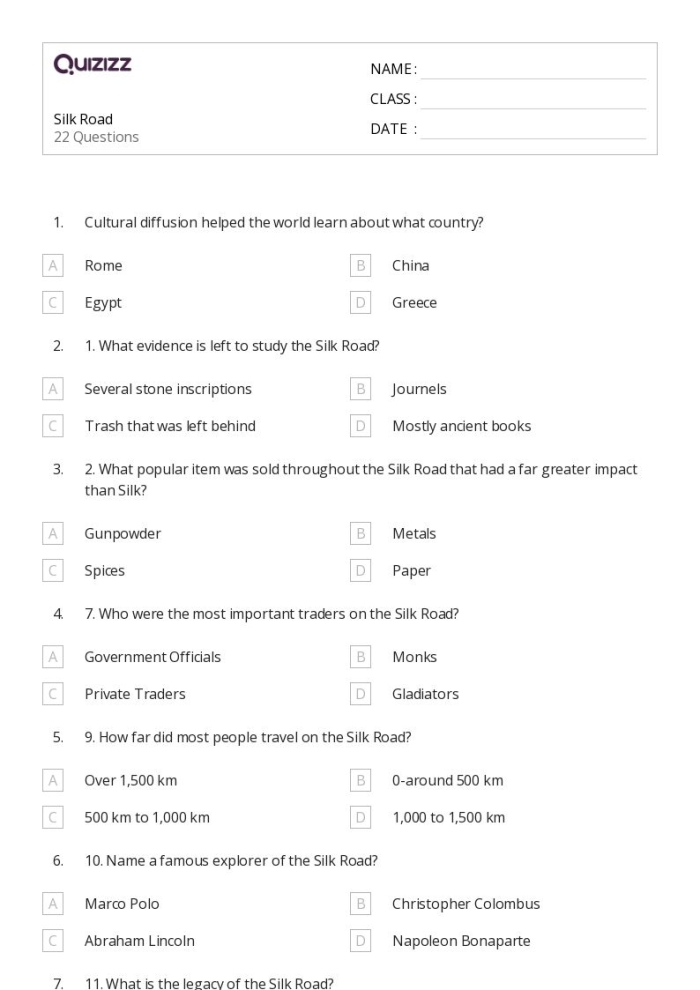
When sixth grade students tackle a worksheet focused on the Silk Road, they’re doing more than memorizing trade routes. They’re learning how to ask questions, find reliable sources, and piece together historical narratives from scattered evidence. This kind of research work builds skills that extend far beyond history class.
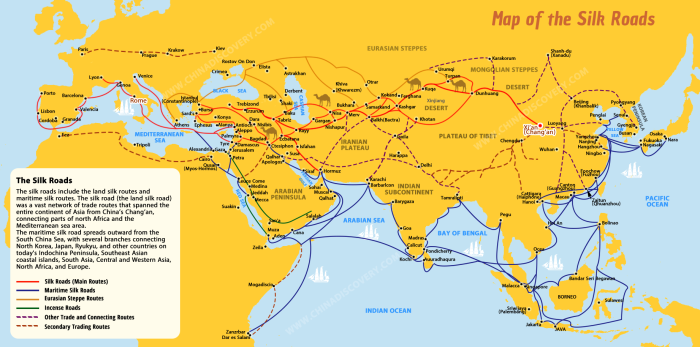
The Silk Road wasn’t actually a single road but rather a network of trade routes connecting China, Central Asia, the Middle East, and Europe from roughly the 2nd century BCE through the 15th century. What makes studying this topic valuable for young researchers is that it requires them to examine multiple perspectives. Merchants, government officials, and ordinary people all experienced these trade networks differently. A well-designed worksheet pushes students to consider these varied viewpoints rather than accepting a simplified version of events.
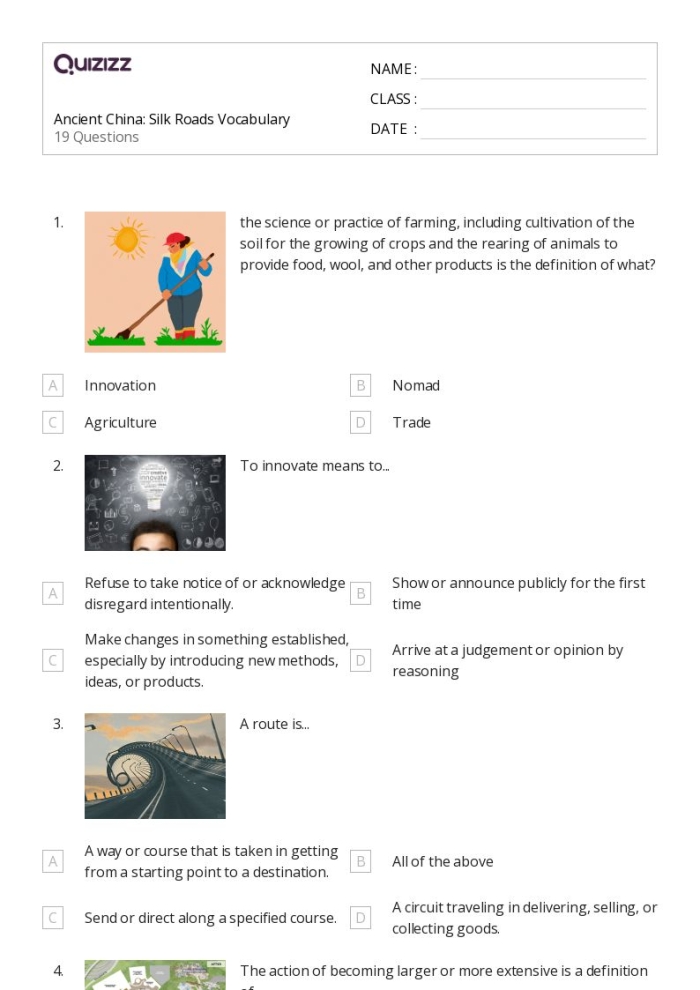
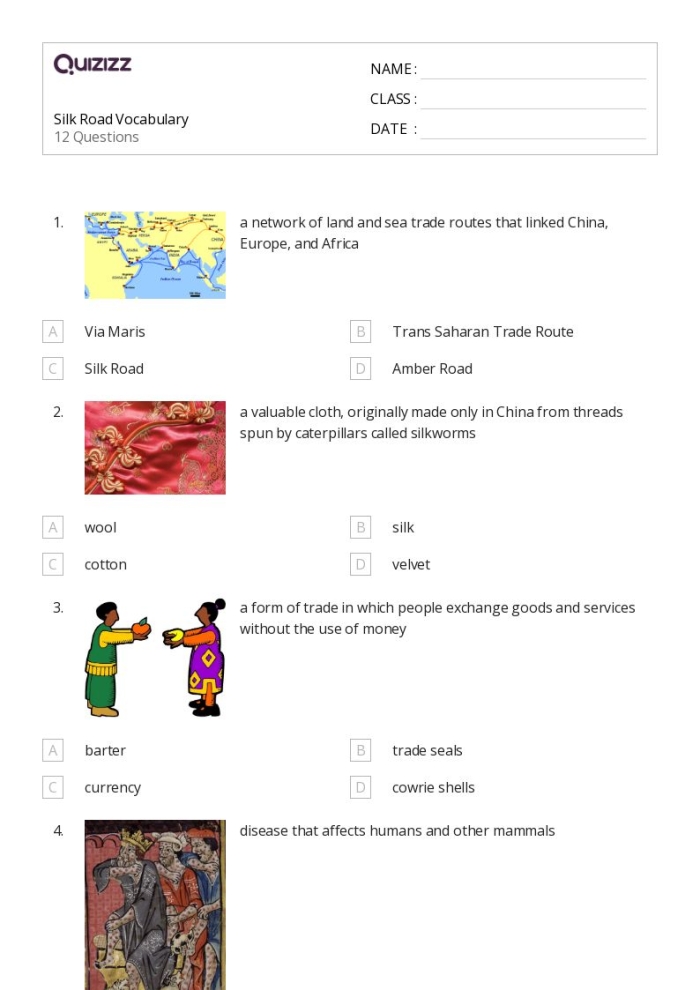
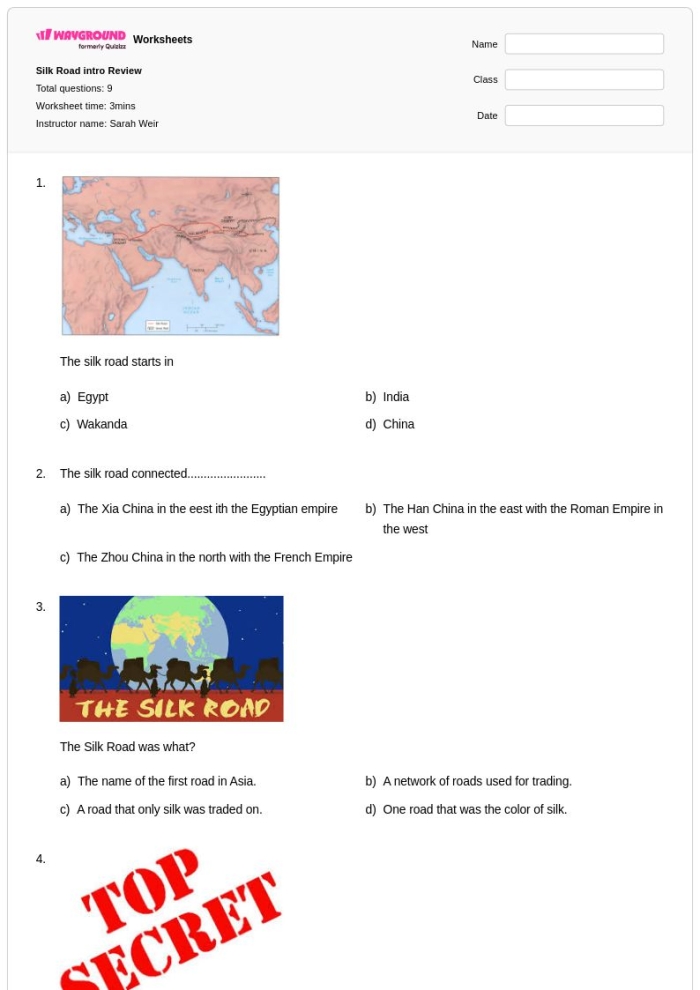
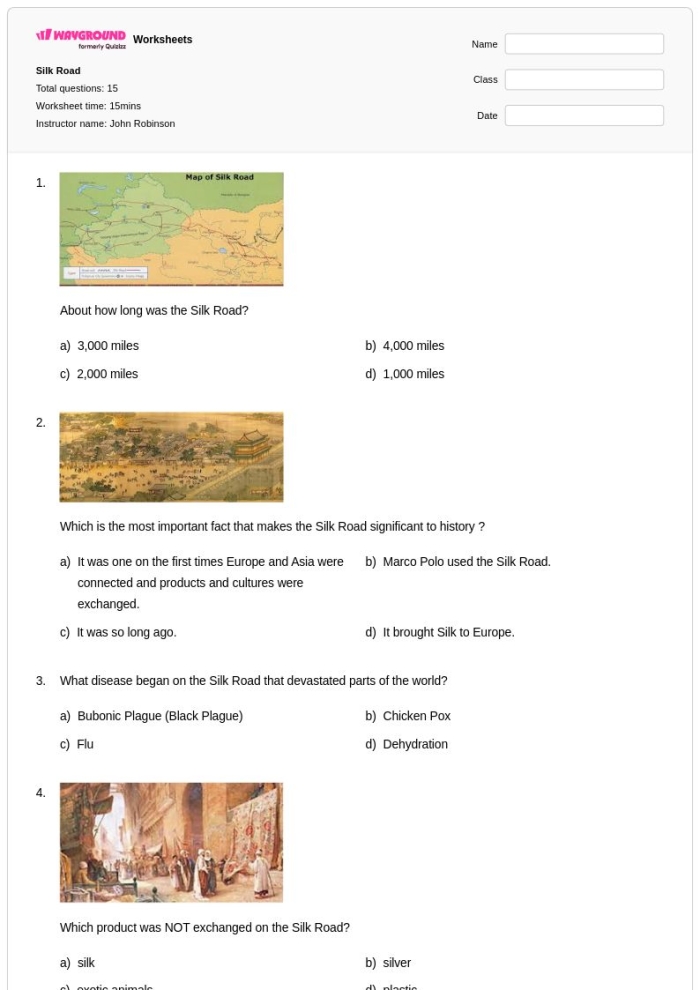
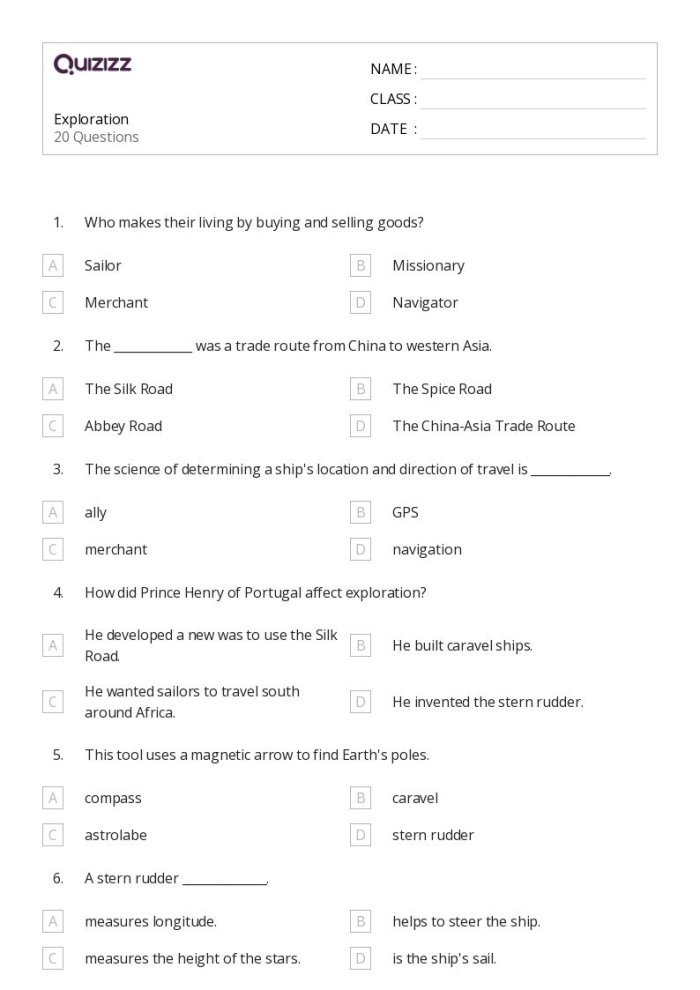
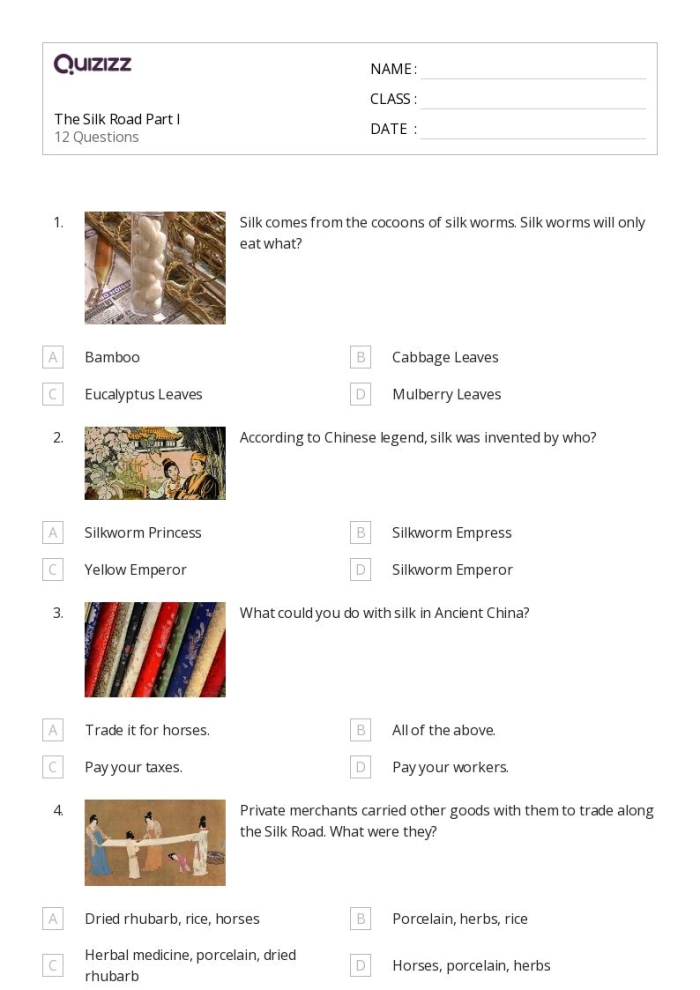
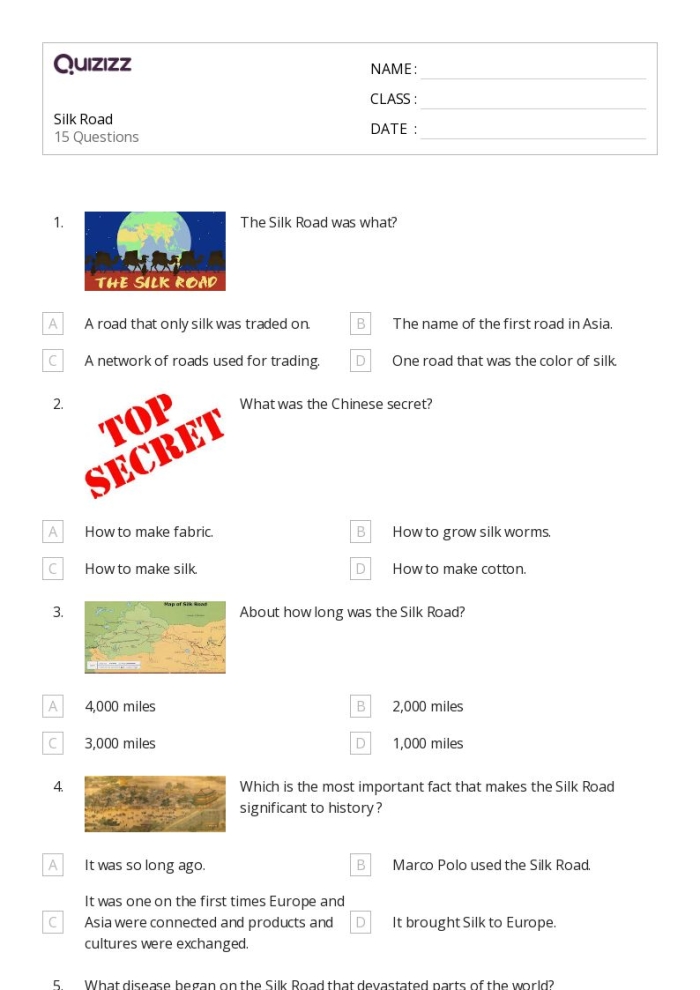
When you work through an Ancient China: The Silk Road writing worksheet, you’ll typically encounter questions that require you to locate information, evaluate its credibility, and synthesize what you’ve learned. These are authentic research practices. You might compare primary source excerpts from different traders, examine maps showing how routes changed over centuries, or investigate specific goods like silk, spices, and ceramics that drove commerce.
The writing component is equally important. Sixth grade writing assignments connected to the Silk Road ask students to organize their findings into coherent paragraphs, support claims with evidence, and properly cite their sources. Learning to write a bibliography at this stage establishes habits that serve students throughout their academic careers.
Beyond the mechanics, studying trade networks like the Silk Road introduces economic concepts naturally. Students begin understanding how shortage, surplus, and prices influenced which goods traveled which routes, connecting historical study to real economic principles they encounter today.
Printable Worksheets for Practice