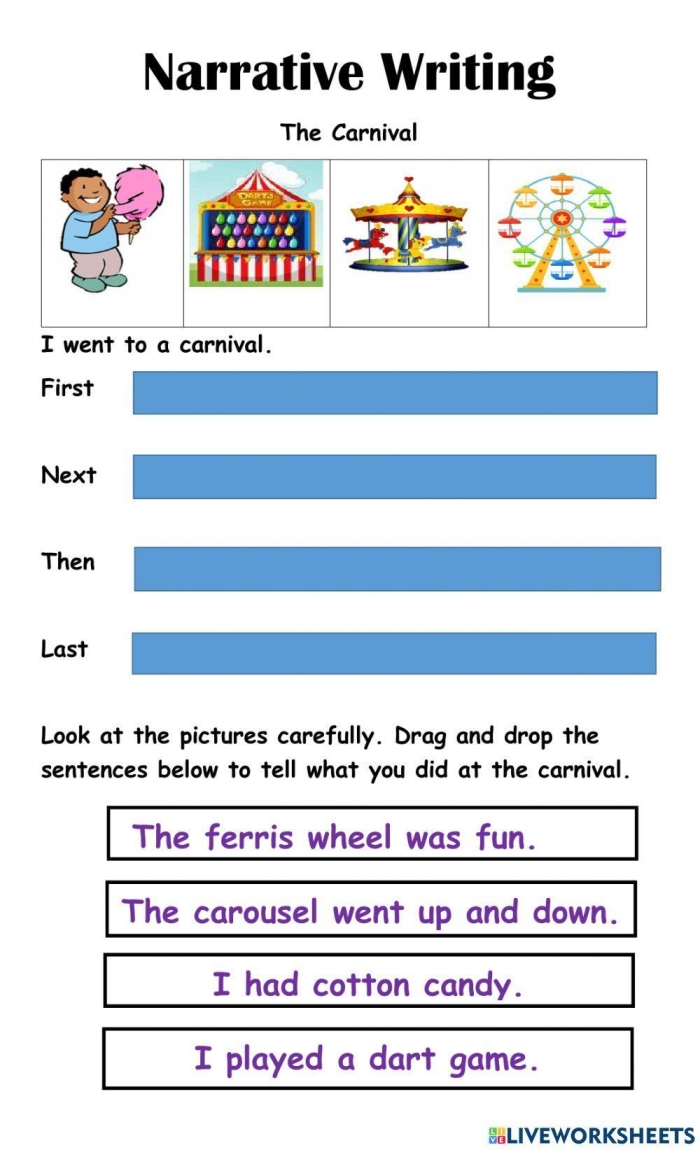
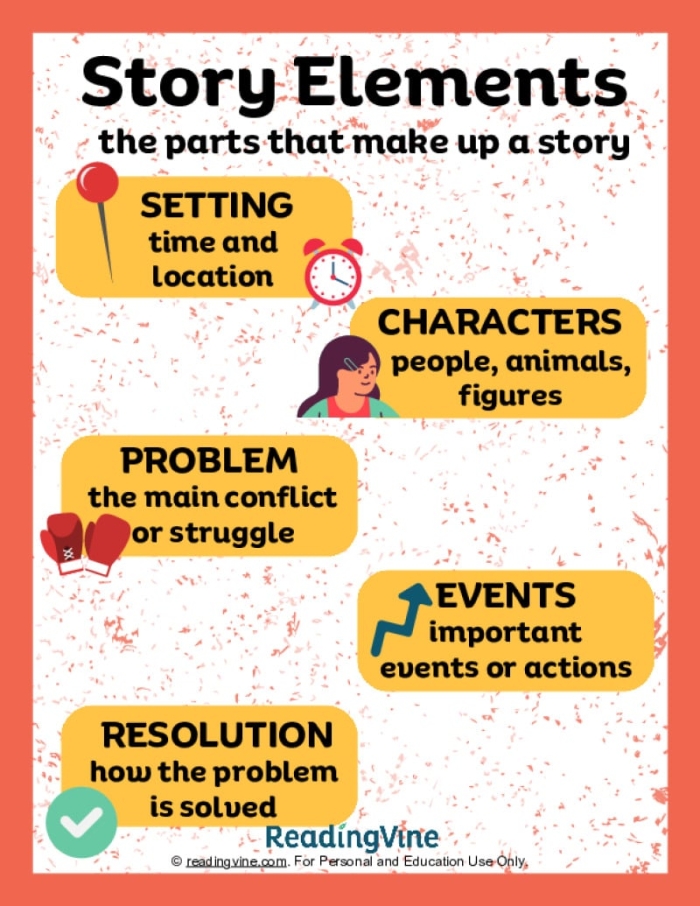
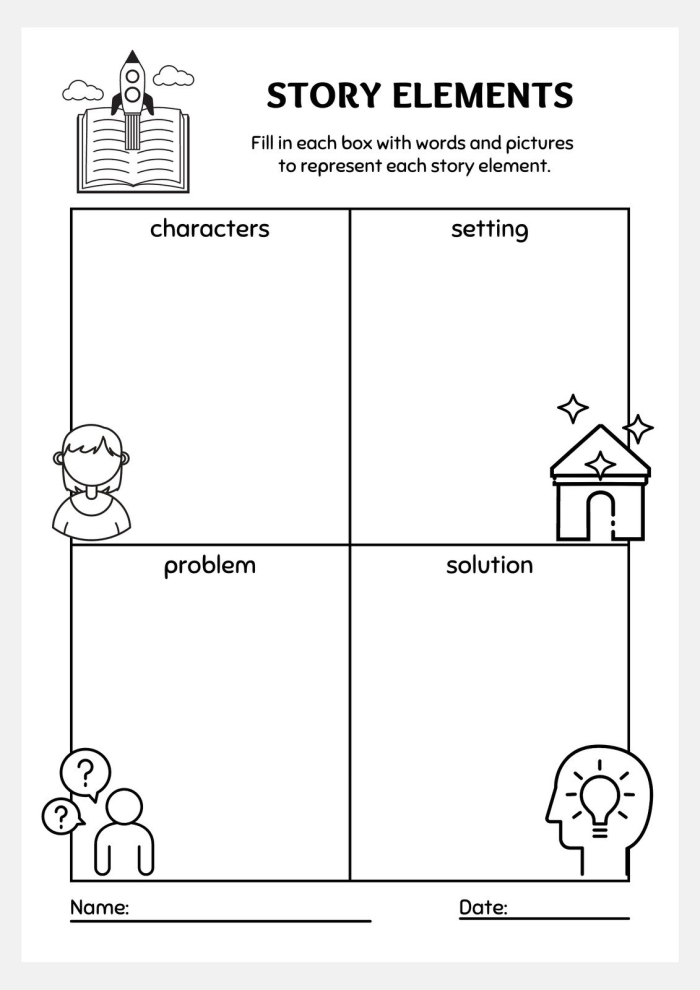
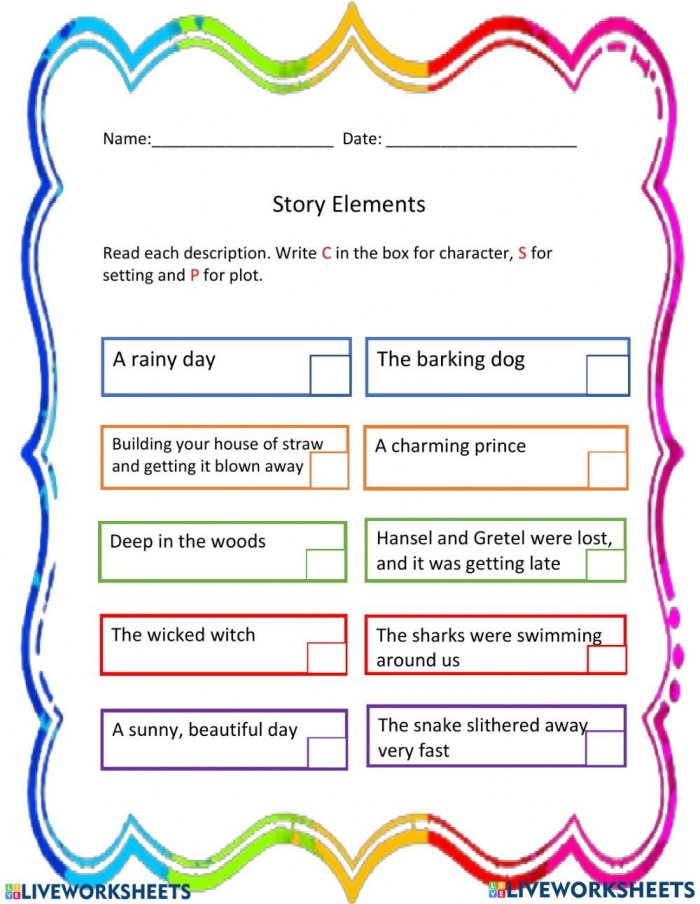
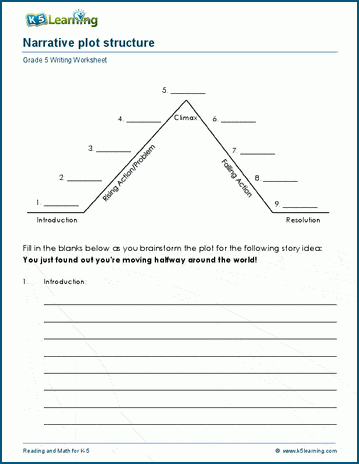
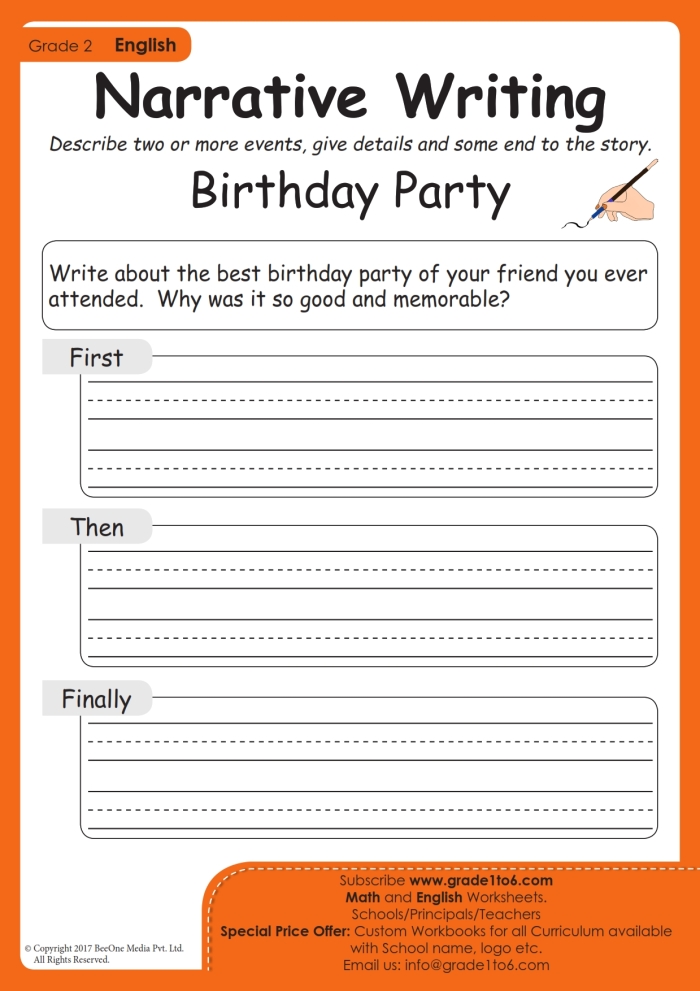
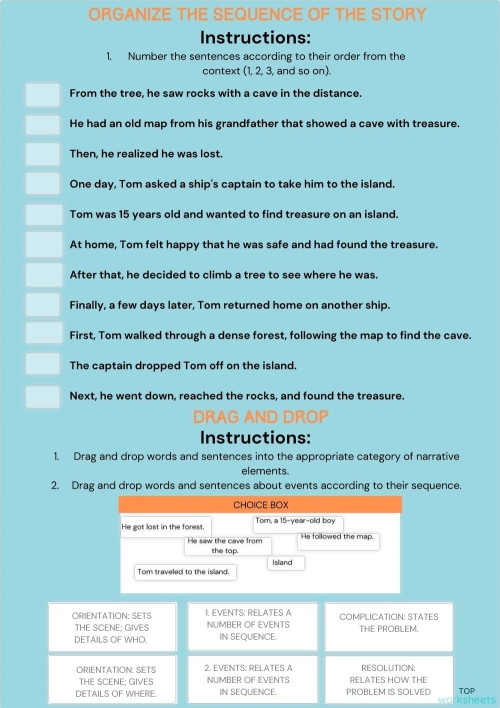
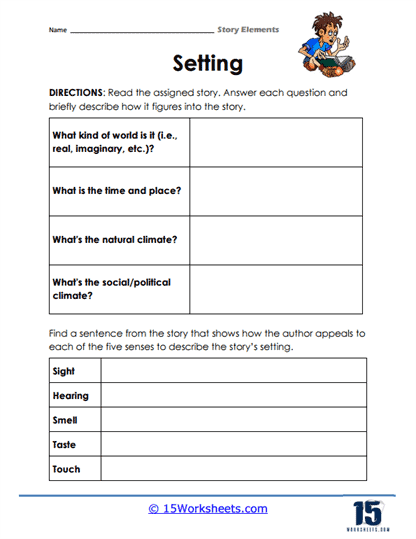
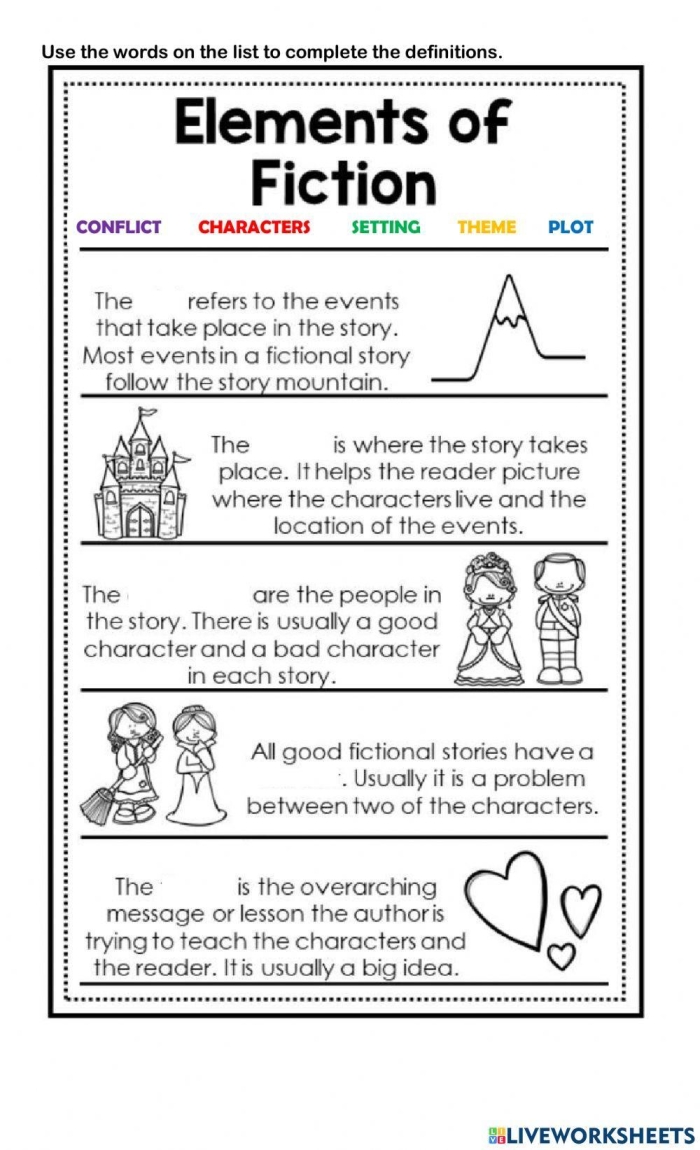
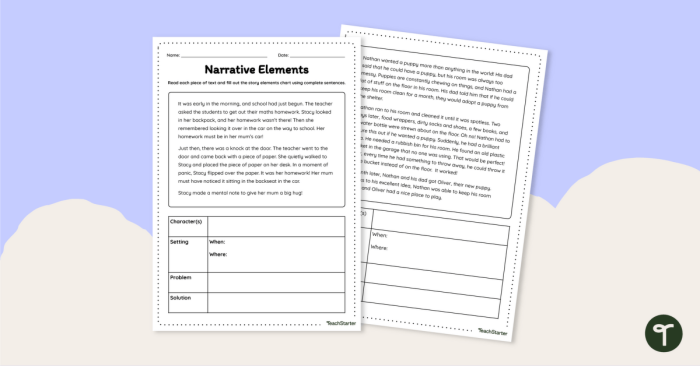
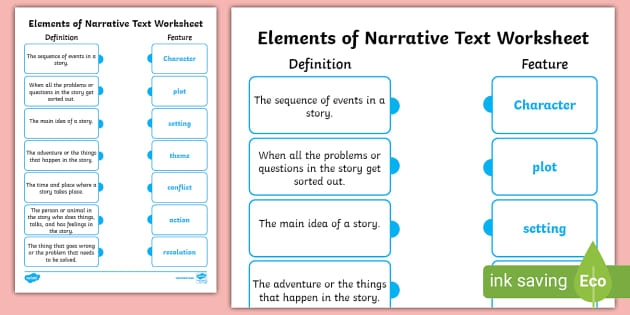
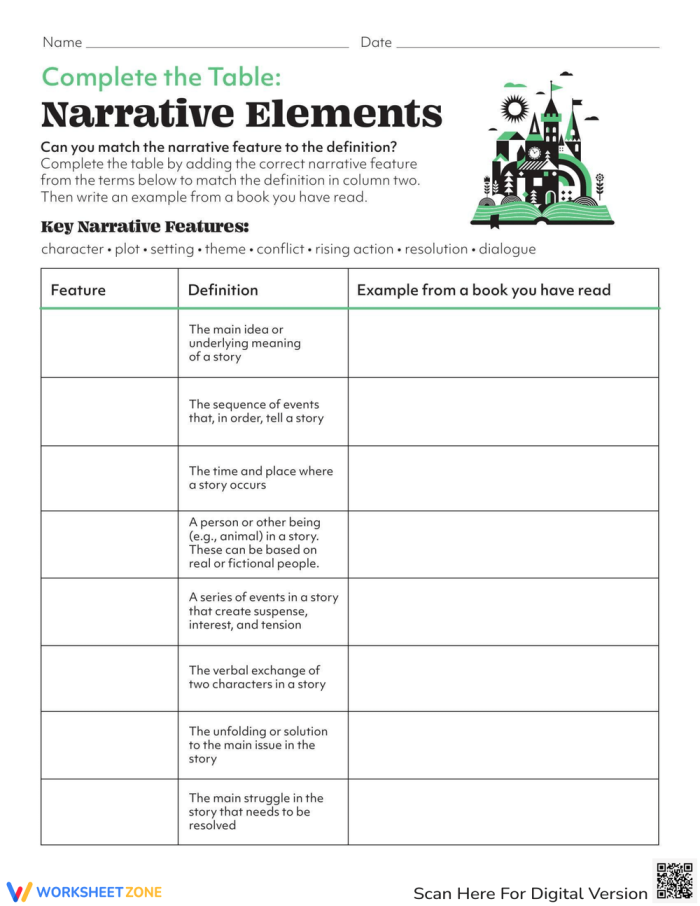
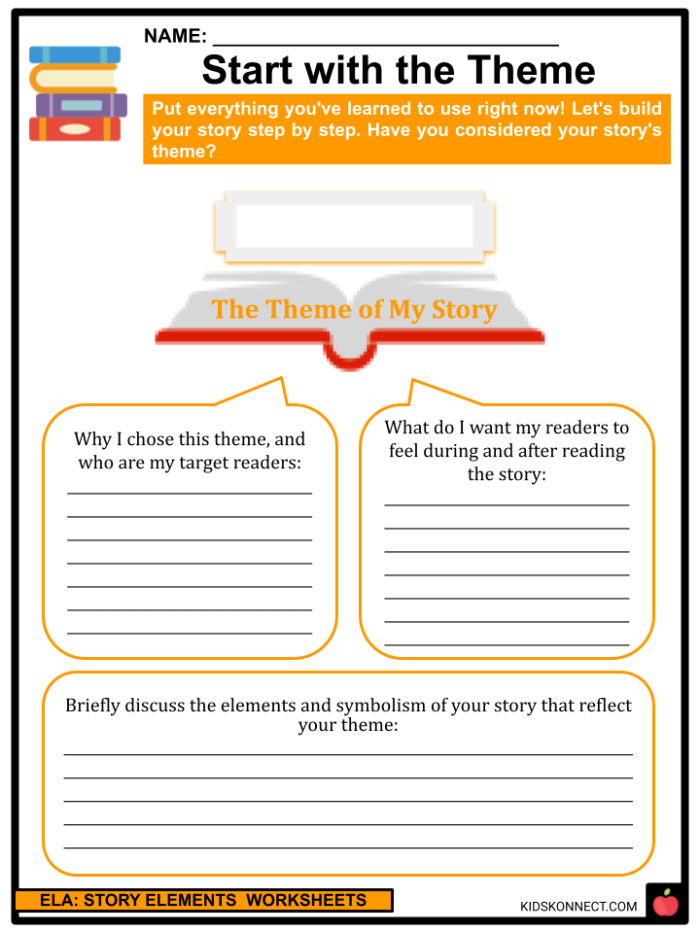
When third graders complete a table of narrative elements, they’re doing more than filling in blanks. They’re actively sorting through the building blocks of storytelling and cementing their grasp of how stories actually work. This type of exercise forces young readers to identify what makes a story tick, from characters and settings to conflicts and resolutions.
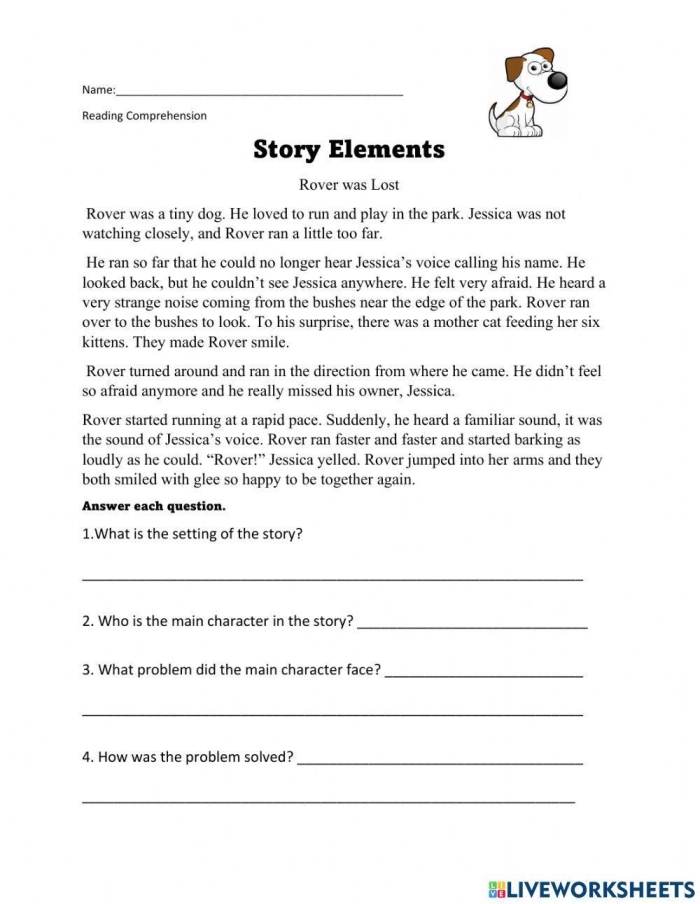
The strength of this approach lies in its directness. Rather than passively reading about narrative structure, students must locate and organize these elements themselves. They learn that every story has a protagonist who wants something, a place where the action unfolds, and obstacles that create tension. When a third grader writes down “The princess lived in a tall tower” under the setting section, they’ve just proven they understand that setting is more than just a location—it’s a specific detail that shapes the entire narrative.
Grammar and mechanics naturally reinforce during this work. Students practice sentence construction, capitalization, and punctuation as they record their findings. Pairing this exercise with complementary activities strengthens retention. For instance, working through subject and predicate practice helps students identify who is doing what in a story. Similarly, word problems with addition and subtraction teach students to extract key information from text, a skill that transfers directly to identifying narrative elements.
The table format itself provides scaffolding. It gives structure without overwhelming young learners, making abstract concepts concrete and manageable. By the time students complete several of these exercises, they’ve internalized the framework. They begin recognizing narrative patterns in everything they read, which deepens both comprehension and their own writing abilities.
Practice with These Worksheets