When your fifth grader comes home talking about the American Revolution or the founding of the United States, they’re absorbing facts about dates, key figures, and major events. But somewhere between memorizing names and understanding timelines, a deeper question gets glossed over: what does freedom actually mean?
Most fifth grade history curricula focus on the external story of freedom, the dramatic narrative of colonists breaking away from British rule. Students learn about protests, battles, and declarations. They study how people fought for independence. Yet many kids can recite these details without really grasping what freedom meant to those people or what it means in their own lives today.
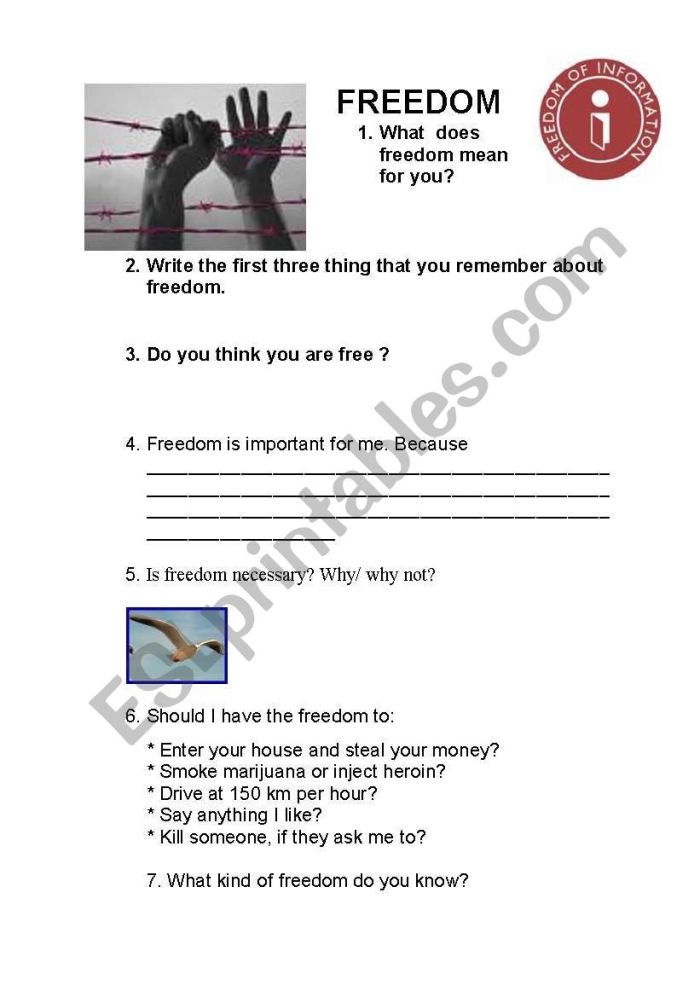
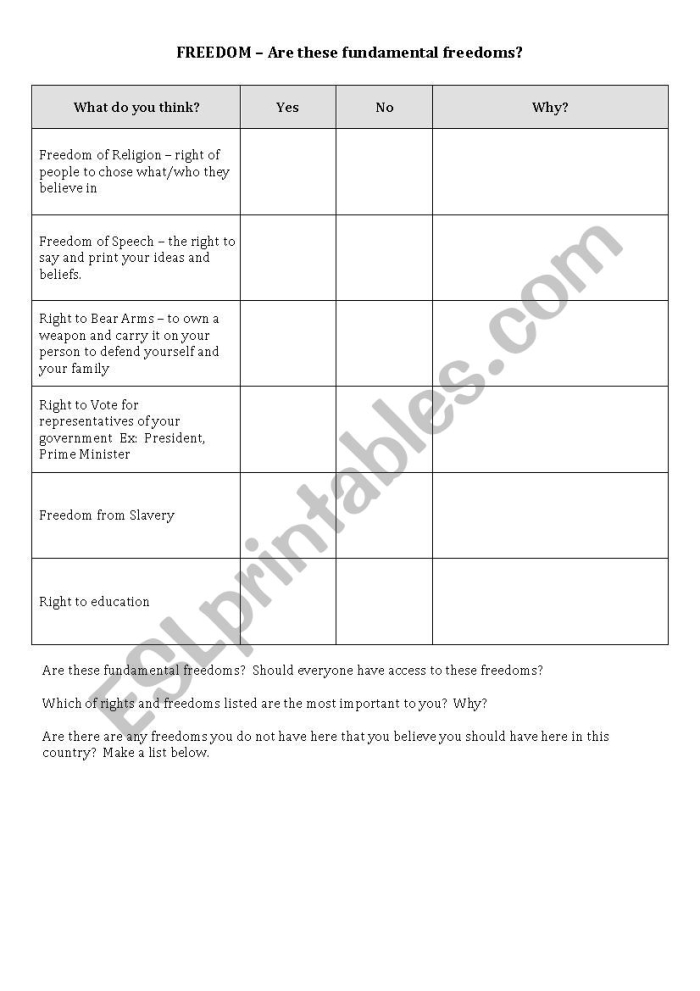
Ask your child to define freedom without using the word “freedom” itself. You’ll likely get answers like “doing what you want” or “nobody telling you what to do.” These aren’t wrong, but they’re incomplete. Freedom in a historical context involved specific, hard-won rights: the right to vote, to speak your mind, to practice your religion, to own property. It also came with responsibilities and limits. You can’t do anything you want; your freedom ends where someone else’s begins.
This conversation matters because understanding freedom as a concept, not just a historical event, helps fifth graders see why people took risks and made sacrifices. When studying topics like monarchy versus democracy, students grasp that these weren’t just different government systems, but fundamentally different approaches to who holds power and what rights people have.
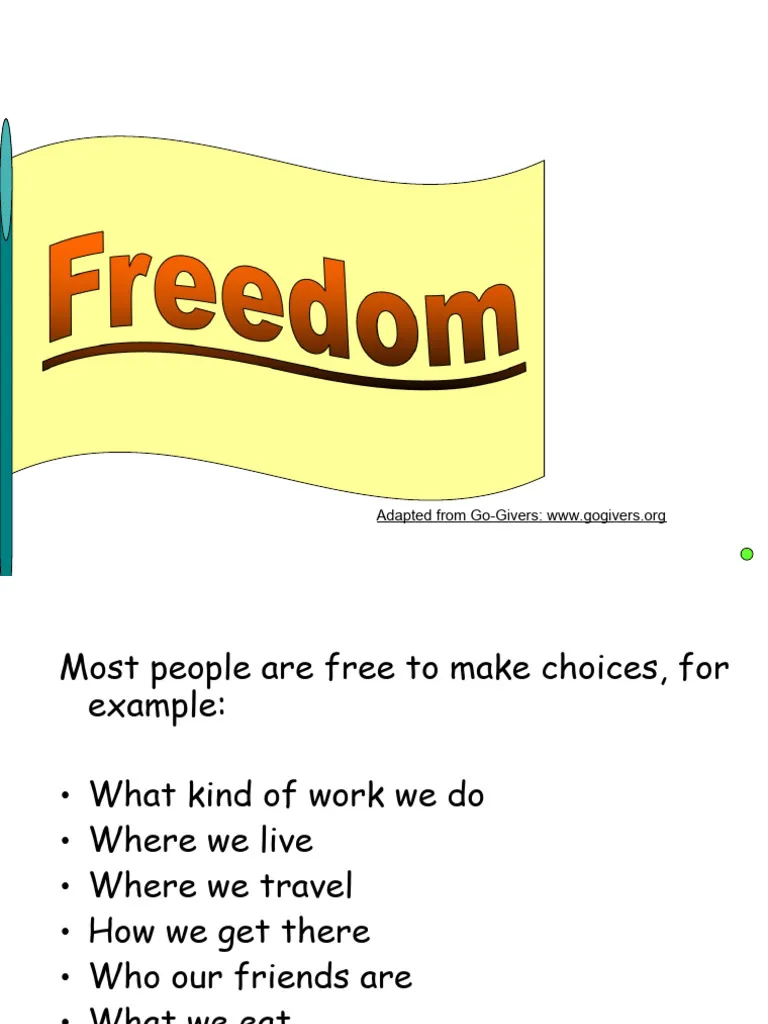
You might explore what freedoms your child values most in their own life. Can they choose what to wear? What they eat? Who their friends are? Which of these feel important, and why? This personal connection transforms abstract history lessons into something real and relevant.
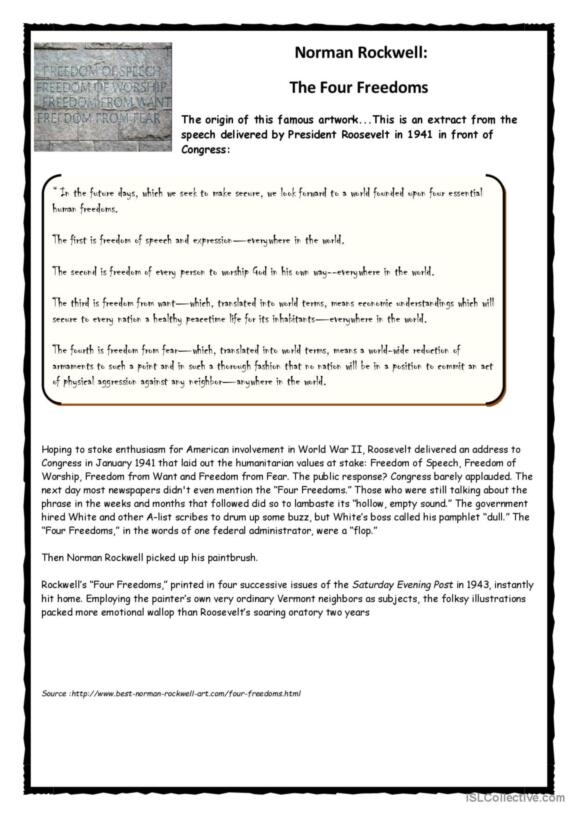
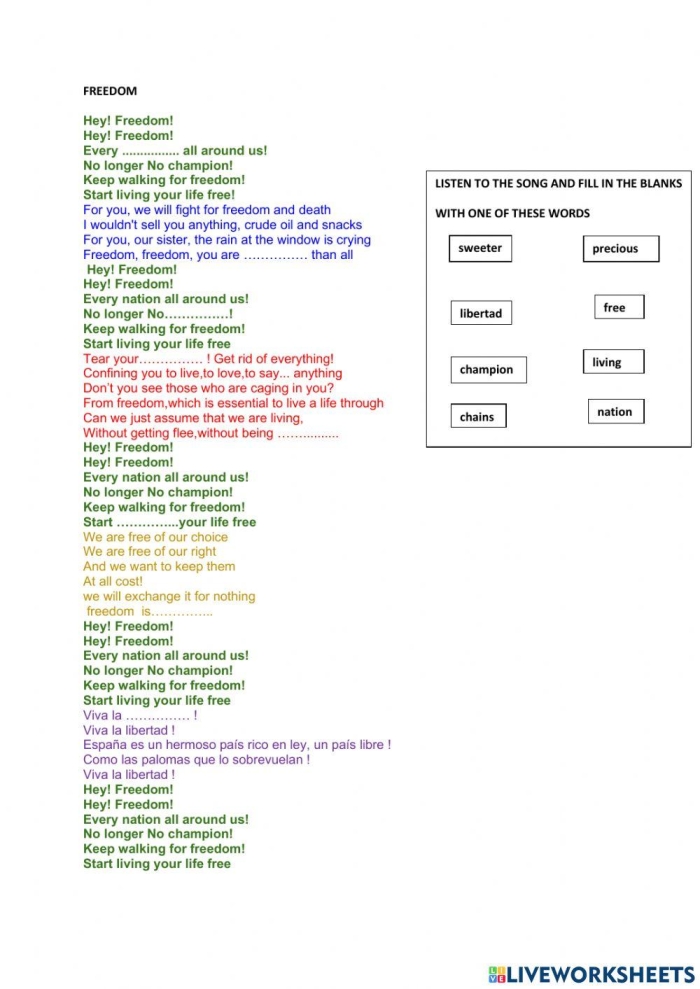
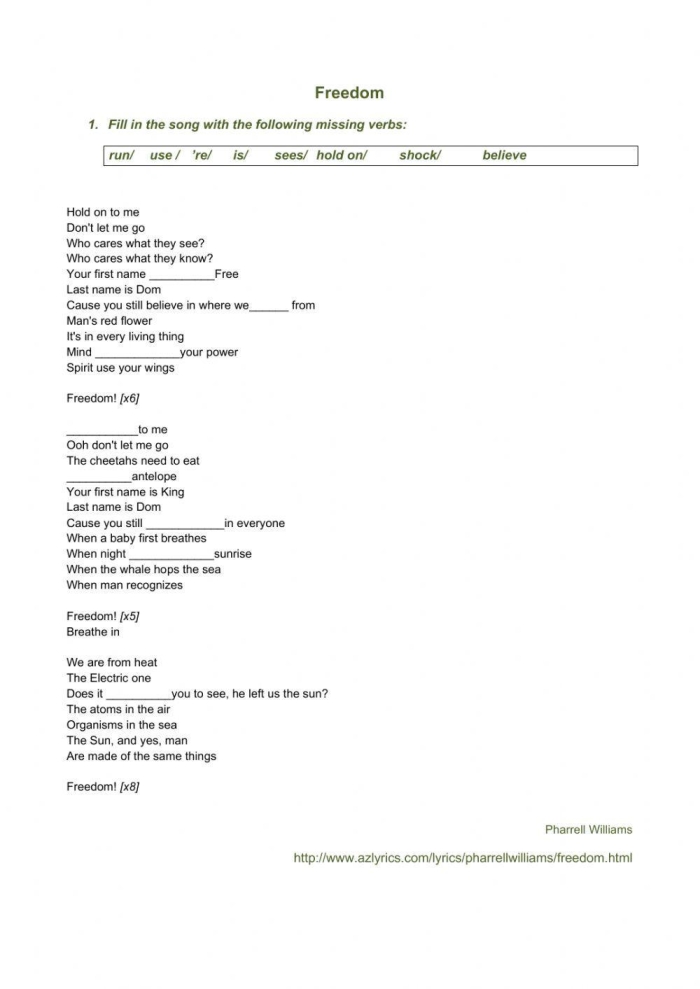
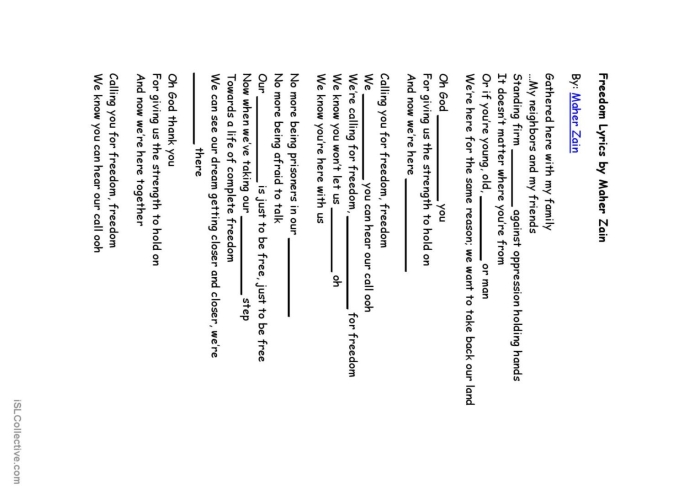
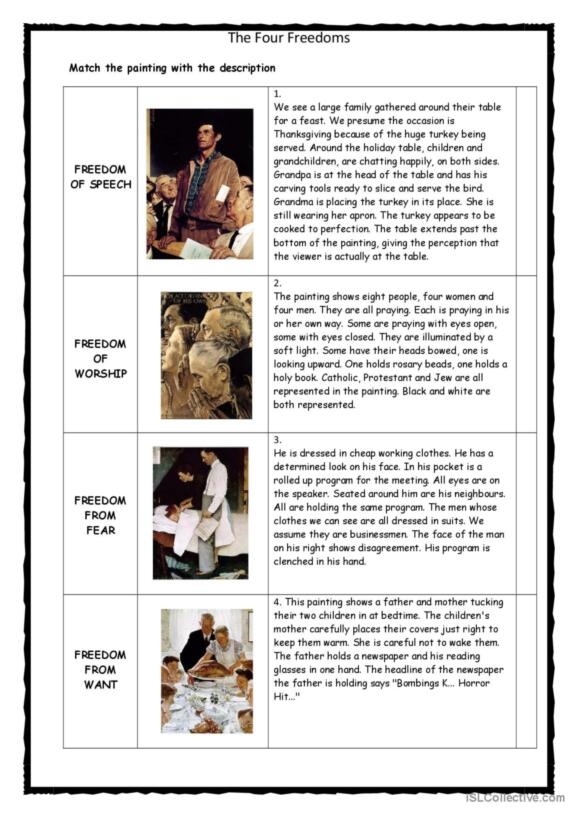
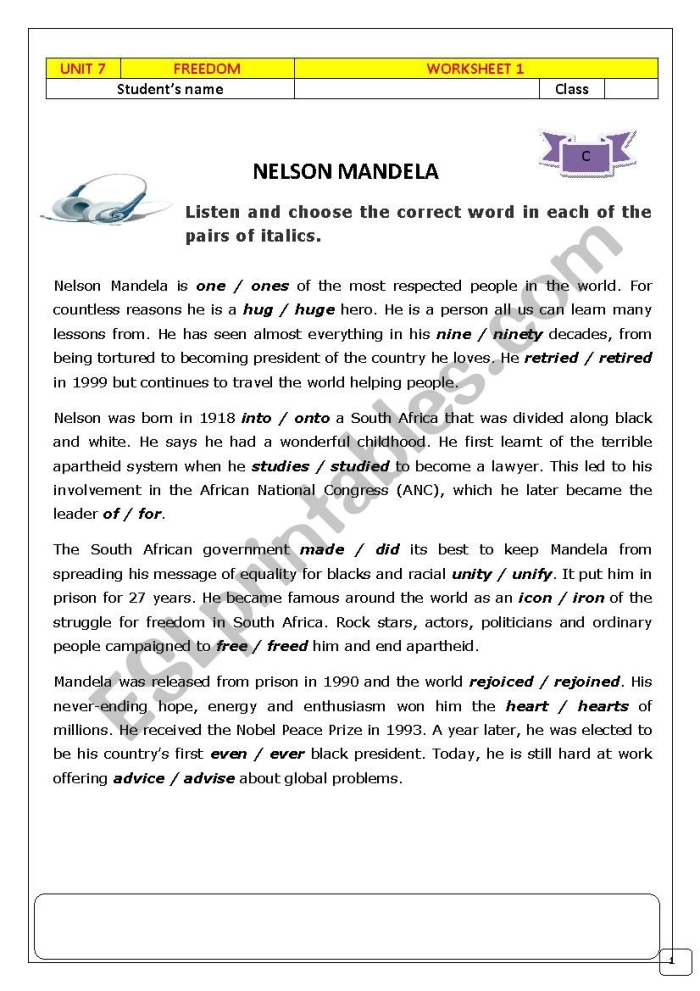
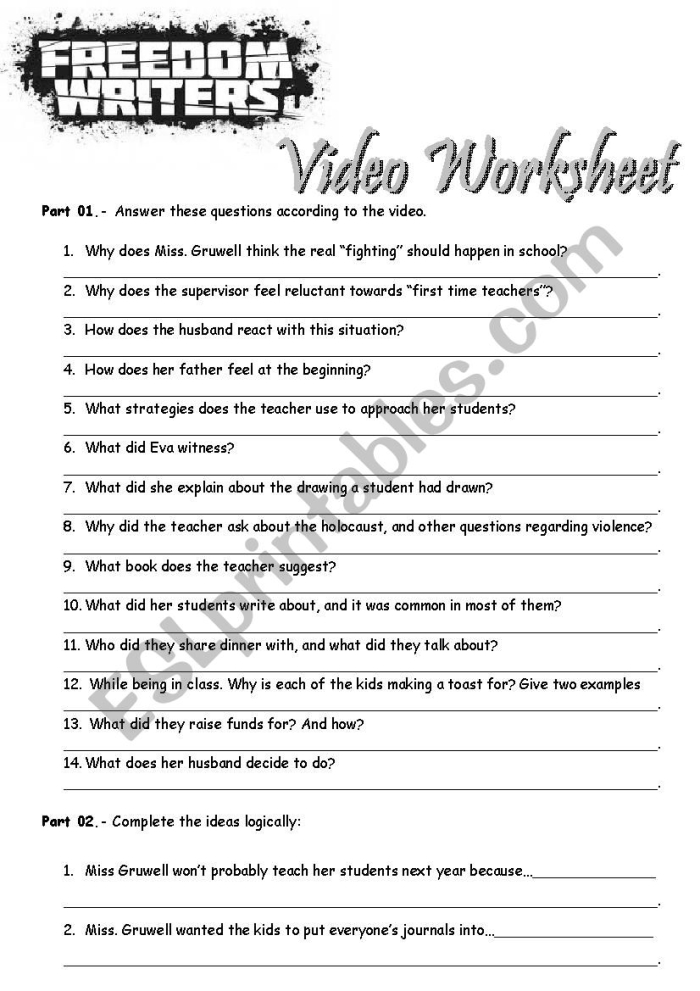
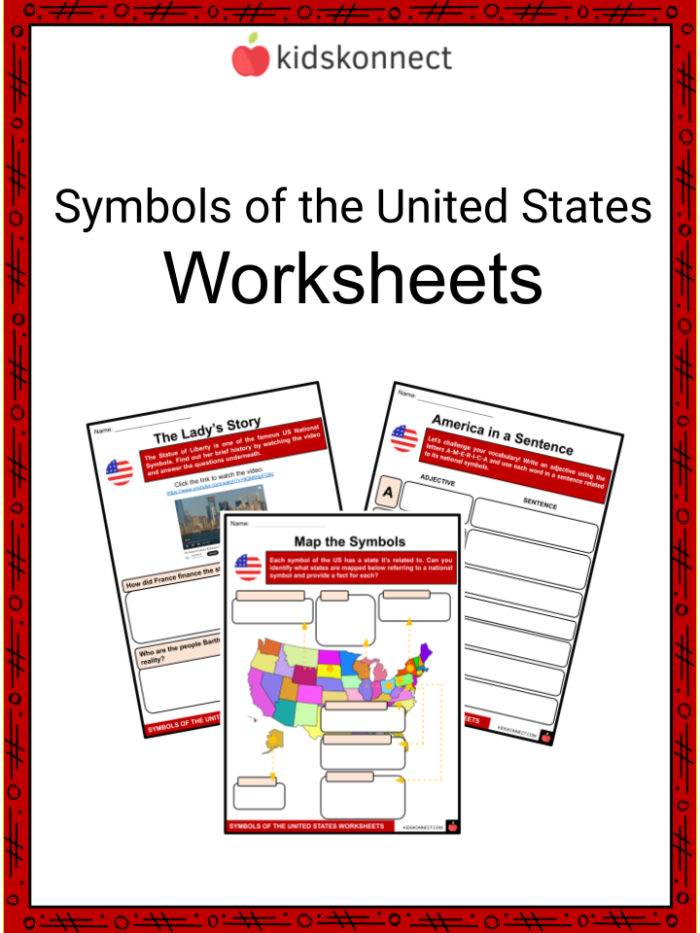
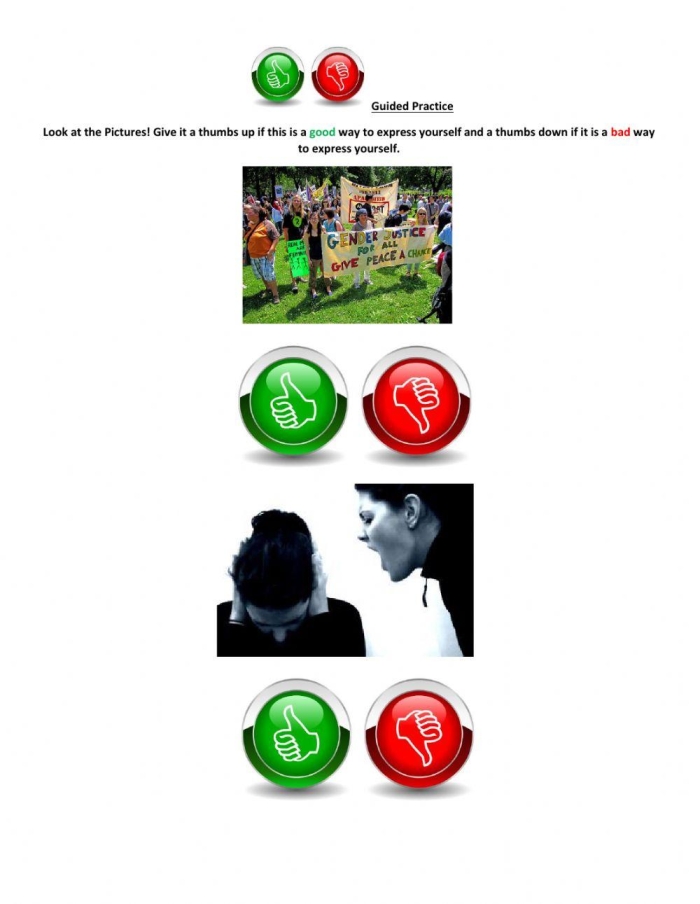
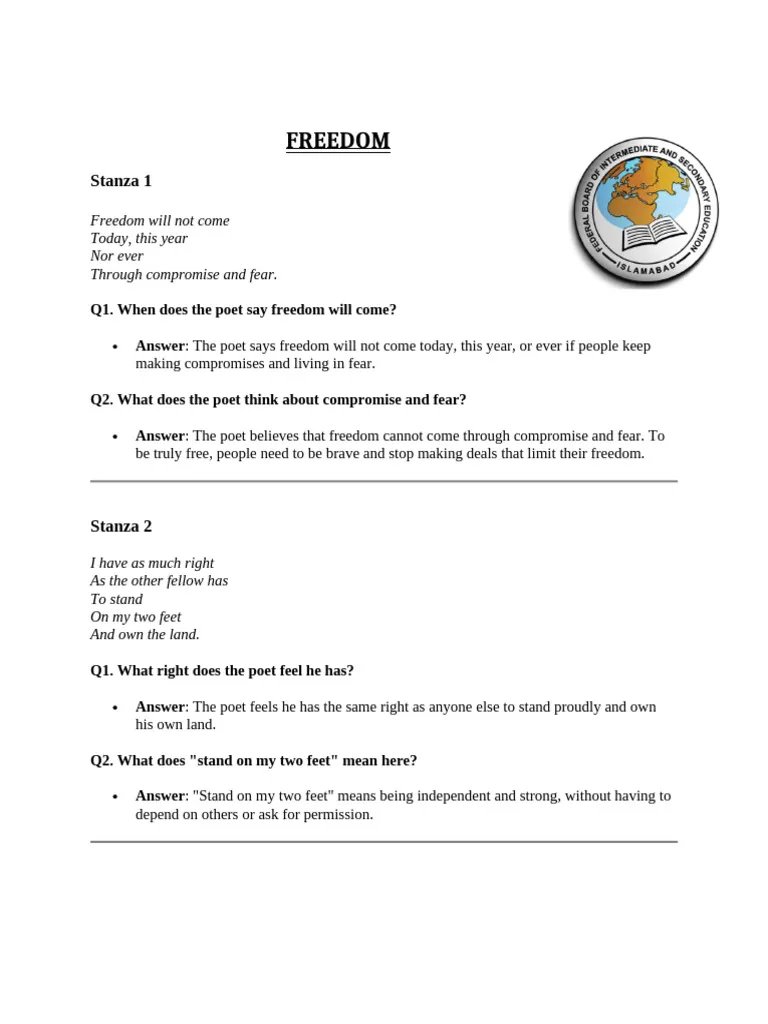
Consider pairing these conversations with resources that encourage deeper thinking. Worksheets like what is freedom history fifth grade worksheets can guide structured reflection, while activities exploring the American Revolution help reinforce historical context. The goal isn’t to turn your kitchen table into a classroom, but to pause and ask the questions that textbooks sometimes skip.
Use These Worksheets Today