The Boy Who Cried Wolf remains one of the most effective stories for teaching second grade reading comprehension because it works on multiple levels. The narrative is short enough to hold young readers’ attention, yet rich enough to explore fundamental story elements that students need to master.
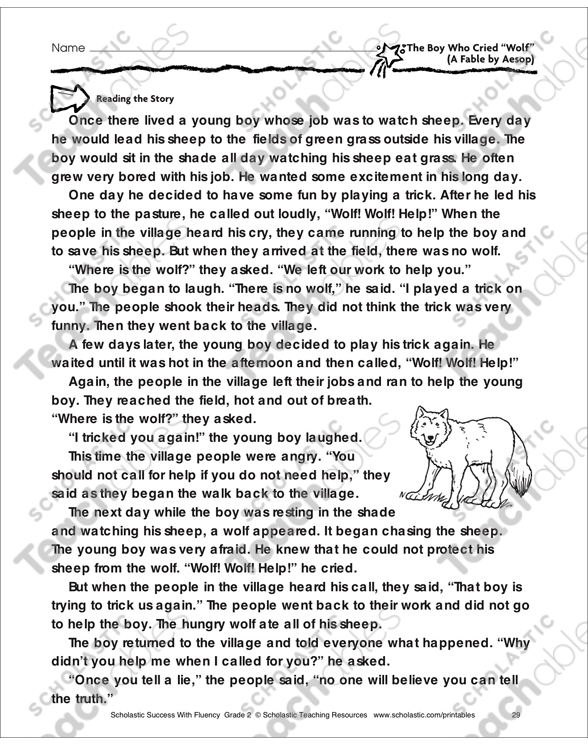
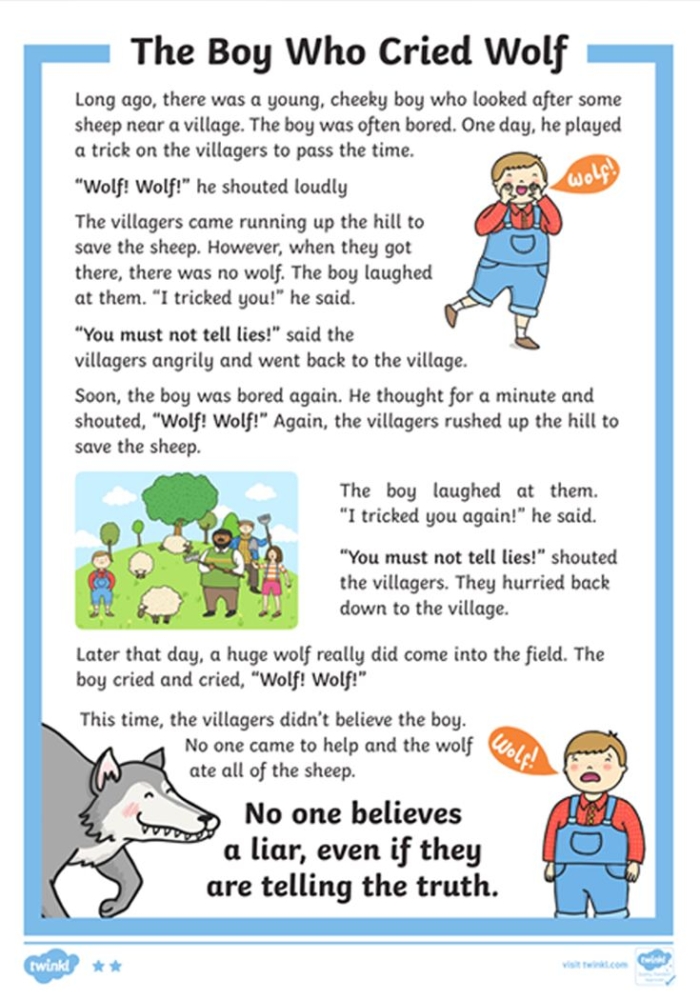
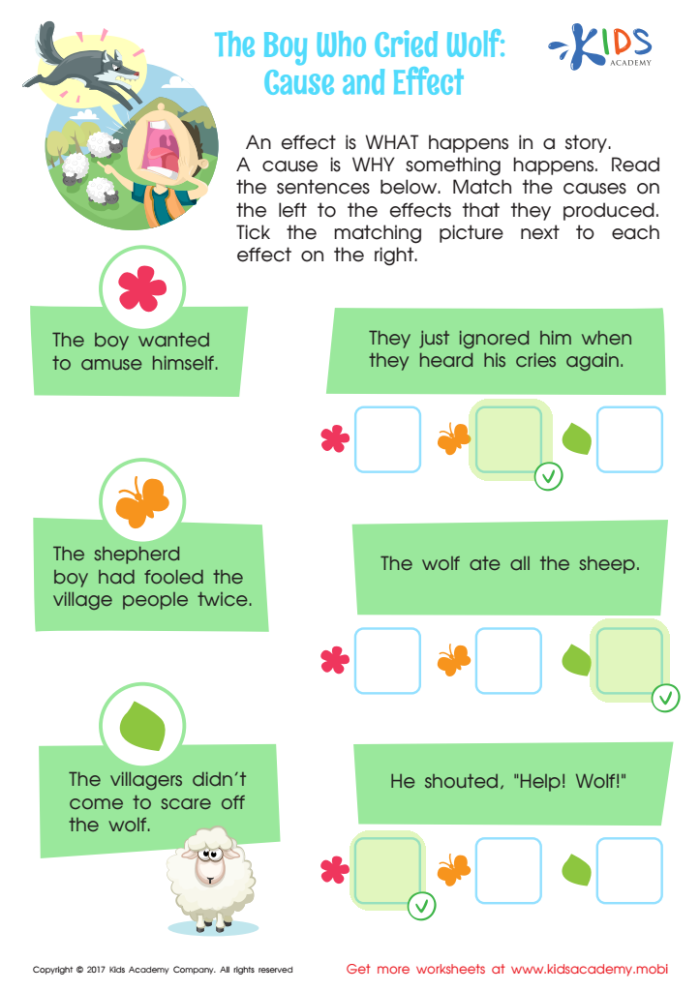
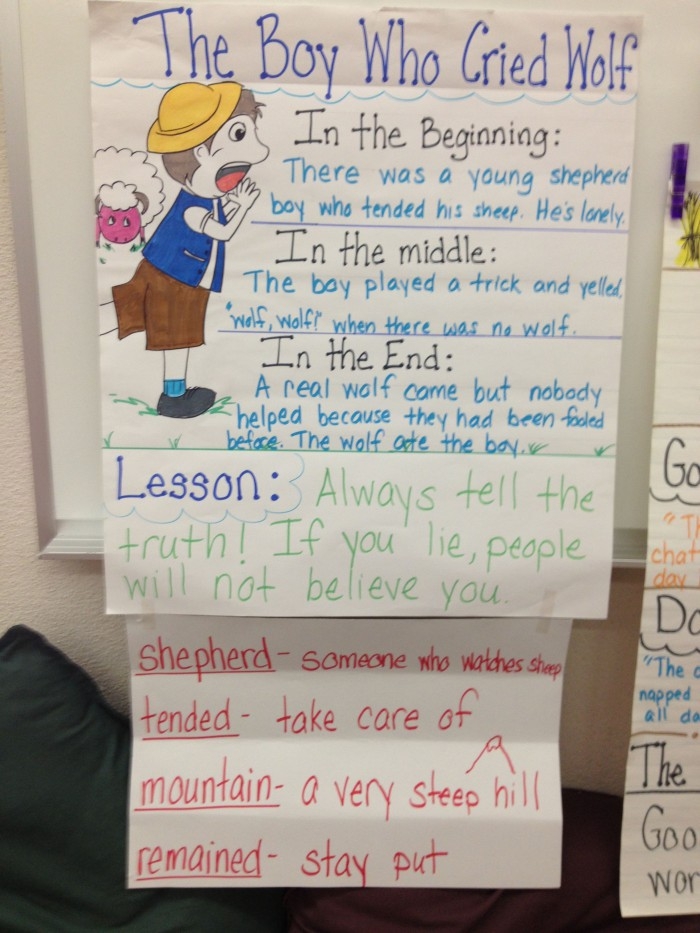
When second graders encounter this fable, they’re working with a text that naturally invites them to think about why characters behave the way they do. The shepherd boy’s repeated false alarms create a clear cause-and-effect chain that even emerging readers can follow. Each time he shouts about the wolf, the villagers rush to help. Each time there’s no wolf, the consequences build. By the final scene, when the wolf actually appears, students can see exactly how the boy’s earlier choices led to his current predicament. This makes the story perfect for practicing reading comprehension through cause and effect analysis.
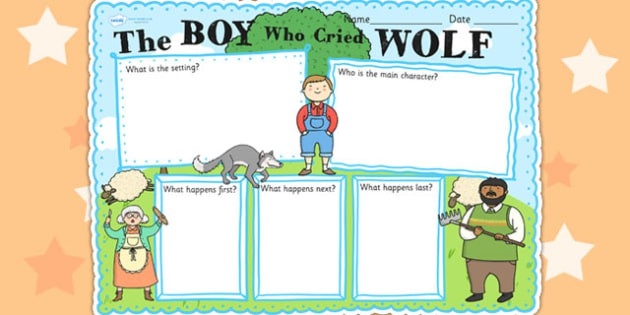
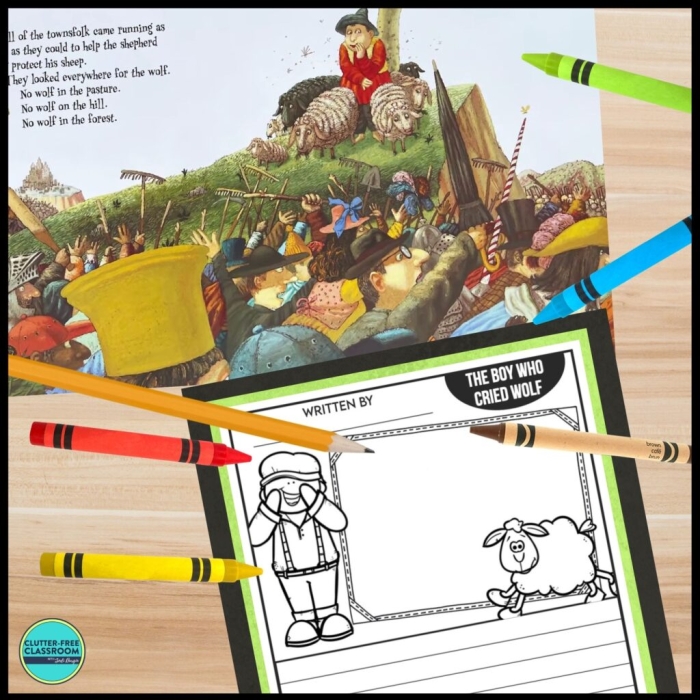
Beyond cause and effect, the story offers concrete opportunities to examine character development. Students can discuss why the boy lied in the first place and what he might have learned by the story’s end. The setting, a hillside village, provides a simple but distinct backdrop that children can visualize and describe. Understanding that this is a fable, a type of story with a moral lesson, helps readers recognize the genre and grasp why the author included specific details.
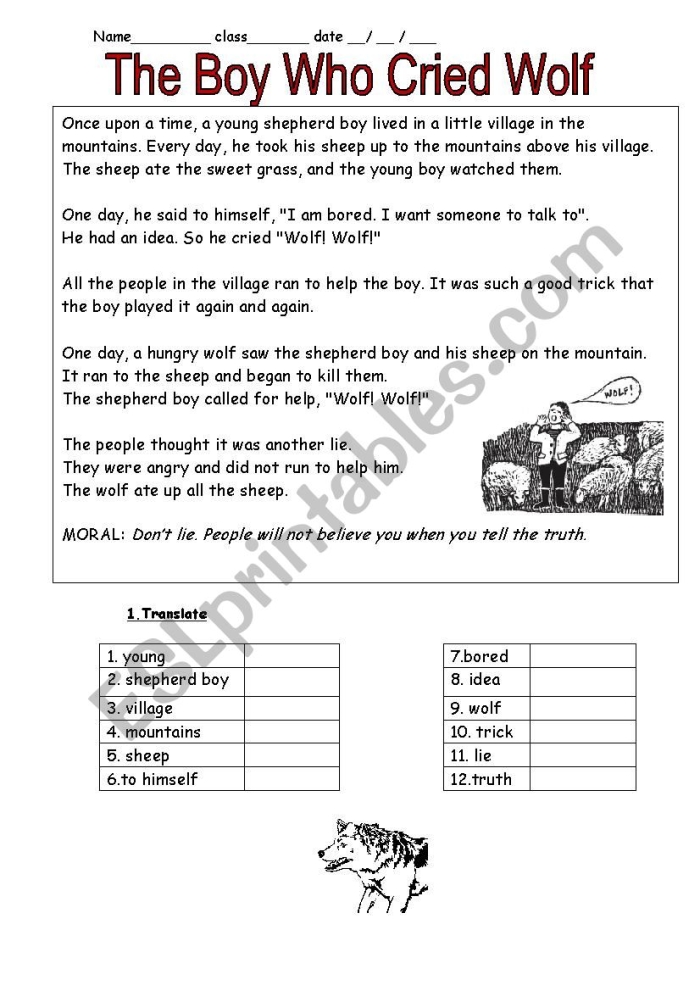
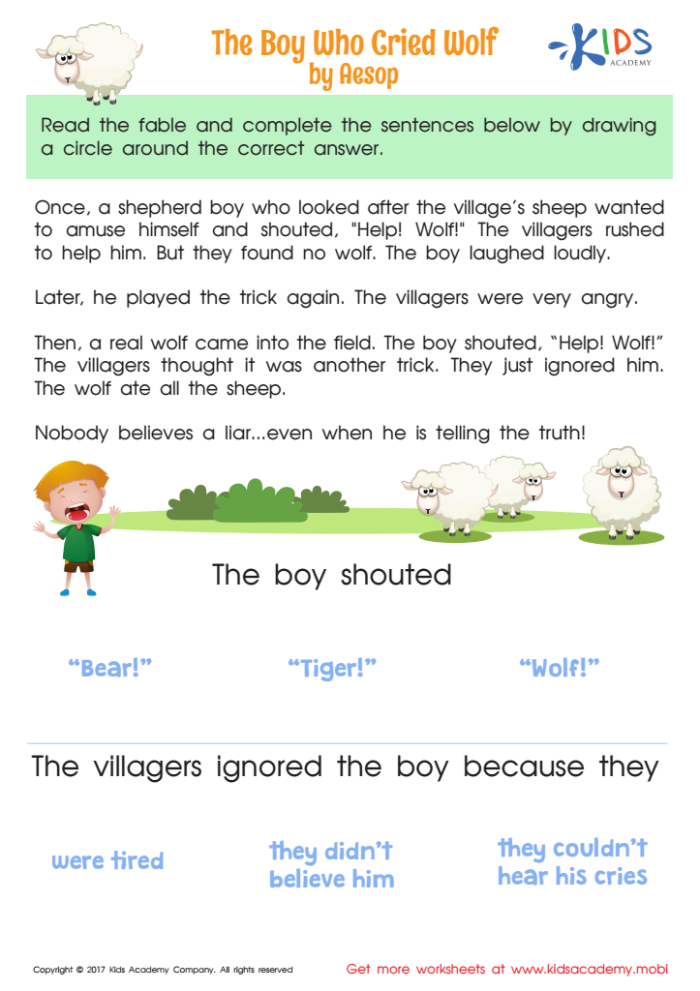
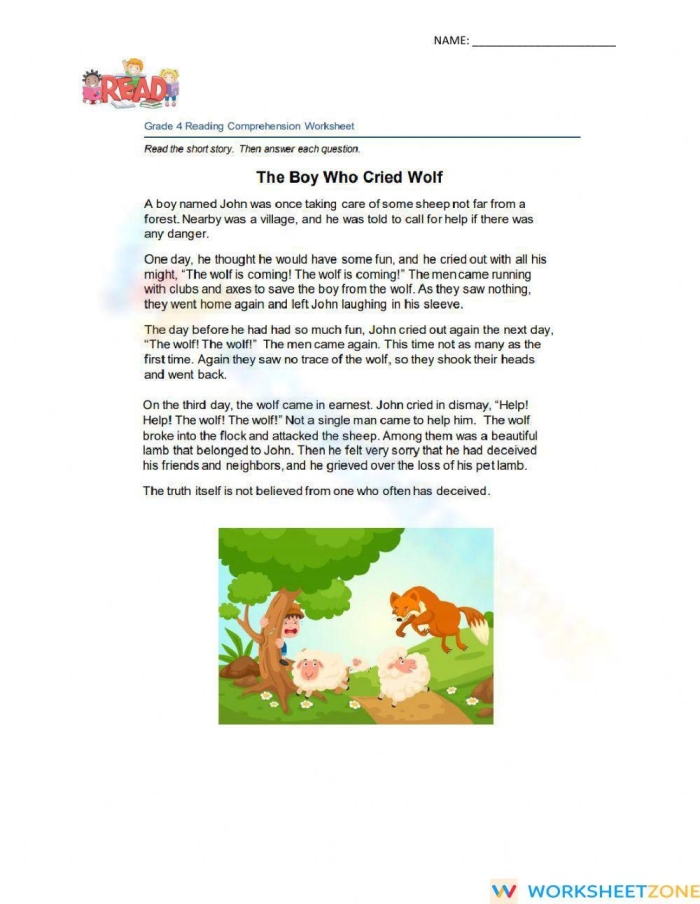
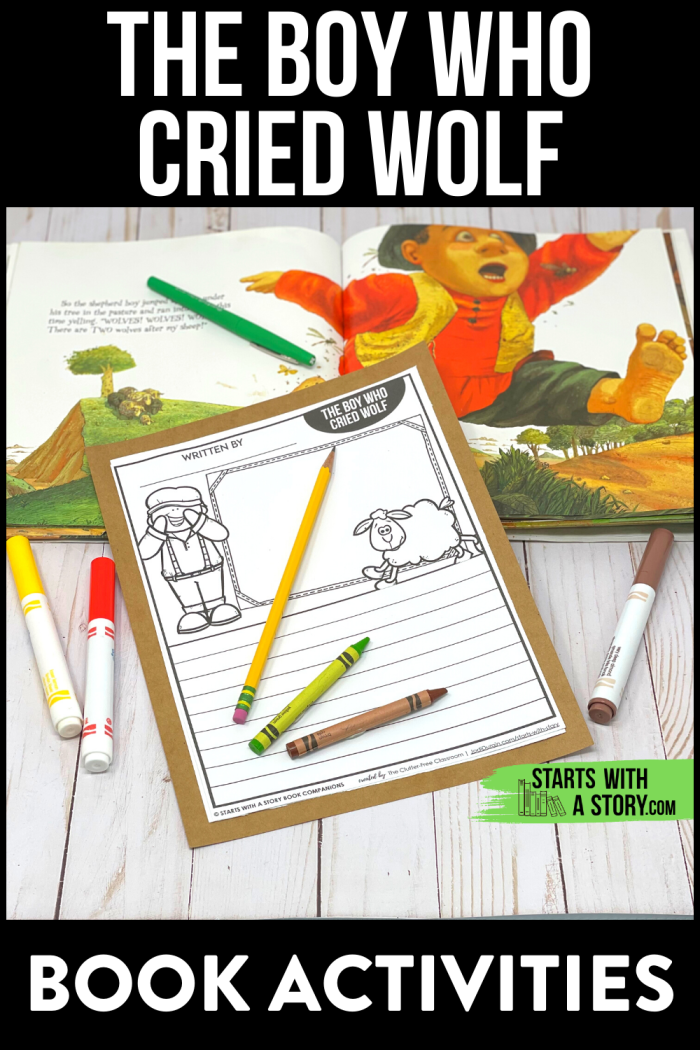
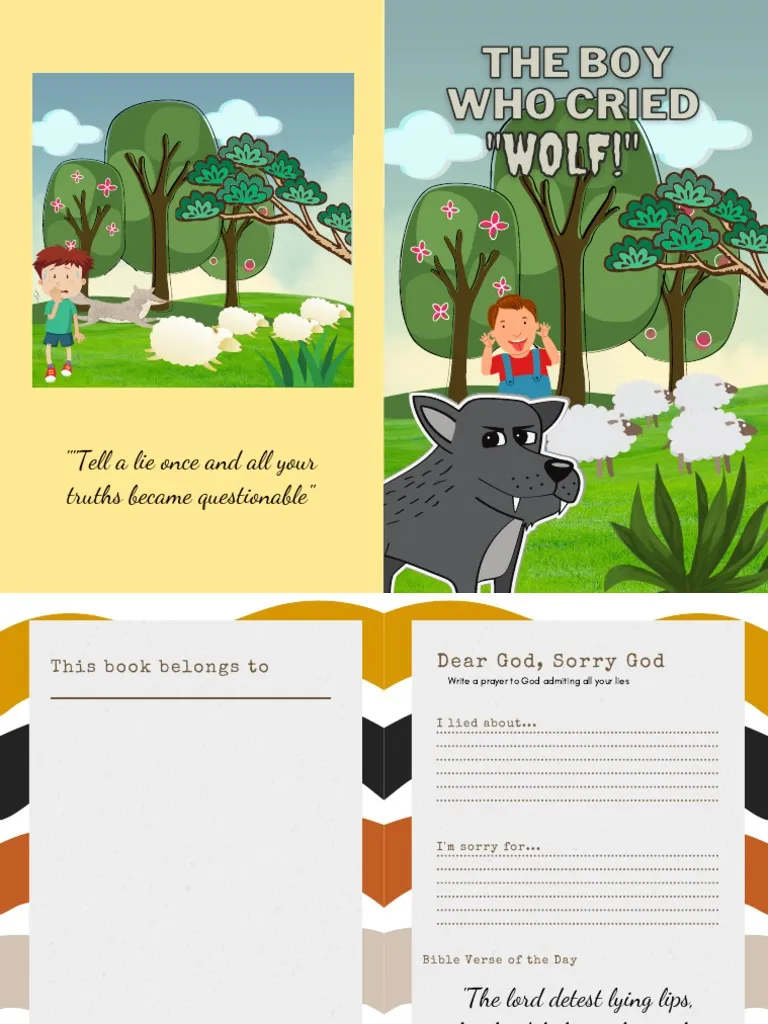
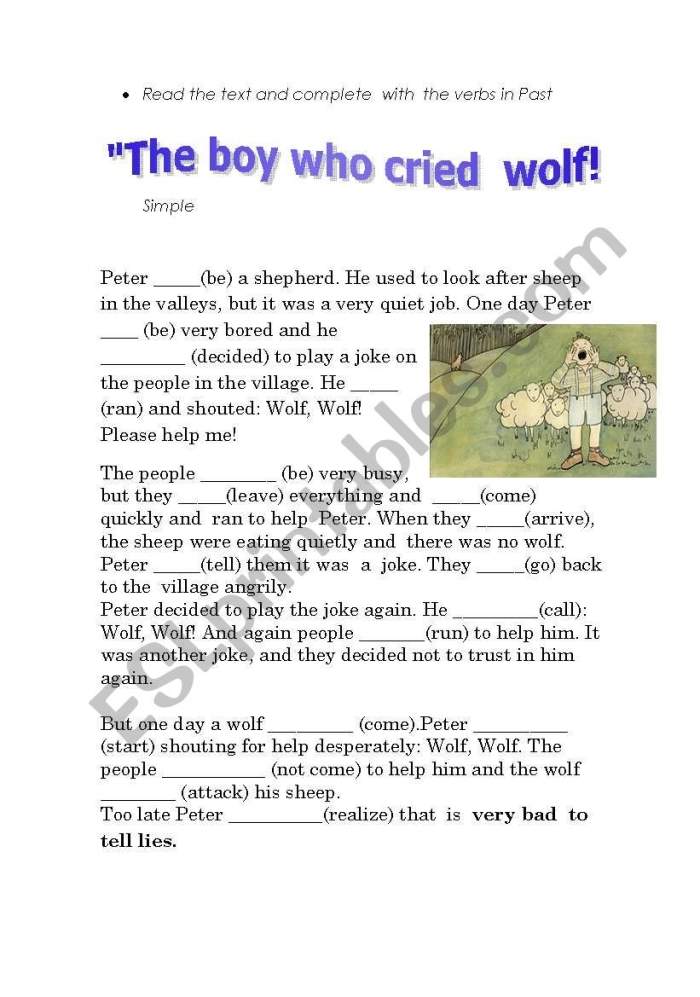
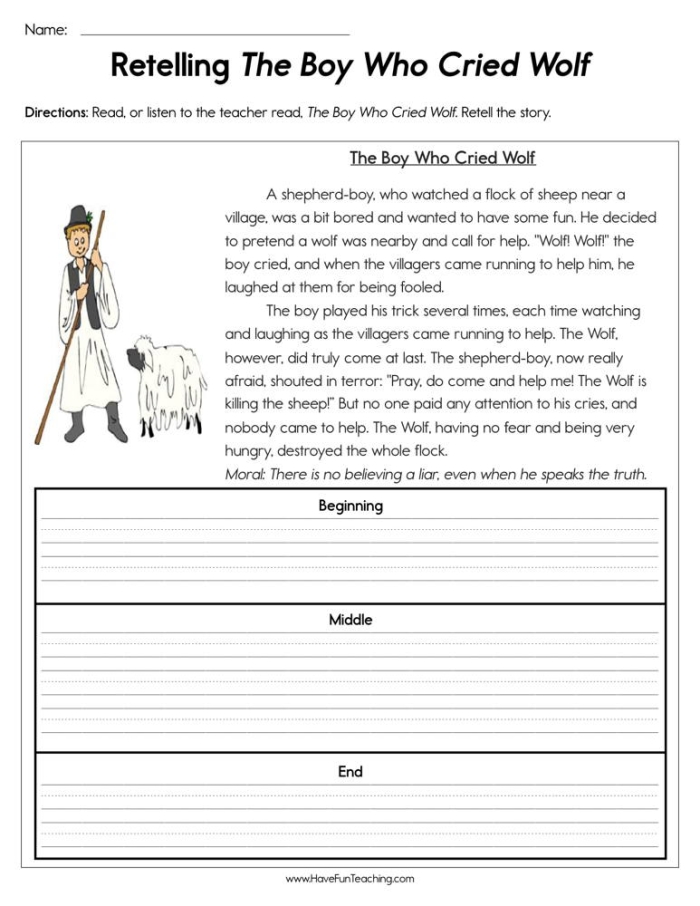
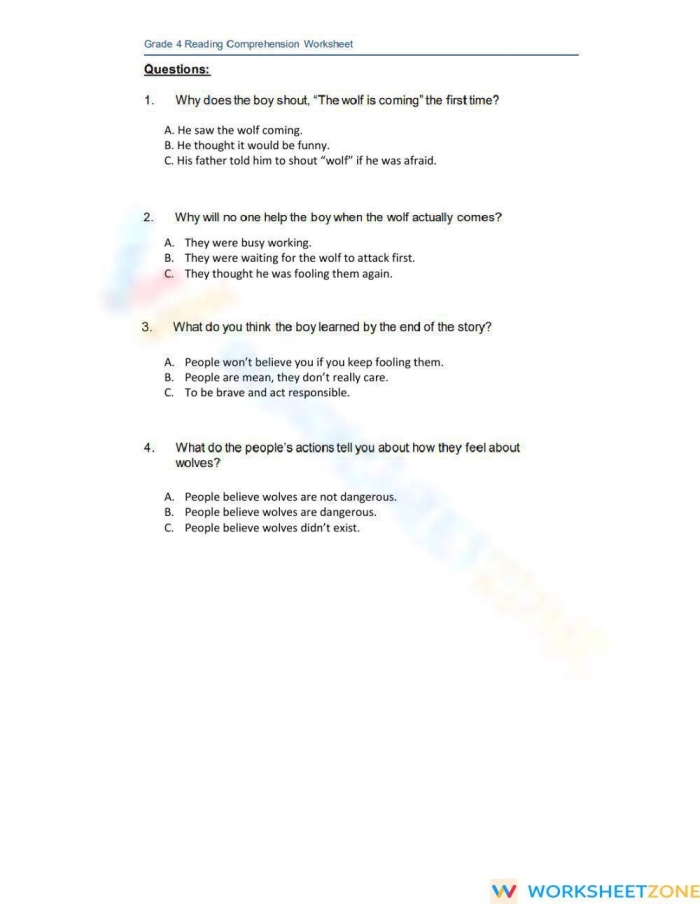
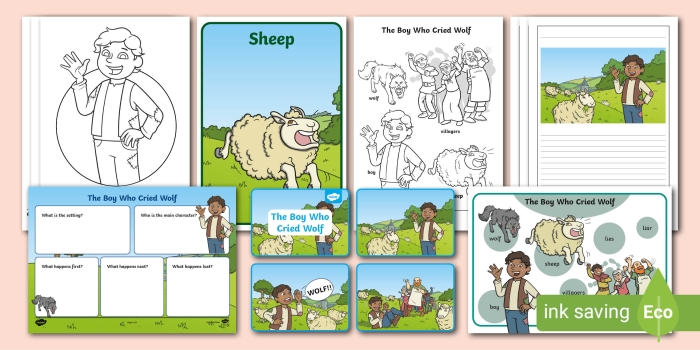
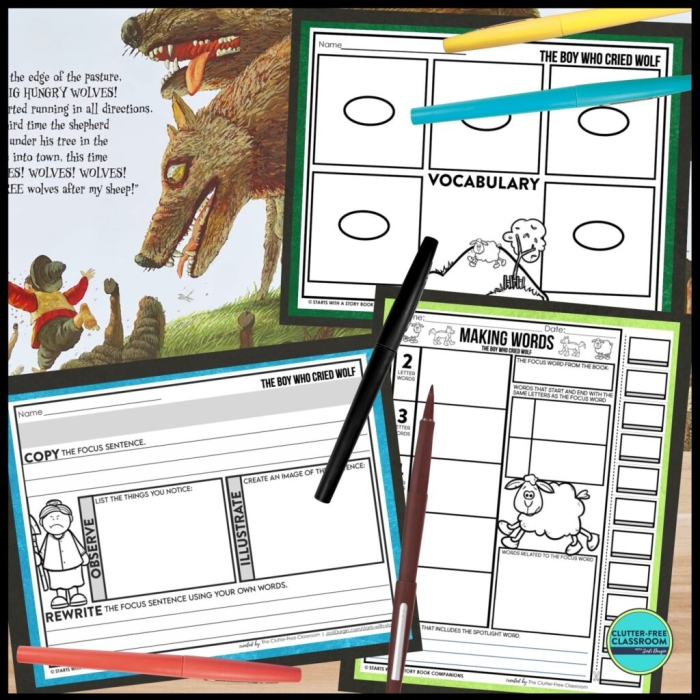
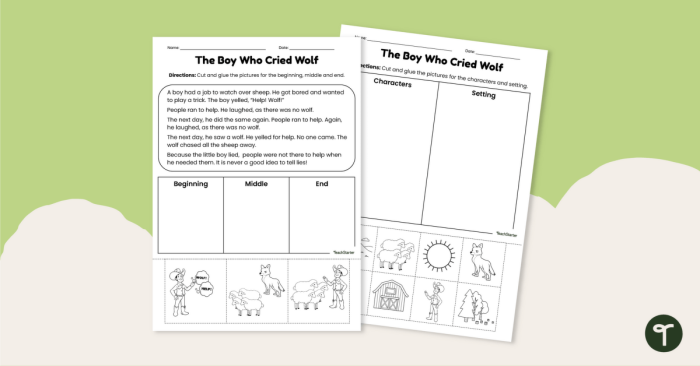
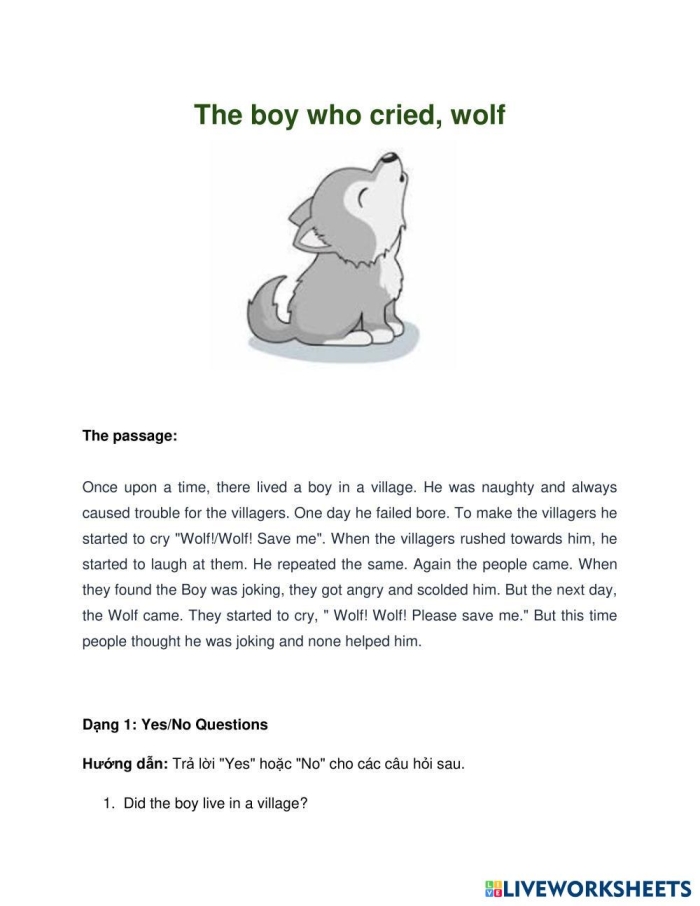
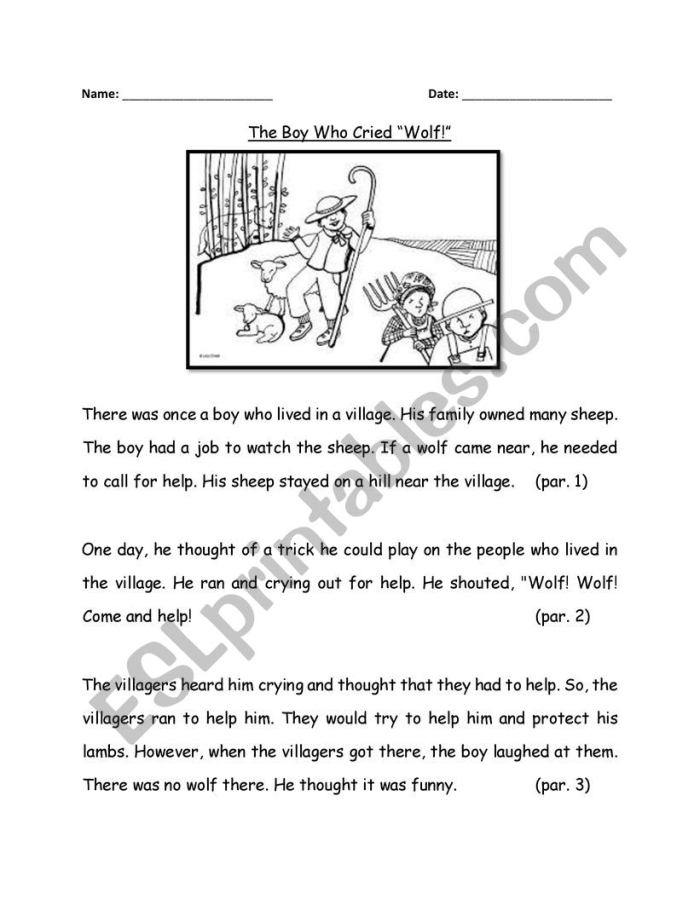
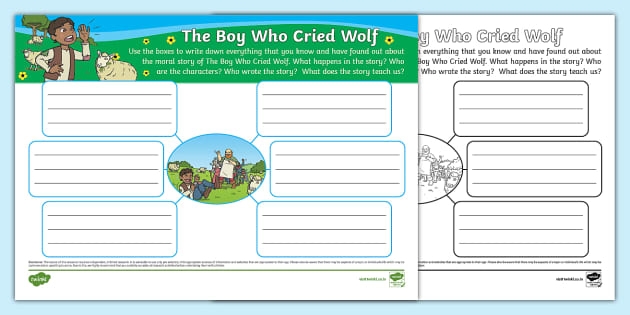
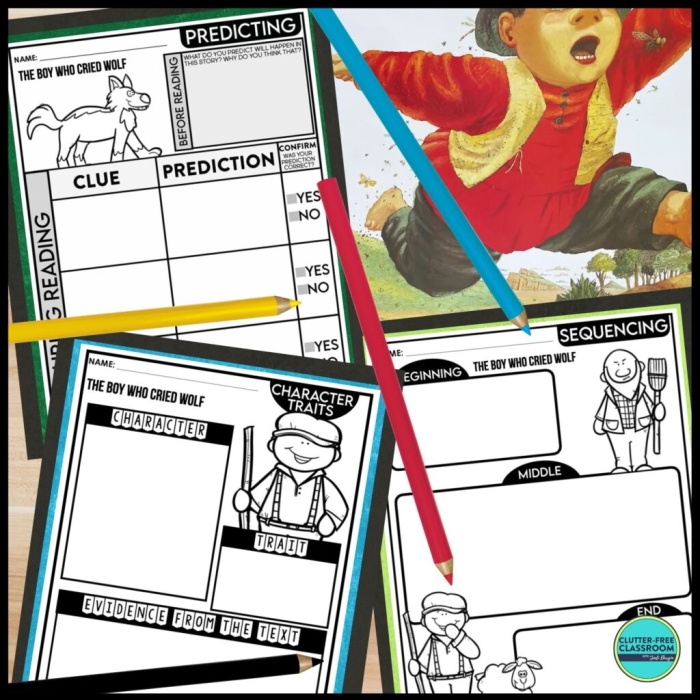
Pairing the story with structured worksheets strengthens comprehension skills further. Questions about setting prompt students to recall where events took place. Character questions encourage them to think about motivations and emotions. Genre questions help them recognize that not all stories are realistic. When you combine this classic tale with activities like cause and effect practice worksheets, second graders develop the analytical habits they need for stronger reading skills overall.
Try These Printable Worksheets