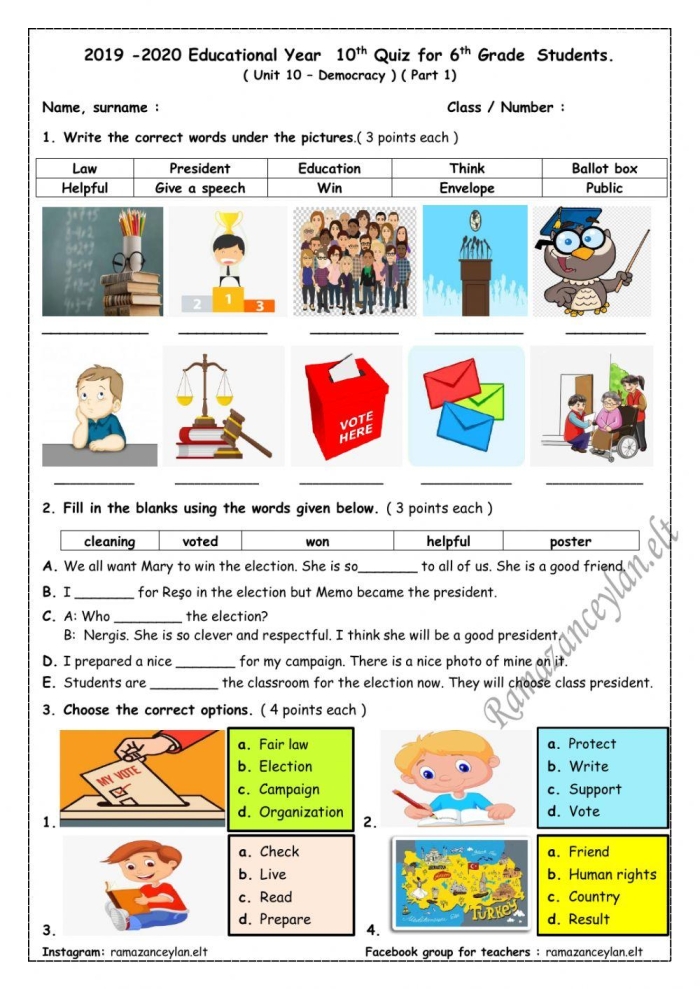
Your fifth grader is about to encounter two government systems that have shaped human history: democracy and monarchy. Understanding the core differences between them will give your child a solid foundation for fifth grade history and make upcoming lessons click into place.
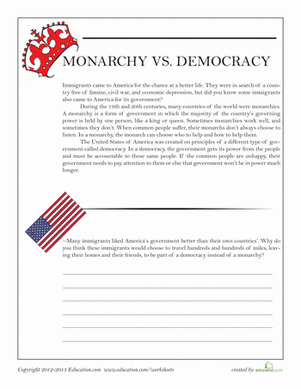
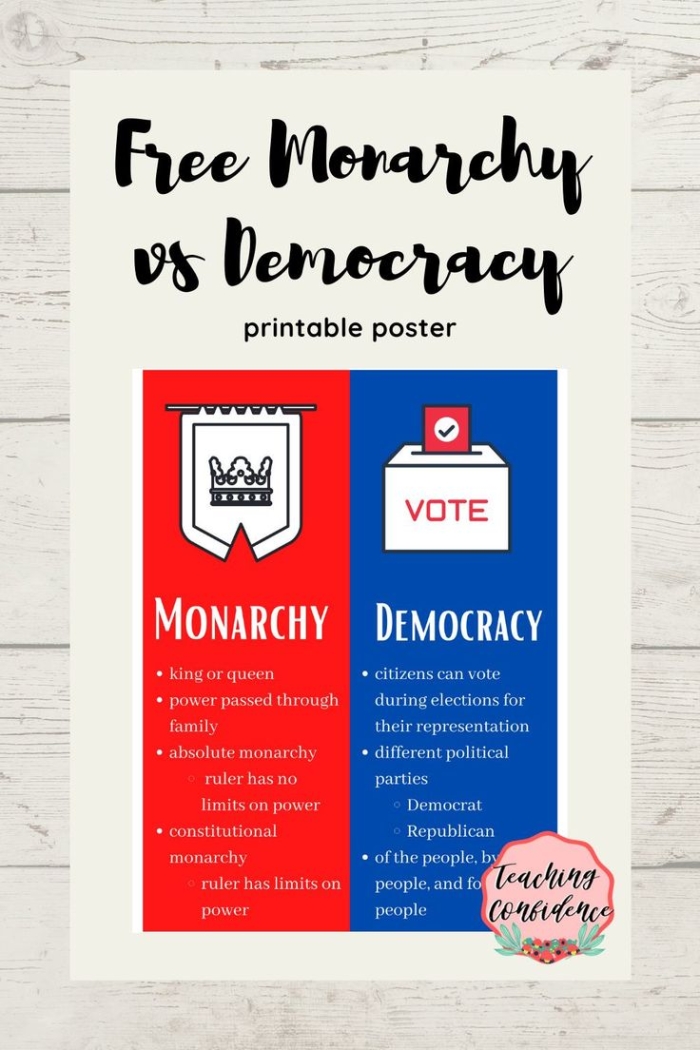
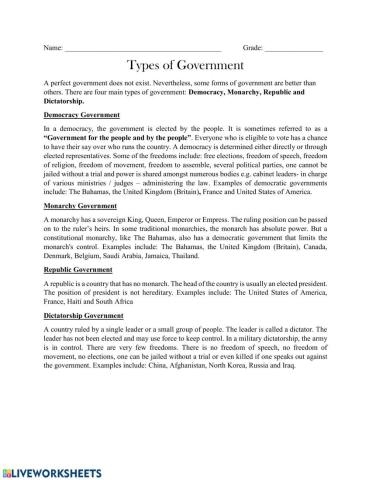
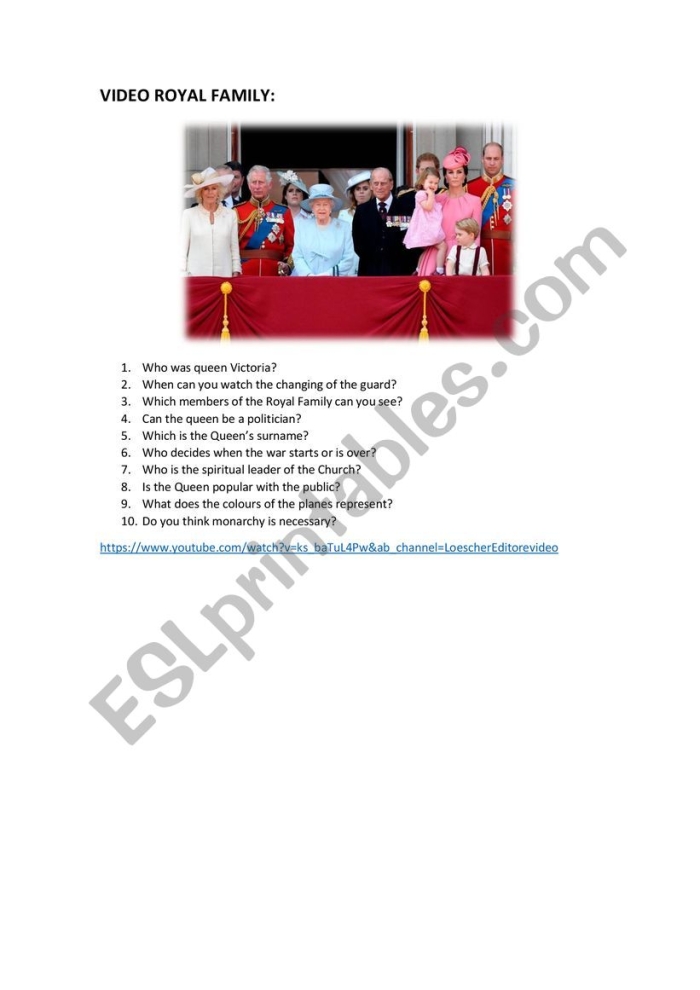
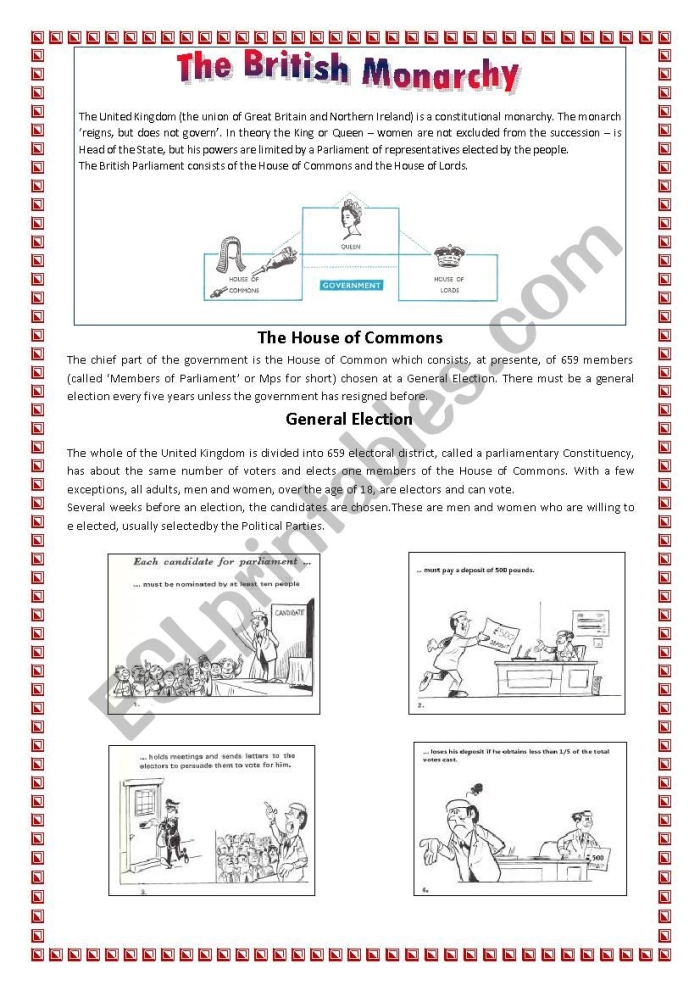
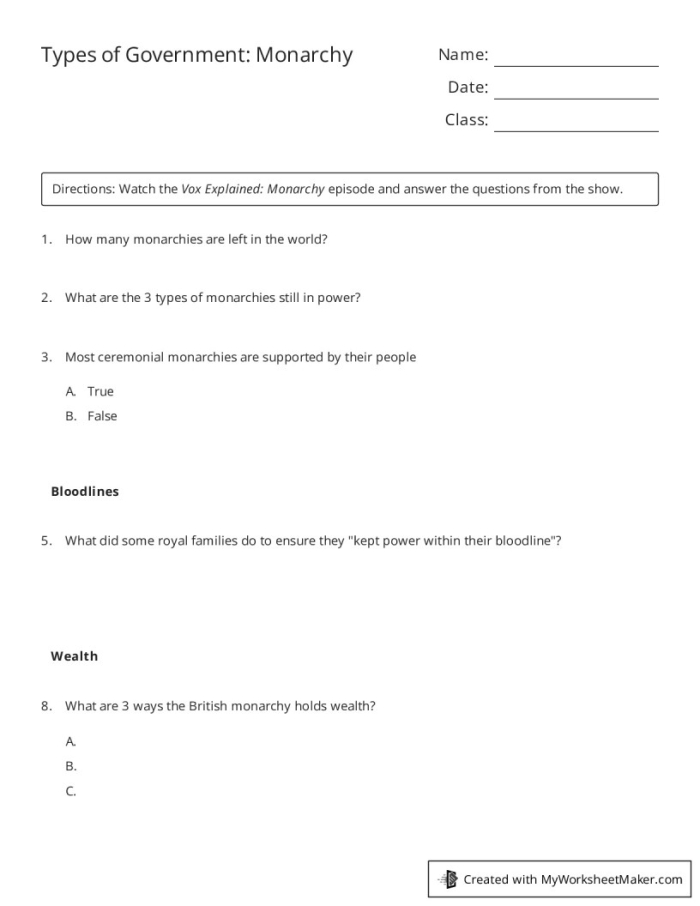
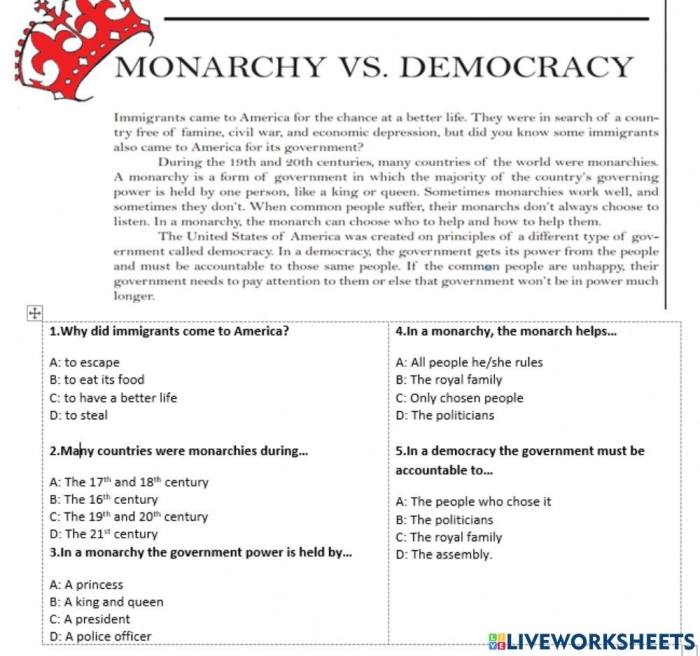
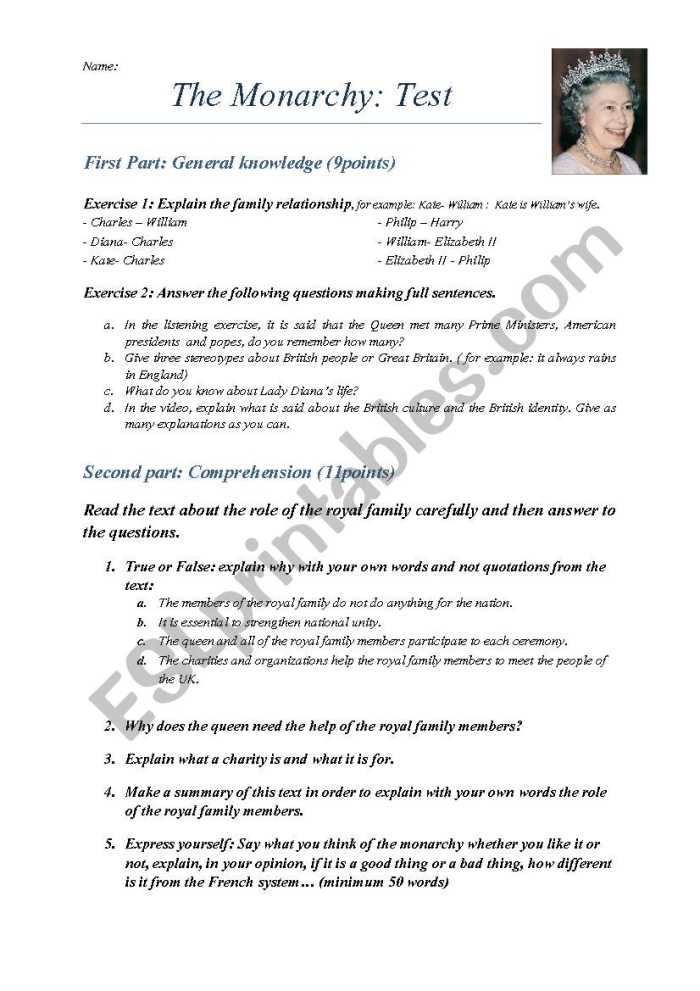
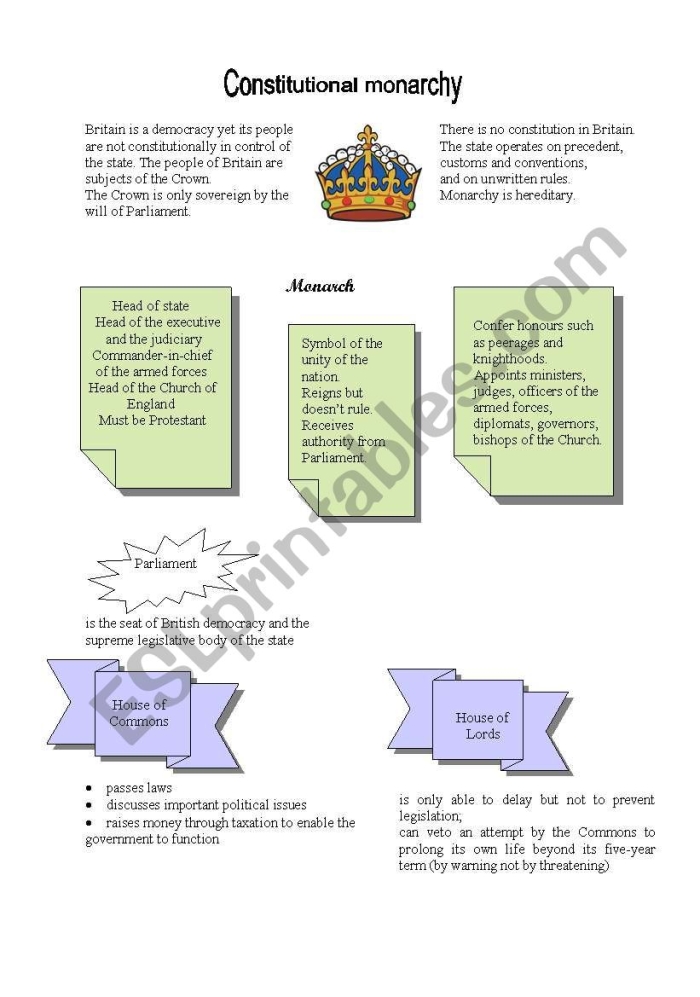
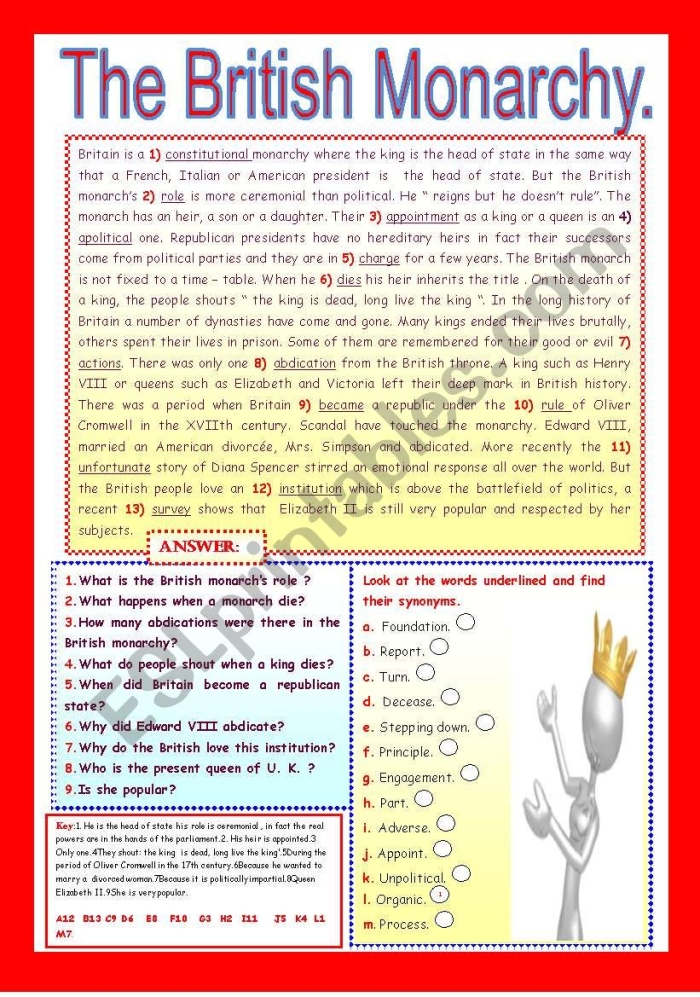
The simplest way to distinguish these systems comes down to power distribution. In a monarchy, one person, the monarch (usually a king or queen), holds the majority of governmental authority. This person inherits their position through family lines, meaning the crown passes from parent to child. The monarch makes major decisions about laws, taxes, and national direction. Some monarchies are absolute, where the ruler has nearly unlimited power. Others are constitutional monarchies, where a written constitution limits the monarch’s authority and other governmental bodies share decision-making responsibilities.
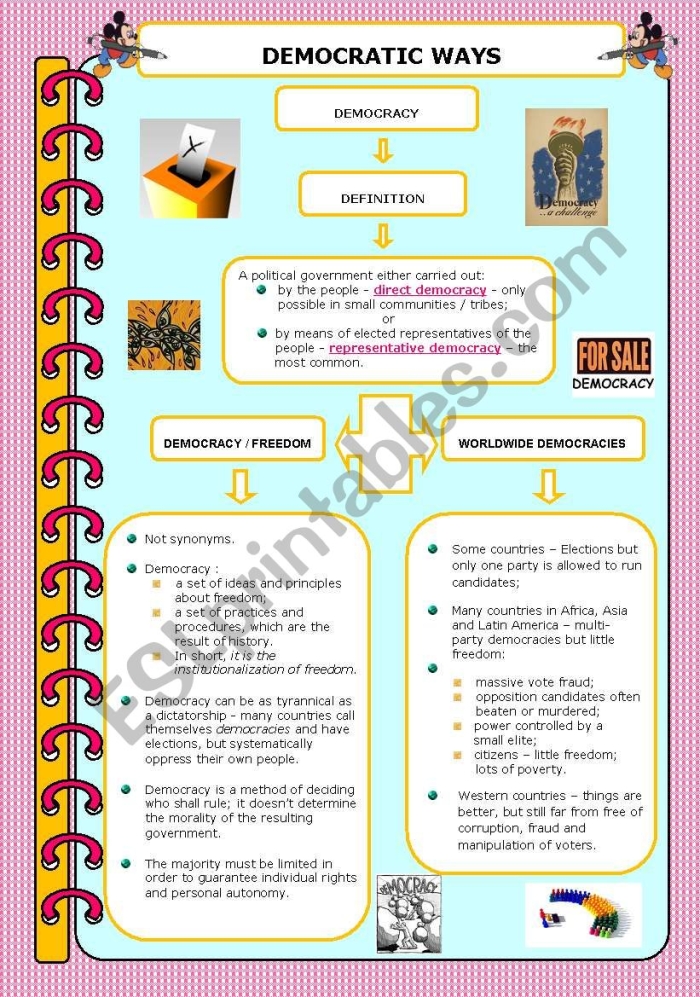
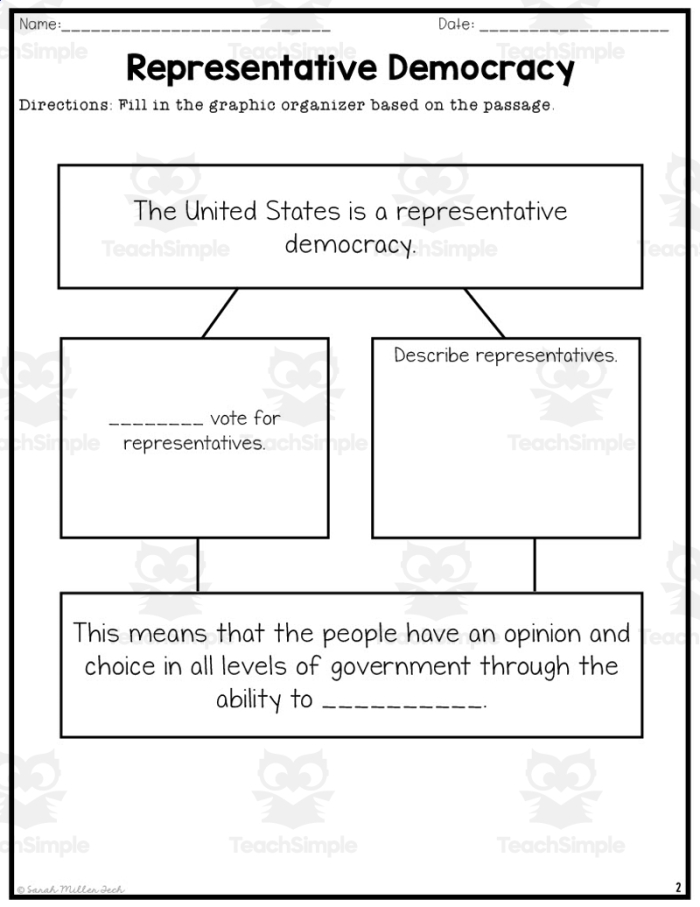
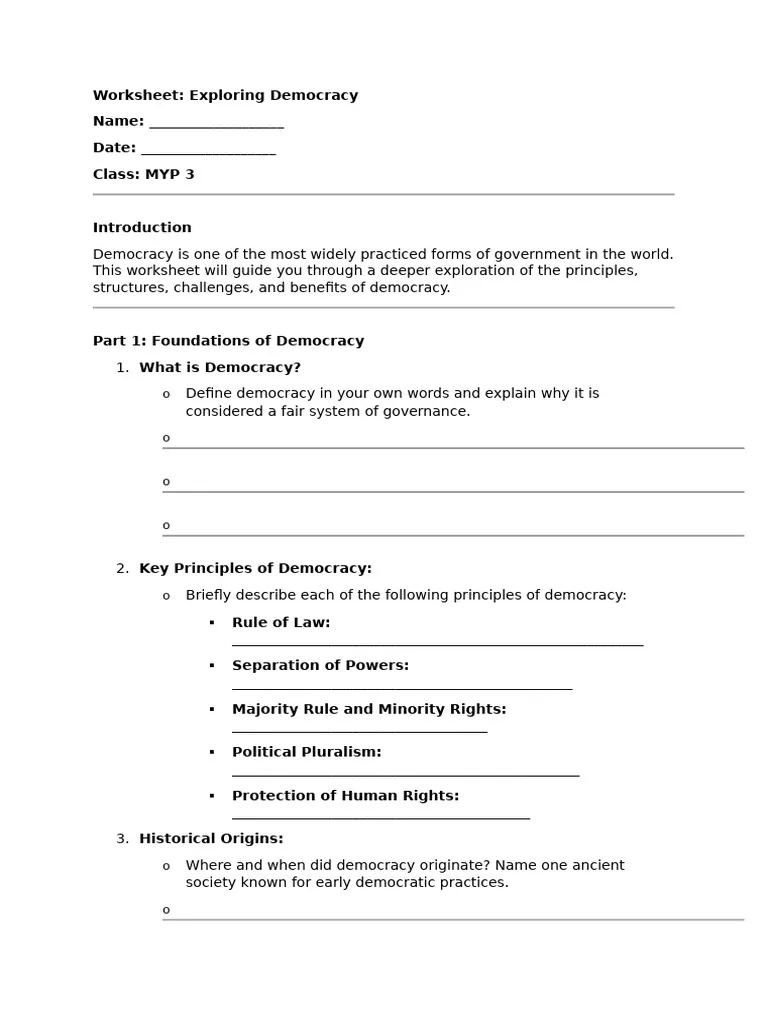
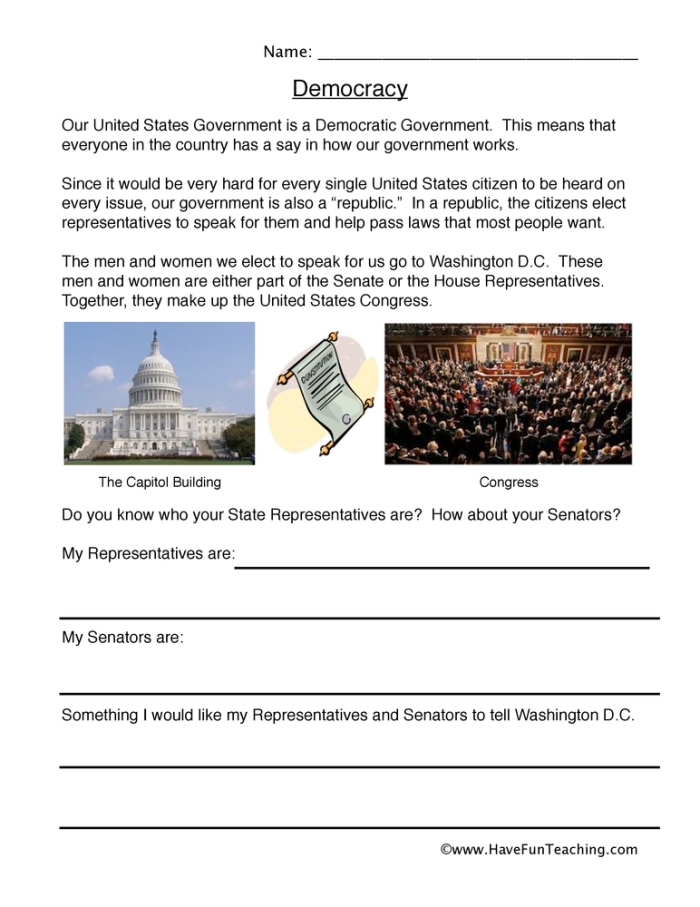
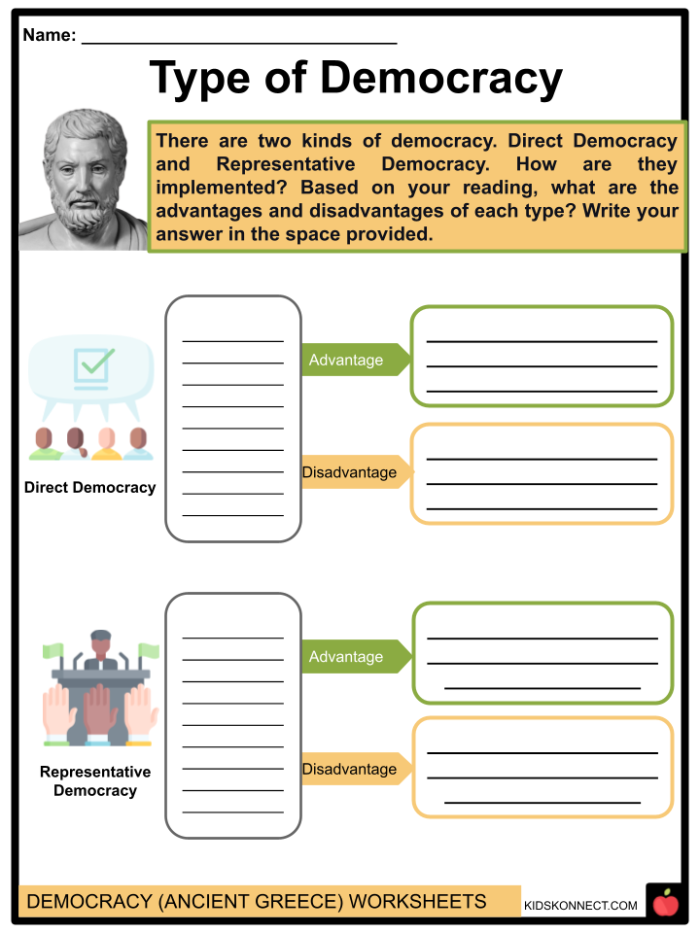
Democracy operates on the opposite principle. Power rests with the people, who exercise influence through voting and participation. Citizens elect representatives or leaders to make decisions on their behalf. Laws are created through discussion and consensus rather than royal decree. The United States is a democratic republic, meaning Americans vote for leaders who represent their interests in government.
A practical example helps clarify this: if a monarchy decided to raise taxes, the monarch could simply declare it. In a democracy, lawmakers must propose tax changes, debate them, and often put them to a vote. Citizens have a voice in the outcome.
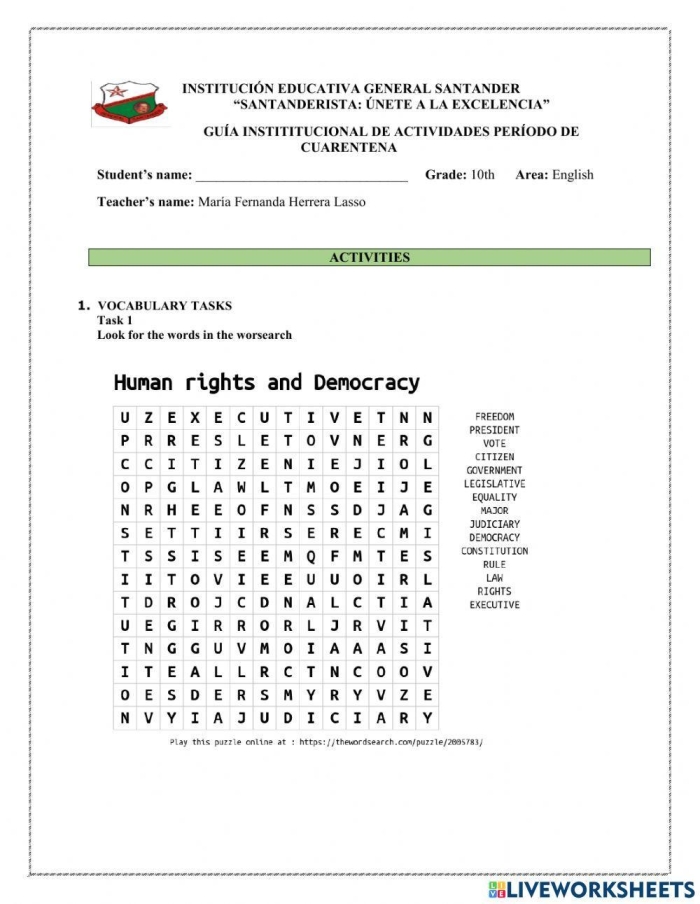
When preparing your child for fifth grade history, emphasize that these systems developed for different reasons and in different time periods. Monarchies dominated Europe for centuries, while democratic ideas grew stronger after the American Revolution. Your child will likely explore this transition through lessons and activities like an American Revolution word scramble or other engaging worksheets that make history tangible.
Knowing these fundamentals gives your fifth grader the vocabulary and concepts needed to understand how governments work and why they matter.
Start Practicing with These Worksheets