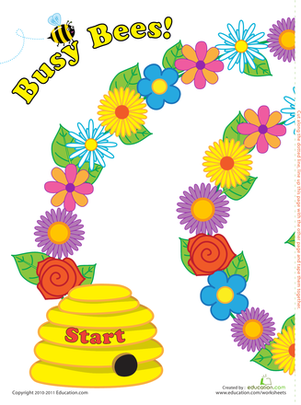
When you first open Play Busy Bees, the bright yellows, soft purples, and cheerful bee illustrations immediately catch your eye. Your preschooler will likely want to dive right in, which tells you something important: this board game understands what actually holds a young child’s attention. The visual design isn’t just eye candy either. Every color choice and character serves a purpose in helping Pre-K learners connect with the activities on the board.
What makes this game work for data and graphing instruction is how naturally it introduces counting and pattern recognition. As children move their bee tokens around the board, they’re simultaneously engaging with basic data concepts without realizing they’re learning. The game mechanics encourage kids to organize information visually, which is exactly what data and graphing skills require at this developmental stage.
The board itself features different colored flower sections and honeycomb spaces that create natural sorting opportunities. When your preschooler lands on a space, they might need to identify which flowers match certain colors or count how many bees have reached the hive. These simple interactions build foundational math thinking that connects directly to how children learn to read and create graphs later on.
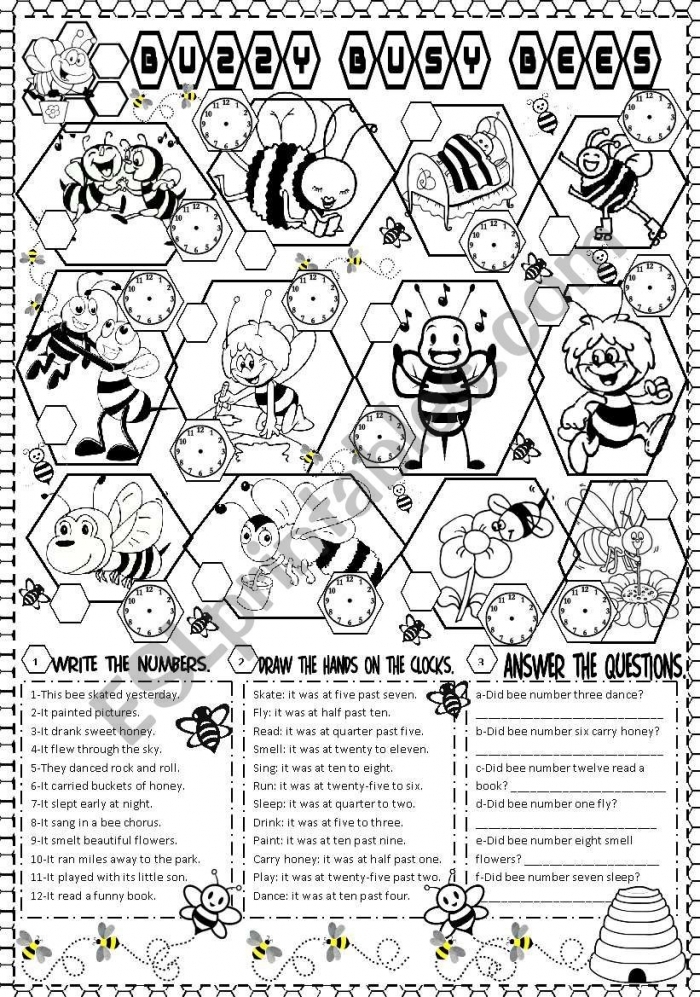
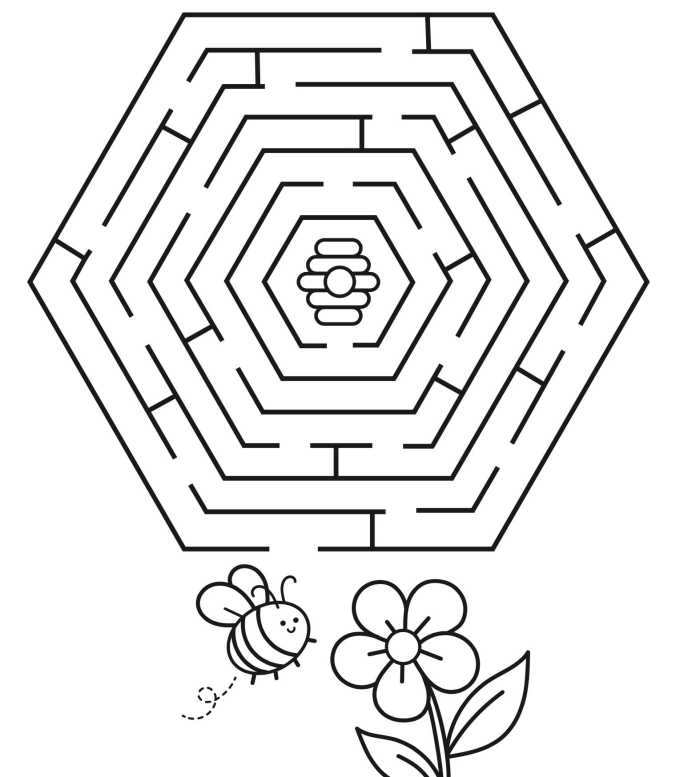
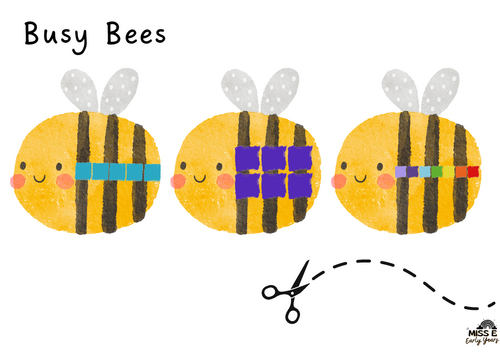
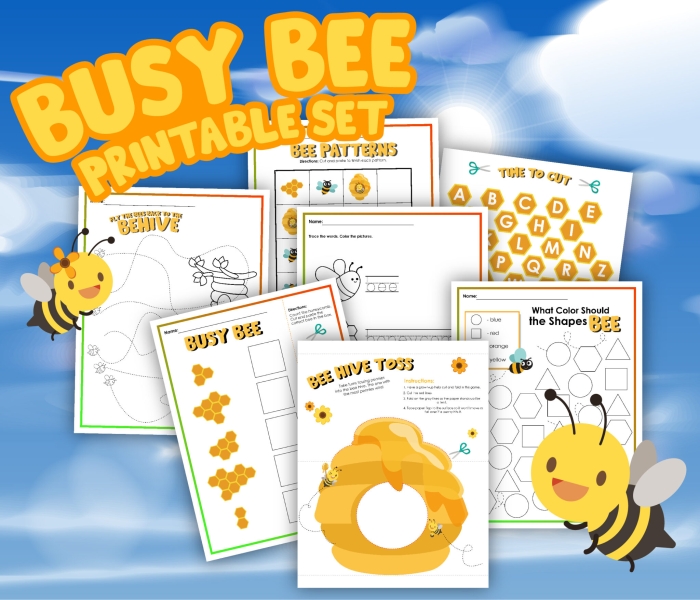
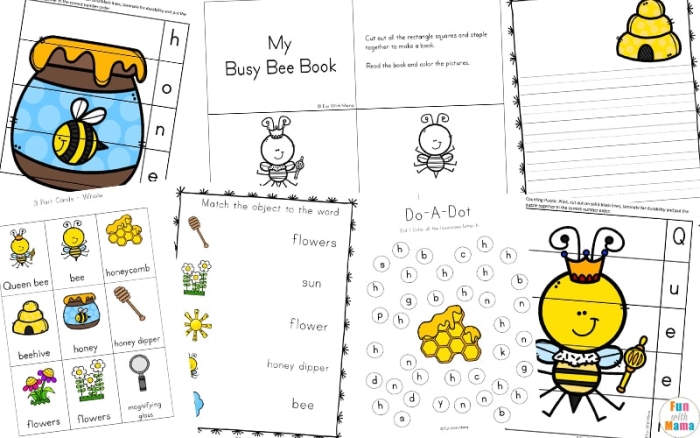
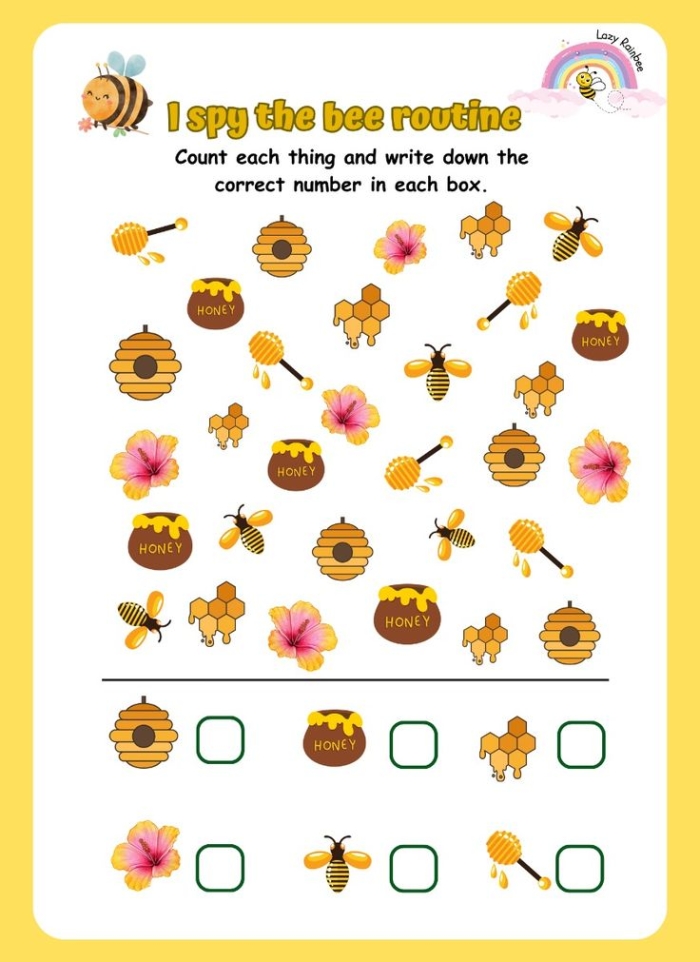
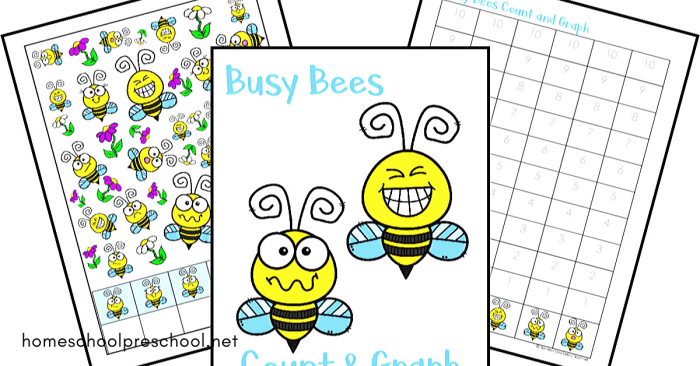
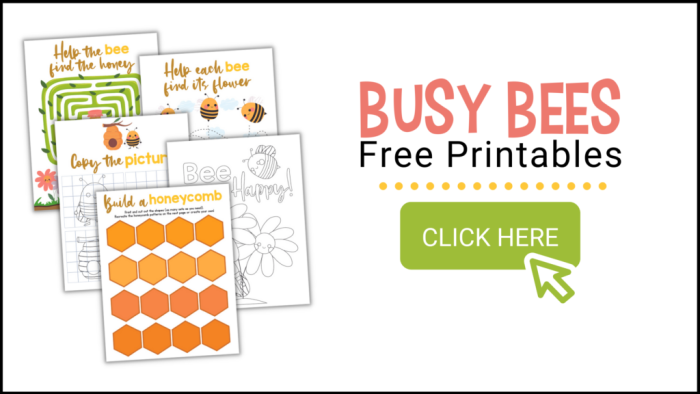
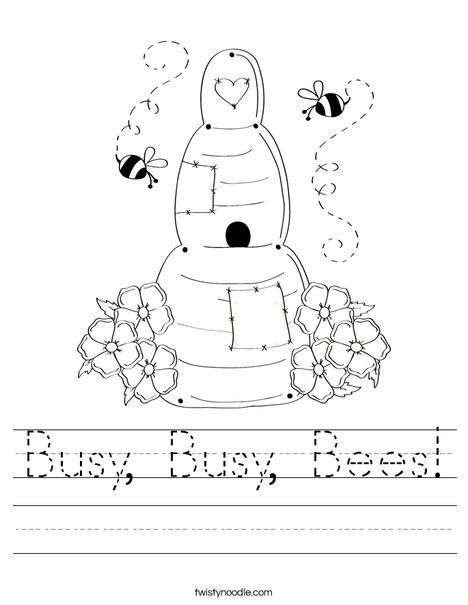
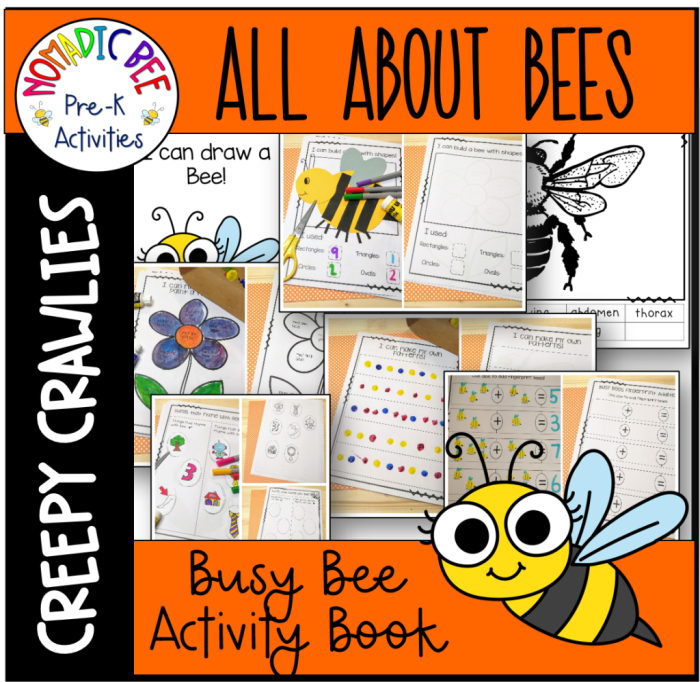
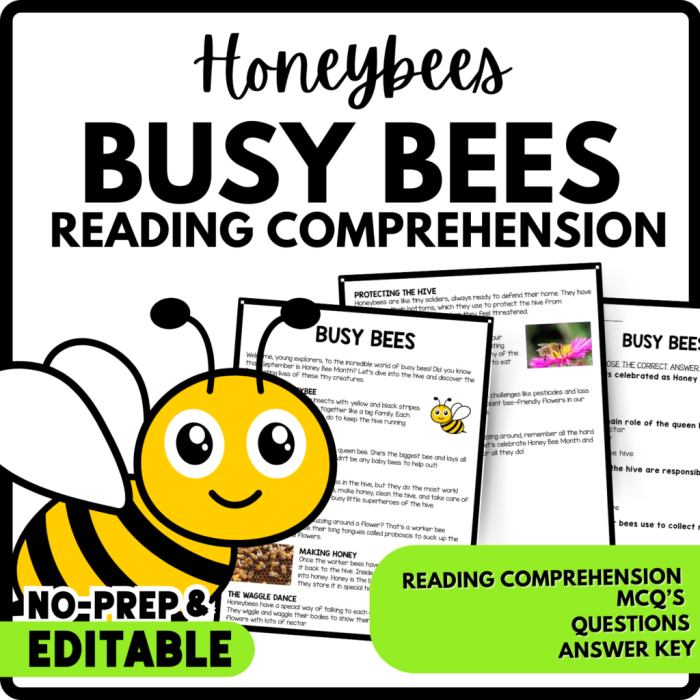
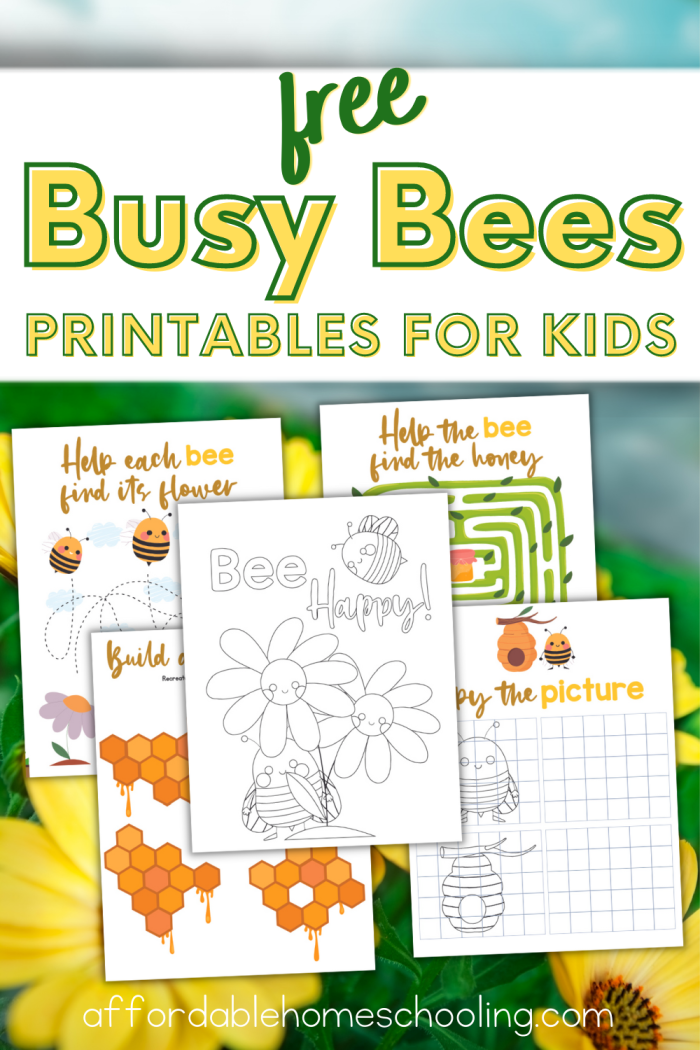
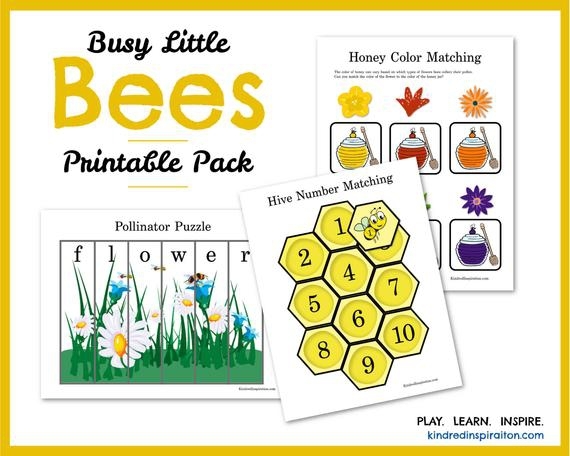
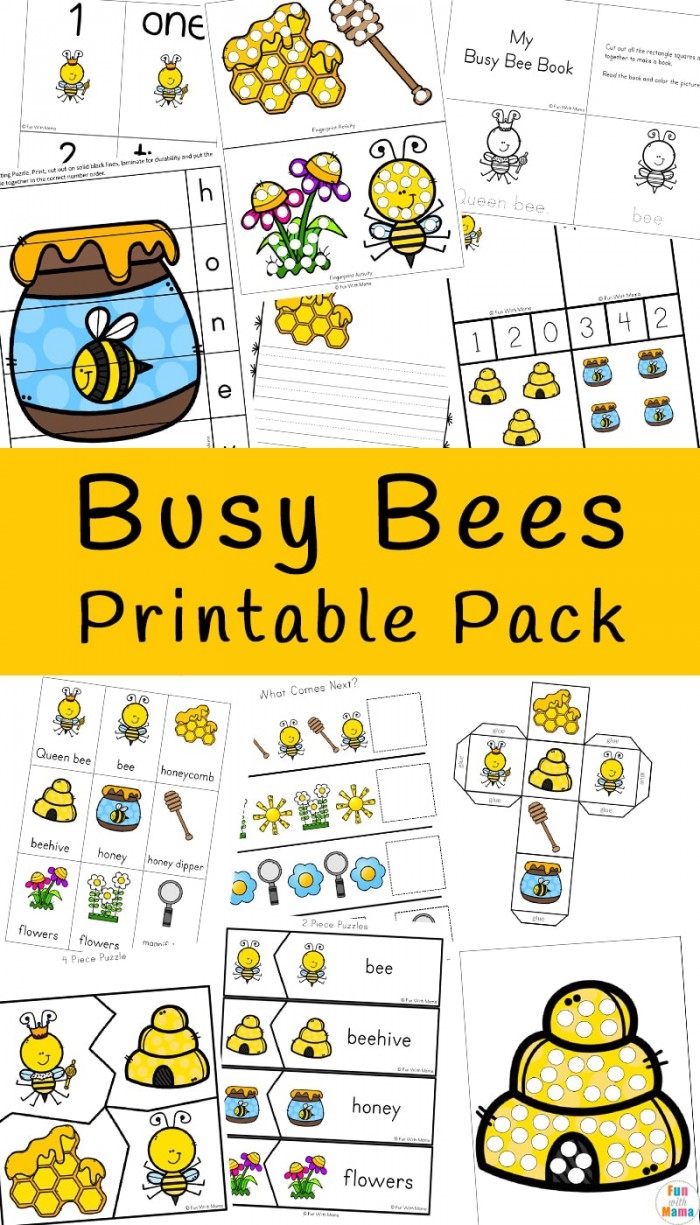
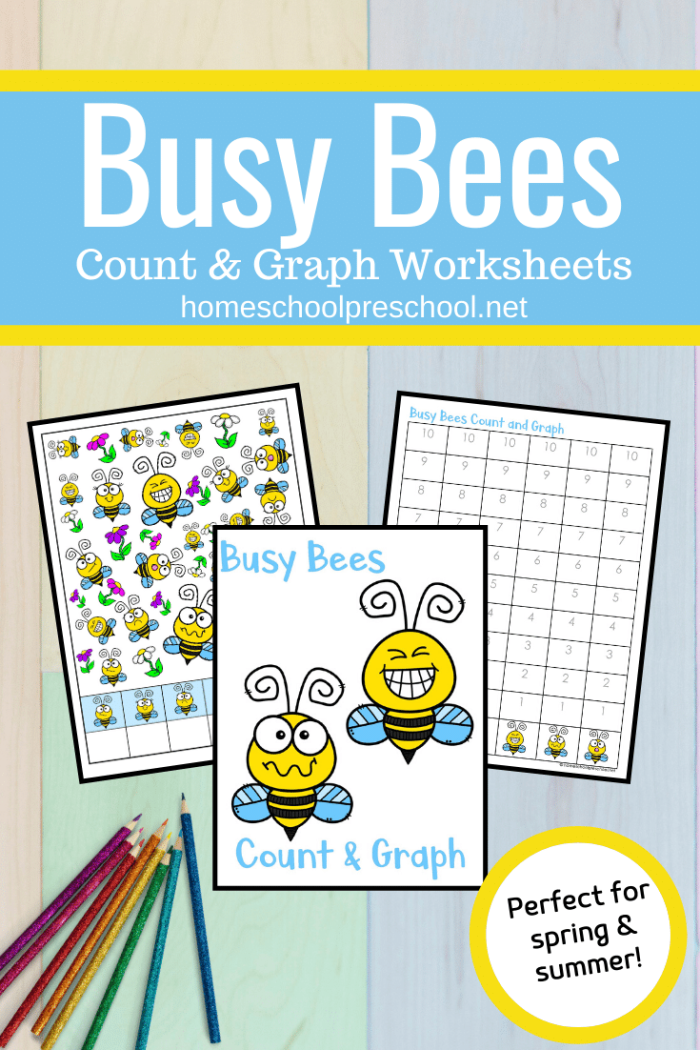
Beyond the game itself, you can extend learning by having your child track their progress with printable Play Busy Bees worksheets that mirror the game’s themes. These worksheets let you document which flowers were visited most often or how many turns it took to reach the hive, turning casual gameplay into structured learning moments.
The durability of the game pieces matters too. The cards and tokens withstand repeated handling from small hands, and the board folds neatly for storage. Most families find this game stays in regular rotation rather than getting shelved after a few weeks, which speaks to its genuine appeal to the Pre-K age group.
Grab These Worksheets Now