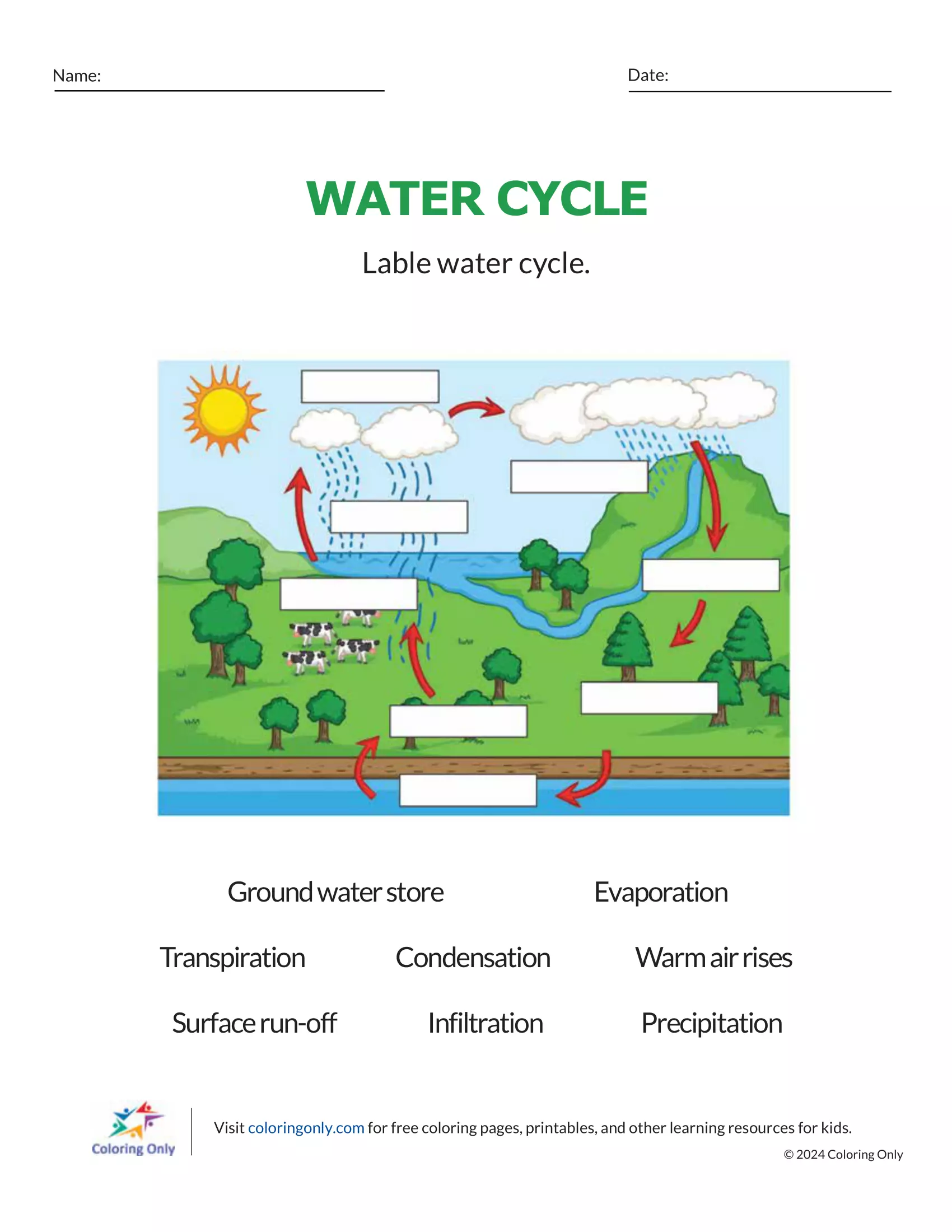
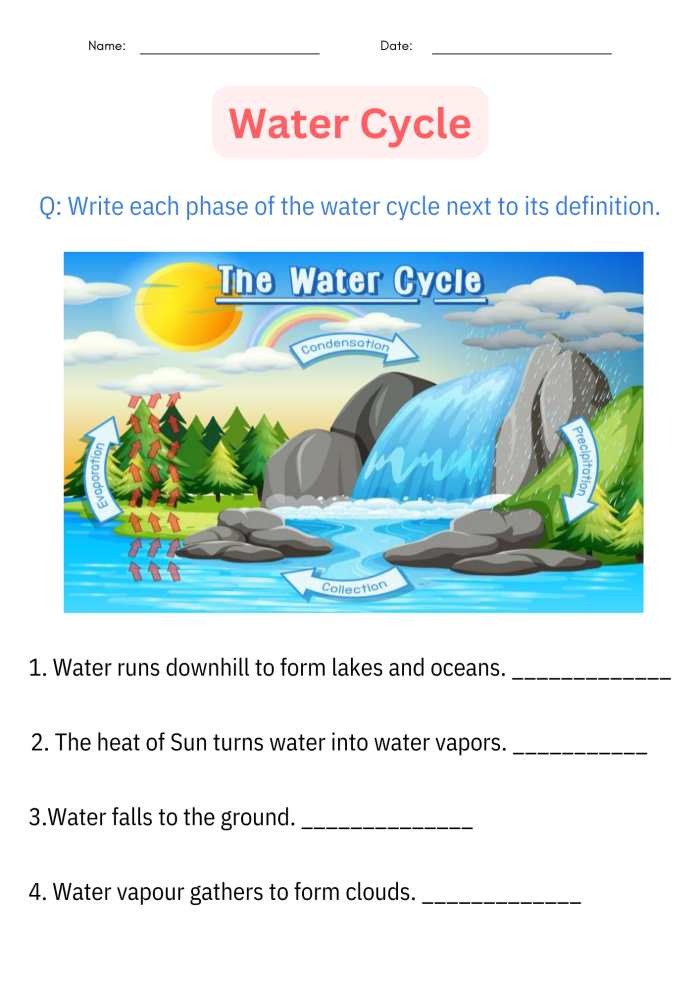
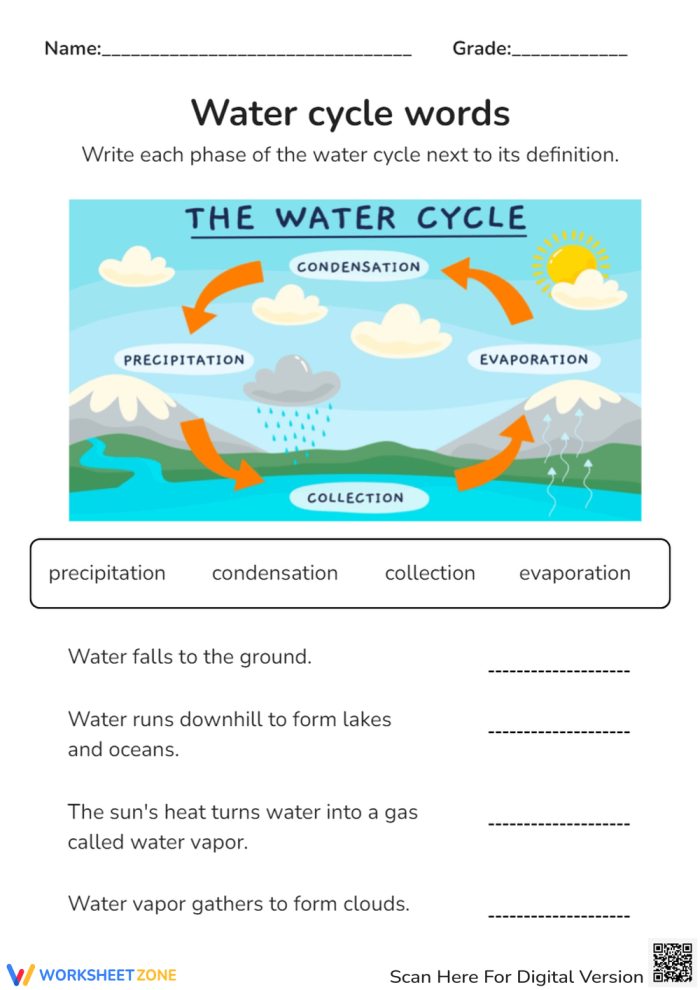
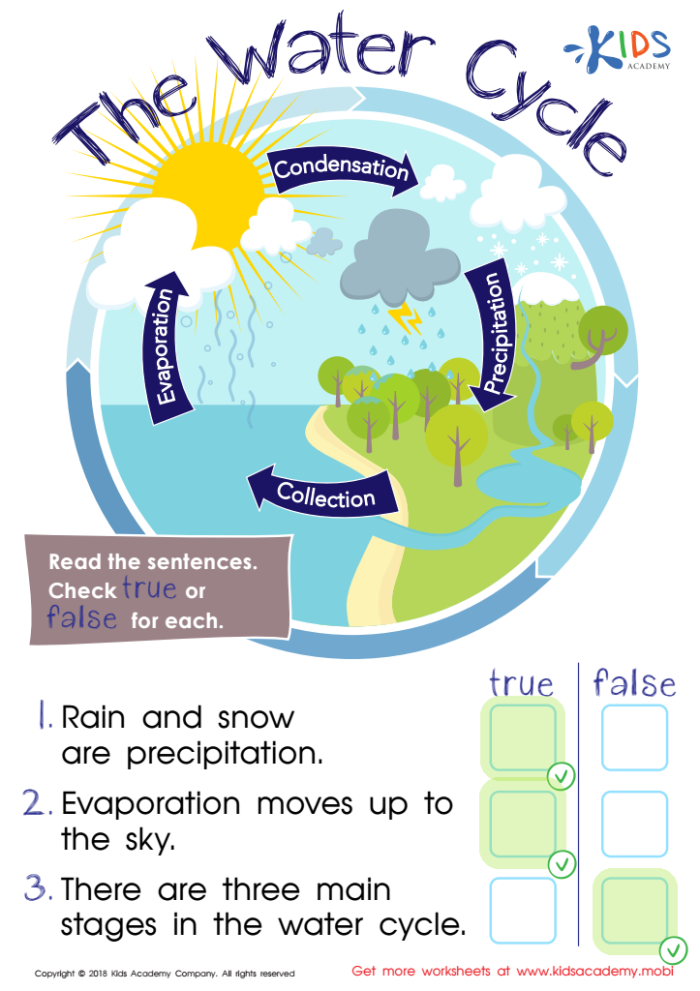
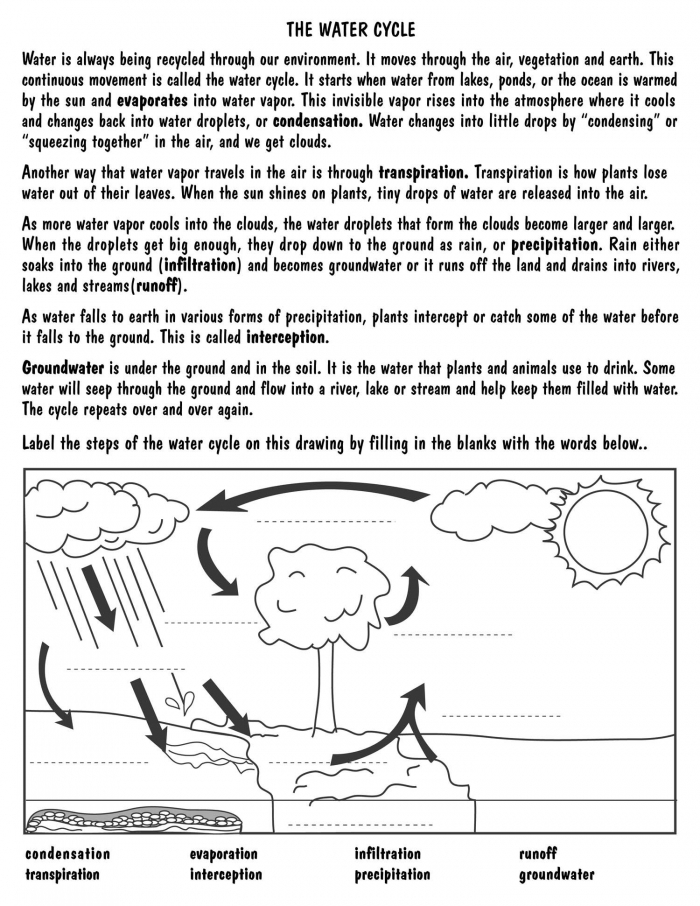
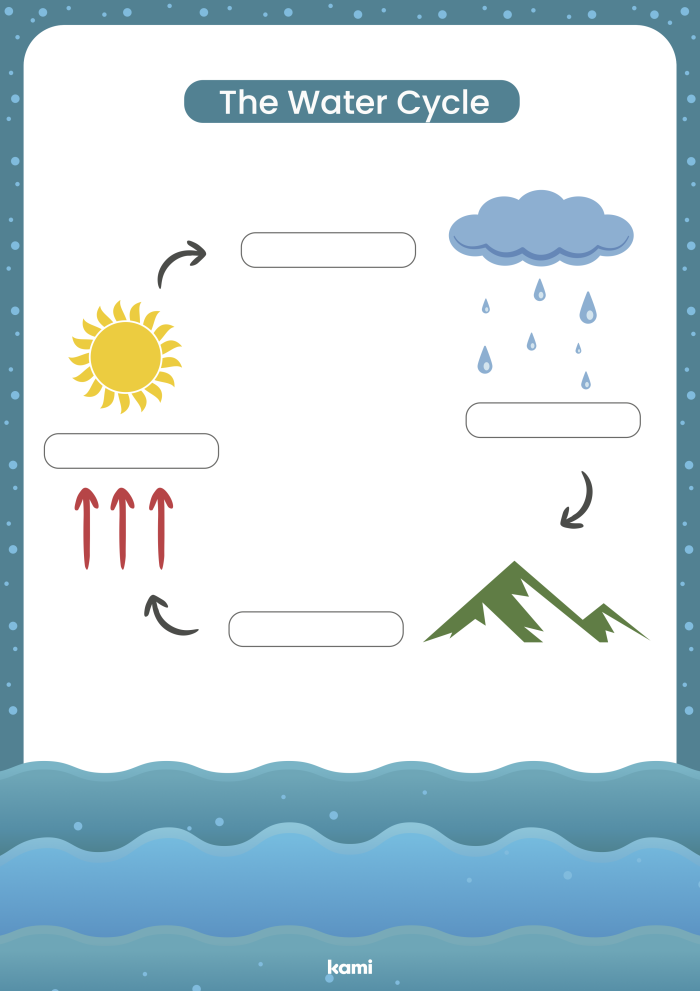
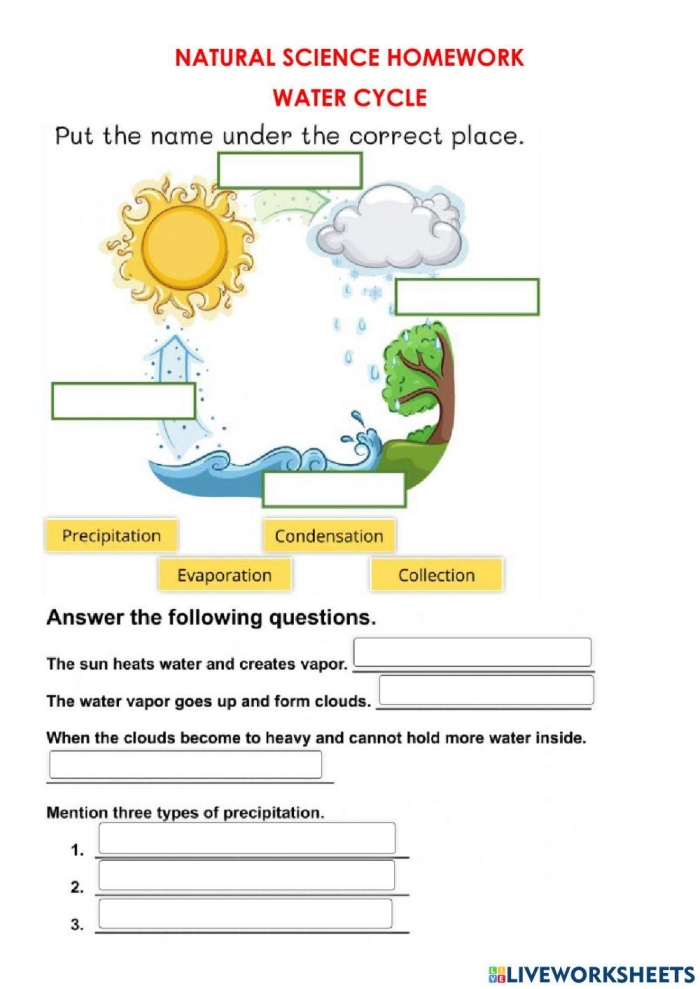
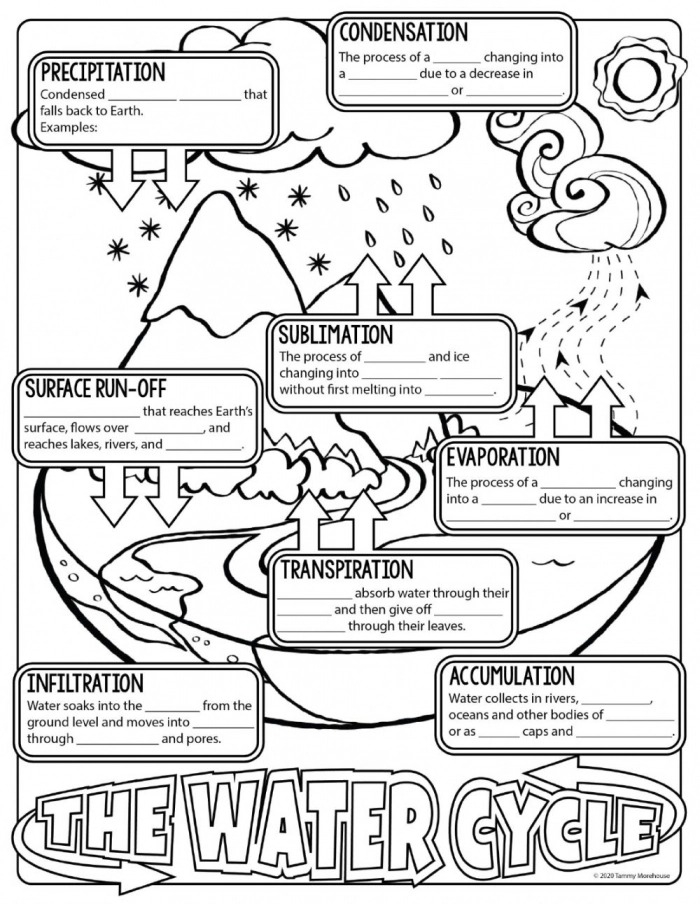
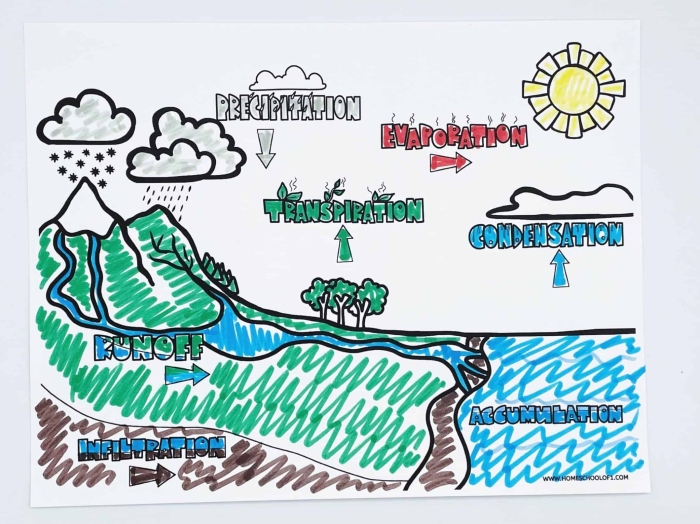
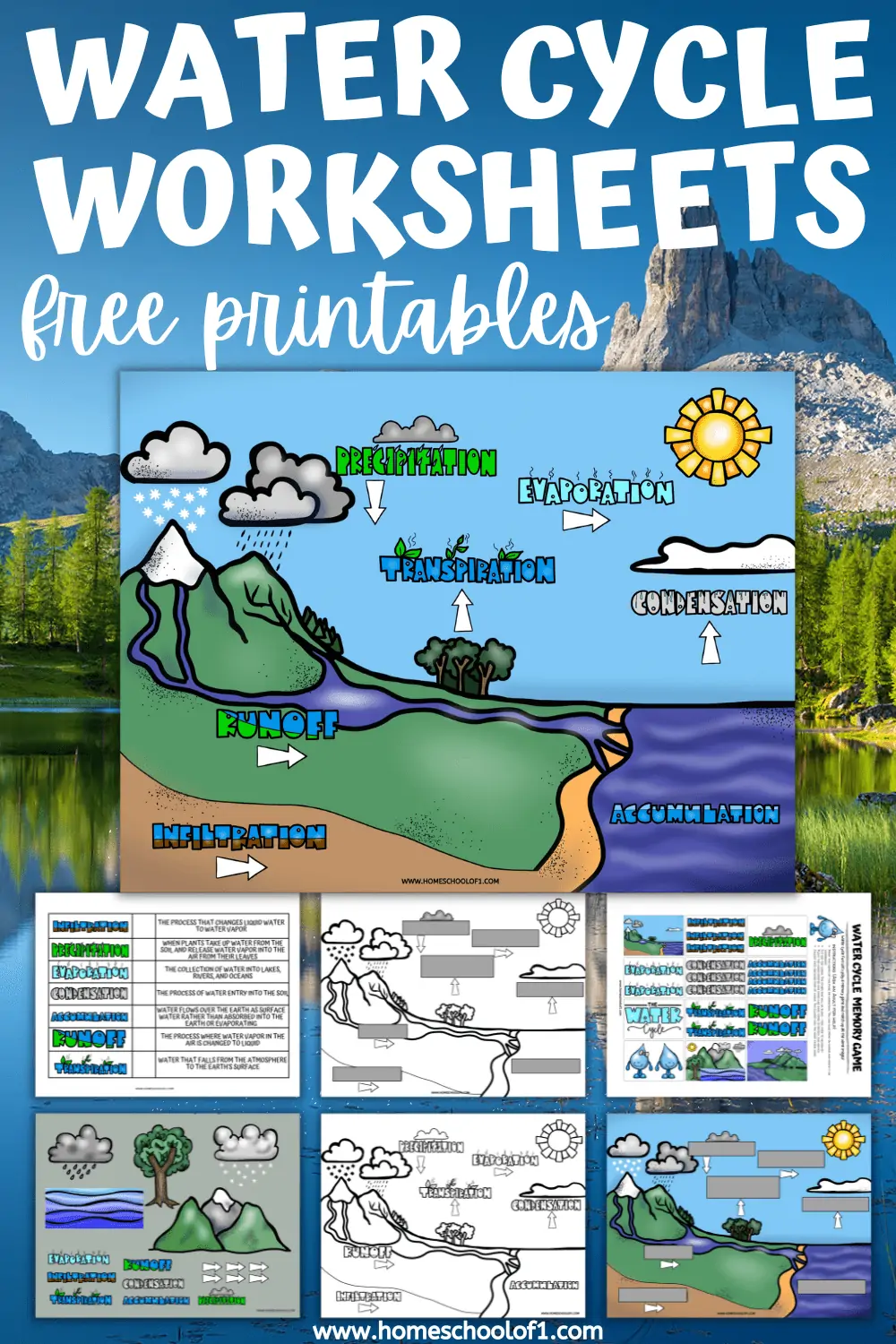
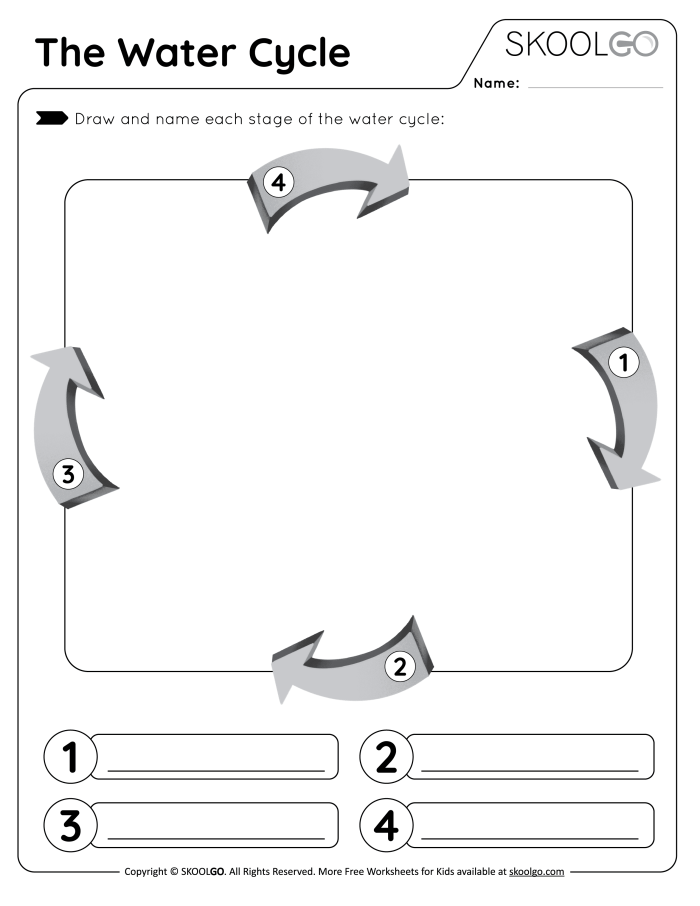
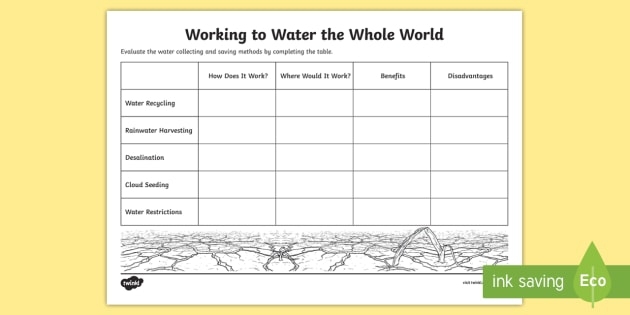
If you want to support your child’s understanding of the water cycle, a well-designed fourth grade worksheet can make the learning process both fun and effective. This printable worksheet focuses on key stages such as evaporation, condensation, precipitation, and collection, helping your child visualize how water moves through the environment. By working through these activities, students can connect scientific concepts to everyday experiences like rain, clouds, and rivers.
One feature that makes this worksheet particularly helpful is how it integrates measurement elements relevant to third grade skills. For example, children might be asked to estimate rainfall amounts or track how long water stays in certain parts of the cycle. These types of questions encourage critical thinking and reinforce basic measurement concepts alongside science. It’s an approach that supports learning across subjects without overwhelming young learners.
Using printable Water Works worksheets also means you can easily fit this exercise into your child’s study routine, whether at home or in the classroom. Unlike digital-only resources, printable sheets allow kids to draw, write, and engage physically with the material, which many educators find promotes better retention. Additionally, these worksheets often include simple diagrams and clear instructions, making complex ideas like condensation easier to grasp.
For parents and teachers looking to expand their child’s skills beyond science, it helps to combine these worksheets with related activities. For instance, practicing telling time or rounding numbers enhances overall comprehension and measurement abilities. Resources like review practice in telling time or rounding to the nearest thousand can complement the Water Works content effectively.
Introducing your child to the water cycle through targeted printables encourages curiosity about the natural world while building foundational skills in measurement and observation. This hands-on approach makes scientific concepts less abstract and more relatable, which is a valuable step for any young learner exploring fourth grade science.
Practice with These Worksheets