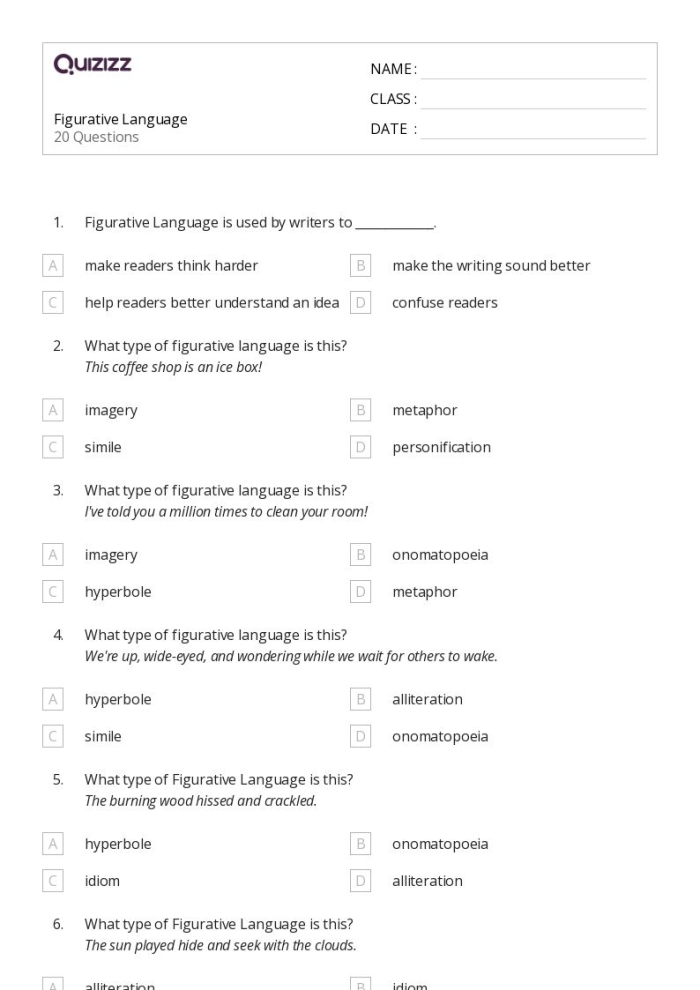
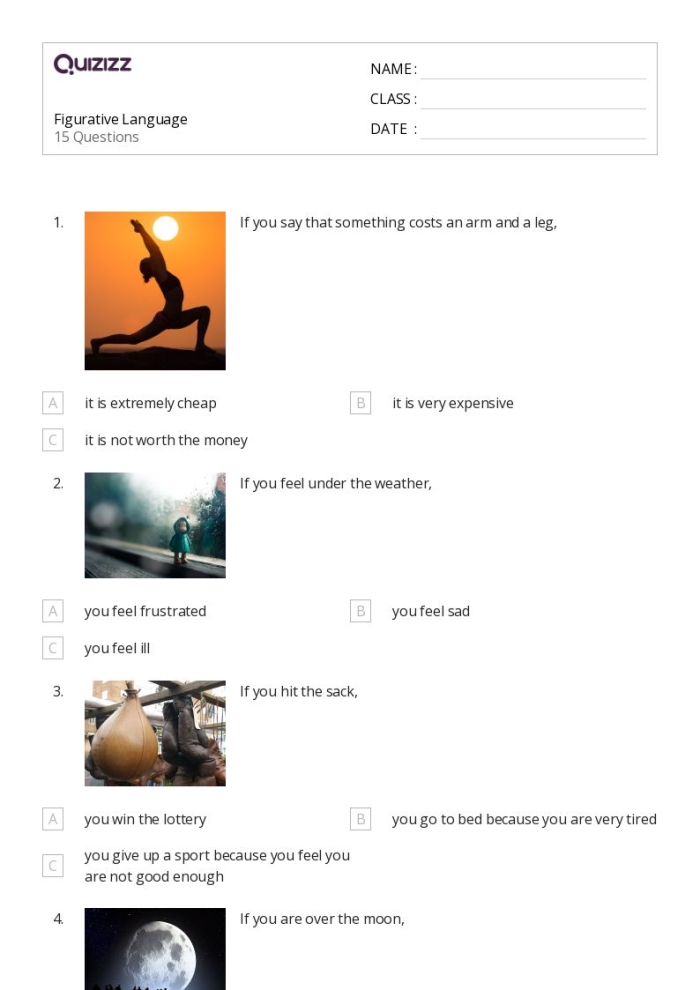
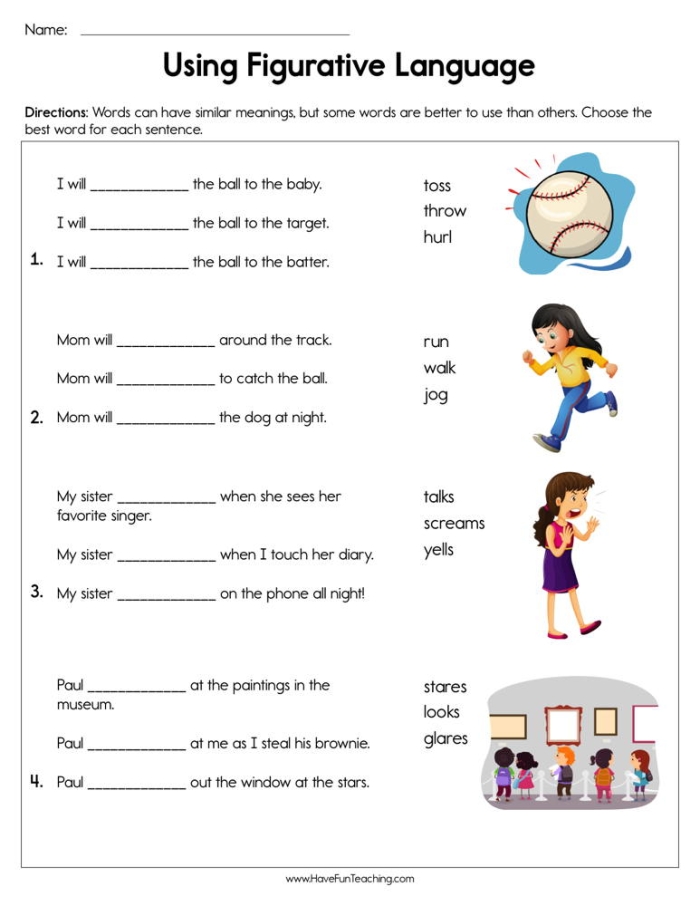
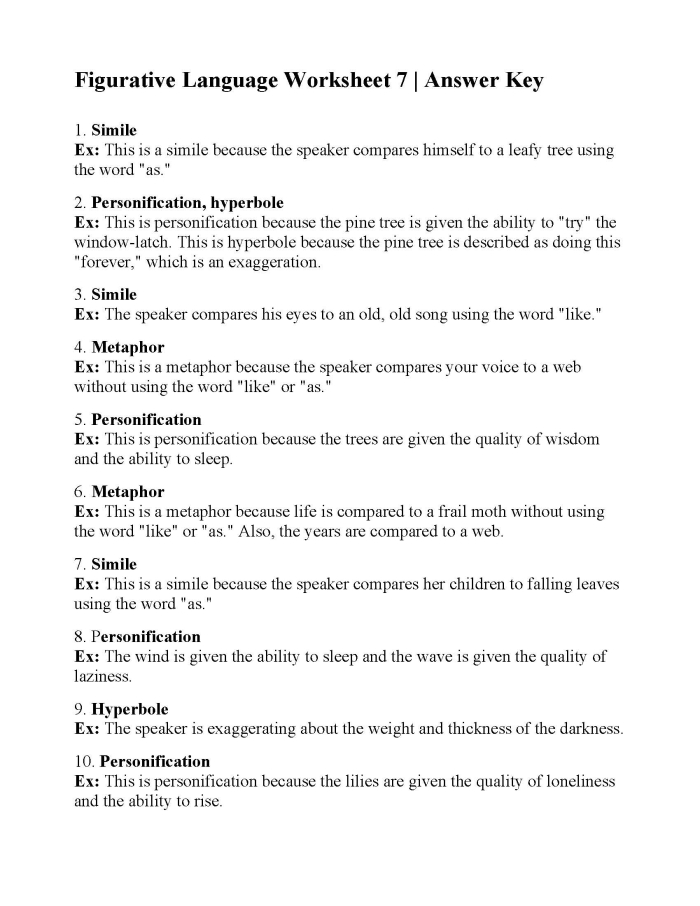
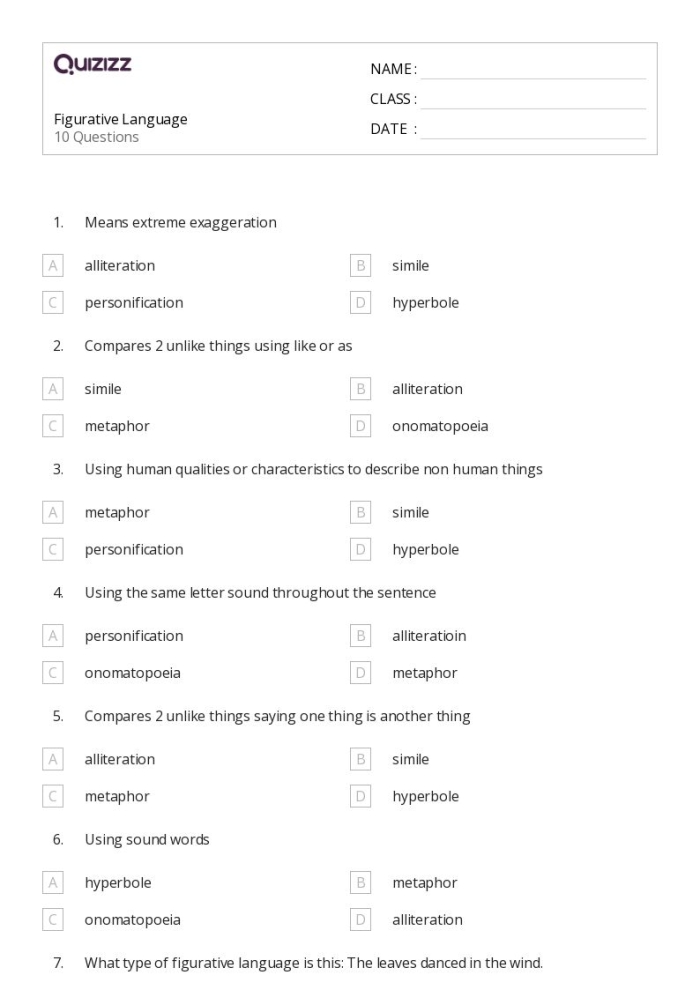
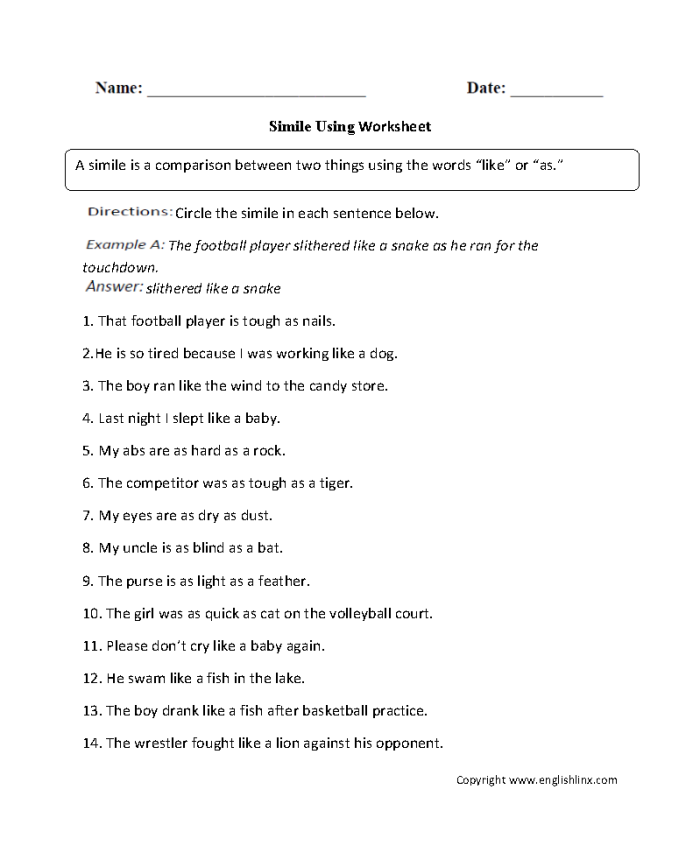
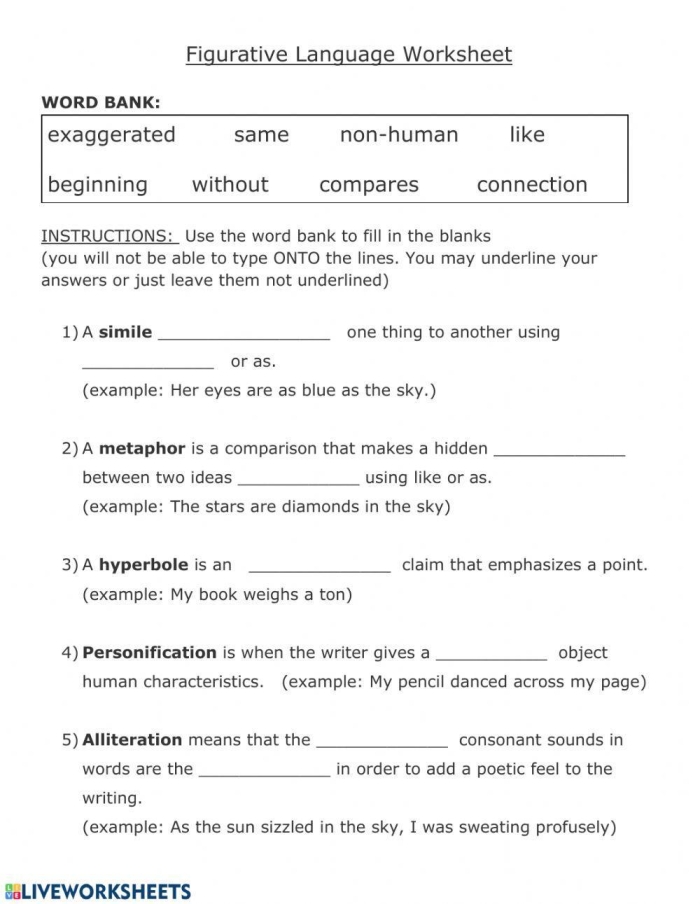
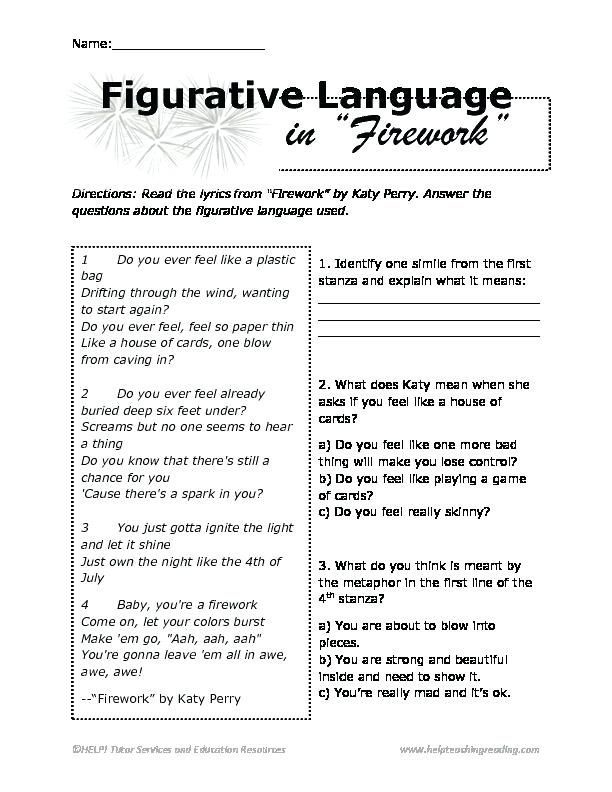
Helping third grade students understand metaphors can be challenging, especially when they encounter phrases that don’t make literal sense. This exercise focuses specifically on guiding young readers to infer the meaning of unknown metaphors, a key skill in developing strong reading comprehension. Instead of simply explaining what each metaphor means, students learn to use clues from the sentence and context, encouraging active thinking and interpretation.
For example, if a student reads “Her smile was a bright star,” they are prompted to think about what a bright star represents—something shining or noticeable—and how that relates to a smile. This kind of inference practice helps children move beyond memorizing definitions to grasping how language works in everyday reading. It builds their ability to decode figurative language, which appears frequently in stories and poems targeted at this age group.
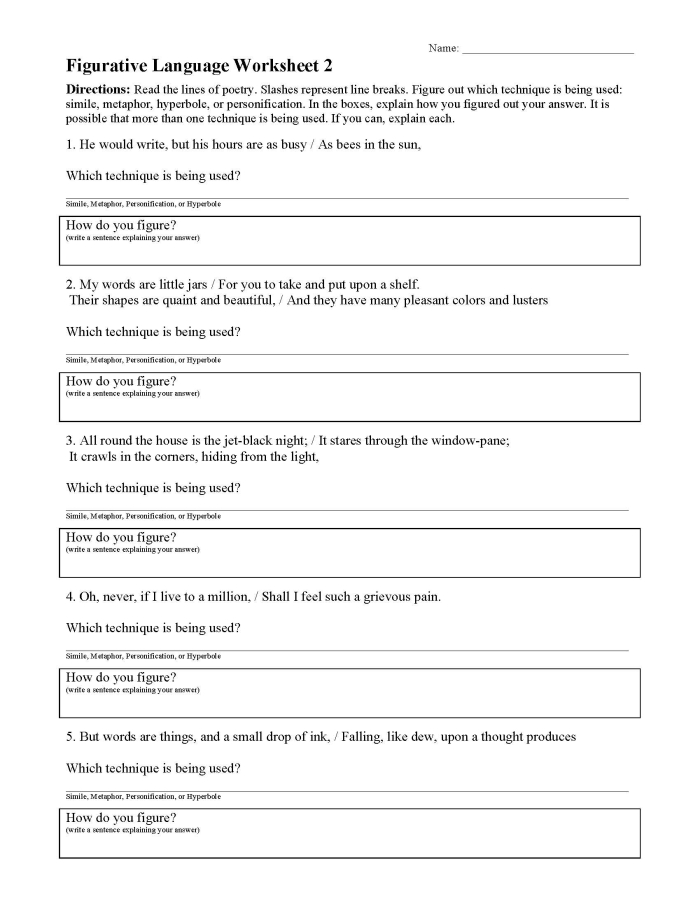
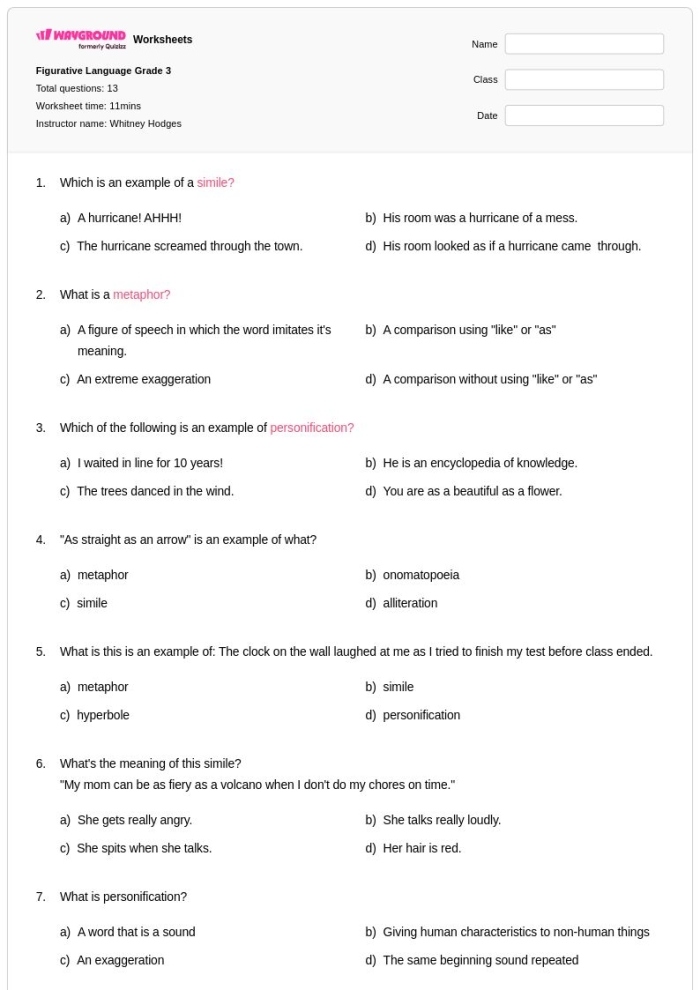
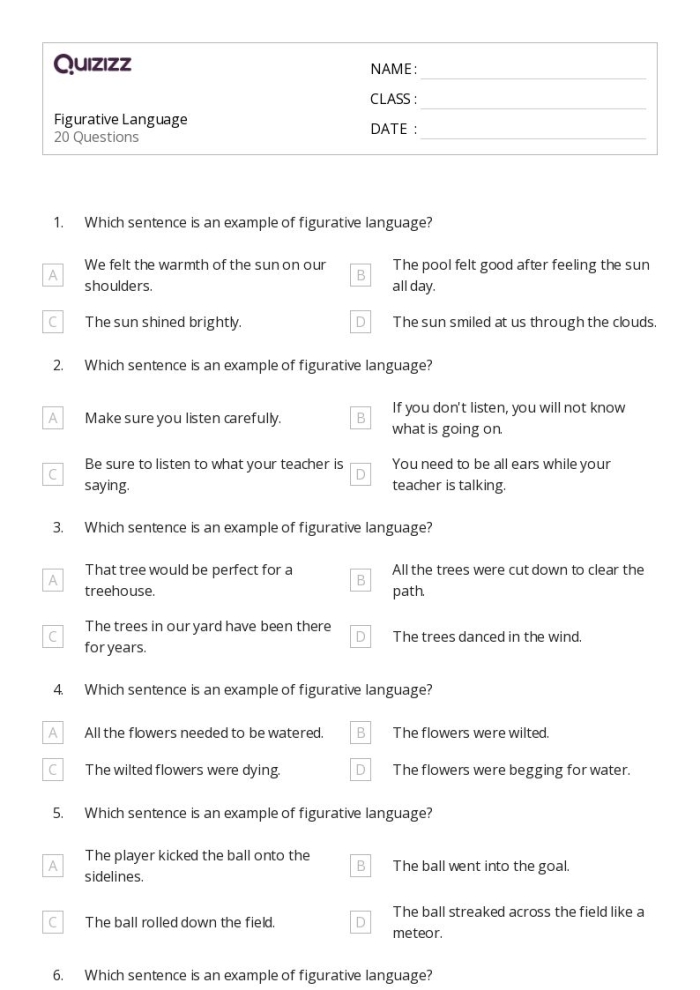
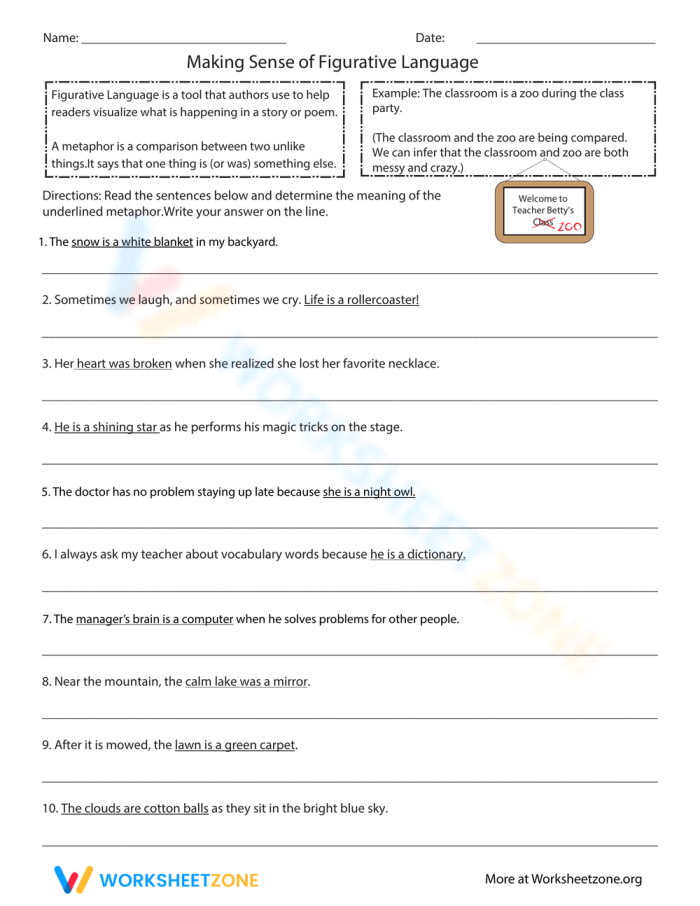
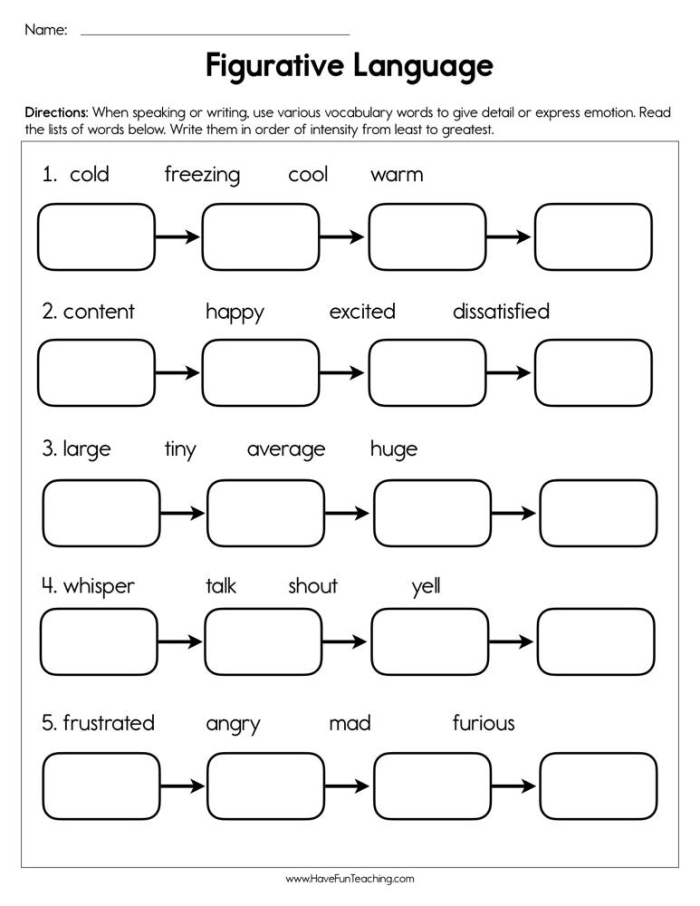
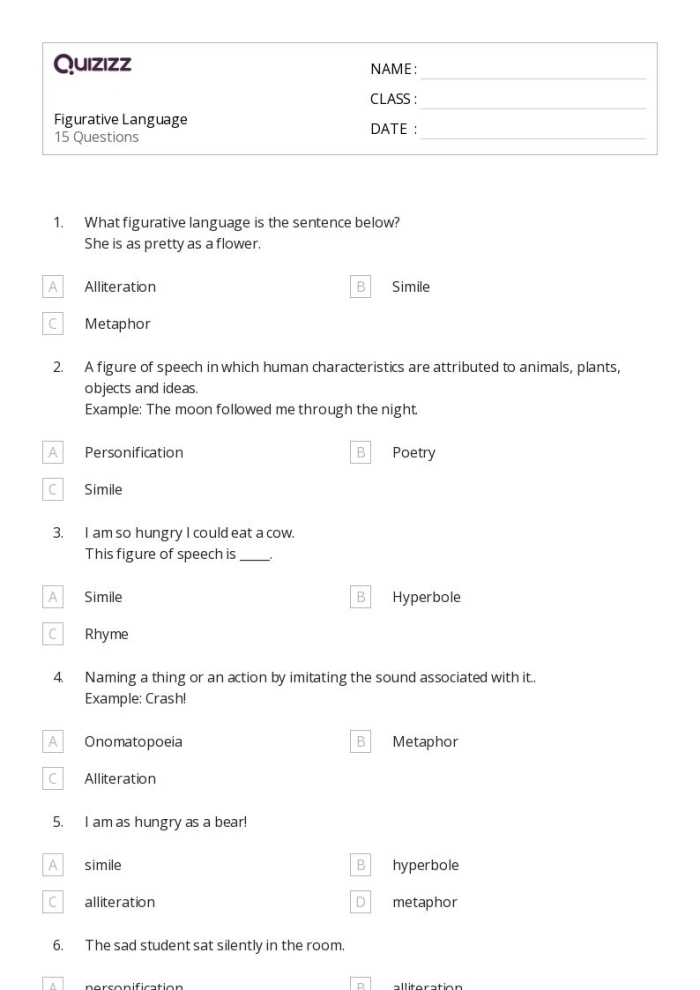
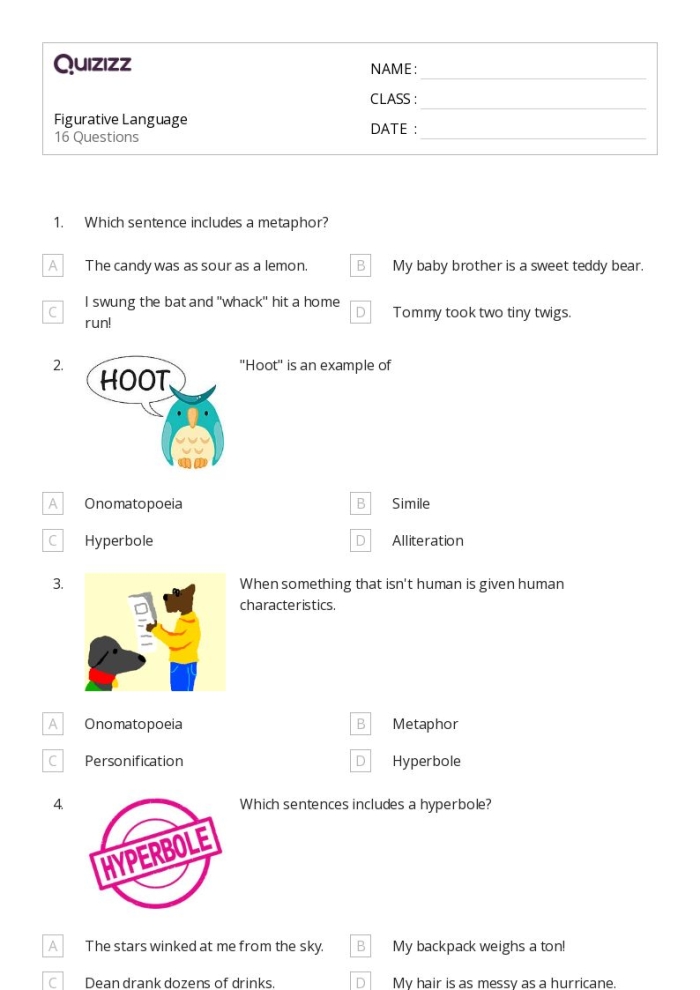
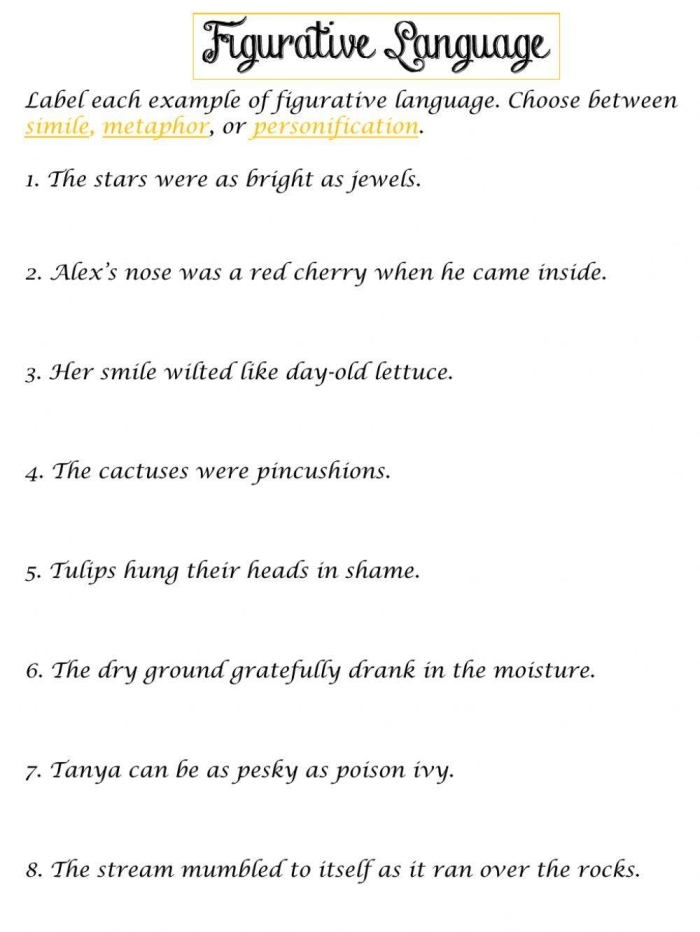
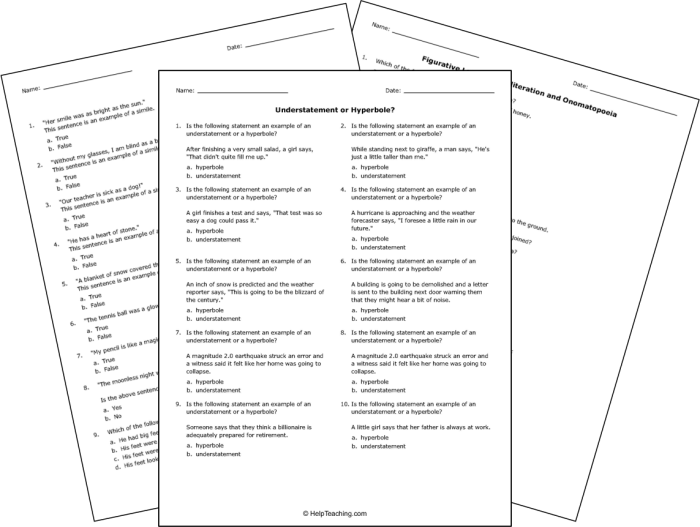
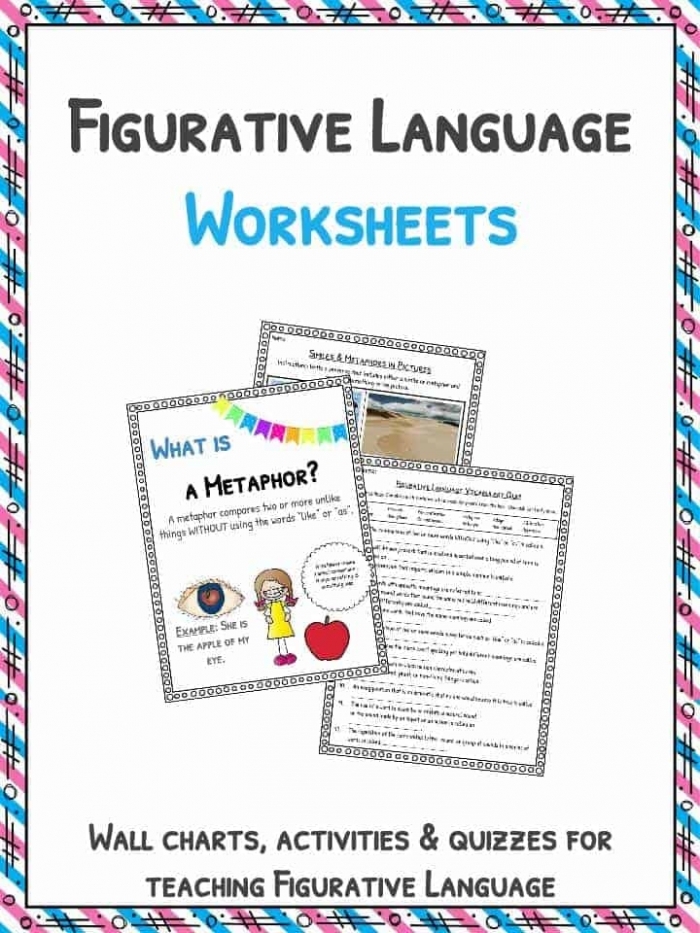
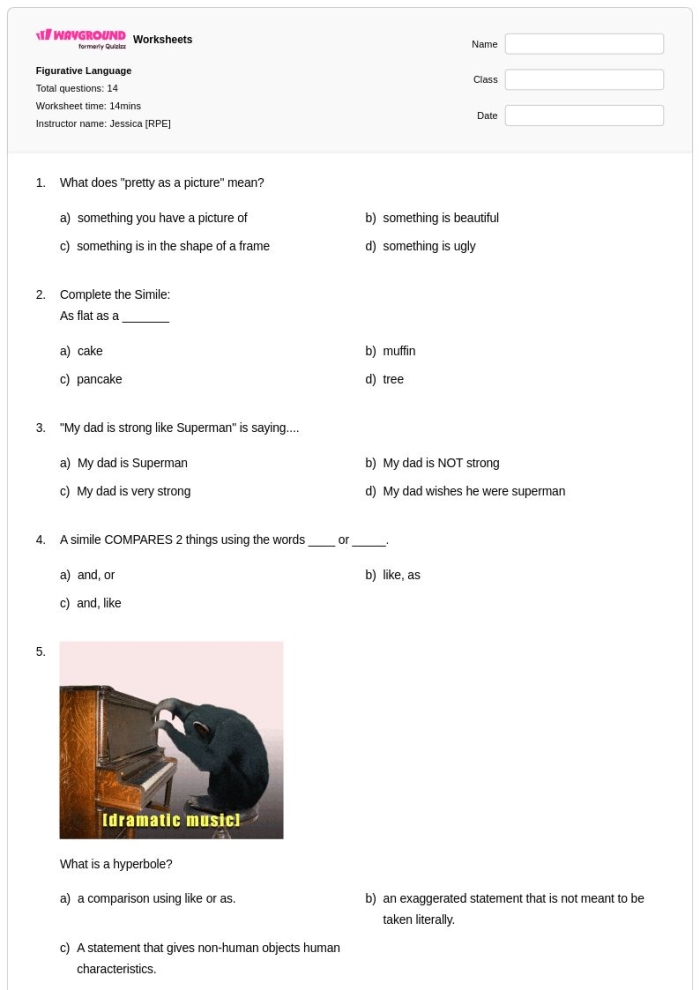
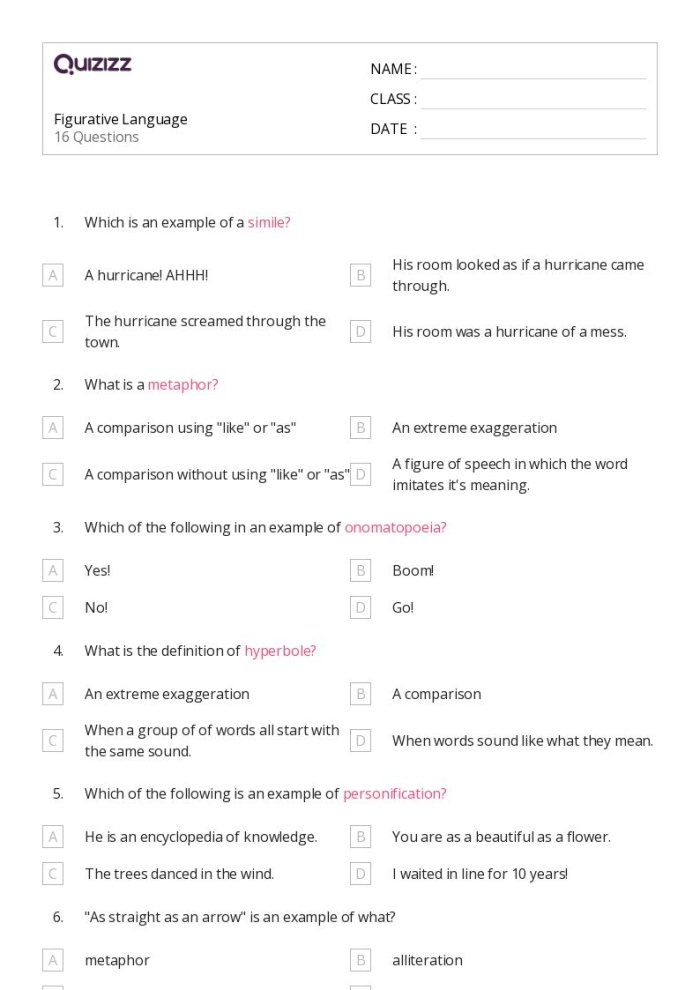
One effective approach involves using printable Making Sense of Figurative Language 3 worksheets that present metaphors within familiar contexts. These worksheets allow students to practice in a structured way, gradually increasing the complexity of the metaphors. Including related reading activities, such as those focusing on main ideas or vowel sounds, can enrich this experience. For instance, pairing metaphor exercises with materials like the working dogs reading worksheets helps maintain engagement while reinforcing various reading skills.
Teachers have observed that when students actively infer meaning rather than rely on direct explanations, they develop better retention and a deeper understanding of language nuances. This also supports their ability to tackle more complex texts as their reading skills progress. In the context of third grade, where reading abilities are rapidly expanding, fostering metaphor comprehension through targeted exercises is a practical step towards stronger literacy.
Incorporating exercises that focus on figurative language alongside other reading components, such as comprehension and phonics, creates a balanced learning environment. Resources like the summary high five worksheets complement metaphor activities by encouraging students to summarize and think critically about texts they read. This holistic approach prepares students to recognize and interpret metaphors naturally as part of their reading journey.
Try These Printable Worksheets