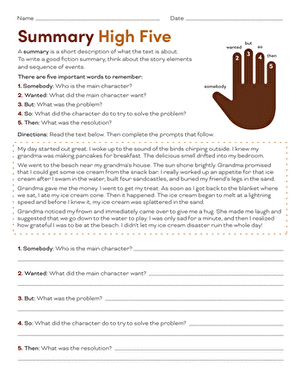
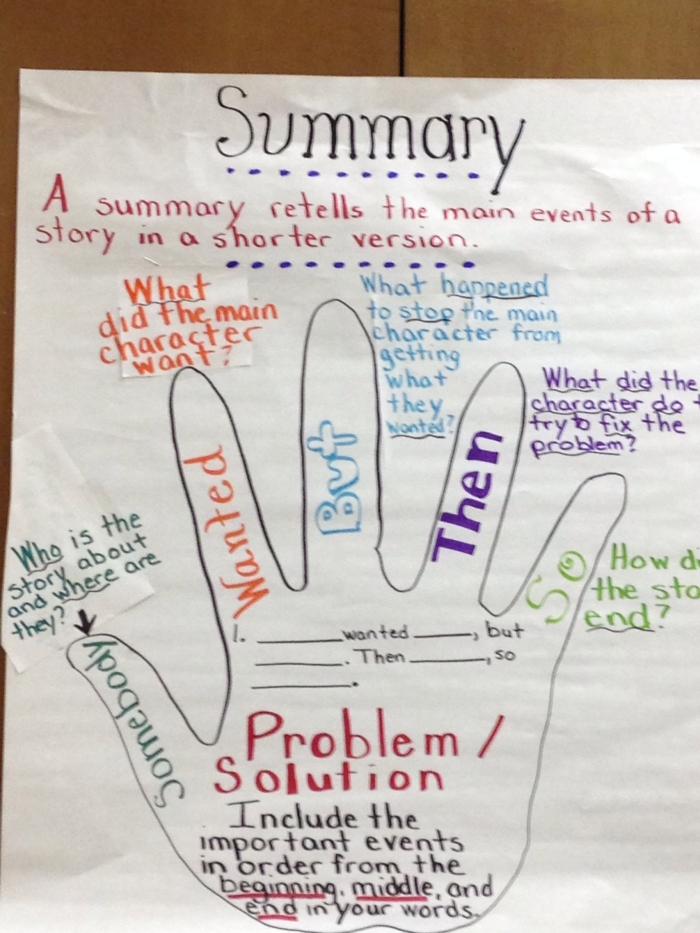
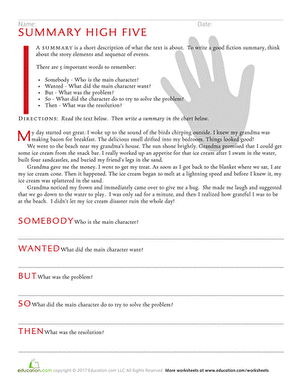
Teaching children how to write effective fiction summaries can be a rewarding experience. One of the most effective tools for this task is a five-word mnemonic device called “Summary High Five.” This simple phrase helps third graders remember the essential components of a good summary, making the writing process both fun and engaging.
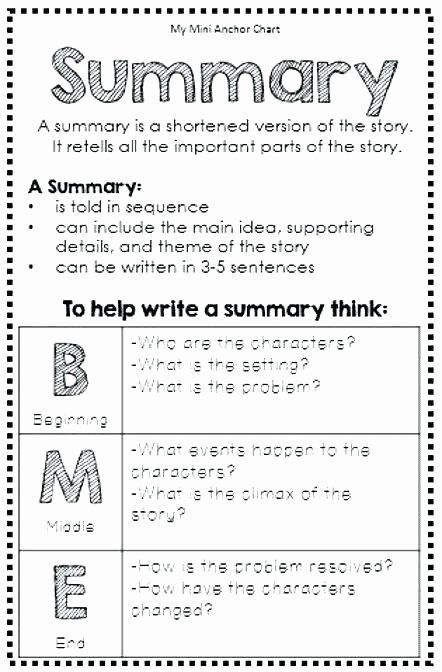
The Summary High Five consists of five key elements: character, setting, problem, events, and solution. Each word serves as a reminder of what to include in a summary. For instance, when discussing characters, students learn to identify who the story is about, while the setting helps them recognize where and when the events occur. Understanding the problem introduces them to the conflict that drives the narrative forward. The events detail the main actions that take place, and finally, the solution wraps up the story by explaining how the problem is resolved.
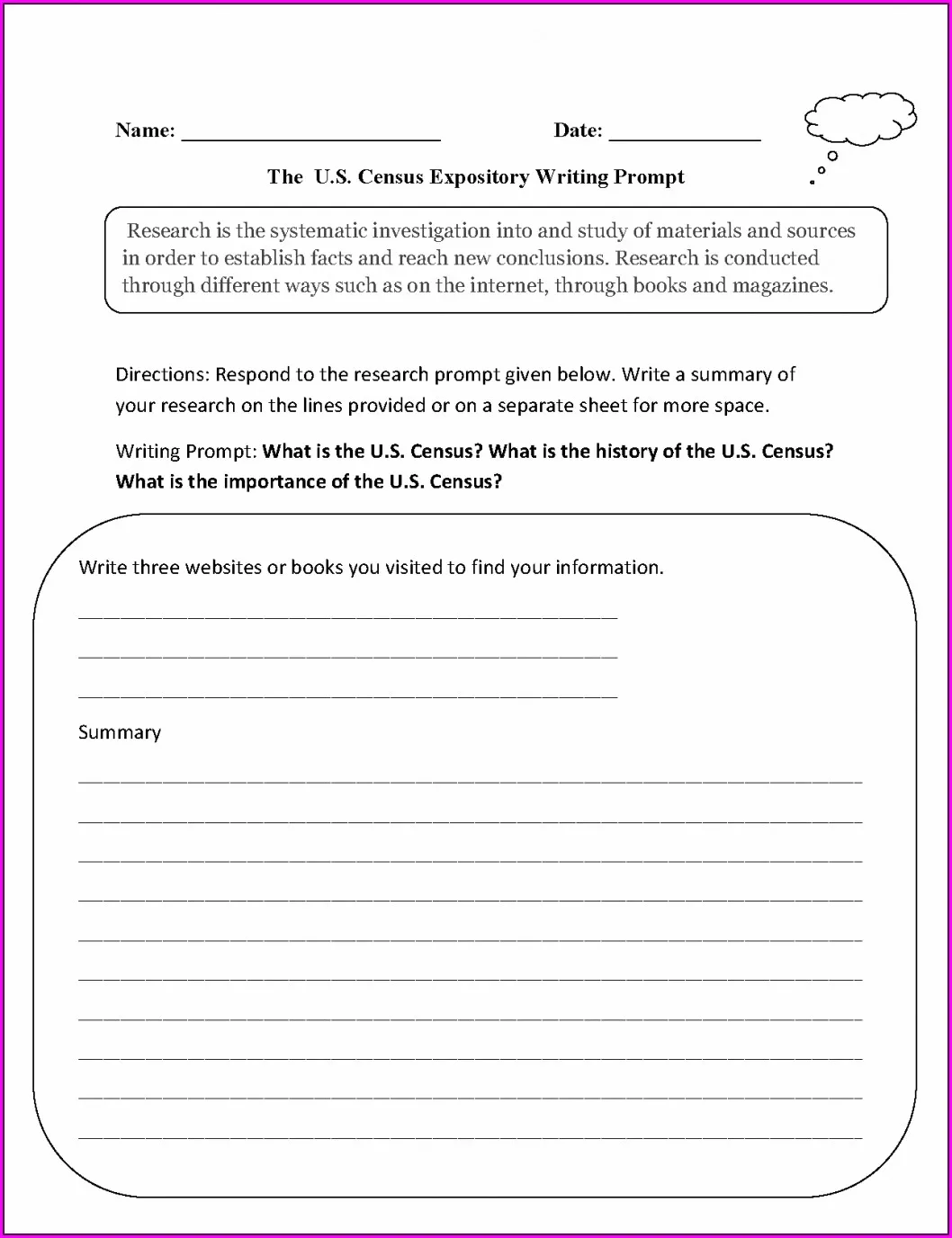
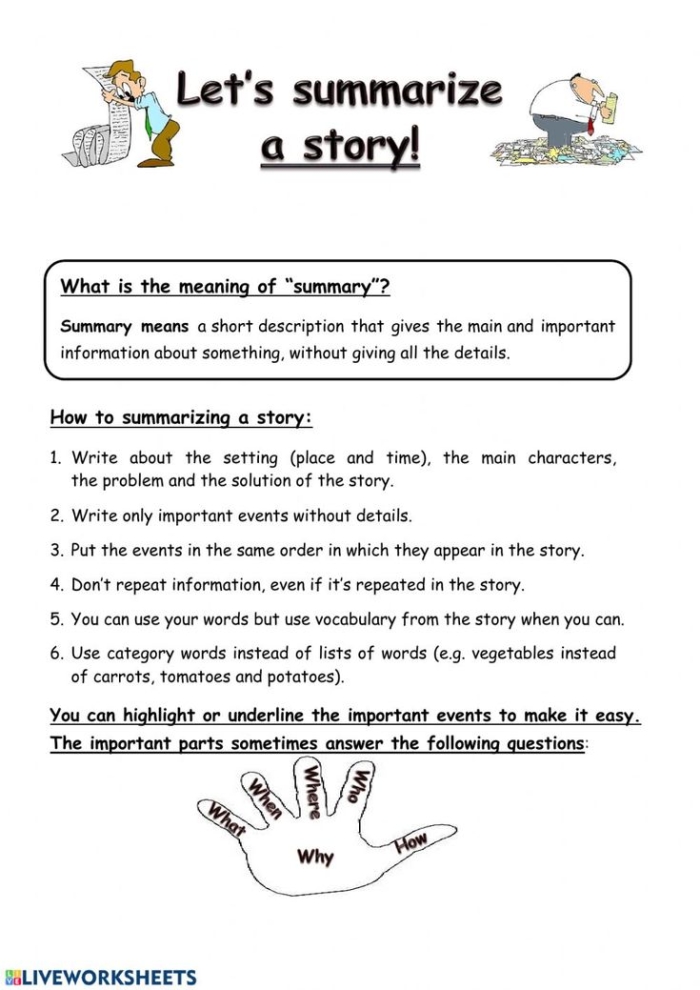
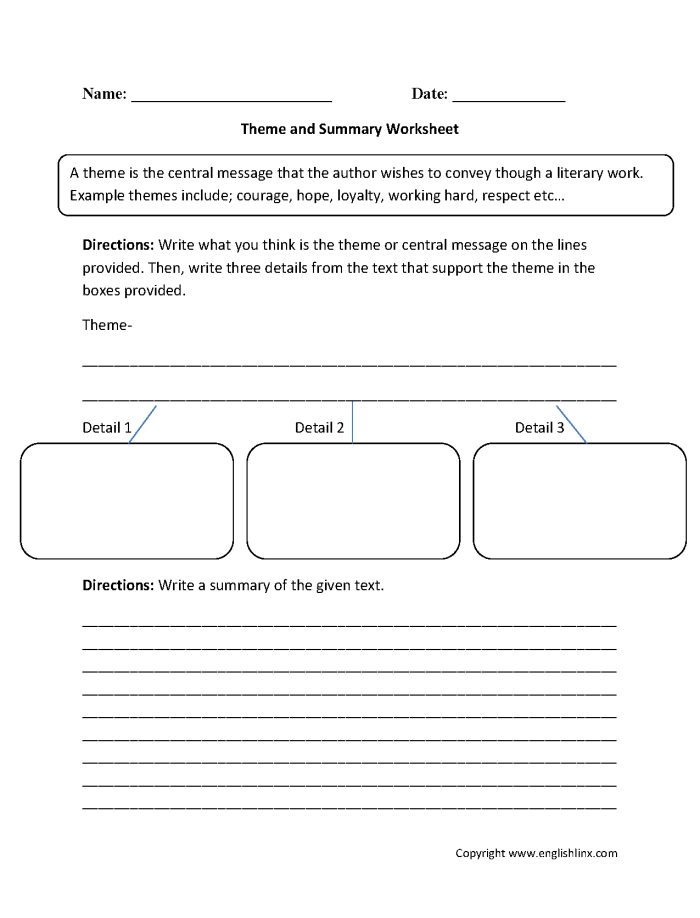
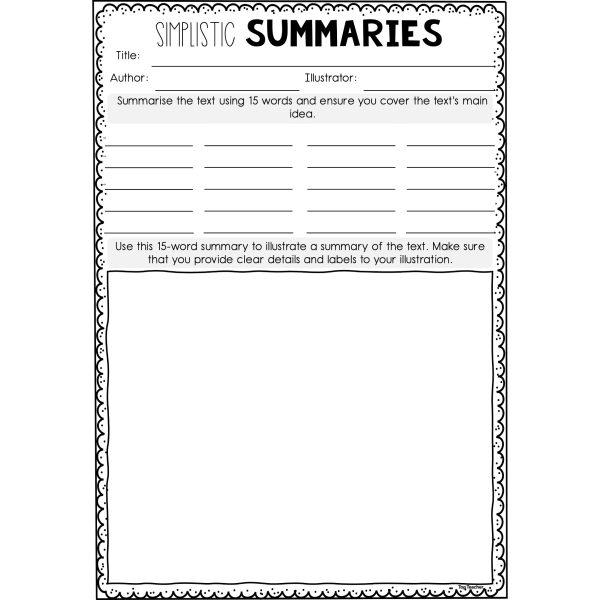
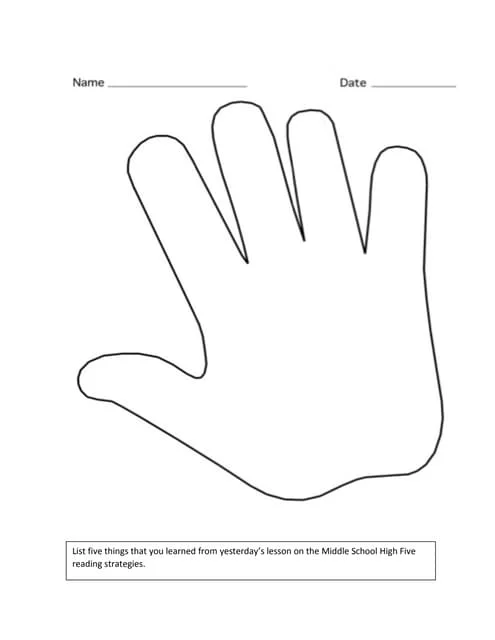
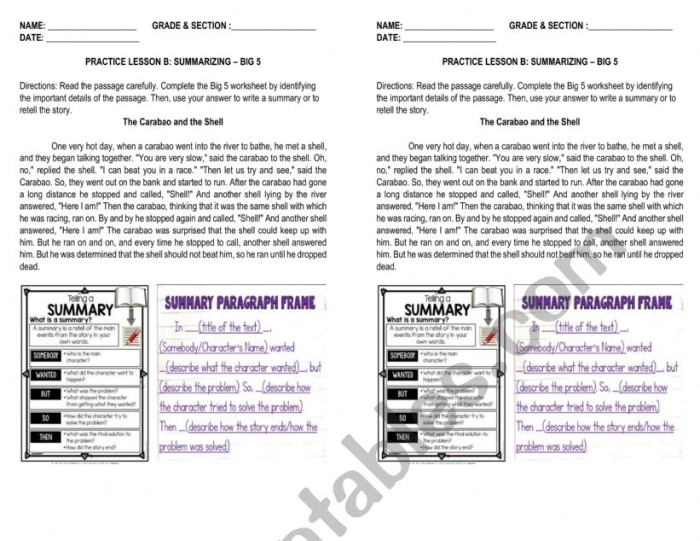
Using this mnemonic, teachers can create printable Summary High Five worksheets that provide structured practice. These worksheets encourage students to analyze short stories or books they’ve read, reinforcing their comprehension skills. For example, after reading a story, a teacher might ask the students to fill in a worksheet that prompts them to identify each of the five elements. This hands-on approach not only aids in retention but also boosts their confidence in summarizing narratives.
Incorporating the Summary High Five into reading lessons can make a significant difference. It empowers third graders to summarize stories independently, fostering a deeper understanding of the texts they engage with. By using tools like this mnemonic device, educators can enhance their students’ reading skills and prepare them for more advanced literary analysis in the future.
Boost Skills with These Worksheets