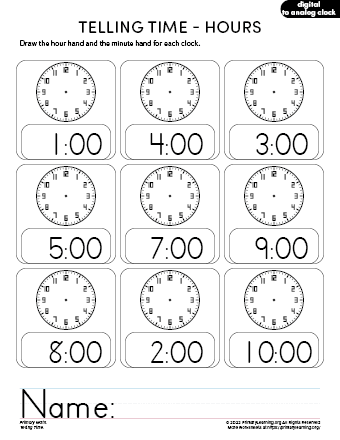
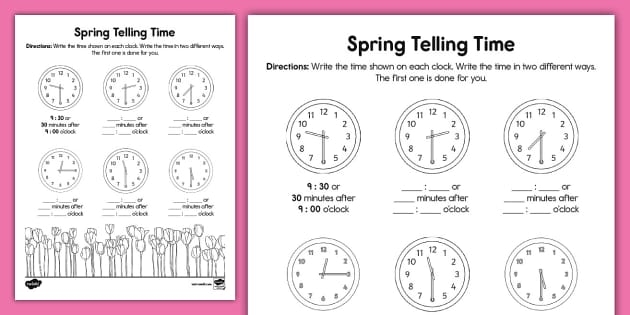
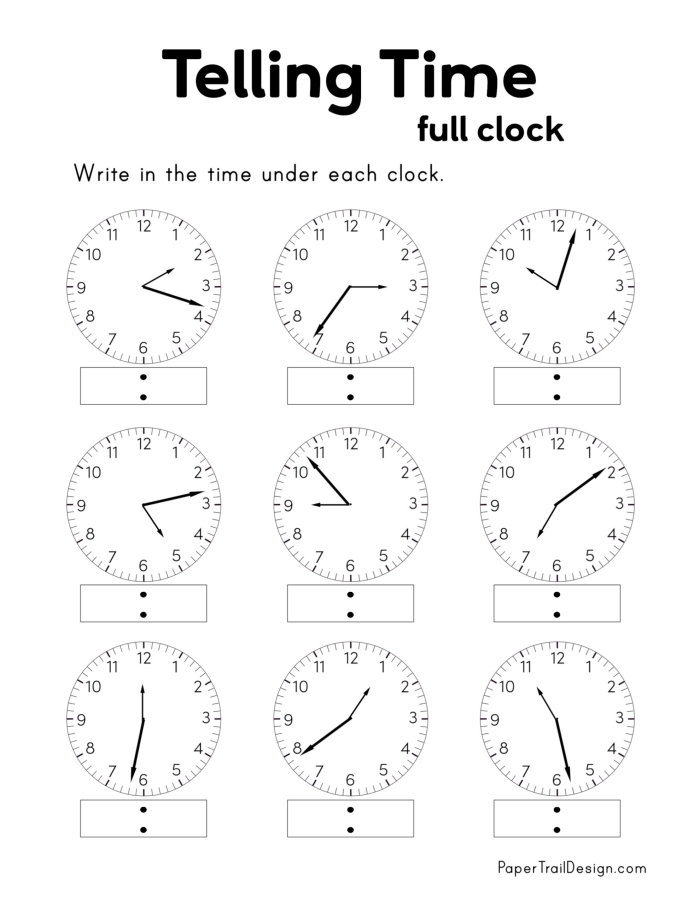
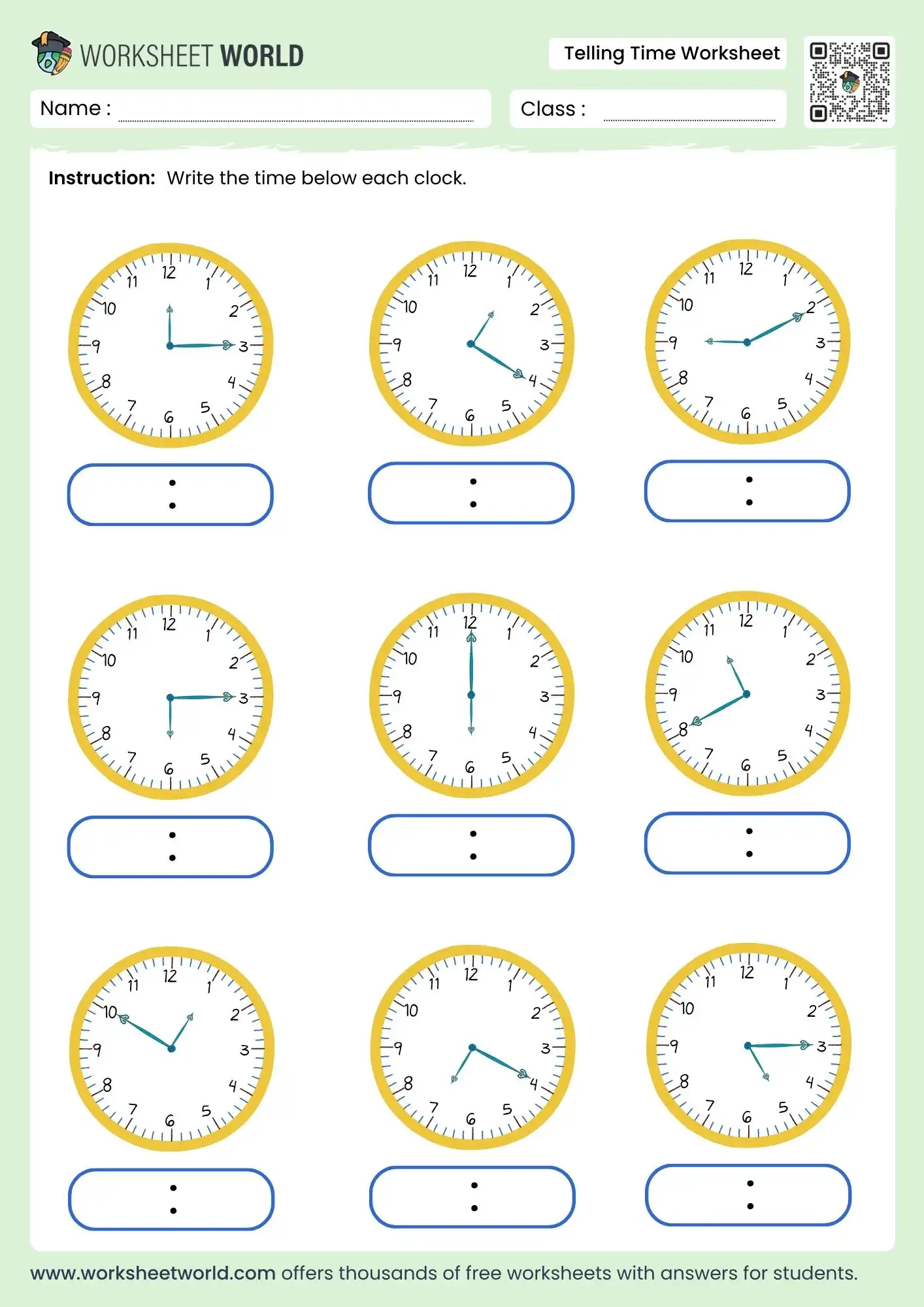
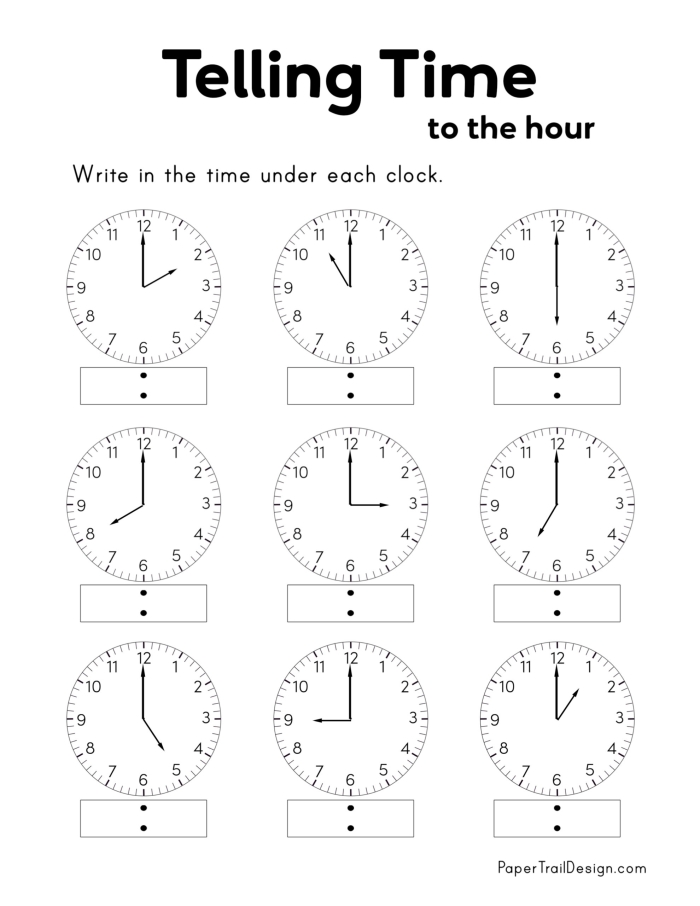
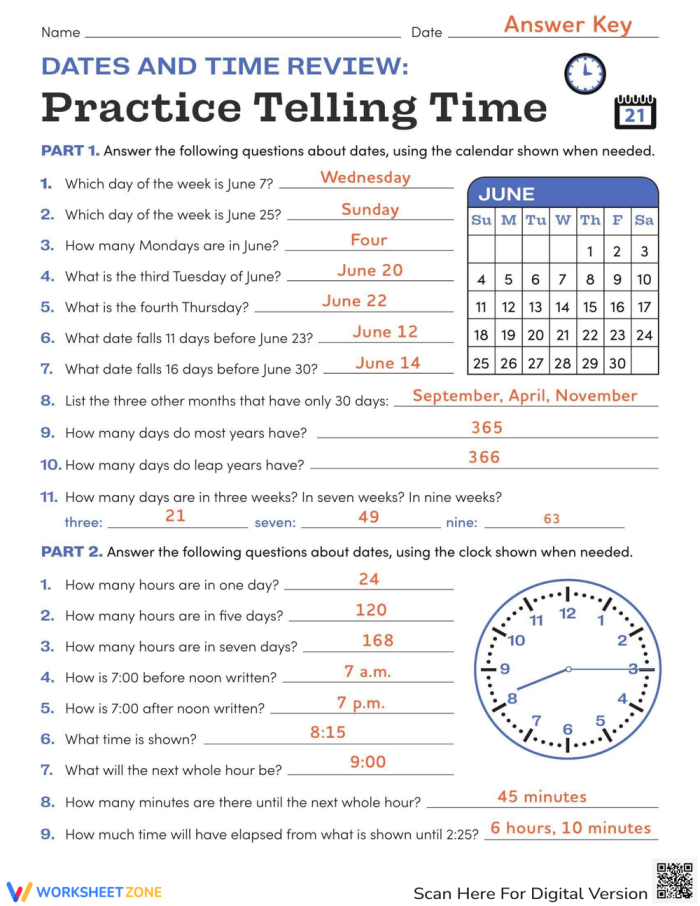
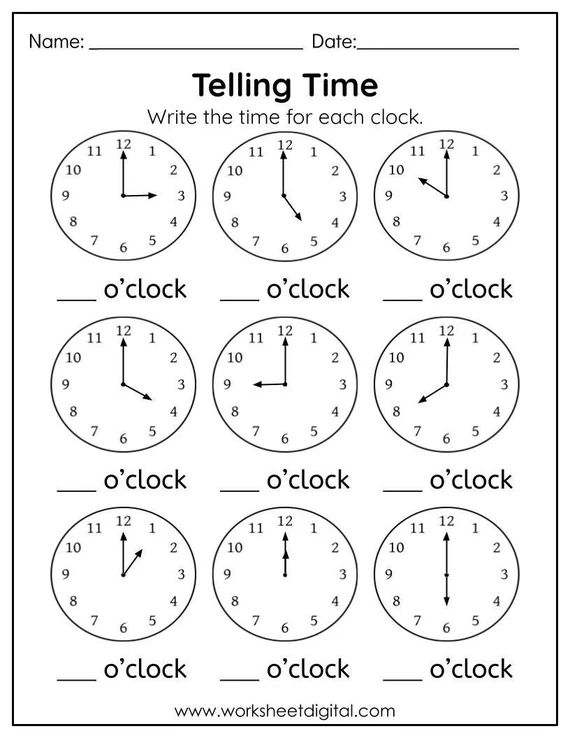
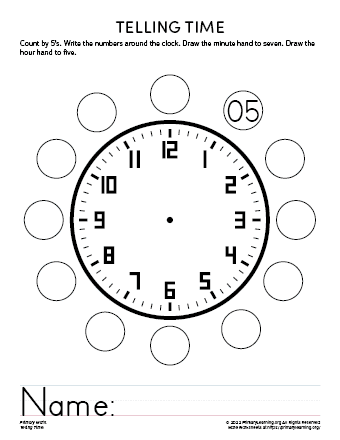
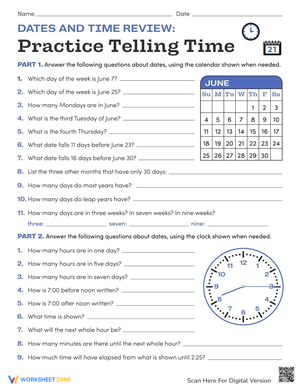
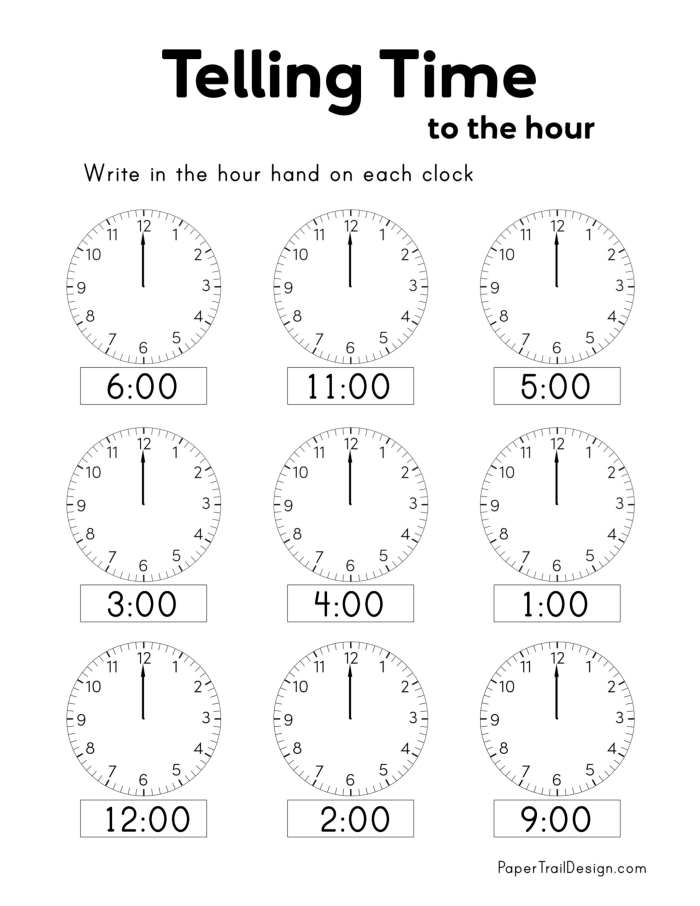
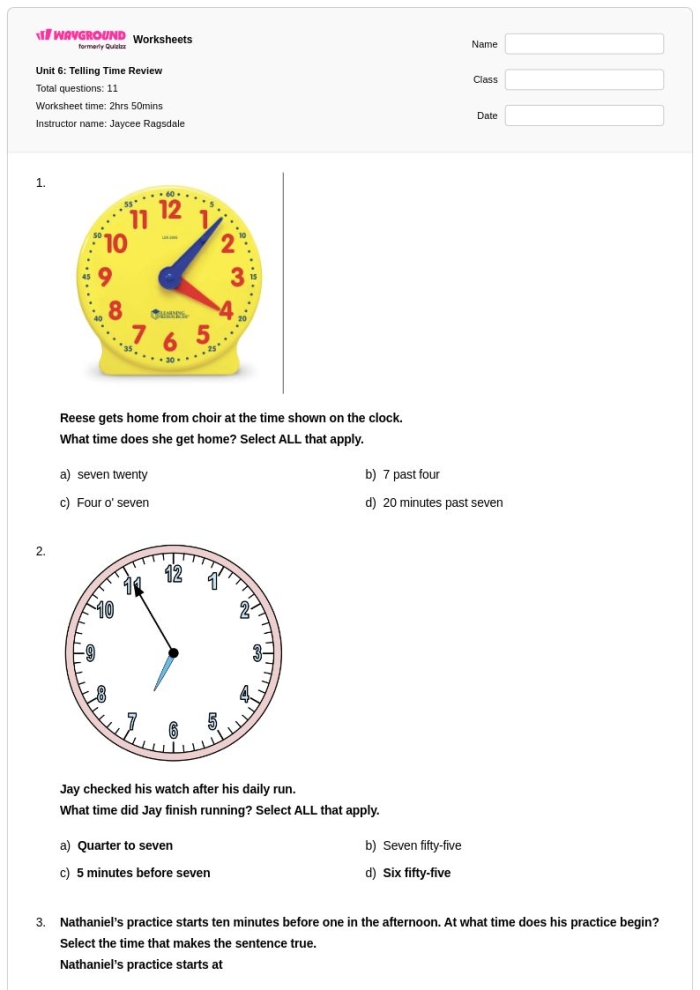
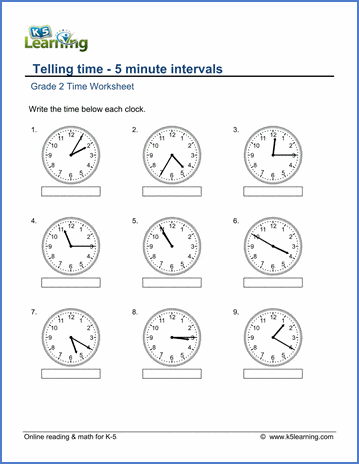
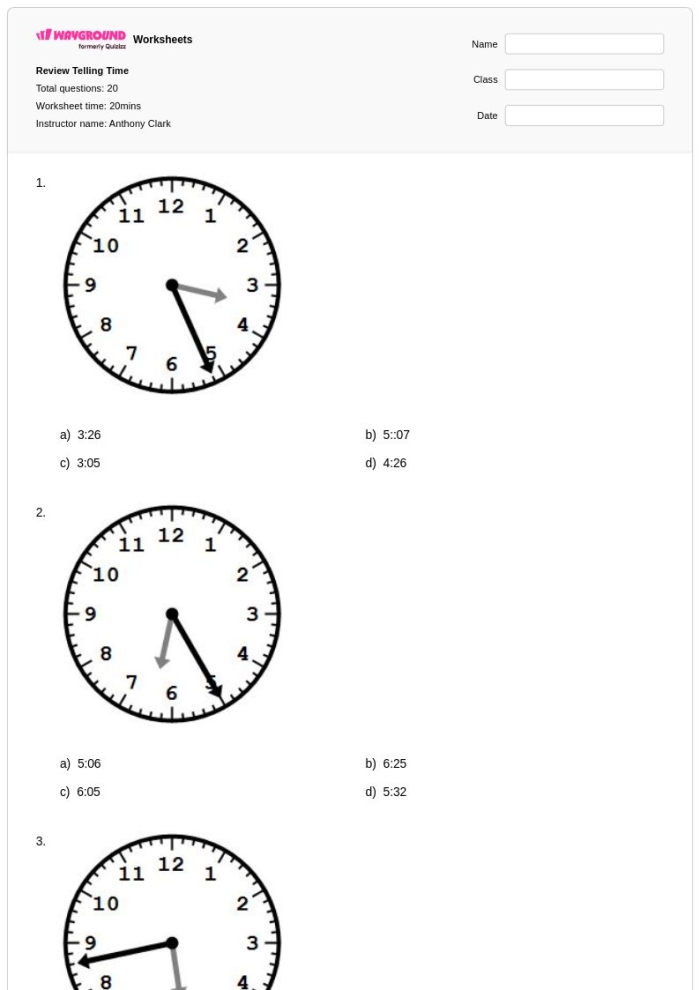
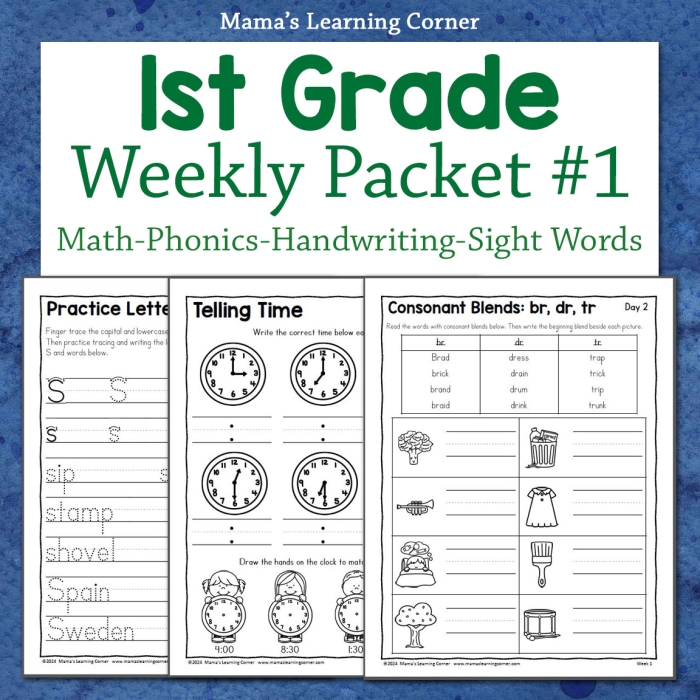
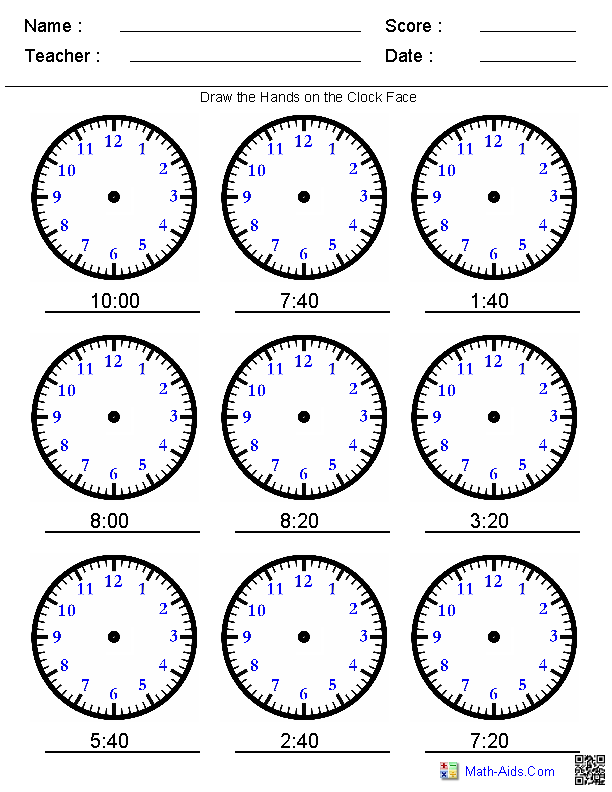
Telling time and reading a calendar are skills that third graders need to master, and this worksheet gives them 20 questions to practice both at once. The combination forces students to think about how clocks and calendars work together in real life, rather than treating them as separate topics.
The worksheet structure keeps things straightforward. Students work through questions that ask them to identify times on analog clocks, read digital times, figure out dates on a calendar, and solve simple word problems that combine both skills. A typical question might ask: “If today is March 15th and you have soccer practice in 3 days, what date will that be?” Another might show a clock face and ask what time it displays. This variety means kids can’t just memorize one pattern; they have to actually understand how these tools function.
What makes this approach effective for measurement practice in third grade is that it connects abstract concepts to something children experience daily. They already know about their birthday, school events, and when their favorite shows come on. This worksheet helps them translate that real-world awareness into reading actual clocks and calendars.
If your students need additional practice with different measurement skills, you might pair this with other resources. For instance, water works measurement worksheets introduce volume and capacity, while rounding to the nearest thousand practice builds number sense alongside measurement concepts.
The 20-question format gives enough repetition for patterns to sink in without becoming tedious. After completing this worksheet, most third graders will feel more confident glancing at a clock during the day or checking what date something falls on in their calendar.
Printable Worksheets for Practice