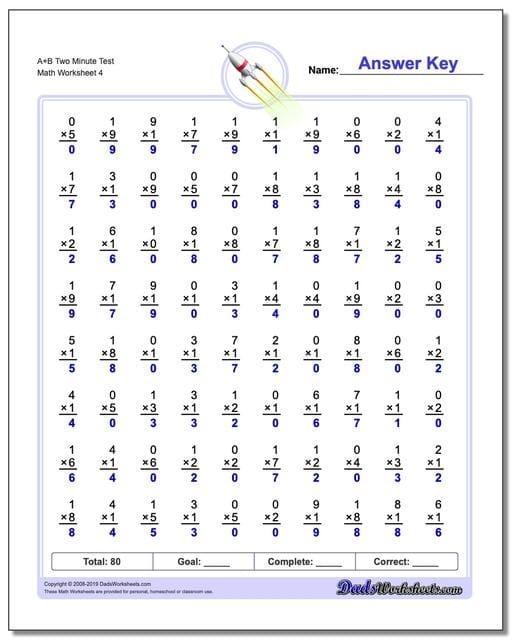
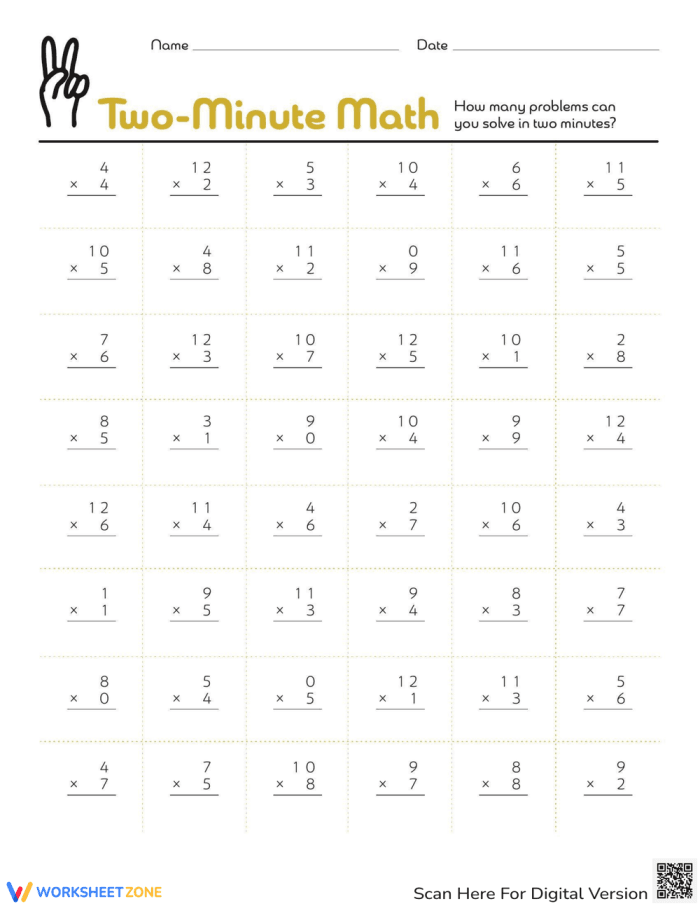
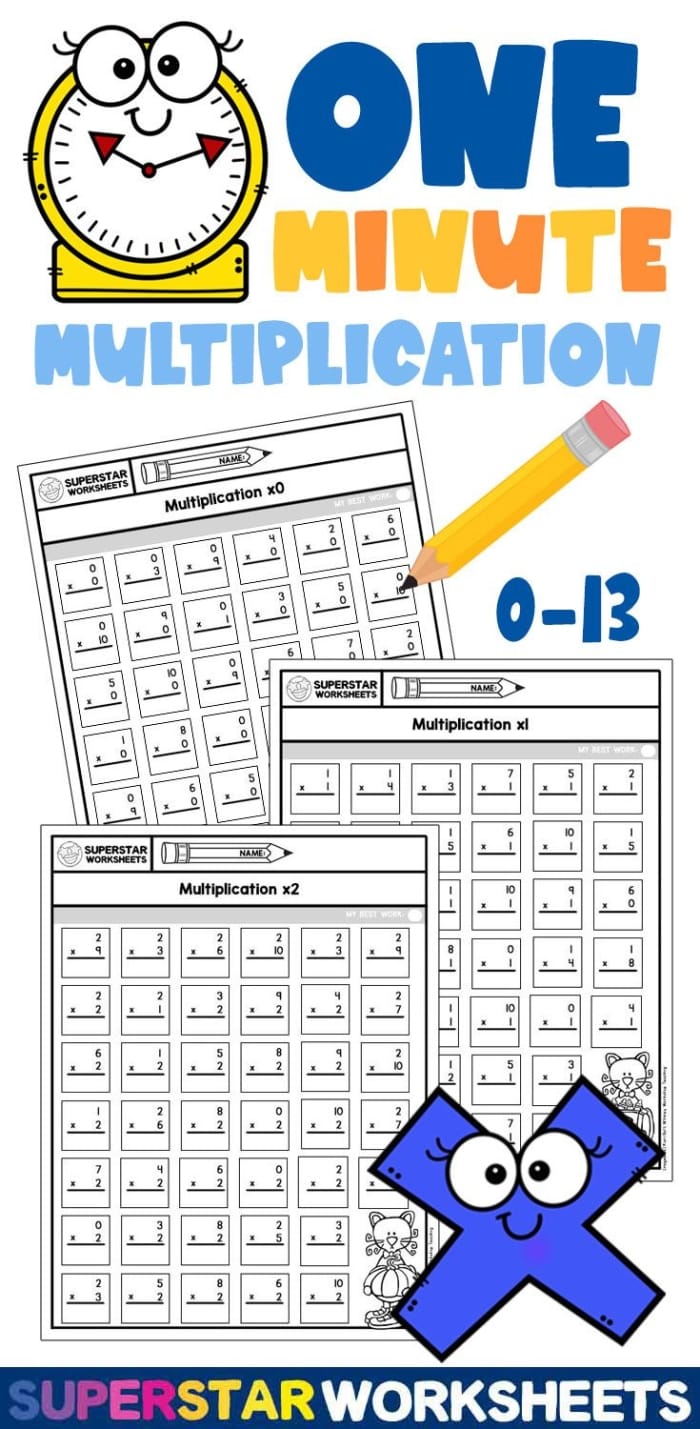
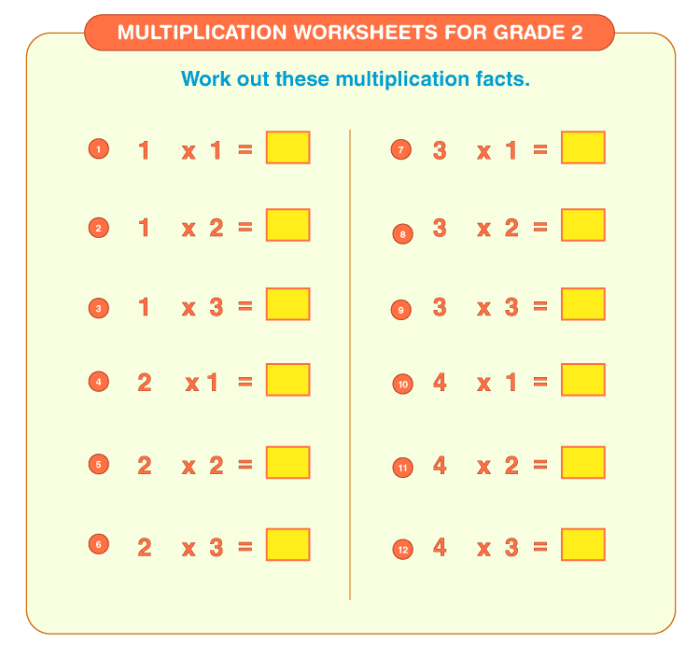
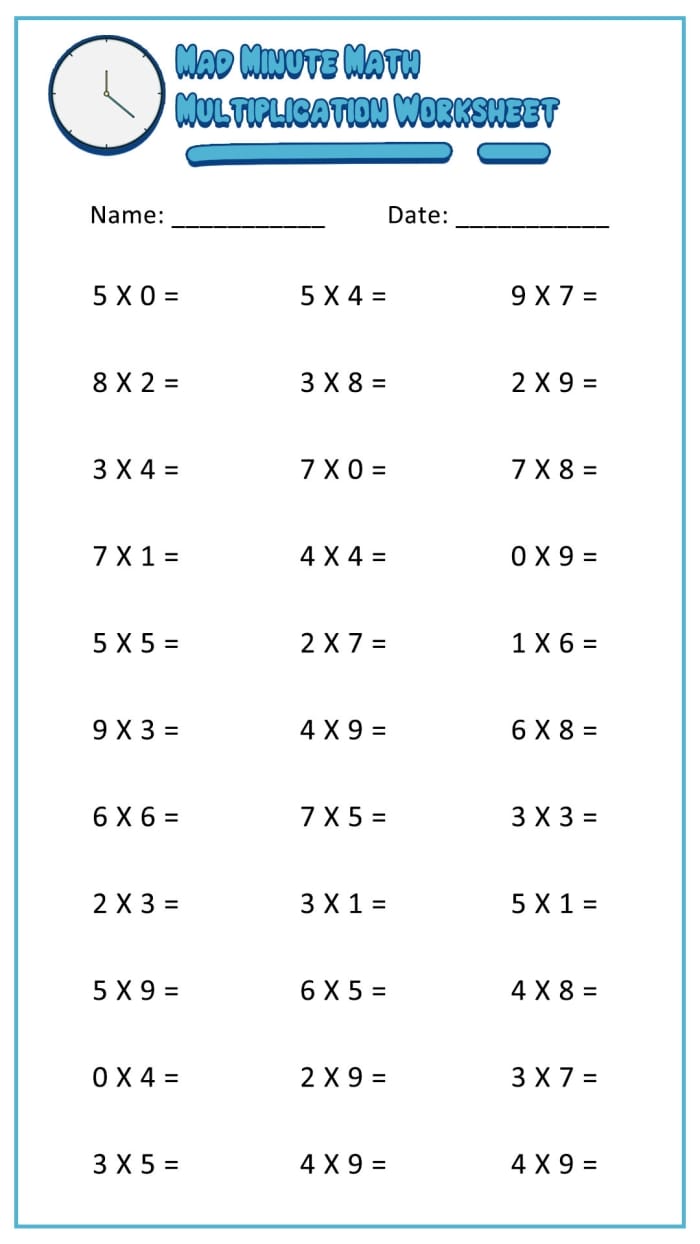
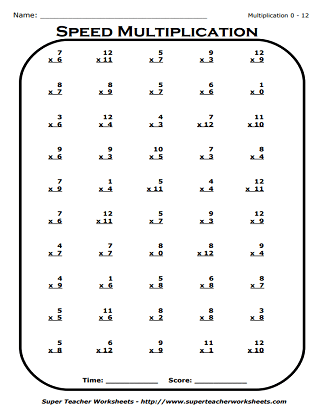
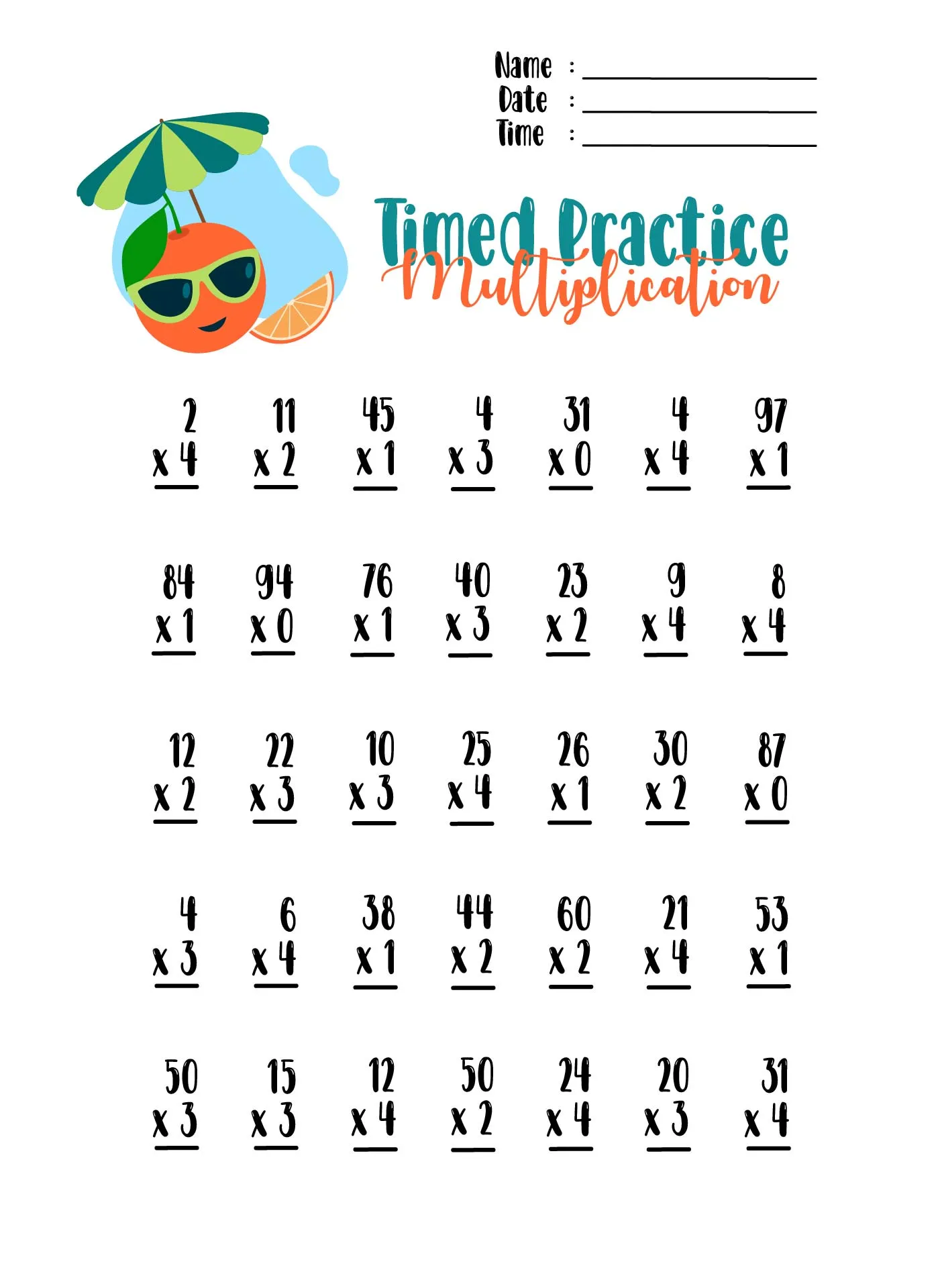
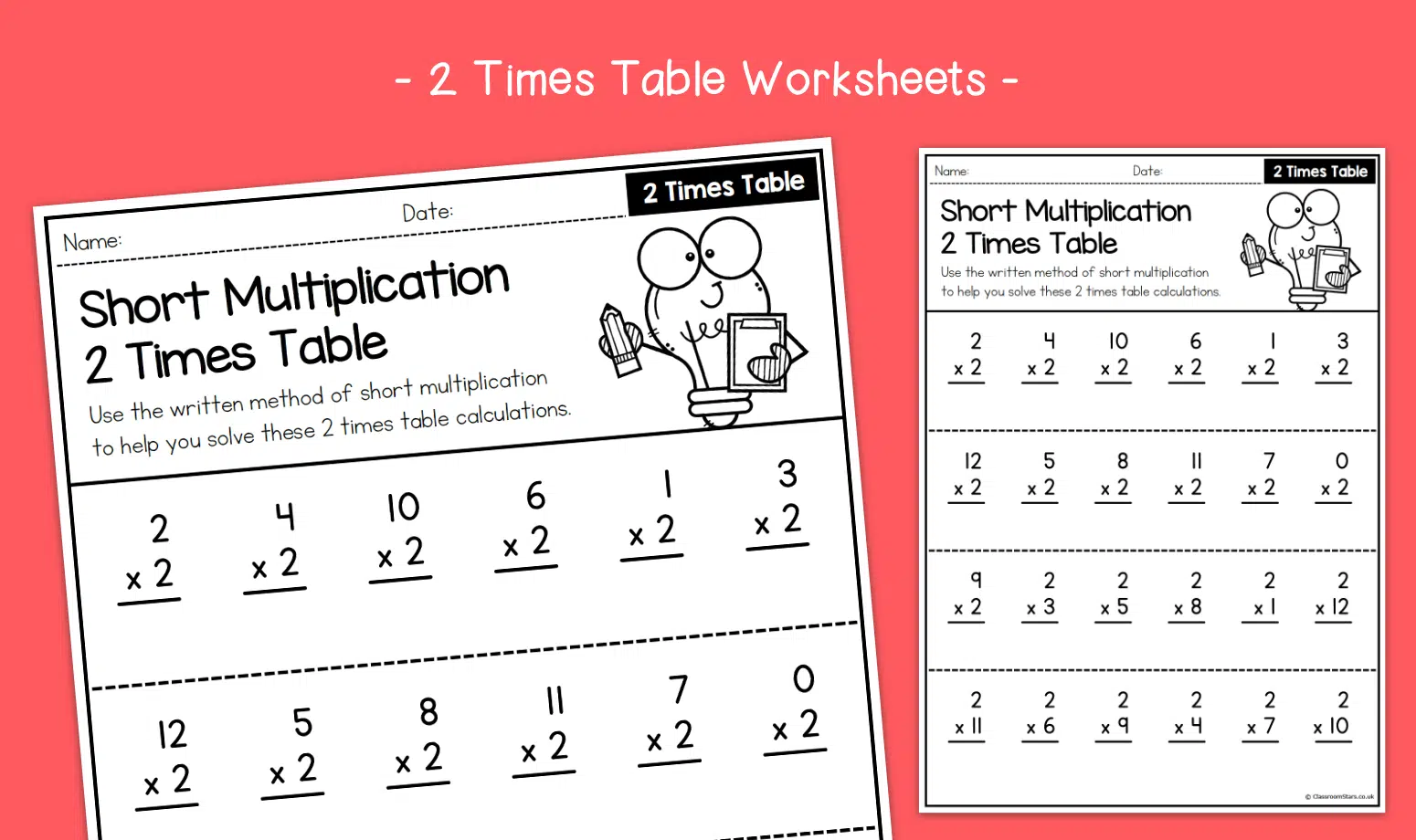
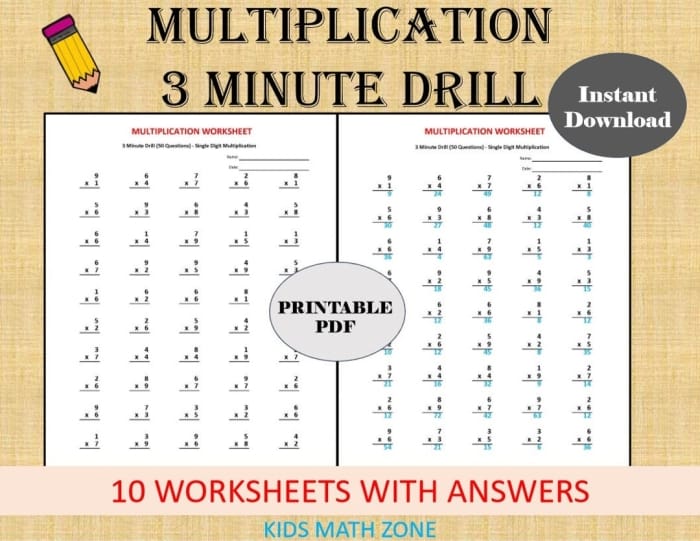
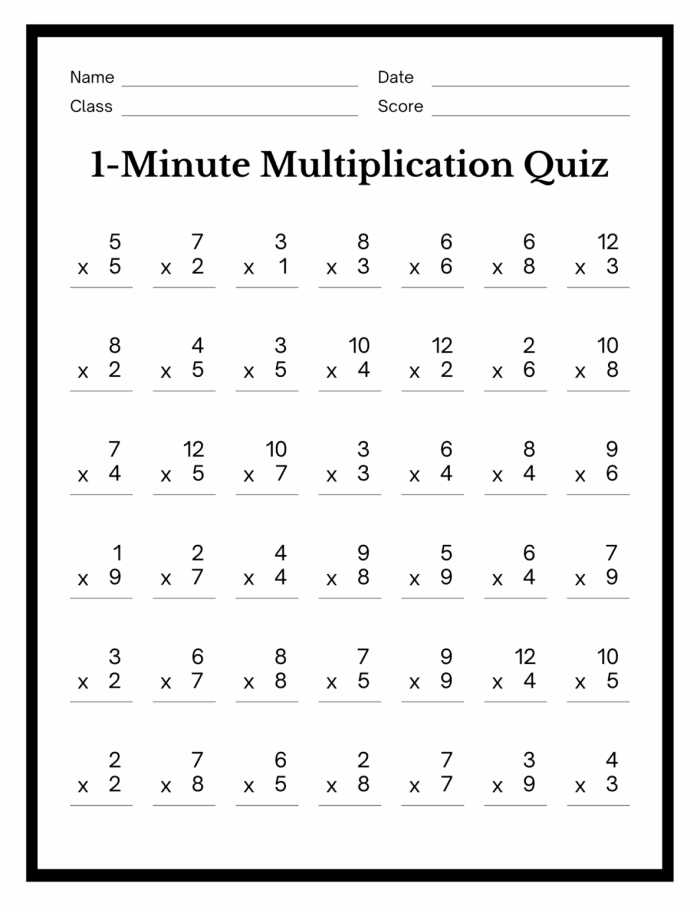
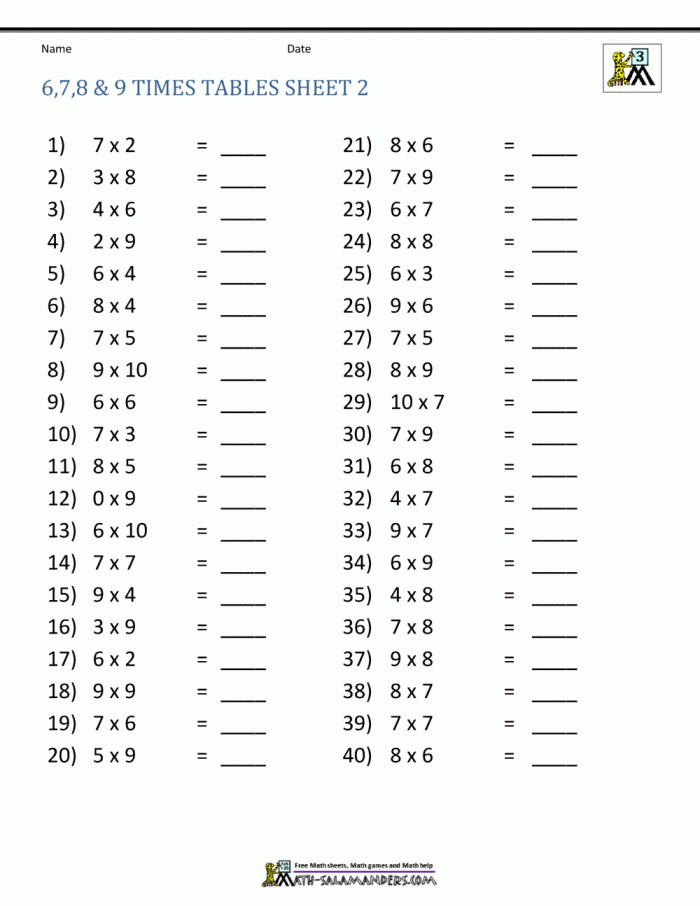
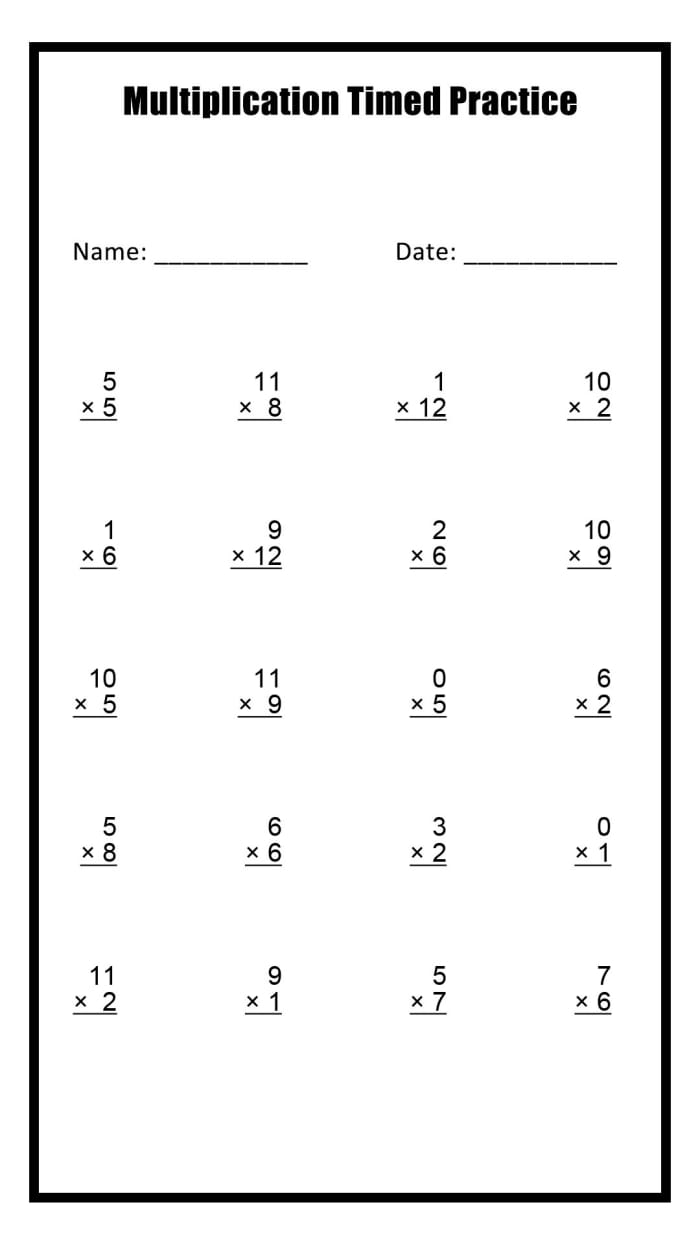
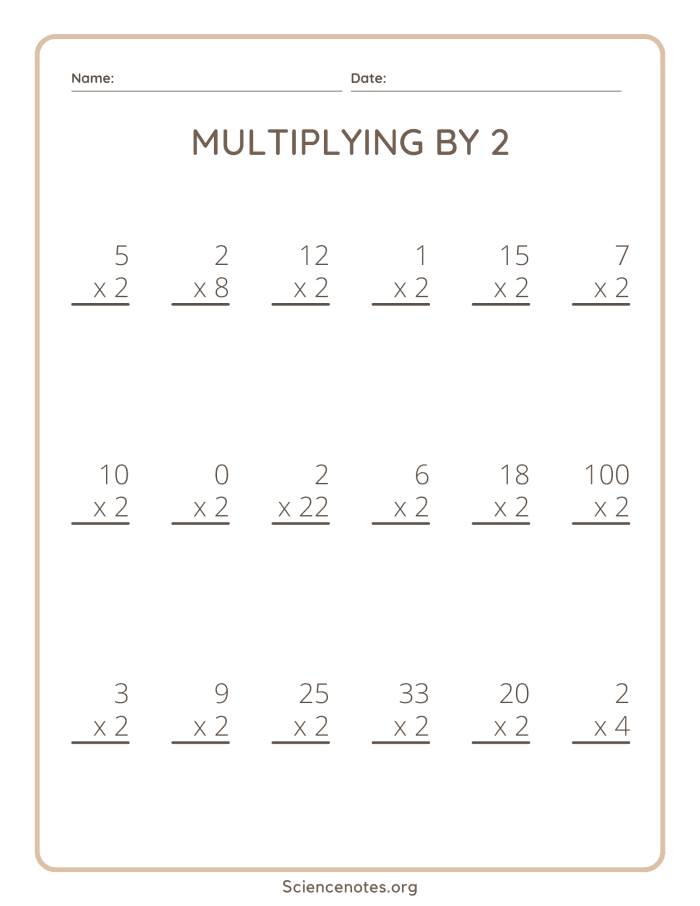
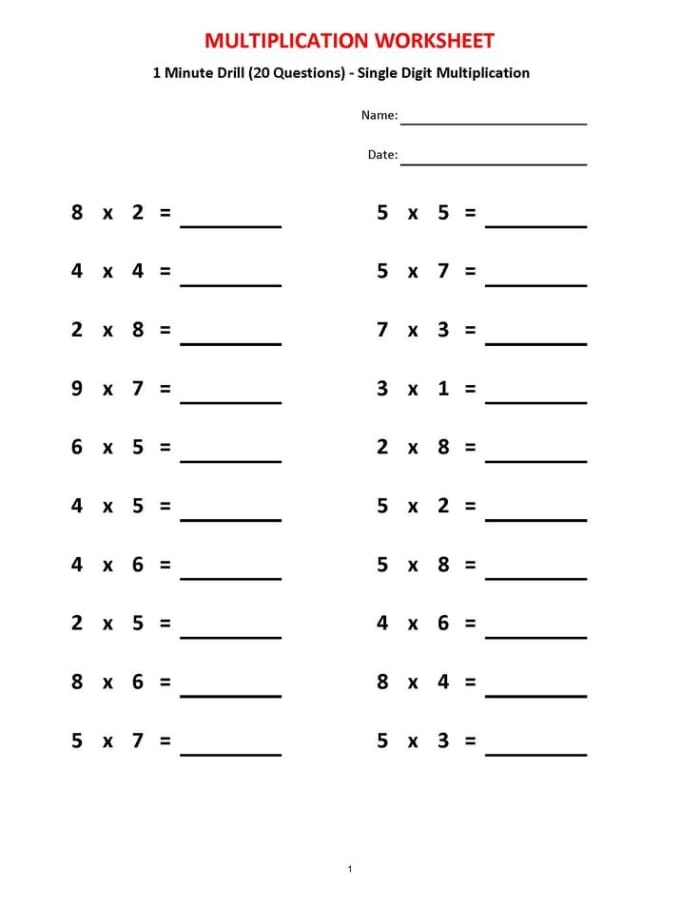
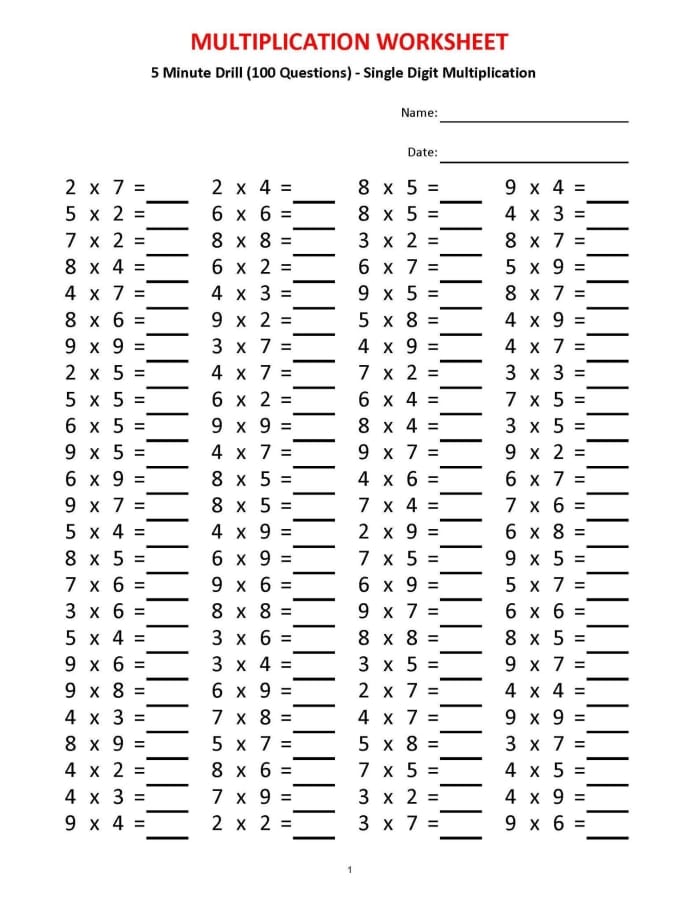
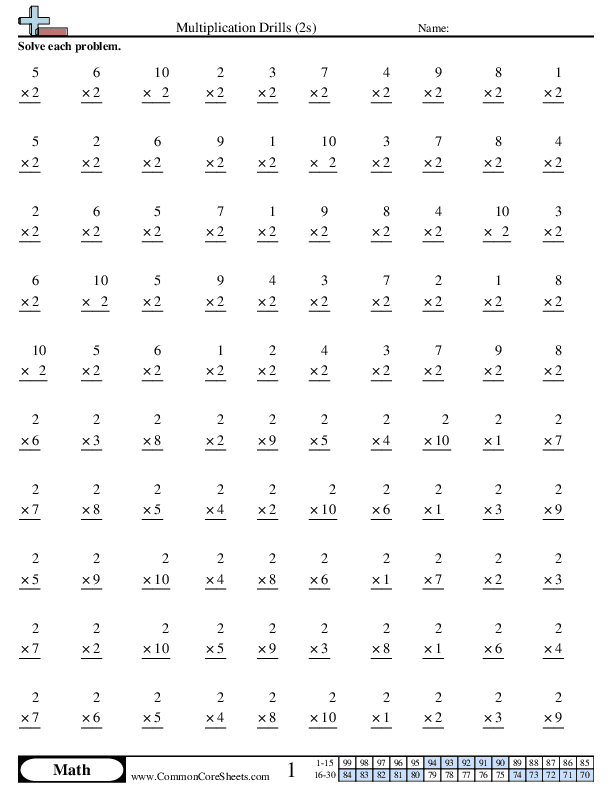
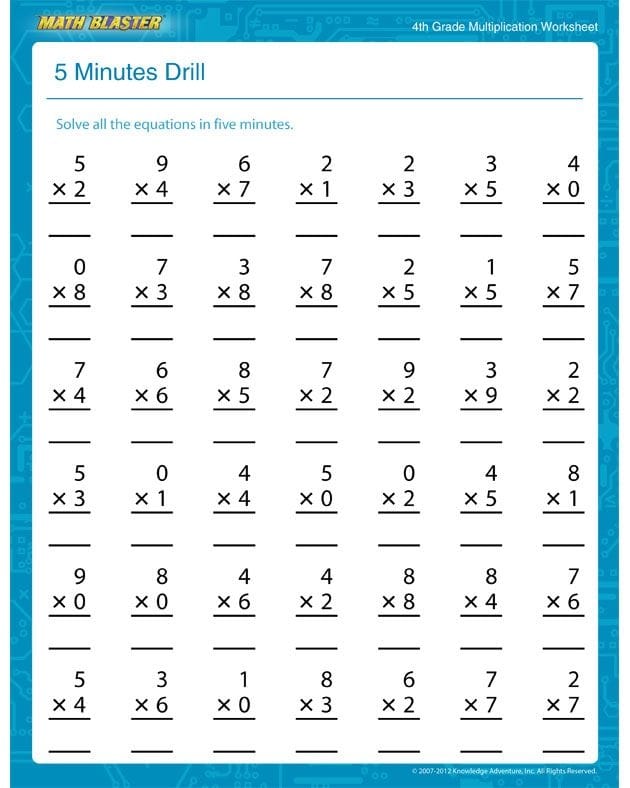
Speed drills reveal what students actually know about multiplication facts versus what they think they know. When third grade learners sit down to solve 48 one- and two-digit multiplication problems in a timed format, the gap between confident answers and correct answers becomes immediately obvious.
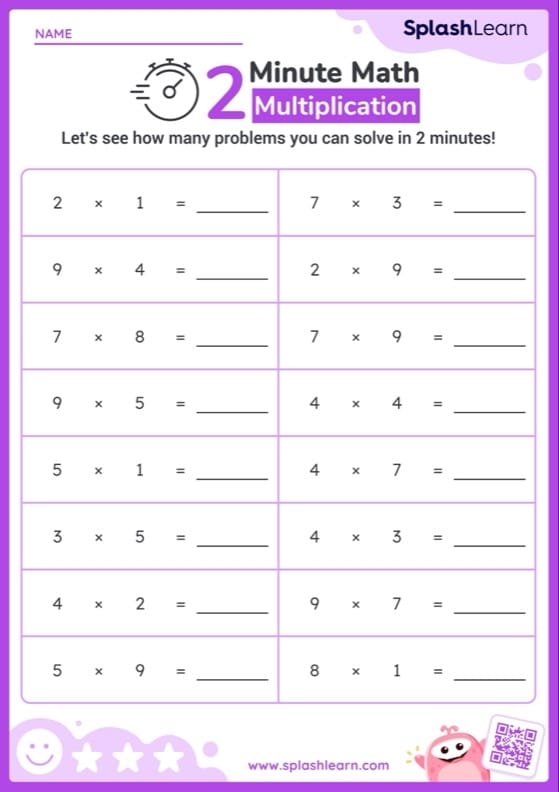
A two-minute multiplication exercise works because it forces learners to rely on automatic recall rather than counting on fingers or drawing arrays. The time constraint eliminates shortcuts, which means students either know their facts or they don’t. This honest feedback matters more than a perfect score. Teachers and parents get real data about which facts need more practice and which ones have genuinely stuck.
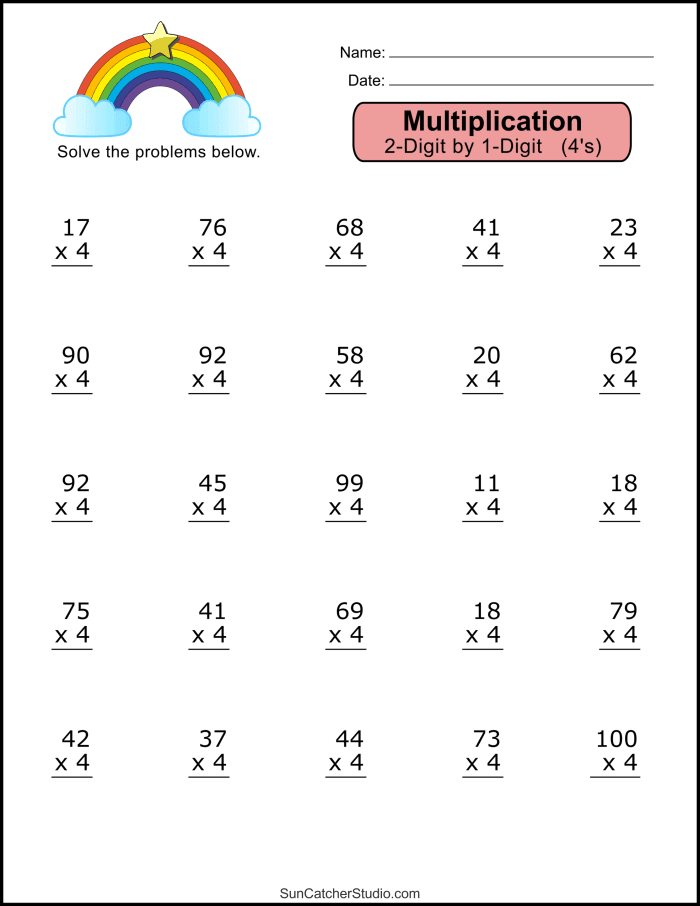
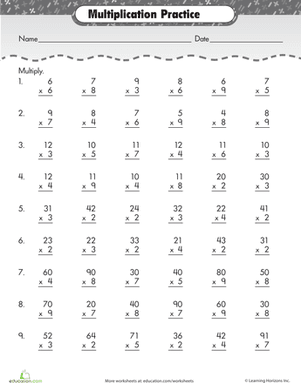
The 48-problem structure itself serves a purpose. It’s large enough to sample across different fact families, one-digit multiplications like 3 × 7, and two-digit problems like 12 × 4. This range prevents students from relying on patterns they’ve memorized for a narrow set of facts. Some learners breeze through single-digit facts but struggle when a two-digit number appears, and these drills expose that weakness quickly.
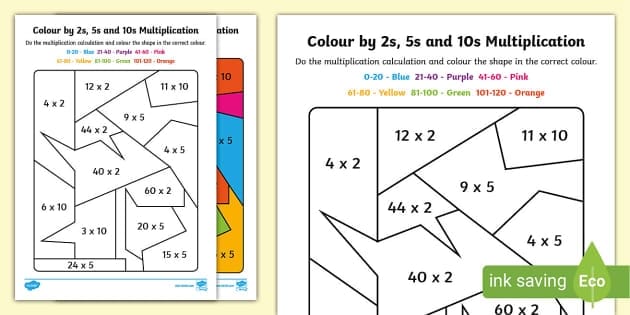
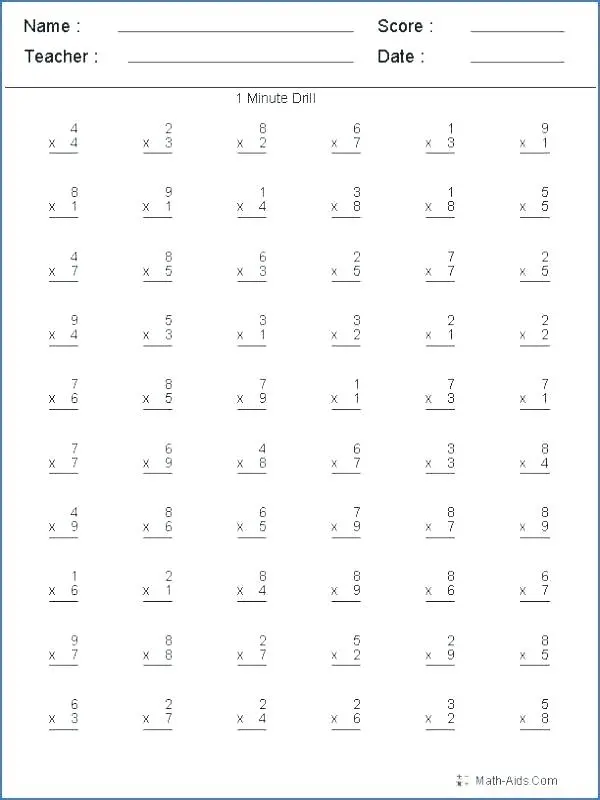
Building speed doesn’t mean sacrificing accuracy. The best approach combines timed practice with focused review of missed problems. After completing a one-minute math multiplication drill, students benefit from examining which facts tripped them up. Pairing speed work with targeted study of problem areas, like times tables for the 5s, helps solidify the facts that matter most.
Third grade is when multiplication transitions from a new skill to an automatic one. Regular timed practice using these 48-problem sets helps students reach that fluency level, making it easier to tackle word problems and more complex mathematics later on.
Practice with These Worksheets