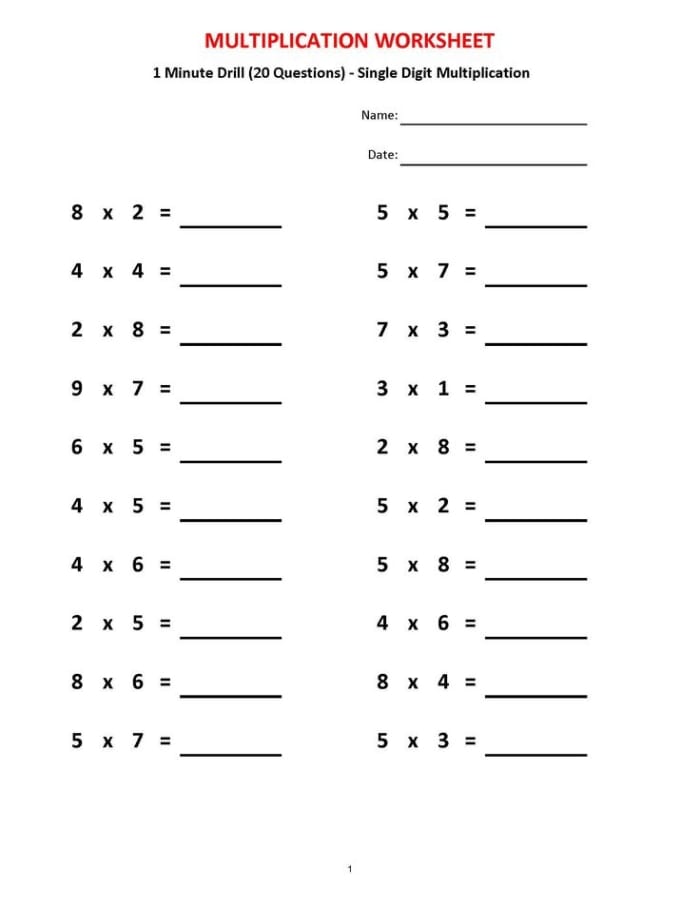
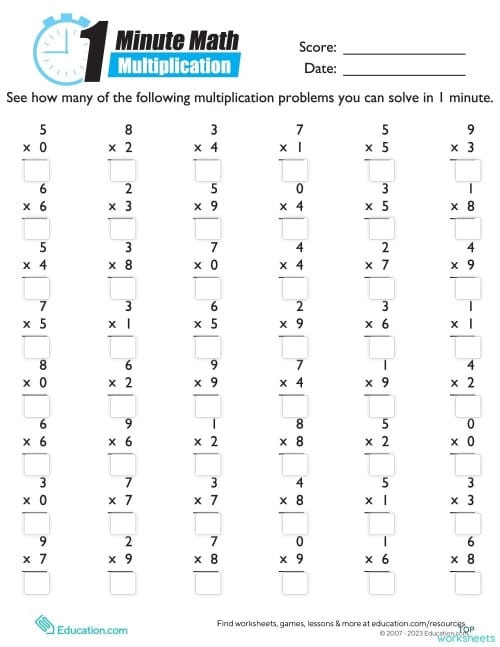
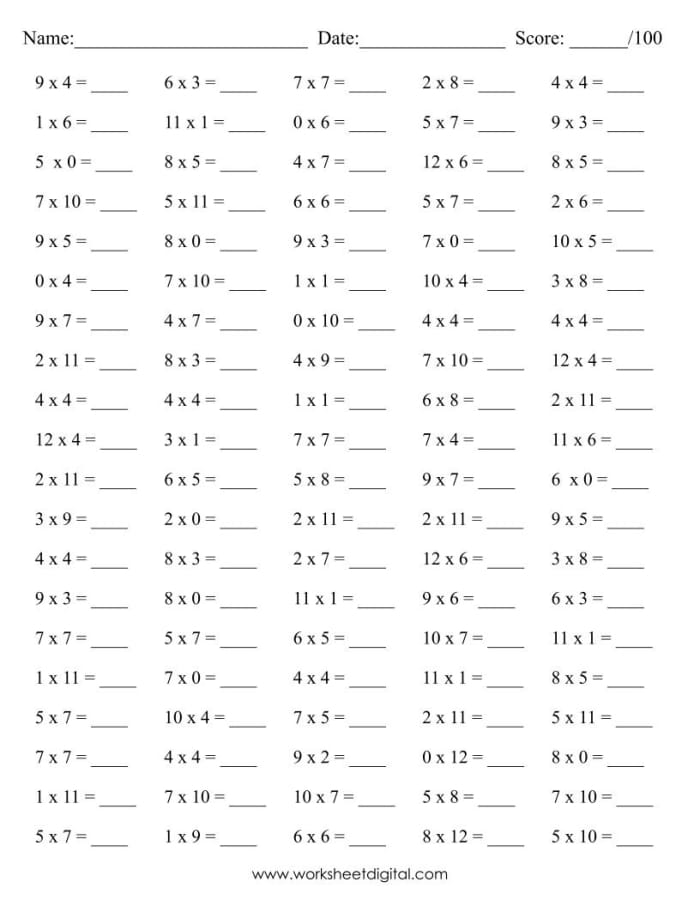
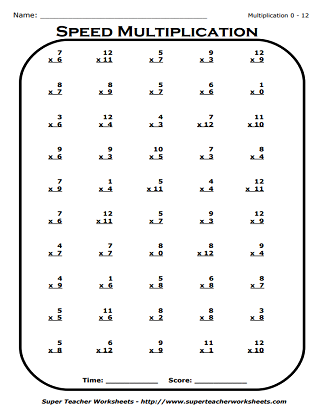
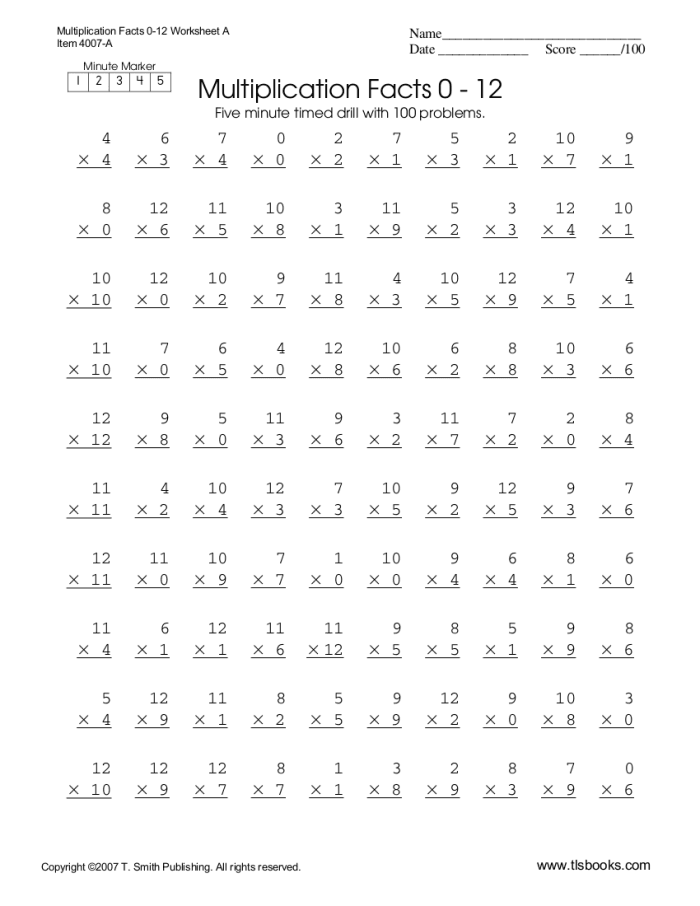
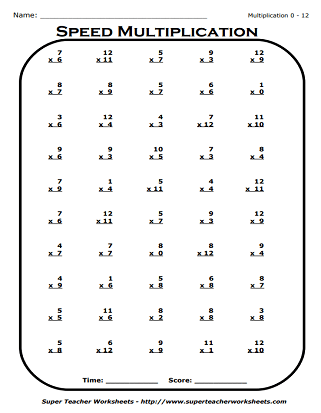
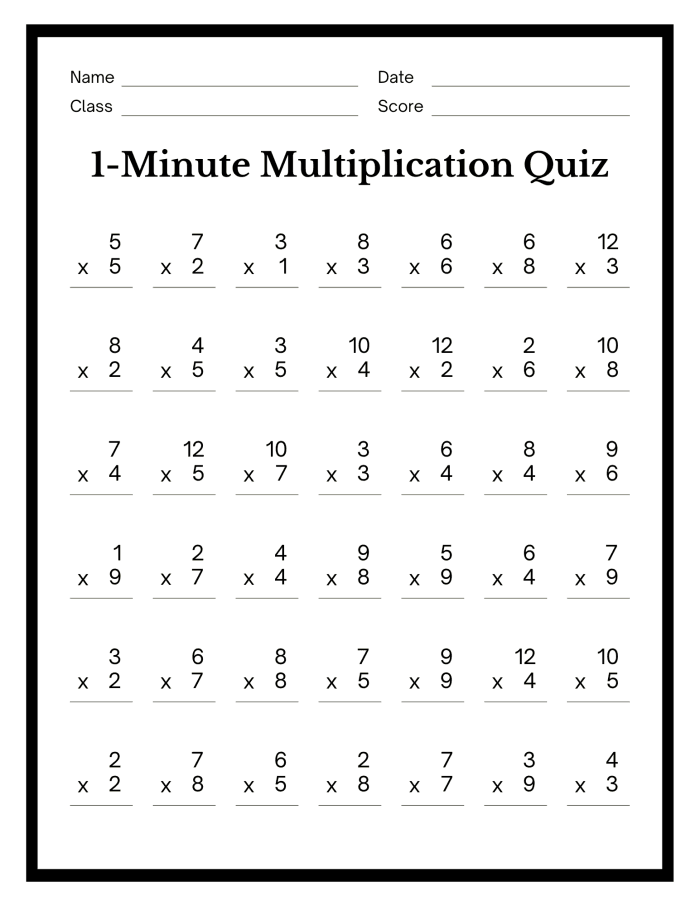
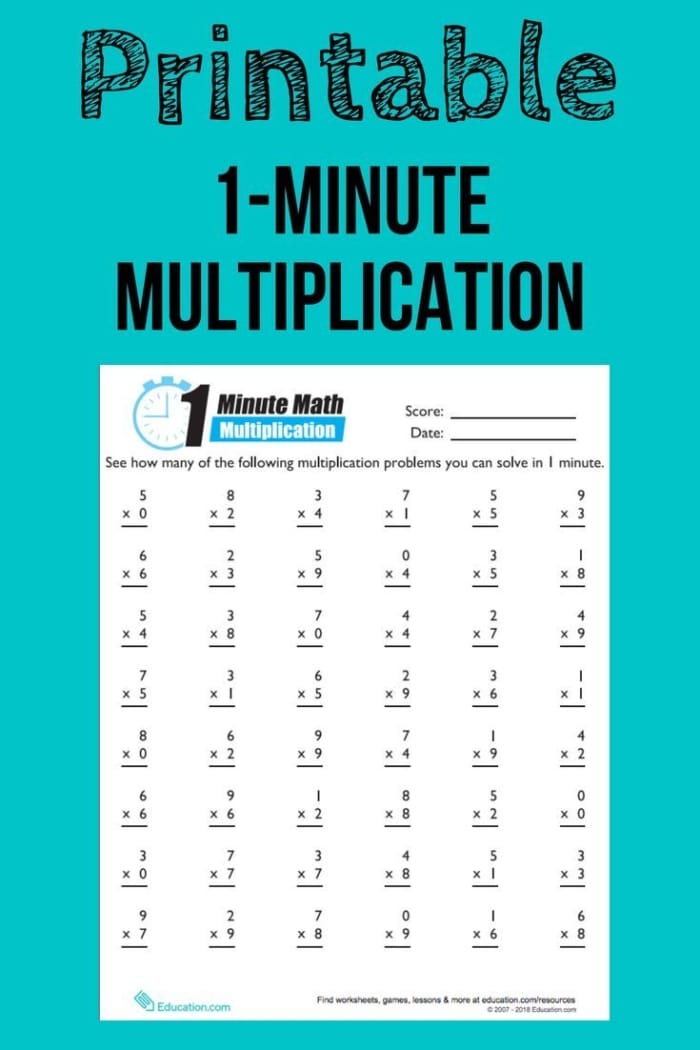
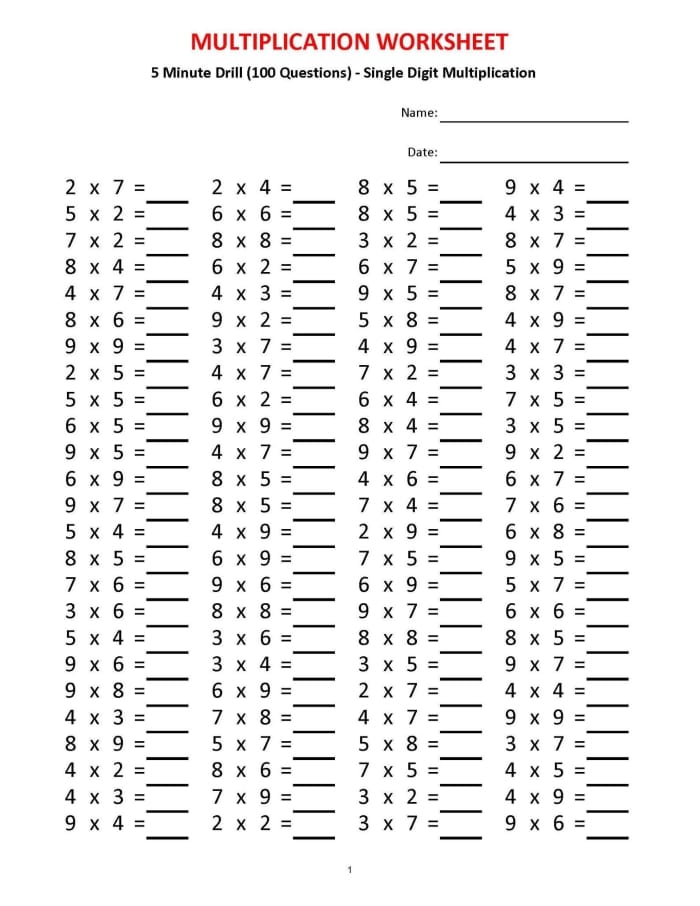
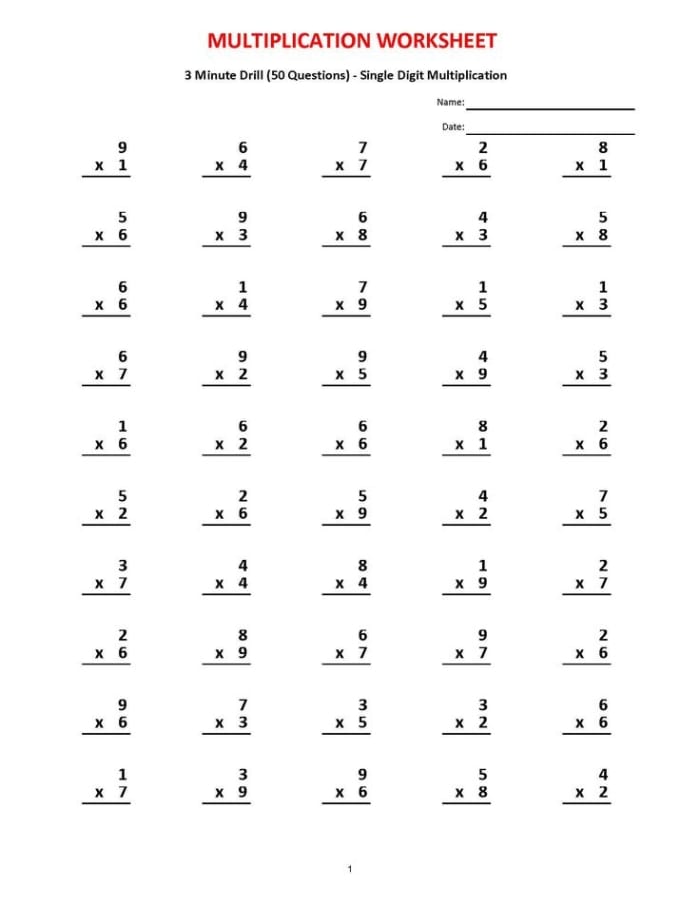
Speed drills work. When third grade students face a worksheet packed with multiplication problems and a one-minute timer, something shifts in their brains. The pressure forces them to rely on automatic recall rather than counting on their fingers, which is exactly where fluency lives.
I’ve watched this happen in classrooms. A student who normally takes fifteen seconds per problem suddenly solves six or seven in sixty seconds. Not because they suddenly became smarter, but because the constraint removed the option to overthink. Their brain had to access the multiplication facts directly, without the detour through other strategies.
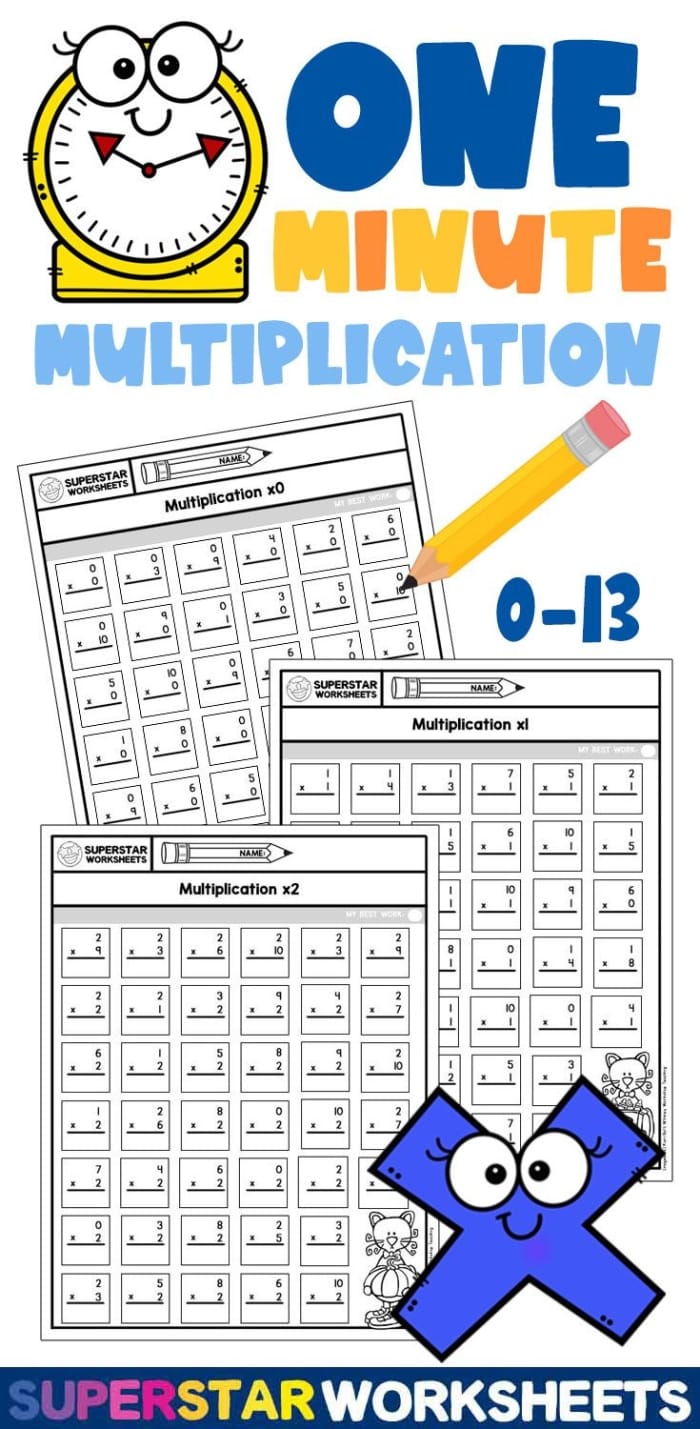
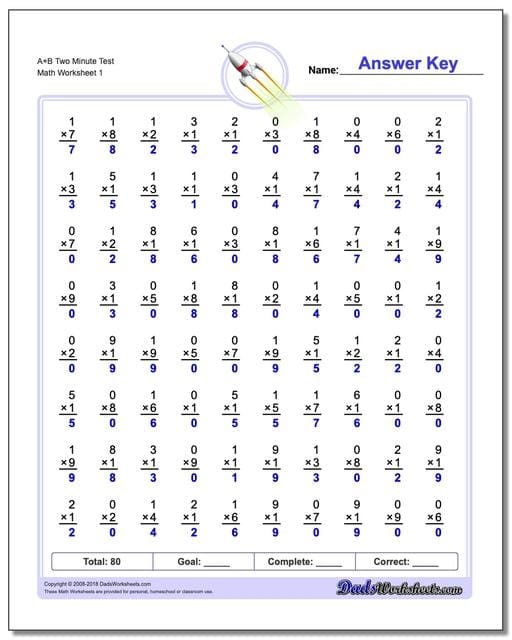
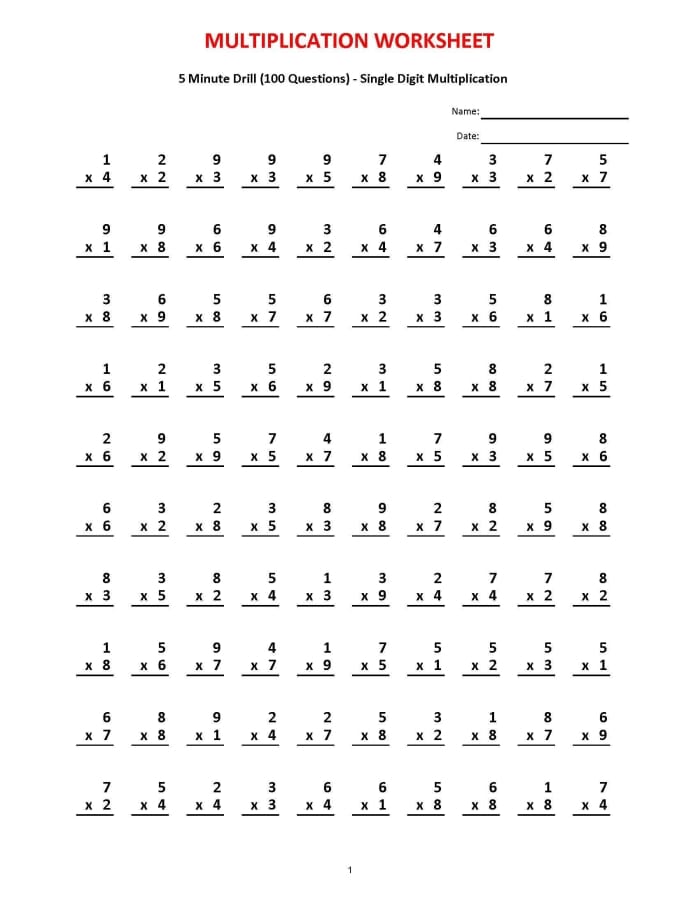
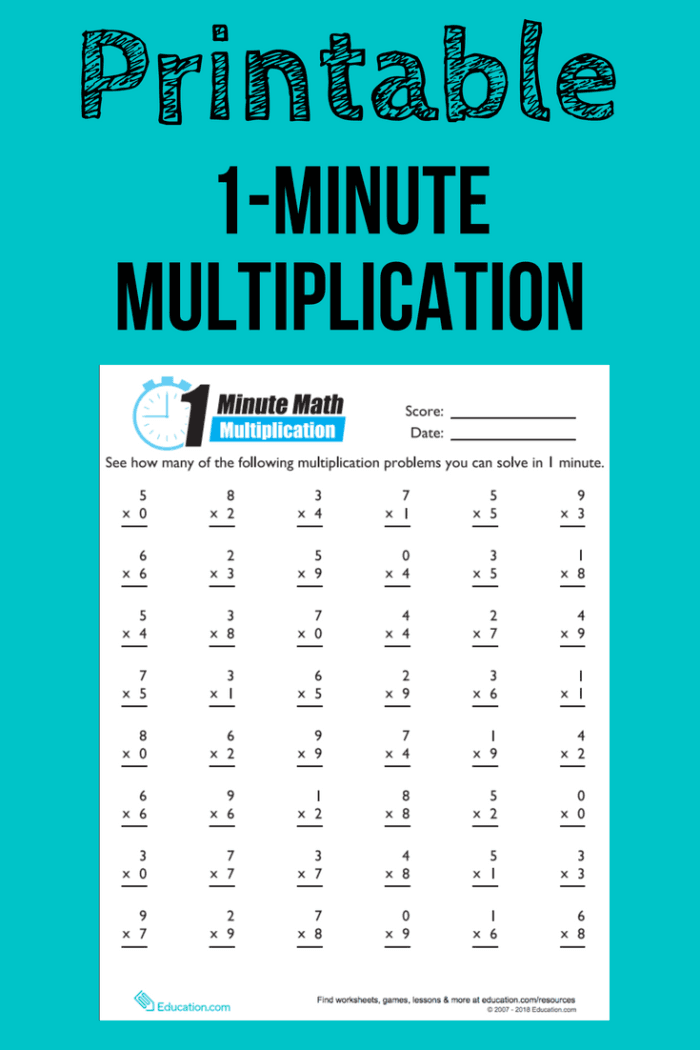
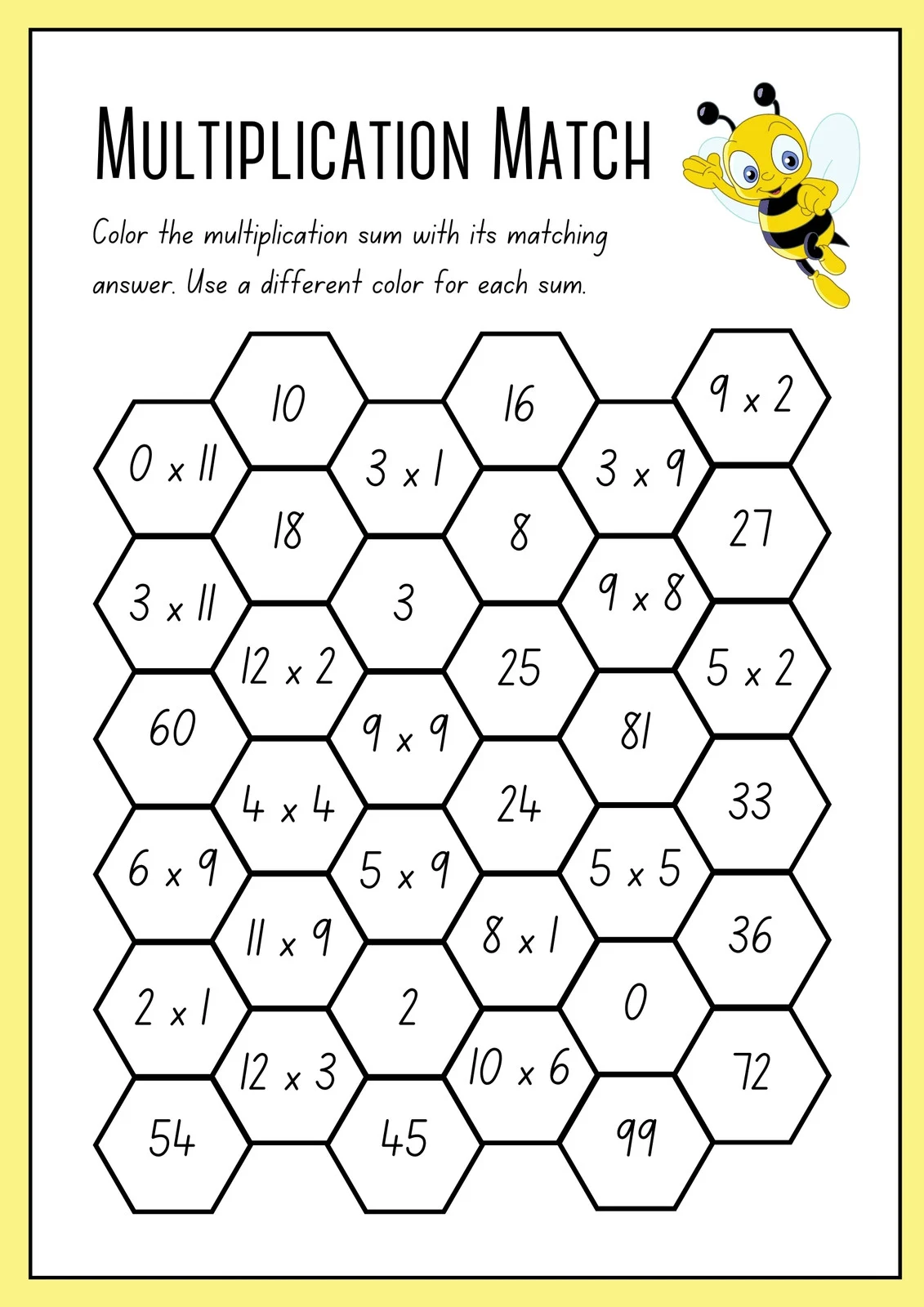
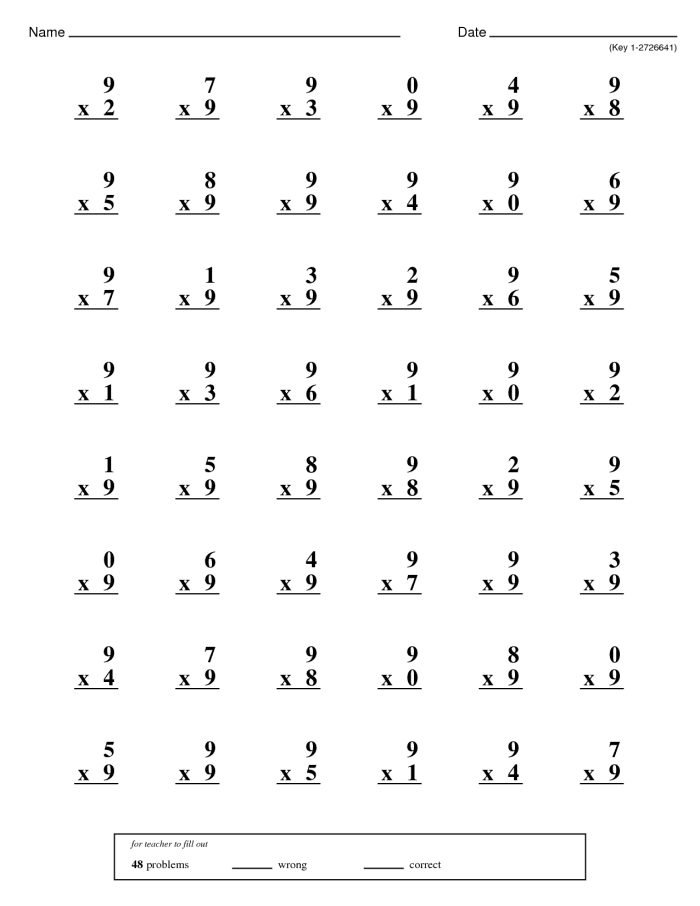
The structure of these worksheets matters. A good one mixes different multipliers so students can’t fall into a rhythm of just one type of problem. You might see multiply by 5 practice problems alongside multiplying by three exercises, keeping minds alert rather than letting them coast.
For third grade specifically, this approach hits at the right moment. By this point, students have learned their basic facts but haven’t yet locked them into automatic memory. The one-minute format bridges that gap. It’s challenging without being discouraging, and students can see their own progress week to week as they solve more problems in the same timeframe.
Teachers often pair these with other formats too. A student might work through two-step multiplication word problems during regular lessons, then use speed drills to cement the underlying facts. Some classrooms rotate through math go round hard multiplication challenges or focus on specific skills like multiplying by one before advancing.
The real benefit shows up later. When students reach fourth or fifth grade and face multi-digit multiplication, they don’t slow down trying to remember 7 times 8. That’s already automatic, leaving mental energy for the harder work ahead.
Hands-On Worksheet Activities