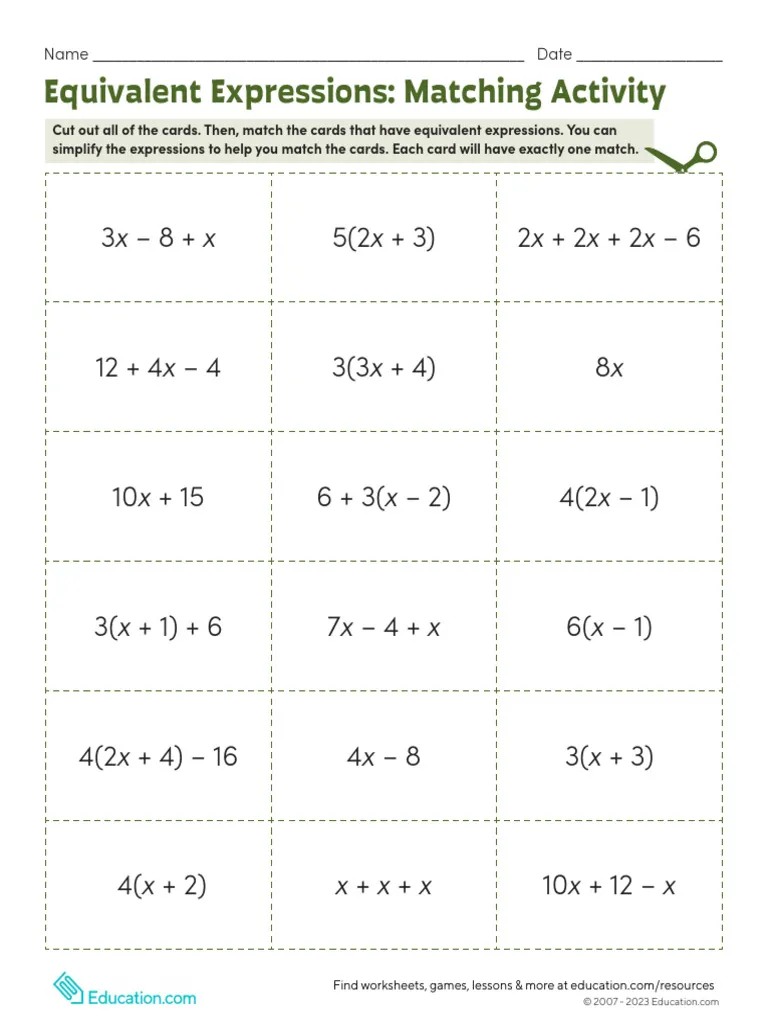
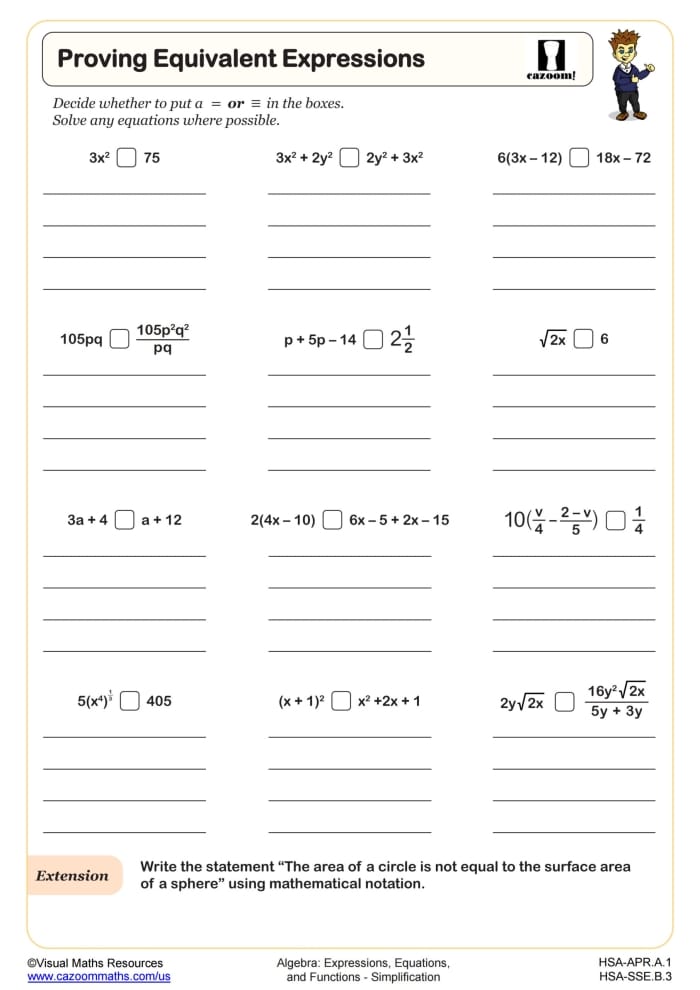
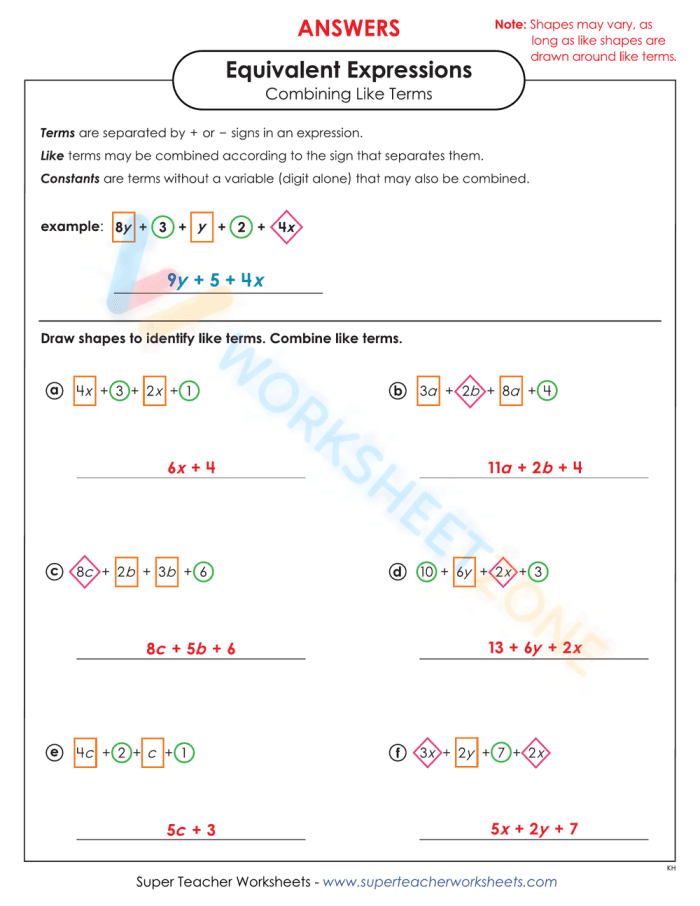
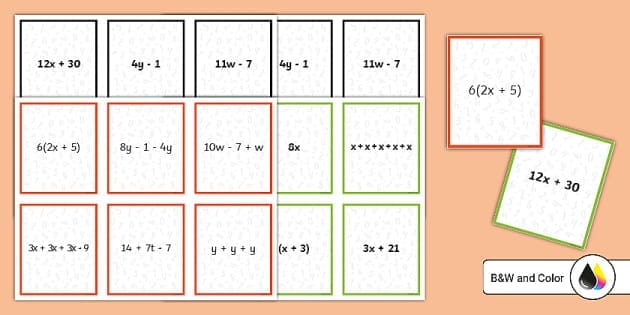
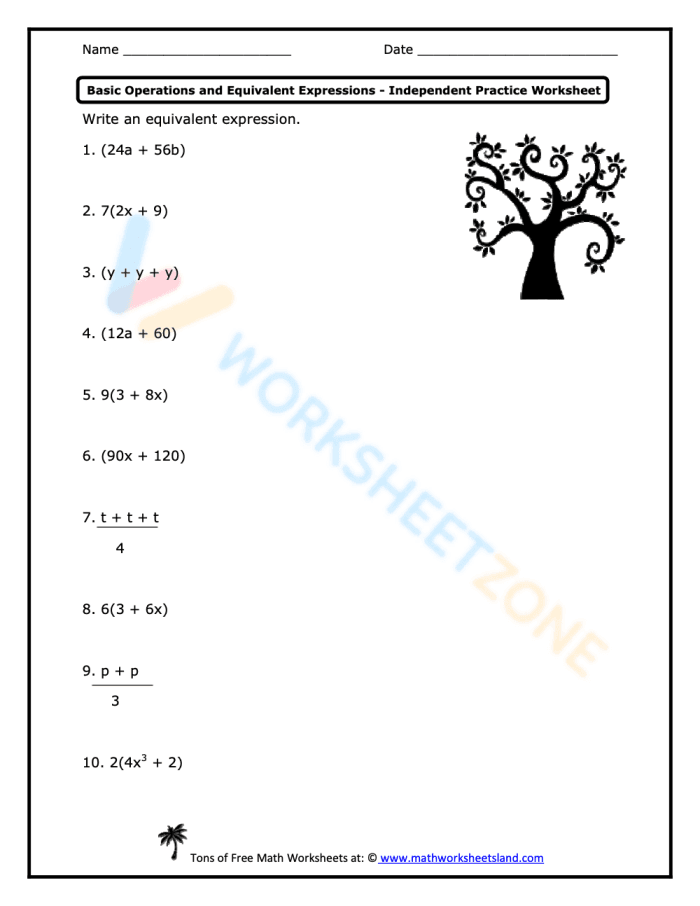
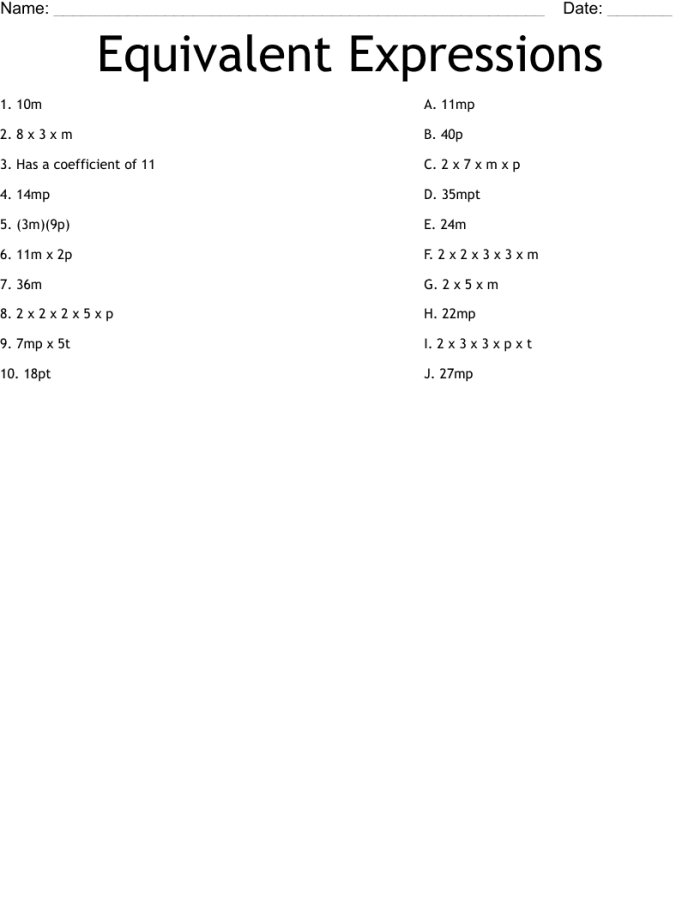
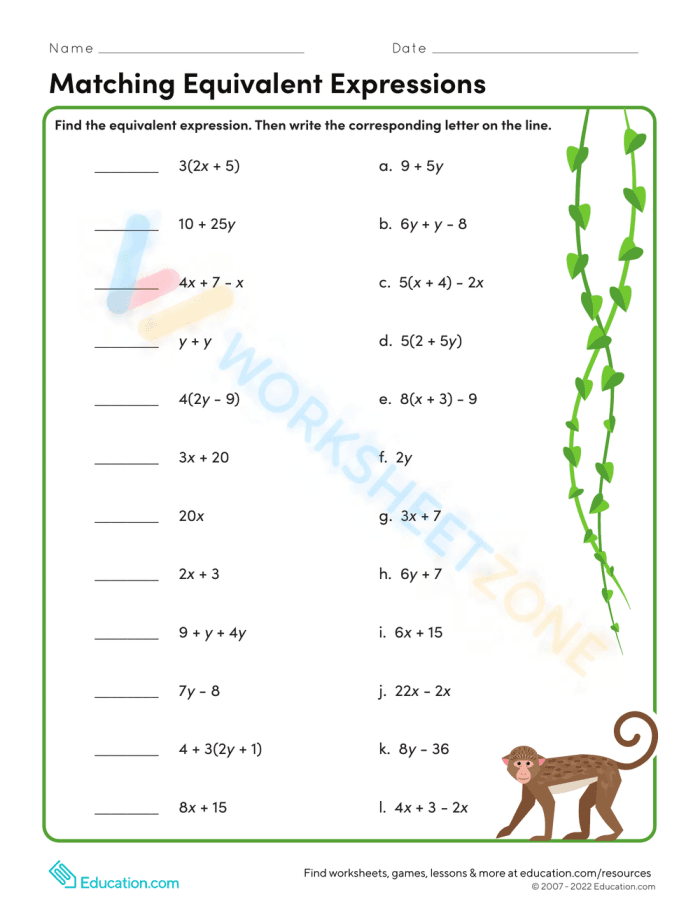
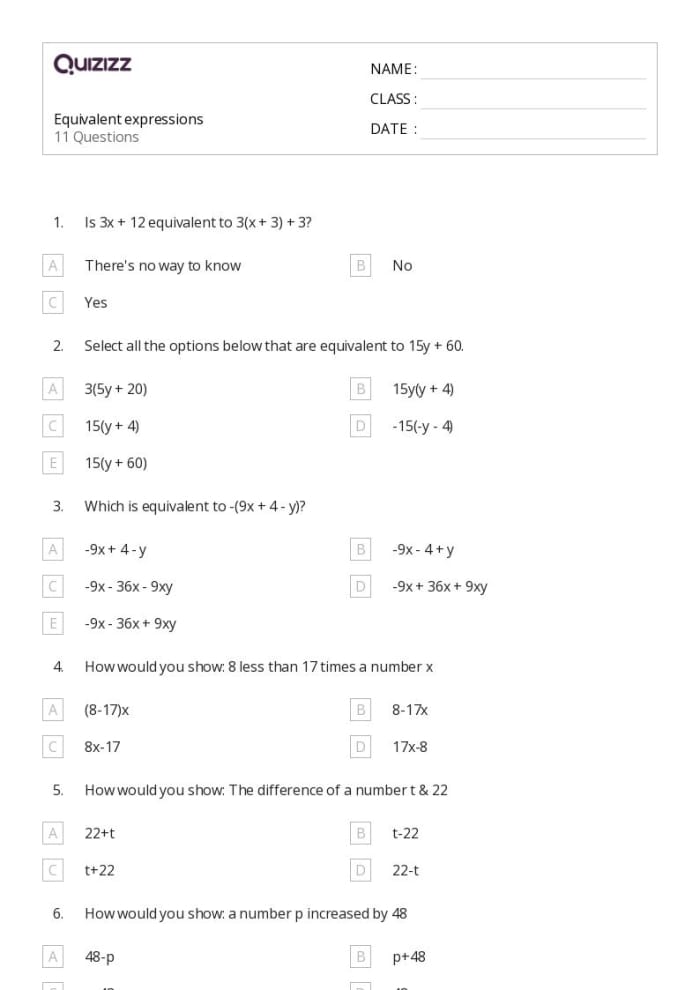
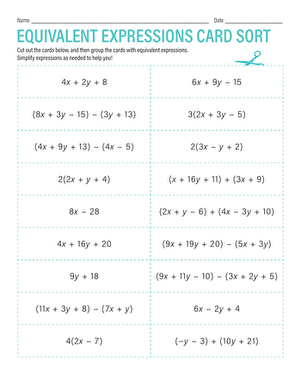
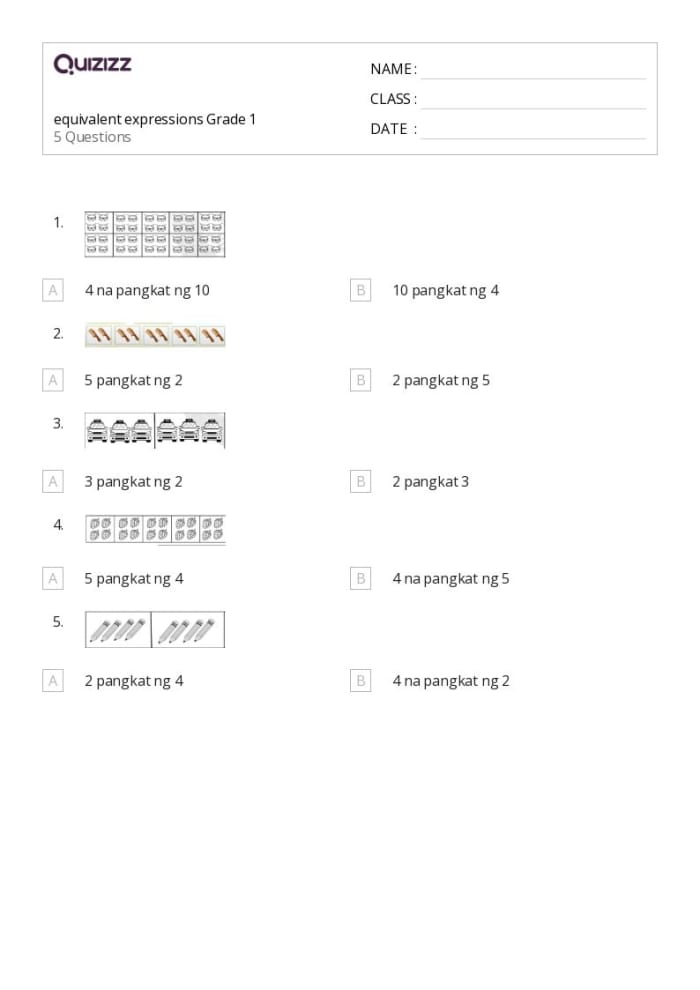
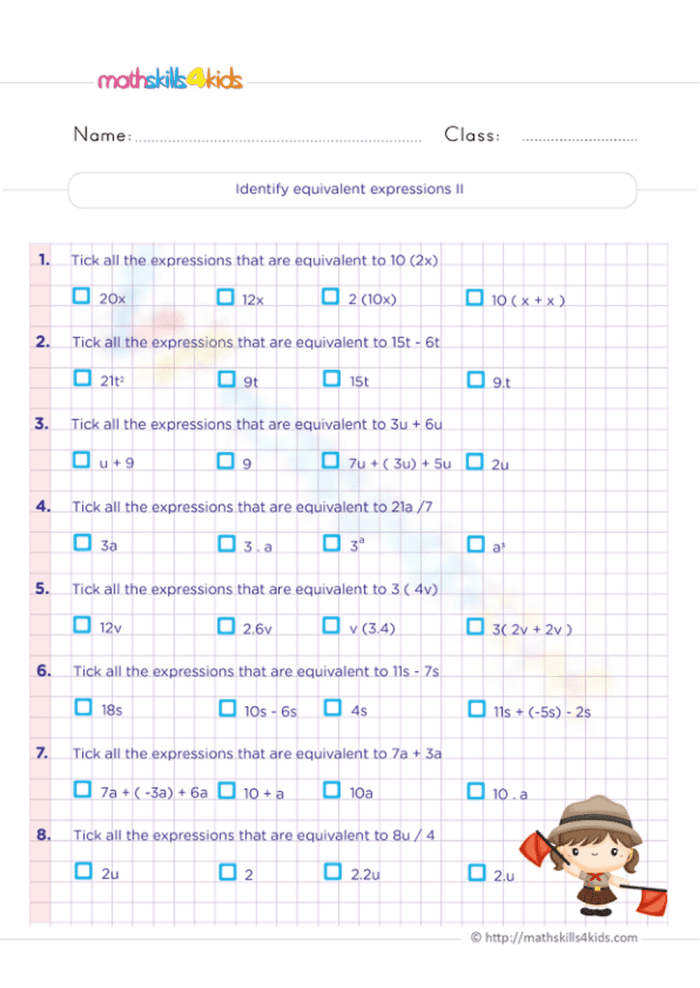
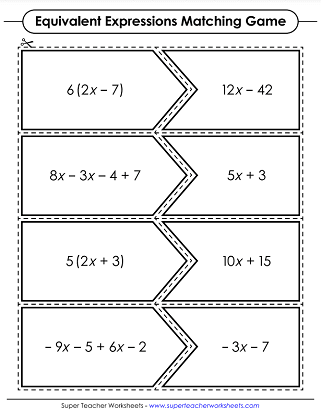
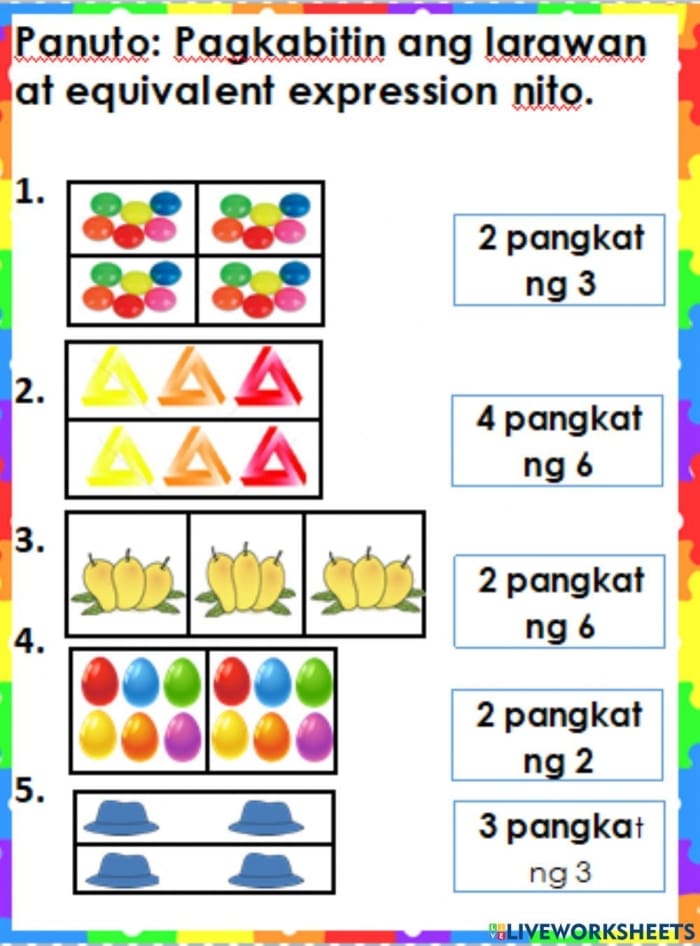
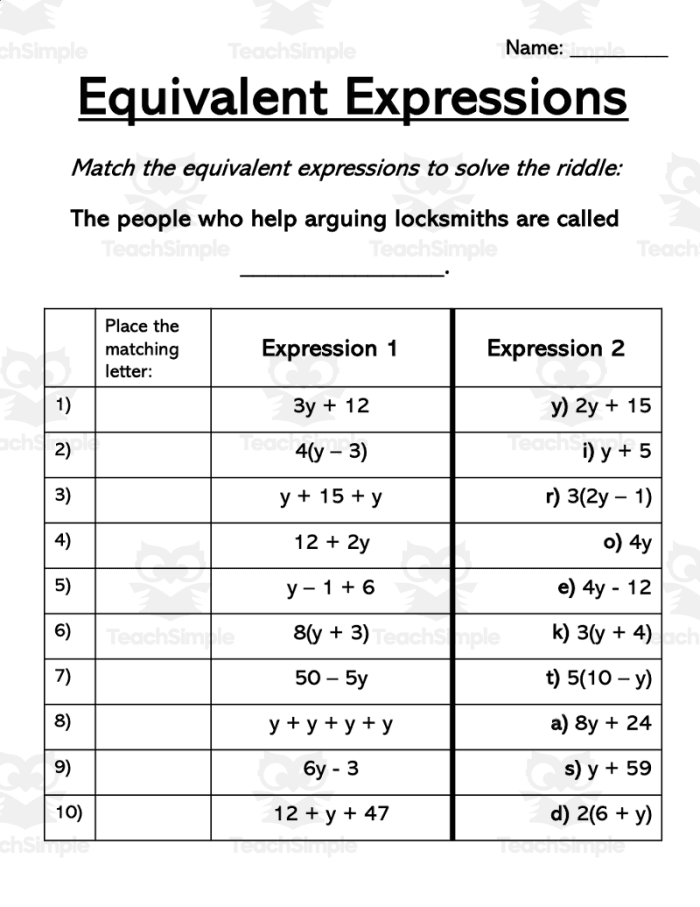
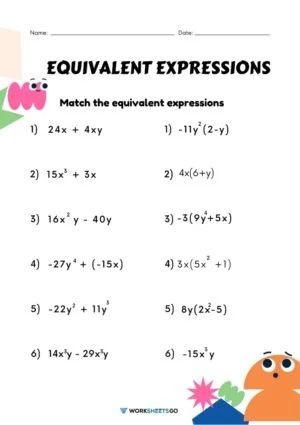
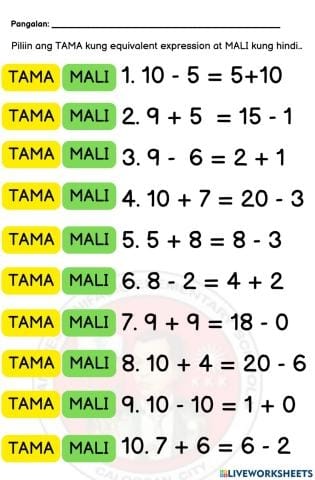
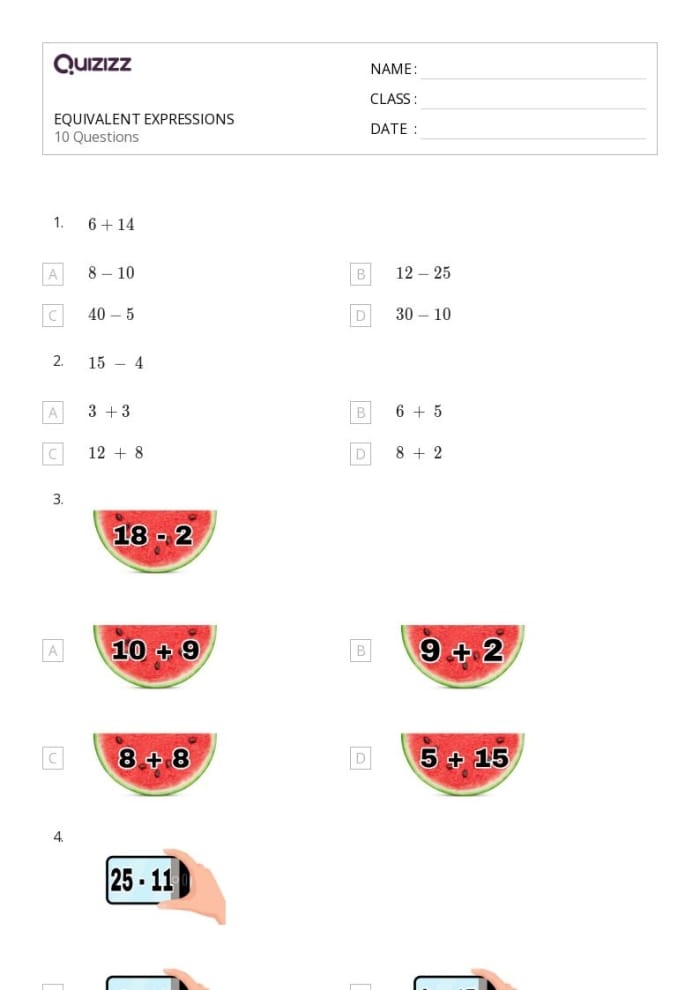
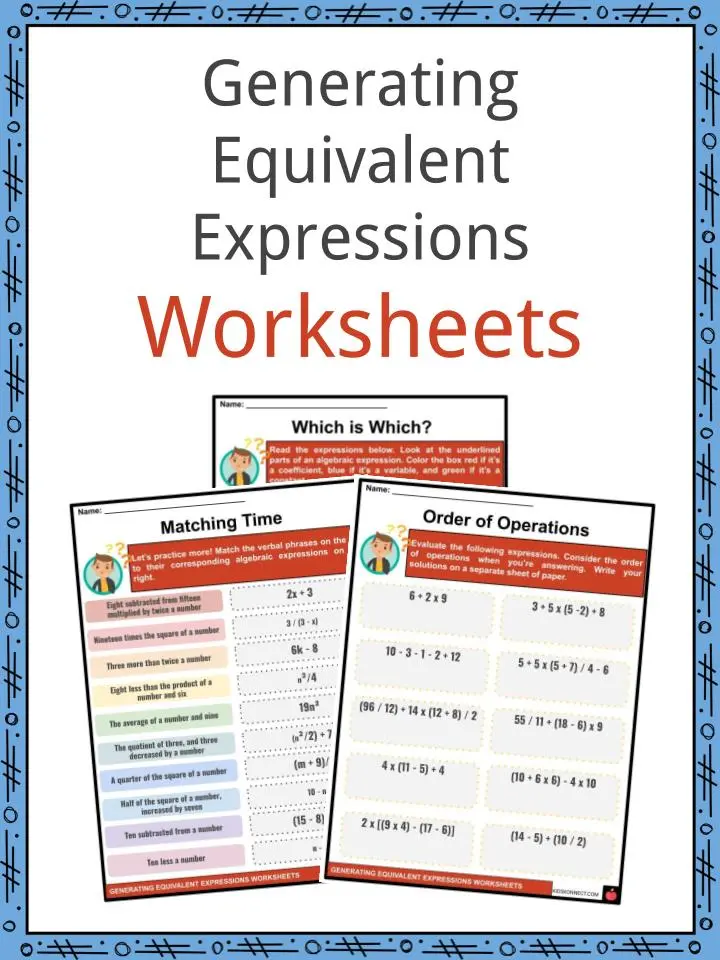
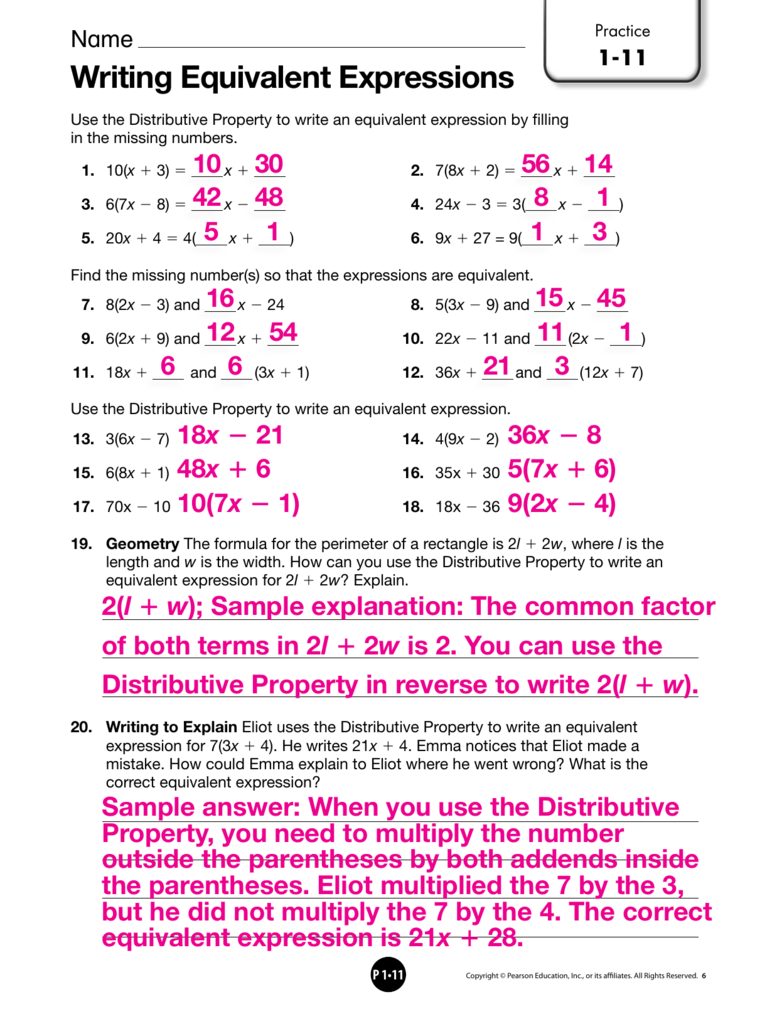
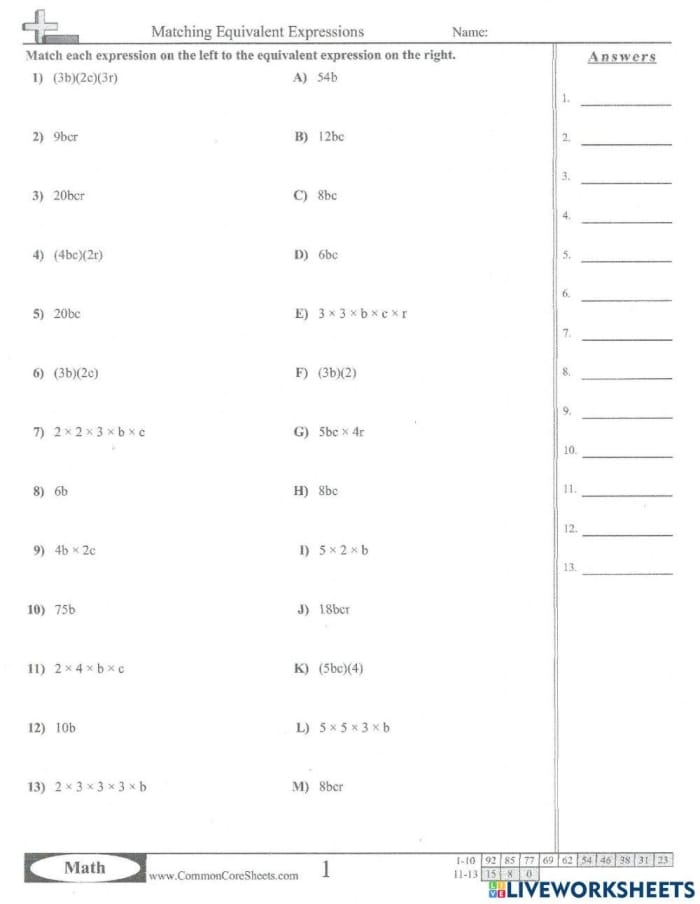
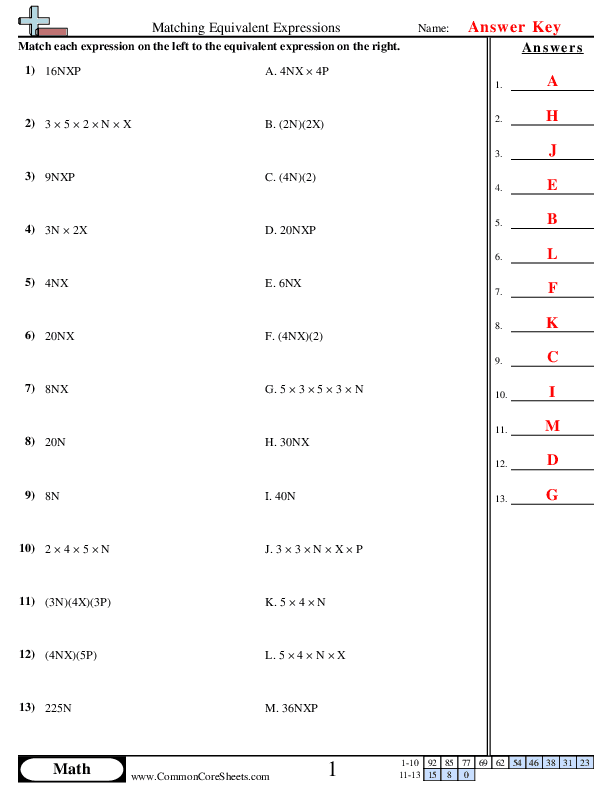
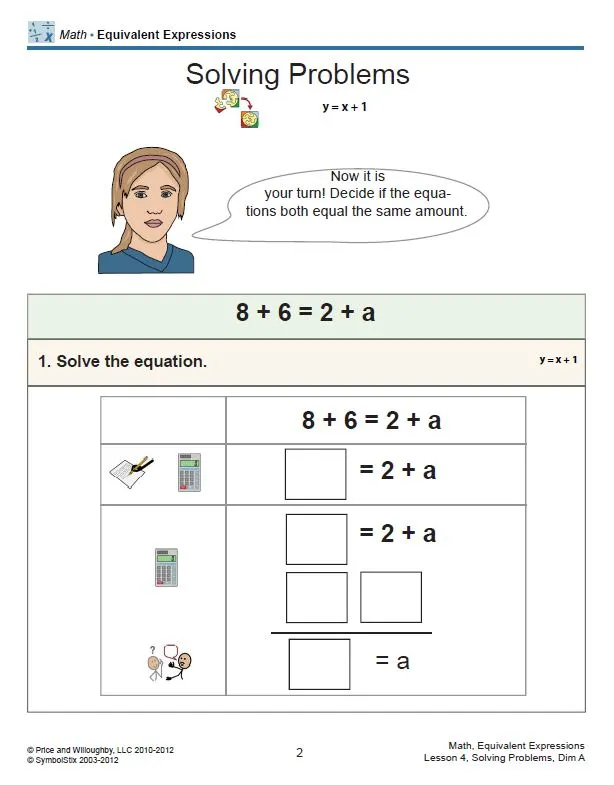
Matching equivalent expressions is one of those algebra activities that looks simple on the surface but actually builds critical thinking skills in sixth graders. When students work to identify pairs of equivalent expressions in this middle-school matching activity, they’re doing more than just memorizing formulas. They’re learning to recognize that different mathematical phrases can mean the same thing.
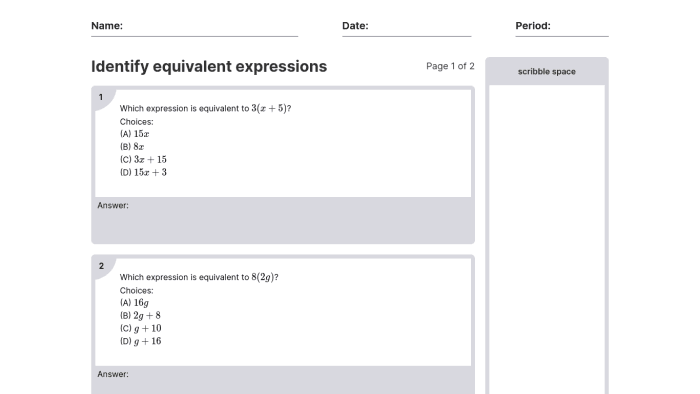
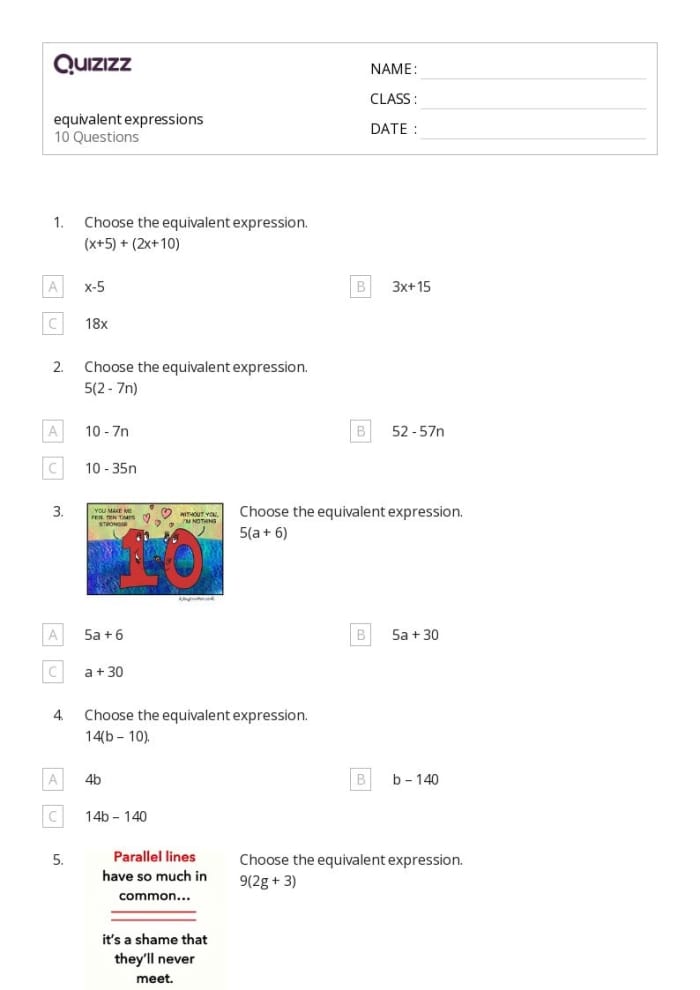
The core challenge of this activity lies in understanding algebraic properties. A sixth grader might see 3(x + 2) on one side and 3x + 6 on the other and need to recognize they’re equivalent through the distributive property. Another pair might involve combining like terms, where 2x + 5x appears alongside 7x. These connections don’t always come naturally, which is why matching activities work so well. The visual format lets students compare options directly rather than solving equations in isolation.
What makes this approach effective is that it forces students to think about the relationships between expressions rather than just computing answers. When you’re matching pairs, you can’t simply calculate a result and move on. You have to understand why two expressions are equivalent, which strengthens conceptual understanding in ways that traditional problem sets sometimes miss.
The printable matching equivalent expressions worksheets for sixth grade typically include a range of difficulty levels. Early items might involve simple distributive property applications, while later pairs require students to simplify more complex expressions with multiple variables. This progression keeps students challenged without overwhelming them.
Teachers often pair these activities with other algebra resources. Students who struggle with matching might benefit from working through writing linear equations from tables to build foundational skills, or reviewing comparing unit rates in word problems to strengthen their ability to translate between different representations.
The matching format also provides immediate feedback. When a student pairs an expression incorrectly, they can see right away that something doesn’t match up, prompting them to reconsider their reasoning. This self-correction cycle is valuable for developing mathematical confidence and persistence in sixth graders just beginning their algebra journey.
Boost Skills with These Worksheets