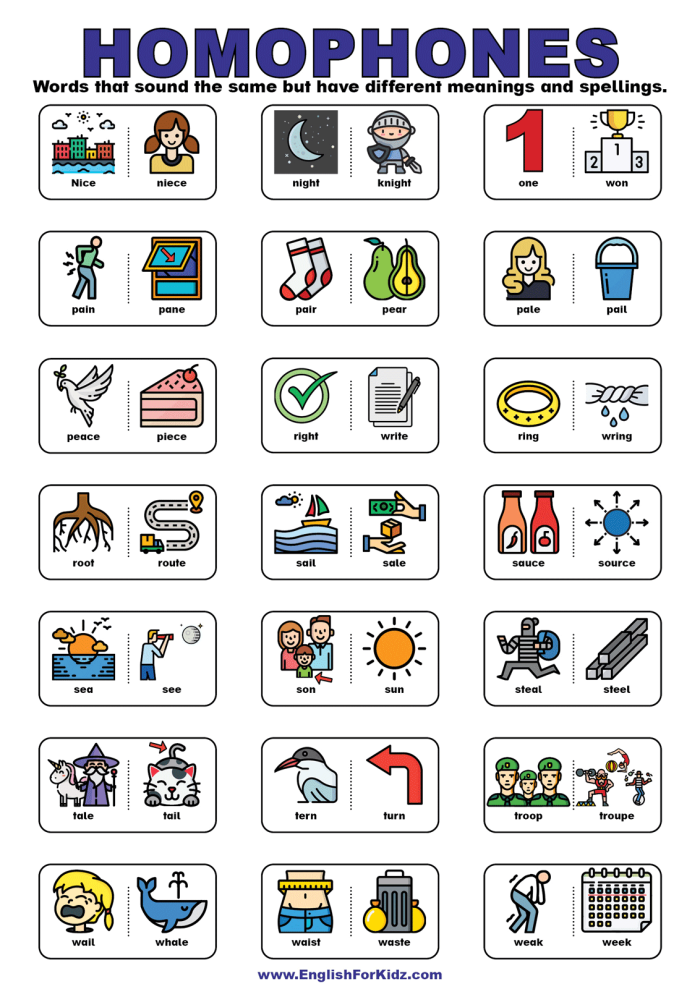
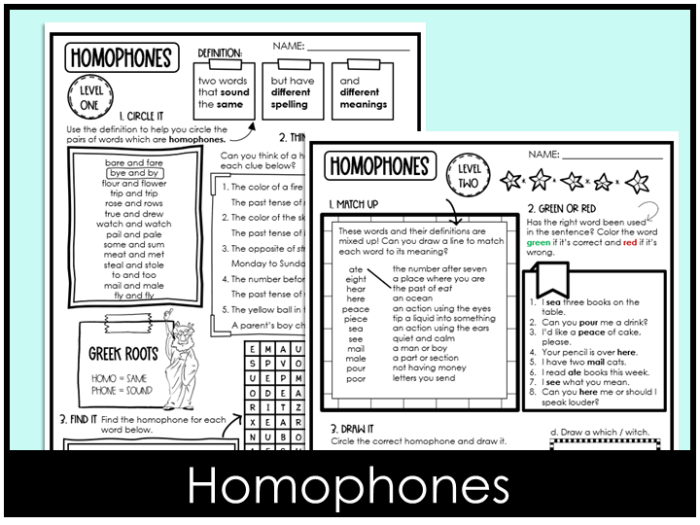
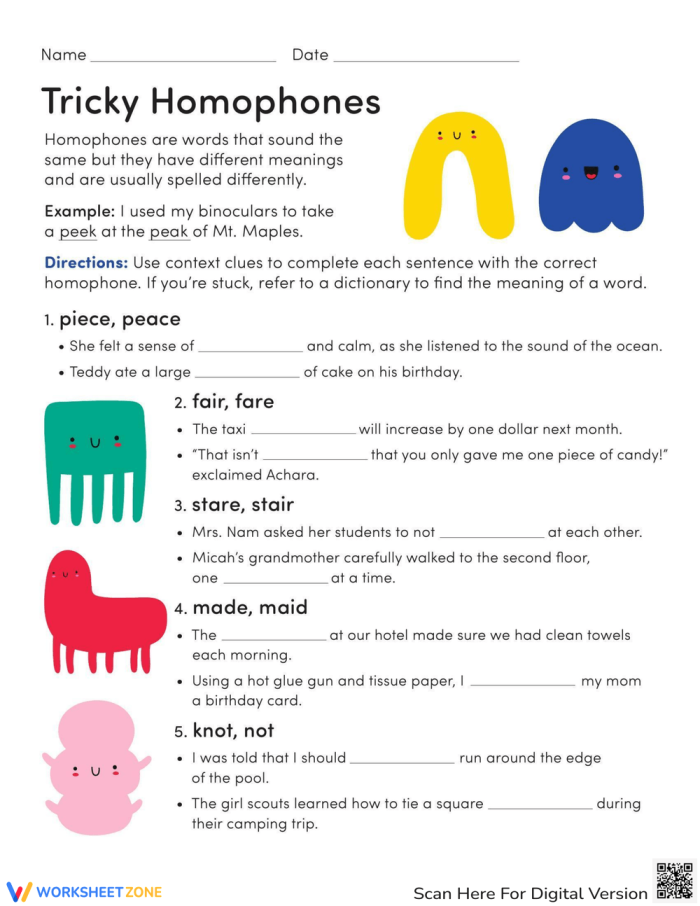
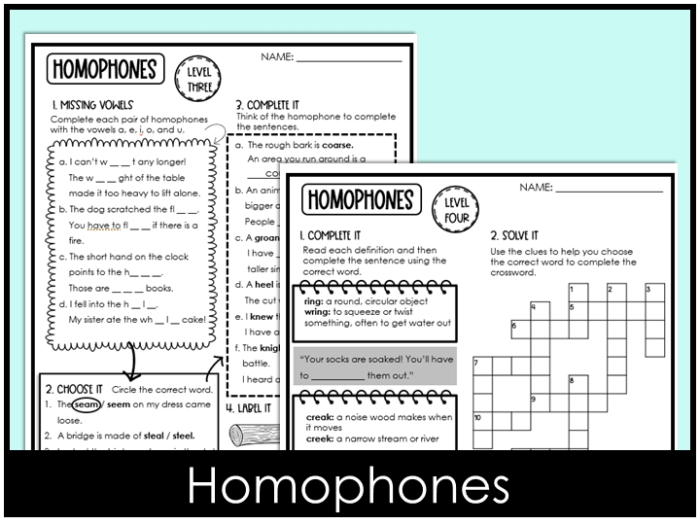
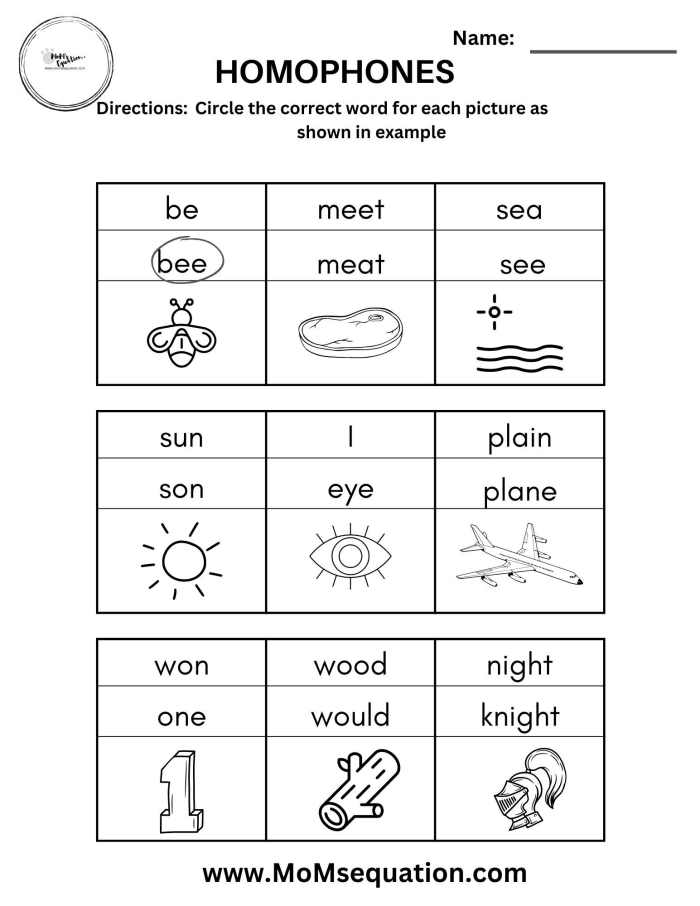
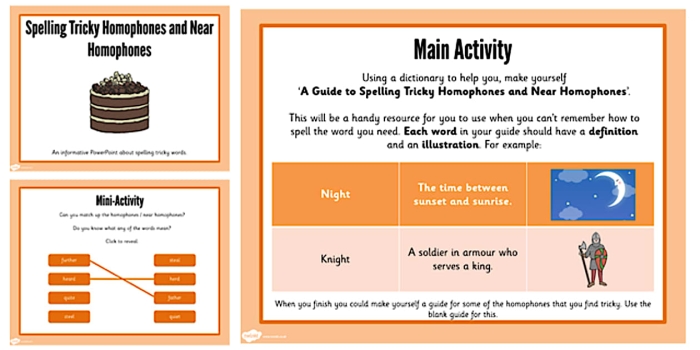
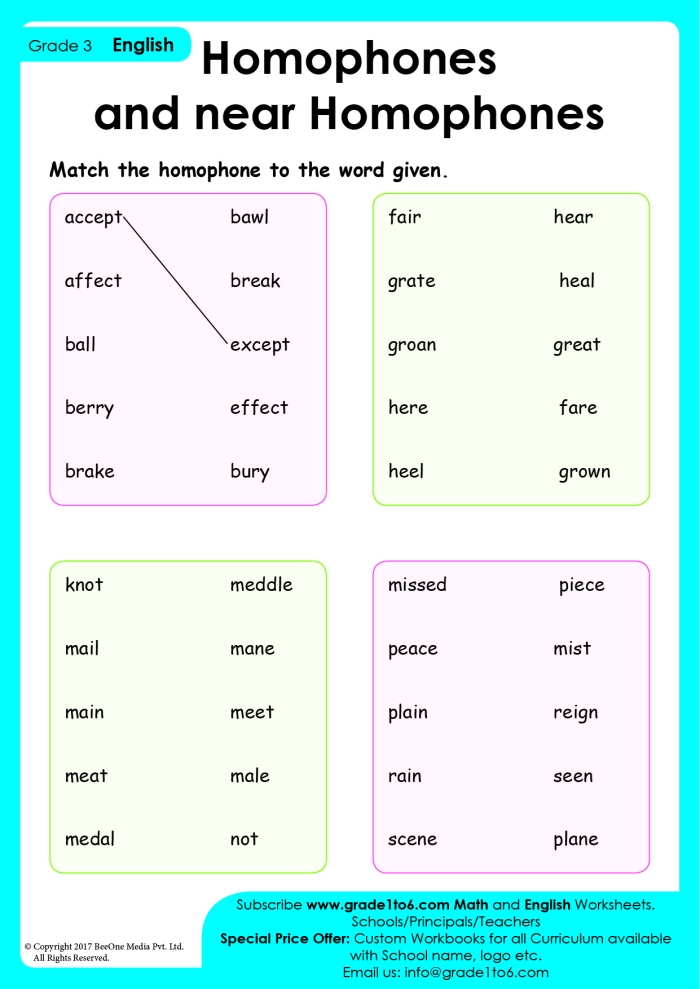
Homophones trip up students constantly, and for good reason. Words that sound identical but carry completely different meanings require careful attention to spelling and context. A fourth grade reading worksheet focused on tricky homophones like piece and peace gives children the targeted practice they need to master this confusing aspect of English.
The challenge with homophones lies in the disconnect between what students hear and what they need to write. When a teacher says the word aloud, both “piece” (a part of something) and “peace” (the absence of conflict) sound exactly the same. Without visual reinforcement and repetition, children often default to whichever spelling feels more familiar, leading to errors in their writing.
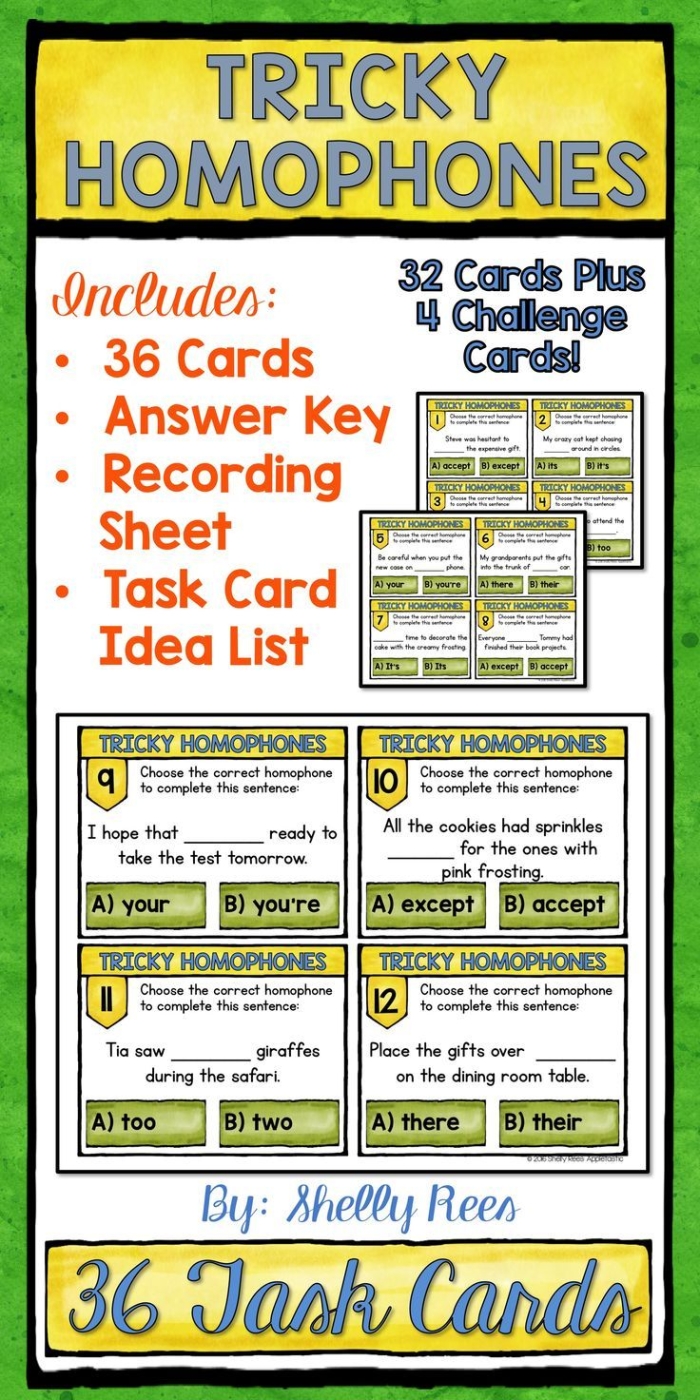
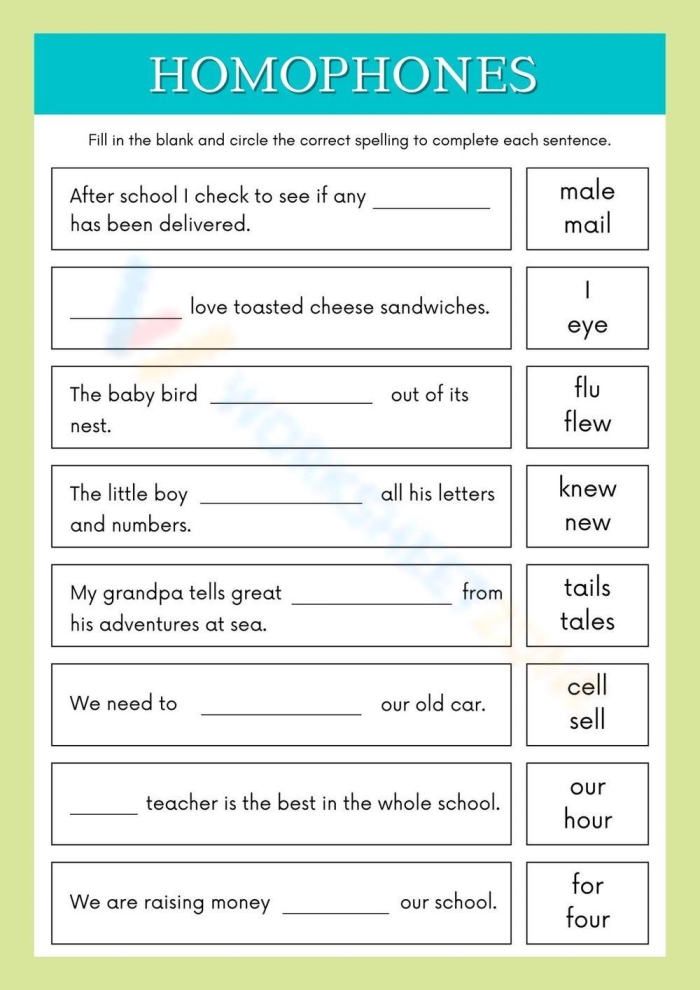
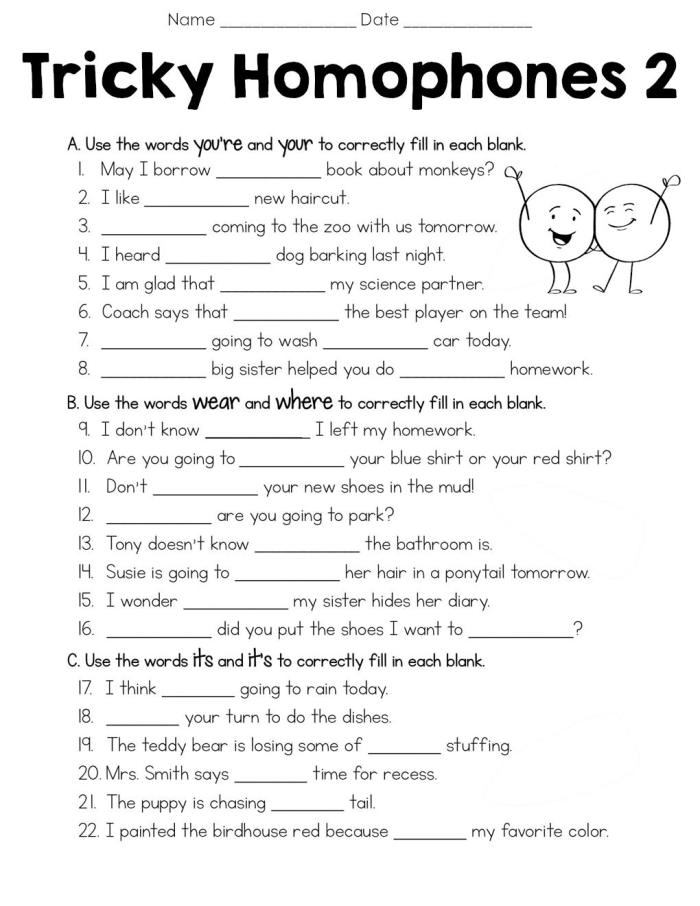
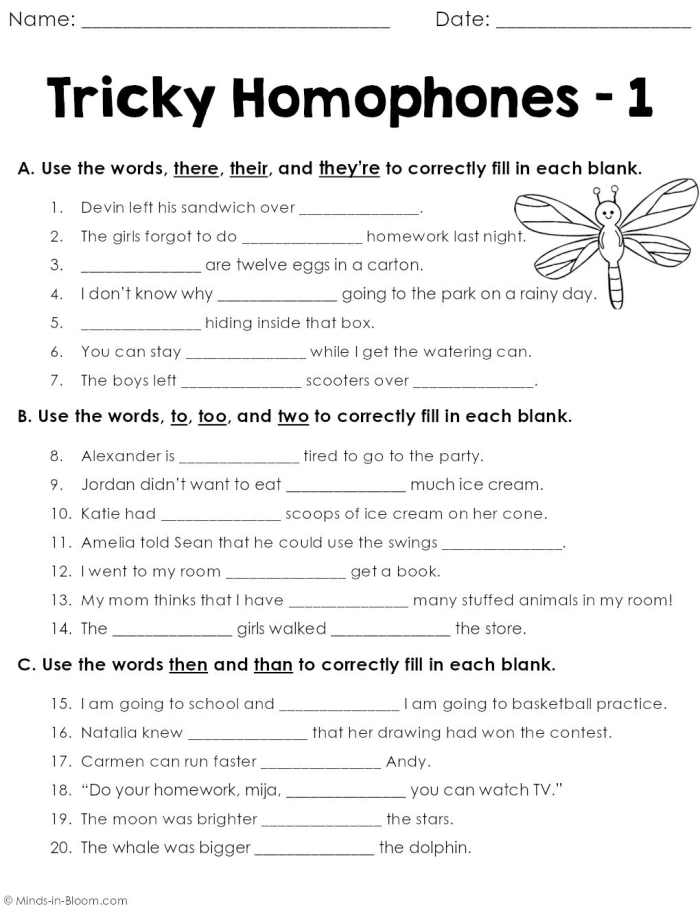
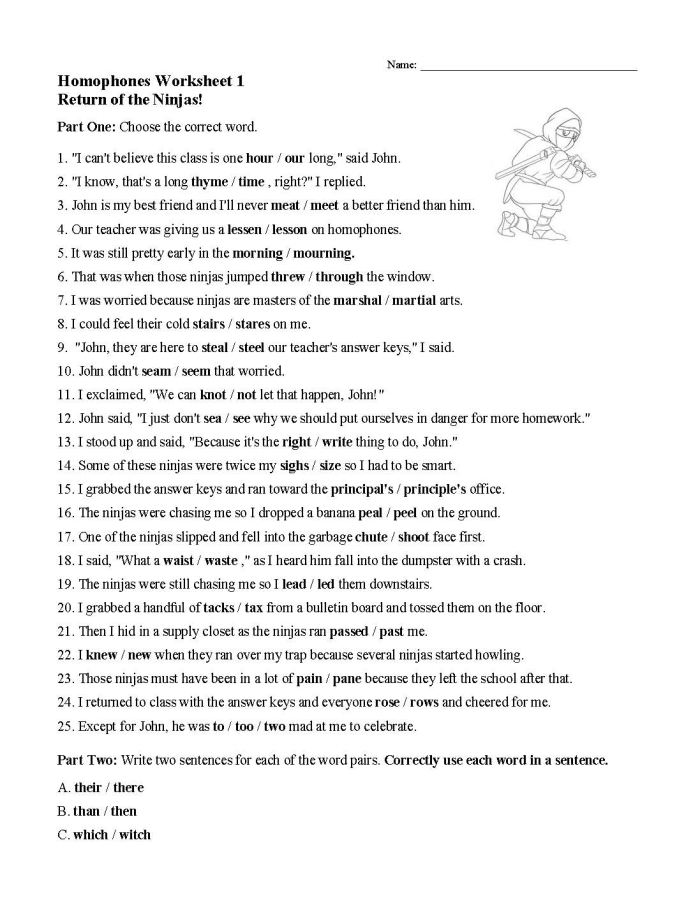
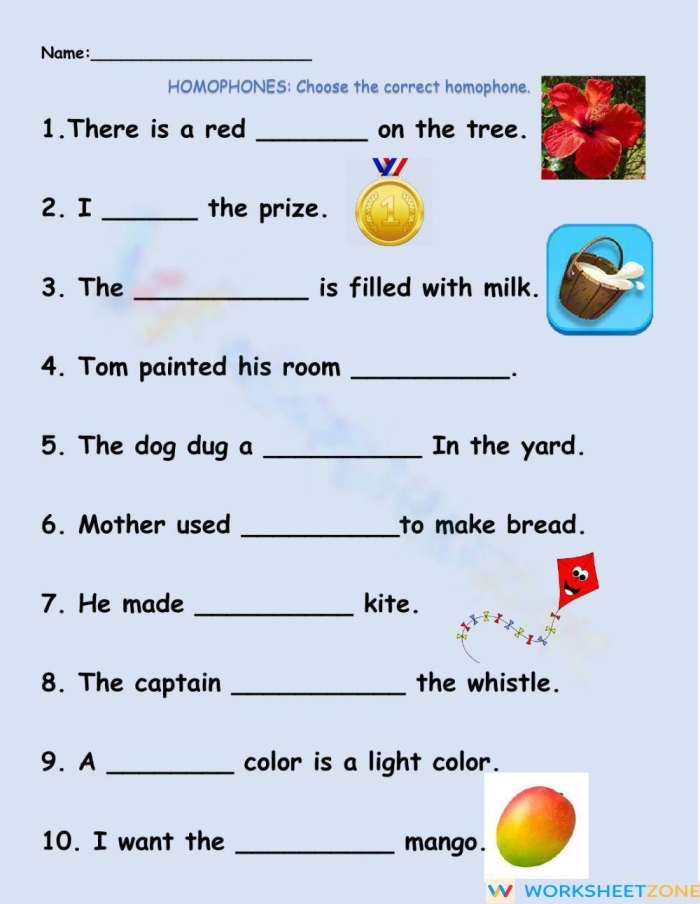
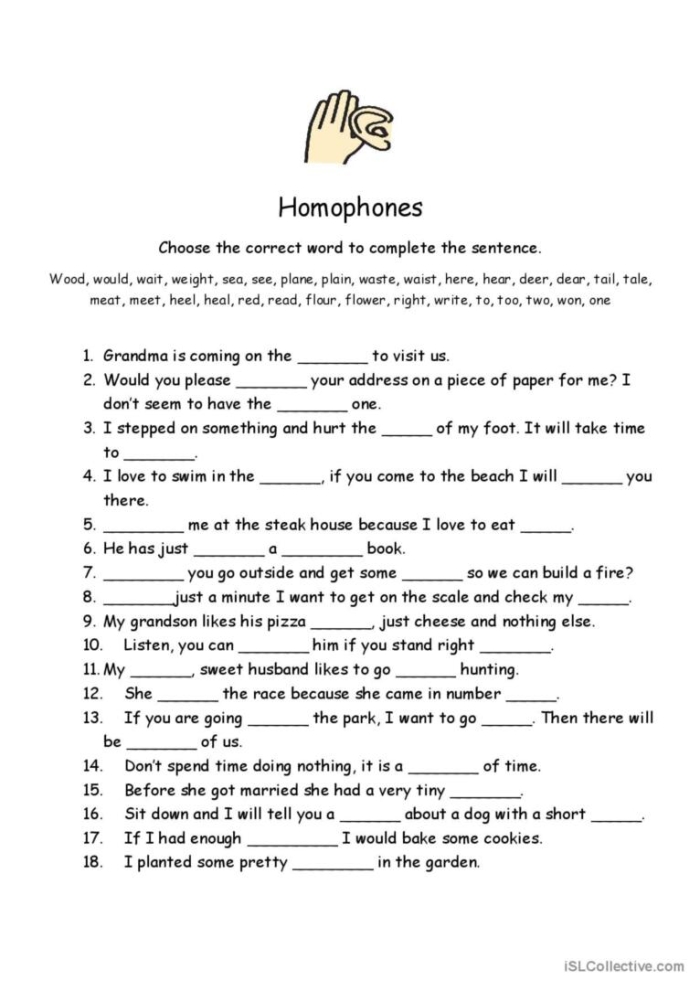
Fill-in-the-blanks exercises work well for this skill because they force students to think about meaning in context. A sentence like “I want a ___ of cake” requires the student to recognize that only one spelling makes sense. This approach teaches children to slow down and consider what a word actually means rather than simply guessing based on sound.
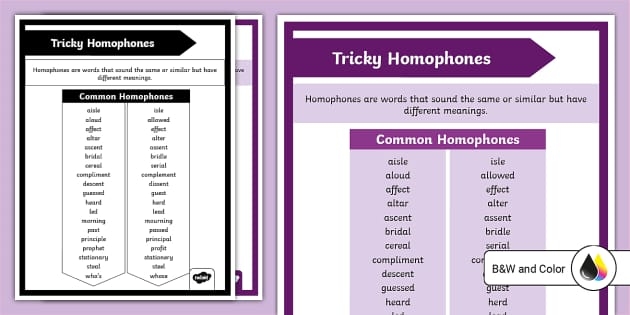
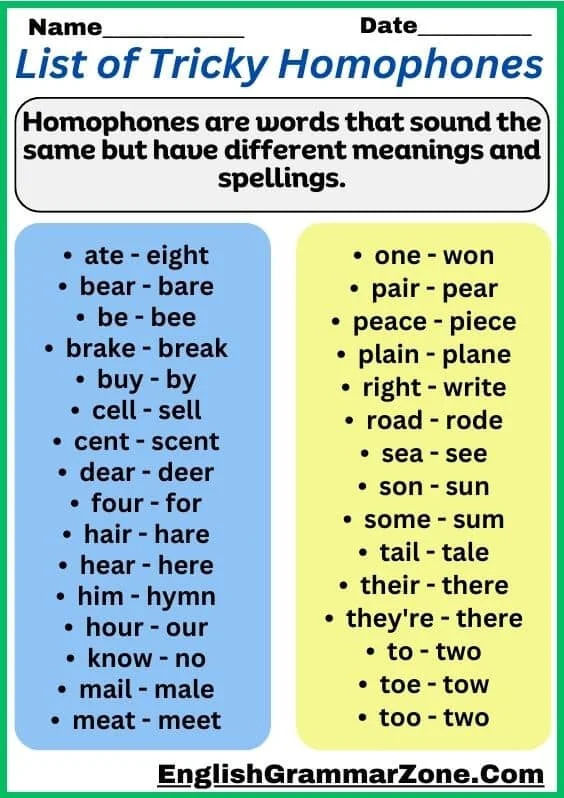
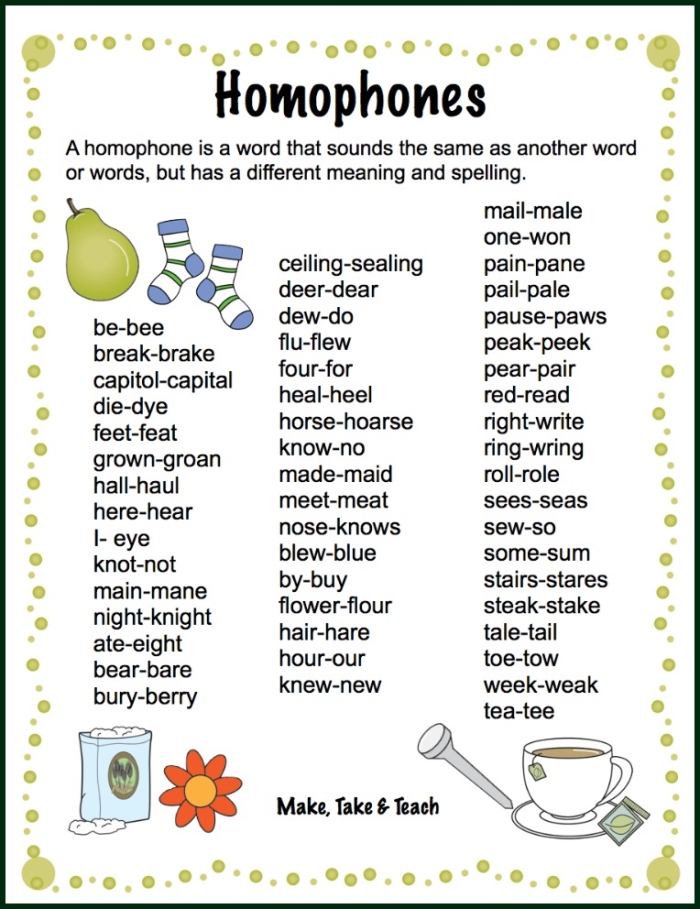
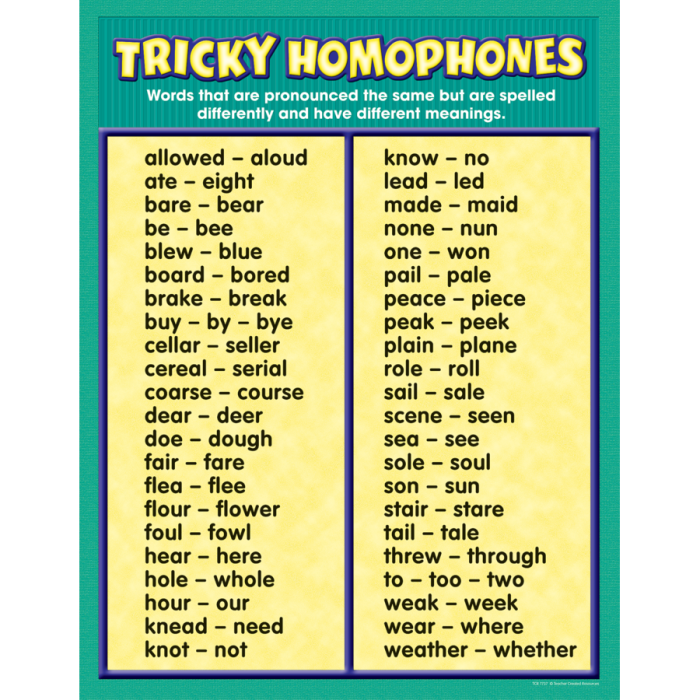
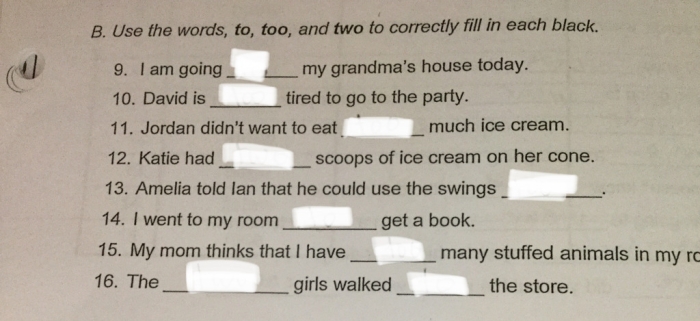
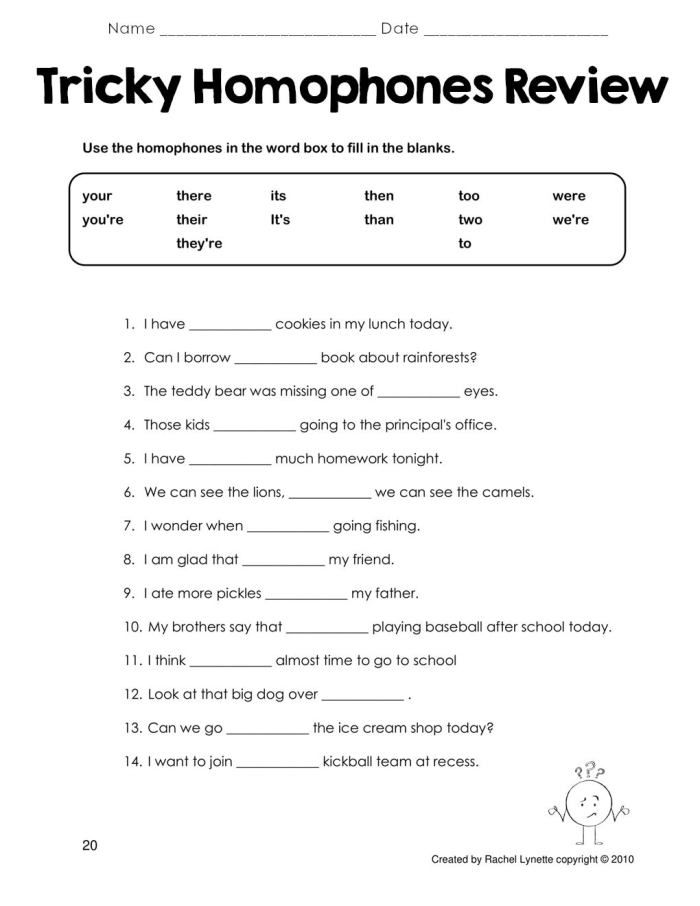
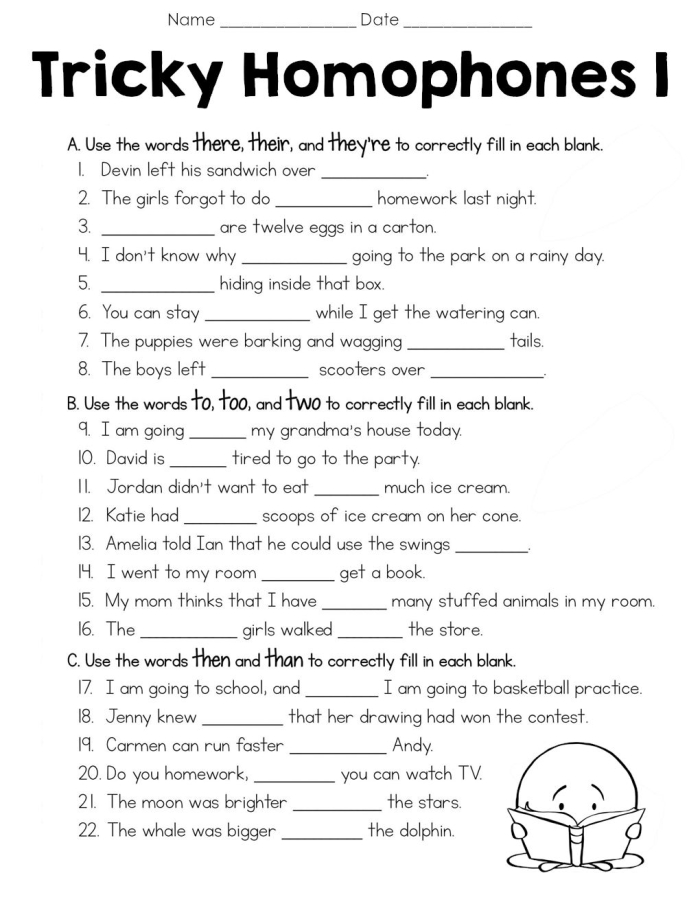
Fourth grade is the ideal time to introduce systematic homophone practice. At this level, students are writing more frequently and encountering homophones in their reading across different subjects. Worksheets that pair homophones together, such as piece/peace, there/their/they’re, or to/too/two, help organize the learning. Some students benefit from seeing these patterns repeated in different sentence contexts before moving on to more complex grammar concepts like prepositional phrases in nonfiction text.
The repetition built into fill-in-the-blanks worksheets creates the muscle memory that helps homophones stick. Rather than passive reading, children actively choose the correct spelling multiple times, reinforcing the connection between meaning and spelling that will serve them throughout their academic writing.
Boost Skills with These Worksheets