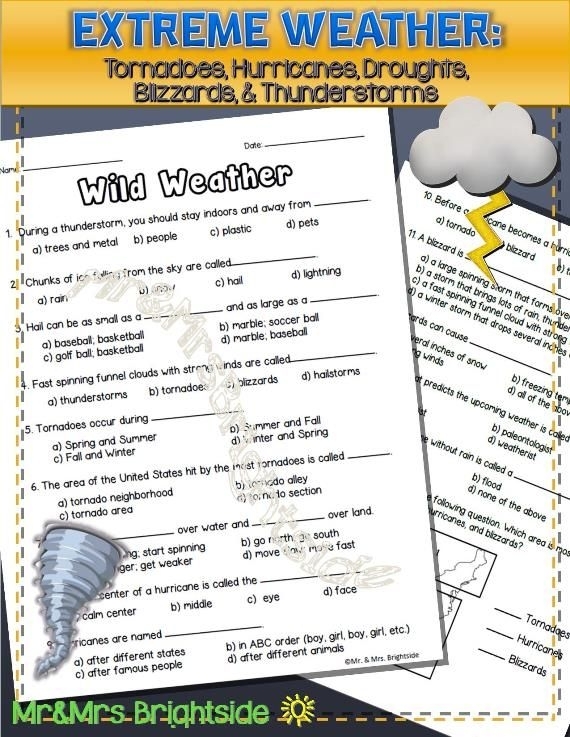
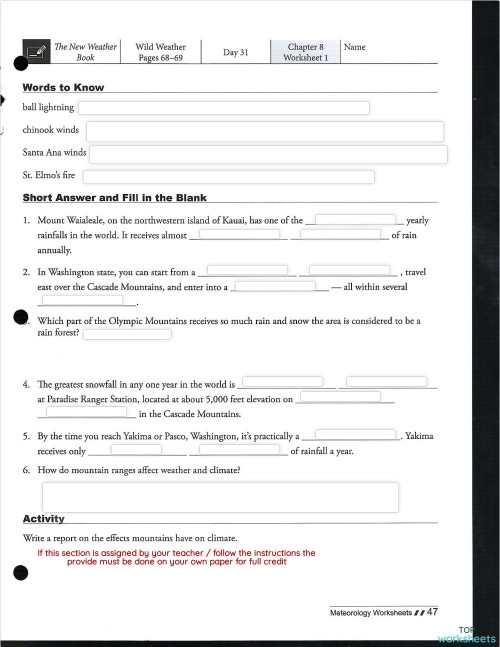
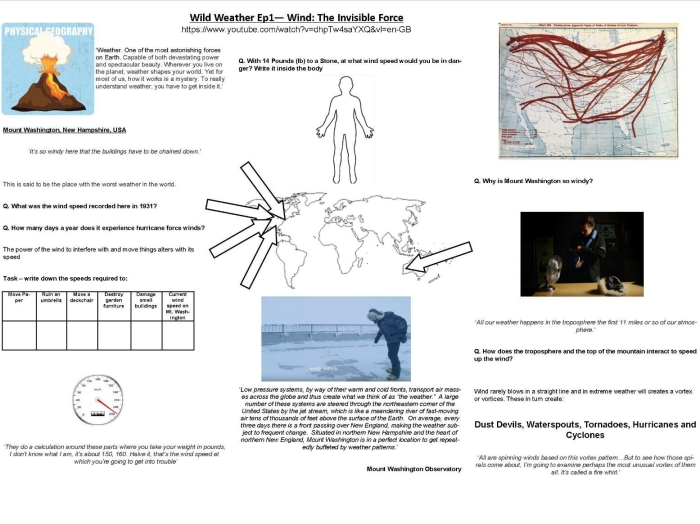
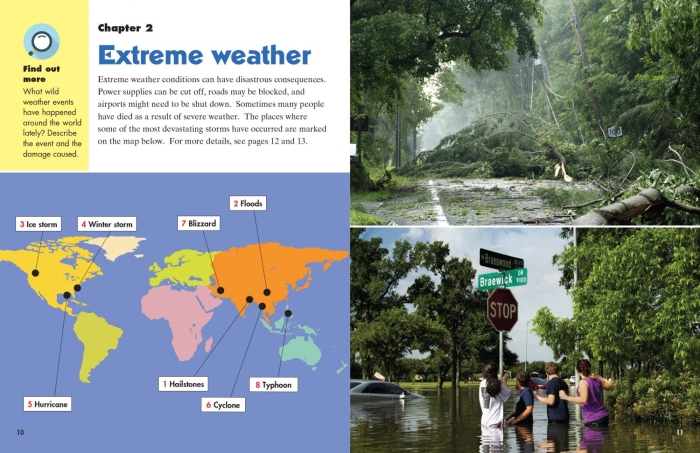
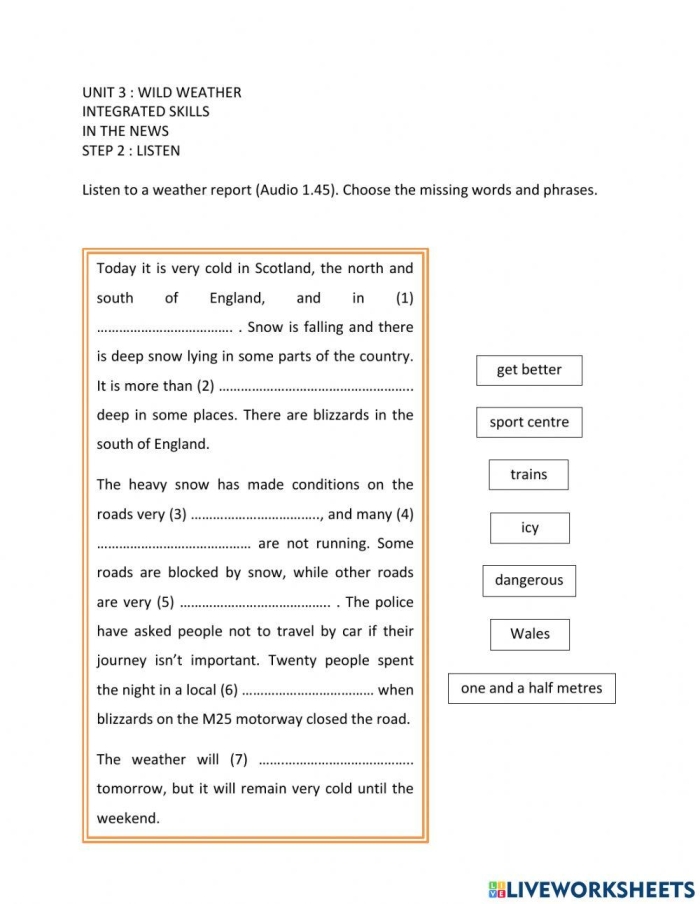
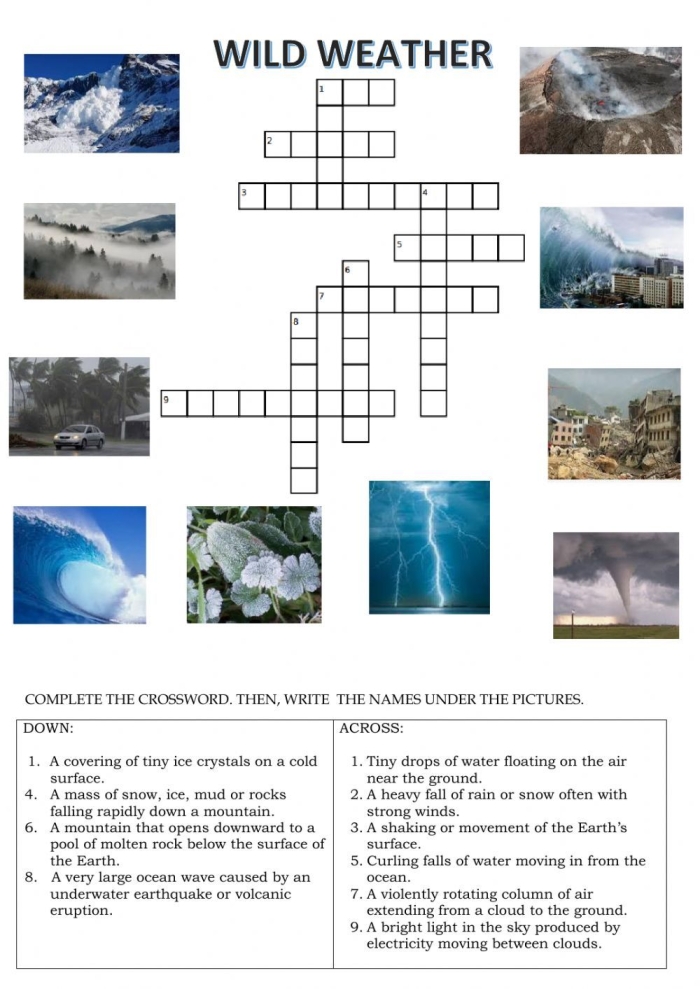
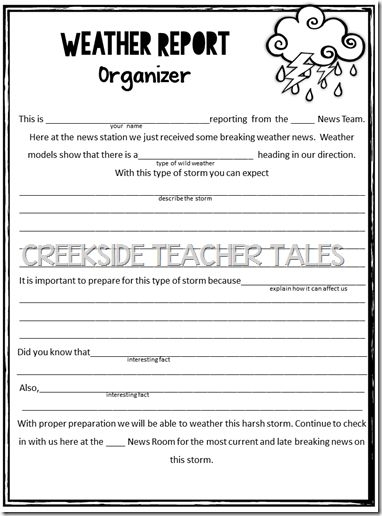
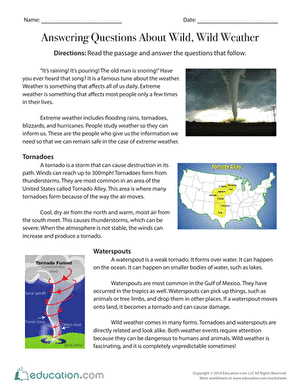
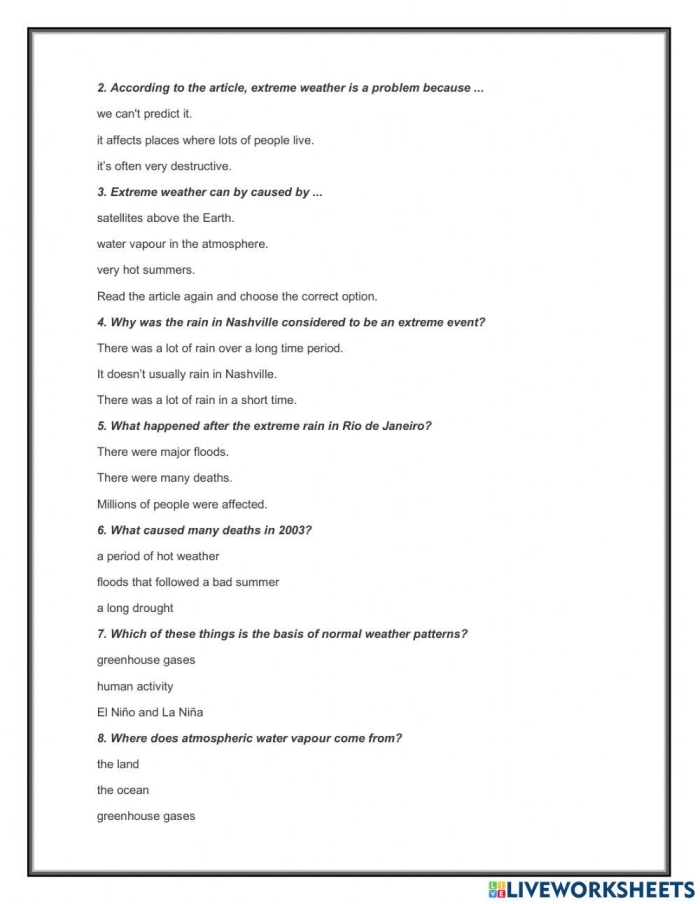
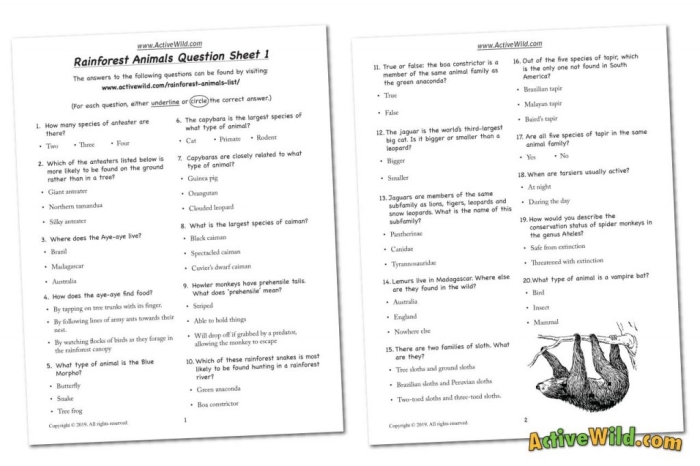
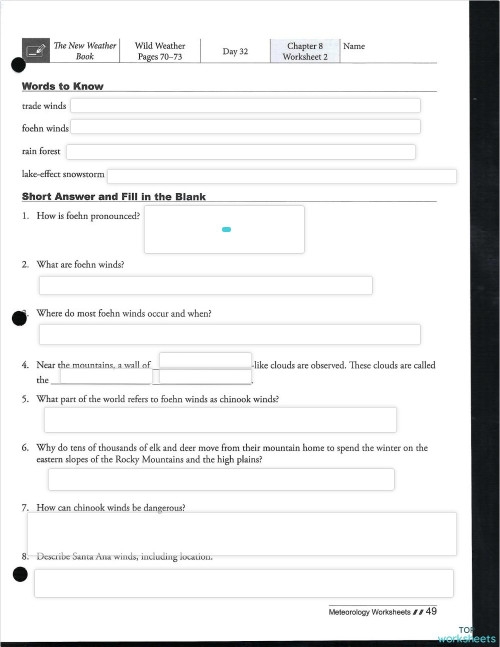
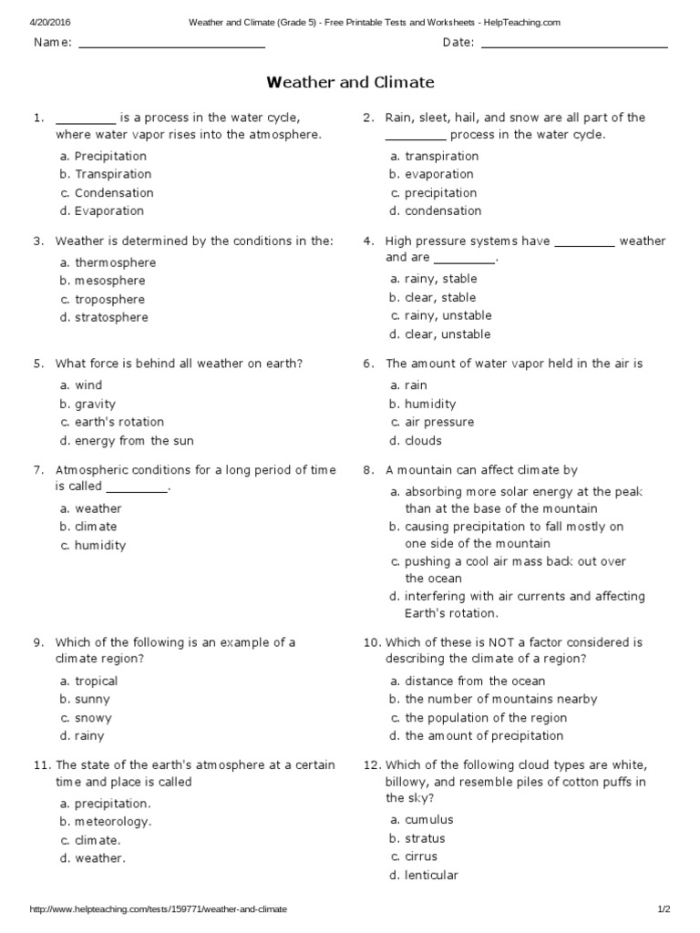
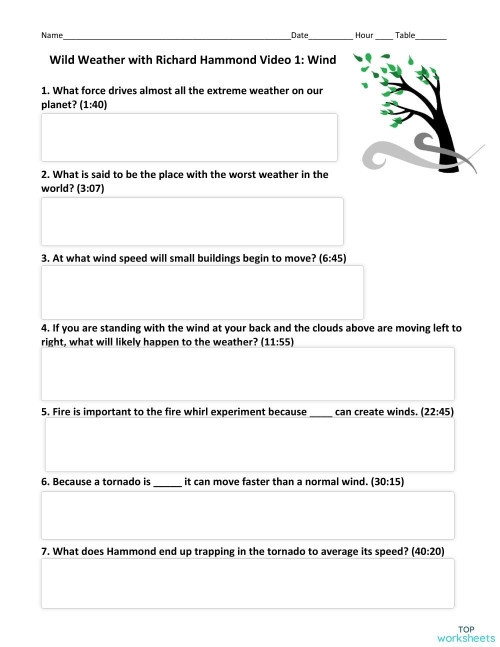
Reading about wild weather requires you to pay close attention to the details hidden in every sentence. When third graders tackle text-dependent questions about storms, tornadoes, blizzards, and hurricanes, they’re doing real detective work. Each fact matters, and missing a single detail can change your answer completely.
The key to answering these questions correctly is learning to slow down and hunt for specific information in the text. Rather than skimming quickly, you need to reread passages carefully and underline or highlight the clues that directly support your answer. This skill transfers across all your reading, whether you’re studying weather patterns or exploring other topics like African American communities in Eatonville, Florida.
Wild weather provides fascinating material for this kind of close reading. A single paragraph might explain how a tornado forms, what wind speeds it reaches, or why certain regions experience them more often. When you answer questions about these details, you’re not guessing or relying on what you already know. Instead, you’re proving that you read carefully by pointing directly to evidence in the text.
Third grade writing assignments often ask you to explain your thinking using complete sentences. This means you should practice stating your answer first, then explaining which part of the text supports it. This approach strengthens both your reading and writing skills simultaneously. You might describe everyday areas affected by weather or use alliteration in poetry to describe storm sounds.
The coolest part about studying wild weather through text-dependent questions is that you’re learning real science while sharpening your detective skills. You’ll discover why hurricanes spin, how hail forms, and what makes lightning so dangerous. Every question you answer correctly proves you’ve understood the material and can support your thinking with evidence.
Practice with These Worksheets