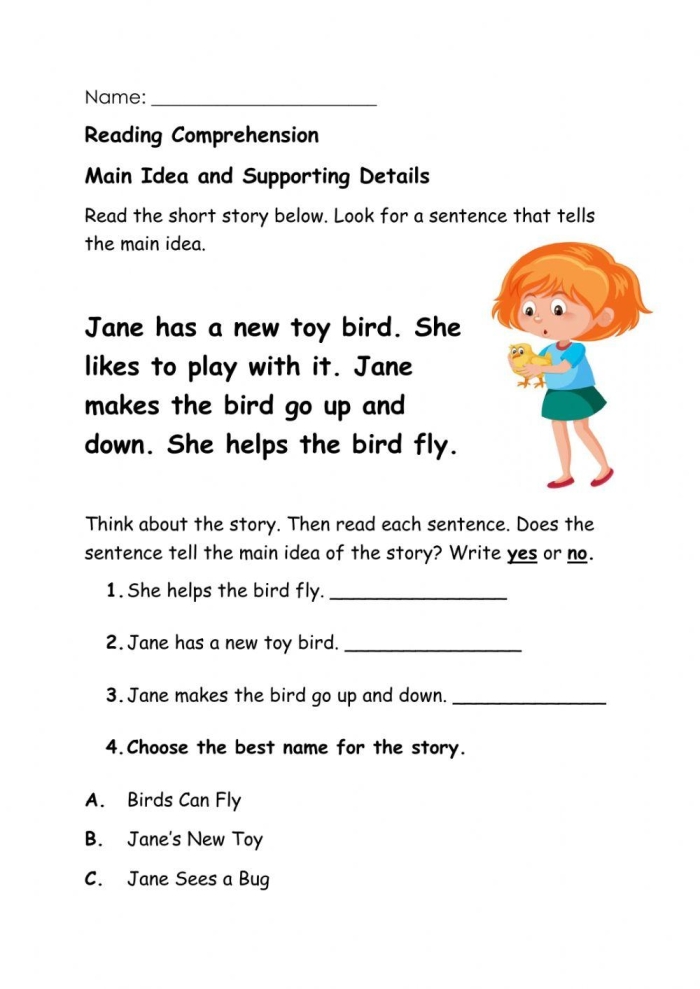
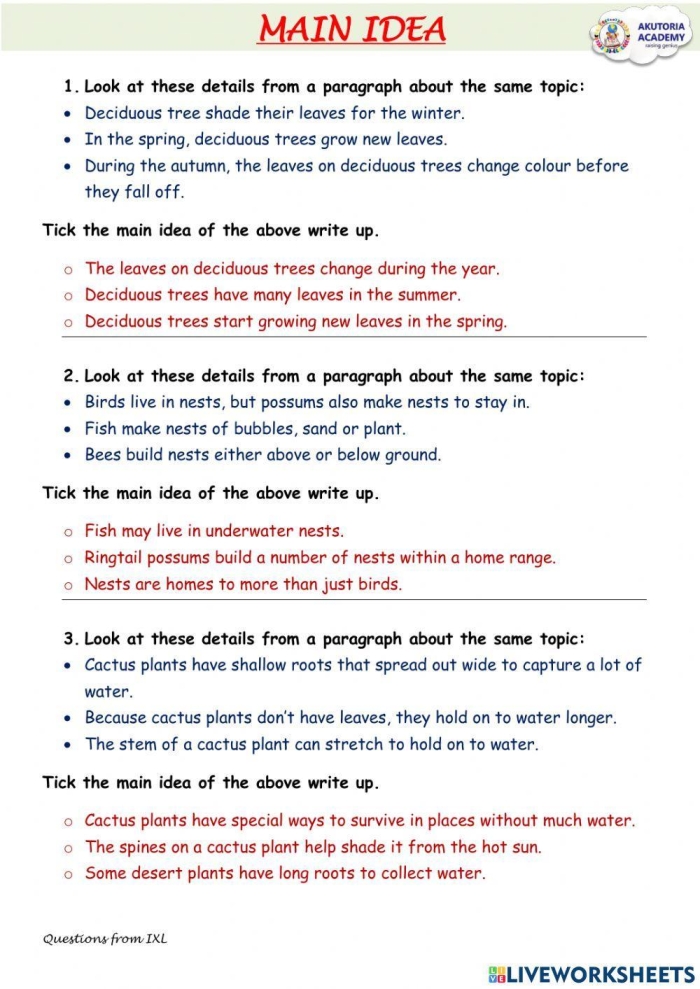
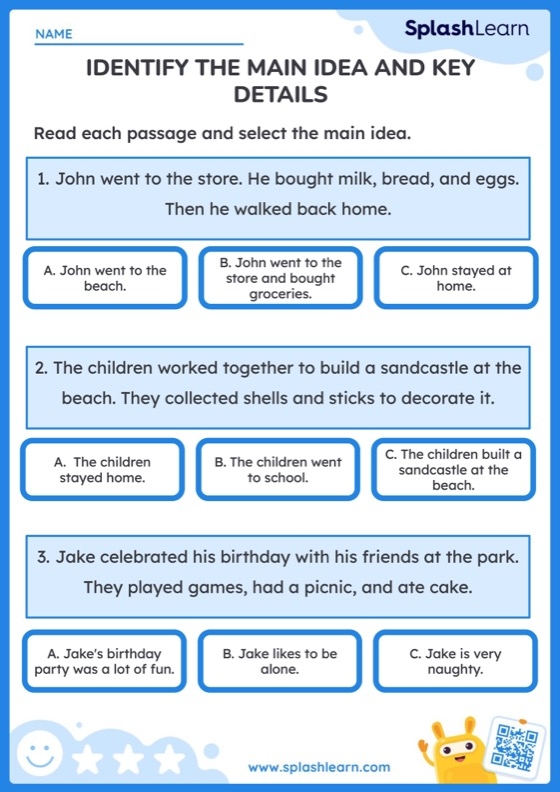
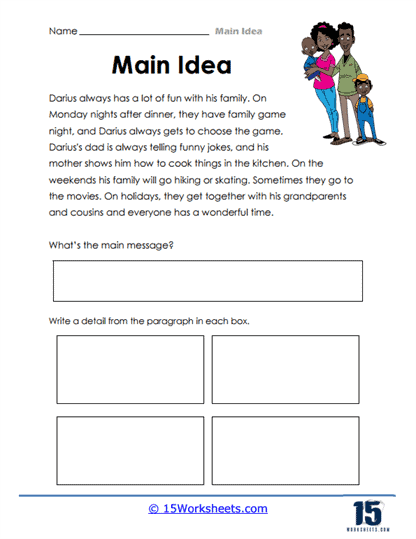
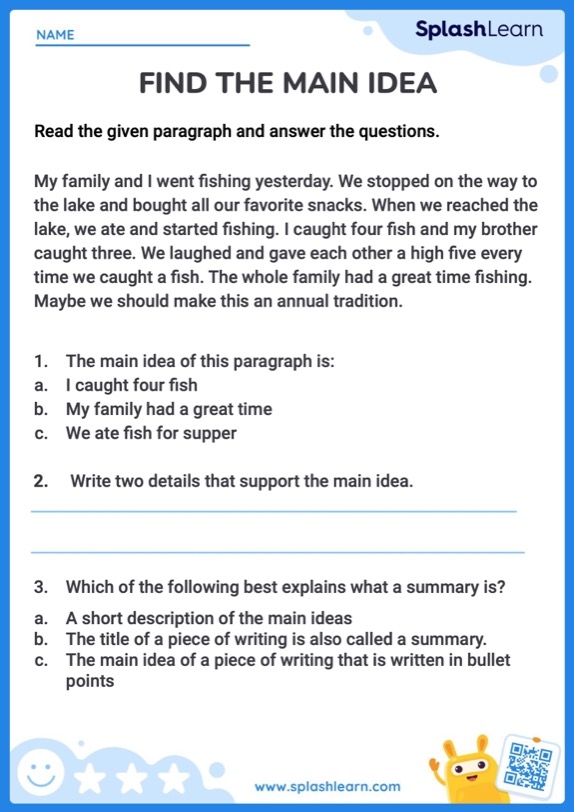
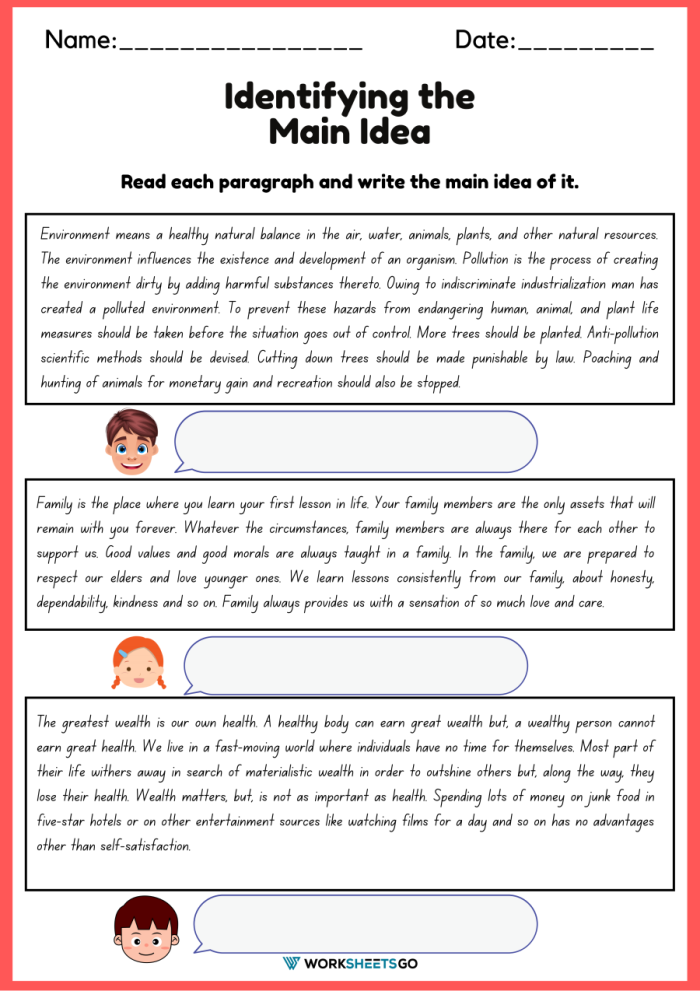
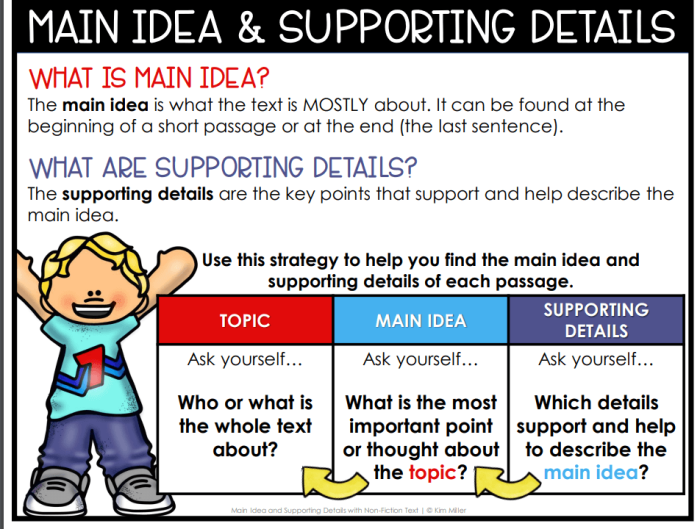
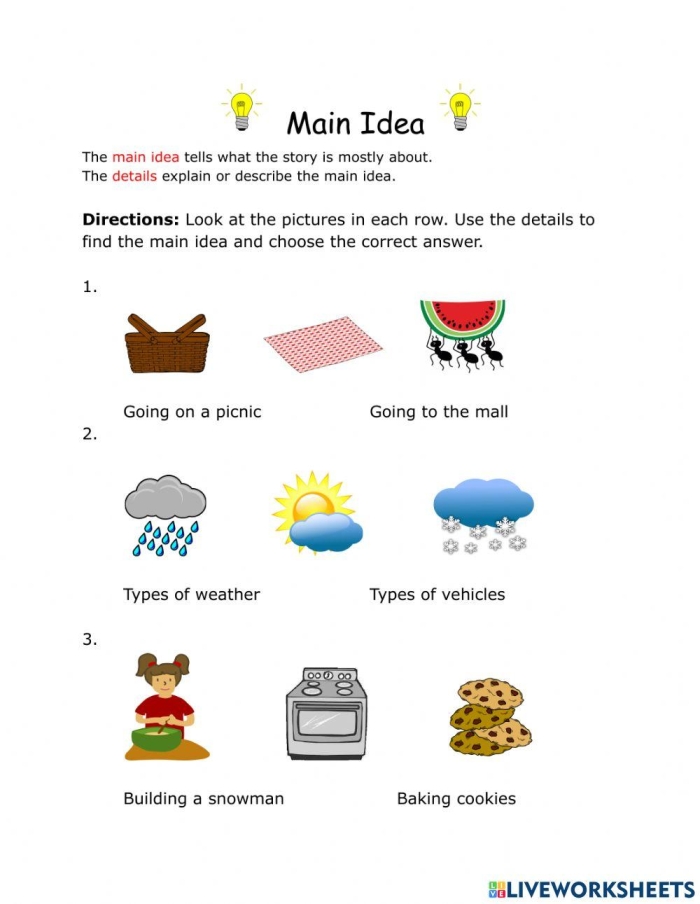
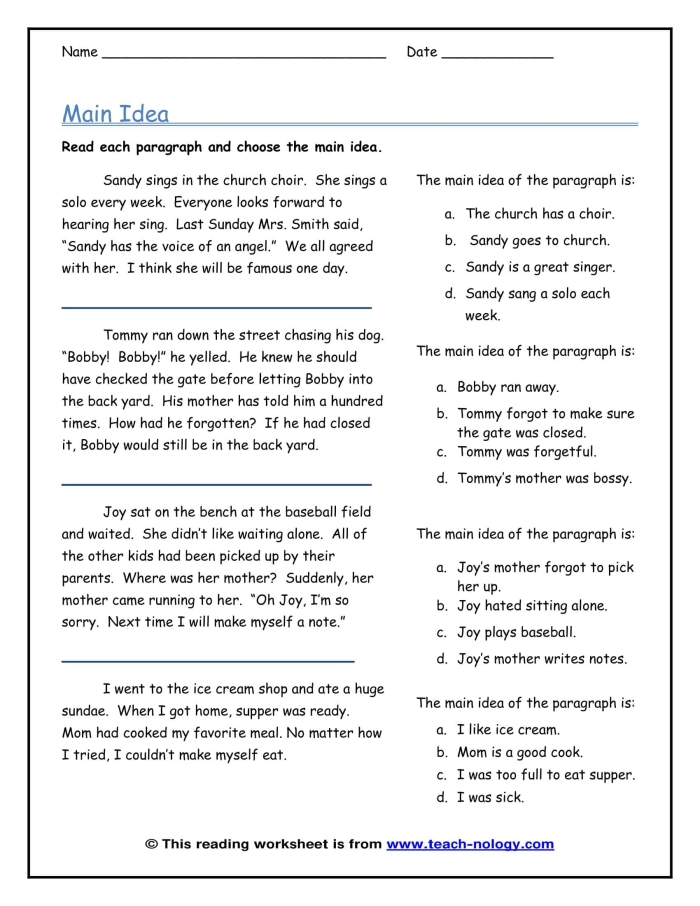
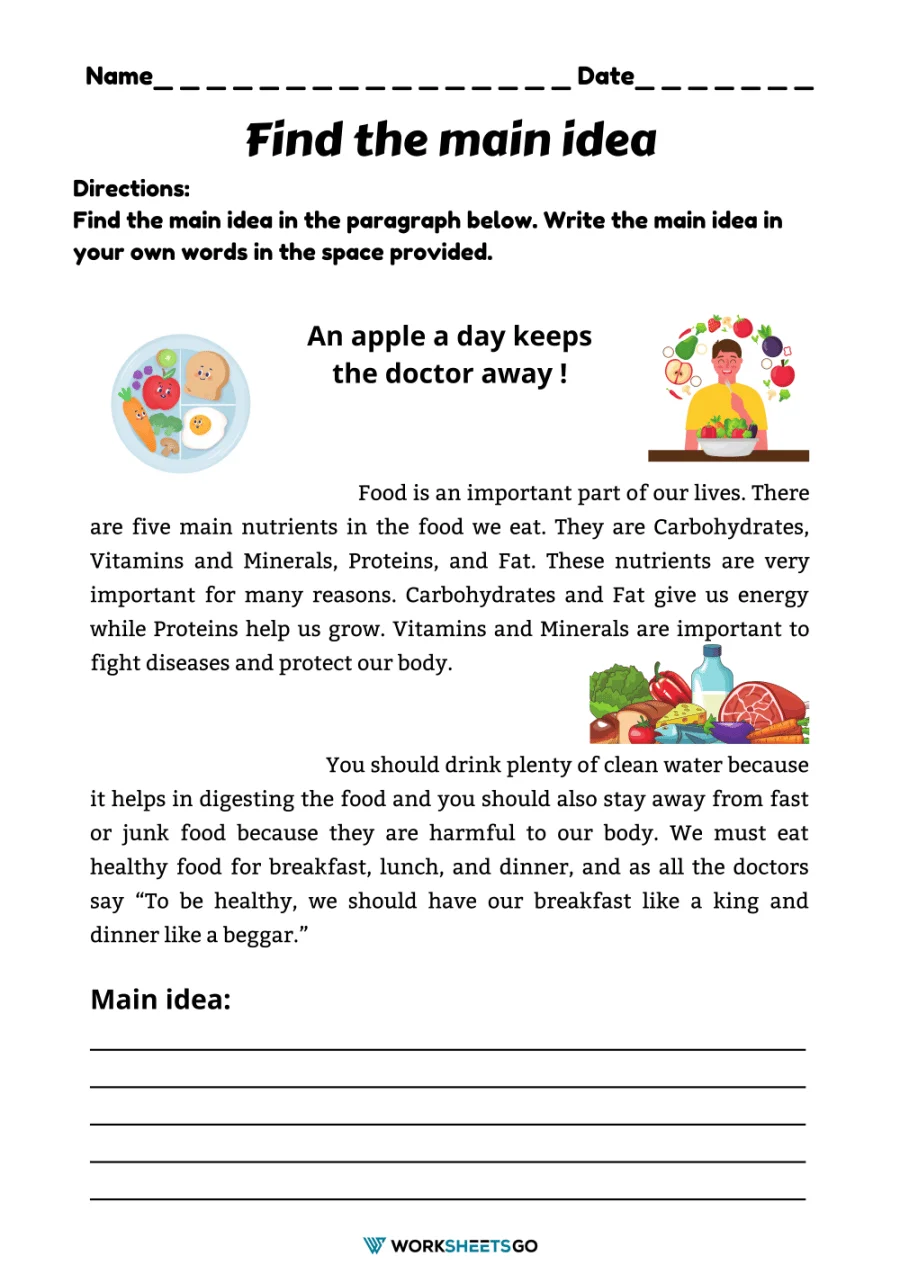
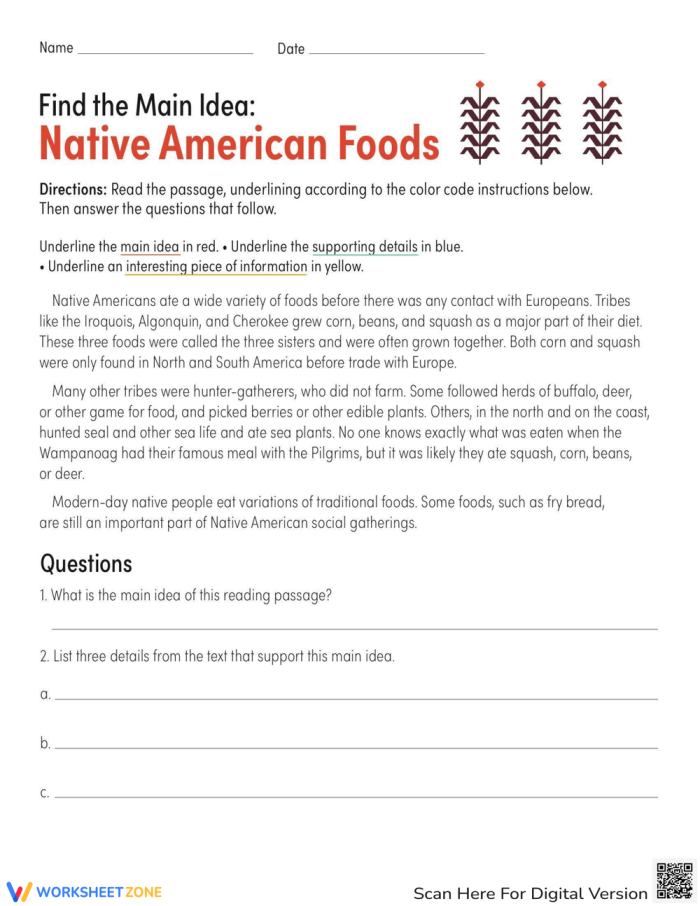
Understanding how early Americans fed themselves opens a window into their resourcefulness and regional differences. Fourth grade students benefit from exploring this history through the lens of reading comprehension, particularly by identifying the main idea and supporting details in historical texts about Native American foods.
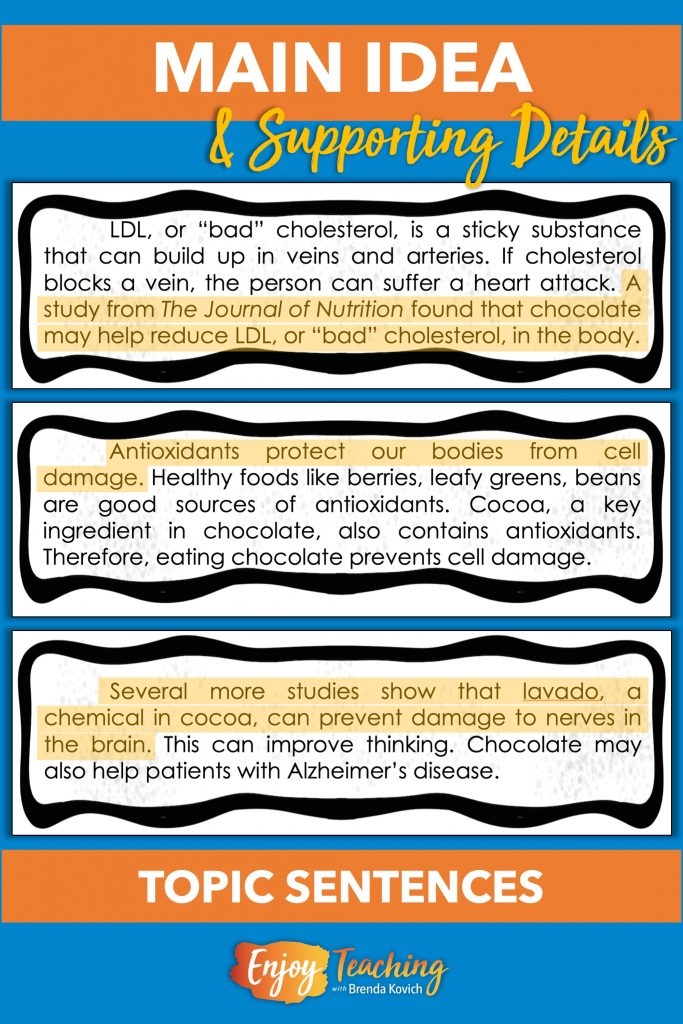
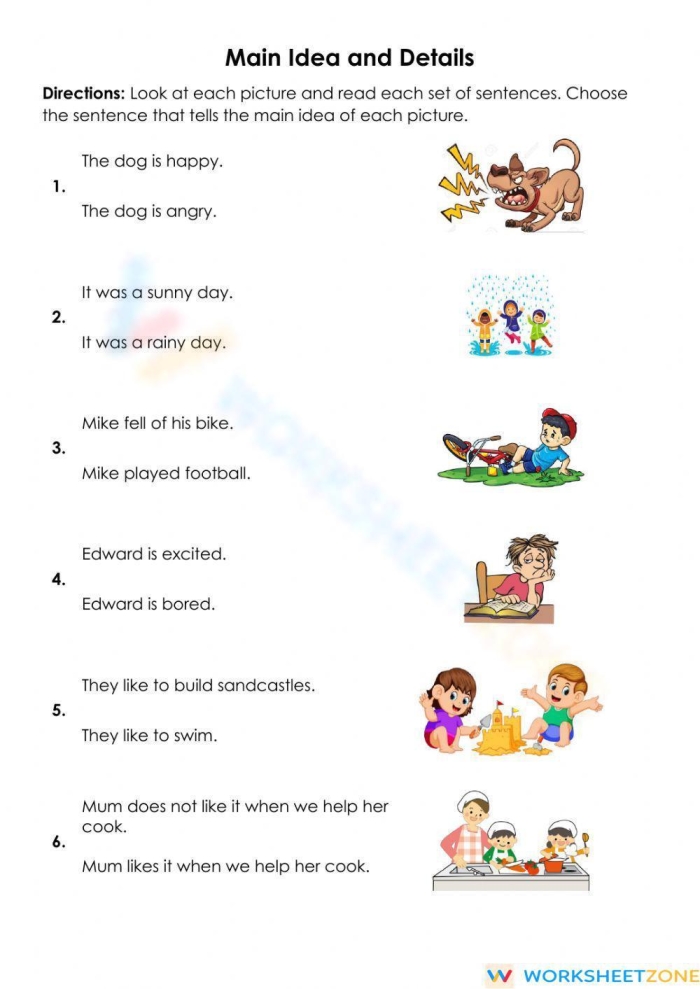
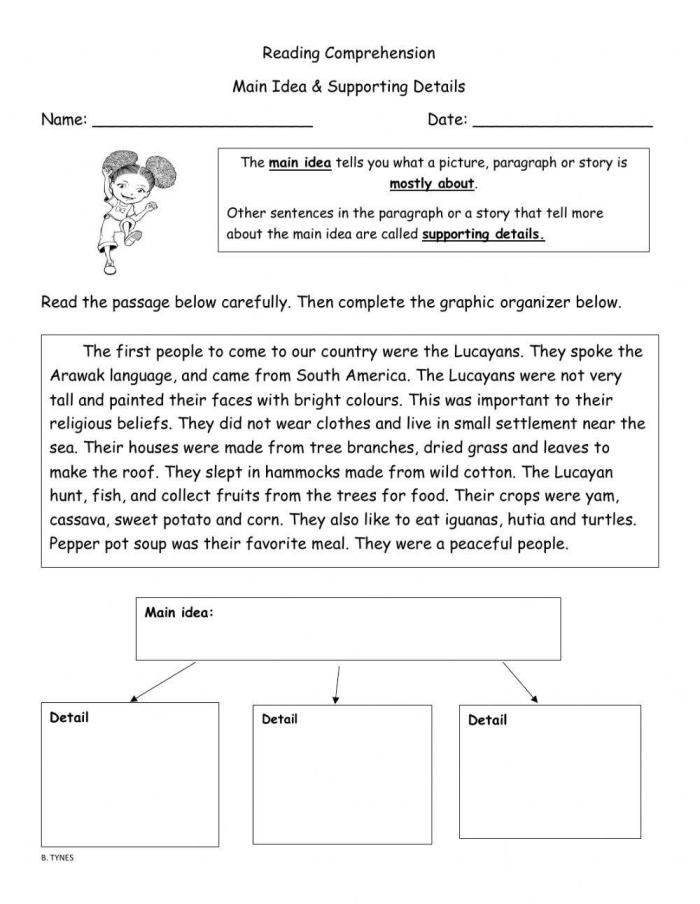
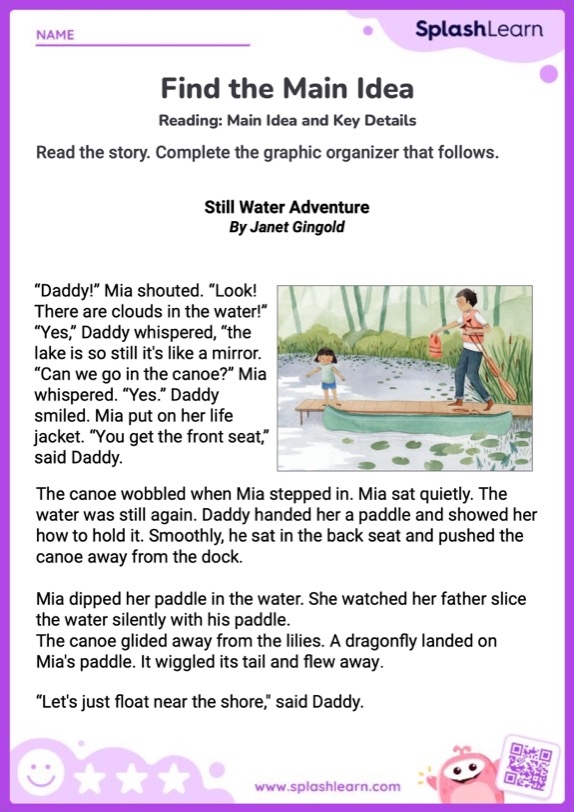
When children encounter passages about how Indigenous peoples cultivated corn, beans, and squash, or how they hunted and gathered seasonally available resources, they’re doing more than memorizing facts. They’re practicing a critical skill that extends far beyond history class. Learning to identify the main idea and supporting details helps students understand any text they read, whether it’s a science article or a news story.
The culinary practices of early Americans provide rich material for this type of analysis. Consider a passage explaining how the Haudenosaunee people developed the “Three Sisters” agricultural system, planting corn, beans, and squash together. The main idea might be that this method was efficient and sustainable. Supporting details could include how the corn stalk provided structure for climbing beans, or how squash leaves shaded the soil to retain moisture. By breaking down such content into these components, students strengthen their comprehension while learning genuine history.
Grammar and mechanics naturally integrate into this work as well. When students write summaries of what they’ve learned, they practice sentence structure, punctuation, and clarity. They might explain why certain foods were important to specific tribes, requiring them to construct clear, well-organized responses.
Worksheets that combine historical content with reading skill practice make this learning tangible. Whether students are working through passages about harvesting wild rice or understanding trade routes between communities, they’re building both historical knowledge and literacy skills that serve them across all subjects.
Practice with These Worksheets