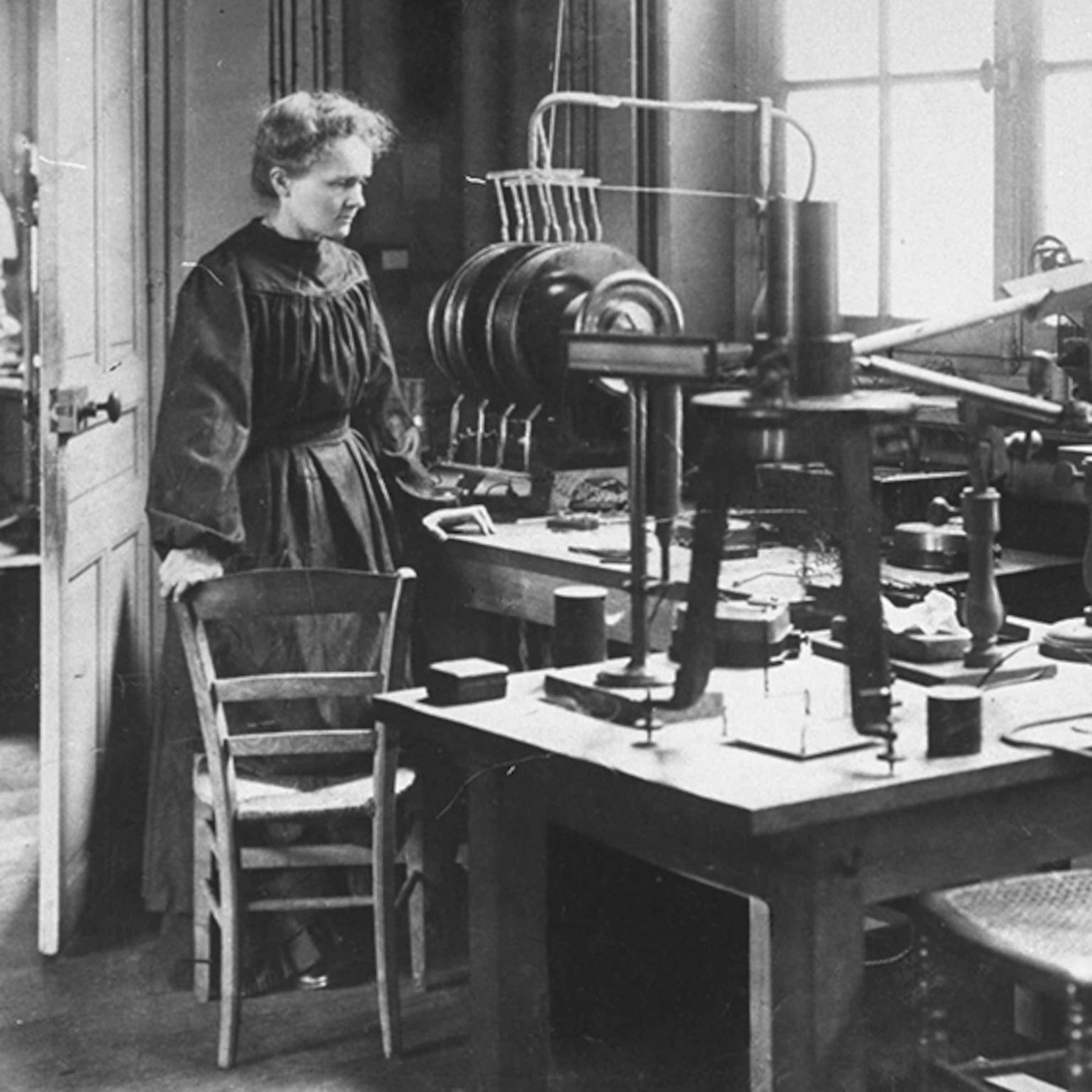
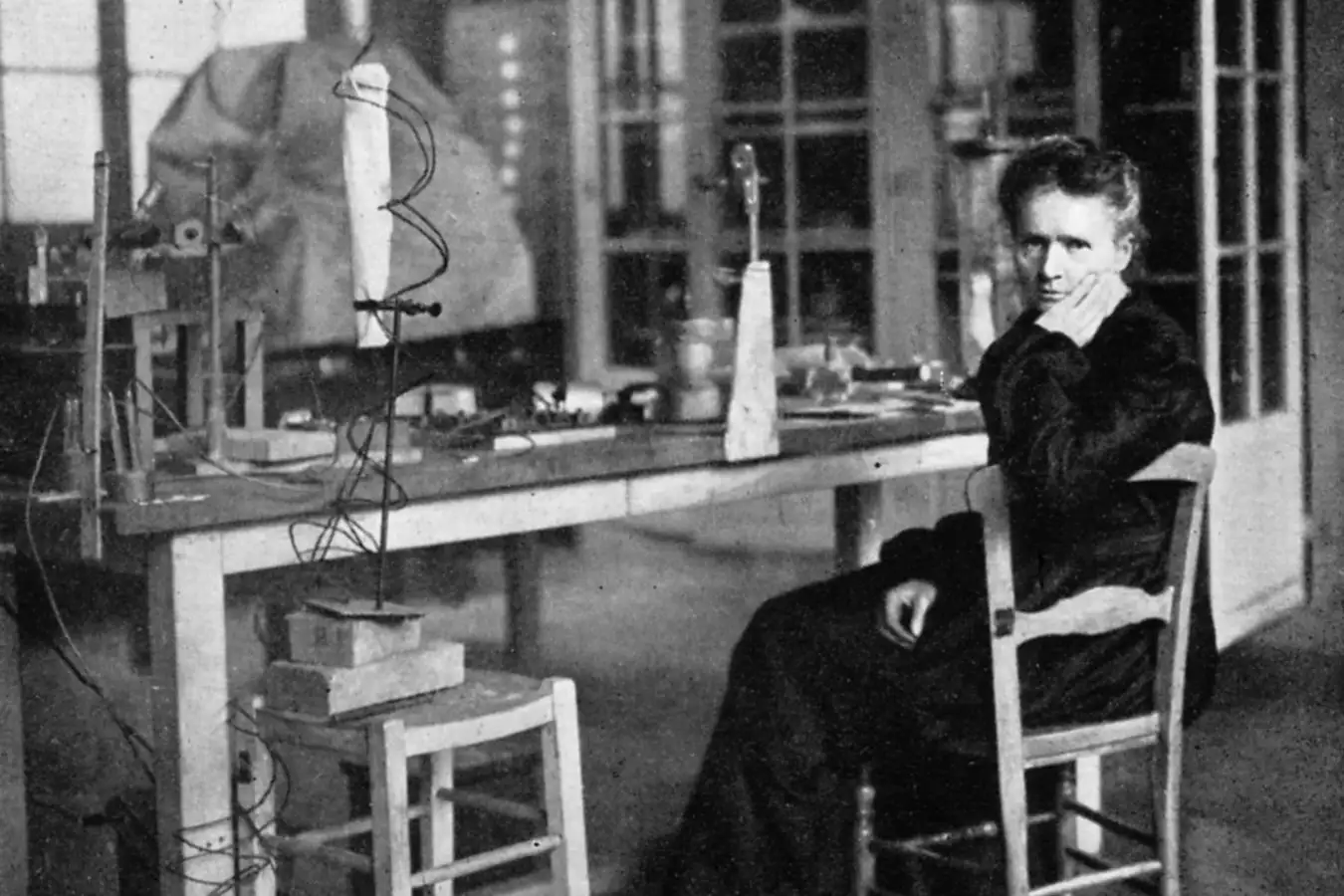
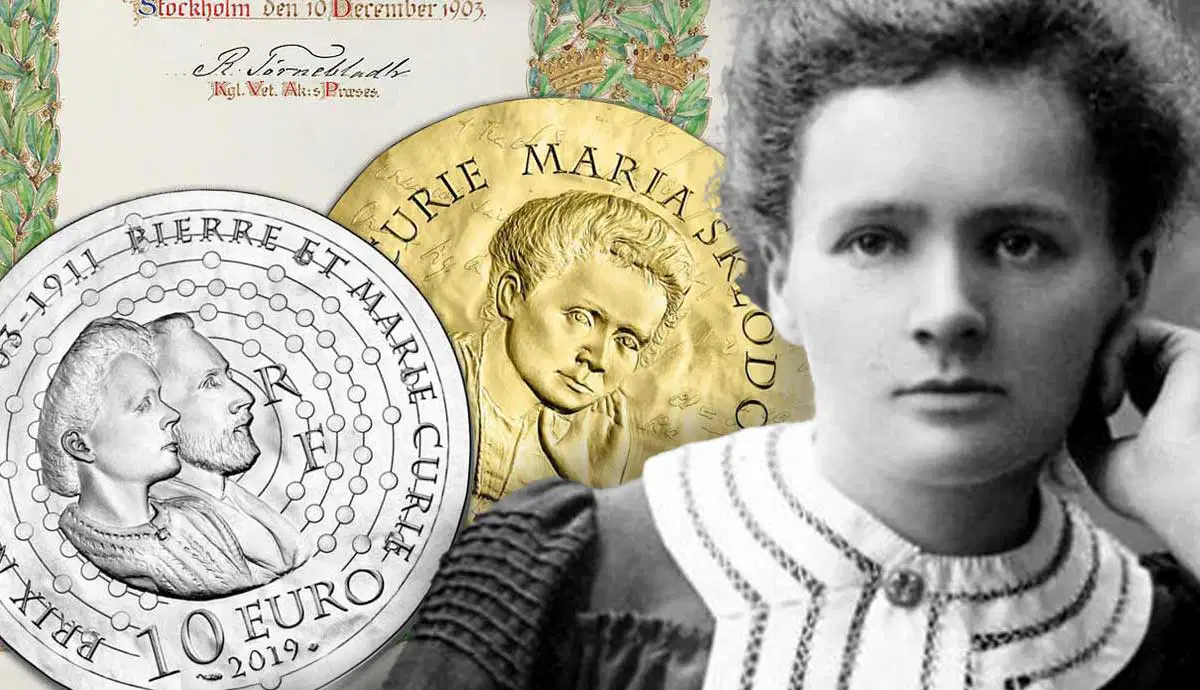
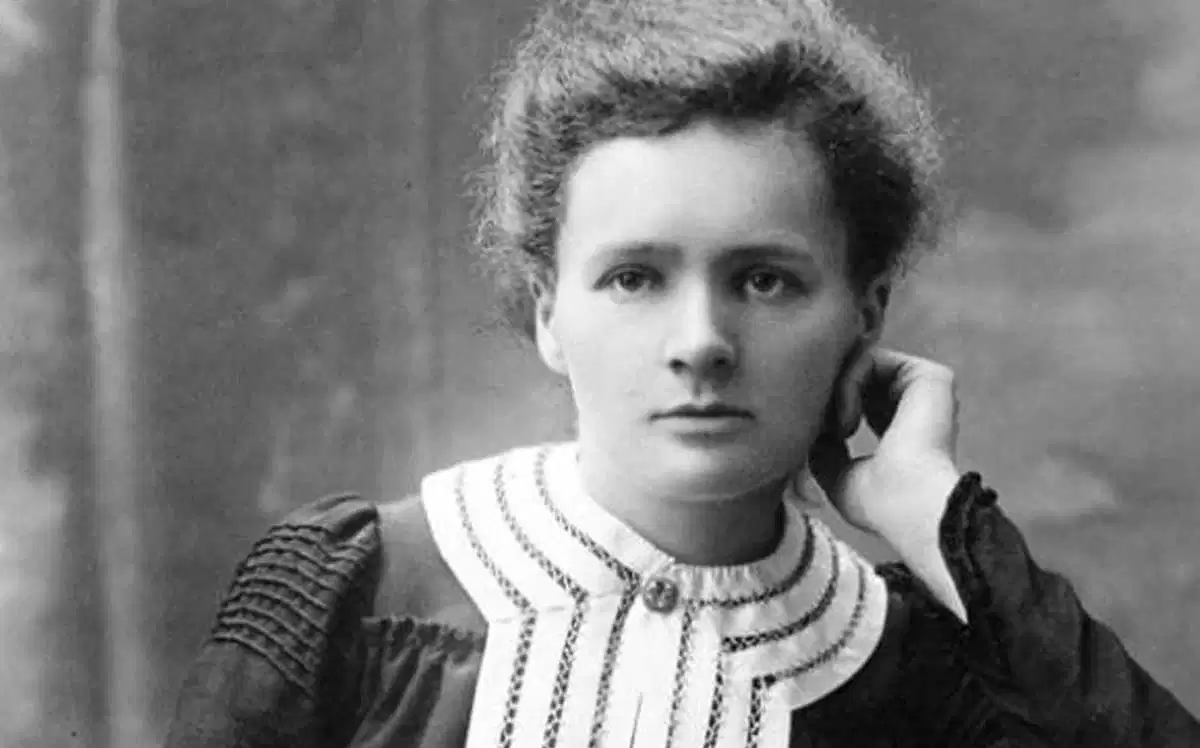
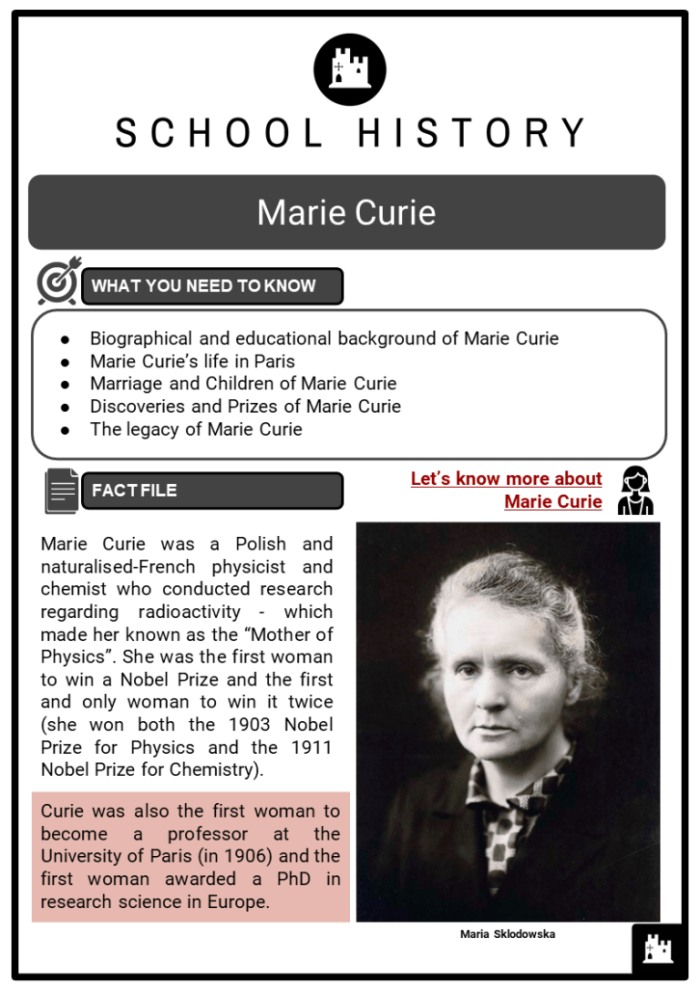
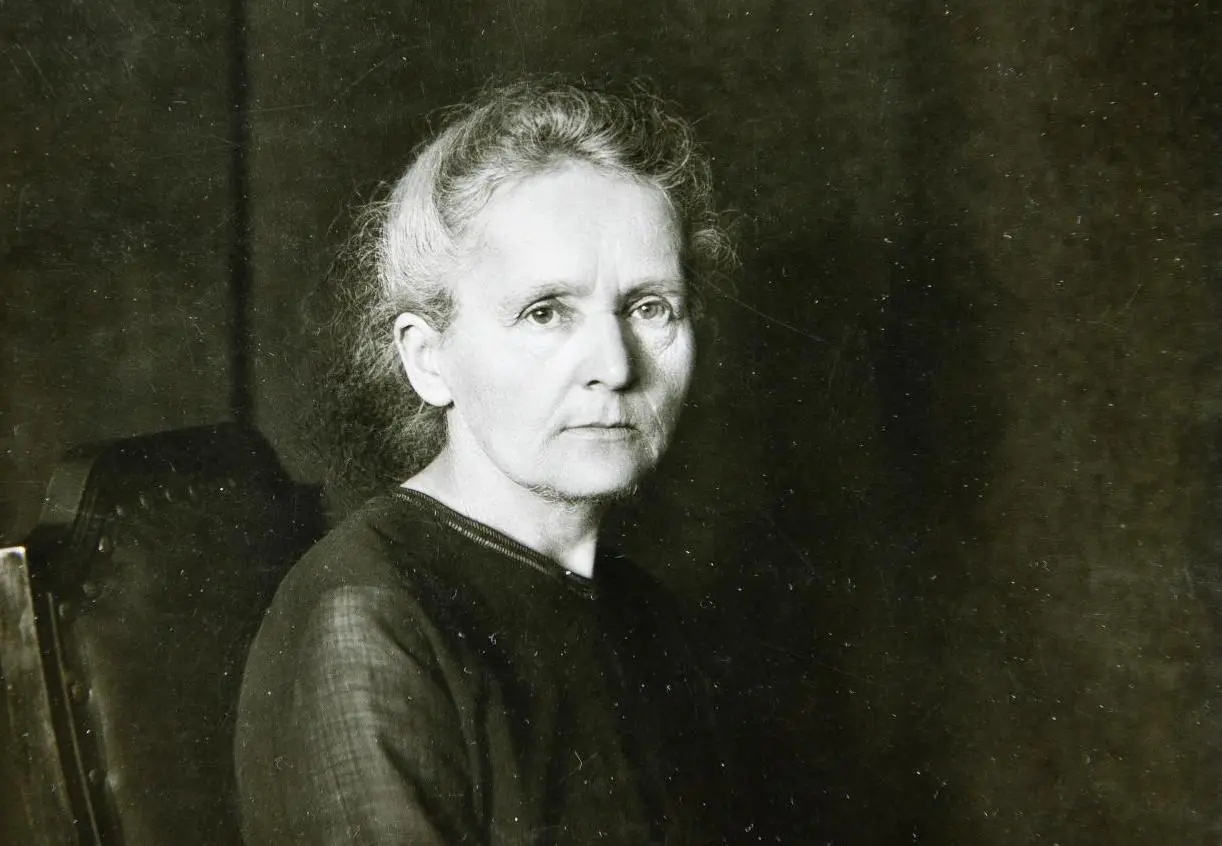
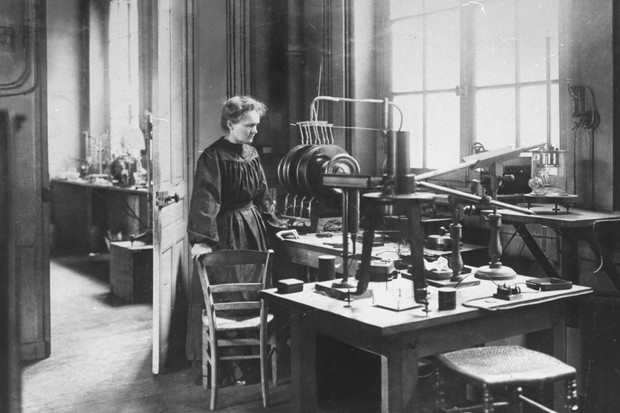
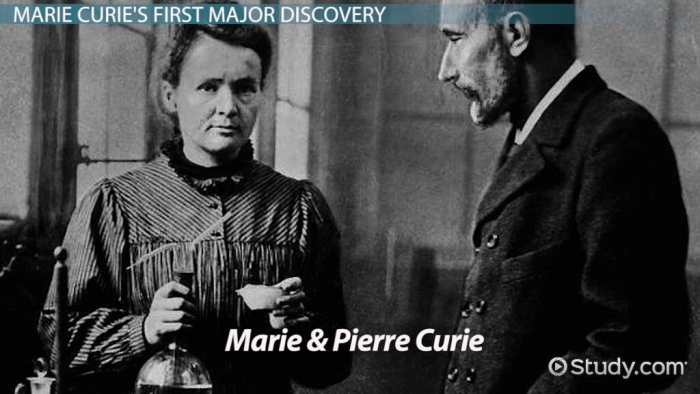
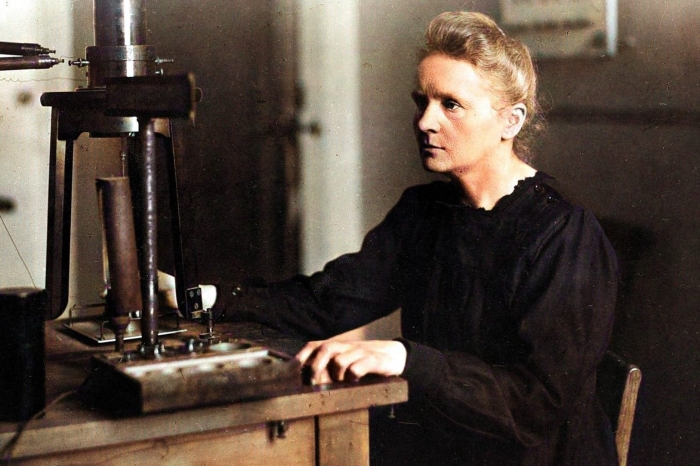
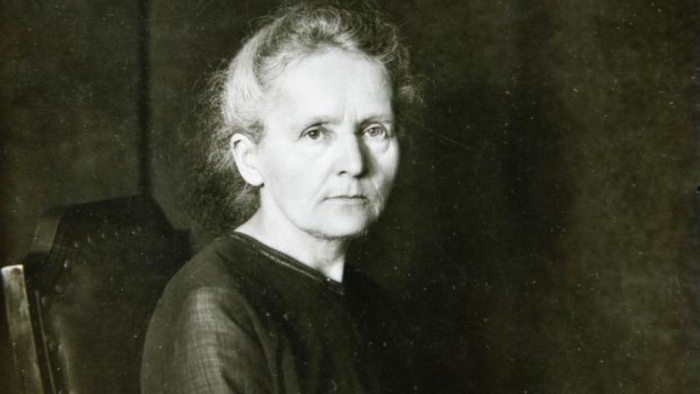
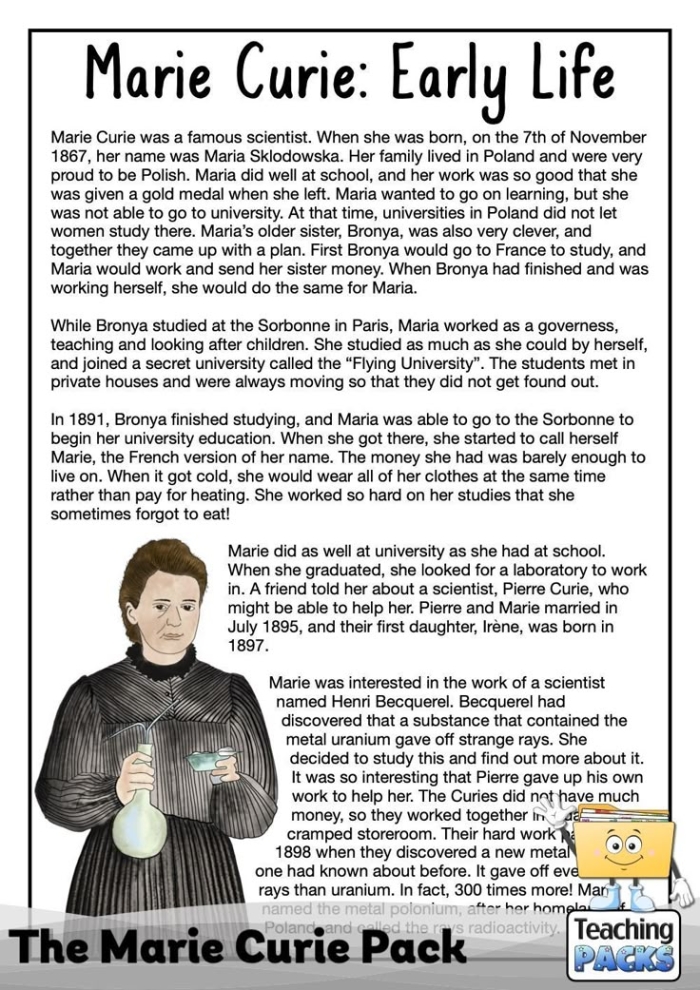
Teaching kids how to read effectively involves more than just encouraging them to pick up a book. One essential skill is learning how to identify and track important details in the text. This is particularly important in a subject like history, where understanding the contributions of figures like Marie Curie can spark curiosity and deepen comprehension. By guiding young readers in how to underline key information, we equip them with tools to focus on what truly matters in the material.
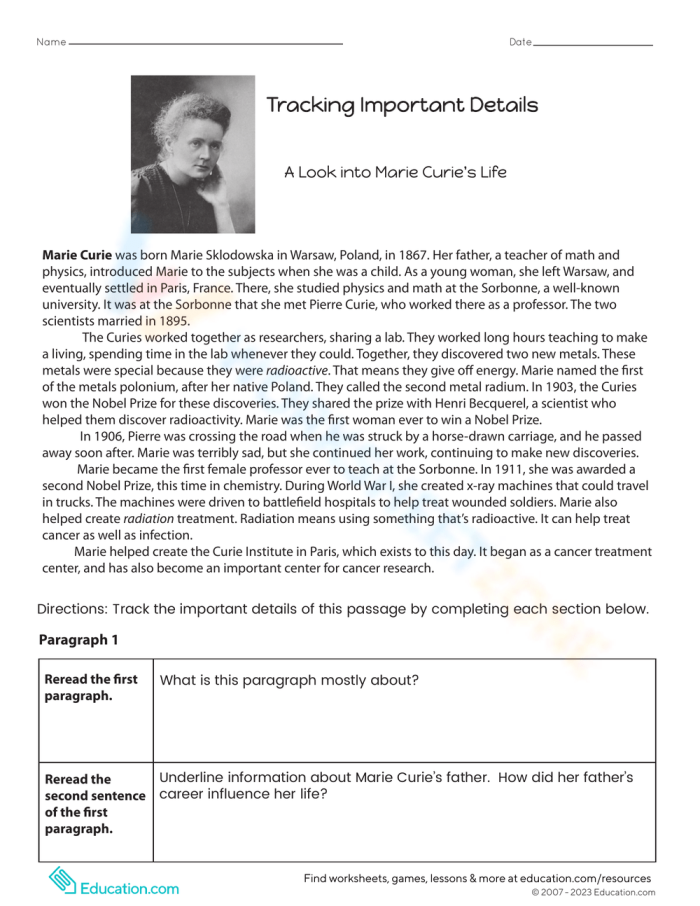
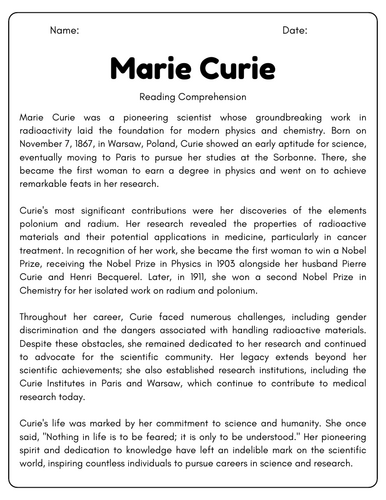
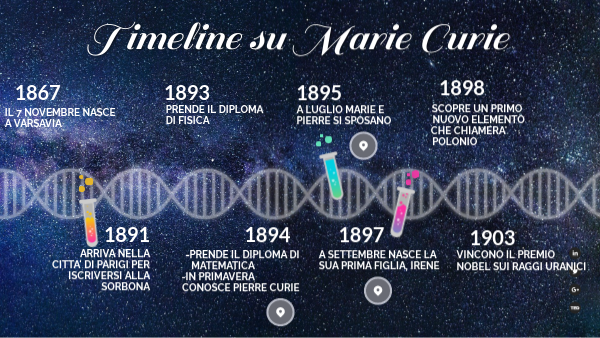
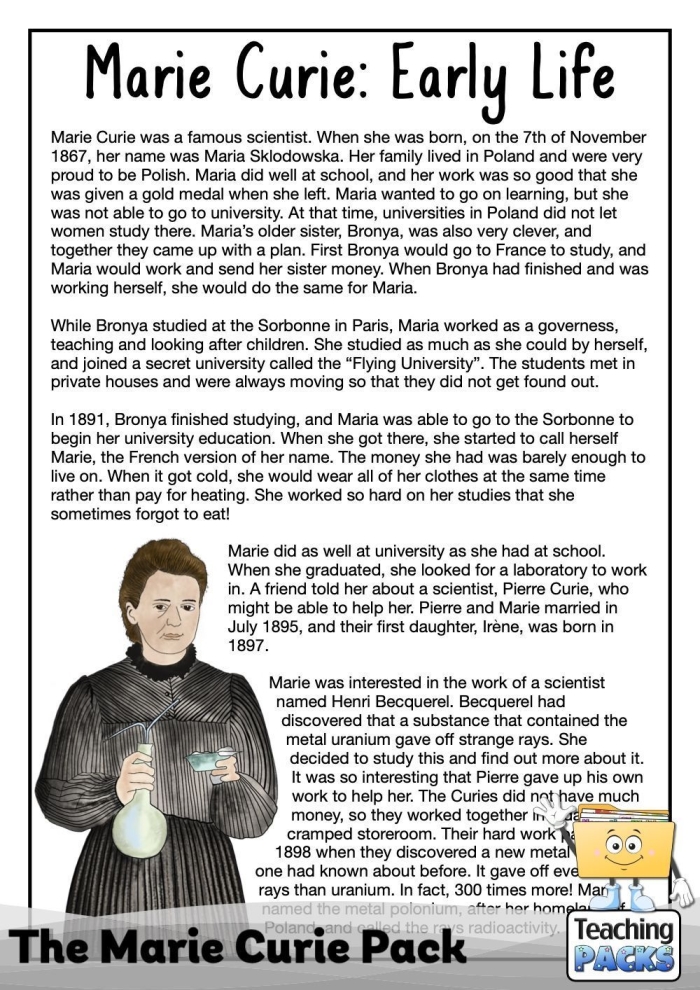
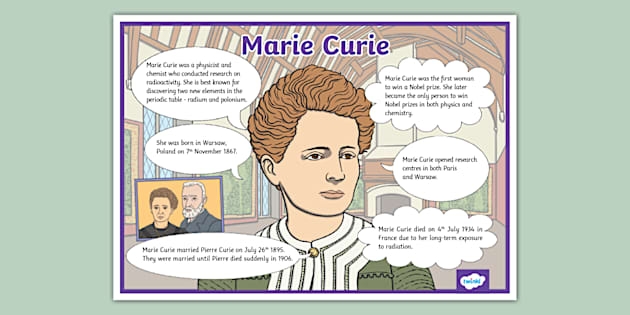
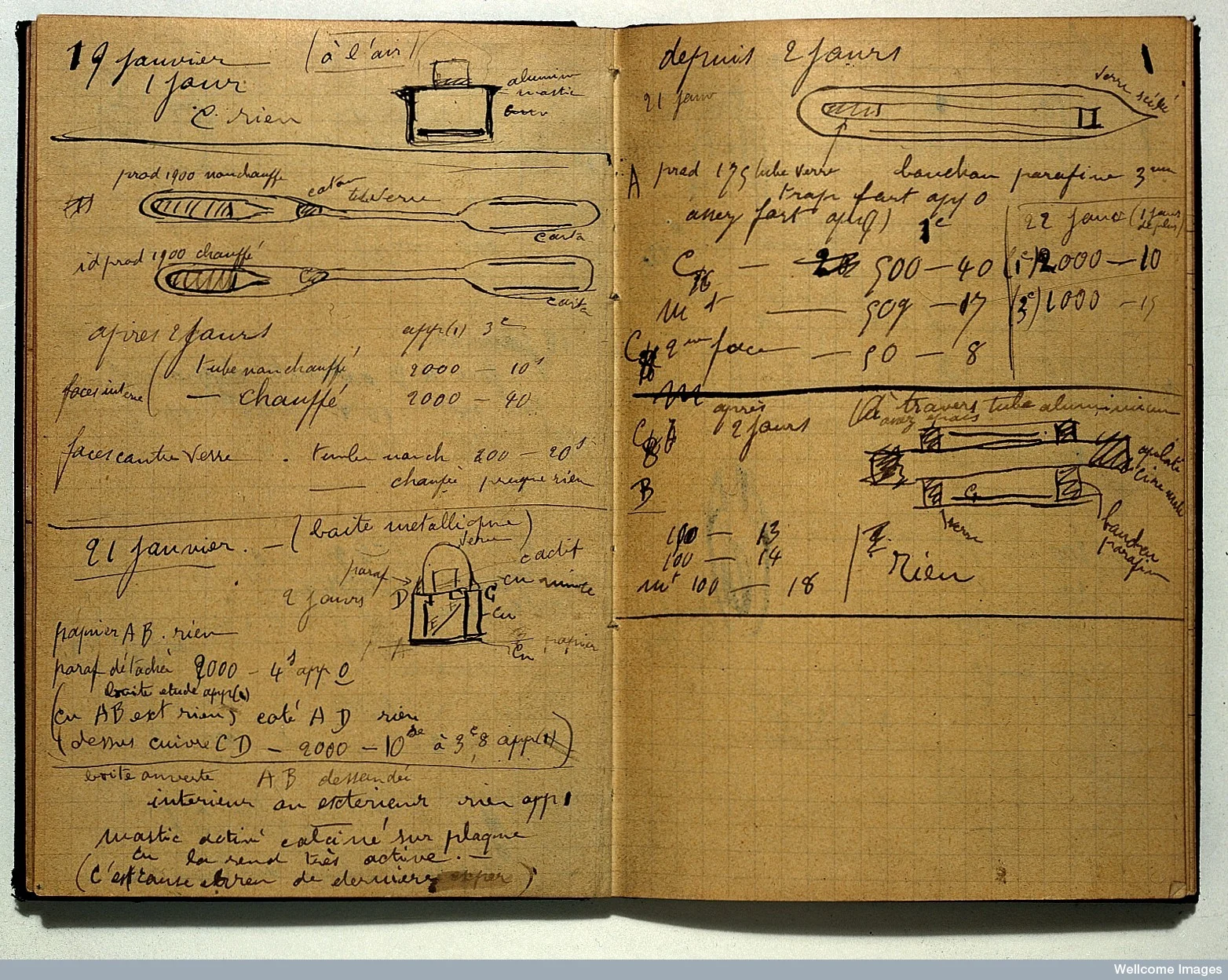
Underlining while reading is a simple yet powerful technique. It helps readers focus on significant points, making it easier to recall information later. For instance, when studying Marie Curie’s groundbreaking work in radioactivity, students can underline details about her discoveries, achievements, and challenges. This not only aids retention but also encourages them to engage with the text on a deeper level.
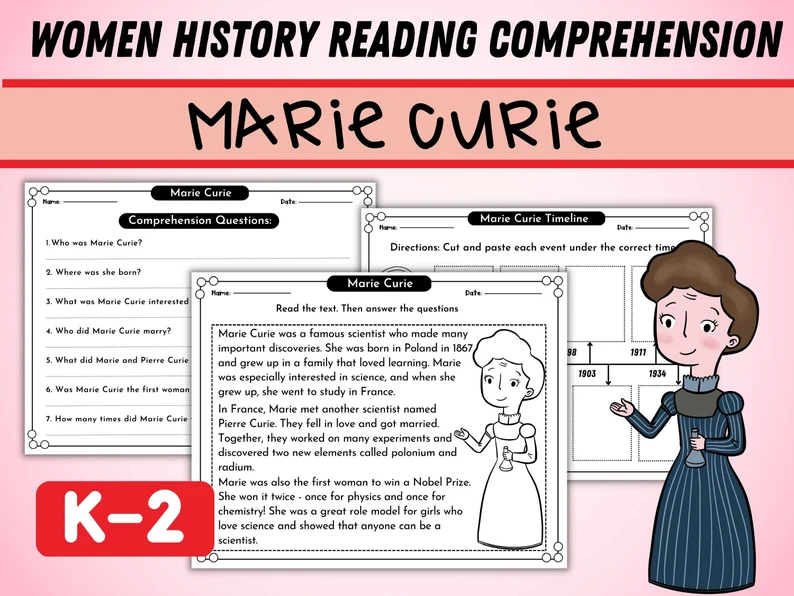
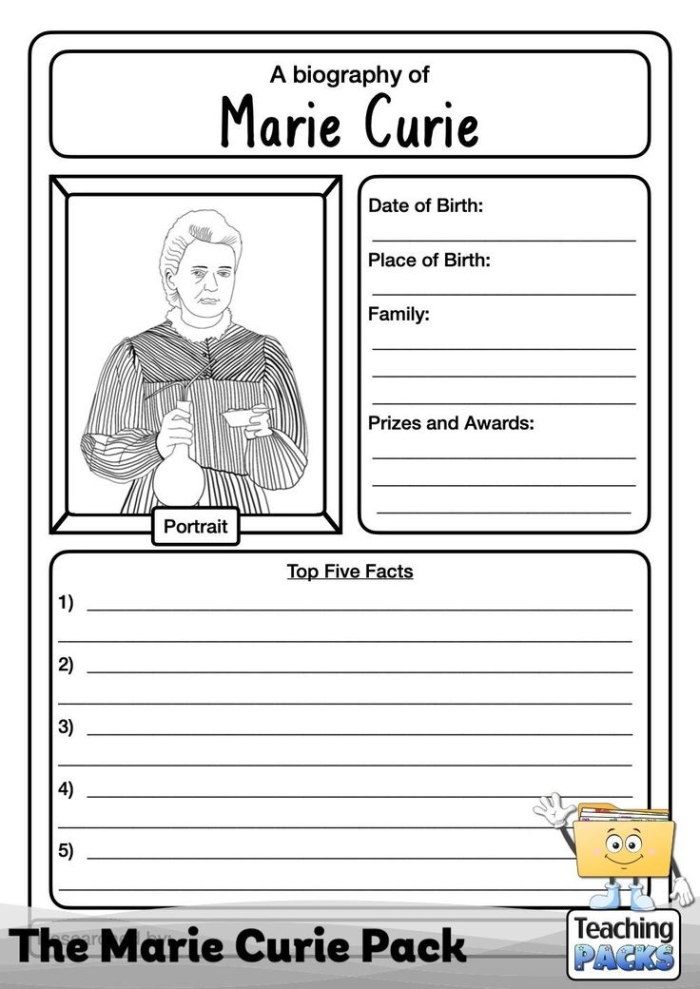
To implement this in a classroom setting, educators can introduce activities that promote underlining as a method of tracking key details. A great example is using worksheets that highlight important facts about historical figures. You might consider using worksheets focused on the main idea or reading logs that encourage students to practice this skill. As they underline, they can also jot down questions or thoughts in the margins, fostering a dialogue with the text.
Ultimately, teaching kids how to underline effectively is about helping them find their way through complex information. By focusing on key details, such as those in the life of Marie Curie, students not only learn about history but also develop critical reading skills that will benefit them across all subjects, including math, as seen in multiplication worksheets or fraction activities. This approach cultivates curiosity and enhances their overall learning experience, ensuring they become more thoughtful and engaged readers.
Try These Printable Worksheets