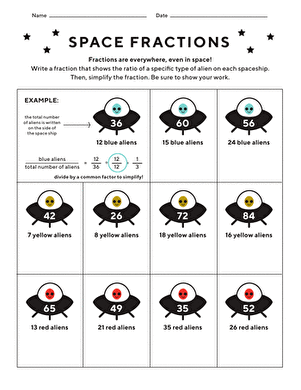
When fourth grade students tackle space-themed math problems, they’re actually building a foundation for understanding proportional relationships that extend far beyond the classroom. Writing fractions to represent ratios of celestial objects teaches a concrete skill: taking real-world information and translating it into mathematical language.
The process begins with observation. A student might count planets in our solar system, moons orbiting Jupiter, or stars visible in a particular constellation. If there are eight planets and three are rocky terrestrial planets, students write the fraction 3/8 to show that ratio. This isn’t abstract—they’re working with actual astronomical facts that spark curiosity about space itself.
Simplification comes next, and this is where the learning deepens. A student discovers that 3/8 cannot be reduced further because 3 and 8 share no common factors. But if they were comparing, say, 4 asteroids to 8 total objects in a debris field, they’d recognize that 4/8 simplifies to 1/2. Finding the greatest common factor becomes a practical tool rather than a disconnected procedure.
This approach connects history and mathematics in subtle ways. As fourth graders learn about space exploration and astronomy, they’re engaging with humanity’s centuries-long effort to understand the cosmos. When they calculate unit rates with fractions, they’re using methods that mirror how scientists and engineers actually work with data about space missions and celestial measurements.
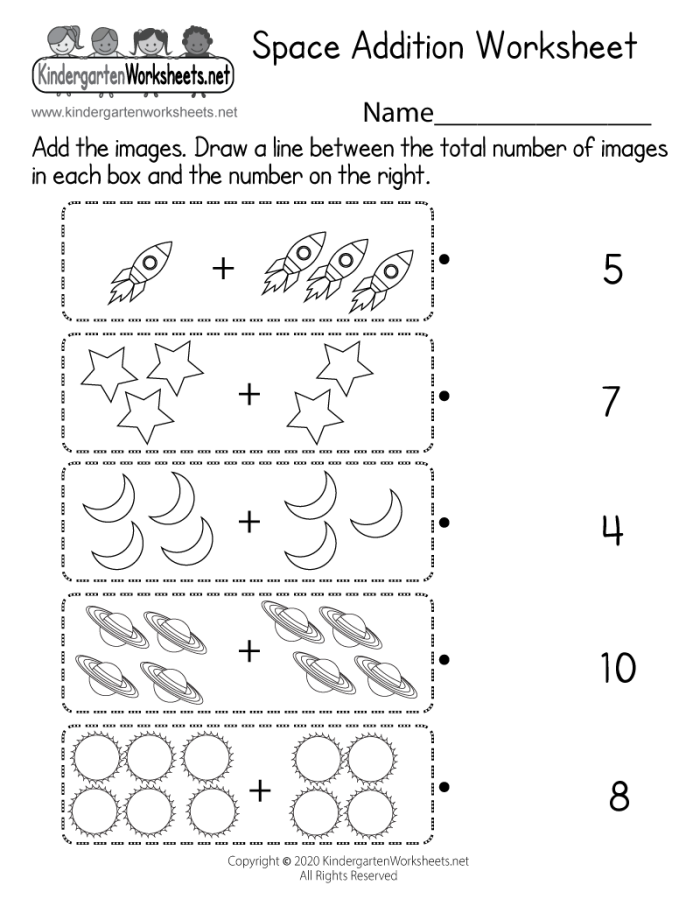
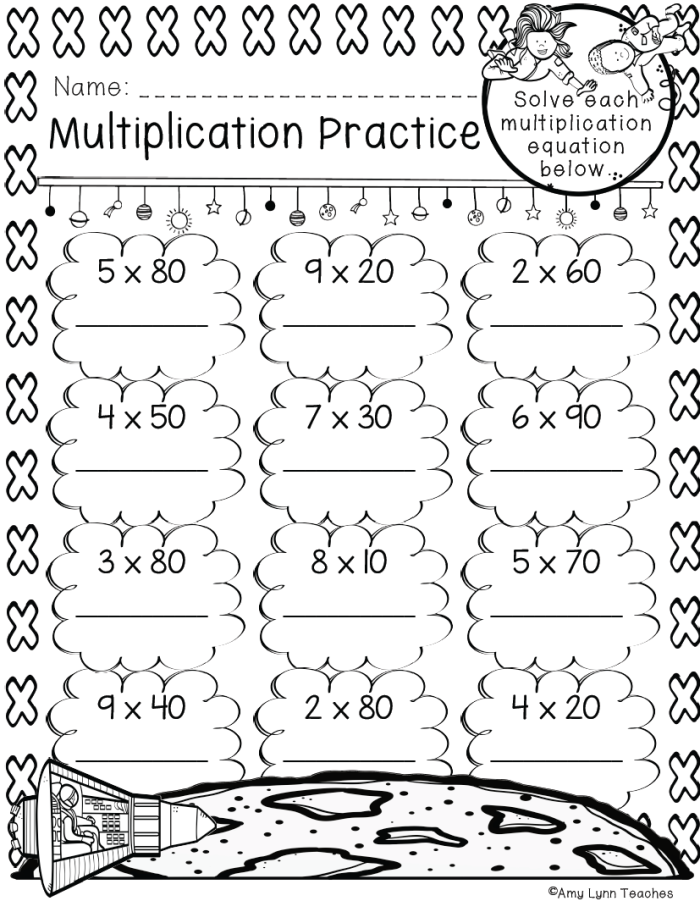
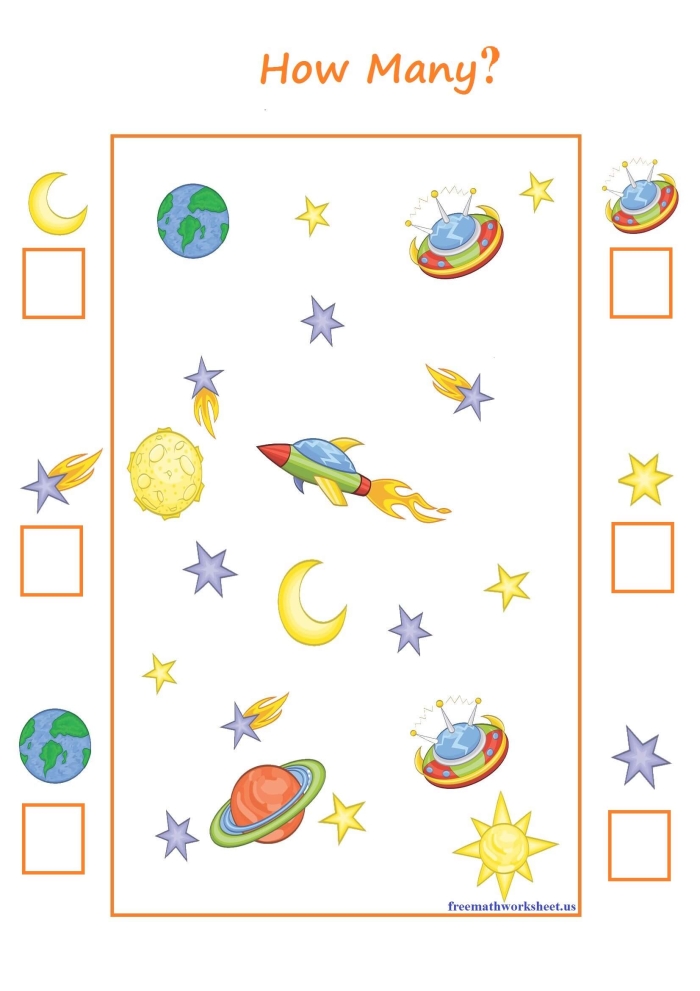
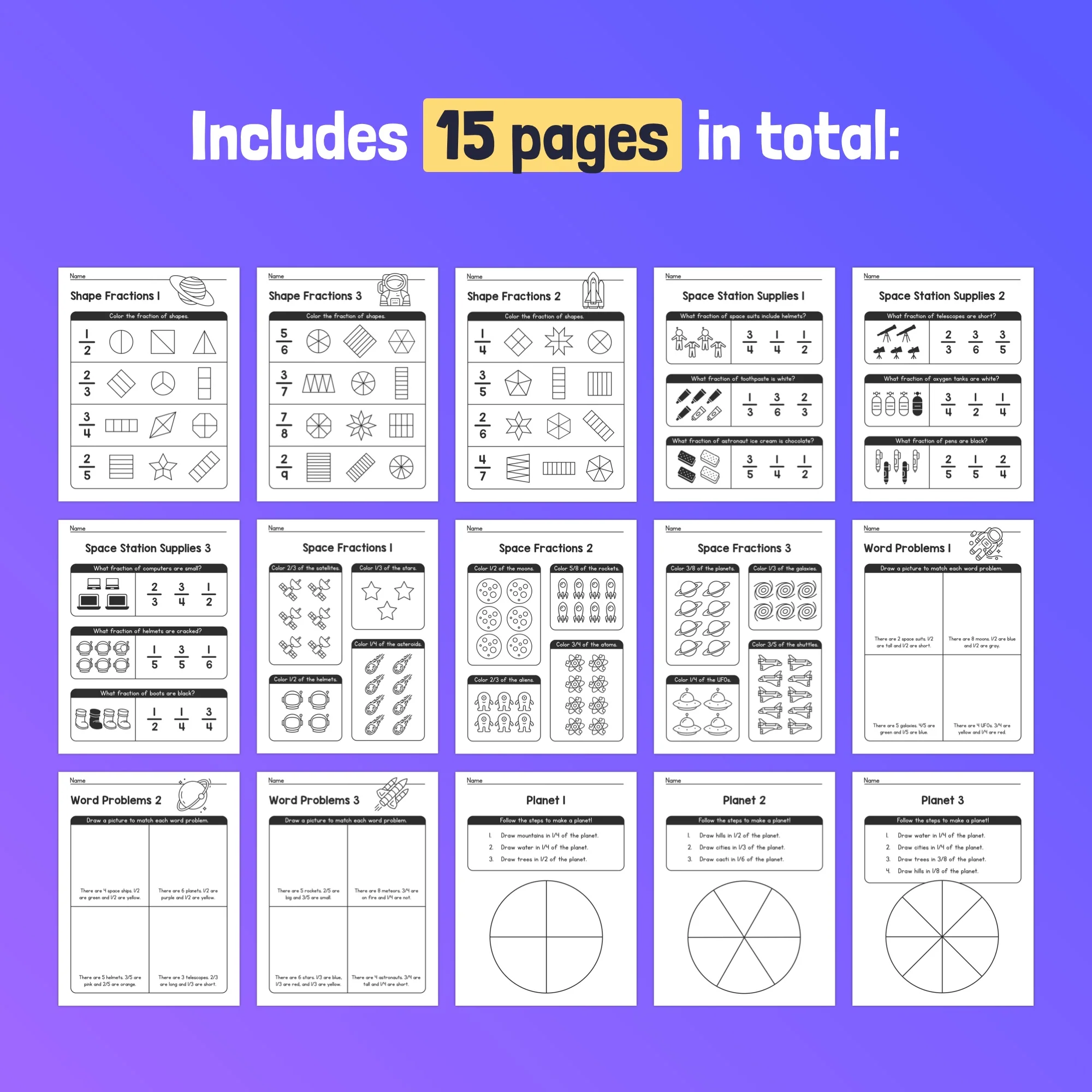
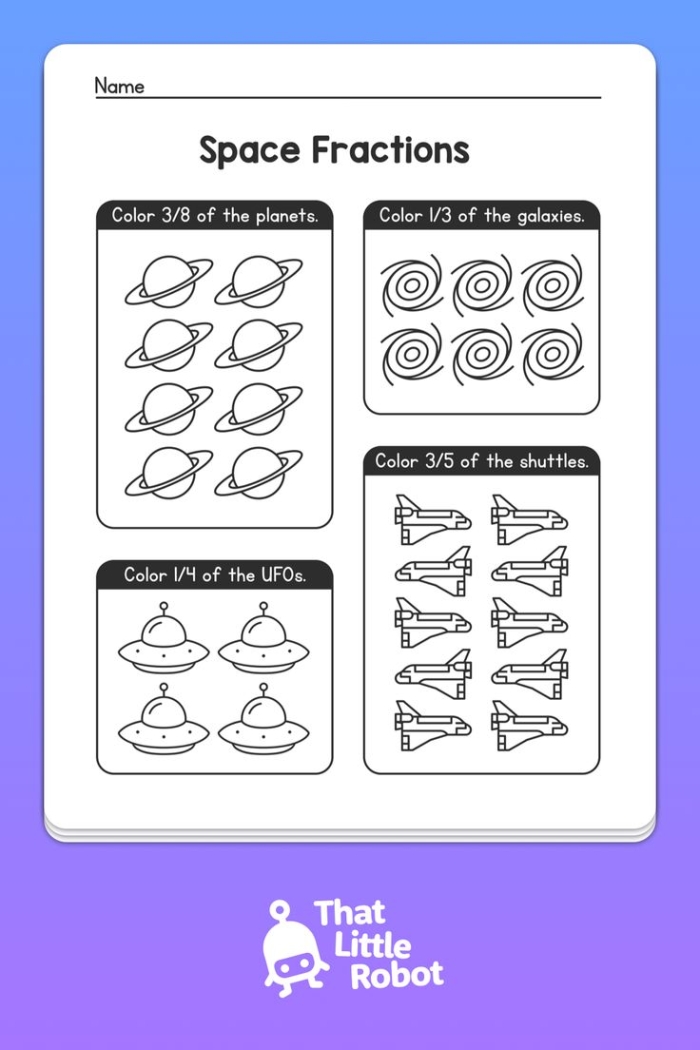
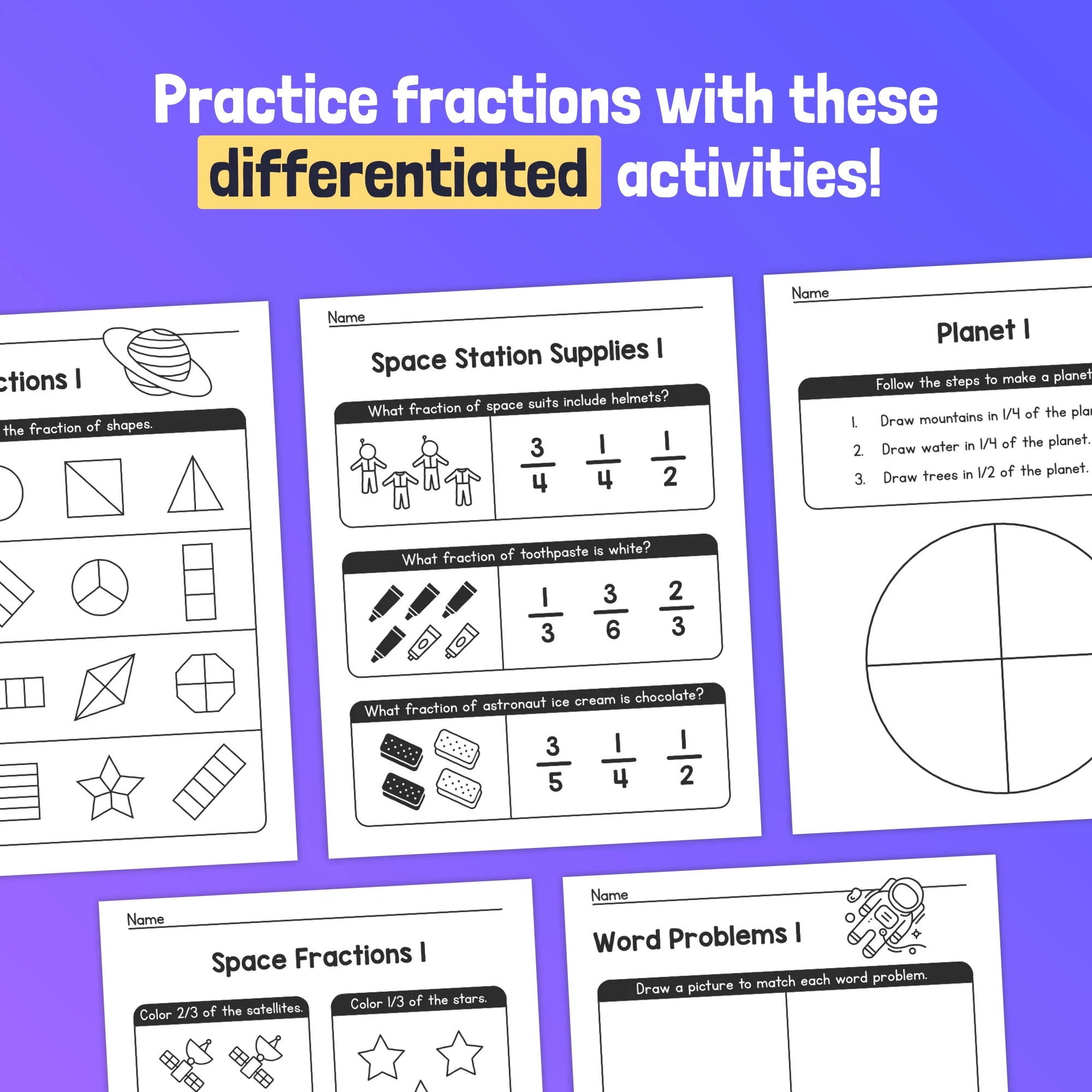
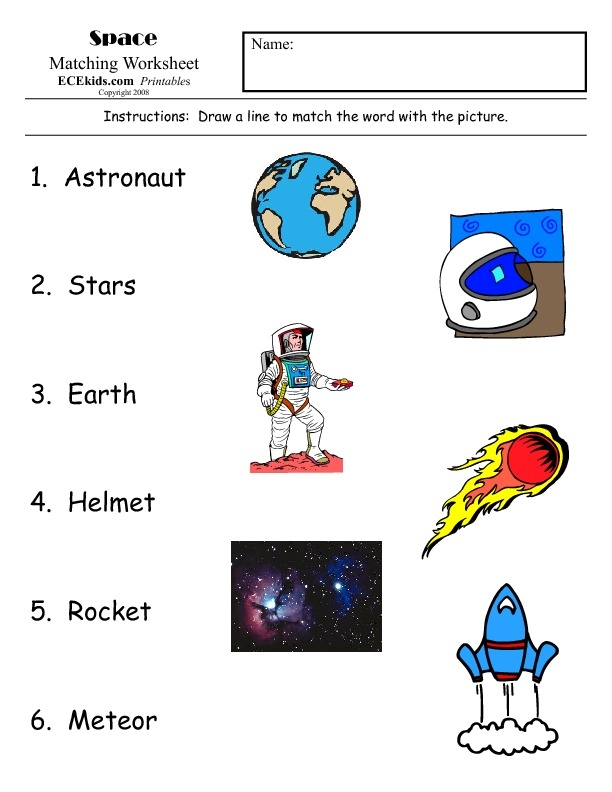
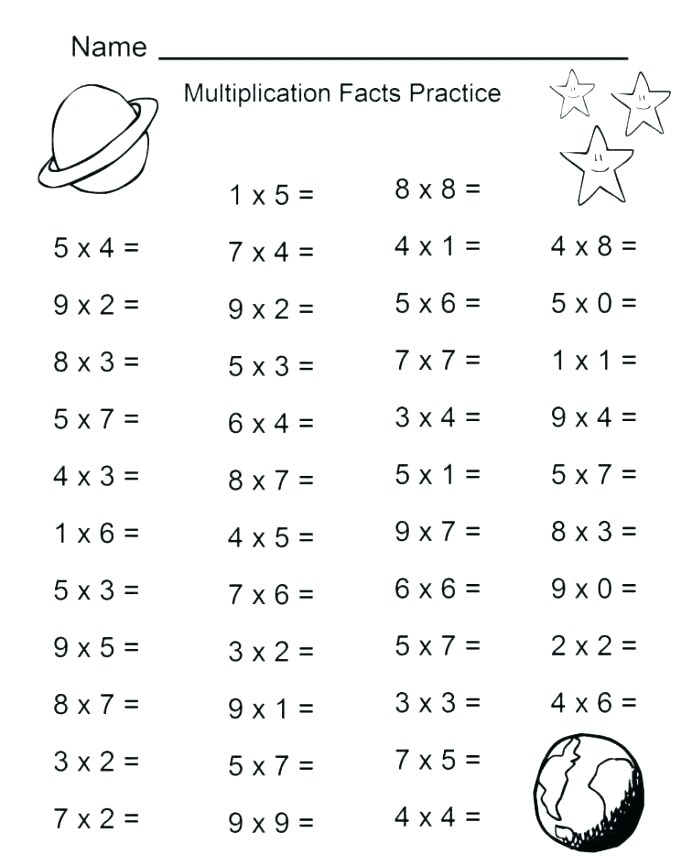
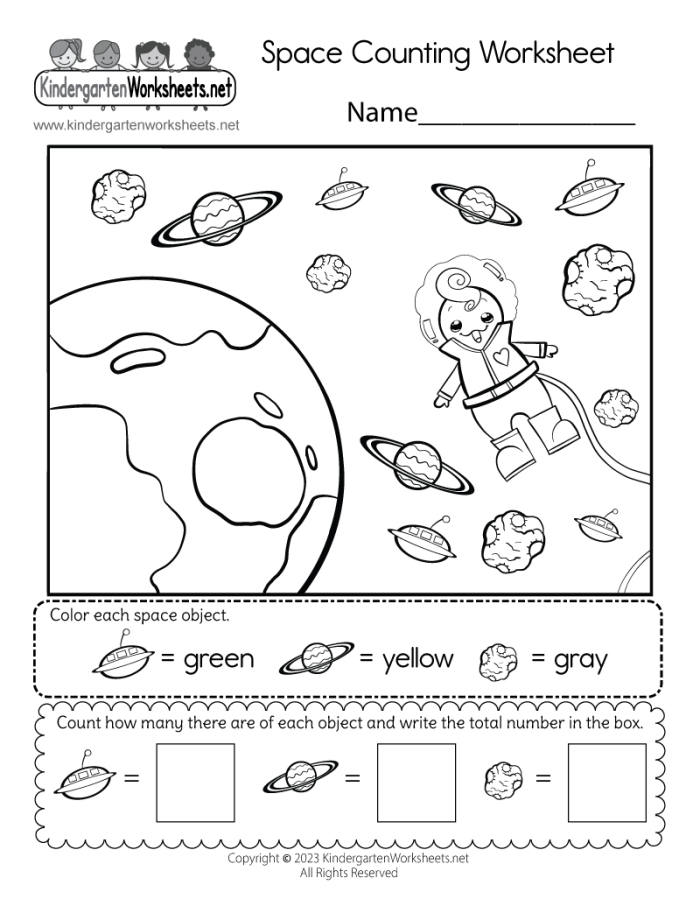
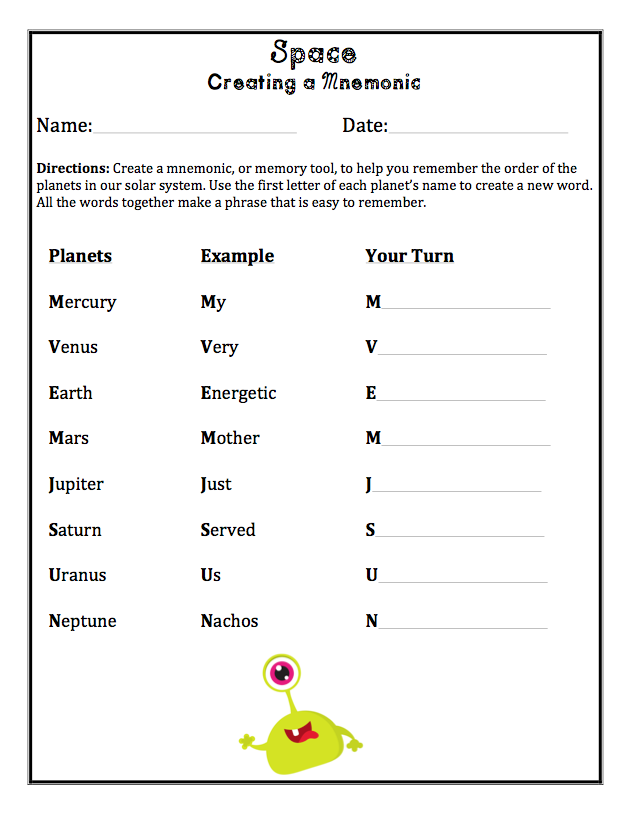
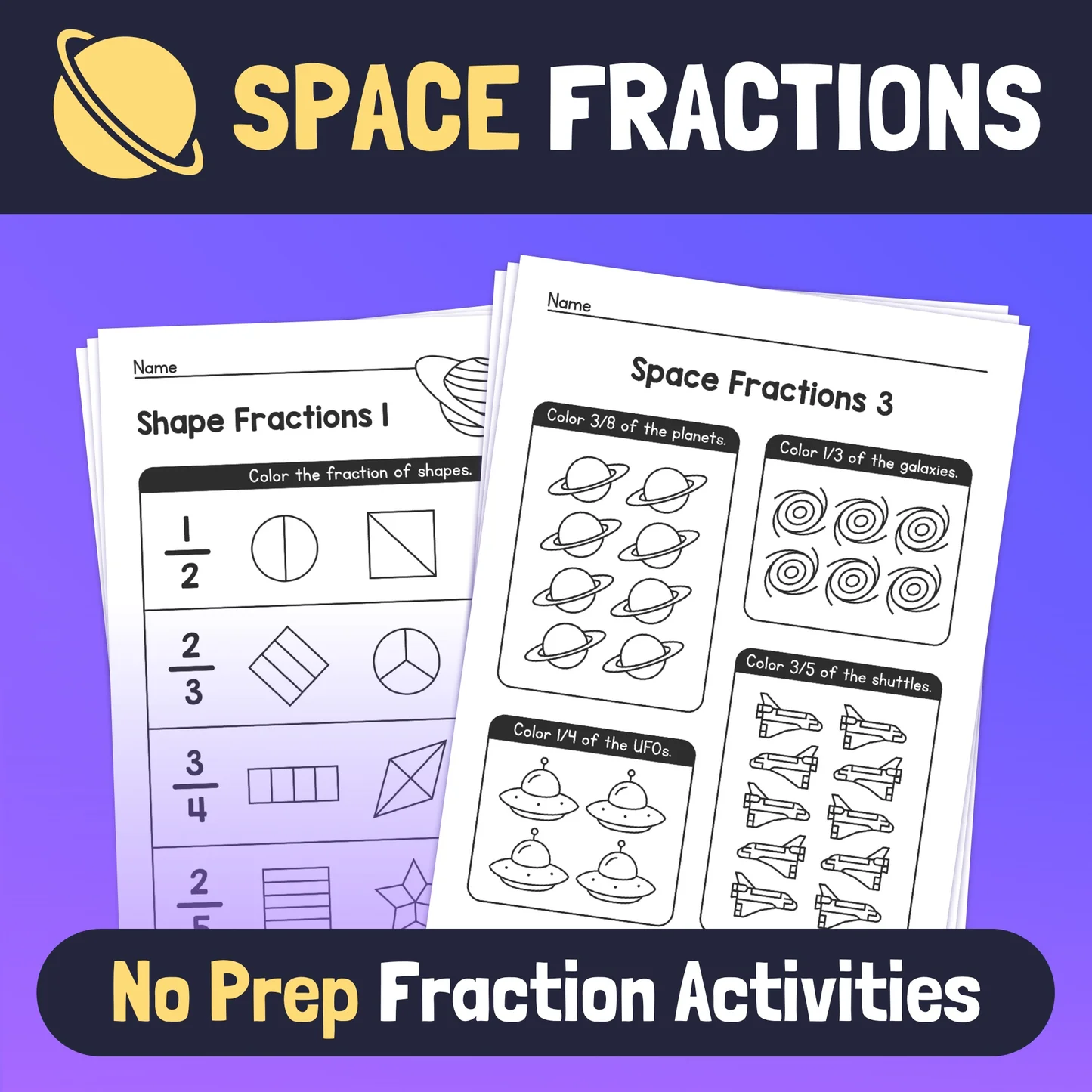
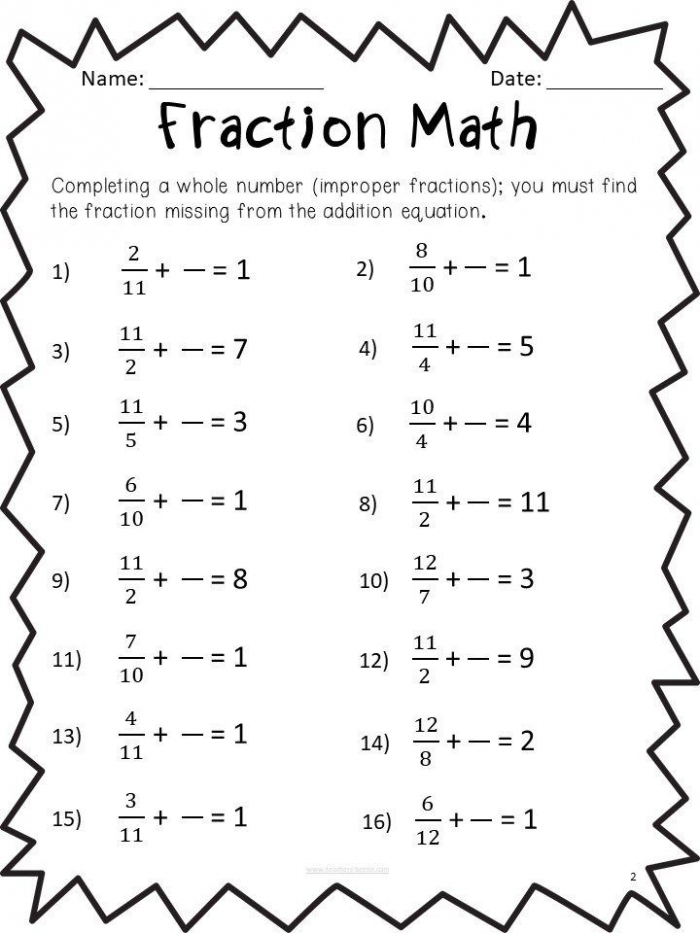
Printable space fractions worksheets make this learning accessible and repeatable. Students benefit from working through multiple examples, building automaticity with simplification while maintaining interest through space-themed contexts. The combination of visual engagement and mathematical rigor creates stronger retention than worksheets featuring generic numbers alone.
Printable Worksheets for Practice