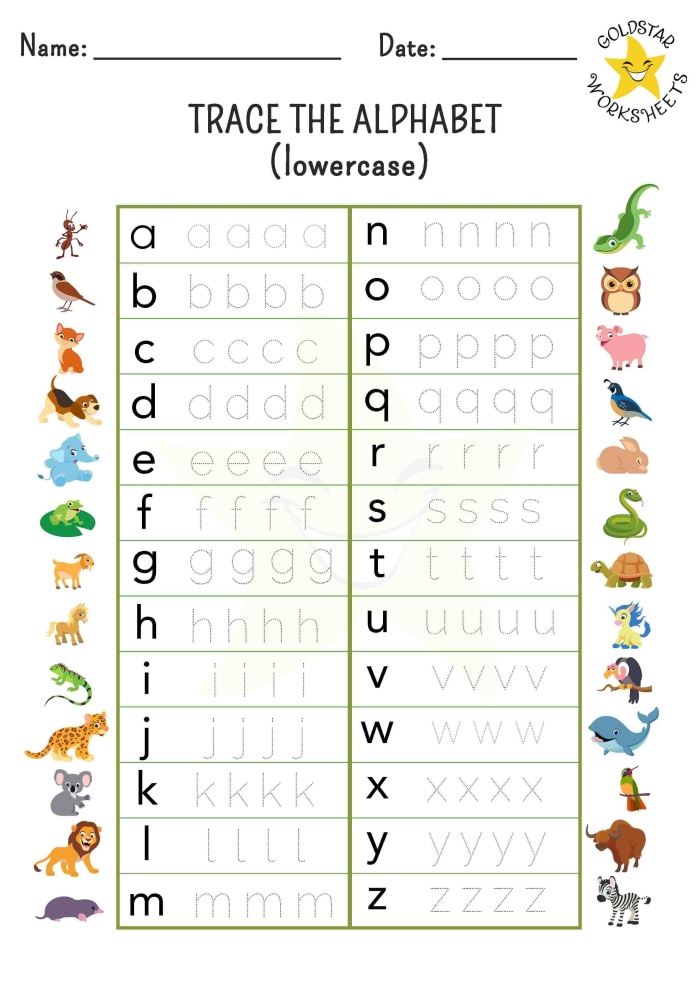
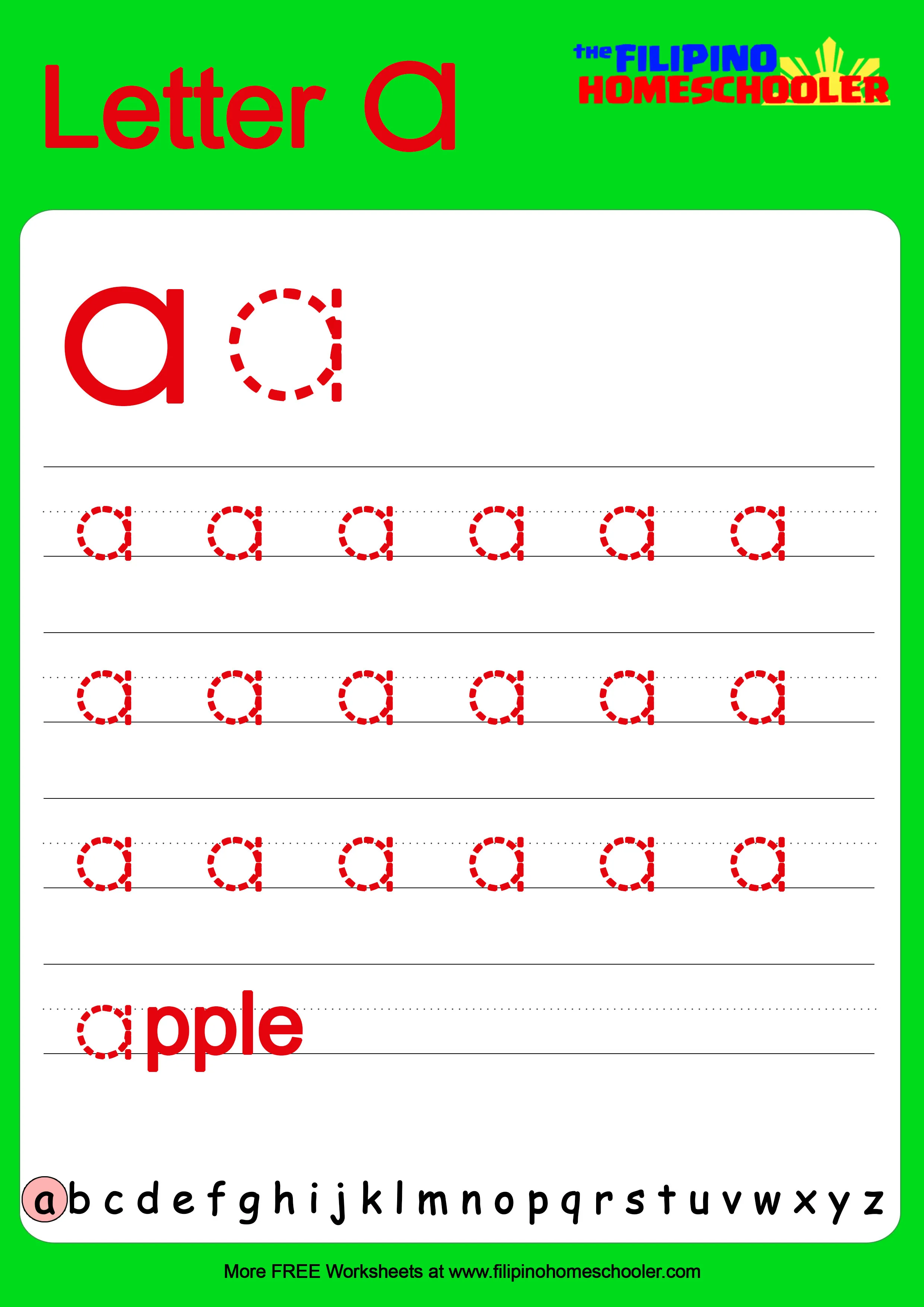
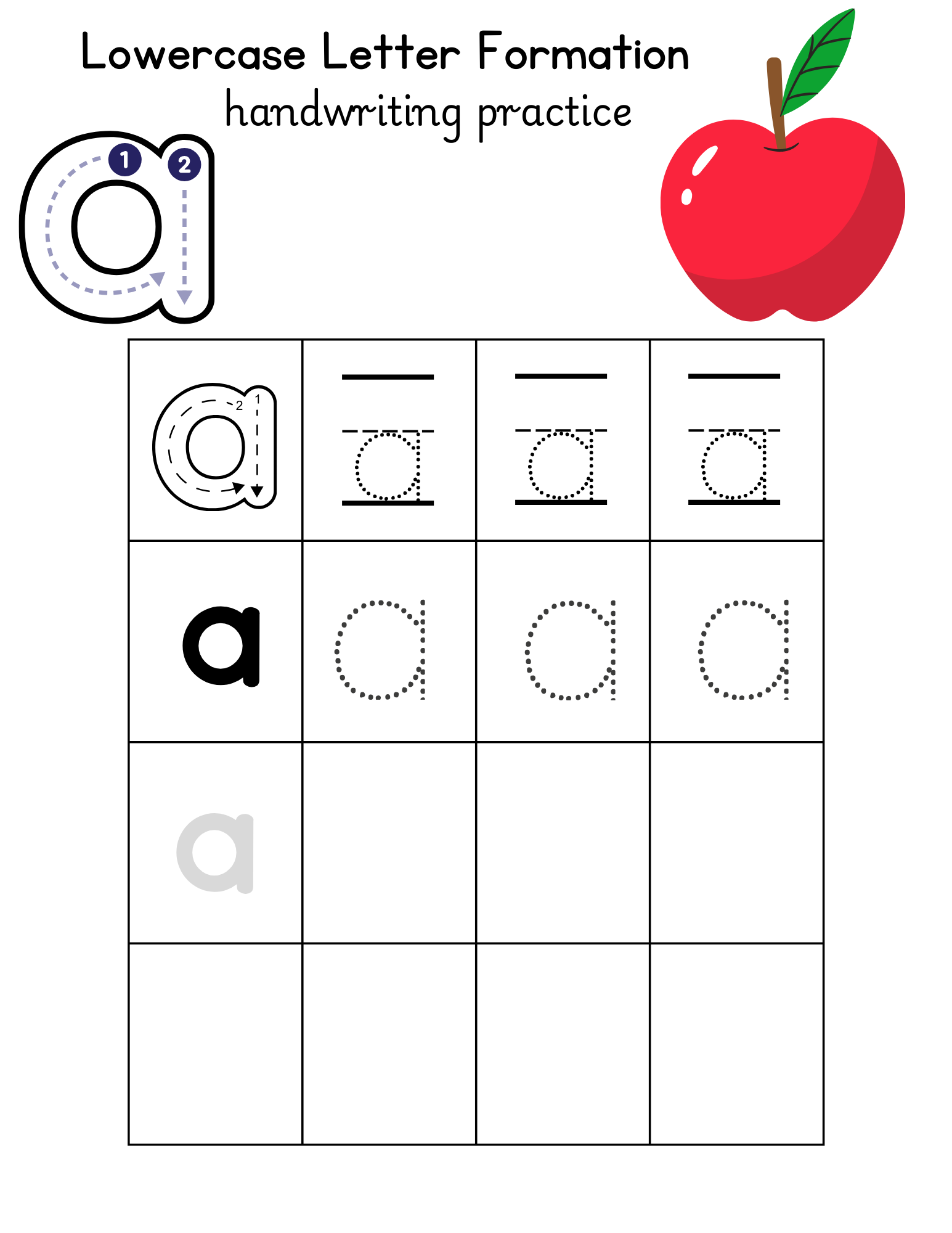
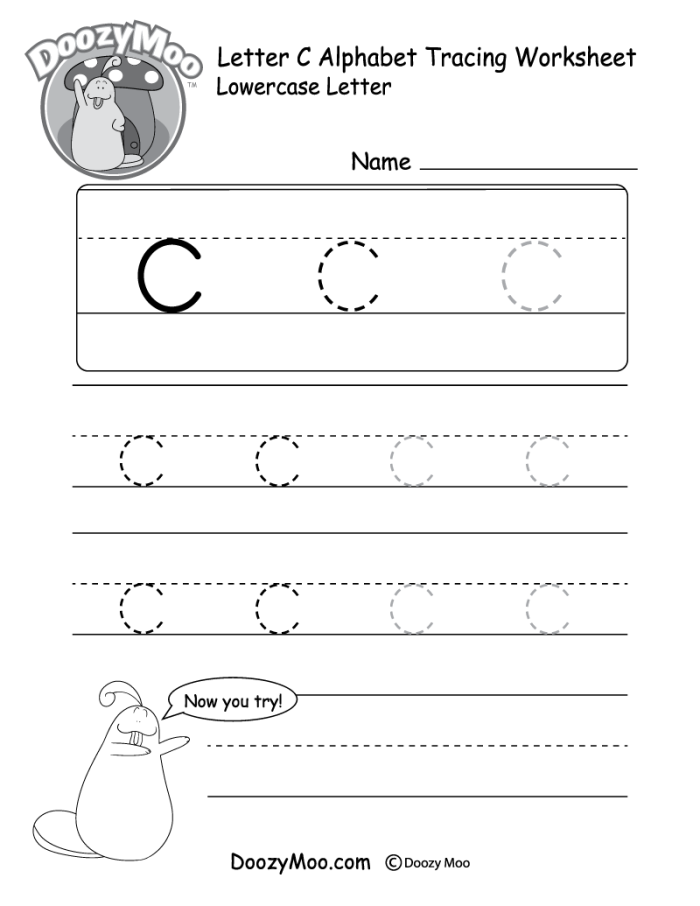
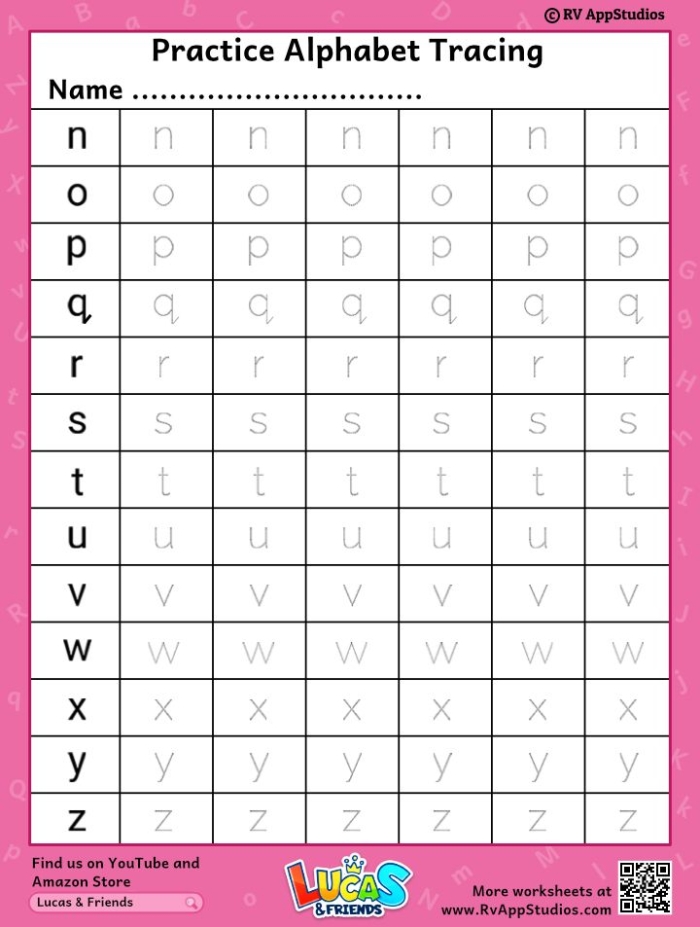
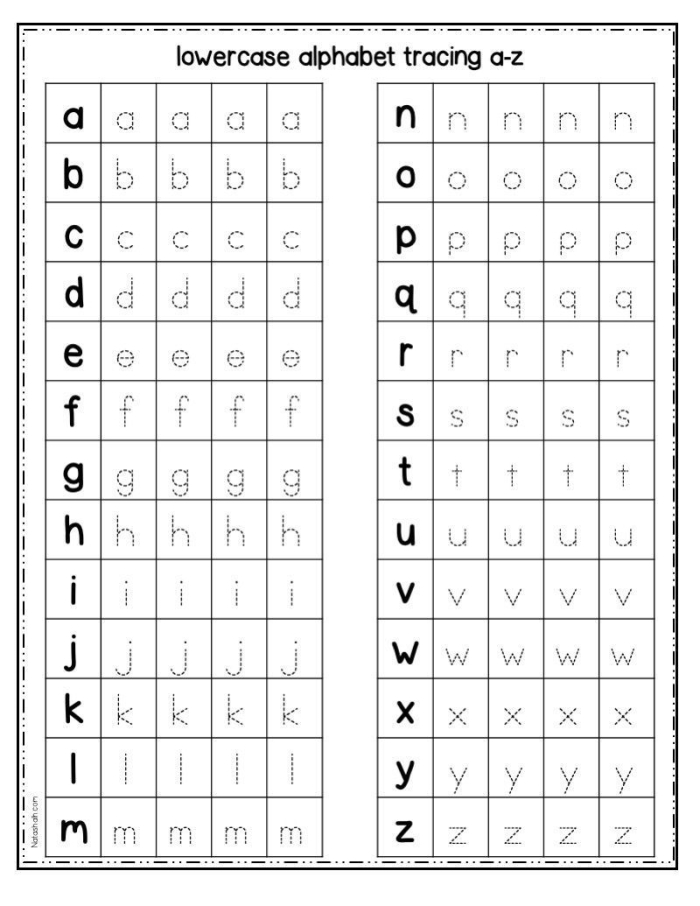
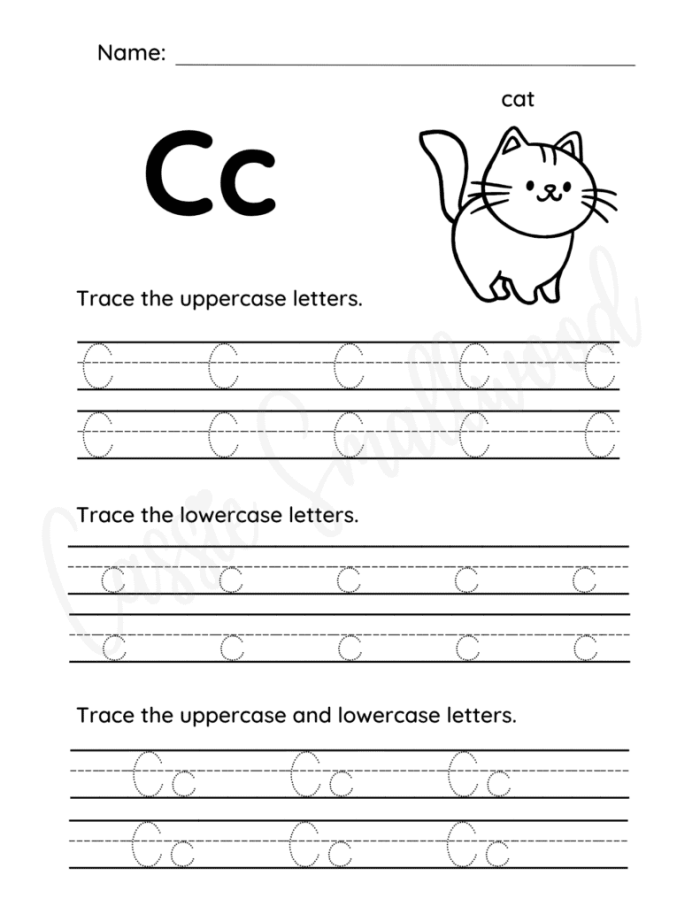
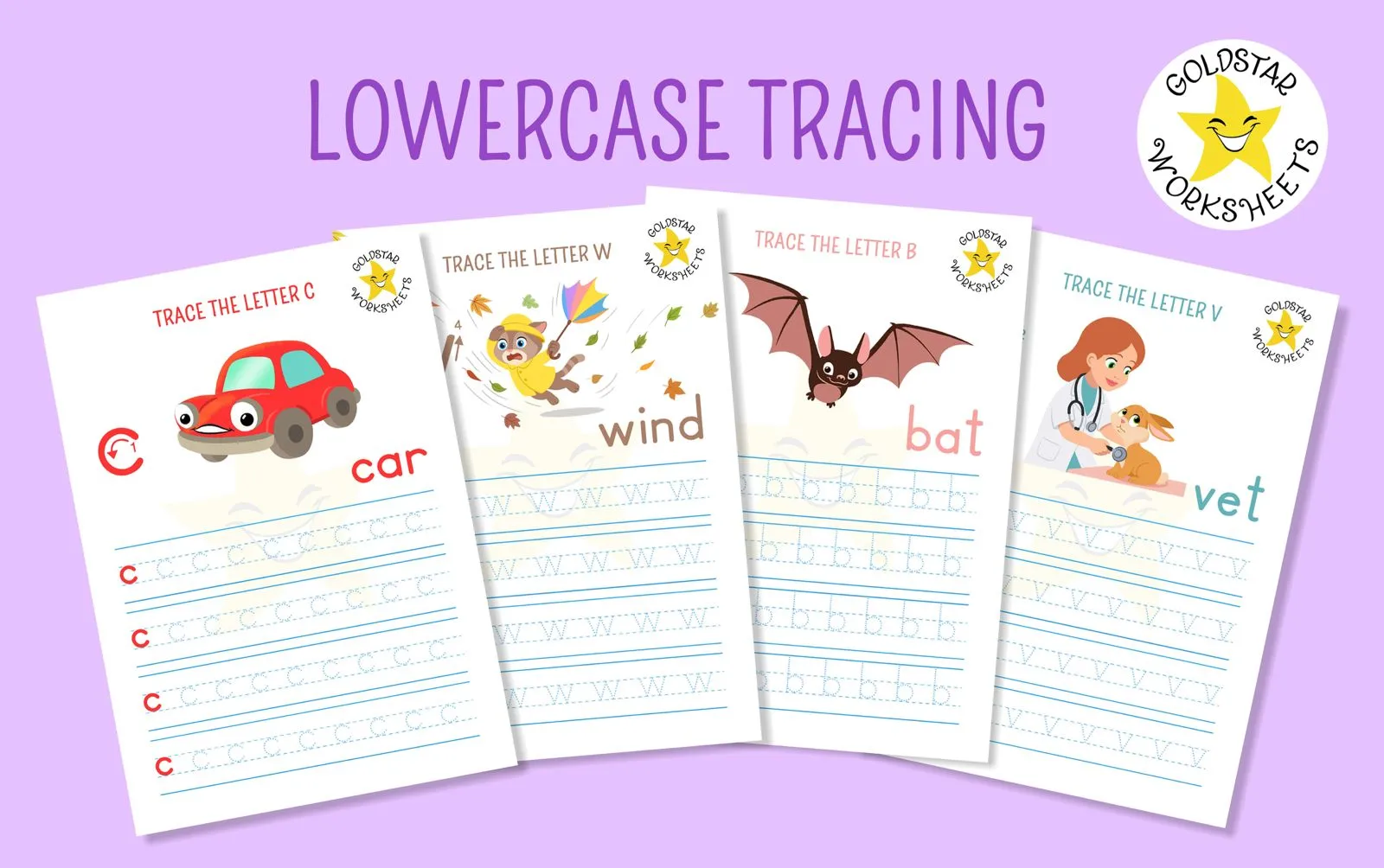
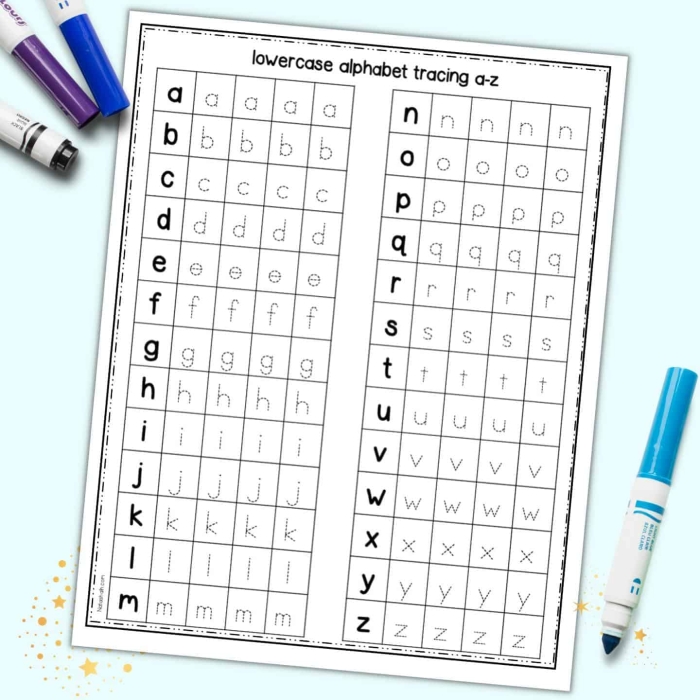
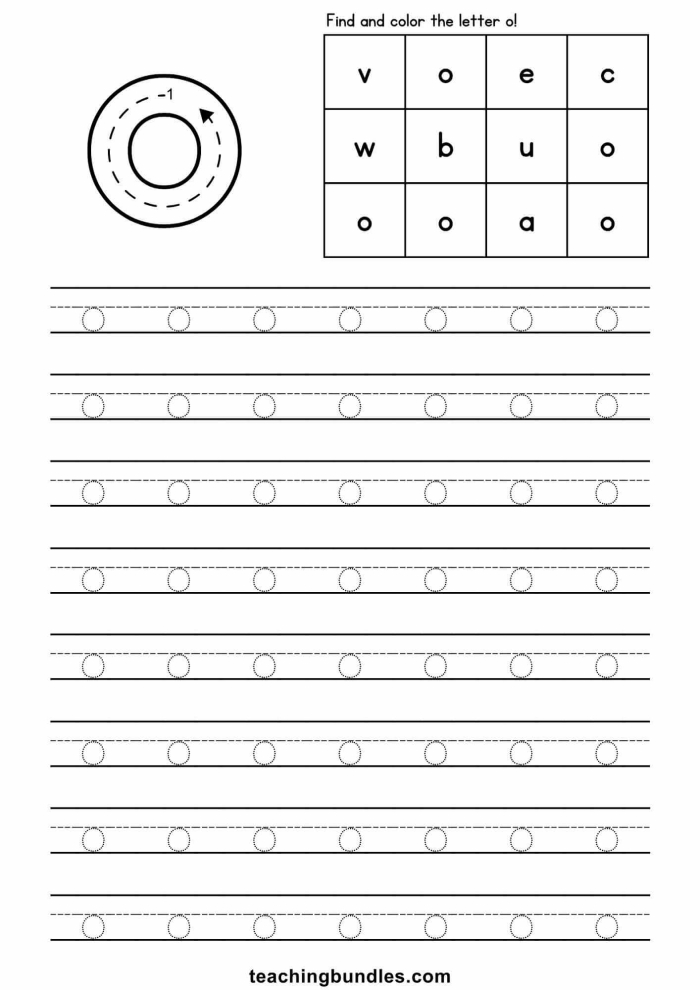
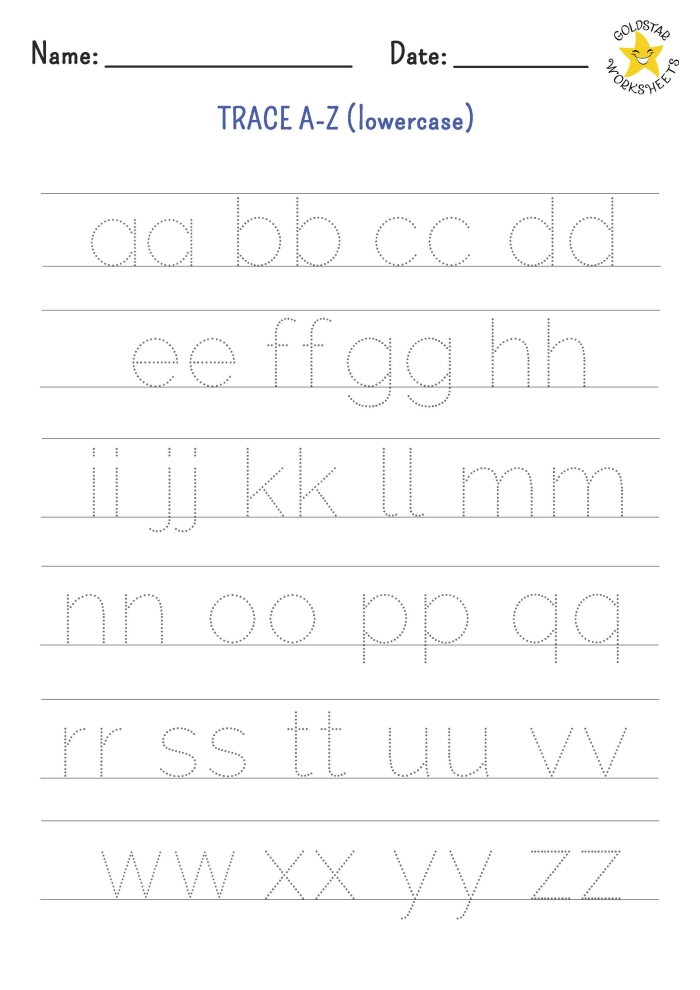
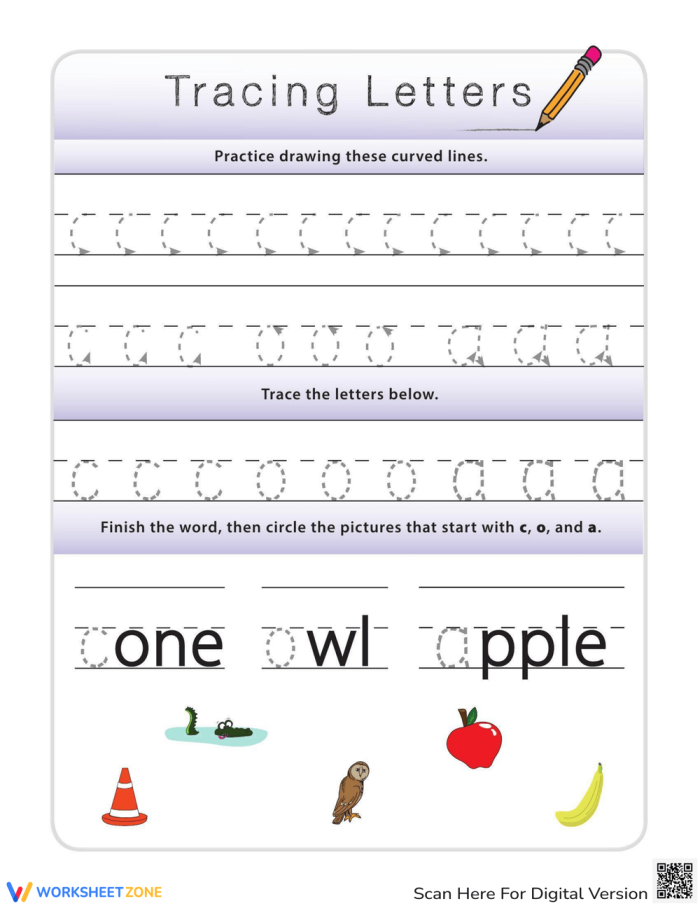
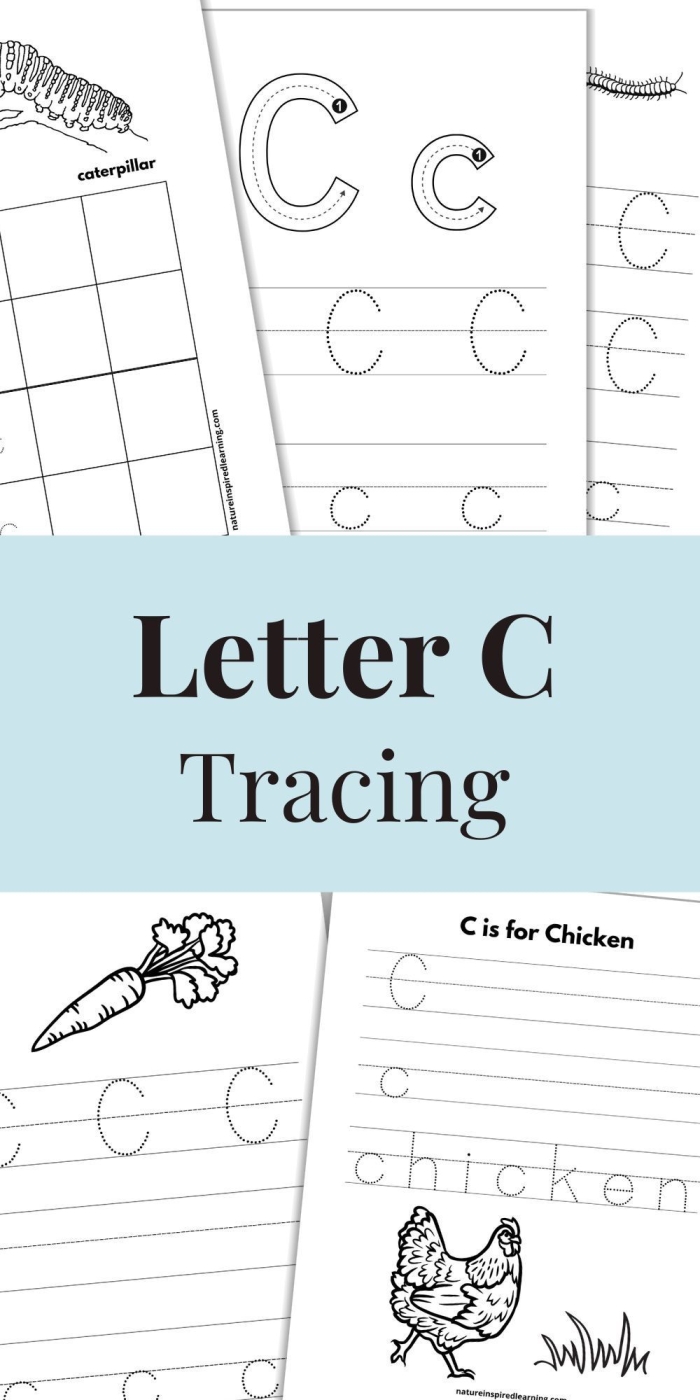
Get your pencils ready, it’s time for handwriting practice. Those curvy lines your child is about to trace might look simple, but they’re building the foundation for confident writing. Pre-K students benefit enormously from tracing activities because the repetitive motion strengthens the small muscles in their hands and fingers, preparing them for the more complex task of forming letters independently.
Curvy lines are where many young learners start their alphabet journey. Before tackling straight strokes, children naturally find curves easier to follow. This is why introducing activities like dot-to-dot alphabet worksheets works so well—they combine the appeal of a picture with the practice of directional control. As your child traces these curves, they’re learning how their hand moves across the page, which direction feels natural, and how to maintain consistent pressure with their pencil.
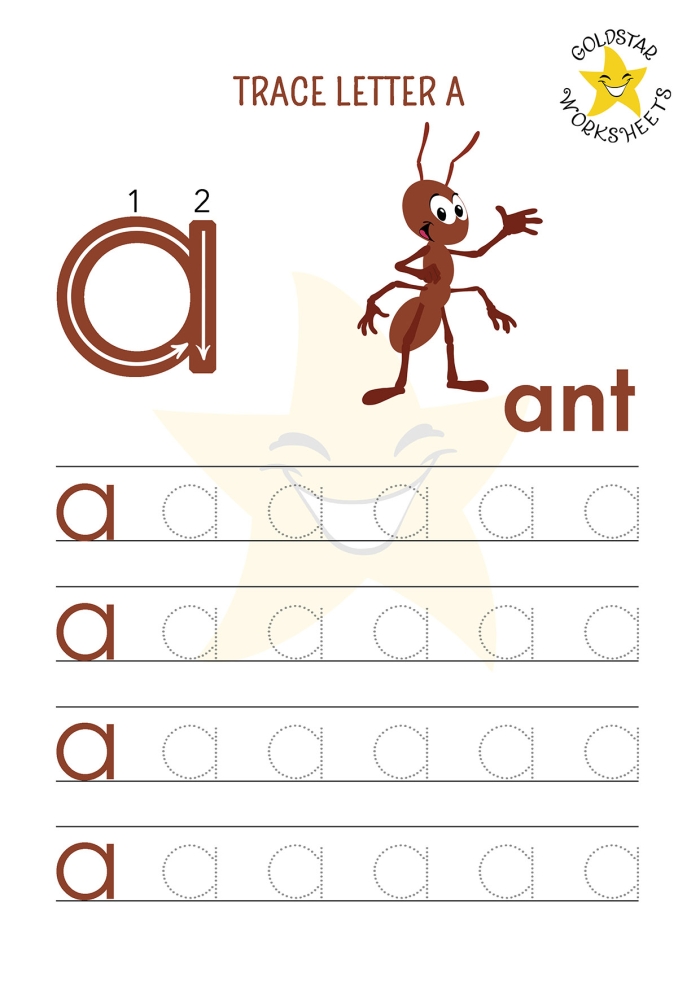
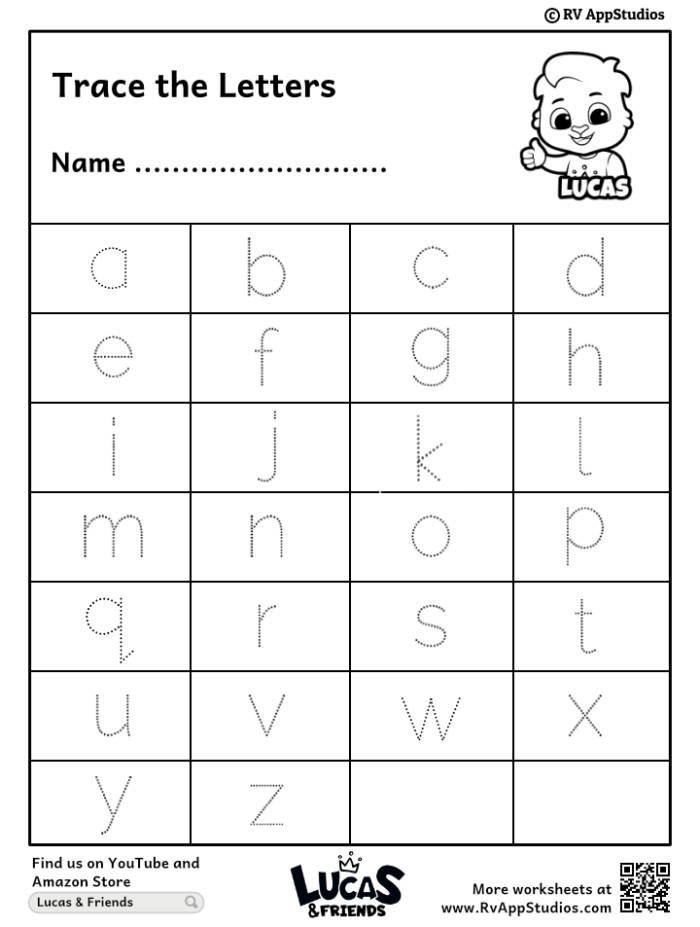
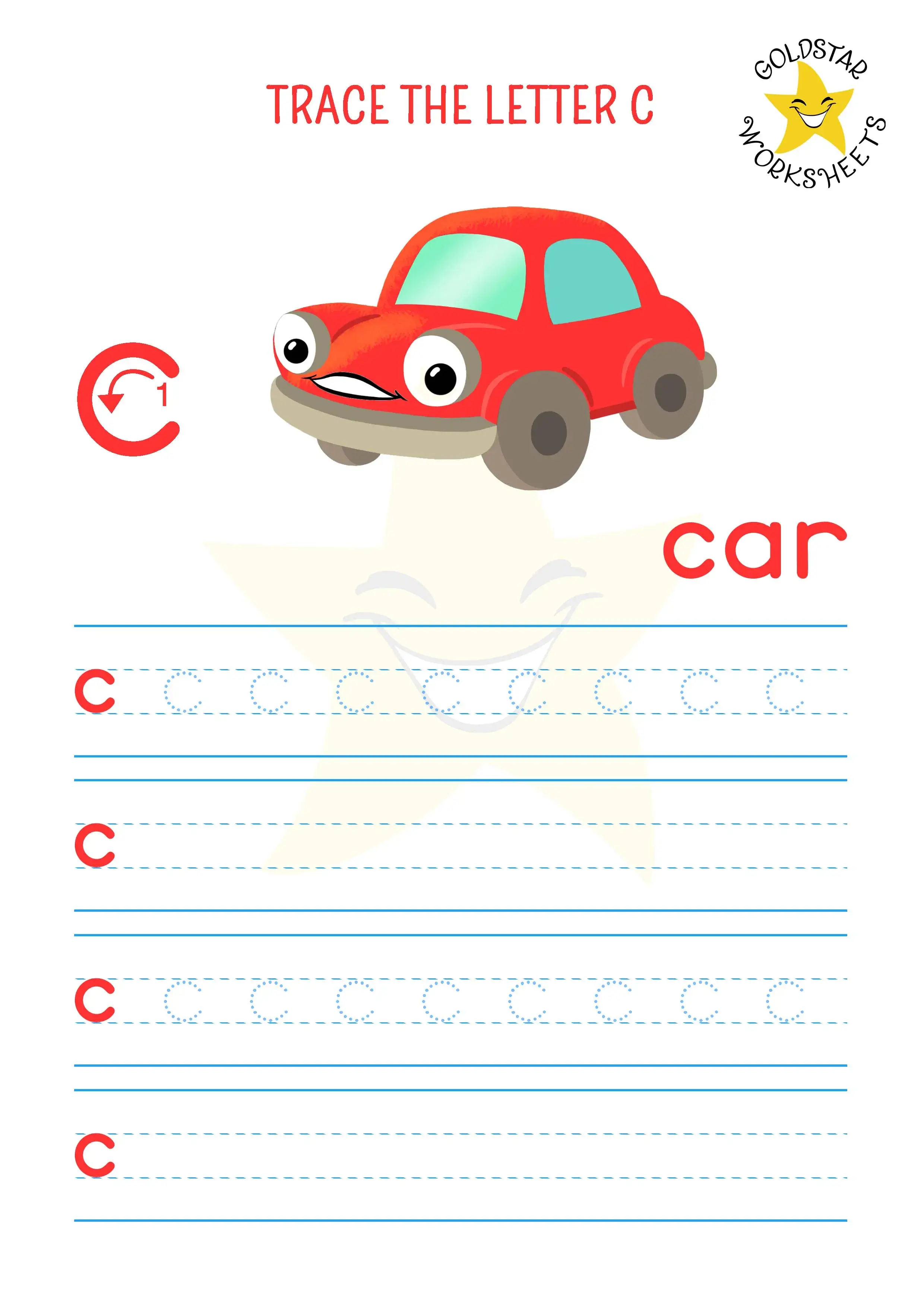
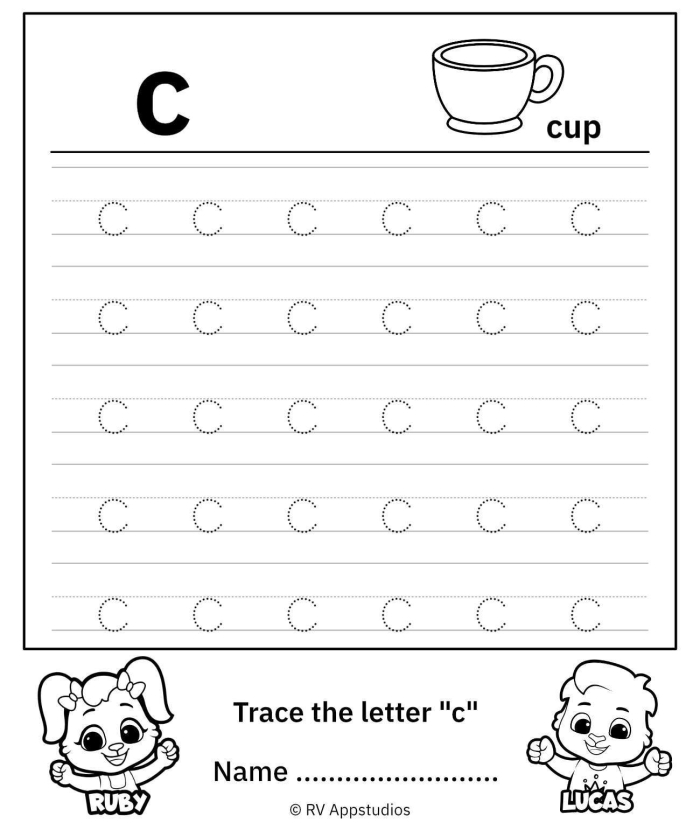
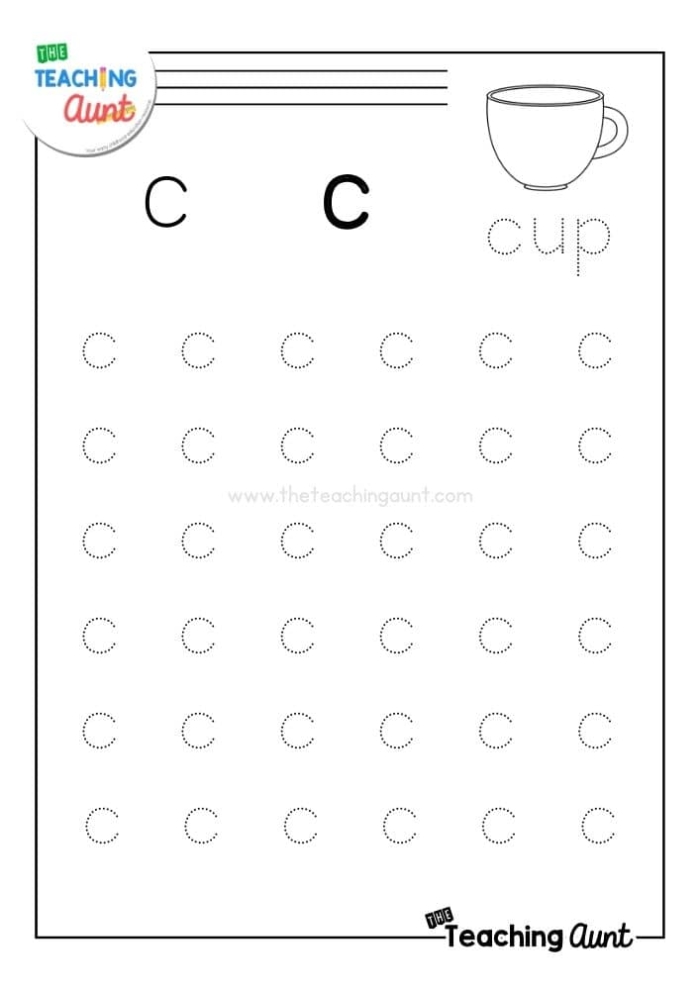
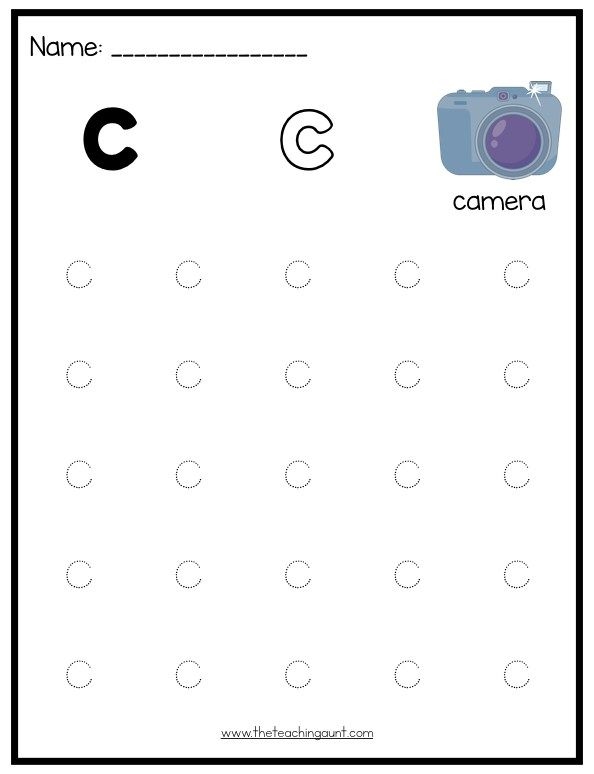
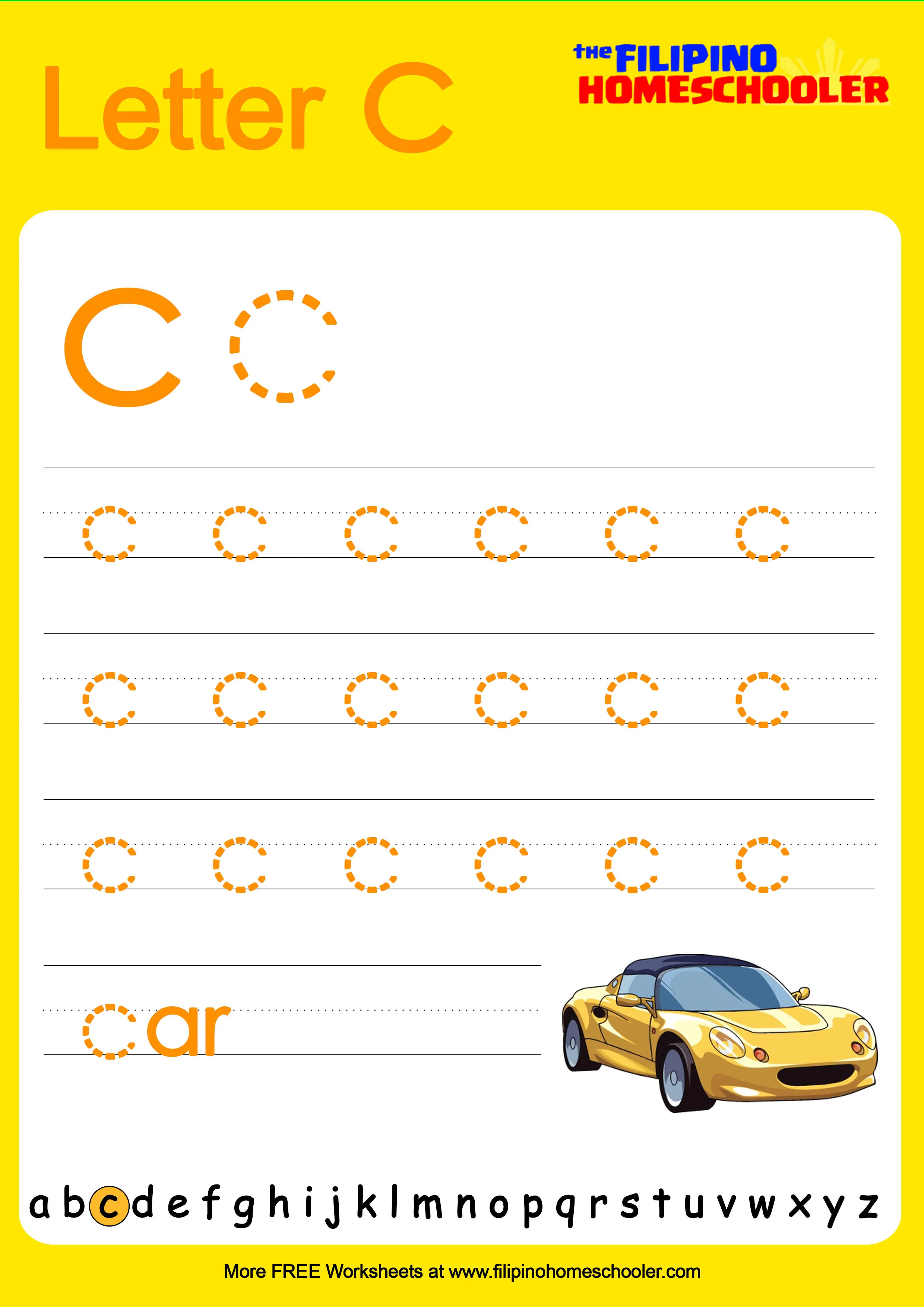
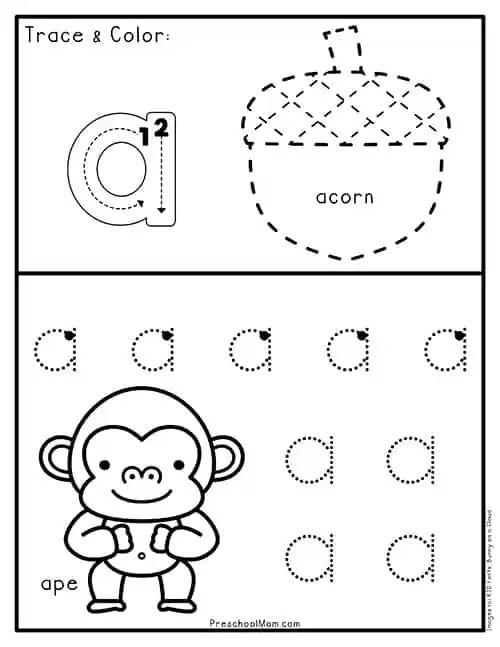
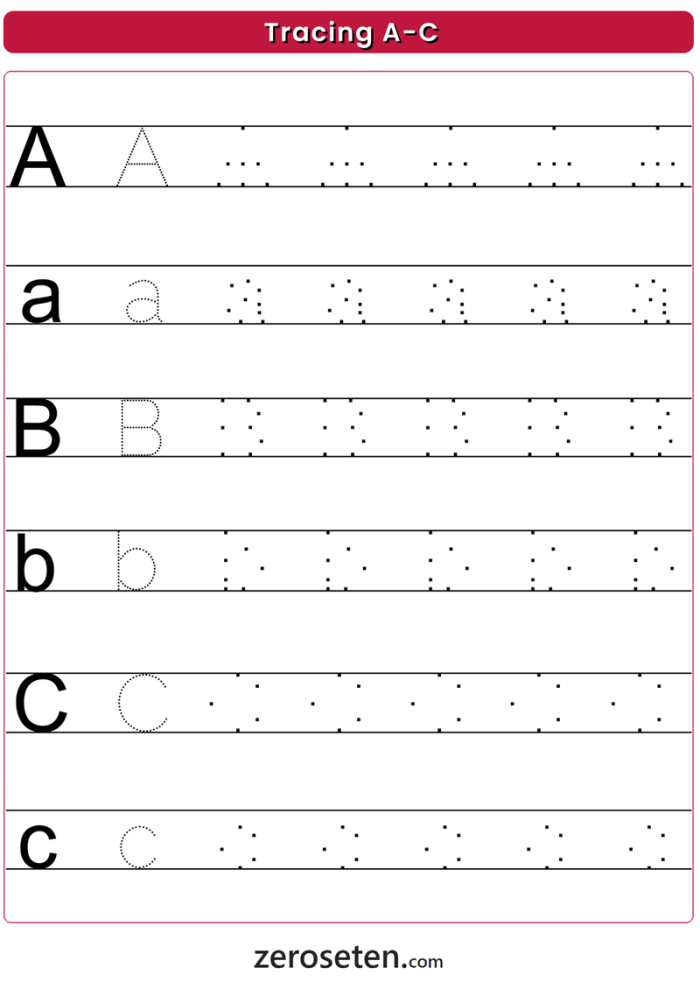
Once your little writer has built confidence with curves, they’re ready to move toward actual letter formation. The letters c, o, and a are perfect next steps because they rely heavily on curved strokes. Tracing lowercase letters c, o, and a gives children the specific practice they need without overwhelming them. Starting with tracing the letter a helps them see how curves combine with straight lines to create recognizable shapes.
The key to making this practice effective is consistency without pressure. Short, regular sessions work better than long stretches. Keep a pencil in hand during natural moments throughout the day, and celebrate every attempt. Pairing tracing work with letter recognition activities reinforces what they’re learning, helping them connect the shapes they trace to the letters they see in books and around their environment.
Practice with These Worksheets