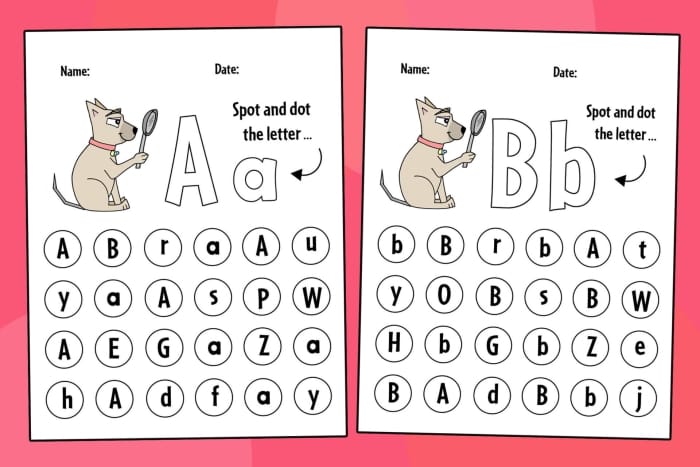
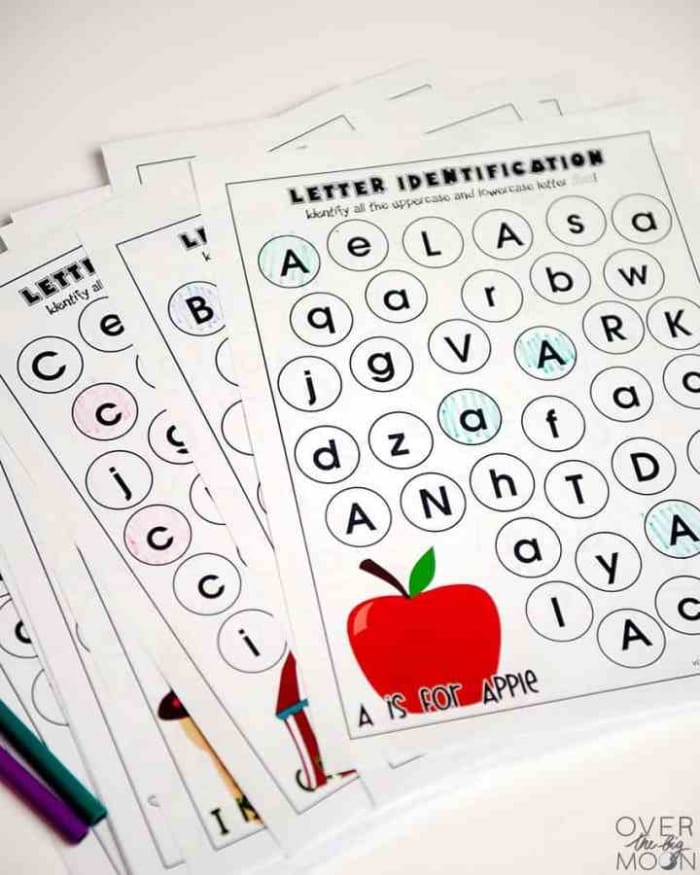
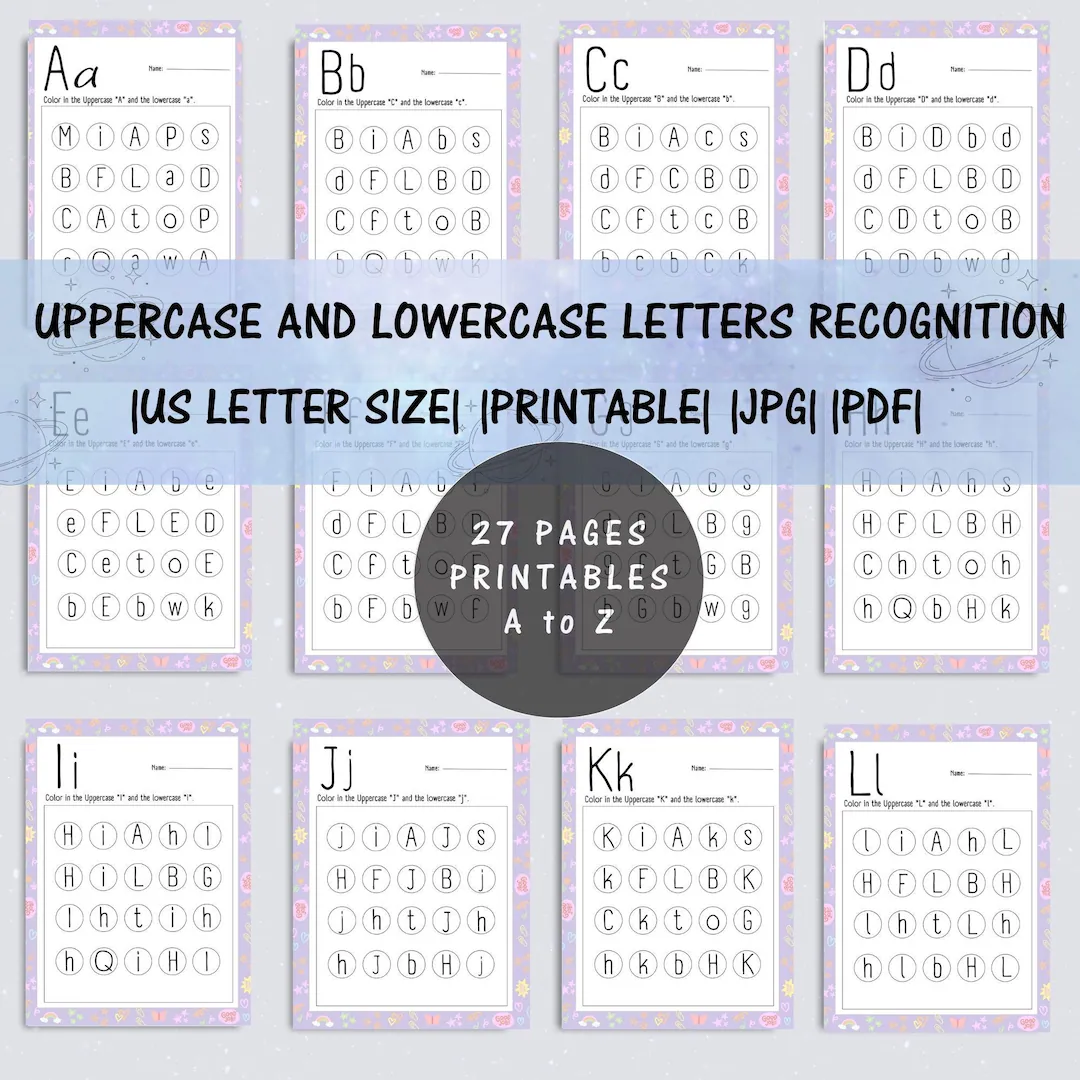
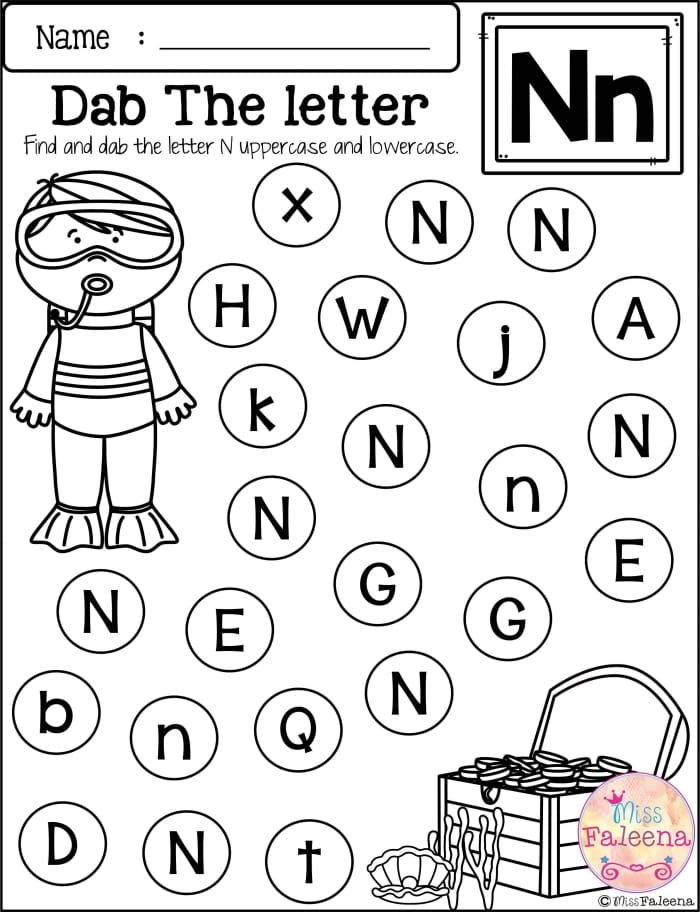
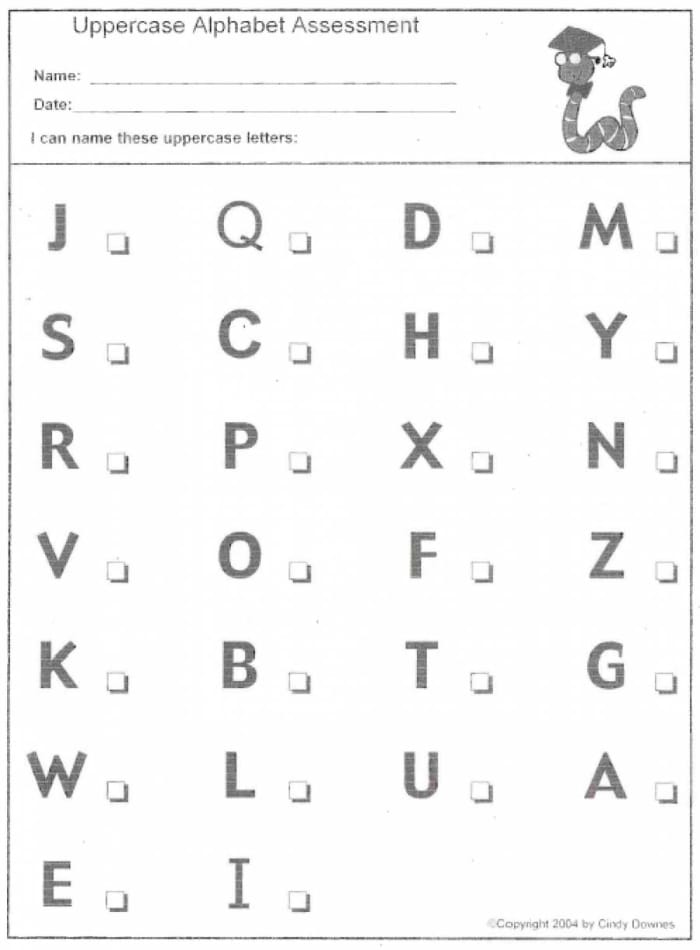
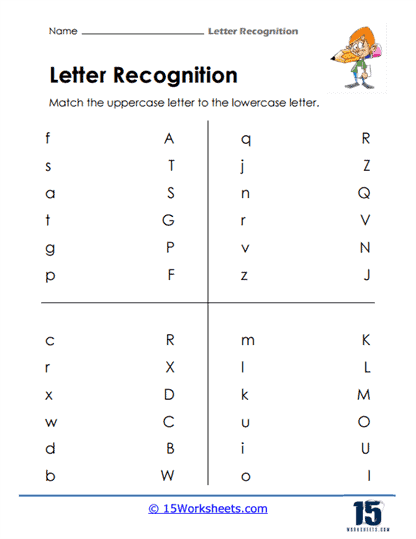
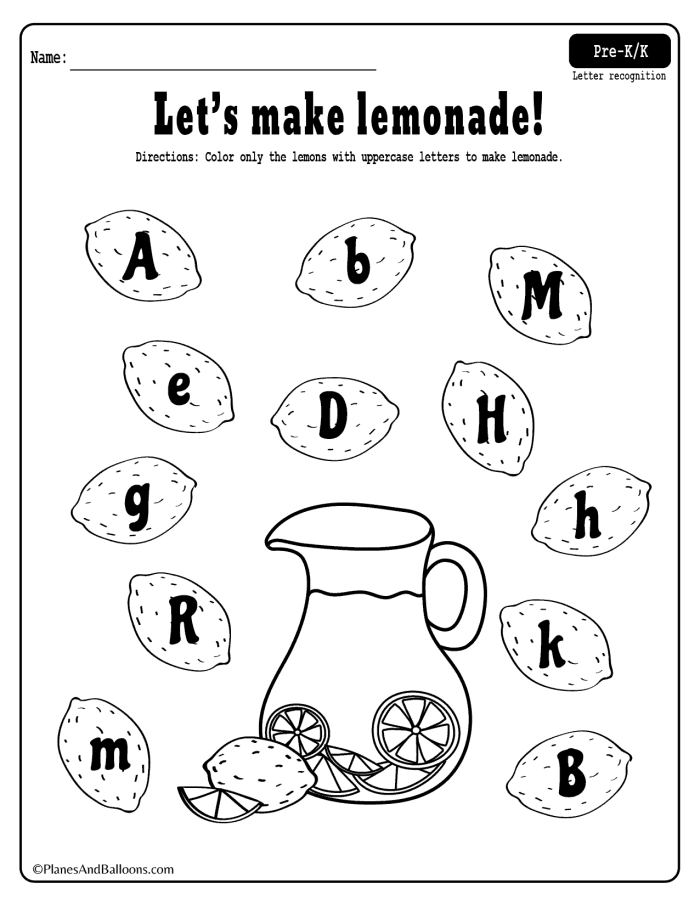
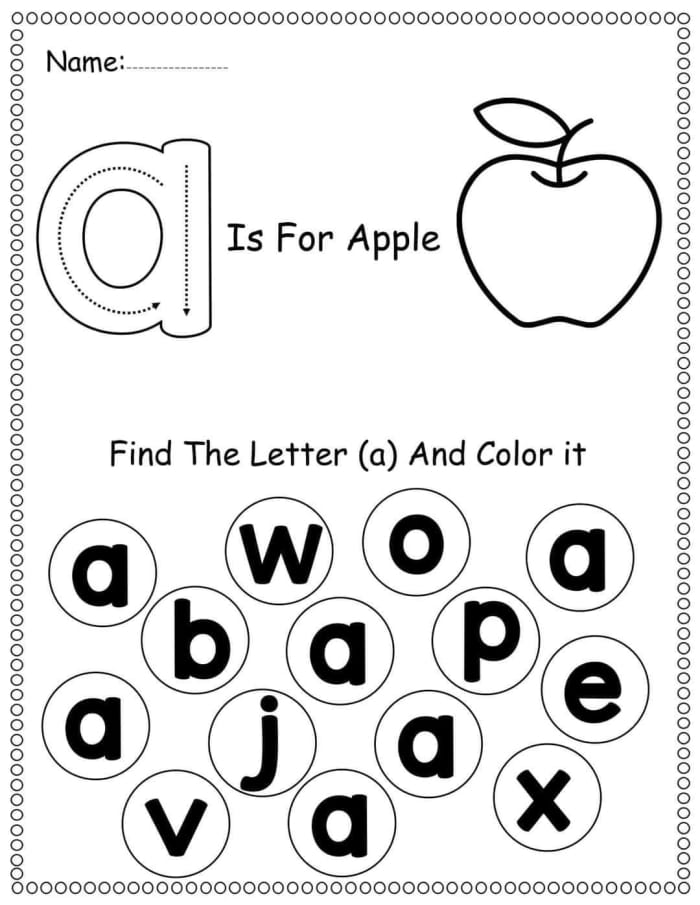
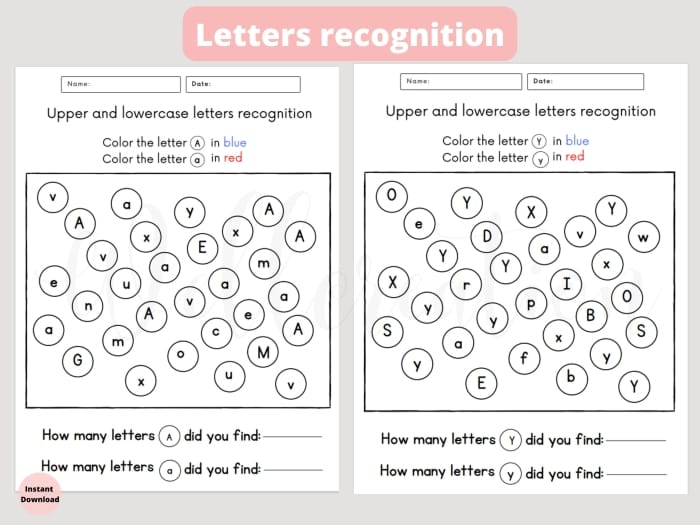
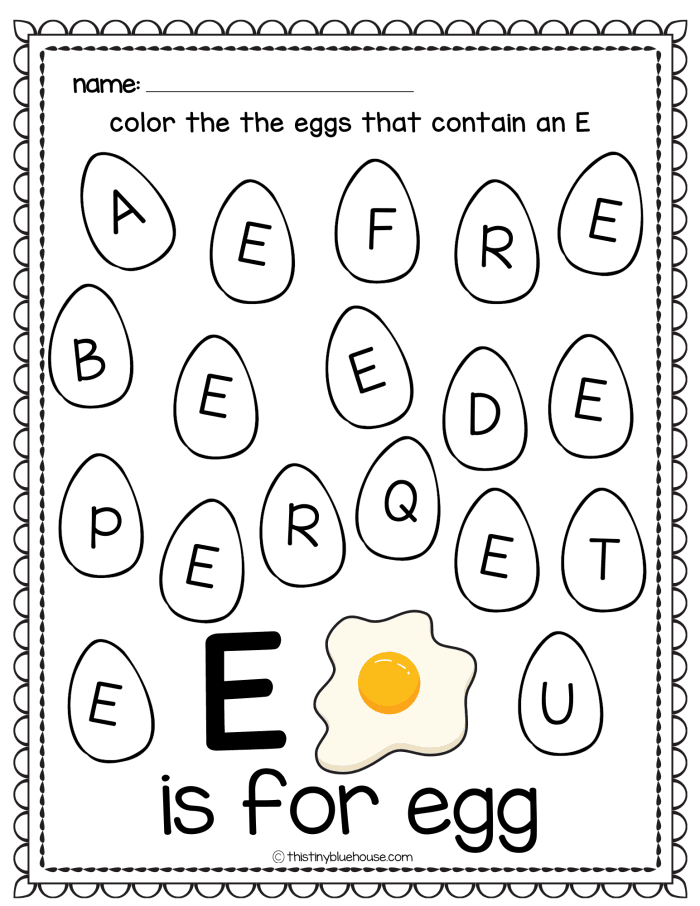
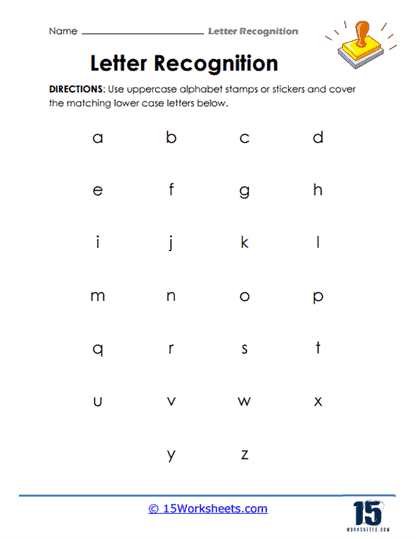
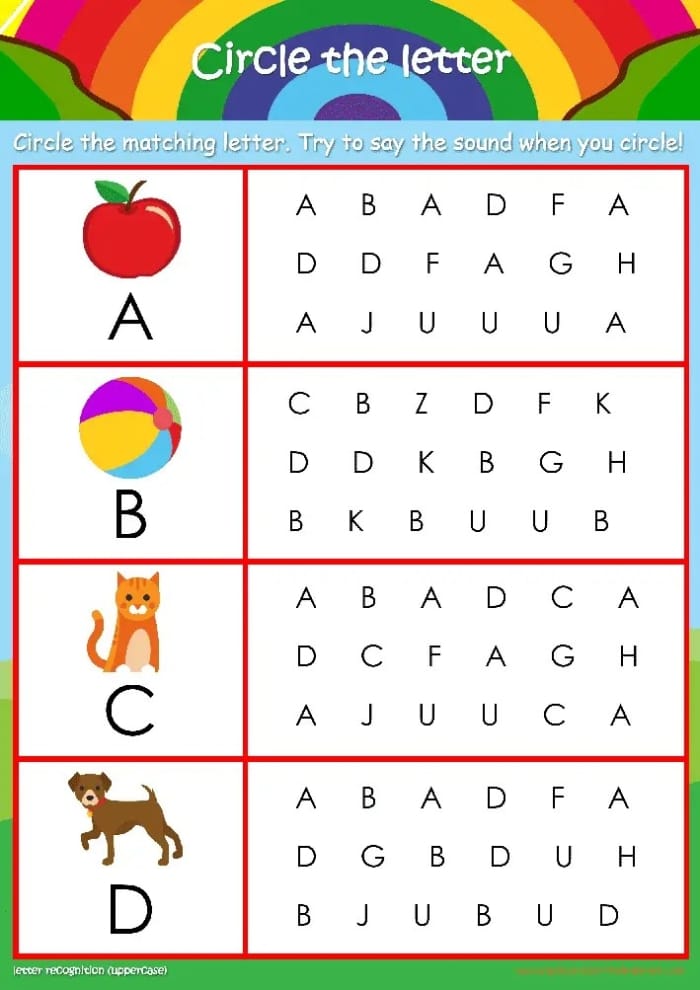
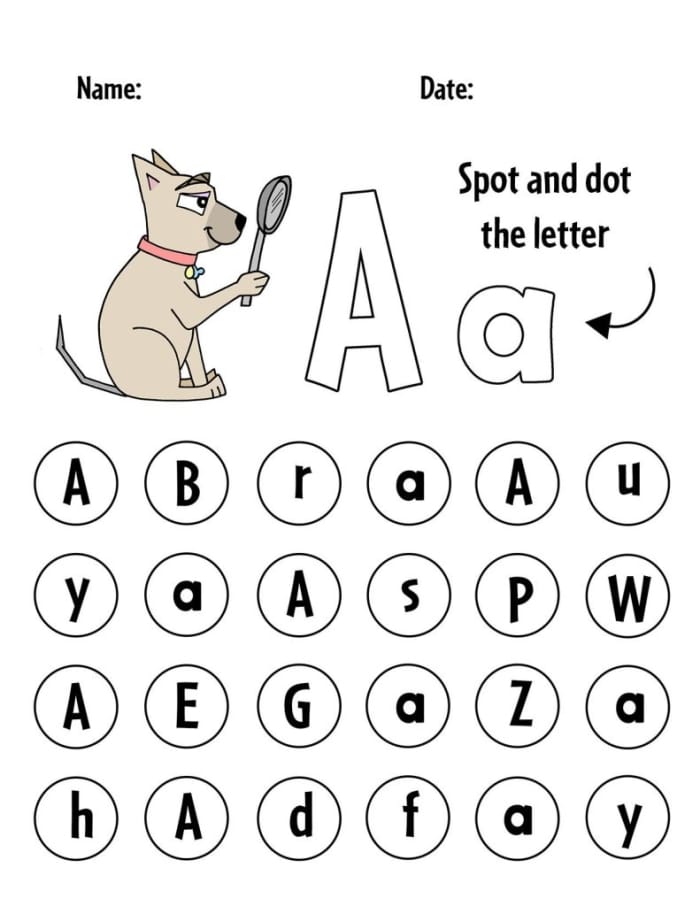
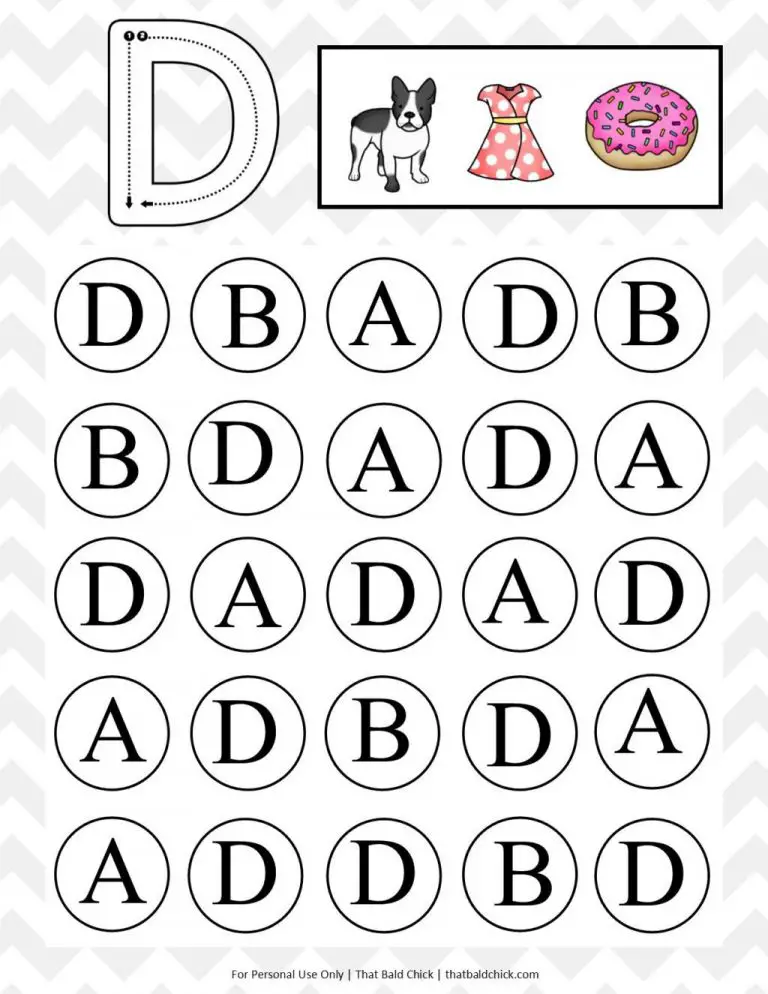
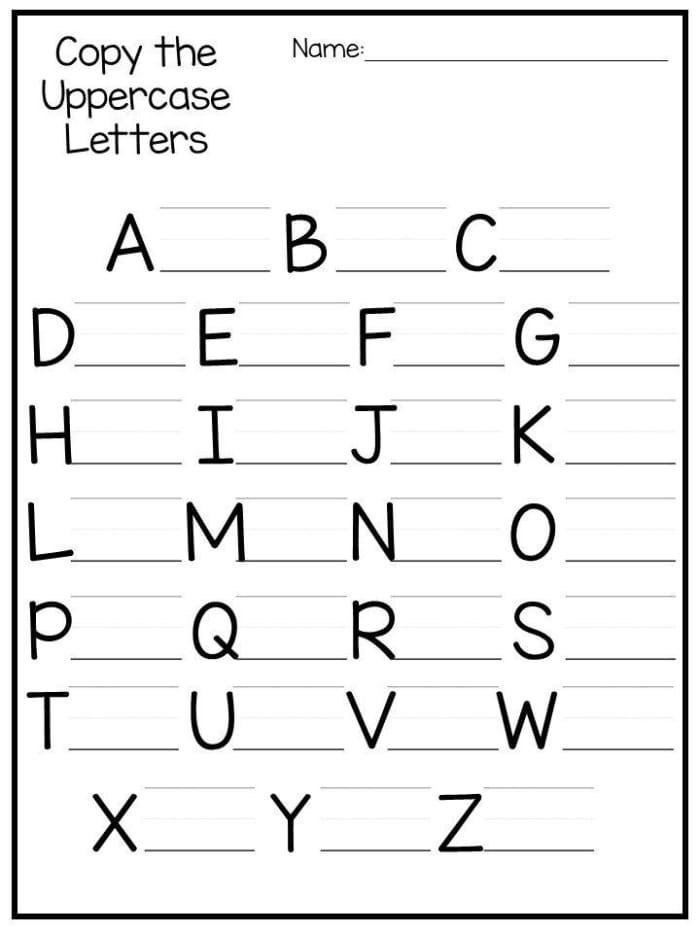
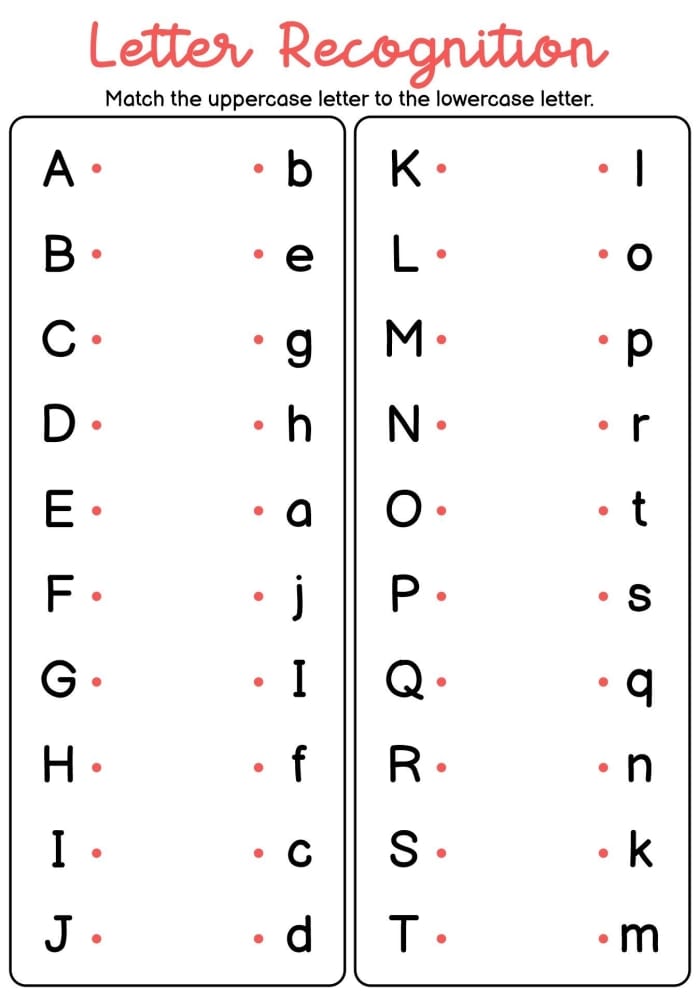
Learning to recognize both uppercase and lowercase letters is one of the first skills Pre-K students tackle, and matching exercises make this foundation stick. When children can pair A with a, they’re building the neural pathways needed for reading and writing later on.
The challenge with letter recognition at this age isn’t just about knowing what each letter looks like. Young learners need to understand that the same letter has two distinct forms, and this concept takes repeated exposure to cement. A matching quiz forces active thinking rather than passive viewing, which is why this type of activity works so well for early learners.
When you sit down with a Pre-K student for an alphabet review, you’ll notice they often recognize uppercase letters faster than lowercase ones. This happens because uppercase letters appear on signs, in picture books, and in classroom displays more frequently. Lowercase letters require separate learning, and matching activities bridge that gap by putting both forms side by side.
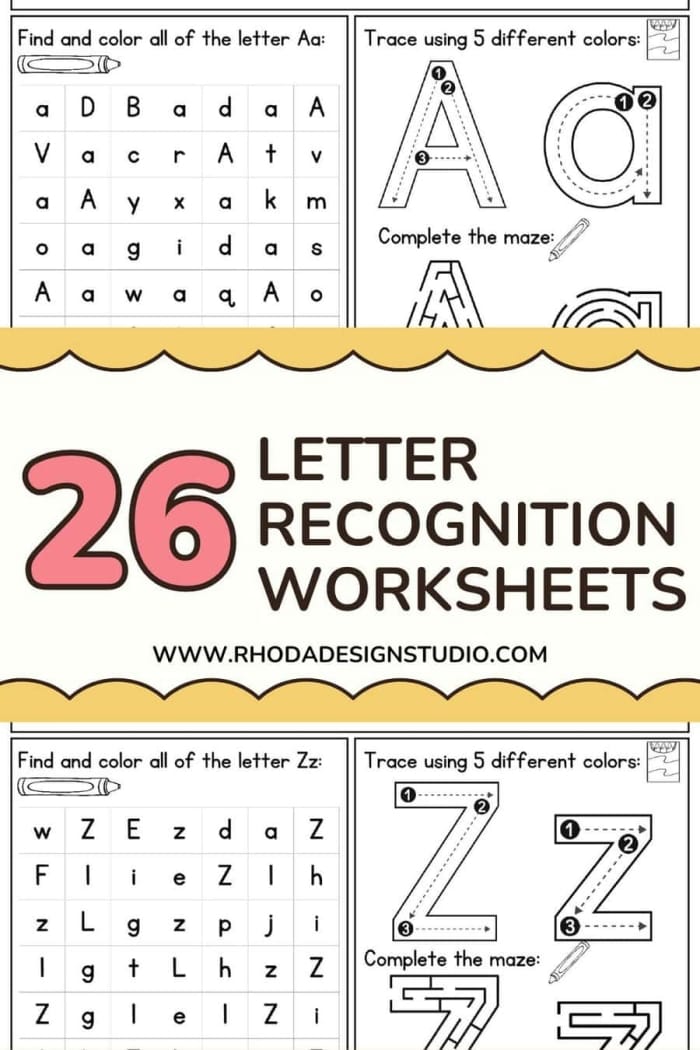
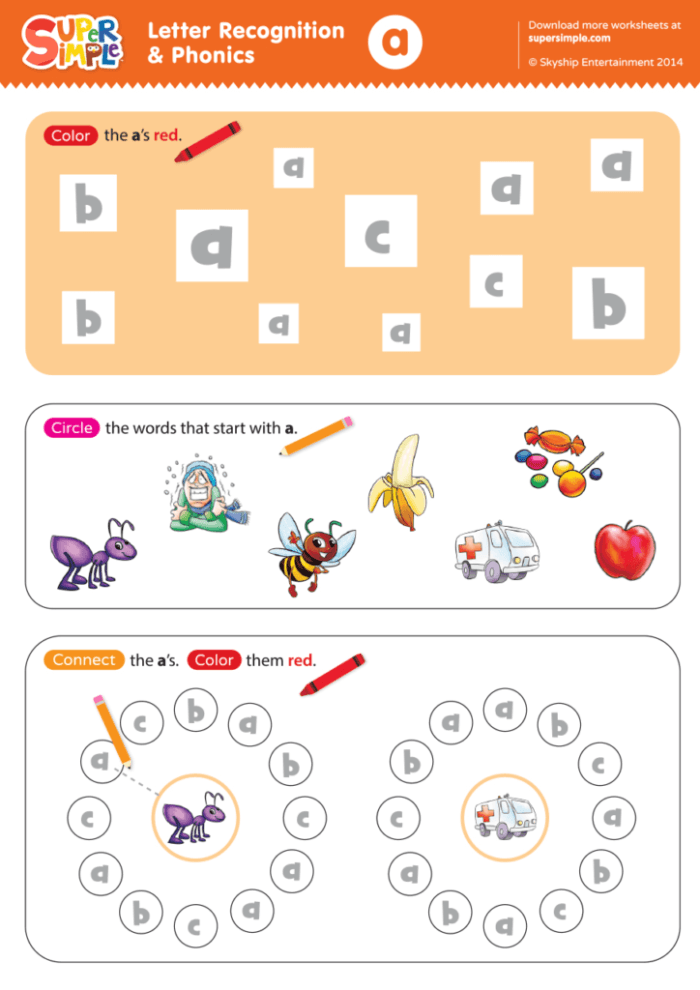
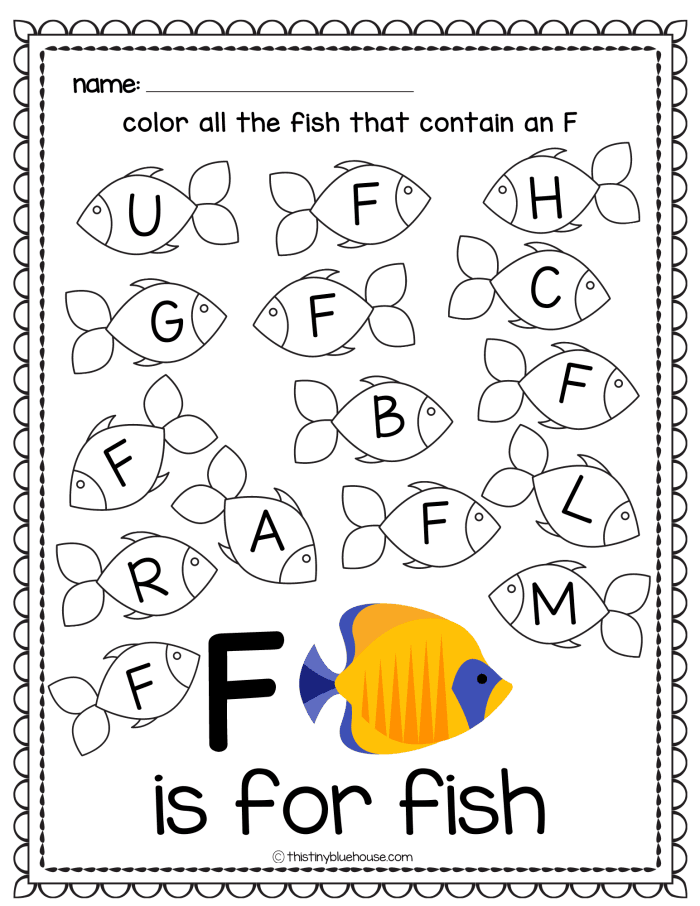
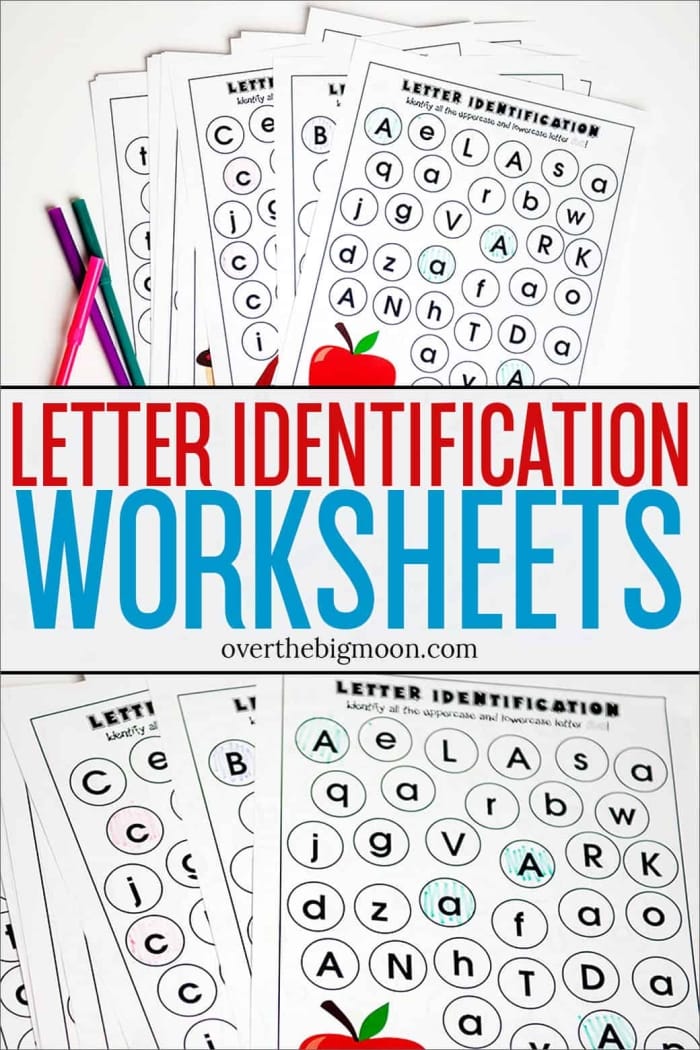
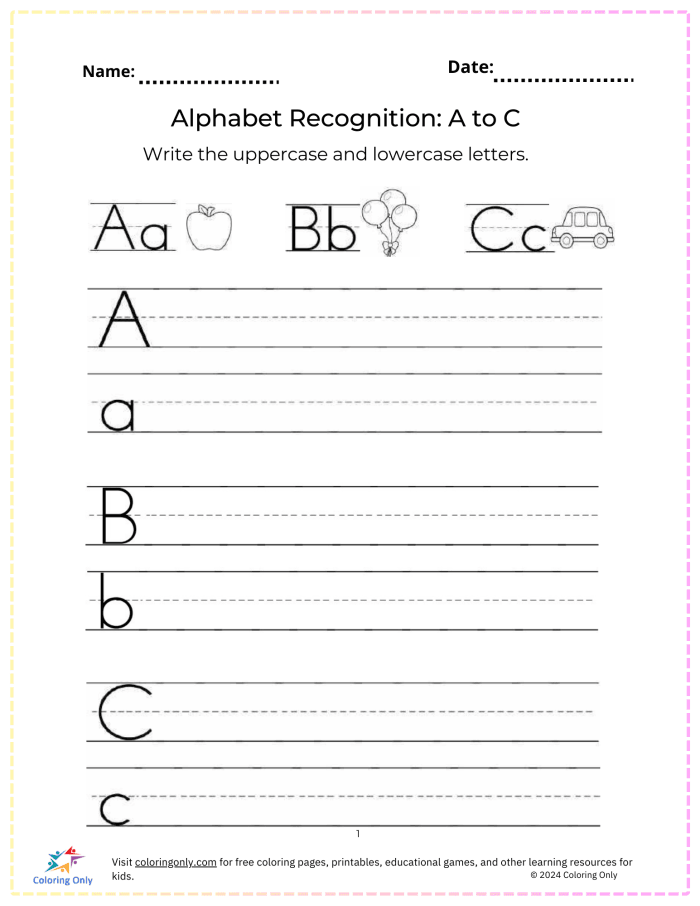
The practical benefit of matching exercises shows up quickly. Students who regularly work through alphabet flashcards develop faster letter recognition than those who only listen to letter songs. Adding hands-on practice like tracing lowercase letters strengthens the connection even further.
You can structure these quizzes in different ways depending on your student’s level. Start with just a few letter pairs, then gradually increase the number as confidence builds. Some children benefit from completing alphabet sequences before attempting full matching tasks.
The key is consistency. Short, regular practice sessions work better than long, infrequent ones. Even five minutes a day with focused letter recognition activities produces measurable progress within weeks, setting Pre-K students up for stronger early reading skills.
Printable Worksheets for Practice