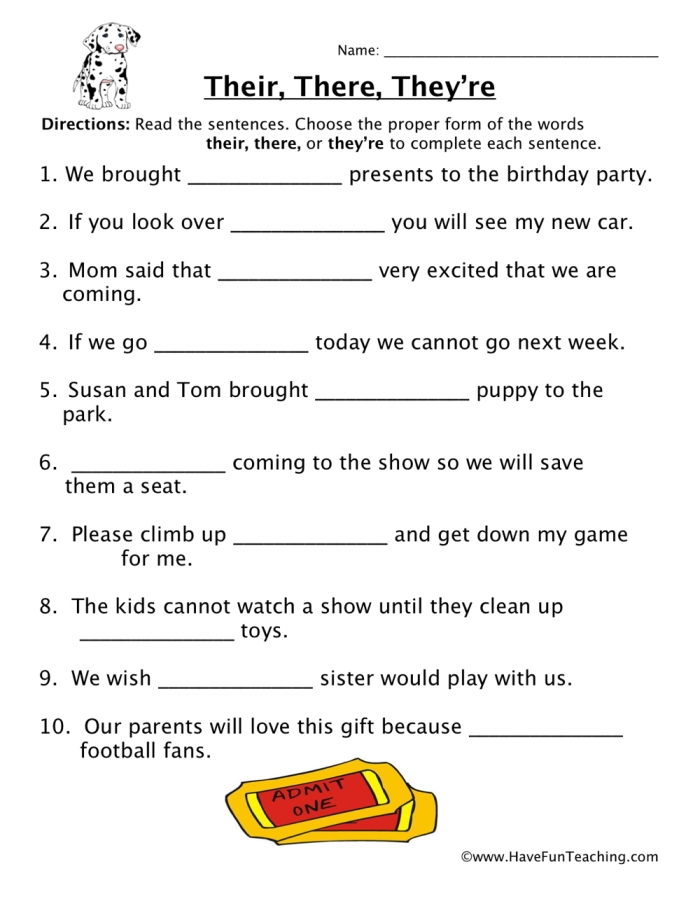
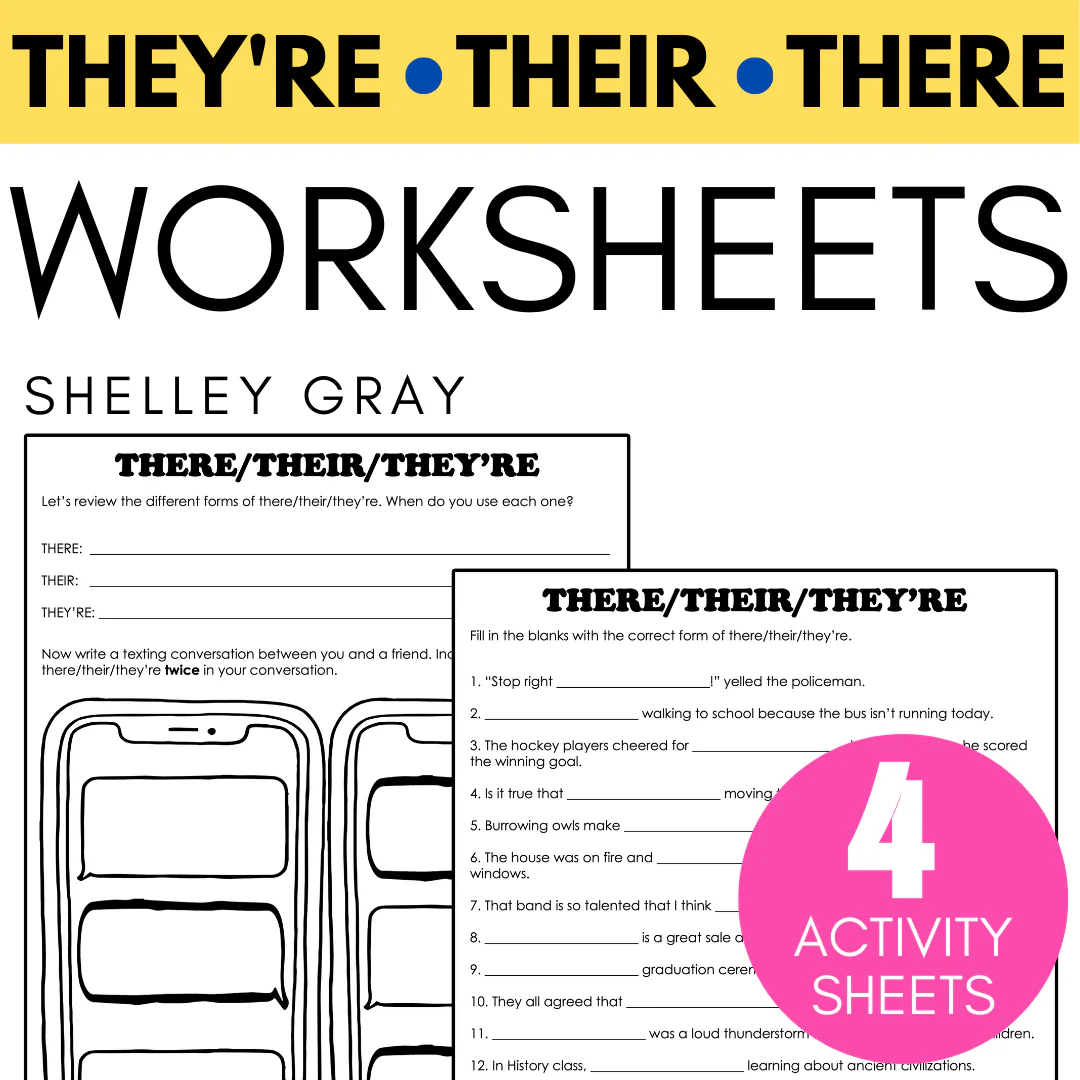
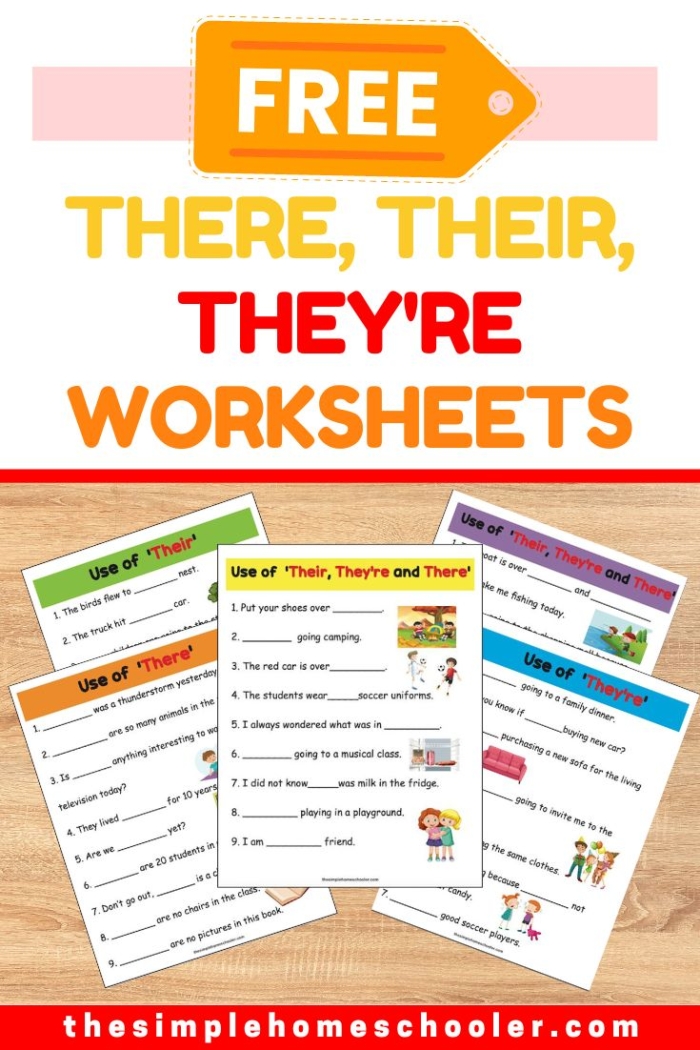
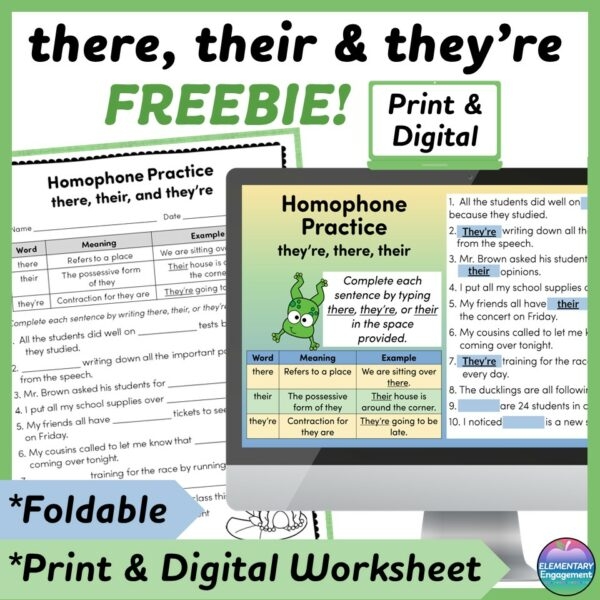
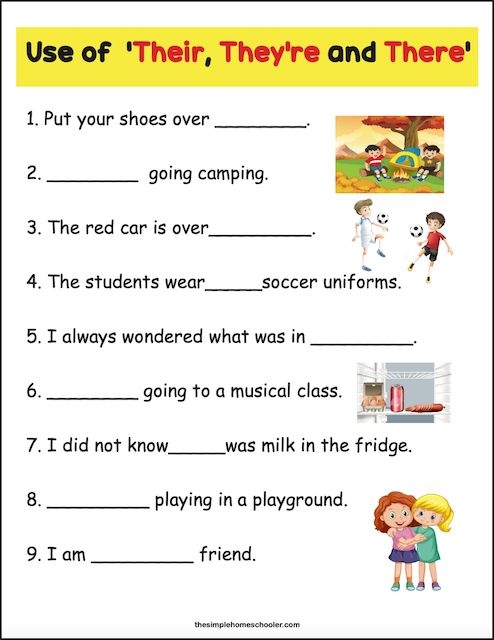
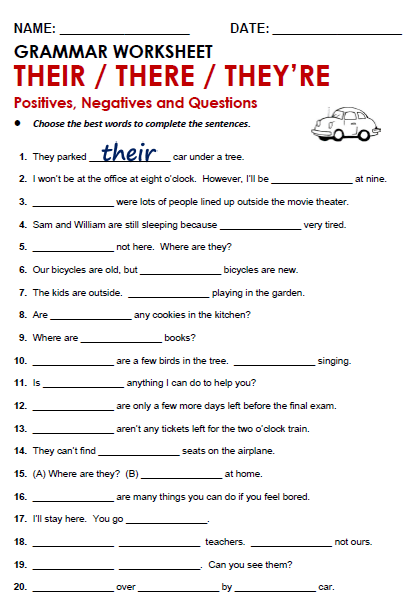
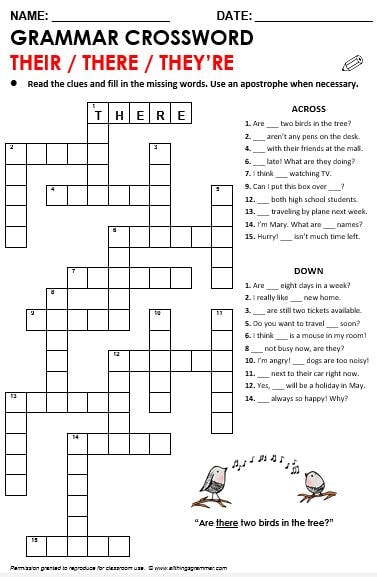
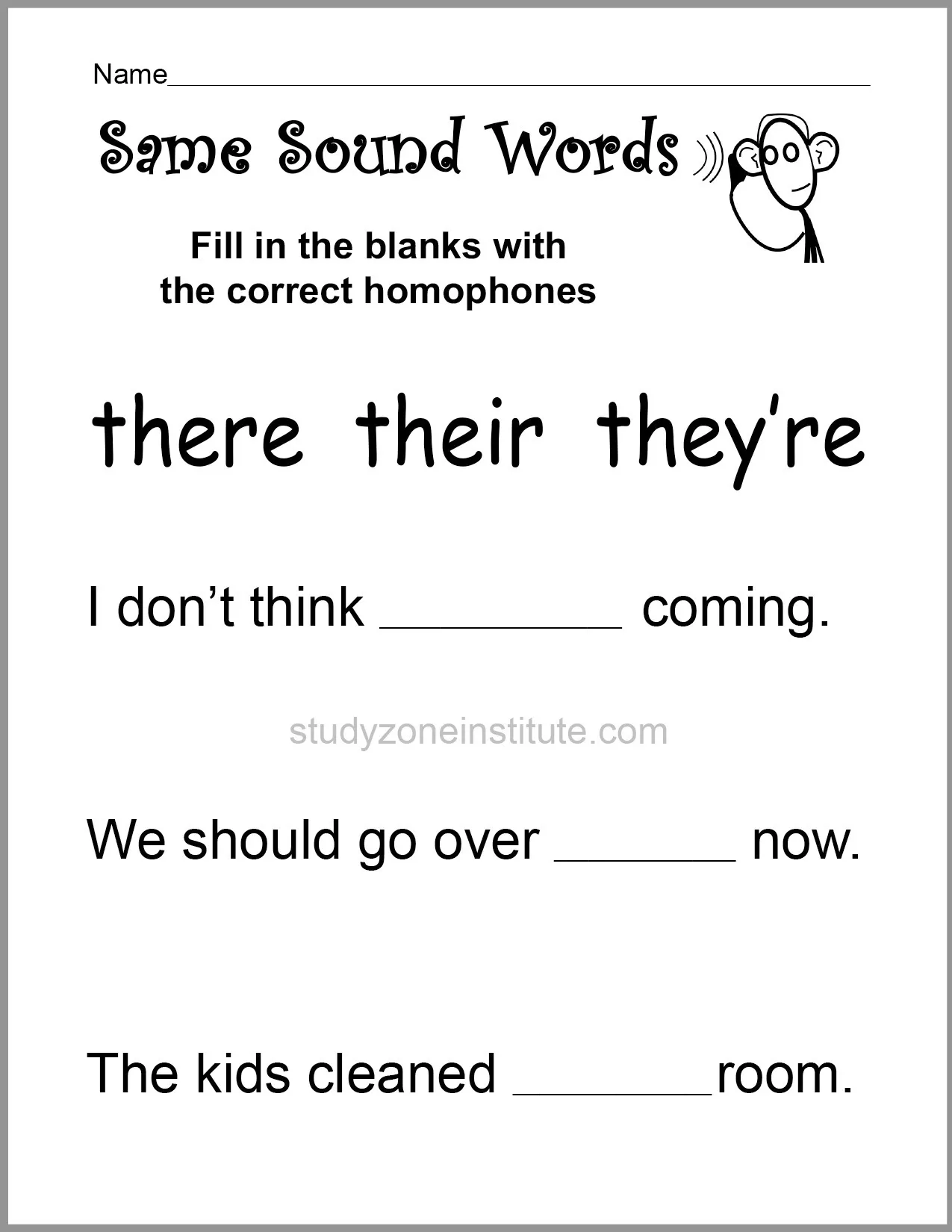
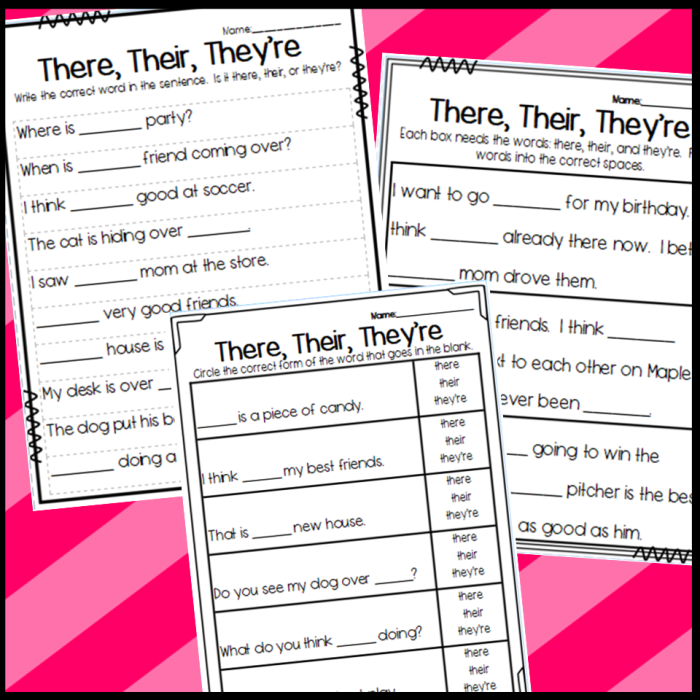
Understanding the difference between “there,” “their,” and “they’re” can be a tricky challenge for many second graders. These three words sound alike but have distinct meanings and uses. You may have noticed your child struggling with this aspect of grammar and mechanics. A practical approach to help them grasp these concepts is through engaging practice sheets.
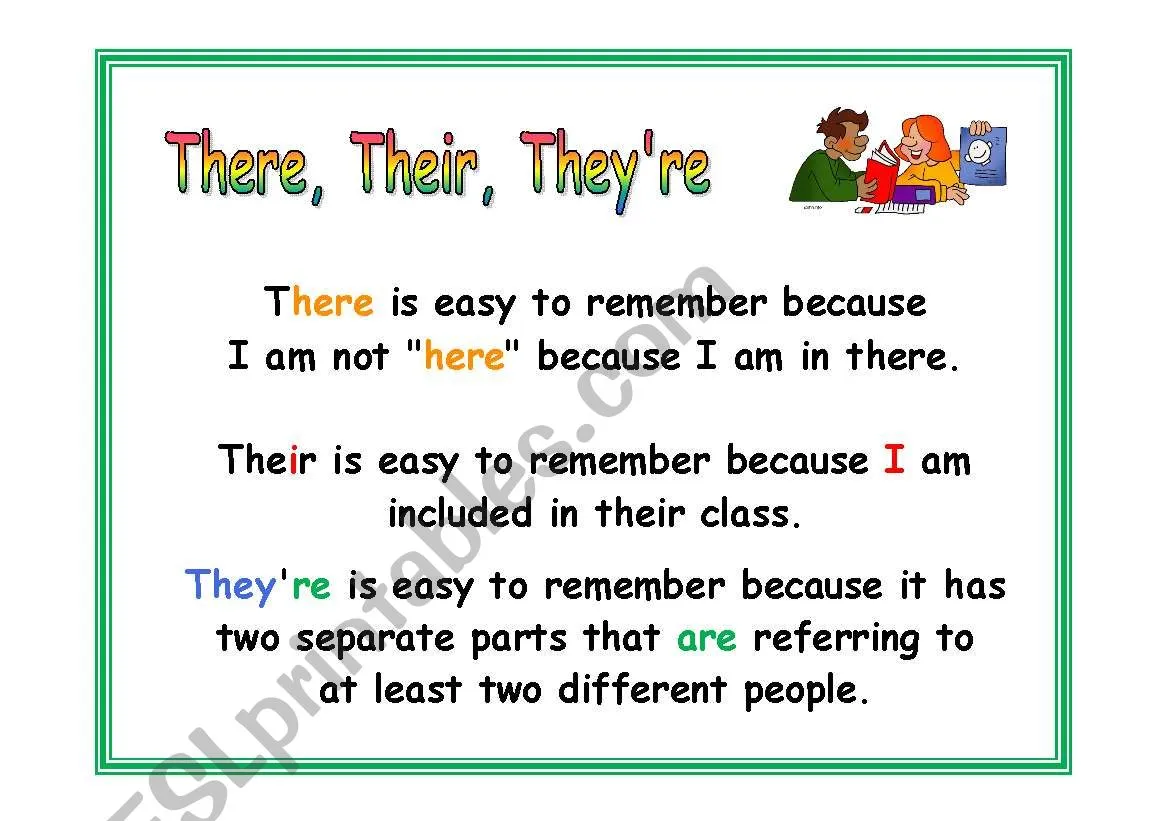
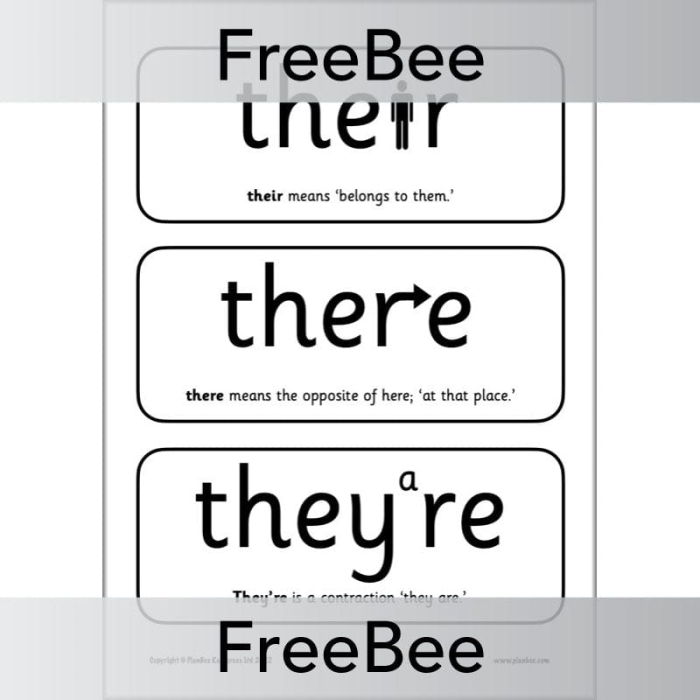
First, let’s break down the meanings. “There” refers to a place, as in “The book is over there.” “Their” is a possessive pronoun, indicating ownership, such as in “Their dog is friendly.” Finally, “they’re” is a contraction of “they are,” used in sentences like “They’re going to the park.” Making these distinctions clear through examples can help solidify your child’s understanding.
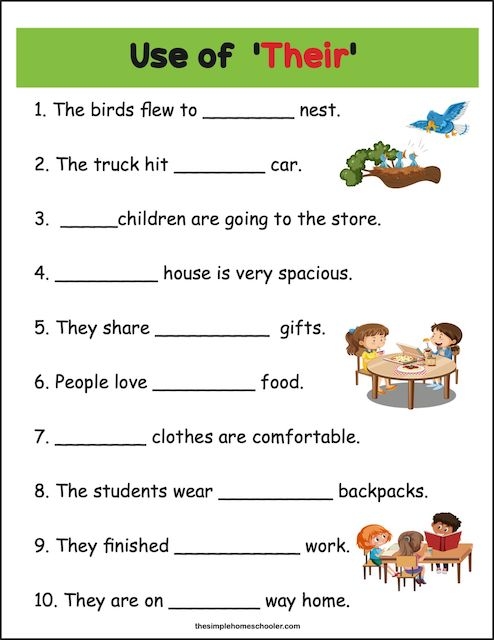
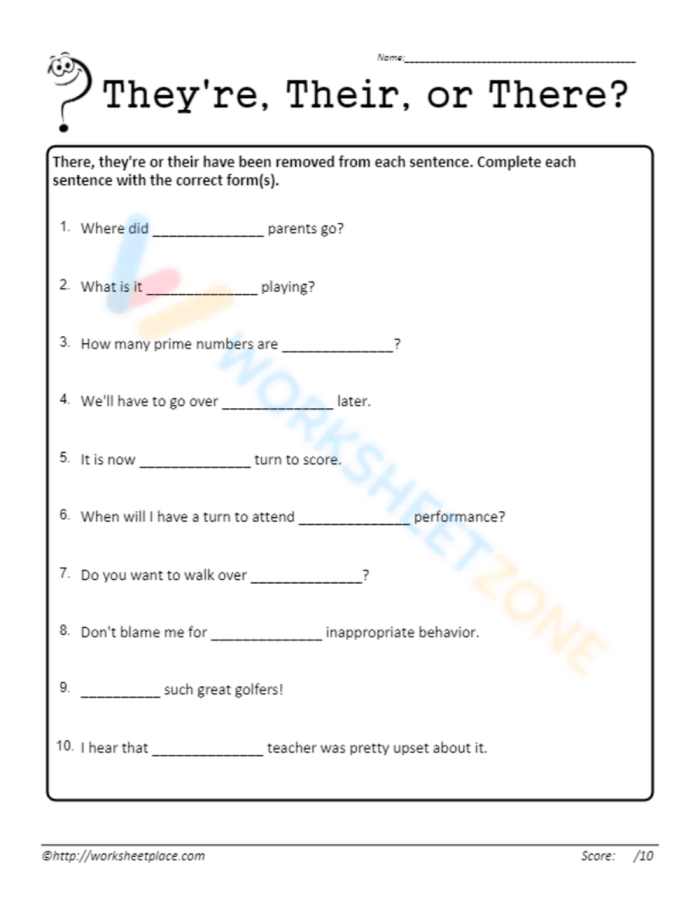
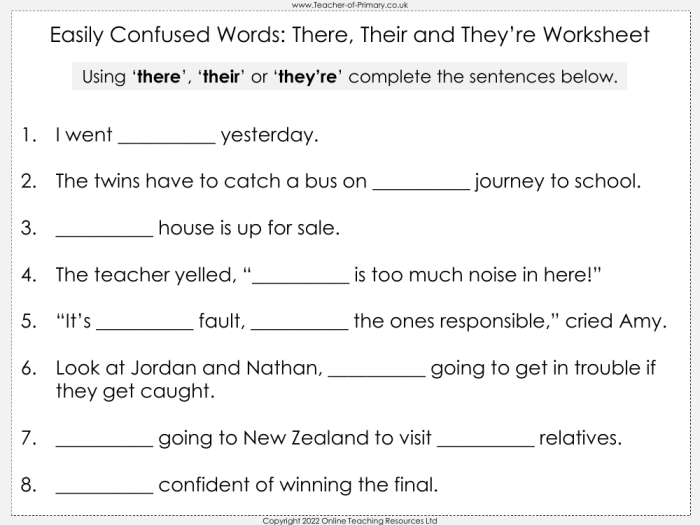
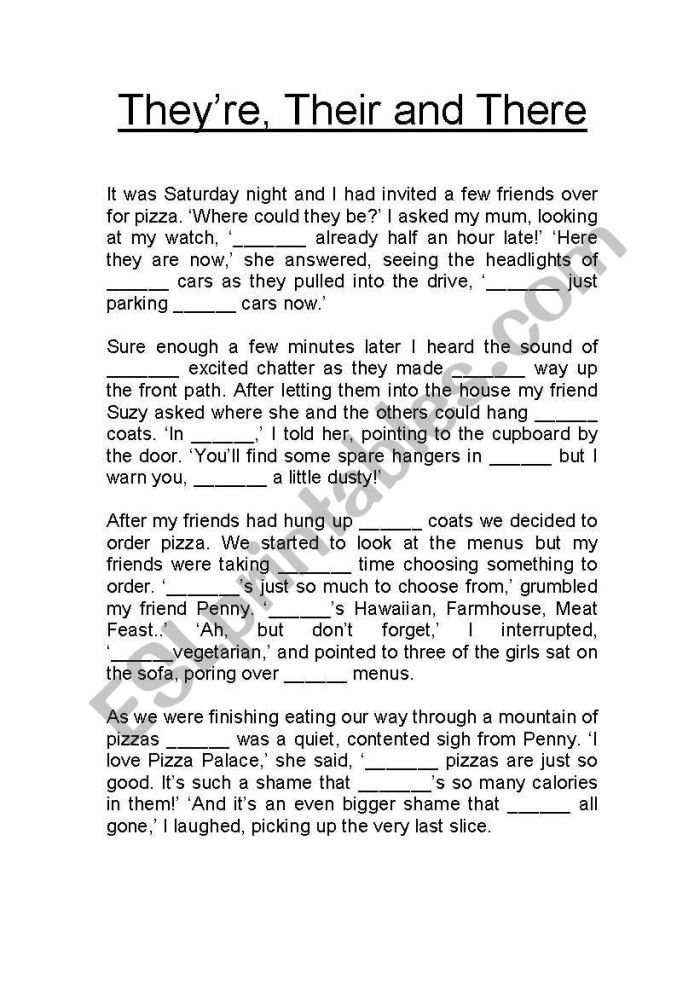
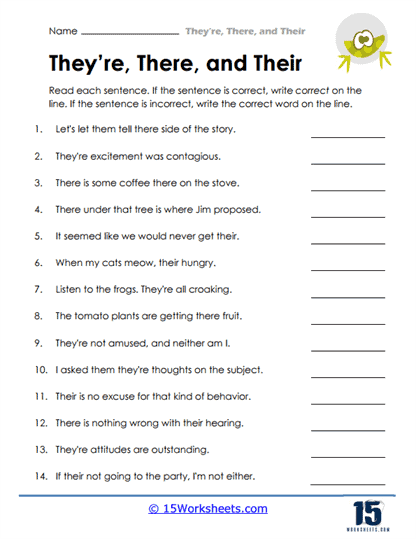
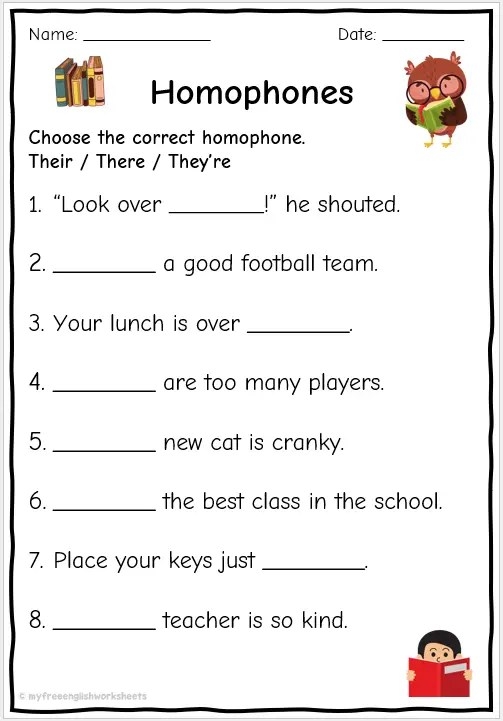
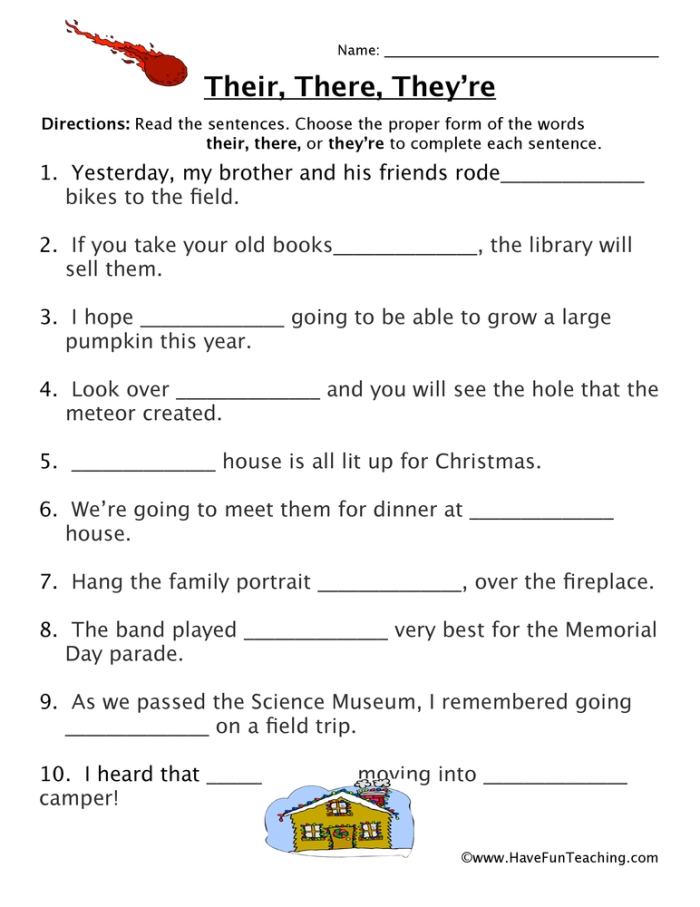
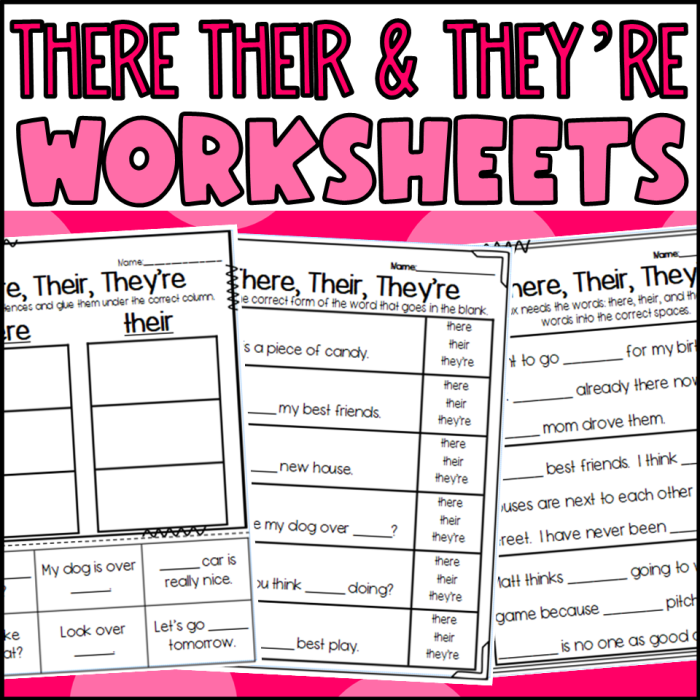
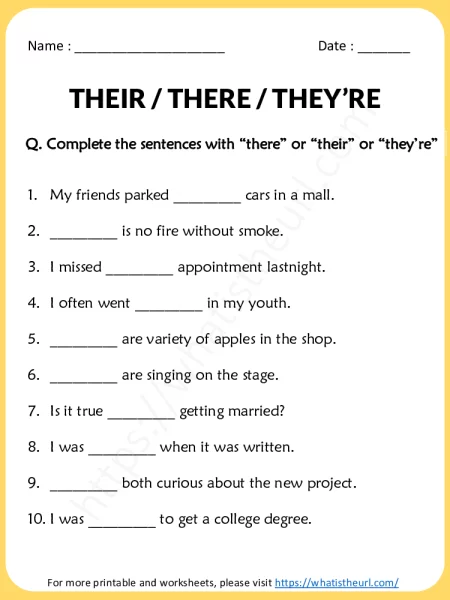
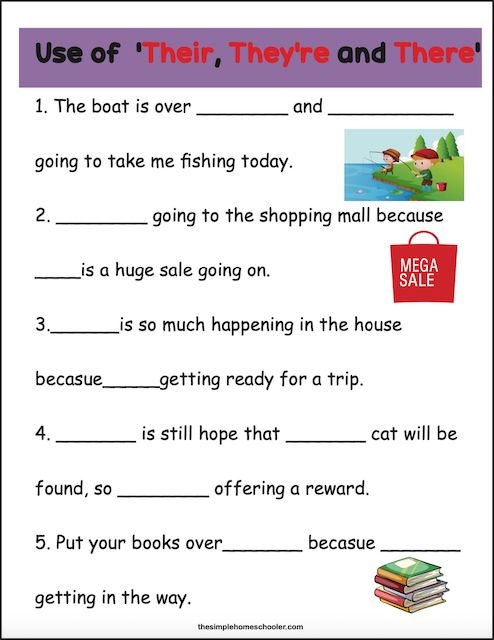
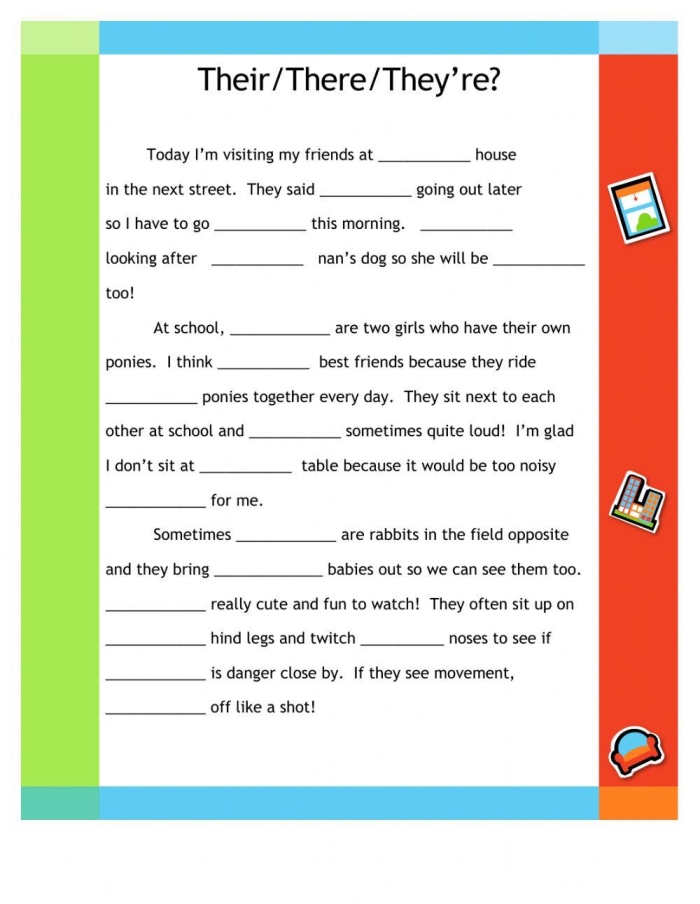
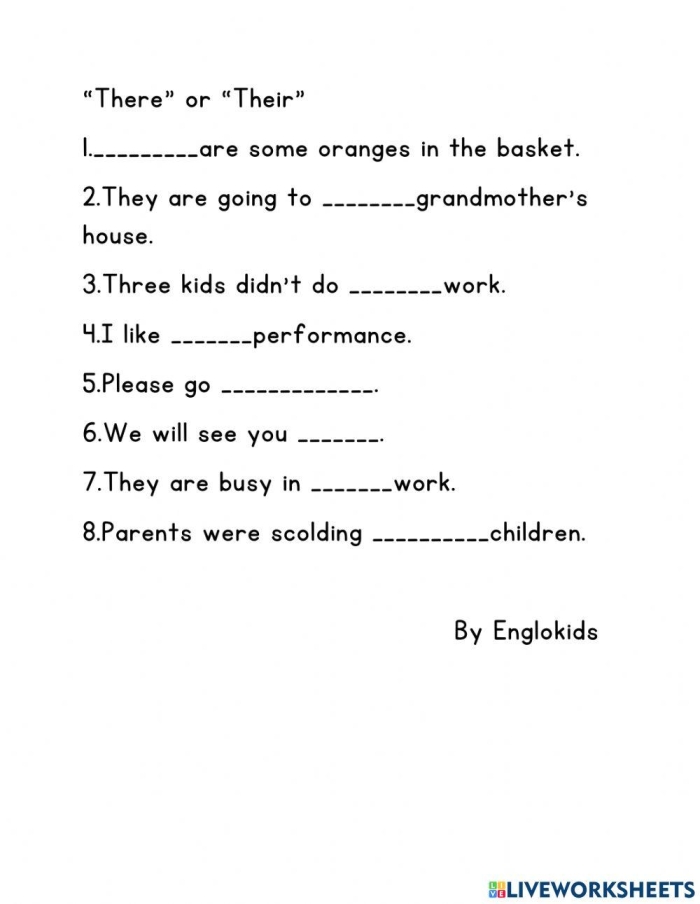
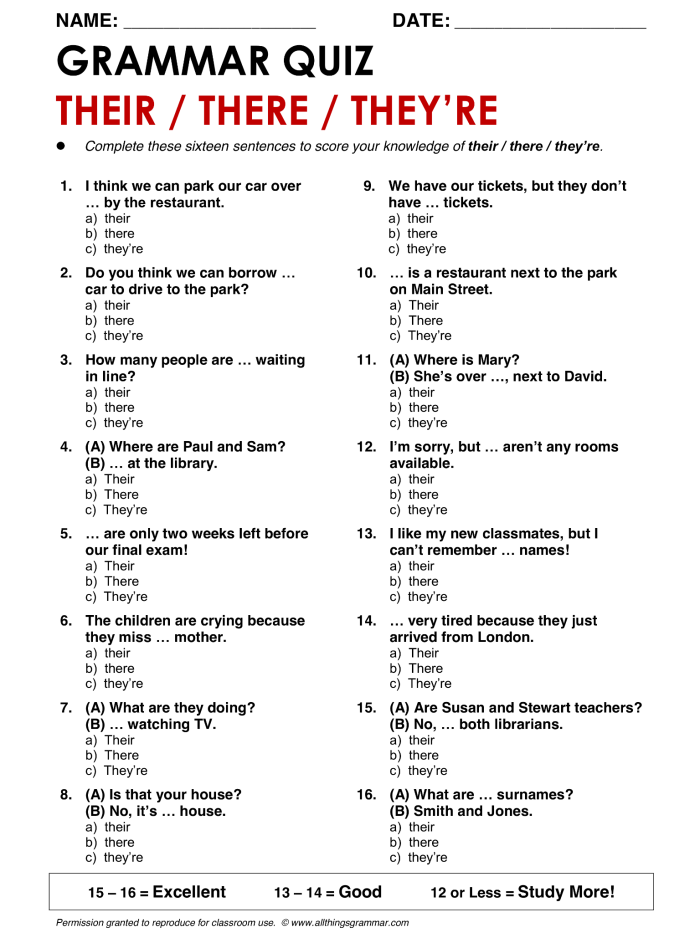
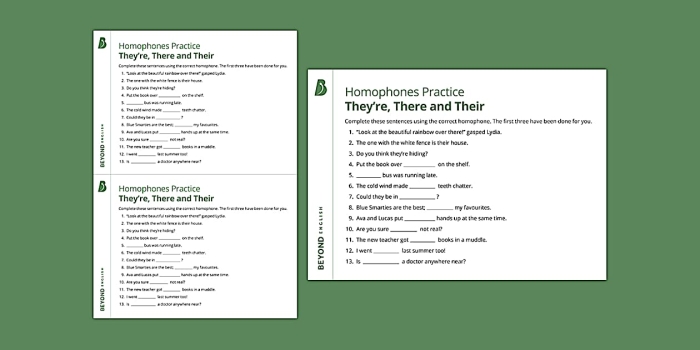
One effective way to teach these differences is by using a printable practice sheet designed specifically for second graders. This resource can include fill-in-the-blank sentences, matching exercises, and multiple-choice questions that focus on these three words. Not only does this engage your child in active learning, but it also provides them with the opportunity to apply what they’ve learned in a fun and structured way.
Additionally, consider incorporating sentences from their favorite books into your lessons. Ask them to identify which of the three words fits best in a given context. This method not only reinforces their learning but also enhances their reading skills.
For more resources, you can explore other worksheets that focus on different aspects of grammar and mechanics. For instance, adjective worksheets or fraction comparisons can provide additional practice opportunities. By integrating these learning tools, you’ll help your child build a solid foundation in language skills.
With patience and the right practice materials, your child will confidently master the differences between “there,” “their,” and “they’re.” Remember, the key is consistent practice and positive reinforcement!
Worksheet Practice Section