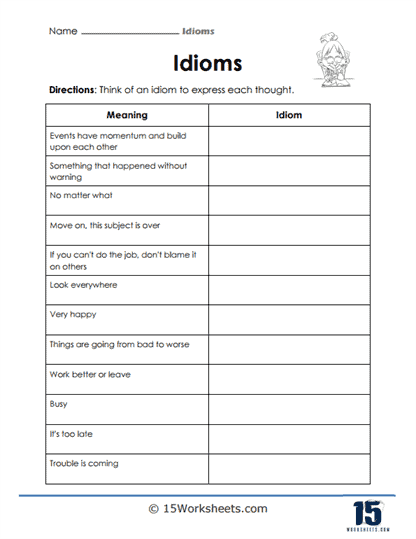
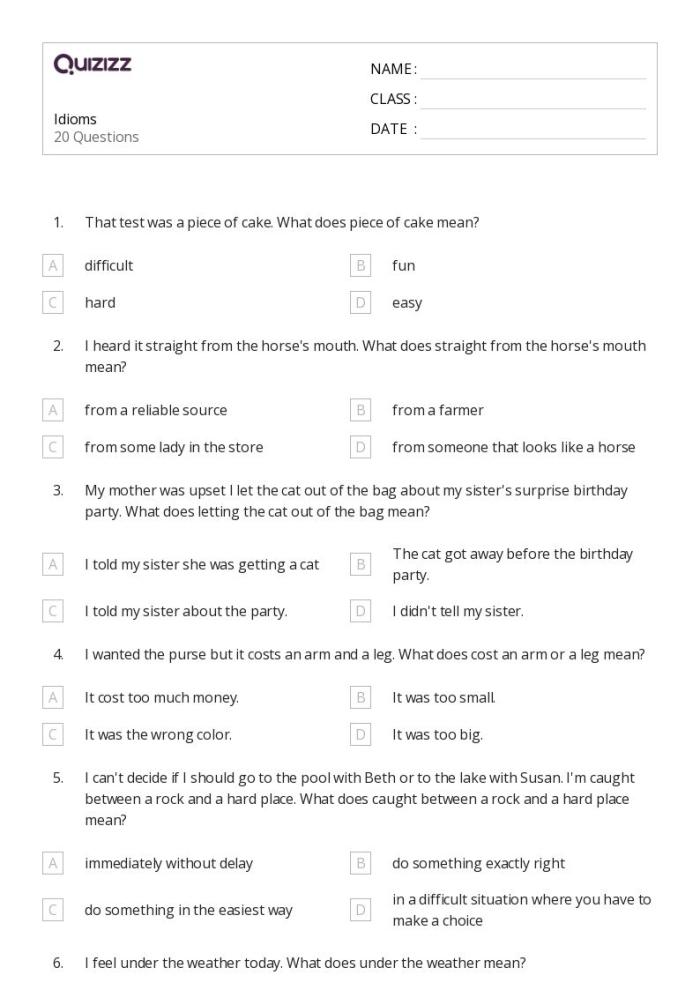
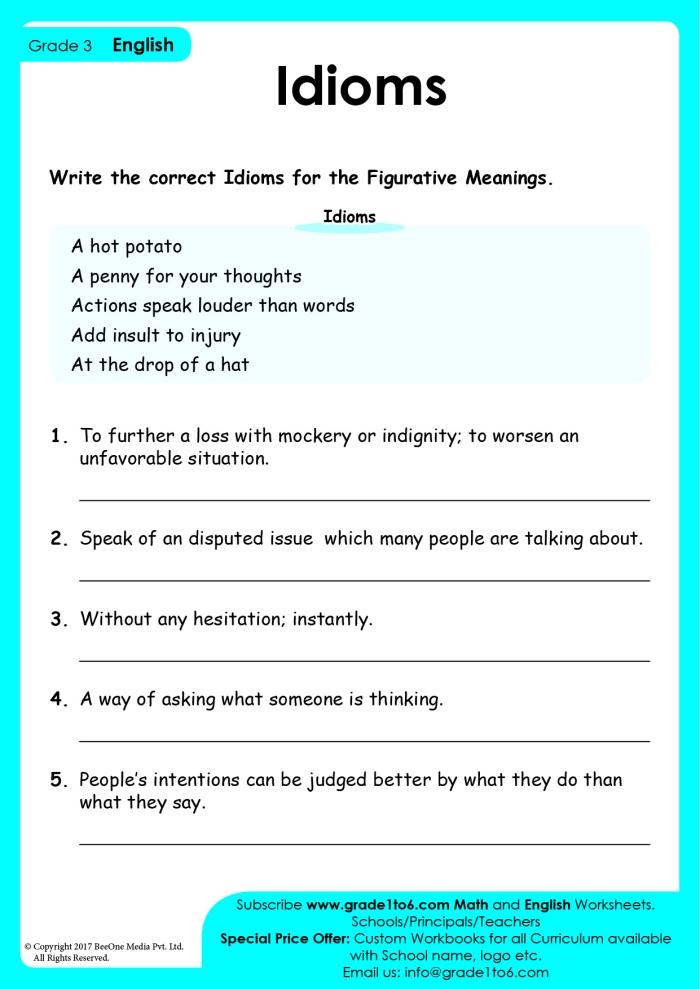
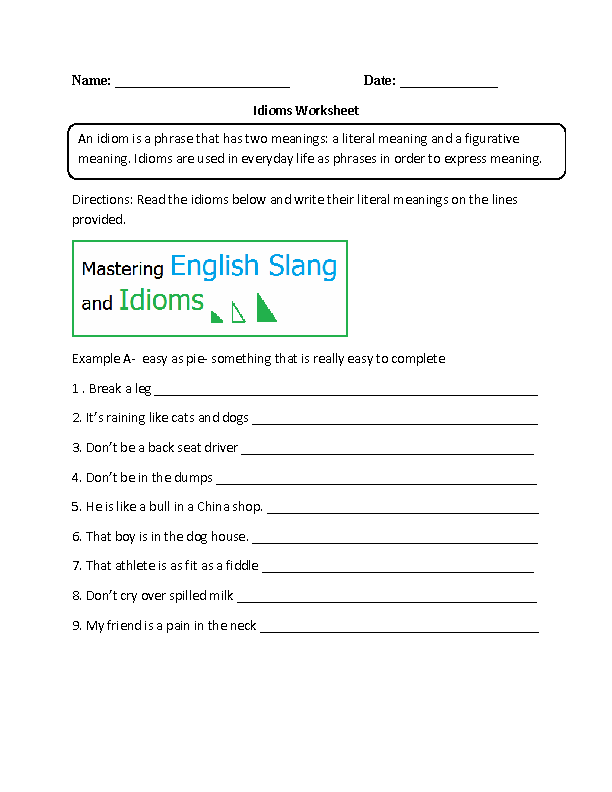
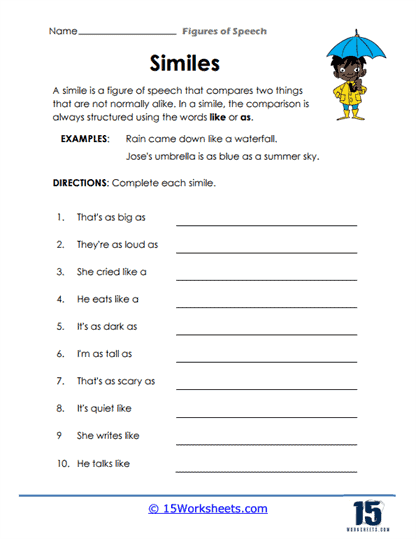
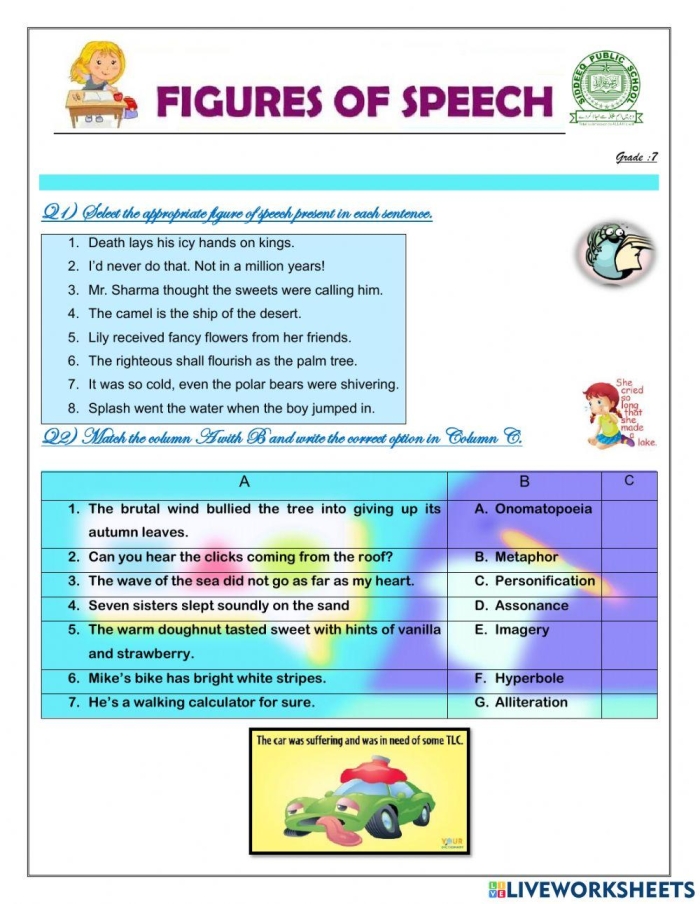
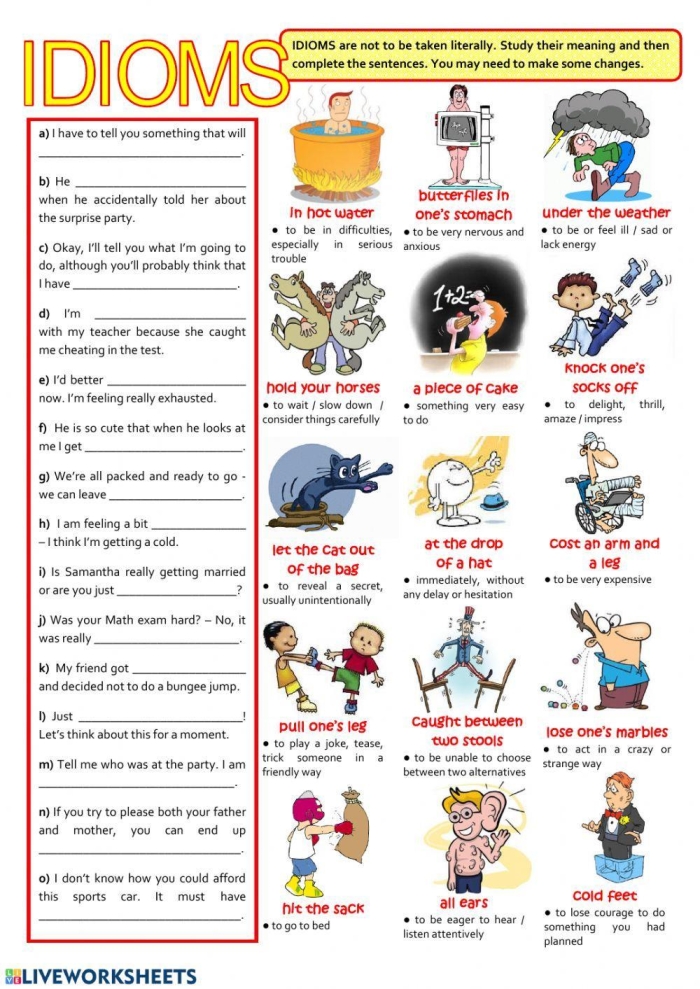
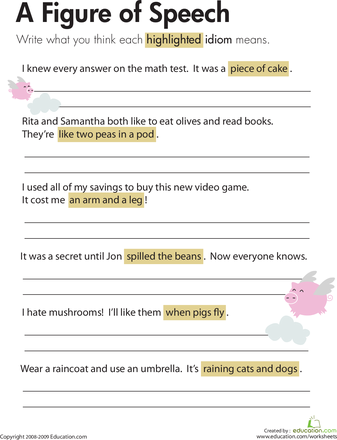
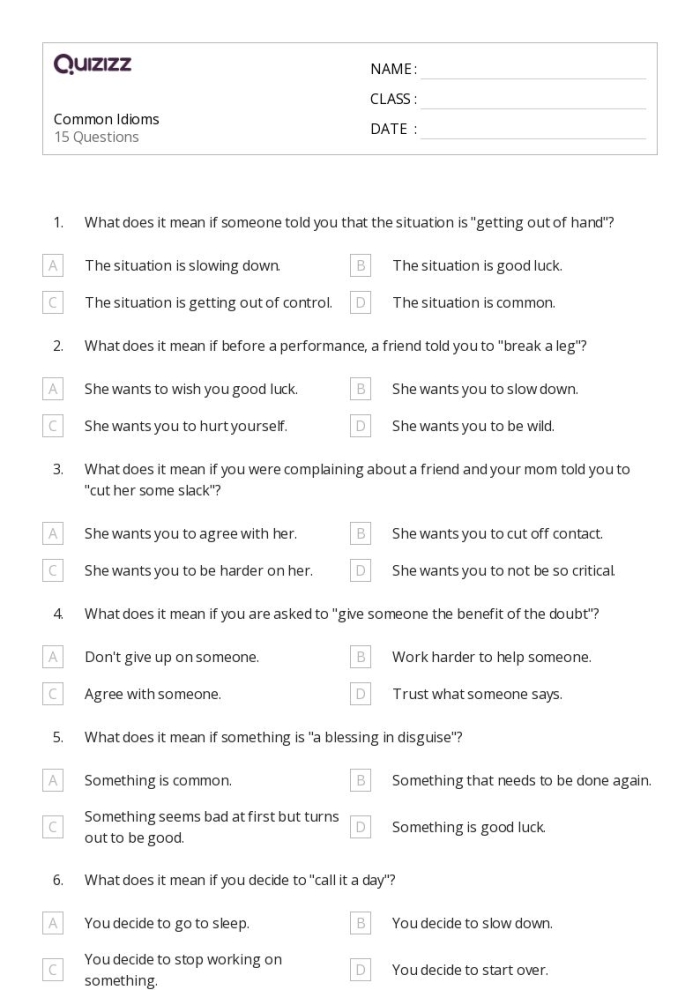
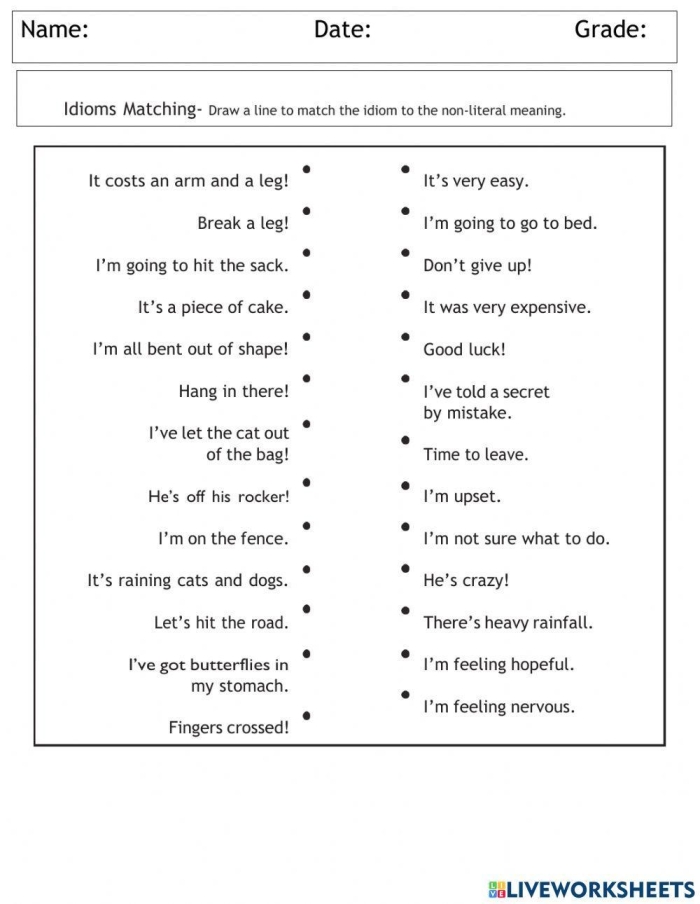
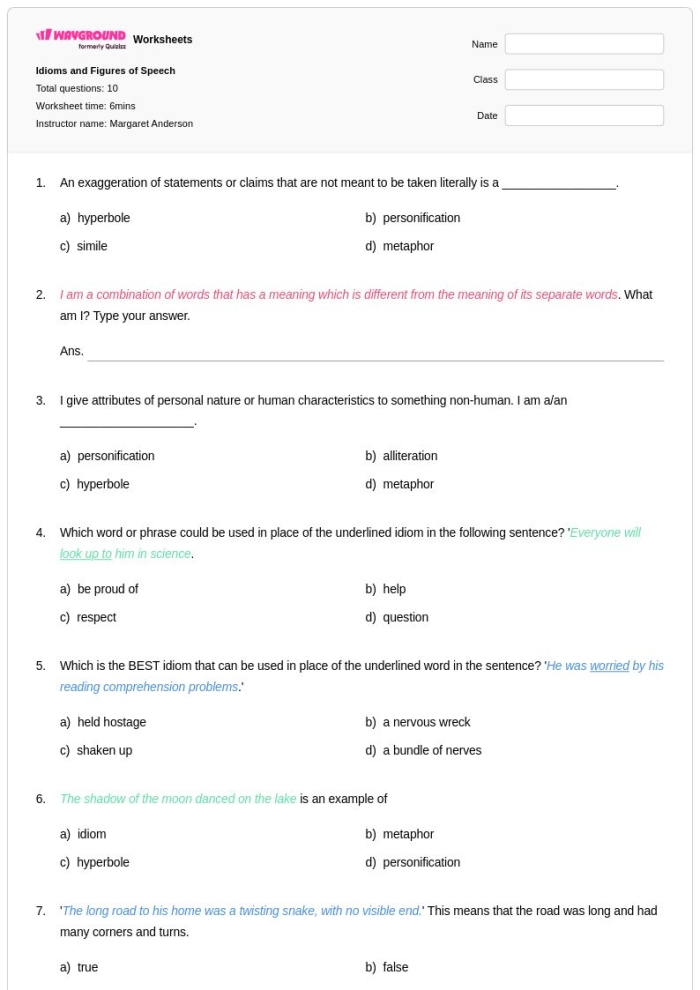
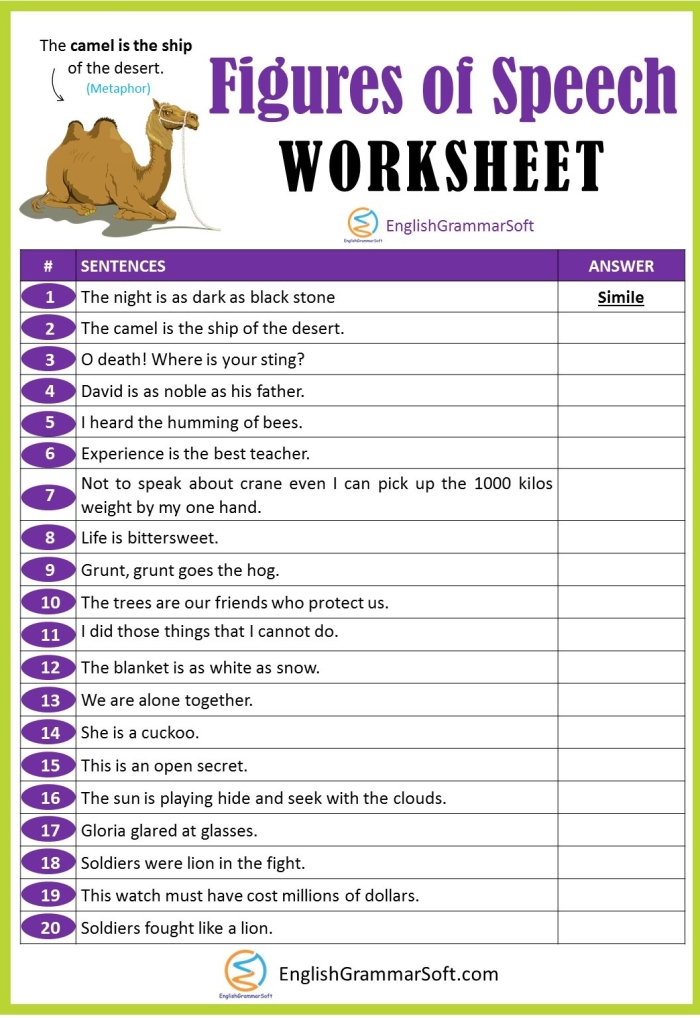
Imagine hearing someone say, “I’ll clean my room when pigs fly.” It’s a strange picture, isn’t it? Pigs soaring through the sky is impossible, which is exactly the point. This idiom is a playful way to express doubt about something happening. Understanding phrases like this is crucial for kids as they develop their language skills. That’s where third graders can benefit from worksheets that teach common idioms by using context clues.
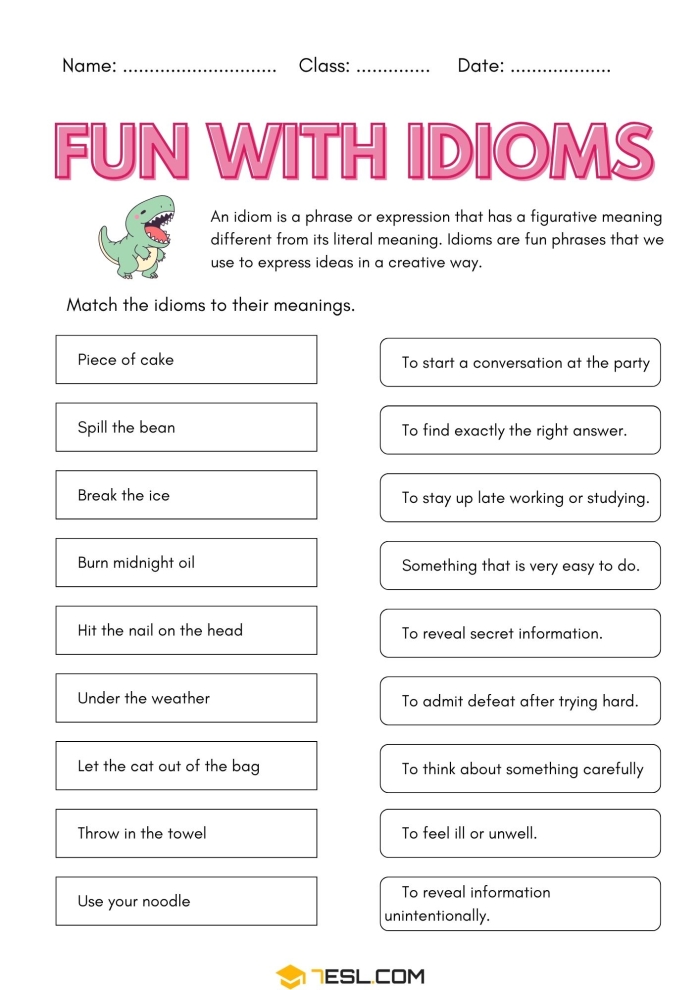
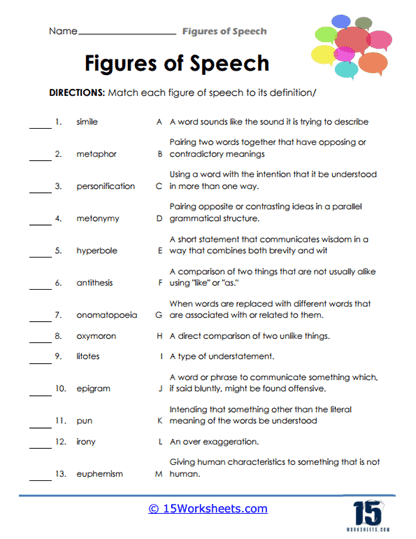
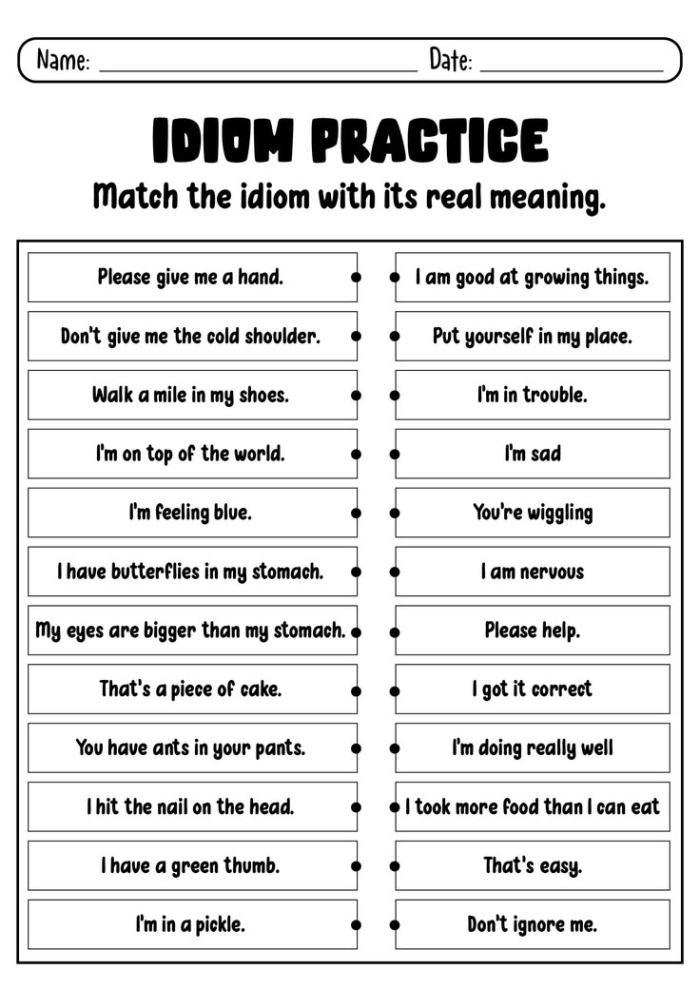
Idioms are figures of speech that don’t always mean what they literally say. For example, when someone uses “when pigs fly,” they are not talking about actual flying pigs; they are indicating that they don’t expect someone to do something anytime soon. It’s important for children to learn these expressions because they enrich their understanding of language and improve their reading comprehension.
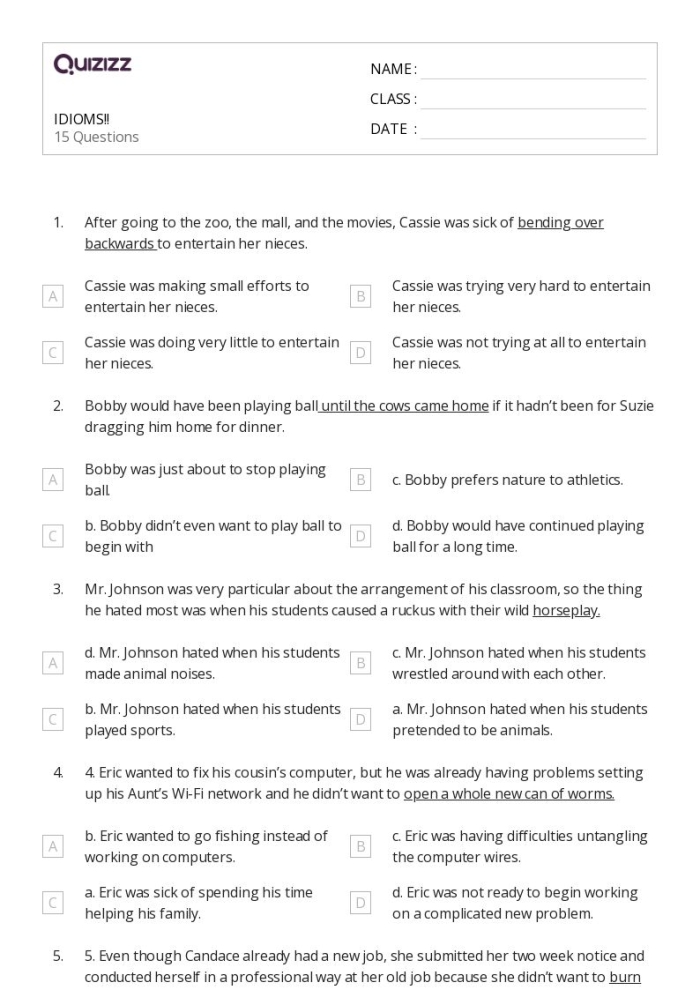
Using idioms can make conversations more colorful and fun. For instance, if a teacher asks students to use context clues to figure out what “when pigs fly” means, they’re encouraging them to think critically. They might provide a sentence where this idiom fits perfectly, helping students infer the meaning without needing a dictionary. This skill is particularly useful in third grade, where children are exploring more complex texts.
In addition to idioms, worksheets that focus on decimals and writing can also enhance students’ abilities. For example, the Follow the Rules Number Patterns worksheet helps kids understand numerical patterns, while Supporting the Main Idea worksheets refine their writing skills.
By engaging with idioms through context clues, children not only enjoy language more but also see the connections between words and their meanings. This approach makes learning more interactive and enjoyable, paving the way for better communication skills in the future.
Hands-On Worksheet Activities