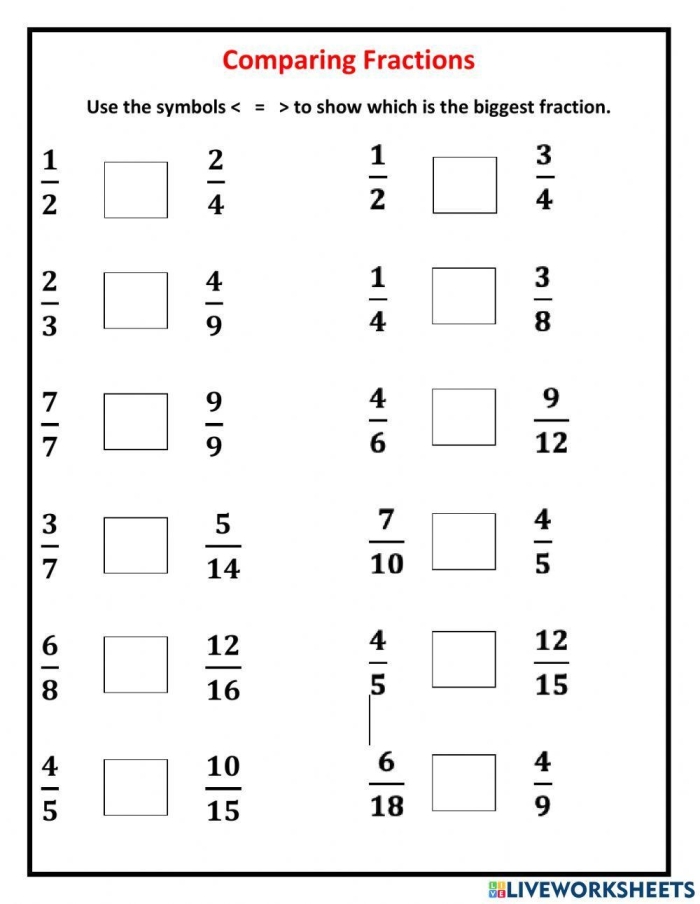
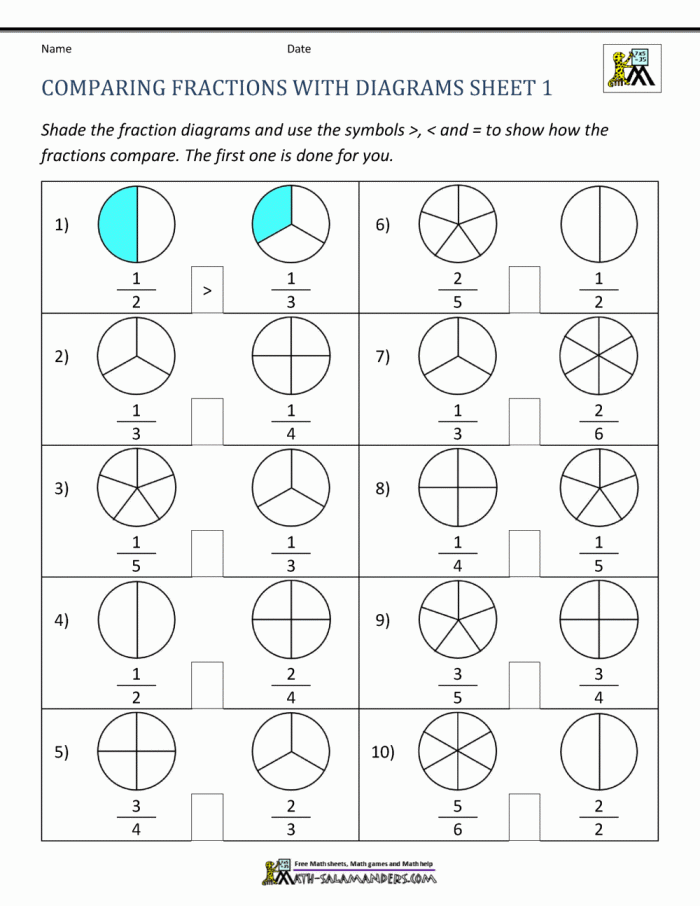
Fractions trip up a lot of second grade students, and it’s not hard to see why. When kids first encounter 1/2, 1/4, and 3/8, these symbols feel abstract and disconnected from anything real. The numbers don’t follow the familiar rules they’ve learned about counting. A bigger number on top doesn’t automatically mean a bigger fraction, which breaks the logic they’ve built so far in their understanding of numbers and counting.
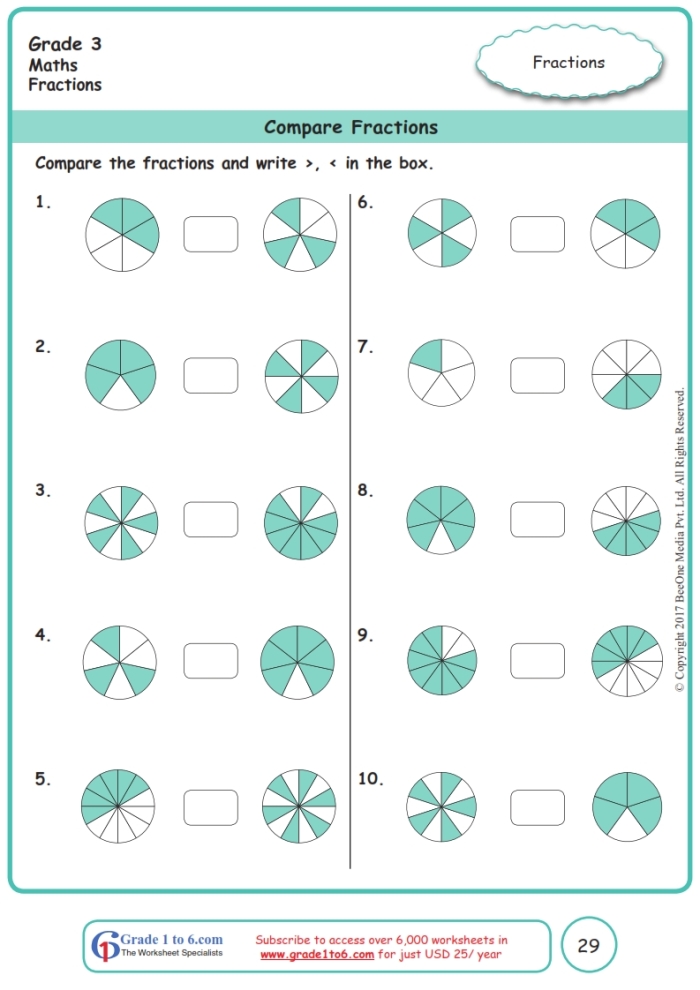
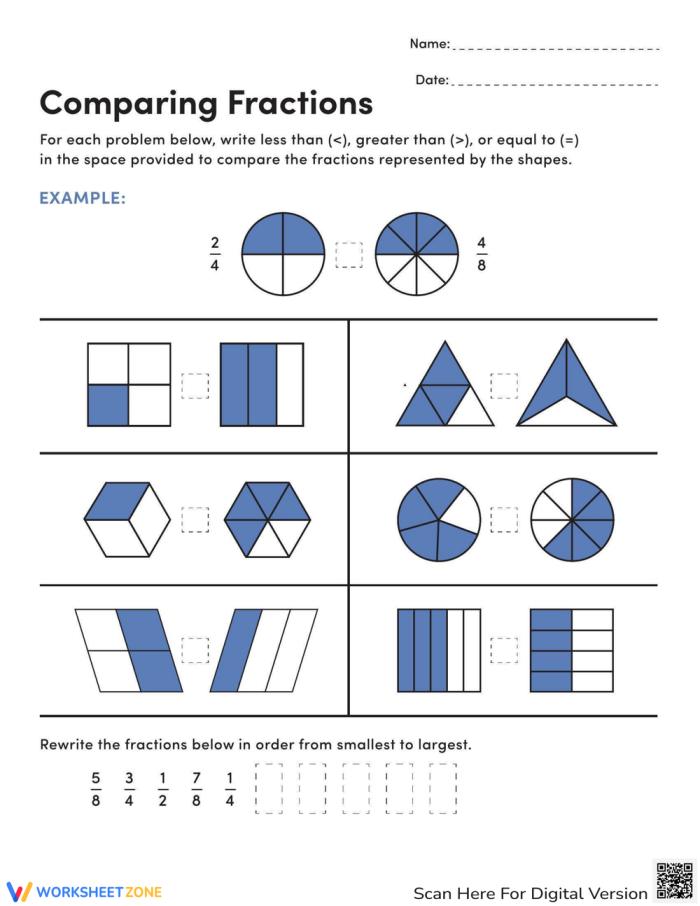
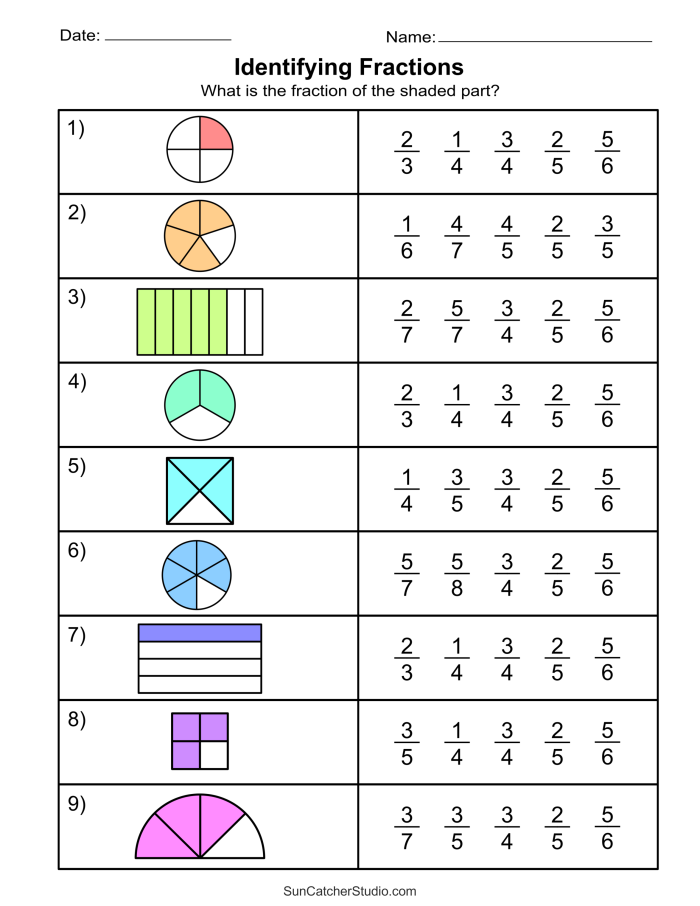
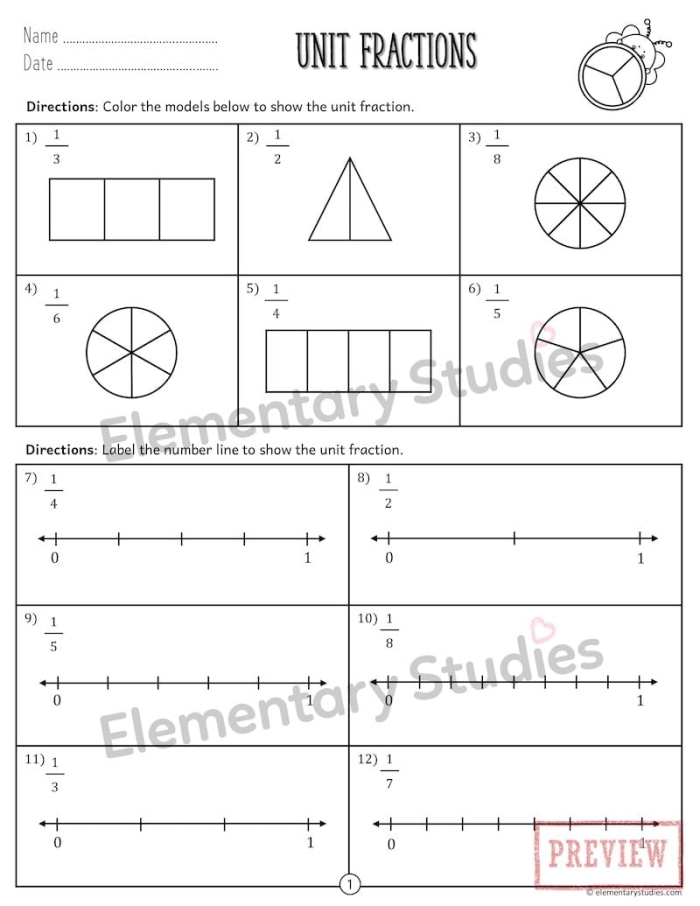
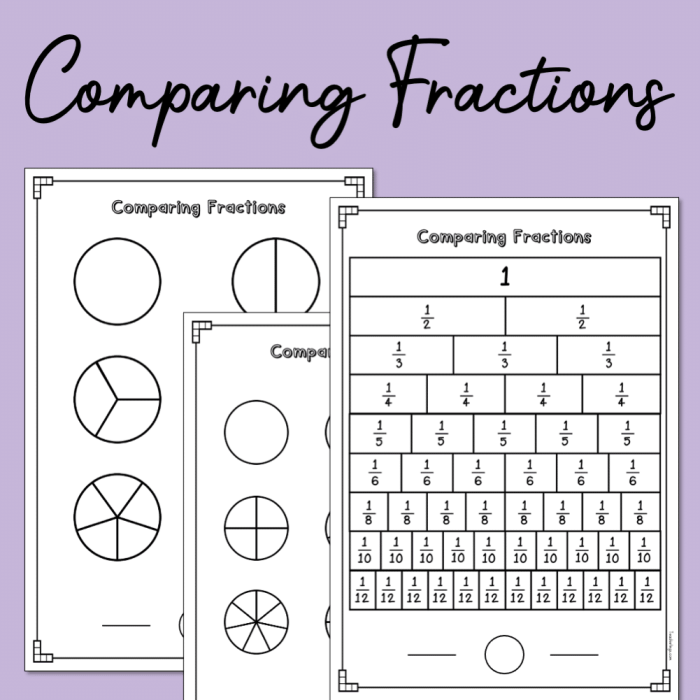
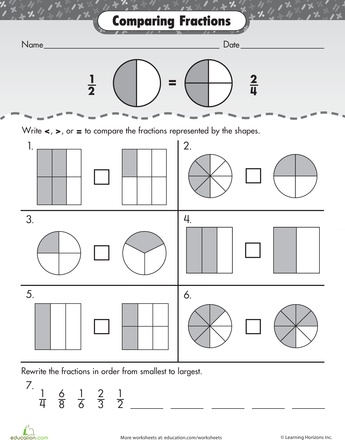
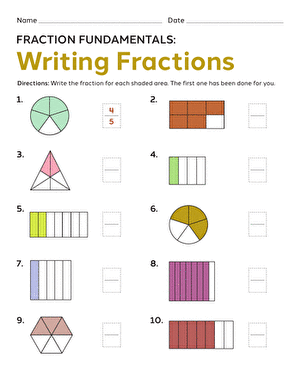
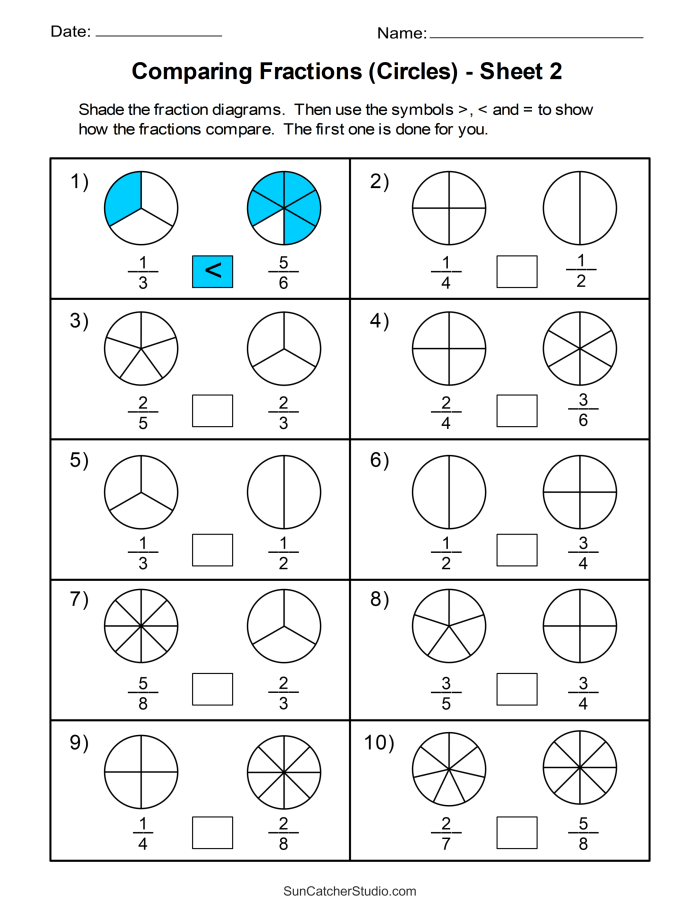
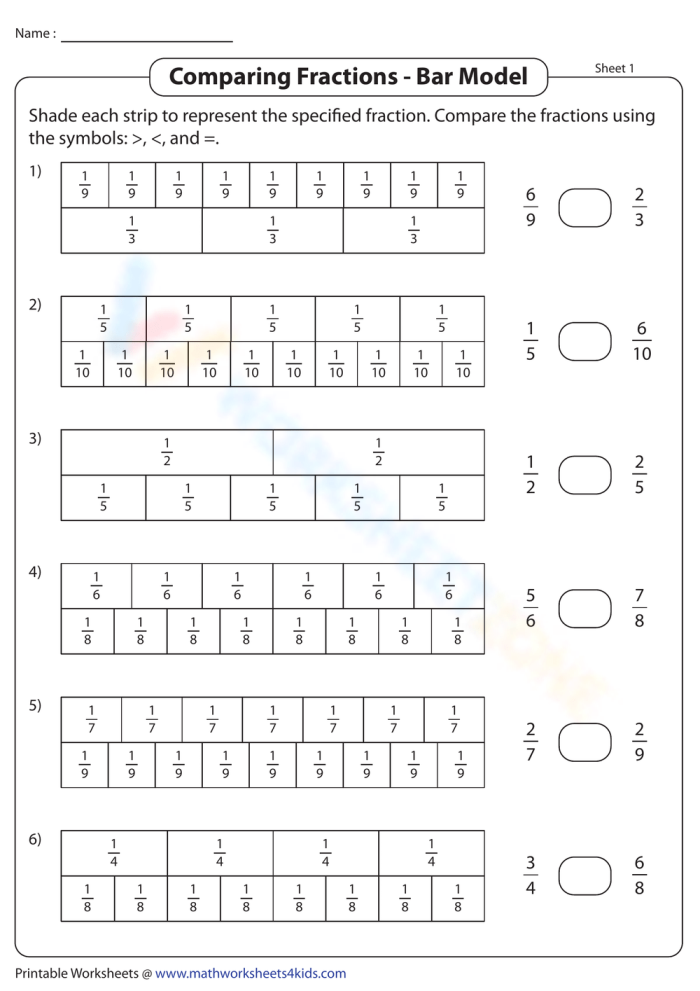
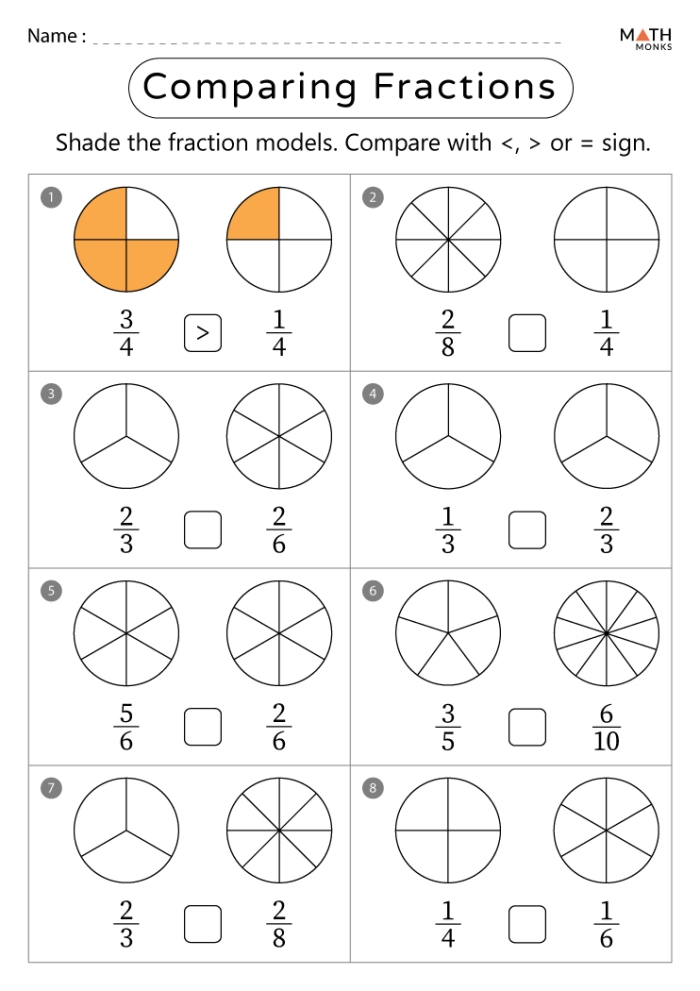
The breakthrough happens when teachers bring shapes into the picture. Instead of staring at symbols on a page, children see a circle divided into two equal parts with one shaded, sitting right next to a circle divided into four equal parts with one shaded. Suddenly, comparing fractions becomes visual. Kids can see that the half-circle takes up more space than the quarter-circle. This concrete representation bridges the gap between the abstract concept and something their eyes can actually process.
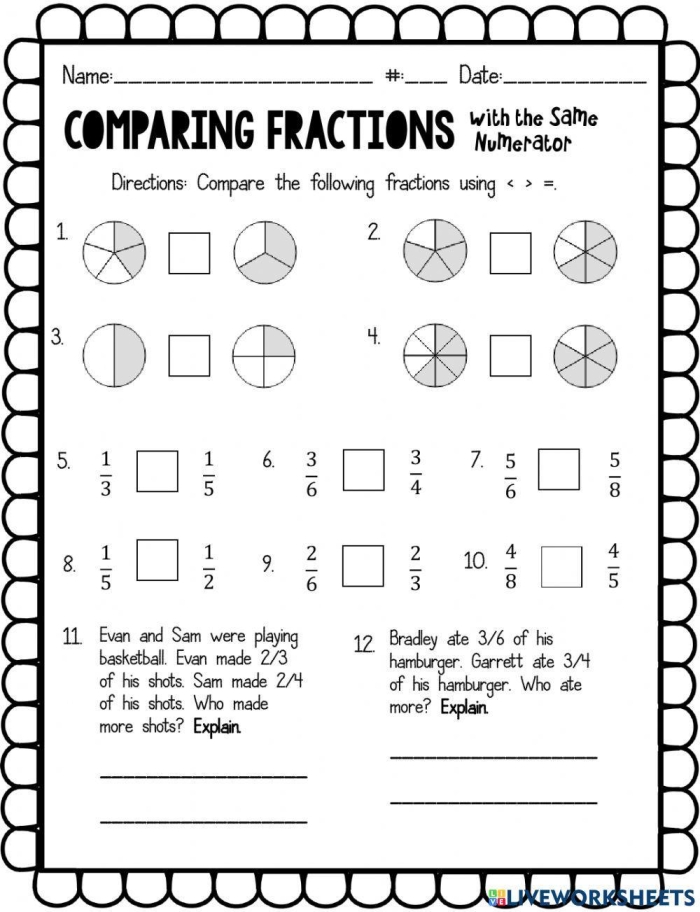
When you use rectangles, circles, or bars divided into equal sections, children can compare fractions without relying on memorized rules they don’t yet understand. They develop an intuitive sense of fraction size. A second grader looking at two pie charts divided differently can immediately recognize which fraction represents more, because they’re comparing the actual shaded areas rather than trying to manipulate numbers.
Shape visuals also help kids see that the same fraction can look different depending on the shape used. Half of a square looks different from half of a circle, but both represent the same value. This flexibility in thinking strengthens their conceptual understanding rather than just their ability to follow a procedure.
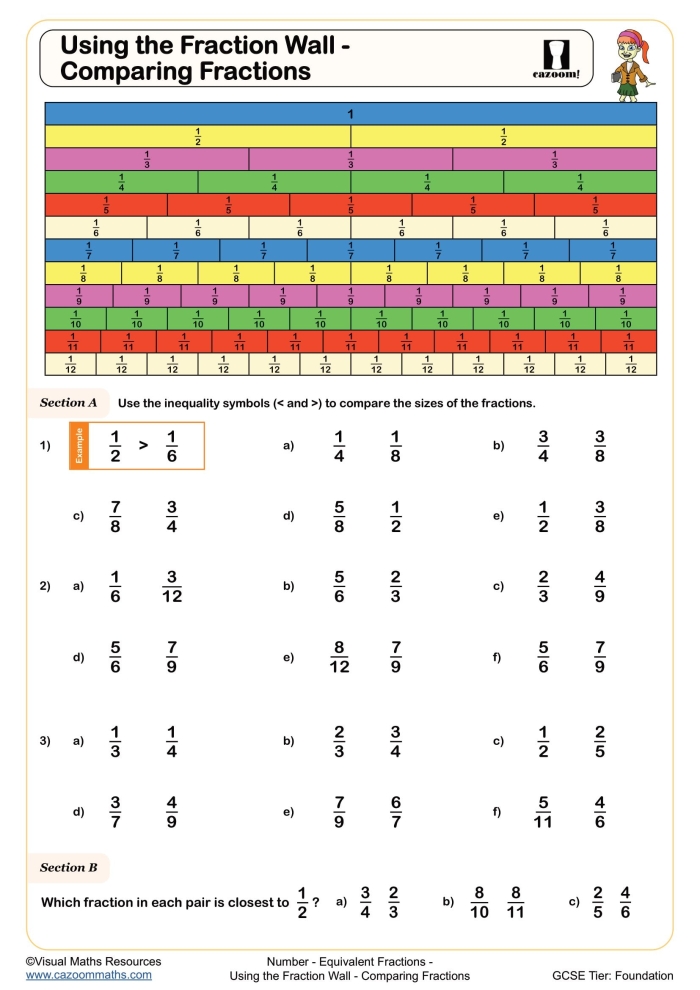
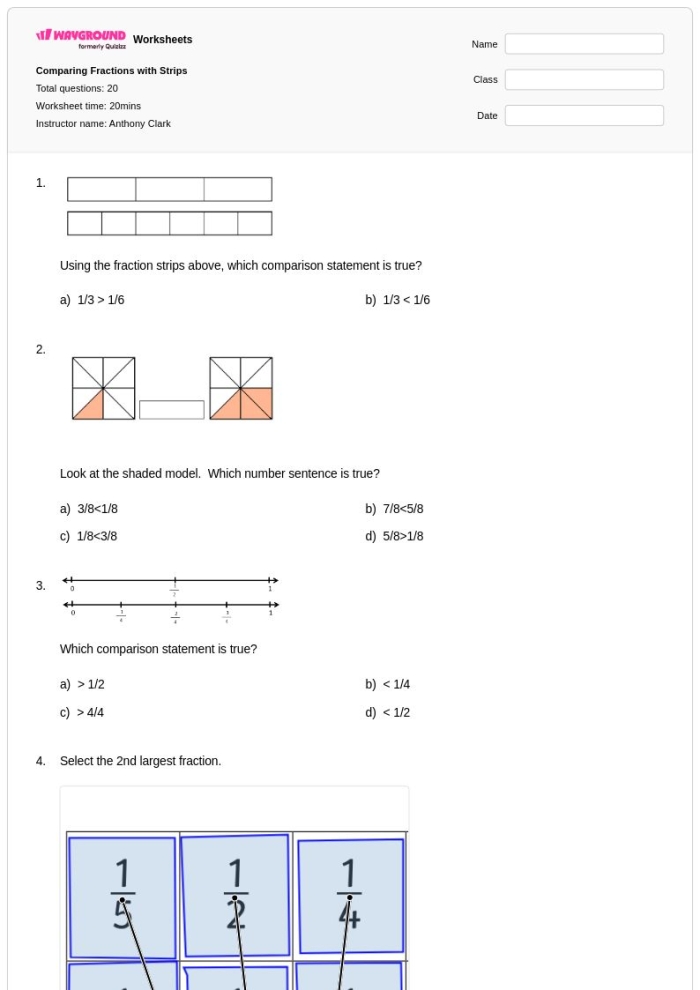
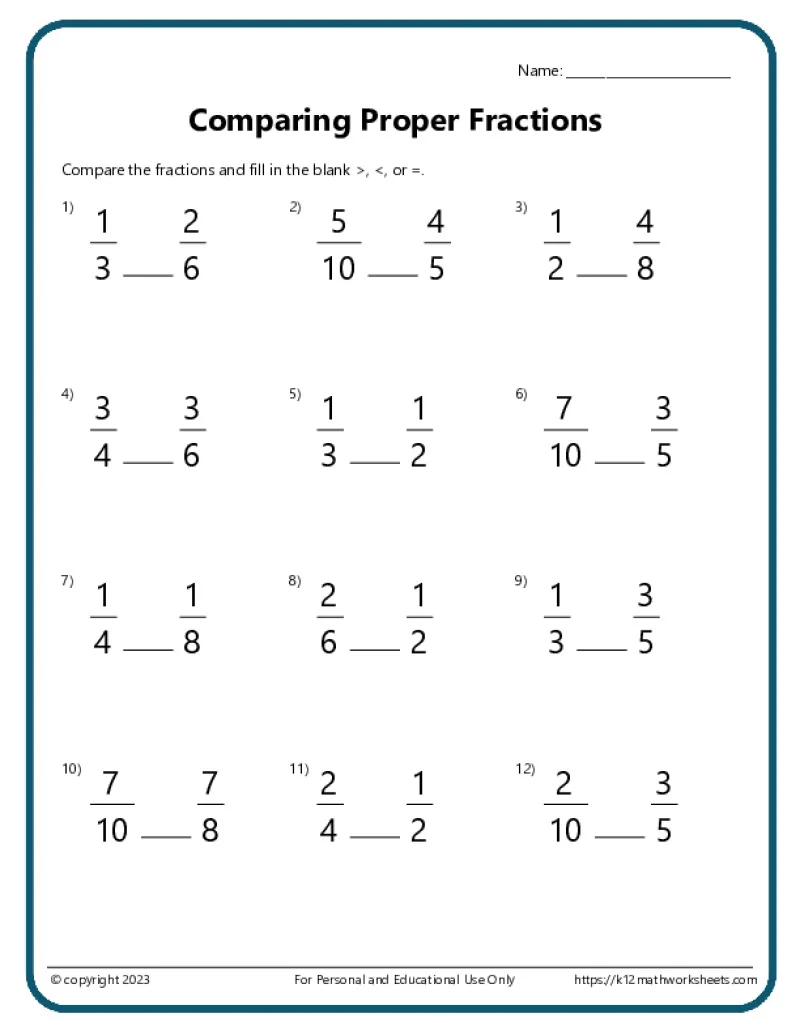
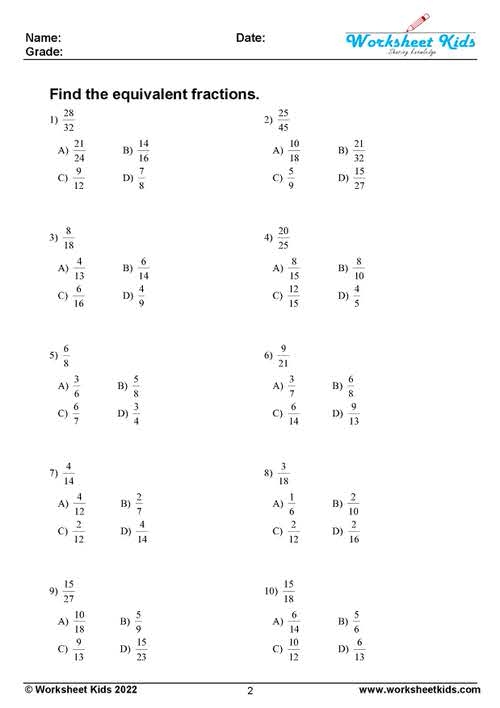
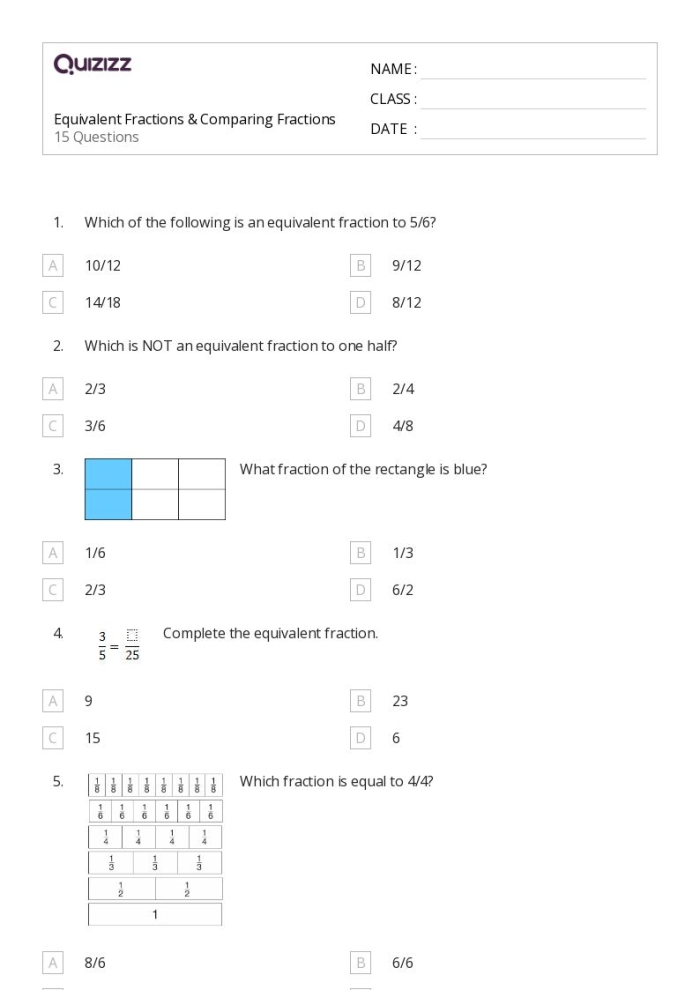
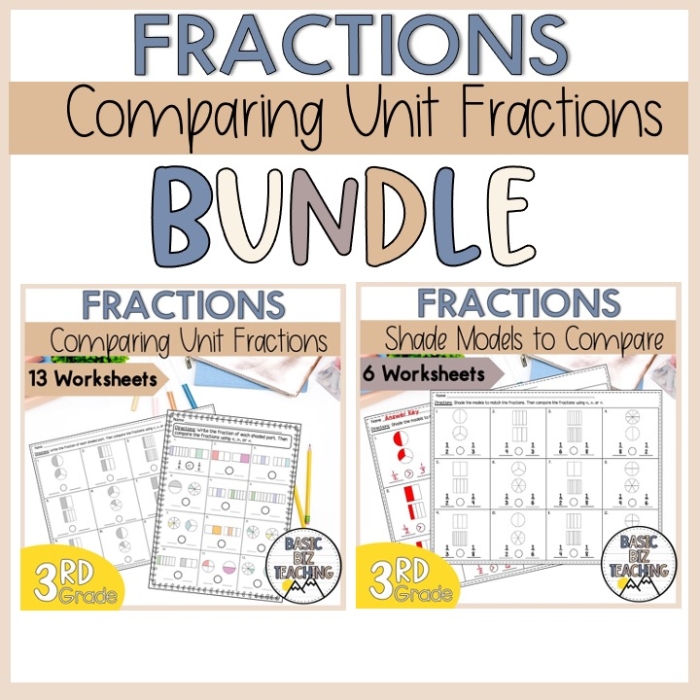
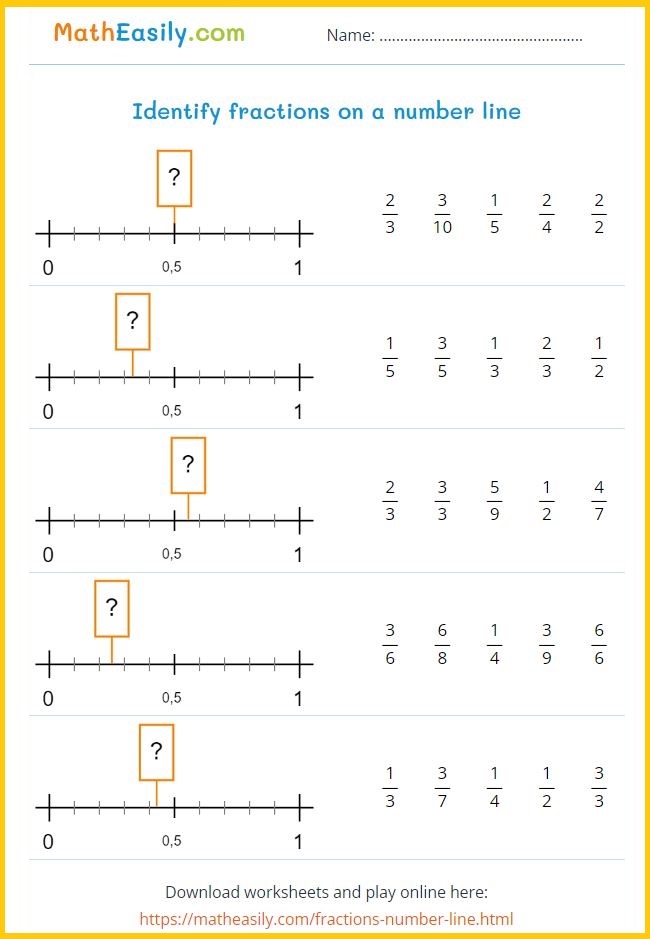
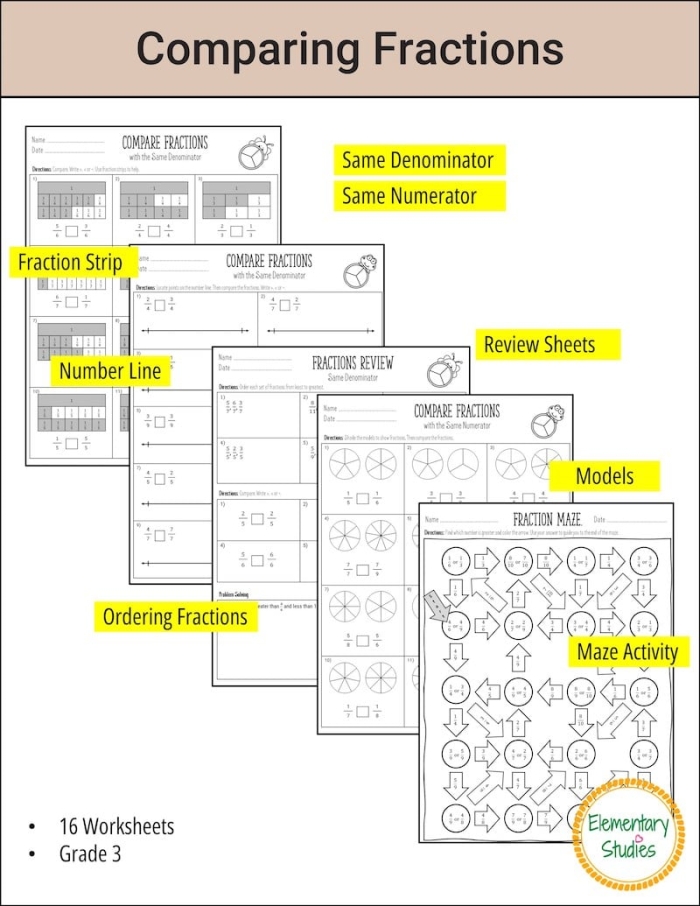
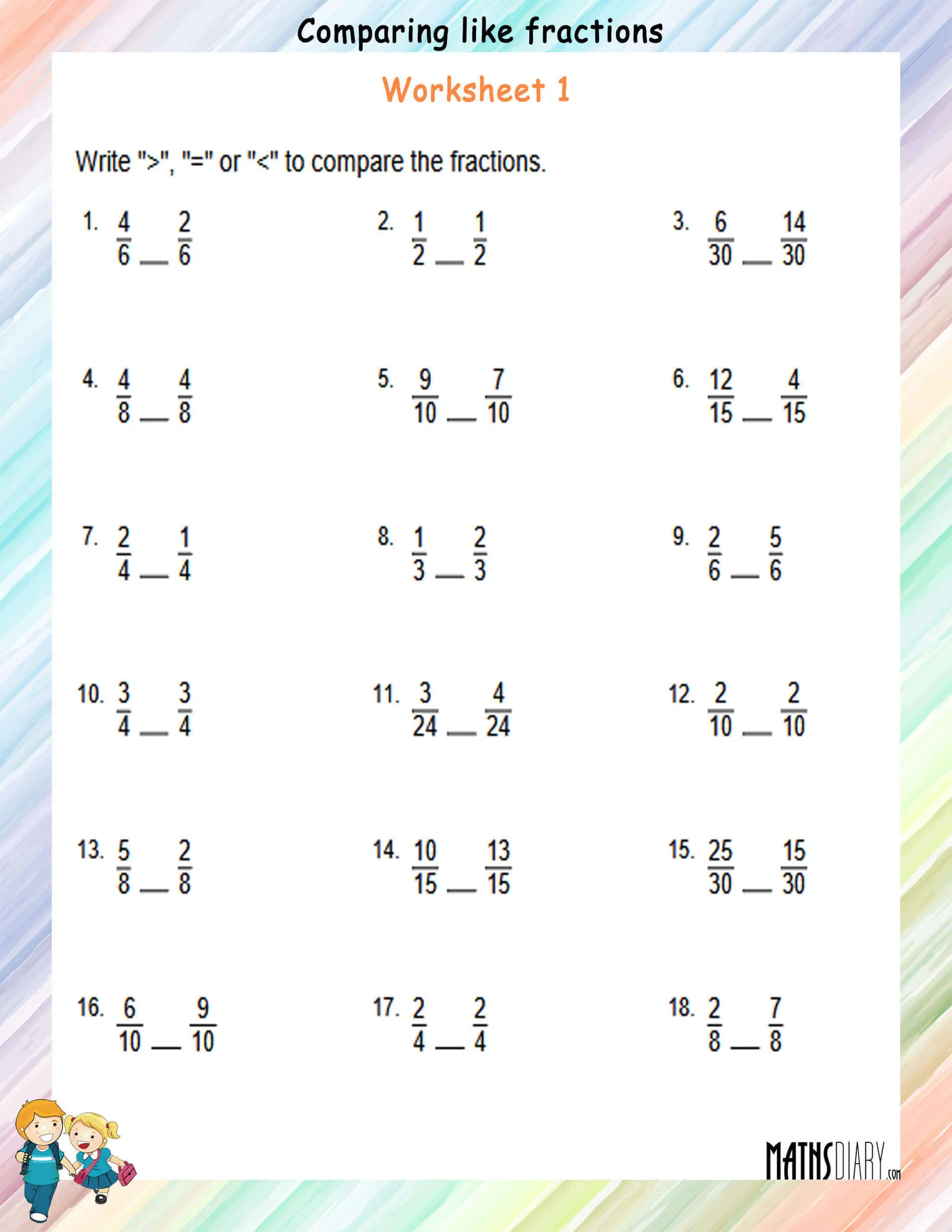
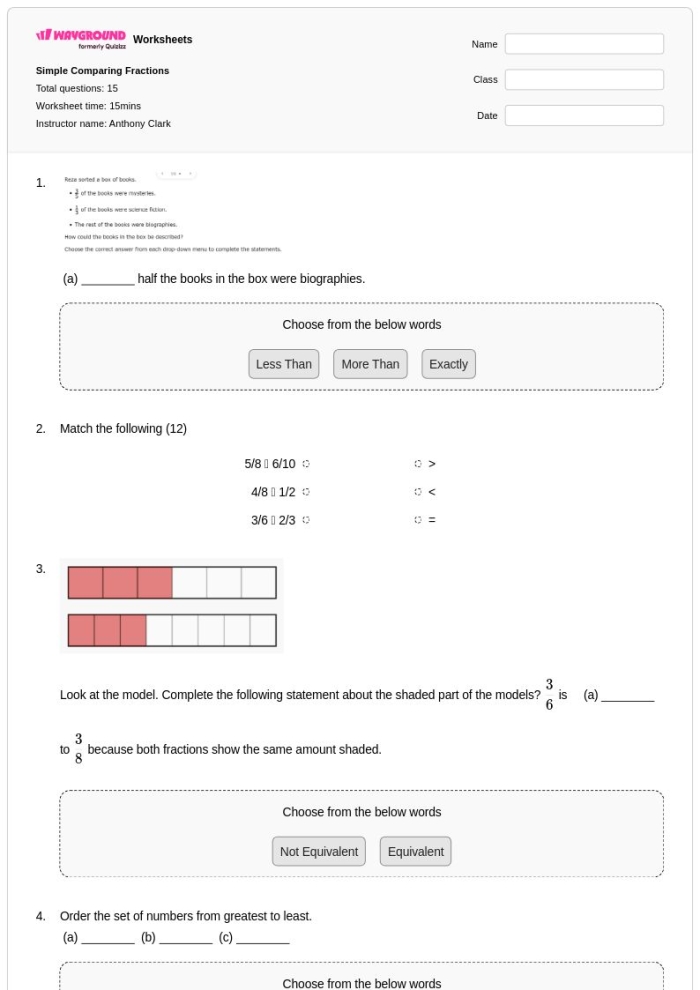
Pairing these visual strategies with practice worksheets helps reinforce learning. Resources that combine shape-based comparisons with exercises in numbers and counting create a well-rounded approach to building fraction confidence at this foundational stage.
The key is giving kids time to work with visuals before pushing them toward abstract fraction notation. When they understand what fractions actually represent, comparing them becomes far less intimidating.
Hands-On Worksheet Activities