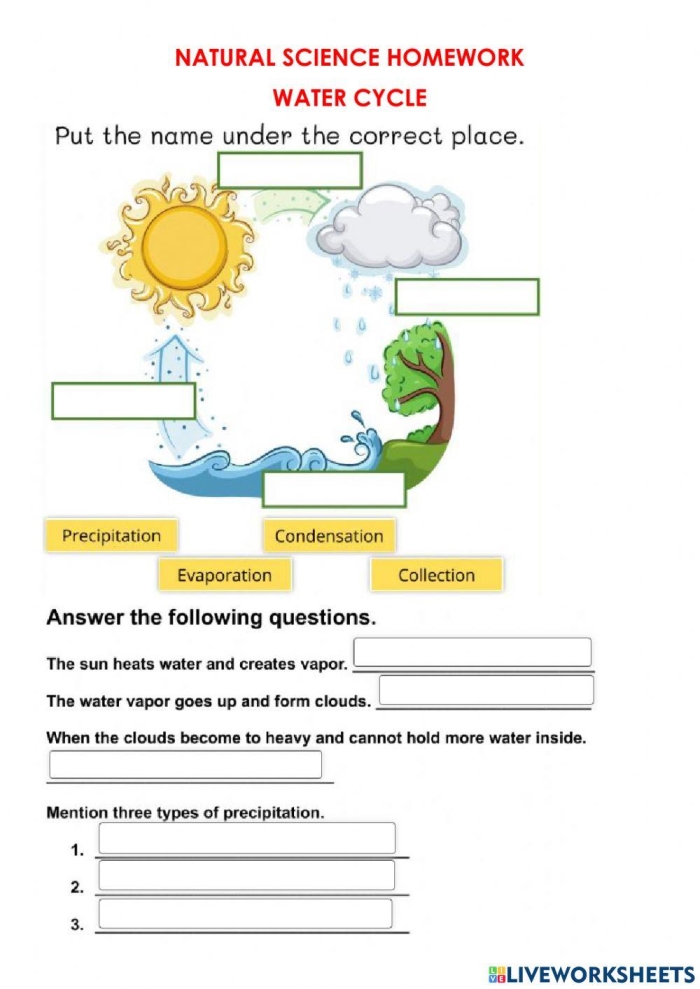
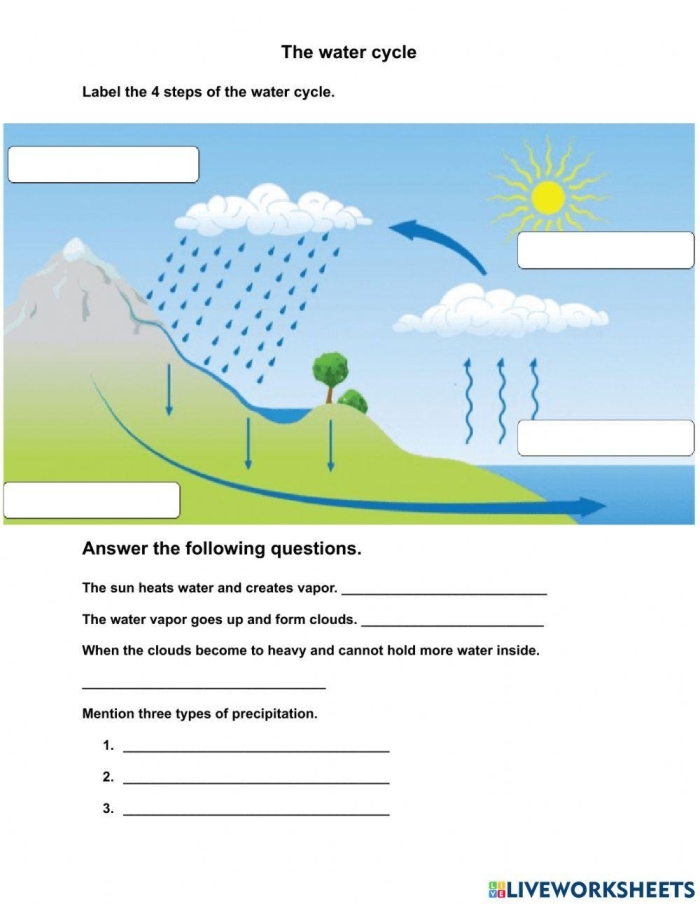
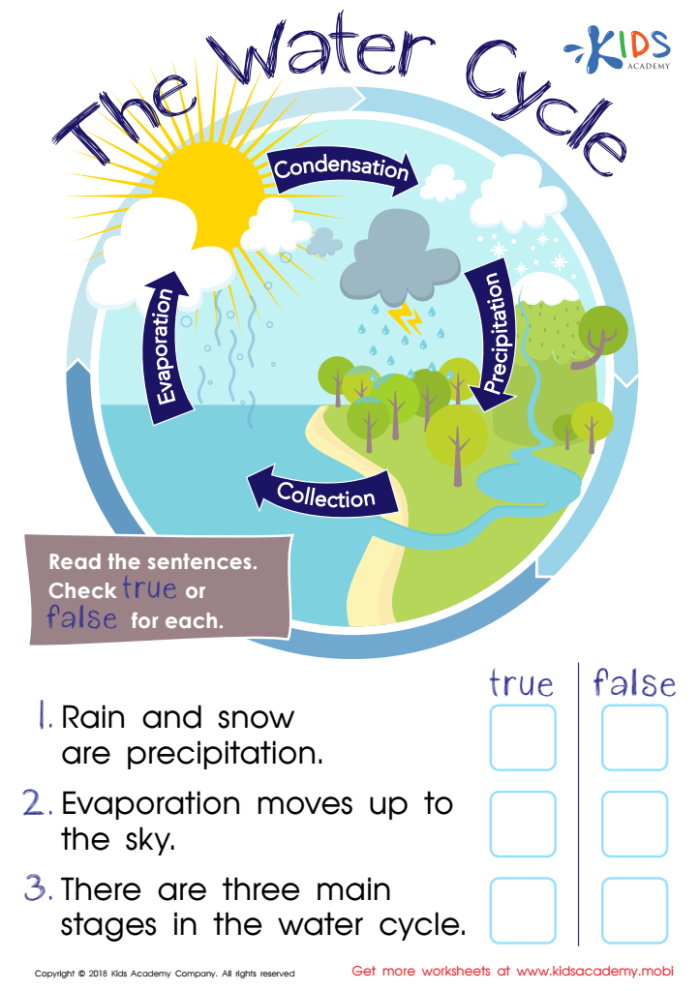
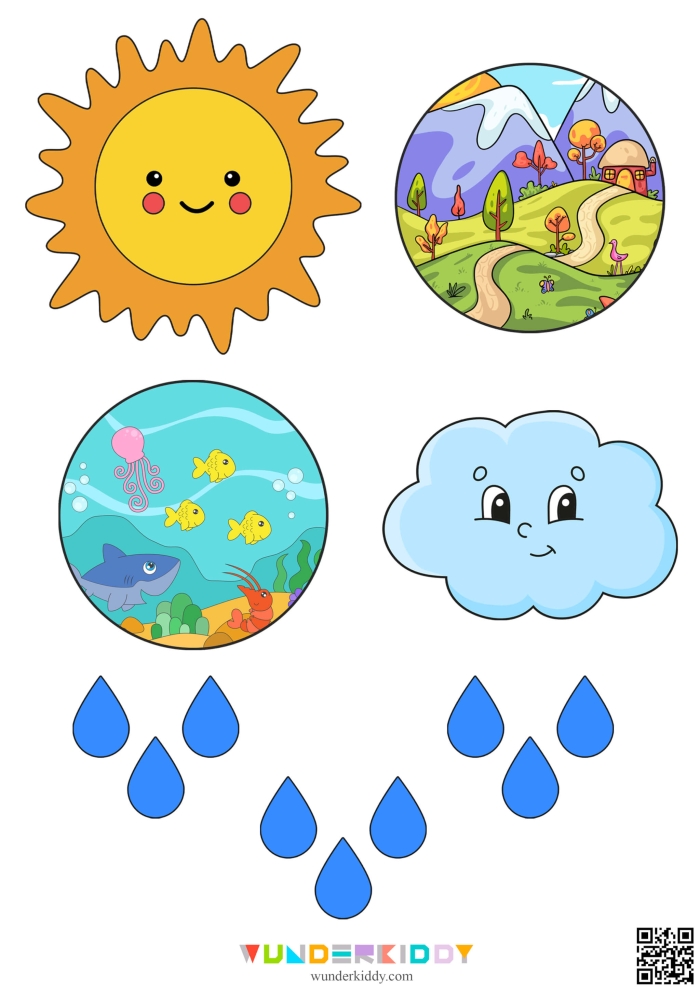
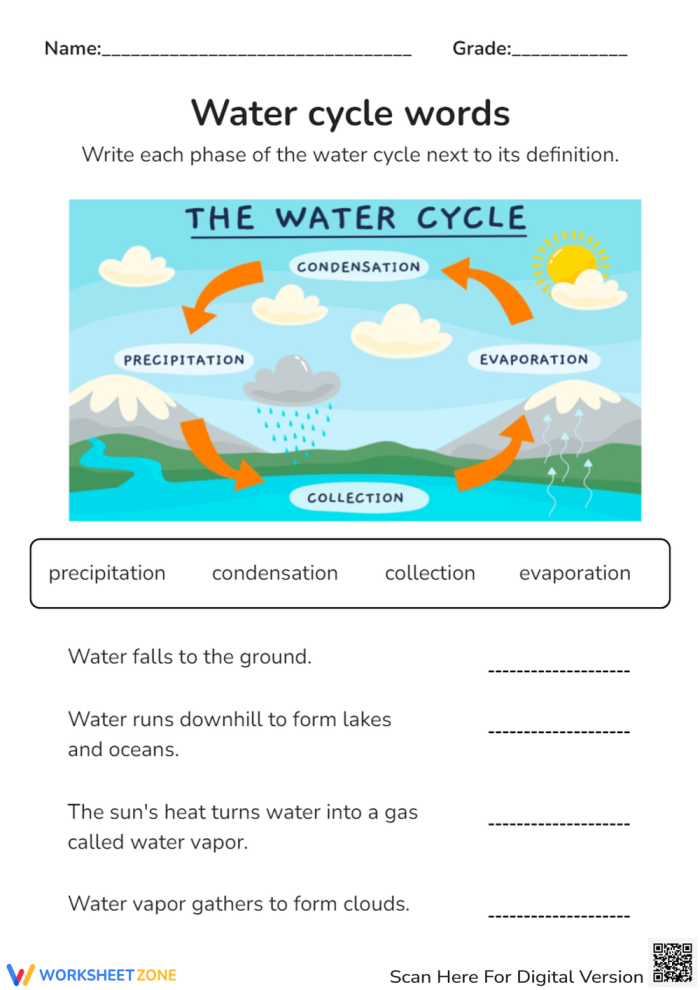
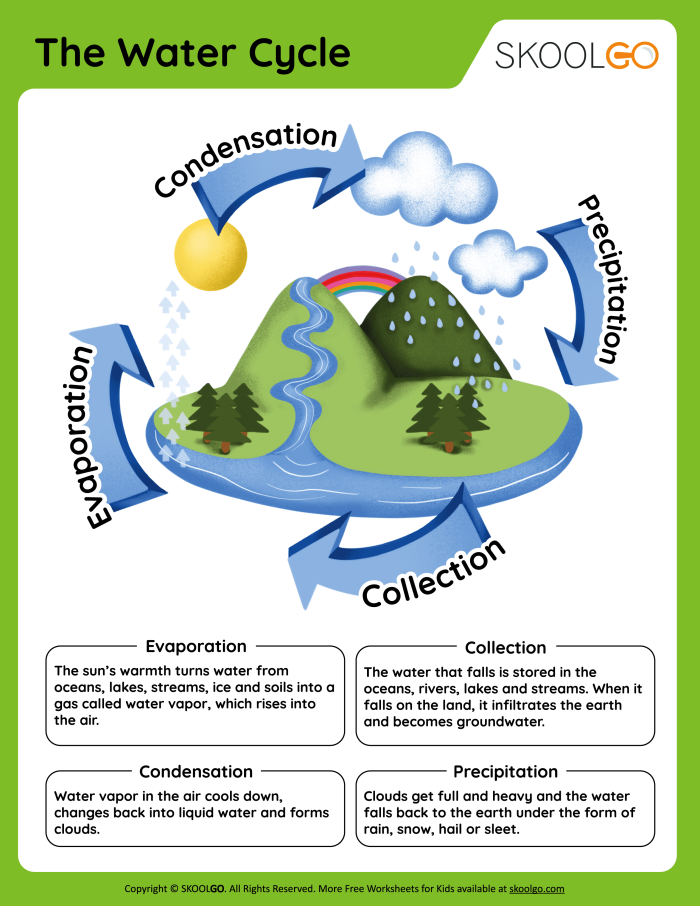
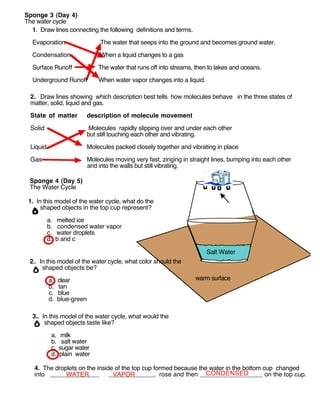
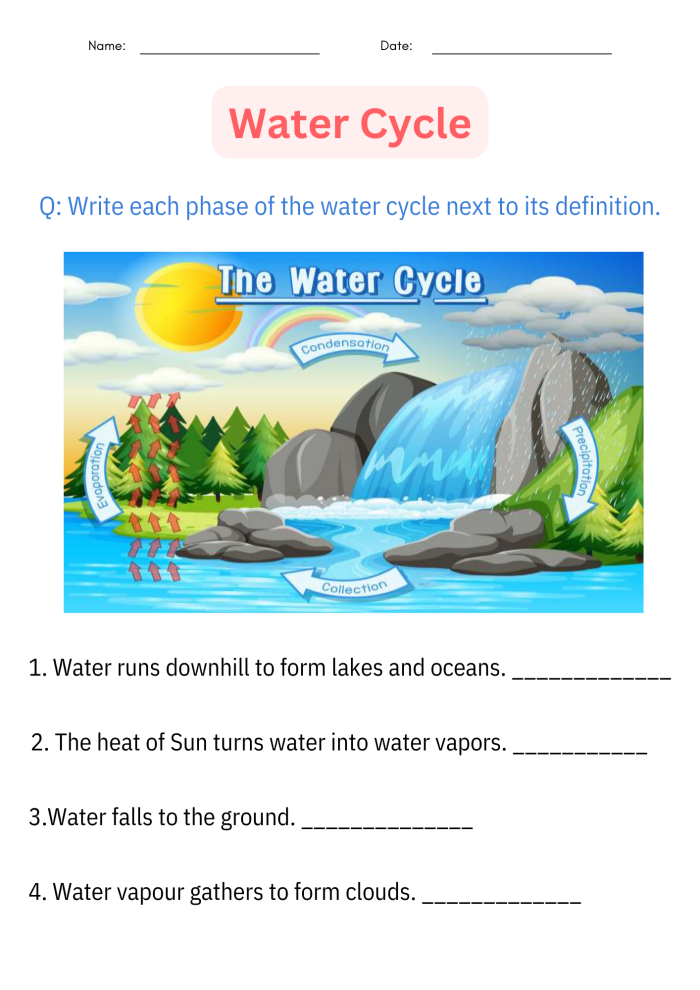
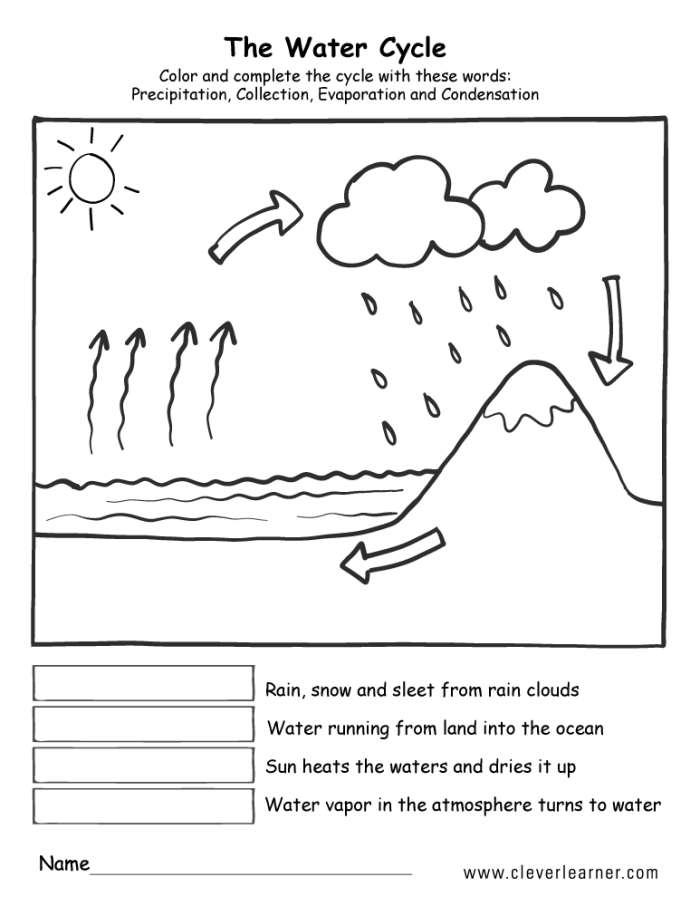
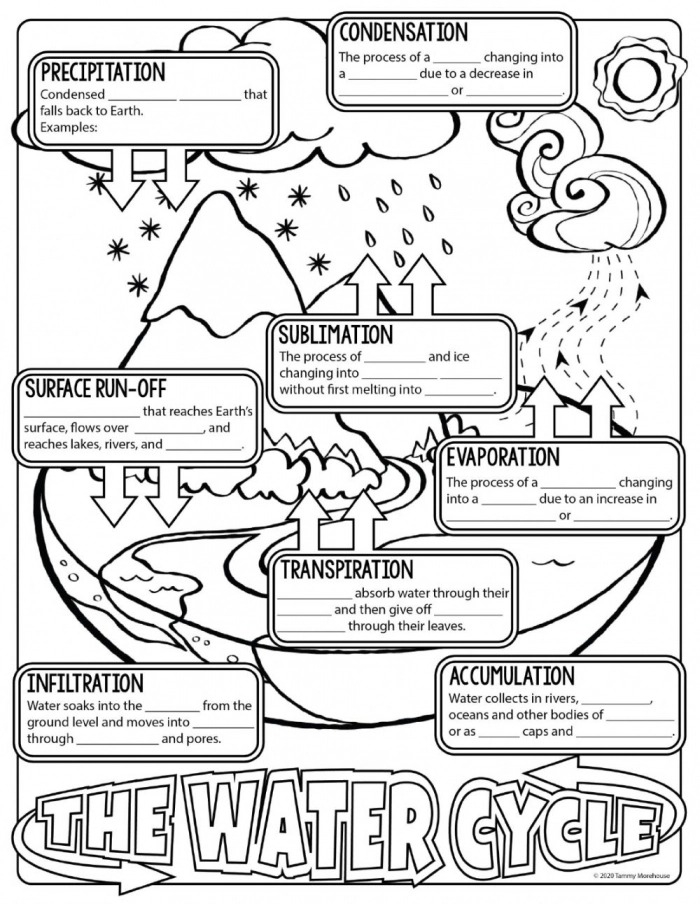
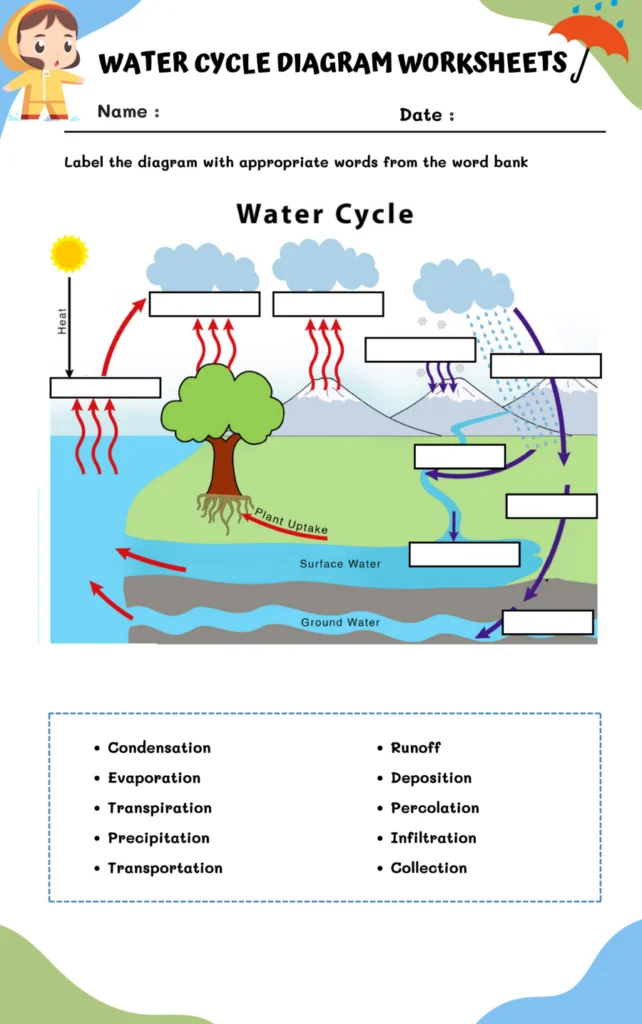
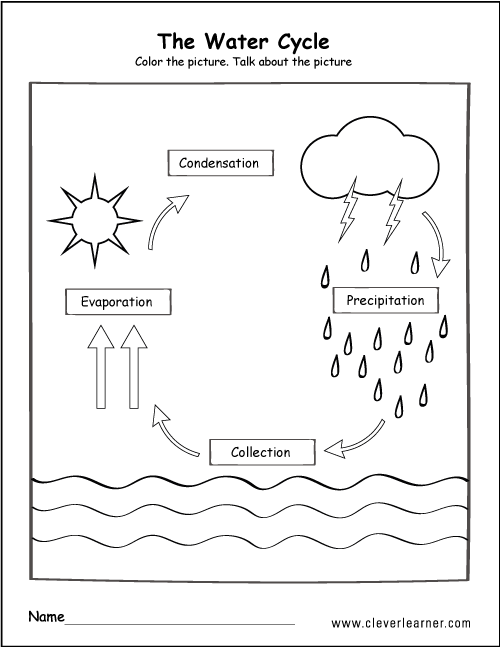
Water doesn’t just sit in oceans and lakes waiting around. It moves constantly through evaporation, condensation, precipitation, and collection, driven by energy from the sun and the forces of gravity and atmospheric pressure. Most sixth grade students learn about the water cycle as a simple diagram with arrows, but they rarely get to explore what actually powers those arrows. A well-designed worksheet changes that by putting students in the position of investigators rather than passive note-takers.
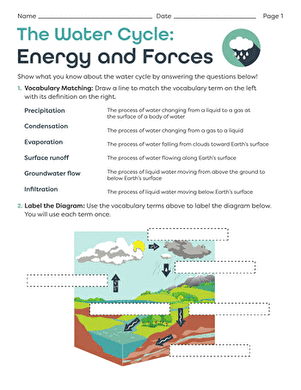
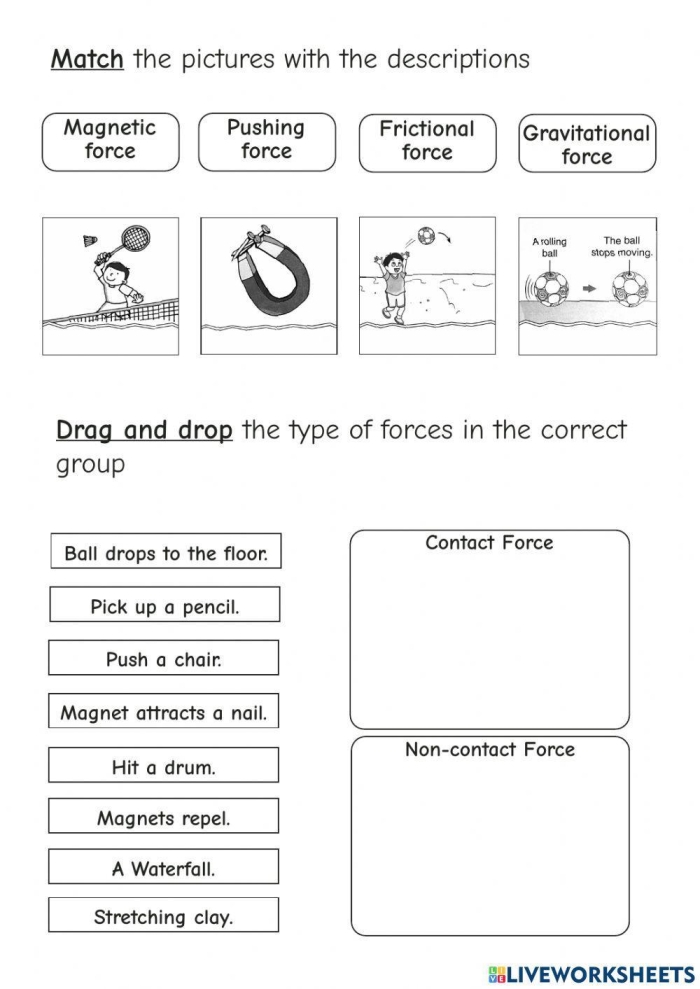
When students work through activities that examine energy and forces in the water cycle, they start connecting abstract concepts to observable phenomena. They see how solar energy heats water bodies and transforms liquid water into vapor. They understand why water falls as precipitation instead of floating randomly through the atmosphere. They recognize that gravity pulls water downward while atmospheric pressure and temperature differences push it upward. These aren’t just vocabulary words to memorize; they become tools for explaining why weather happens.
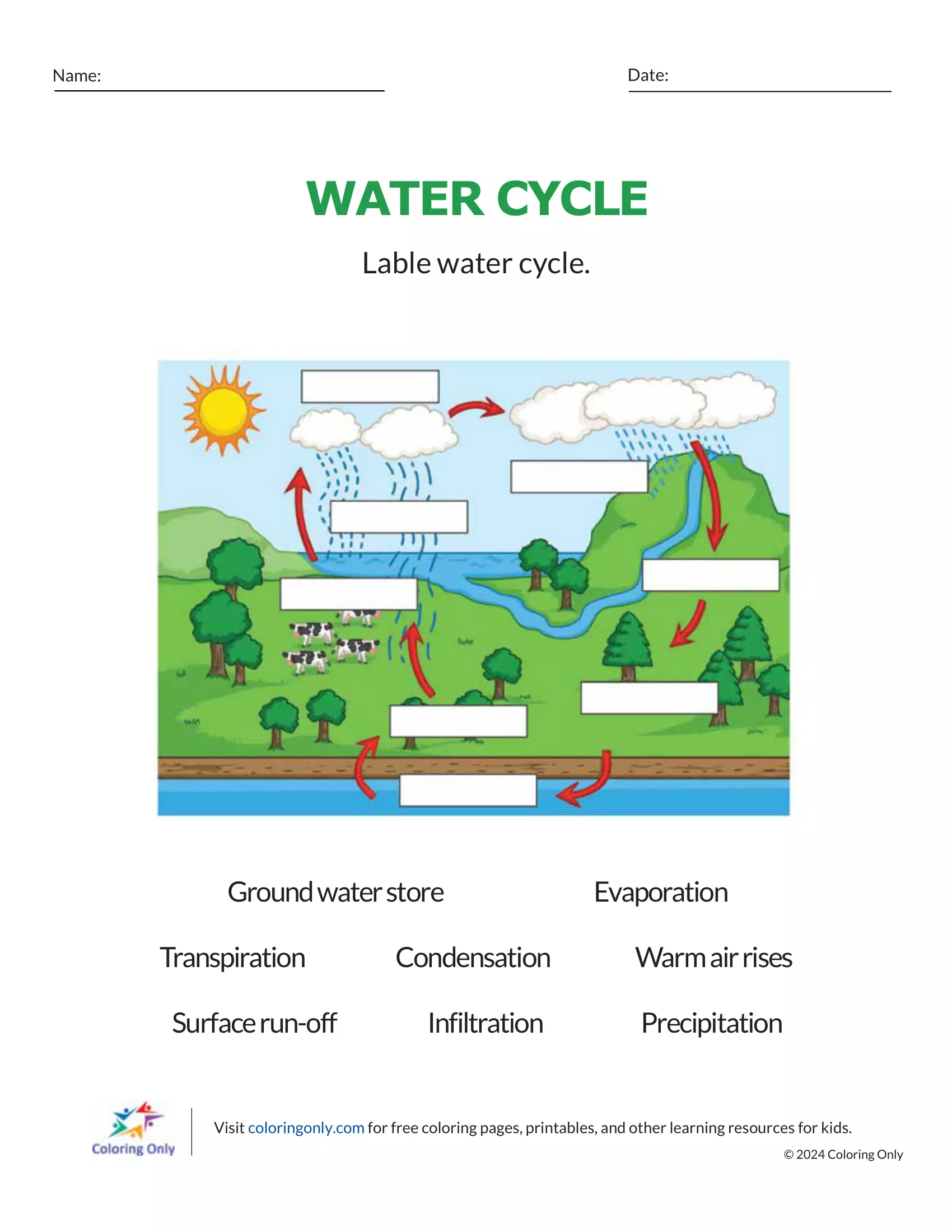
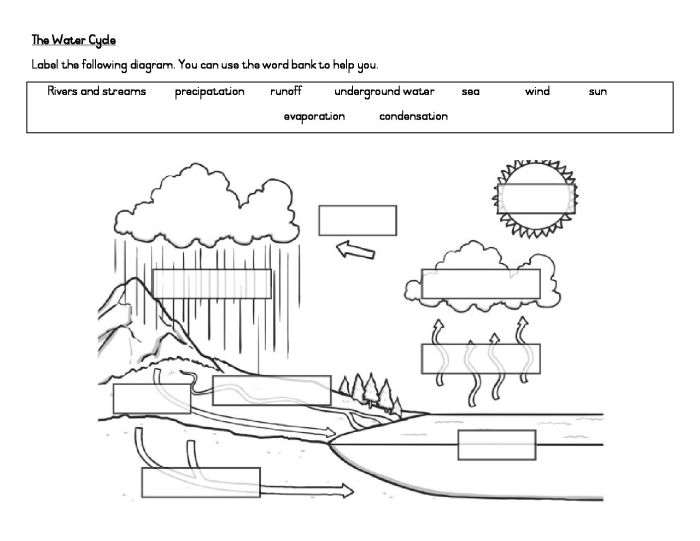
The best worksheets for this topic include hands-on elements alongside traditional questions. Some ask students to calculate evaporation rates under different temperature conditions. Others have them trace a water molecule’s journey and identify which forces act on it at each stage. A few incorporate diagrams where students label energy sources and directional forces, similar to how they might approach evaluating algebraic expressions by identifying different components in a system.
Engagement matters because the water cycle isn’t a one-time topic. Students encounter it again in earth science, environmental studies, and even when analyzing case studies about deforestation in Haiti and how land use changes affect local precipitation patterns. A solid foundation in understanding the mechanisms behind water movement gives them a foundation for these future lessons.
The numbers involved also deserve attention. Students can measure rainfall, calculate percentages of water in different forms, and compare evaporation rates across seasons. This numerical work reinforces their growing comfort with quantitative reasoning in science contexts.
Boost Skills with These Worksheets