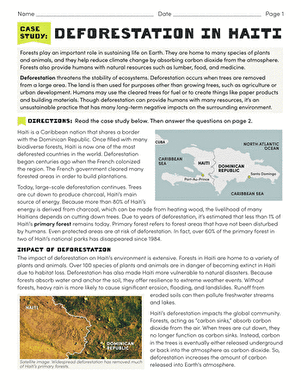
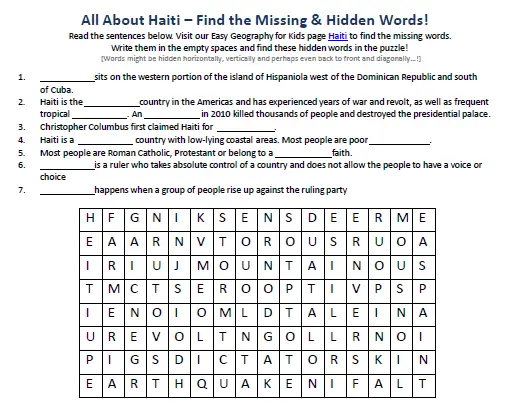
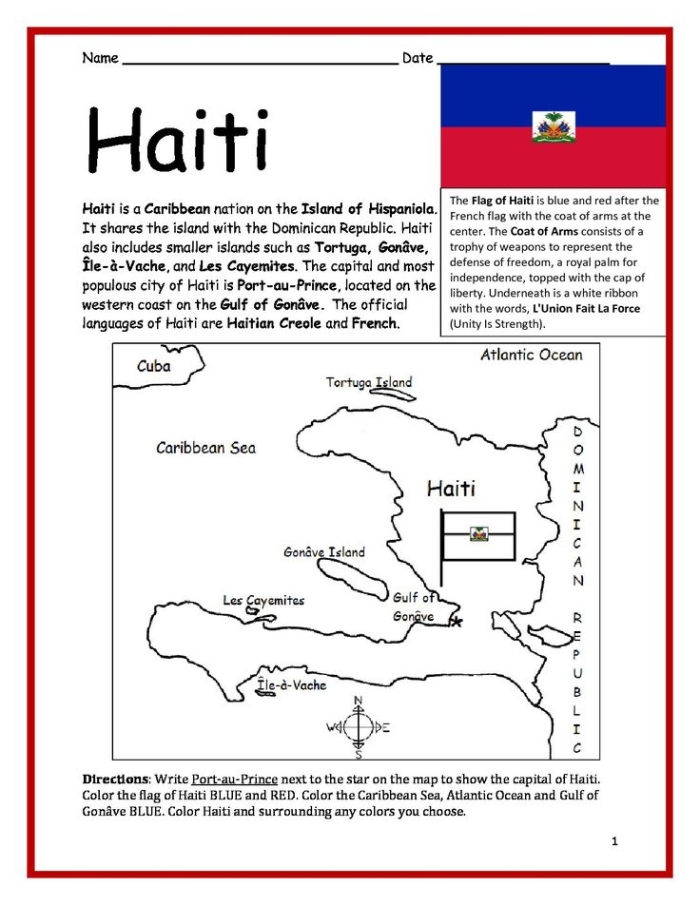
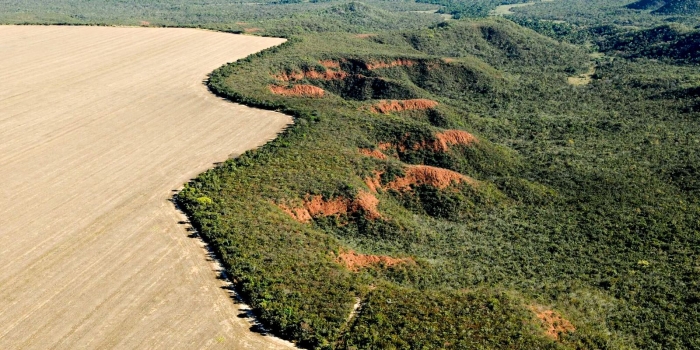
Understanding deforestation requires looking beyond statistics and into real-world implications. The case study of deforestation in Haiti offers a stark illustration of this environmental issue. Once covered by lush forests, Haiti has lost around 98% of its trees, primarily due to agricultural expansion, illegal logging, and the need for fuel. This dramatic loss has not only affected biodiversity but has also led to soil erosion, increased vulnerability to natural disasters, and significant impacts on local communities.
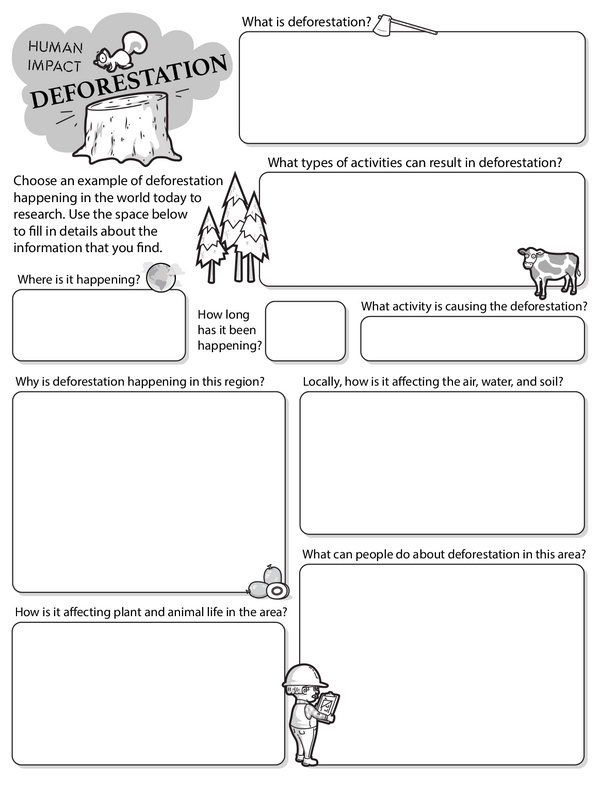
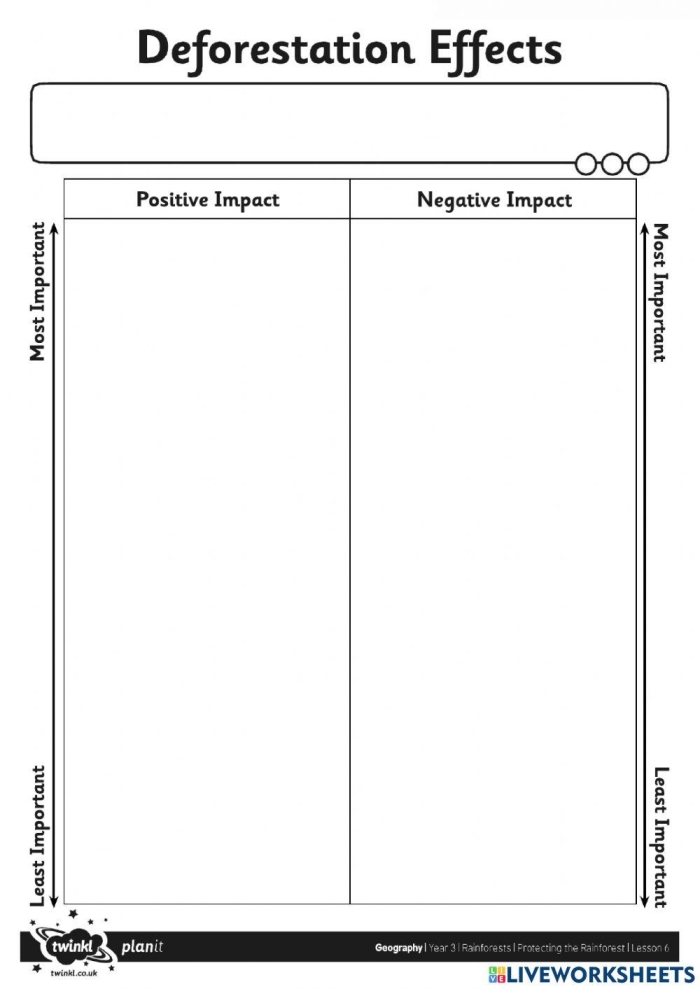
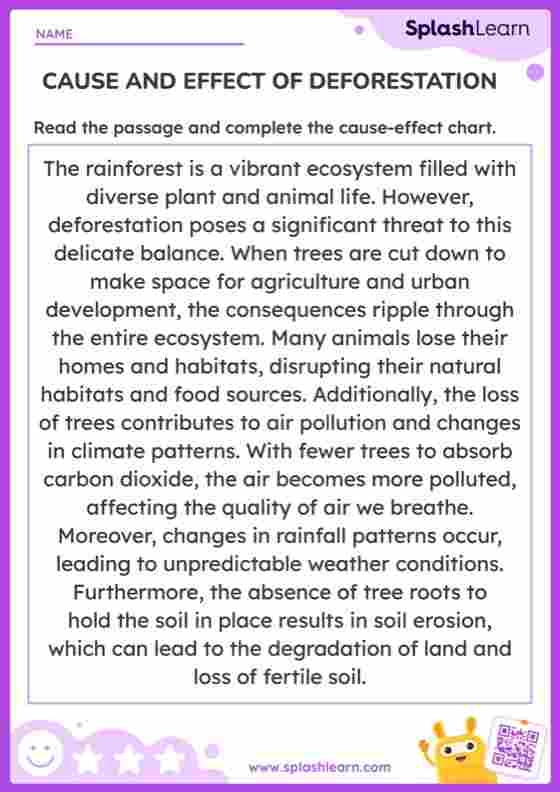
For sixth graders studying environmental science, investigating the practice of deforestation through a comprehensive worksheet can be enlightening. A two-page printable case study on deforestation in Haiti allows students to explore the causes and consequences of this practice in a structured way. Through engaging questions and activities, they can analyze how deforestation affects both the environment and human life. For example, students might examine how tree loss contributes to flooding, which is a pressing issue in Haiti, particularly during hurricane season.
Moreover, this worksheet can encourage critical thinking about sustainability. Students can compare the situation in Haiti with other regions facing similar challenges. They can also discuss potential solutions, such as reforestation efforts or sustainable agricultural practices. By understanding the intricate balance between human needs and environmental health, sixth graders can grasp the importance of responsible resource management.
Incorporating practical examples, like Haiti’s experience, makes the concept of deforestation more relatable. Students can connect the dots between their local community and the broader global environment. For those interested in enhancing their writing skills, useful resources such as transition words in informational writing can be particularly beneficial.
By using such worksheets, educators can foster deeper understanding and awareness about deforestation, equipping students with the knowledge to advocate for sustainable practices. As they engage with the material, they not only learn about the environmental impact but also develop vital skills in critical thinking and problem-solving.
Practice with These Worksheets