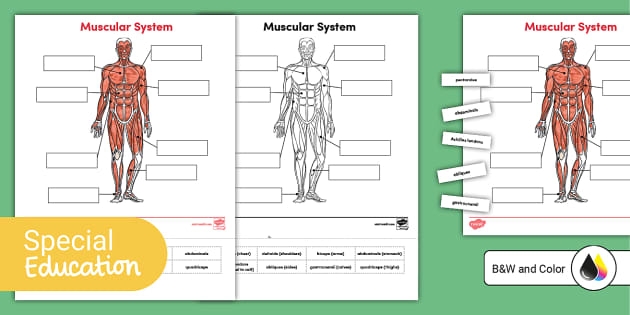
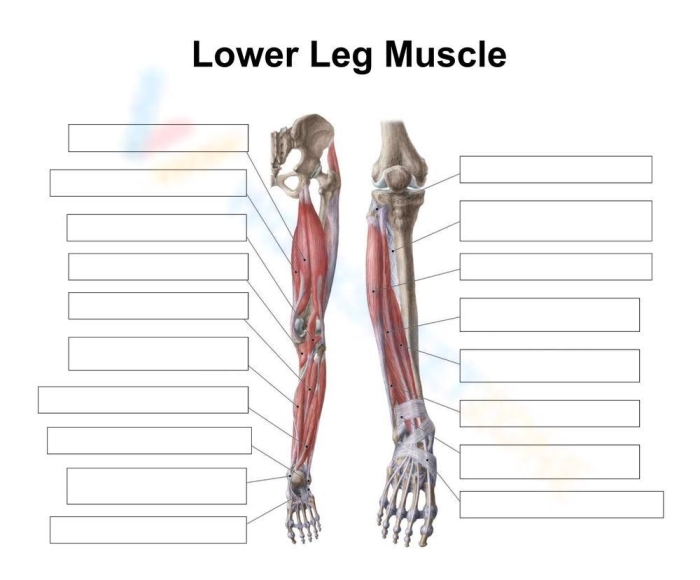
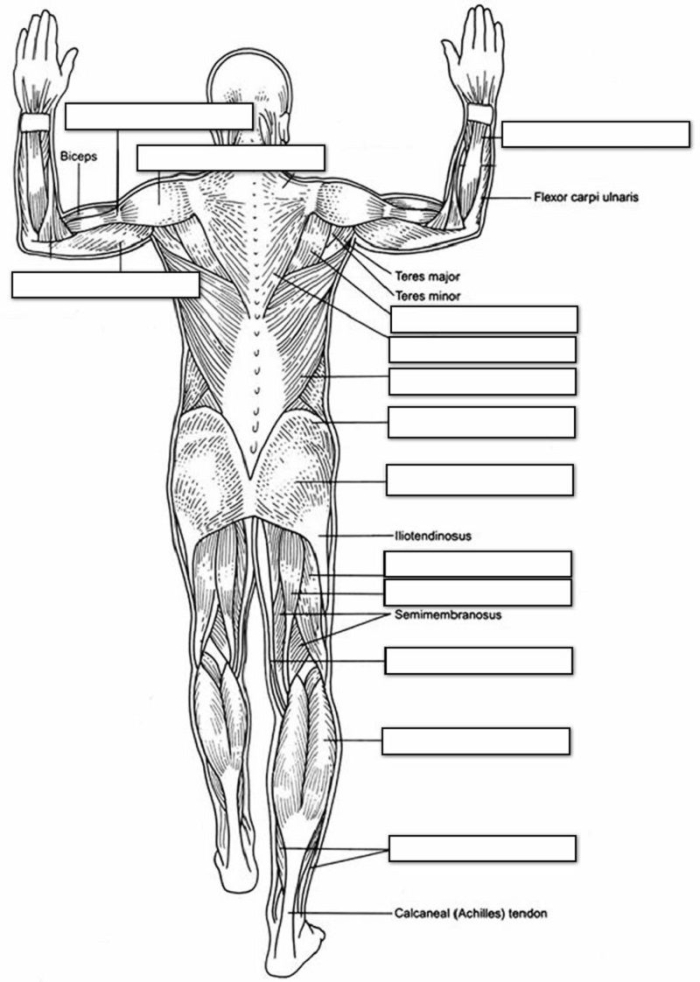
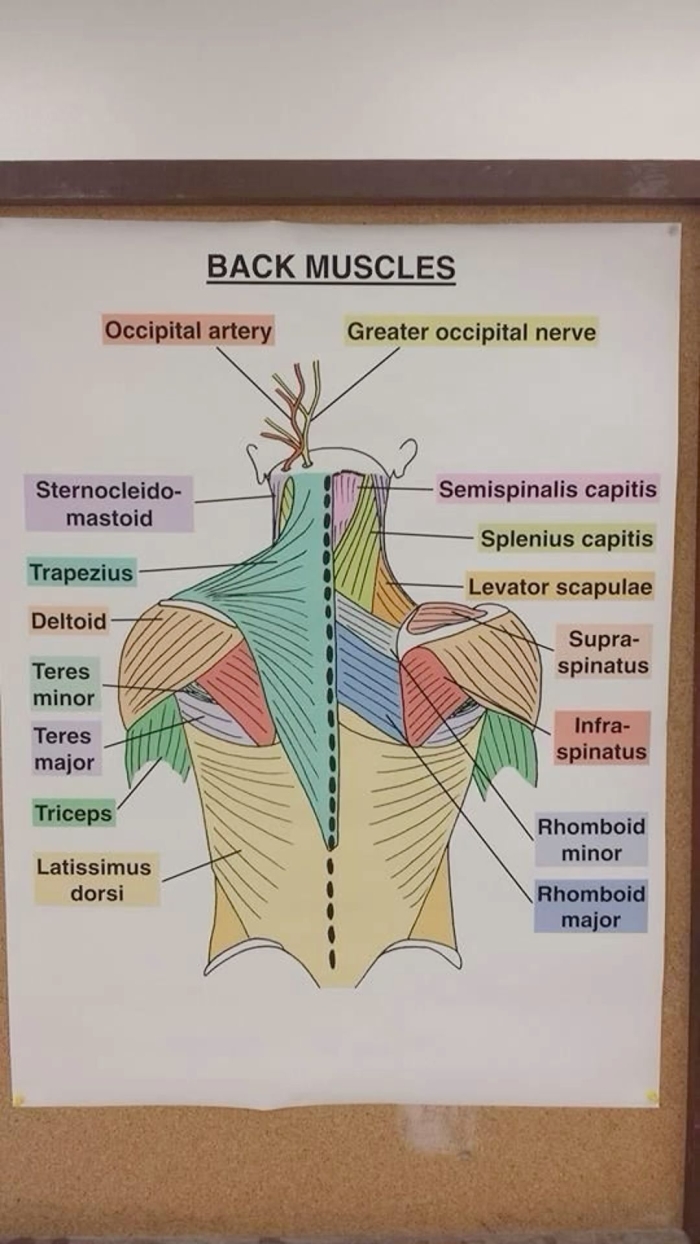
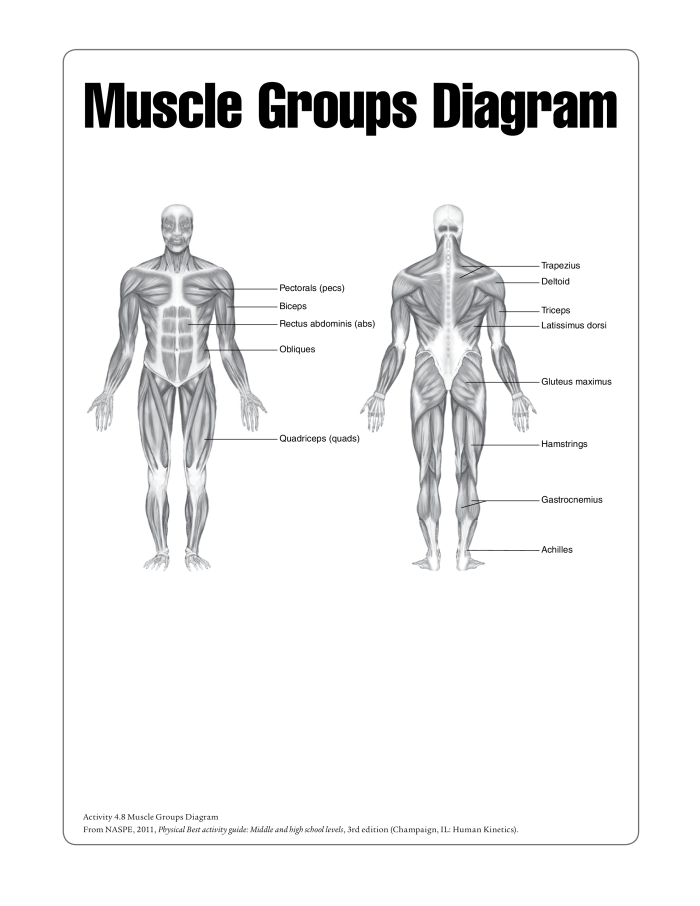
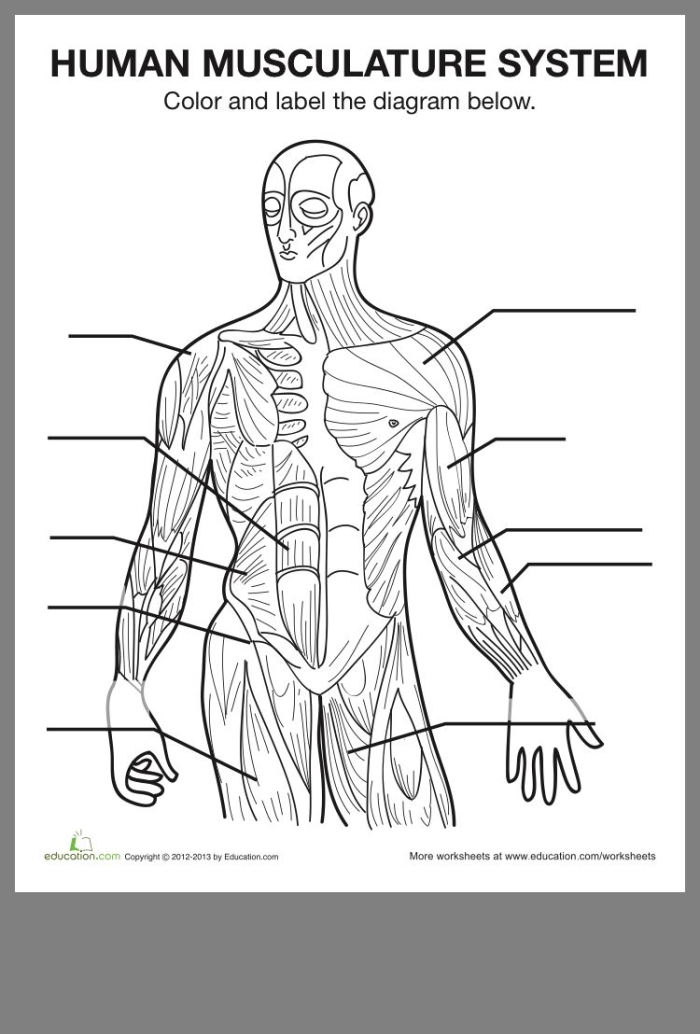
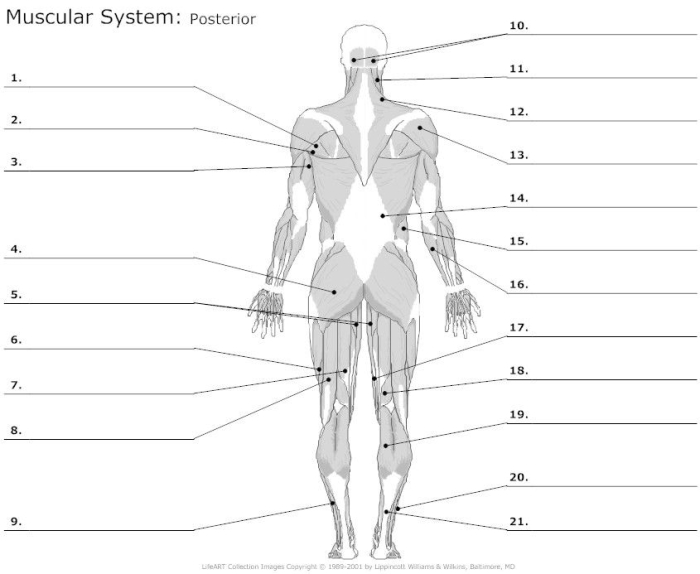
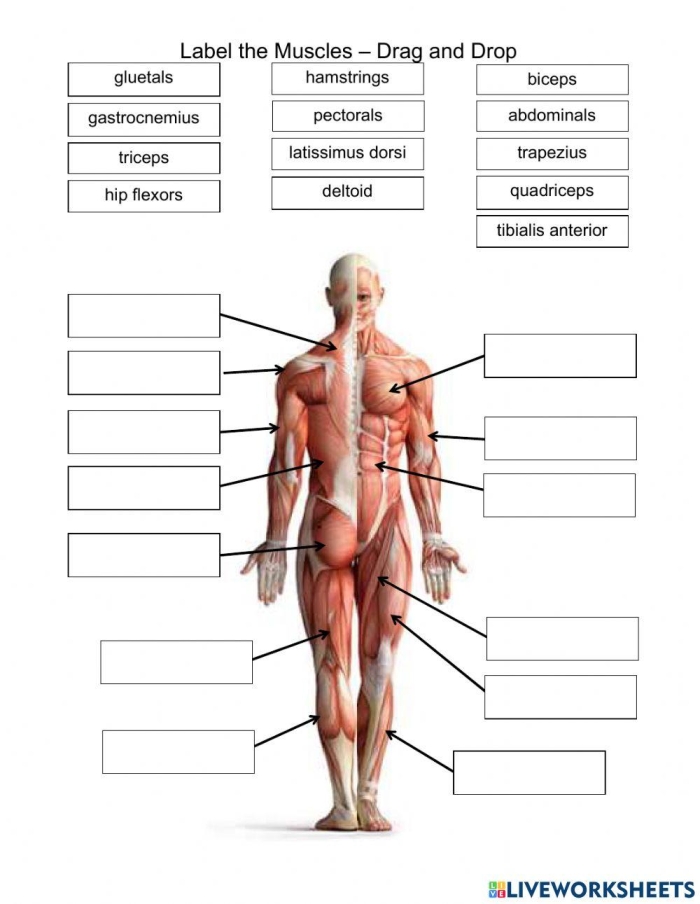
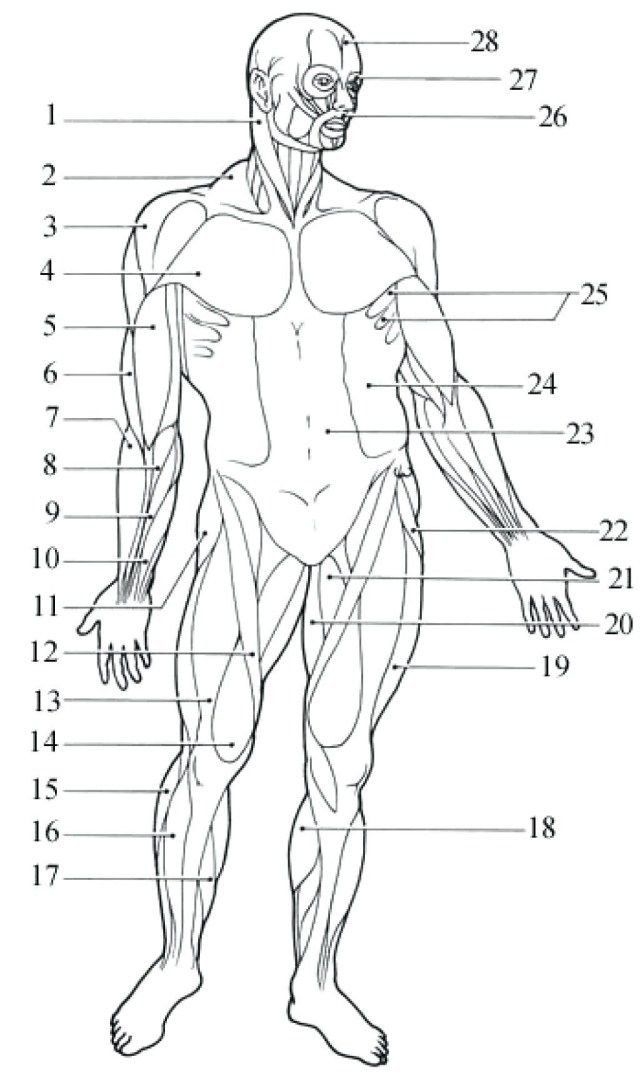
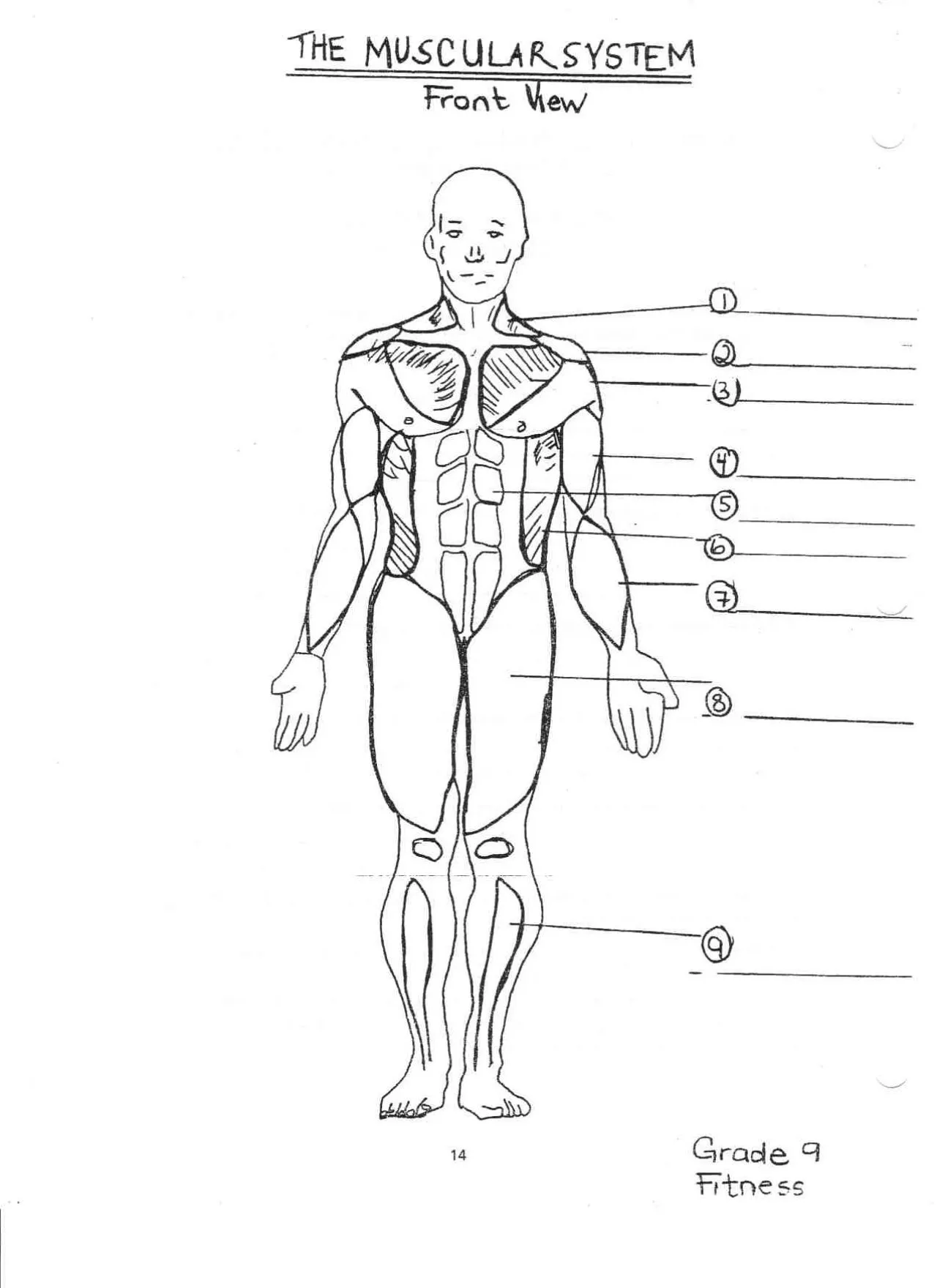
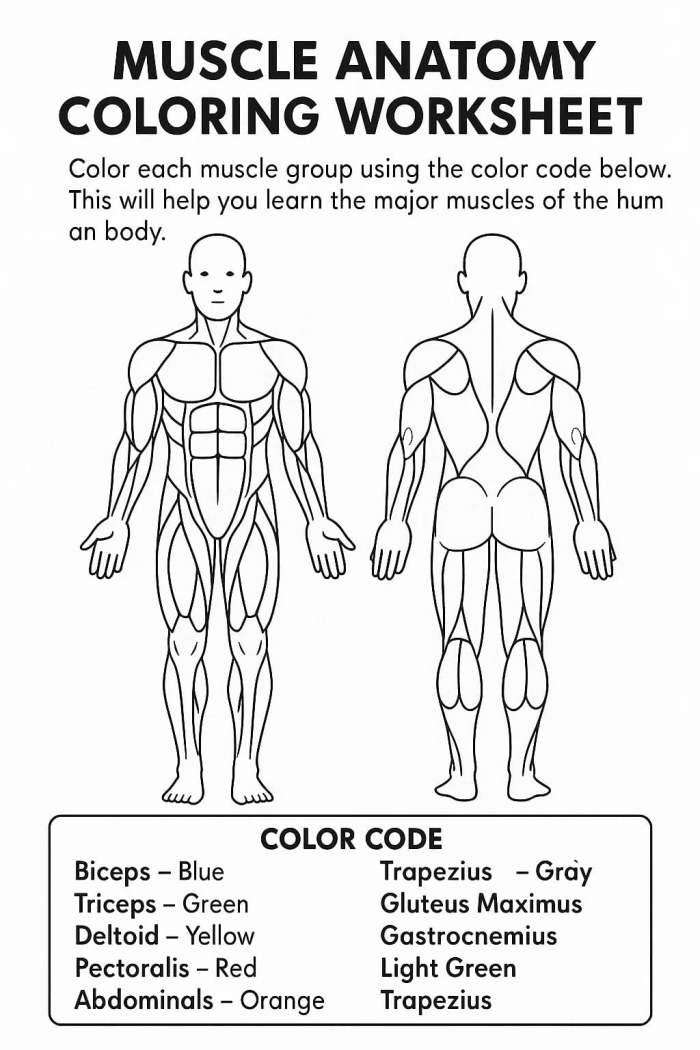
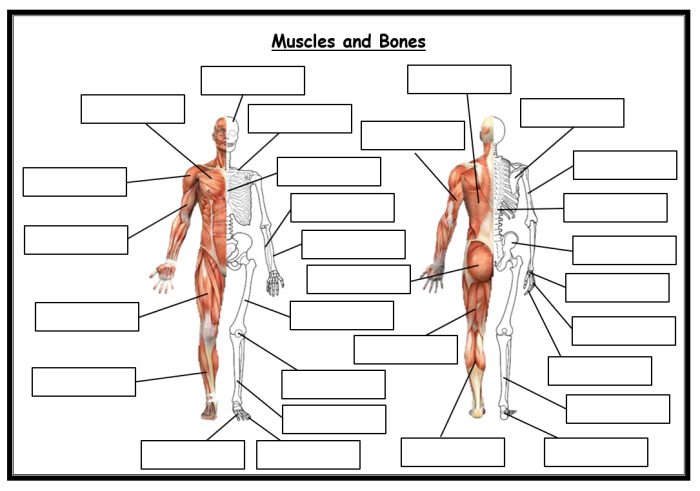
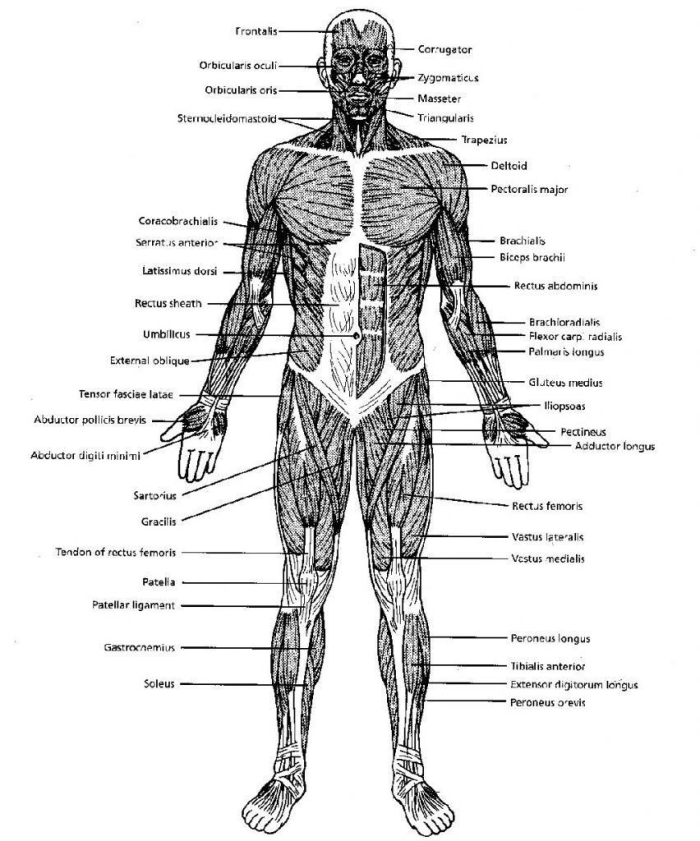
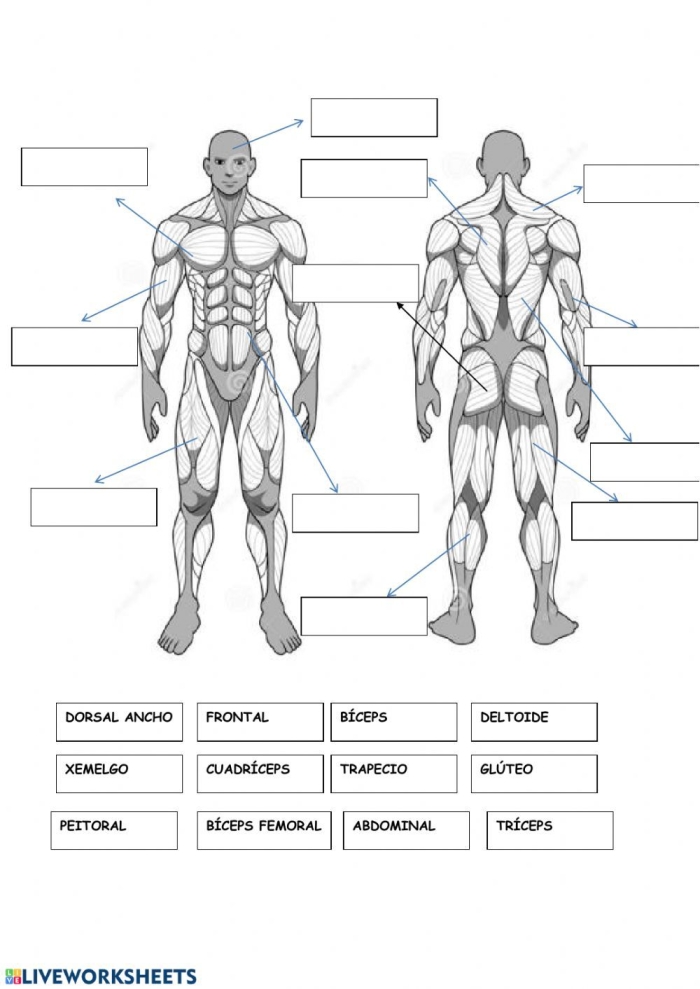
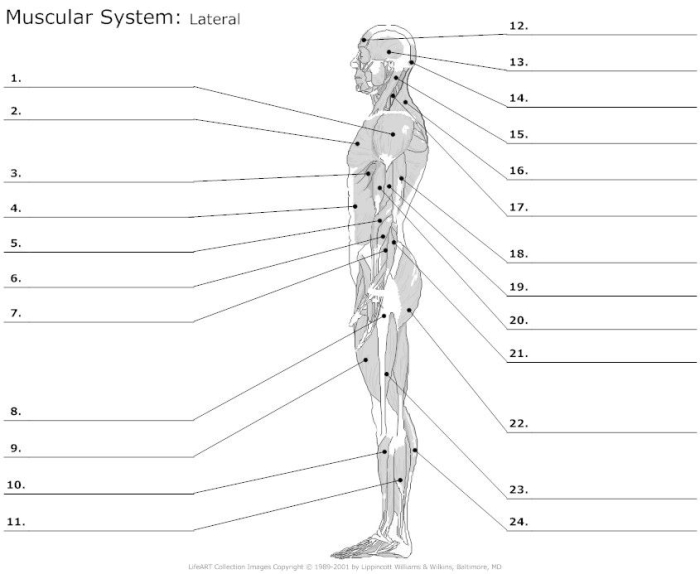
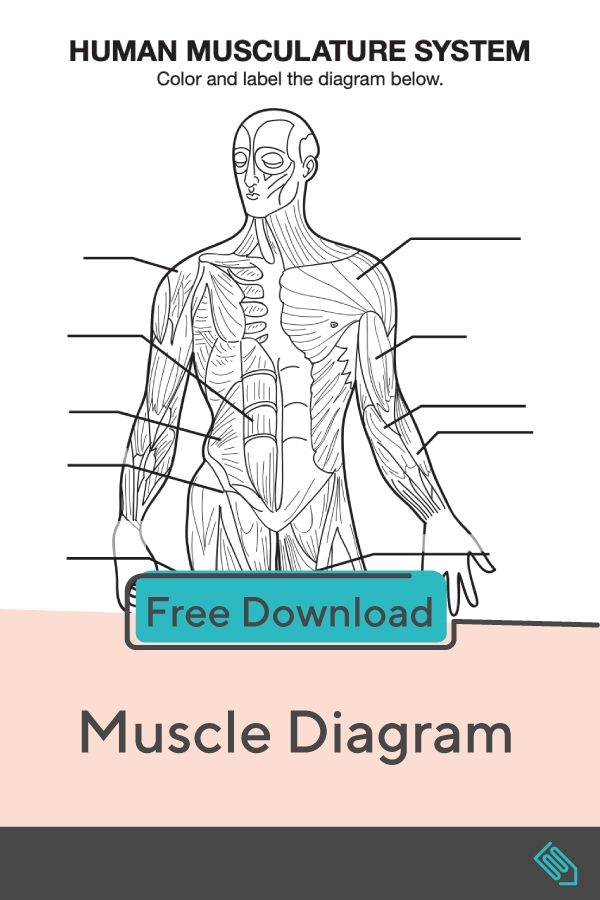
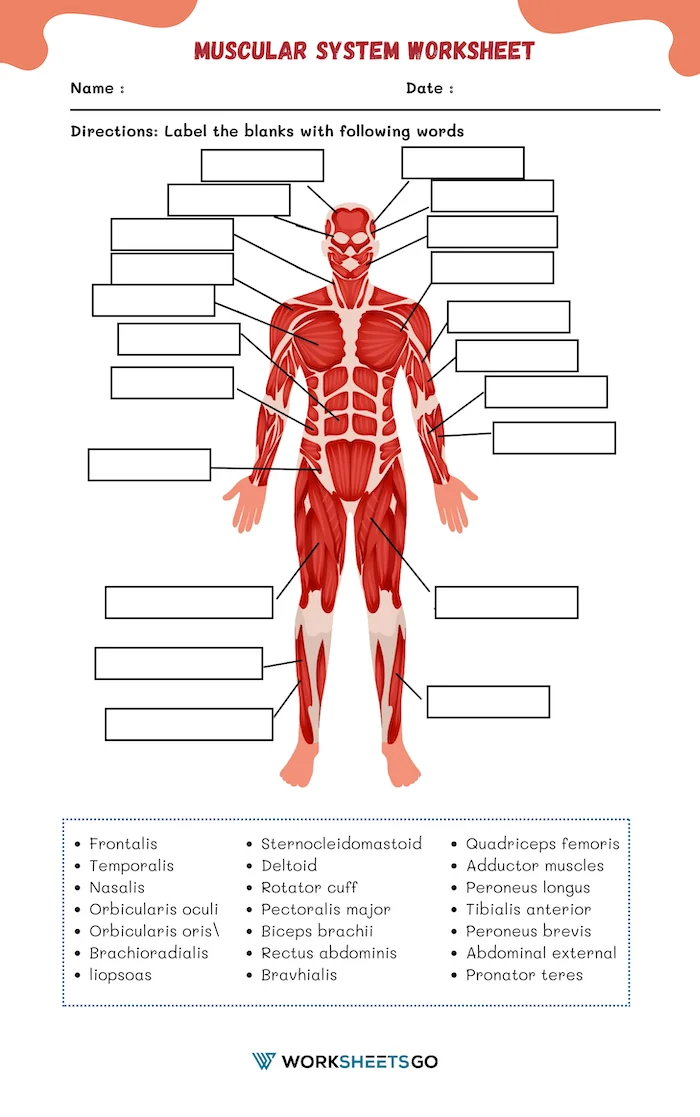
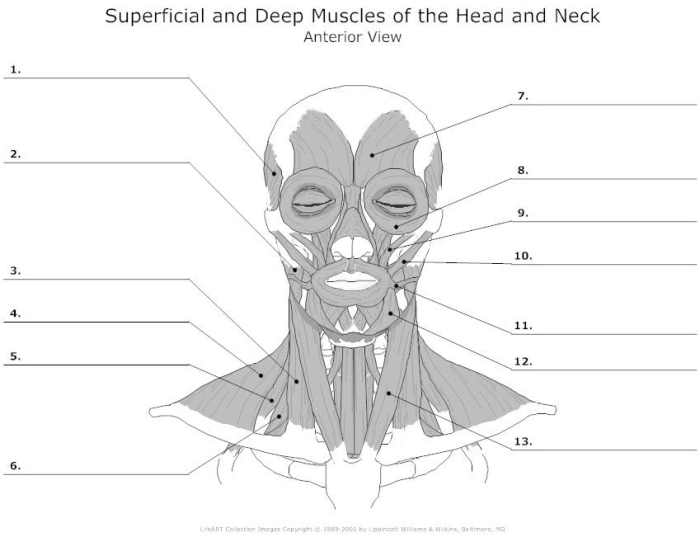
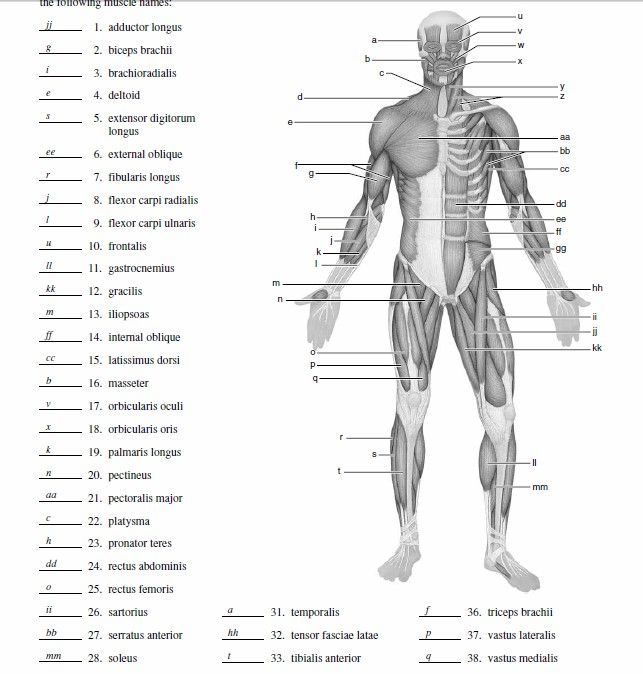
Understanding the human body is essential for grasping how we function on a daily basis. A detailed muscle diagram can be a powerful tool for learning, especially for fifth graders diving into topics related to anatomy and physiology. This visual representation not only helps students identify different muscles but also illustrates their locations and functions within the body.
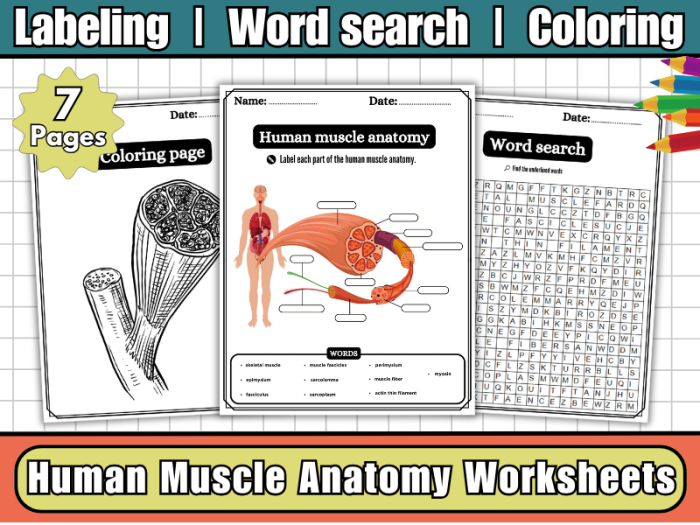
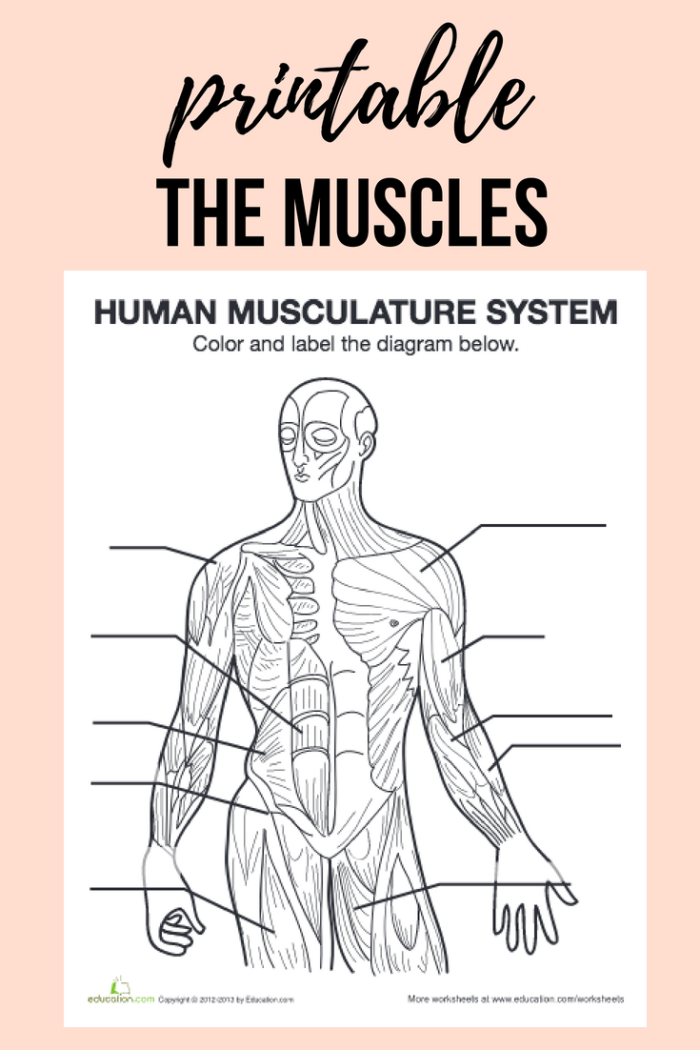
With a printable muscle diagram, students can engage in hands-on activities that reinforce their learning. For instance, they could label each muscle, enhancing their vocabulary and comprehension. This process can be particularly beneficial in developing skills related to grammar and mechanics, as it requires careful attention to detail and precise language. Integrating these diagrams into lessons can transform a standard class into an interactive experience where students feel connected to the material.
One fascinating detail about muscles is that there are over 600 of them in the human body, each designed for specific movements and actions. For example, the biceps help us lift objects, while the quadriceps are crucial for running and jumping. Understanding these functions can make physical education lessons more relevant, as students learn how their bodies work during various activities.
Incorporating muscle diagrams into classroom discussions also opens the door to broader conversations about health and fitness. Students can explore how to keep their muscles strong through exercise and proper nutrition. This knowledge not only promotes physical wellbeing but also nurtures a sense of responsibility for their own health.
For educators looking to enhance their lessons, resources like fifth-grade worksheets provide structured activities that can complement the study of muscle diagrams. By connecting anatomy to grammar and mechanics, teachers can create a cohesive learning environment that fosters curiosity and understanding.
Download These Worksheets for Practice