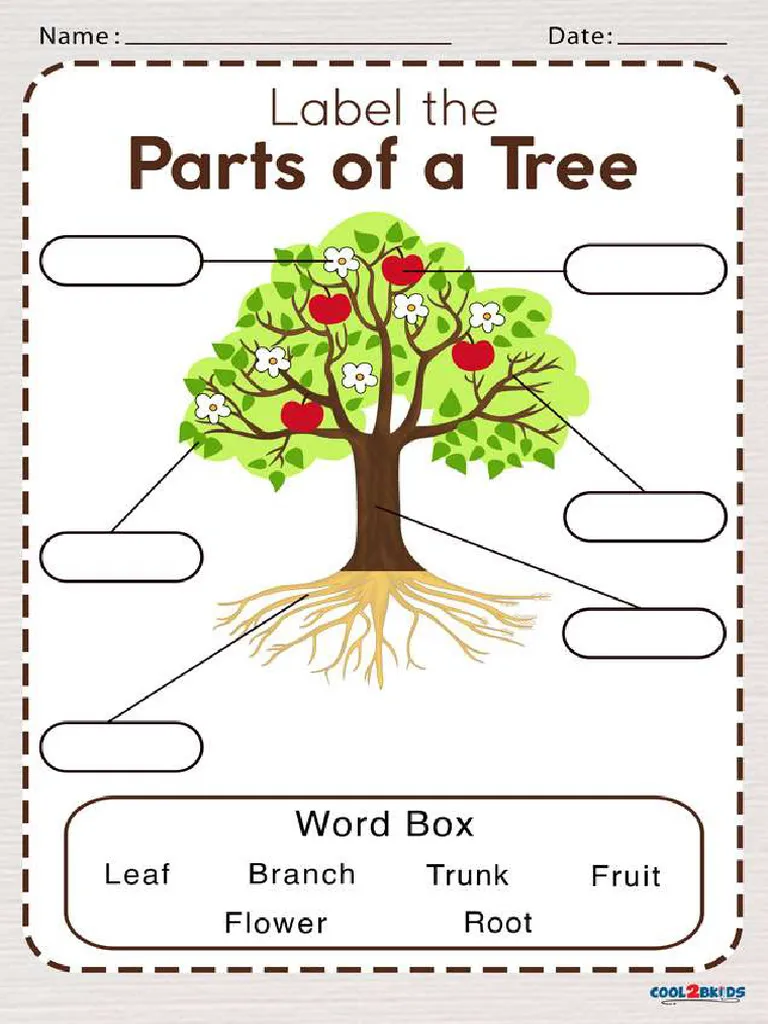
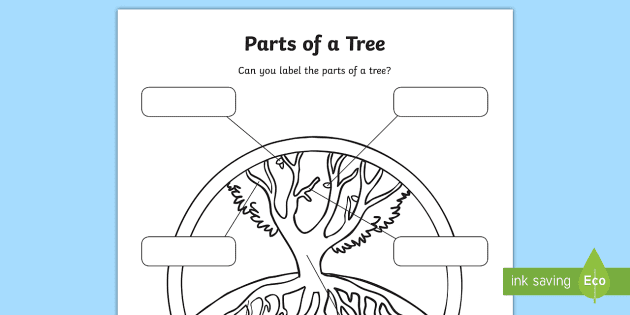
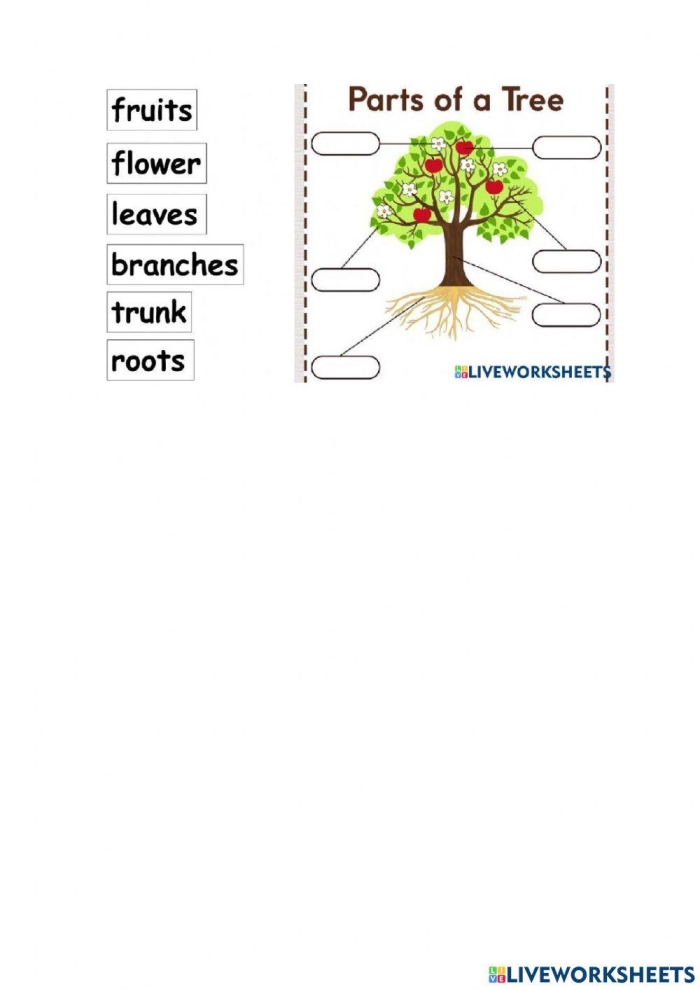
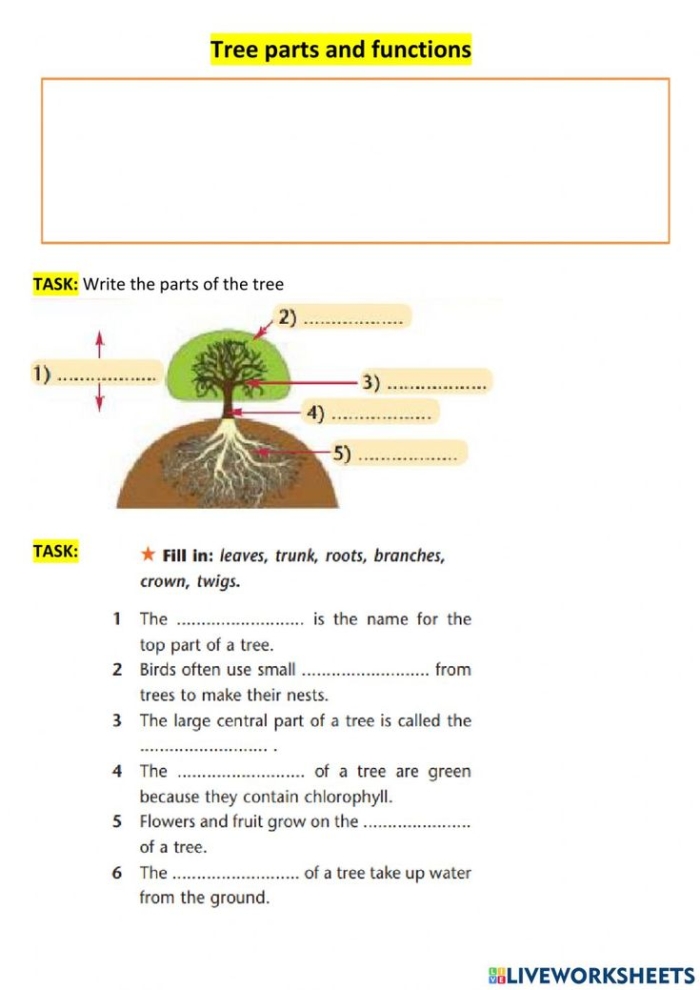
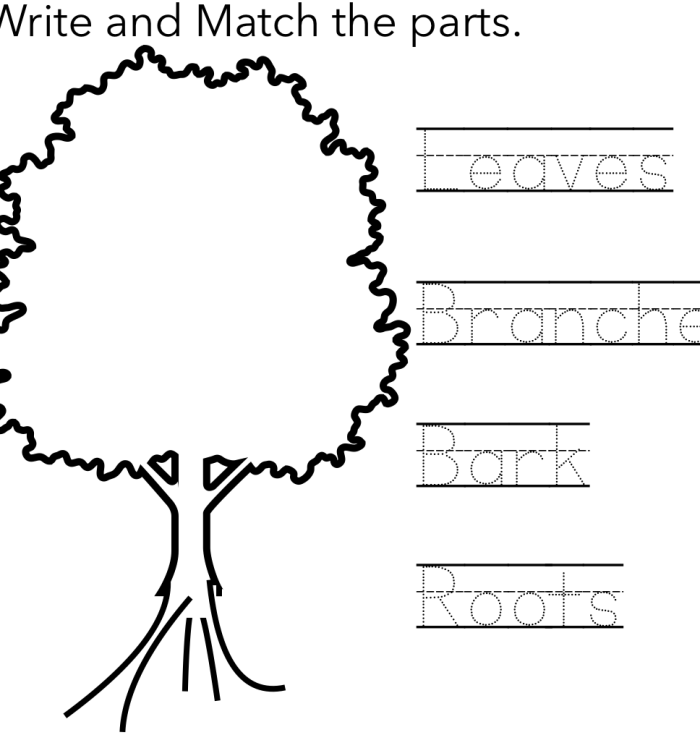
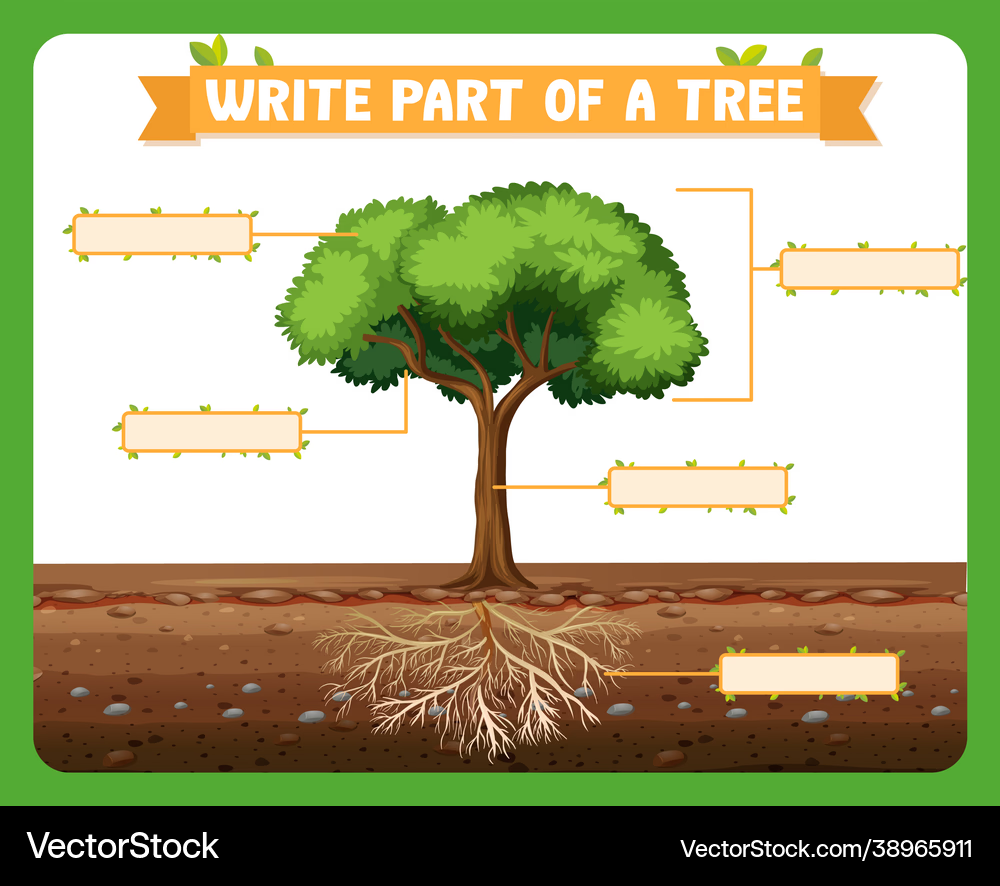
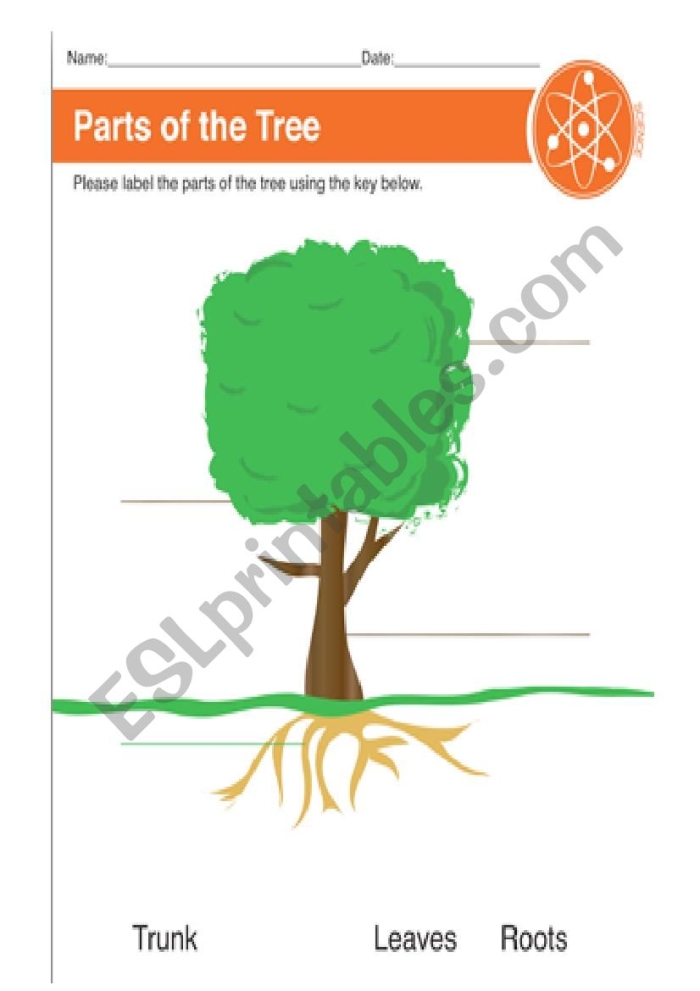
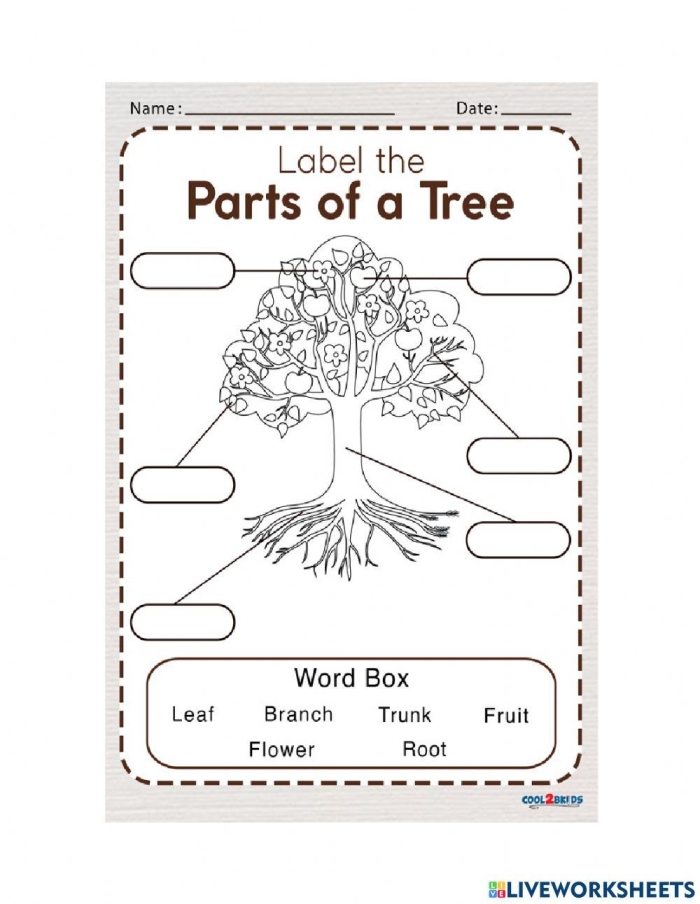
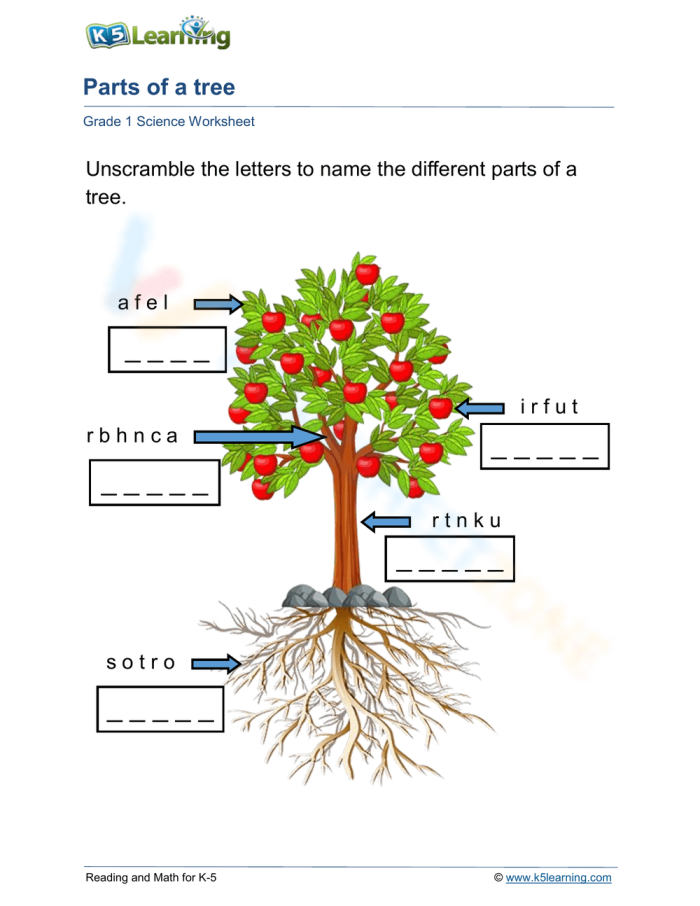
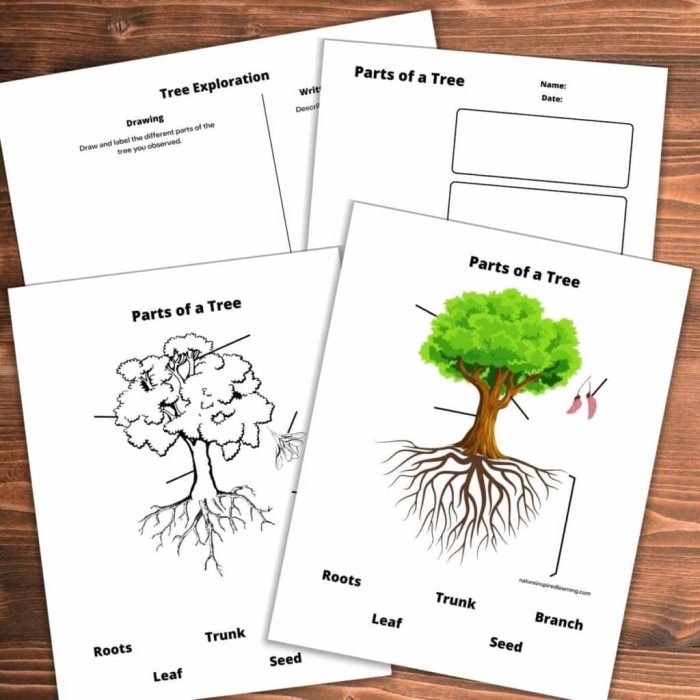
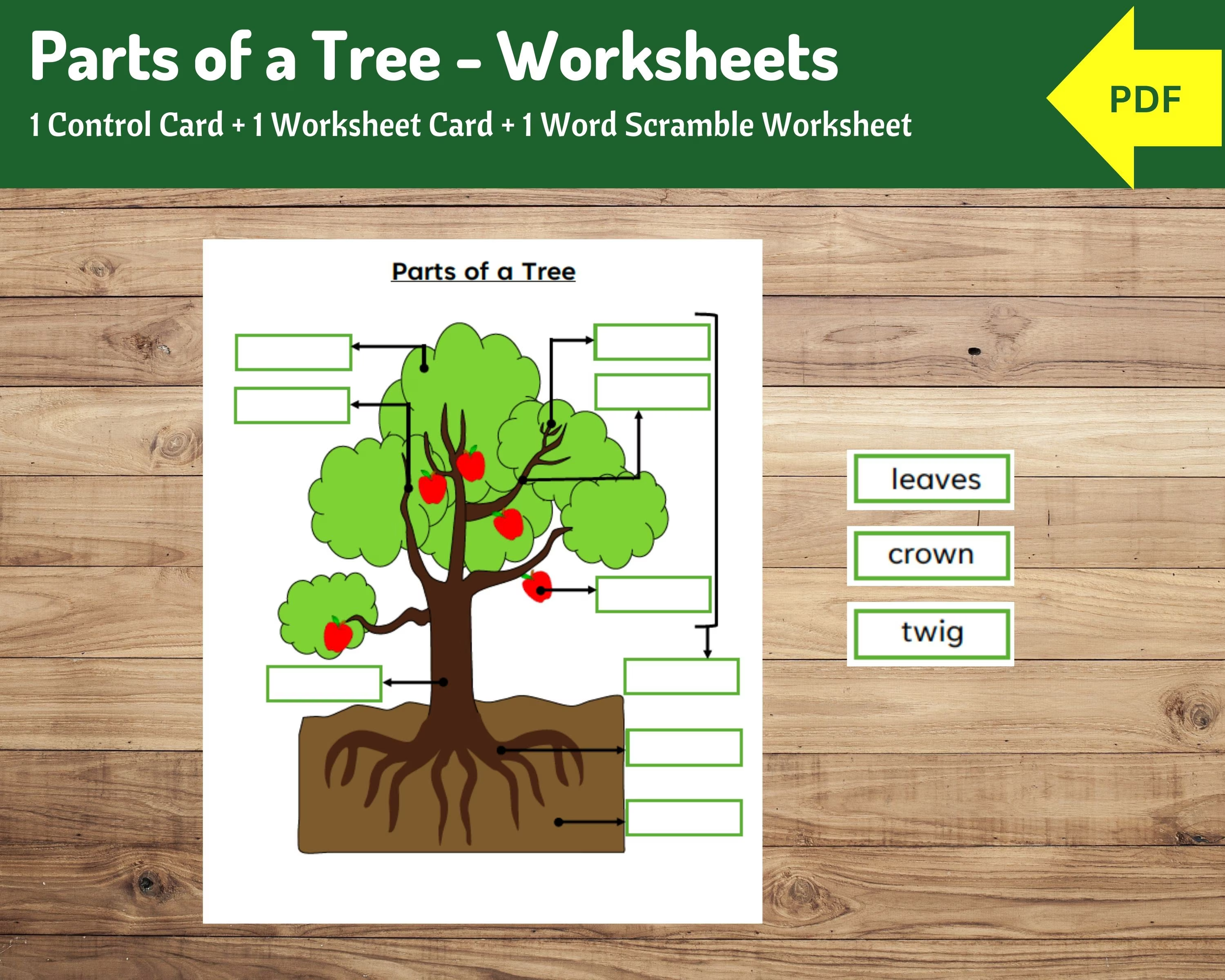
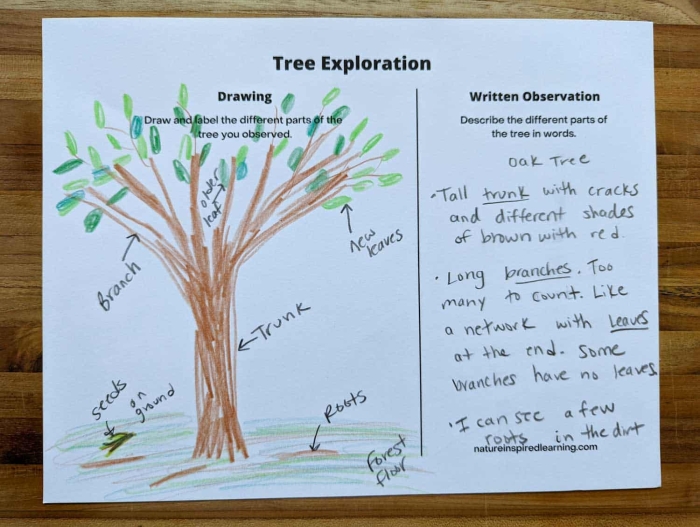
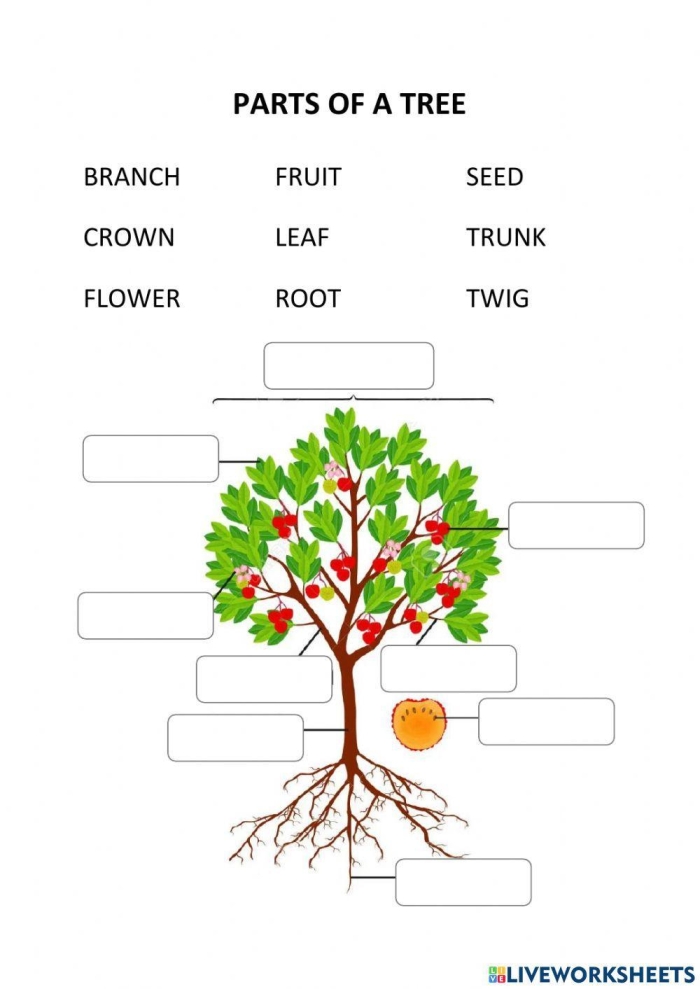
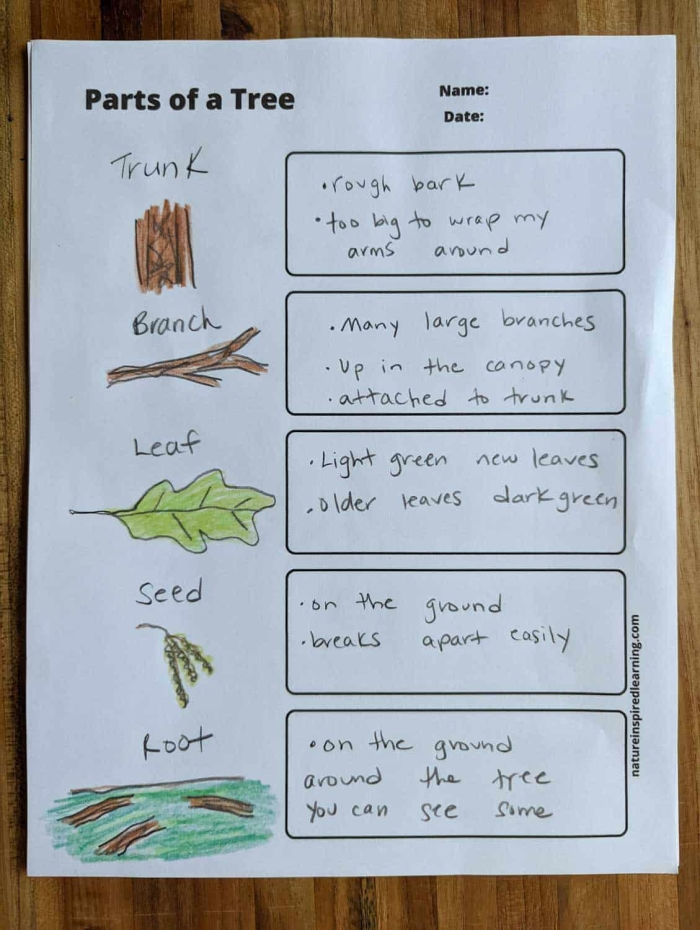
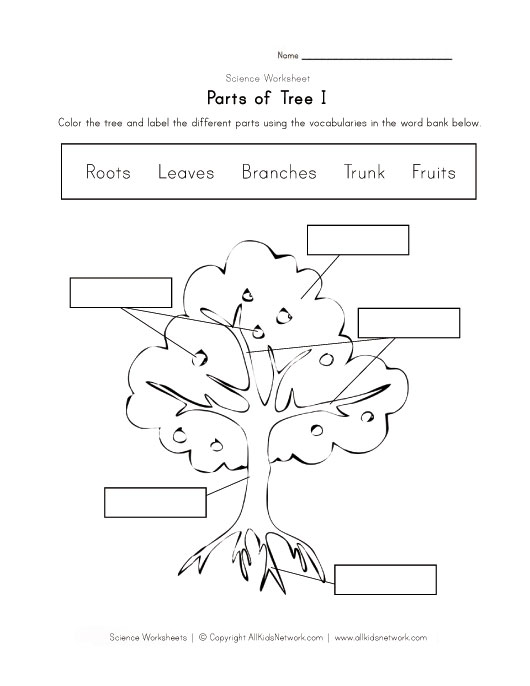
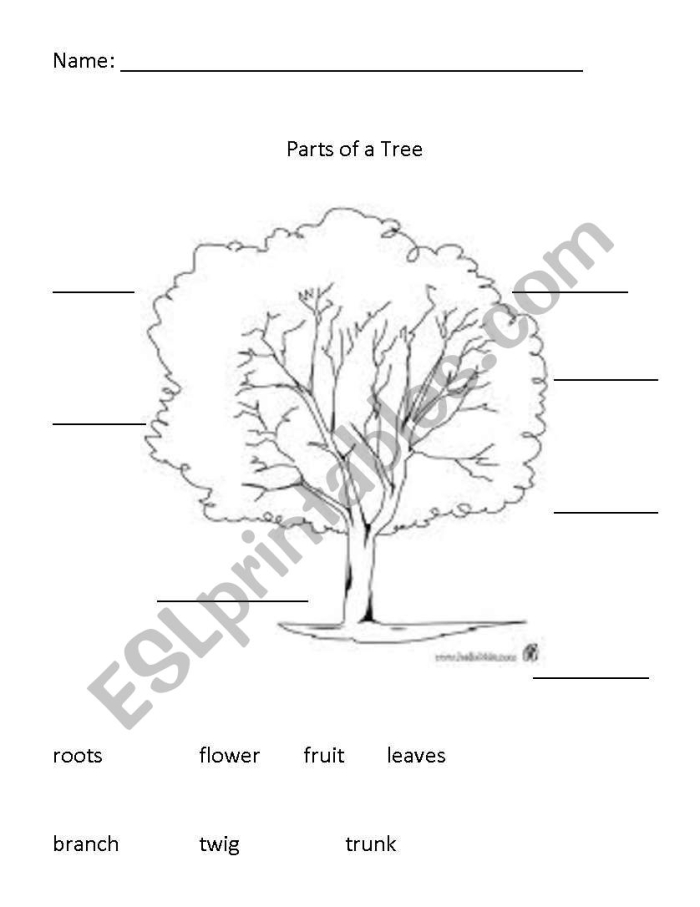
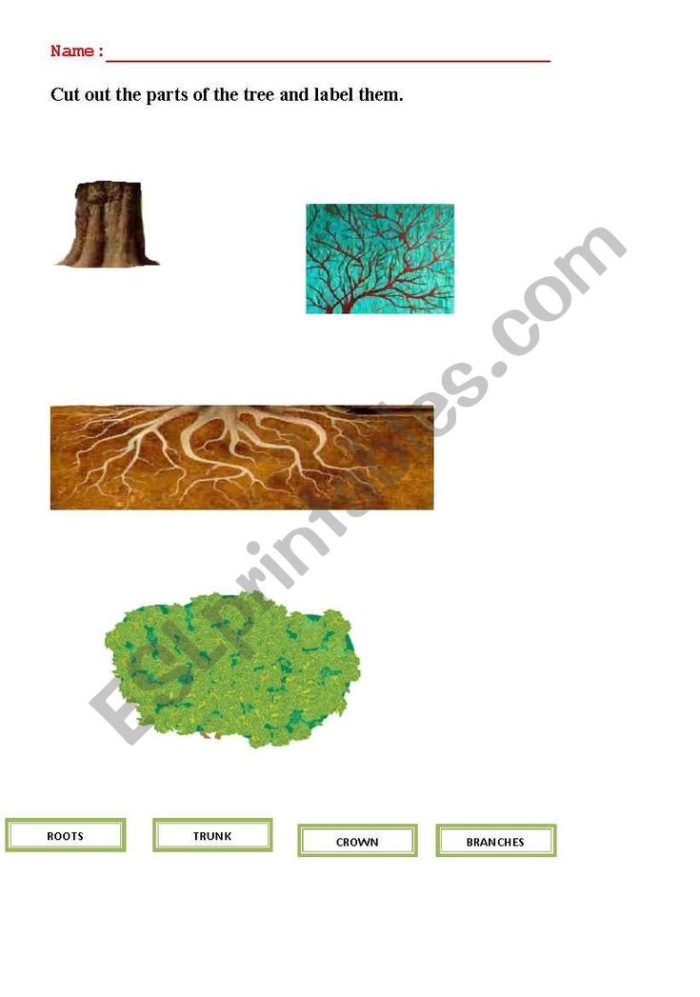
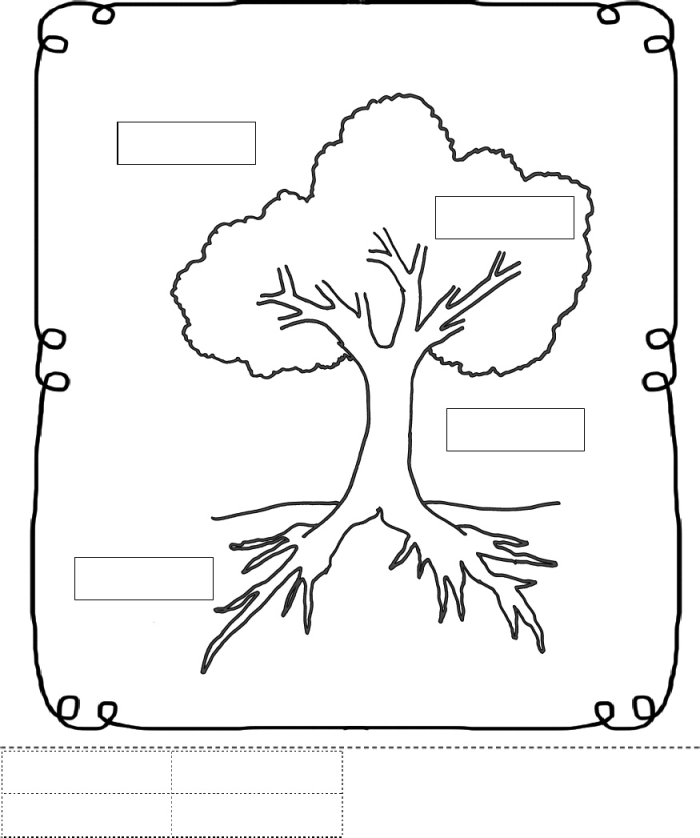
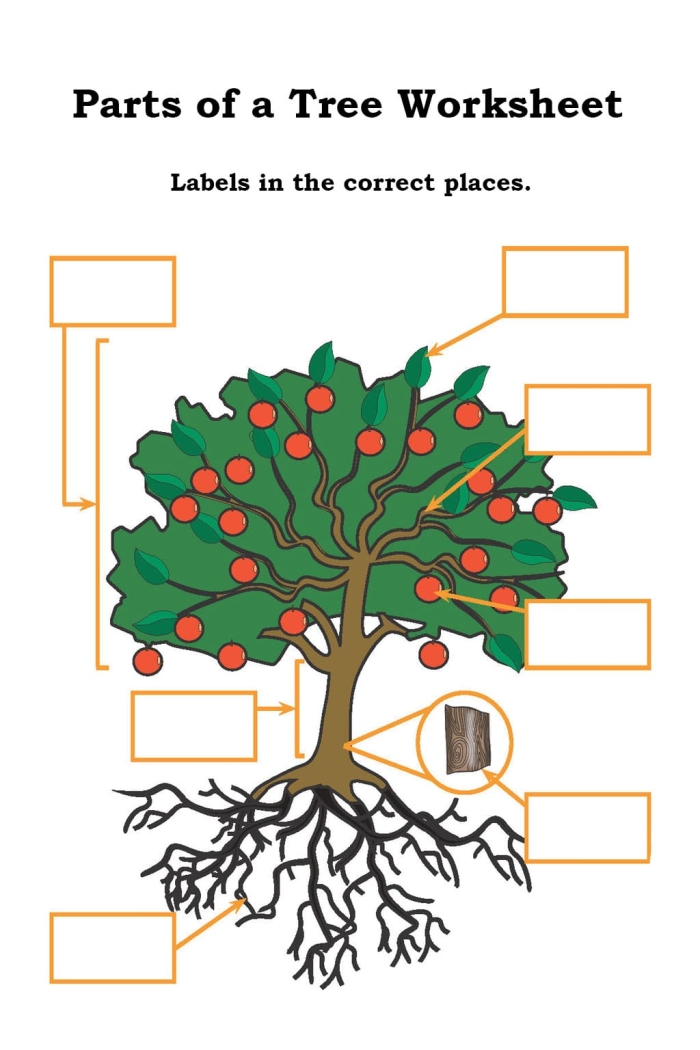
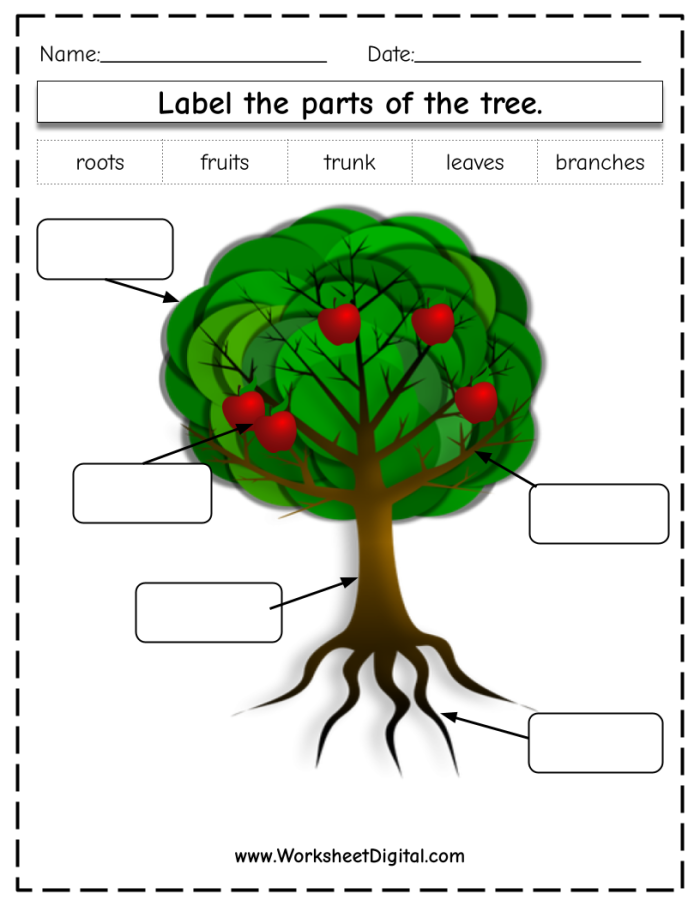
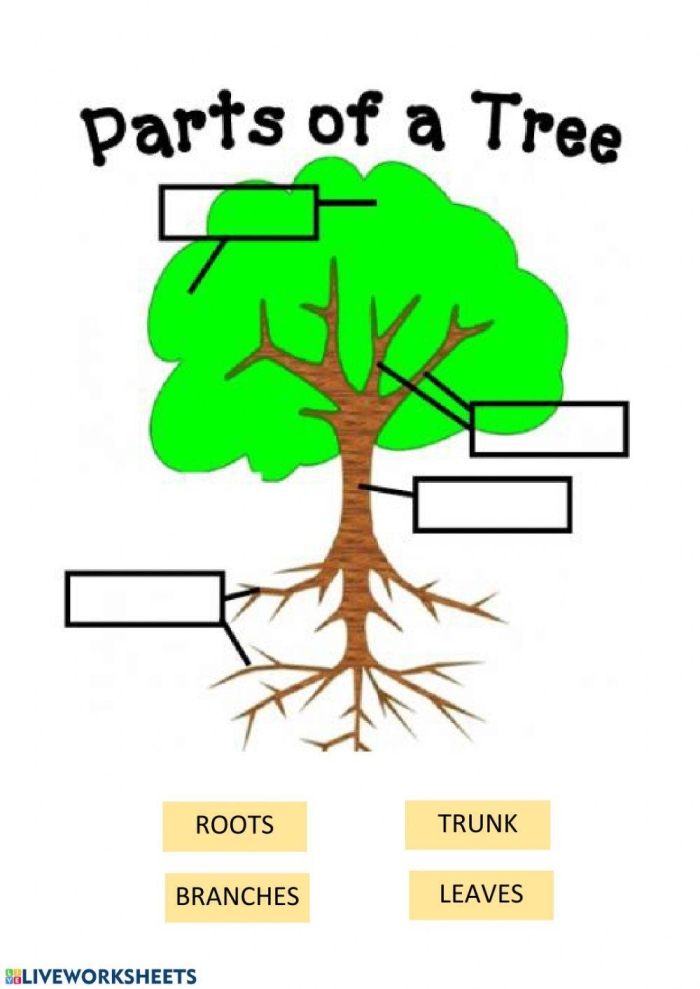
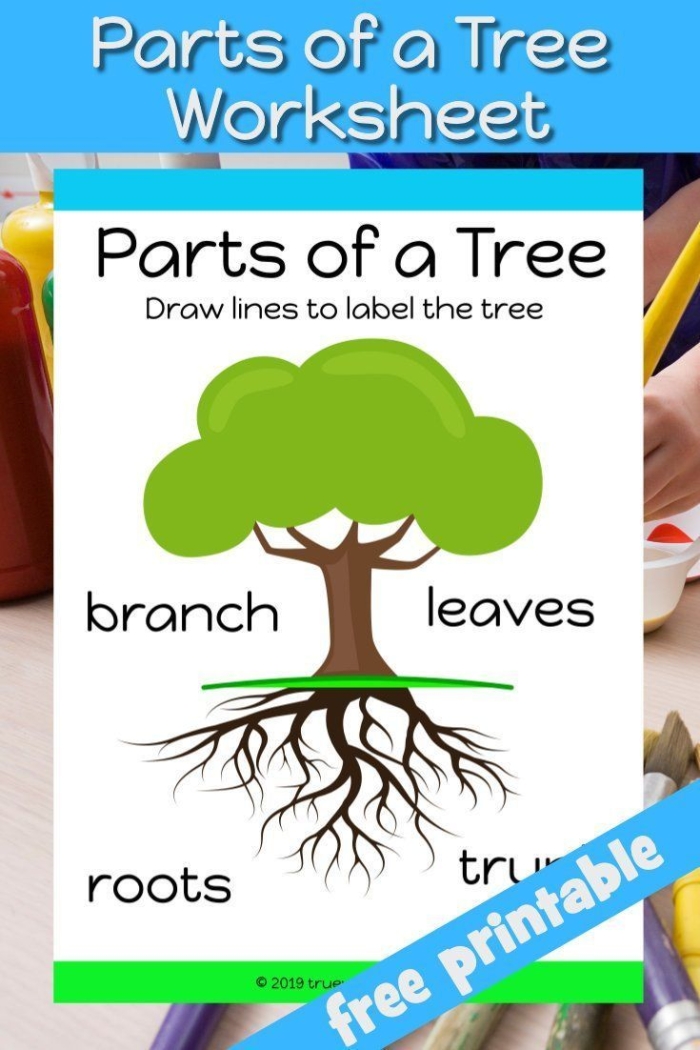
Getting first graders to understand how plants work doesn’t have to feel like a chore. A colorful worksheet showing the parts of a tree can turn abstract plant biology into something kids actually want to explore. When children fill in missing labels on a tree diagram, they’re not just memorizing names, they’re building a mental map of how plants function.
The basic structure of a tree includes several key parts that work together. The stem is what most kids notice first, the visible trunk that holds the tree upright. Below ground, the primary root grows straight down and anchors the tree firmly in the soil. From there, secondary roots branch out sideways, spreading through the earth to collect water and nutrients. Each part has a specific job, and understanding these connections helps young learners see how nature solves practical problems.
Life science worksheets designed for first grade work best when they combine visual learning with hands-on activity. A diagram with blanks to fill in keeps kids engaged longer than a simple picture, because they’re actively participating rather than passively viewing. The bright colors in these worksheets also help different parts stand out clearly, making it easier for early readers to match labels to the correct sections of the tree.
You can strengthen this learning by connecting it to other foundational concepts. After completing the parts of a tree worksheet, kids might enjoy exploring how different creatures depend on trees through classifying animals by their habitats. Alternatively, you could pair tree learning with picture-based inference activities where children predict what plants need to grow.
The simple act of labeling a tree diagram gives first graders their first real vocabulary in botany. Stem, root, branch, leaf, these words become part of how they understand the living world around them. That foundation matters far more than perfect spelling or neat handwriting at this stage.
Grab These Worksheets Now