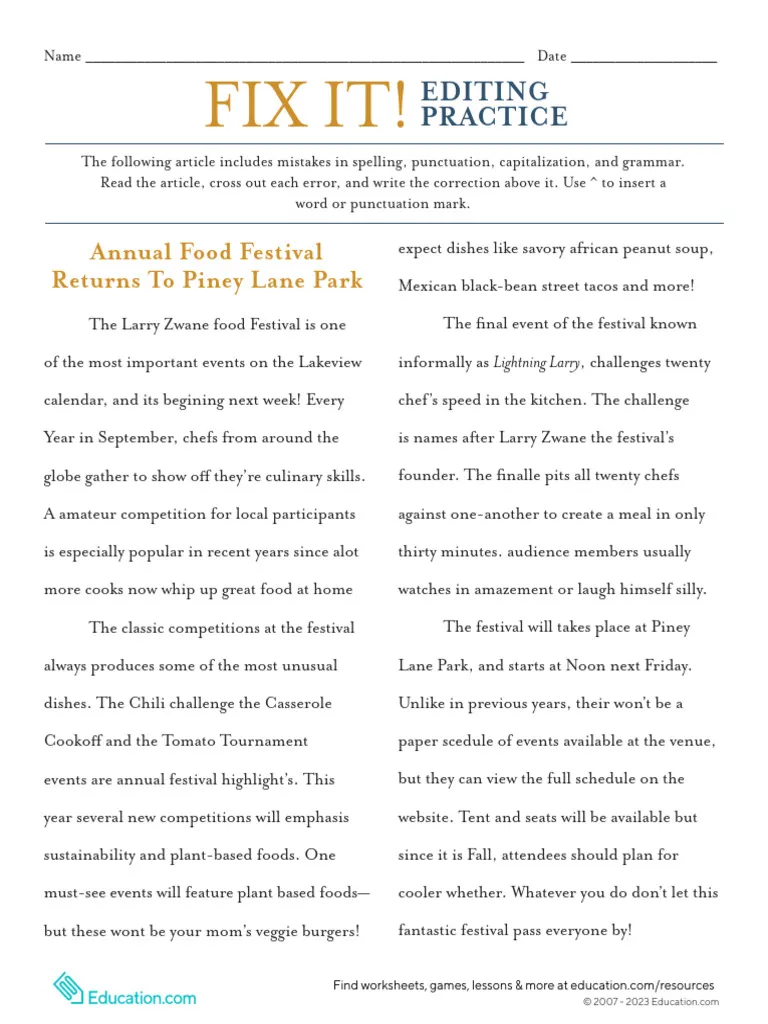
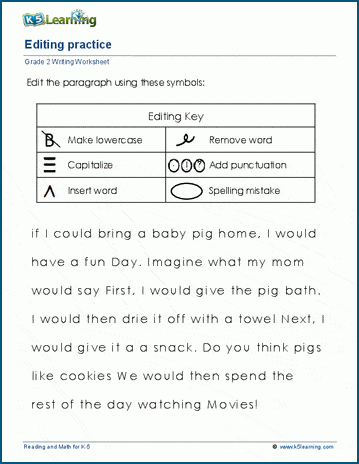
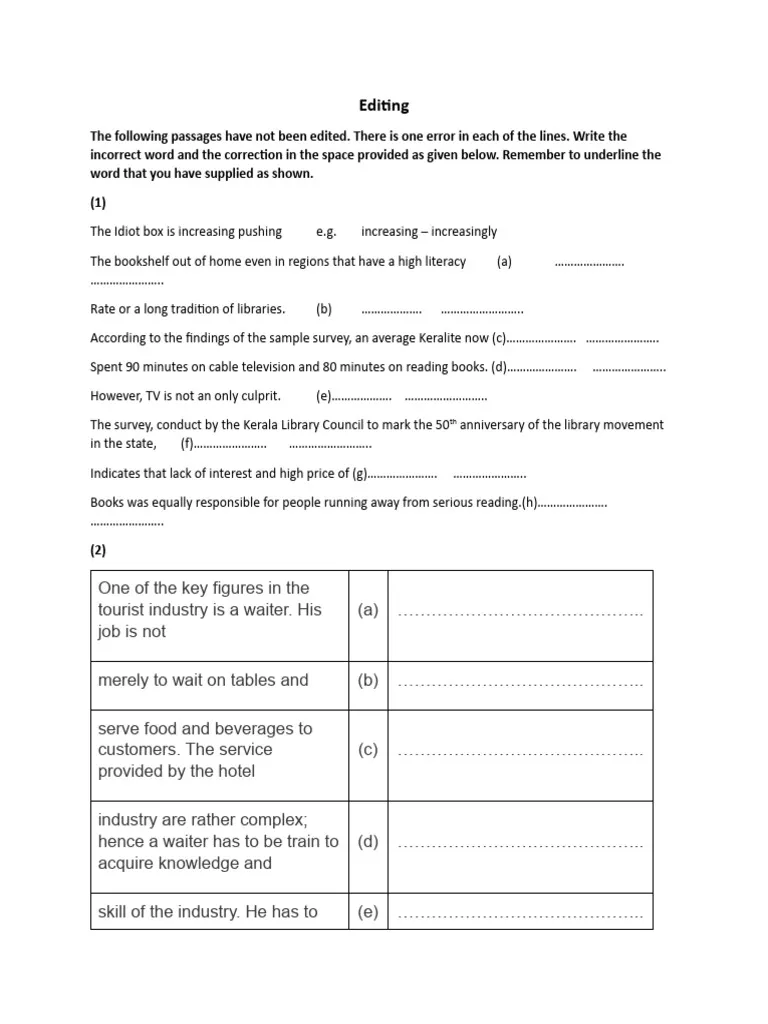
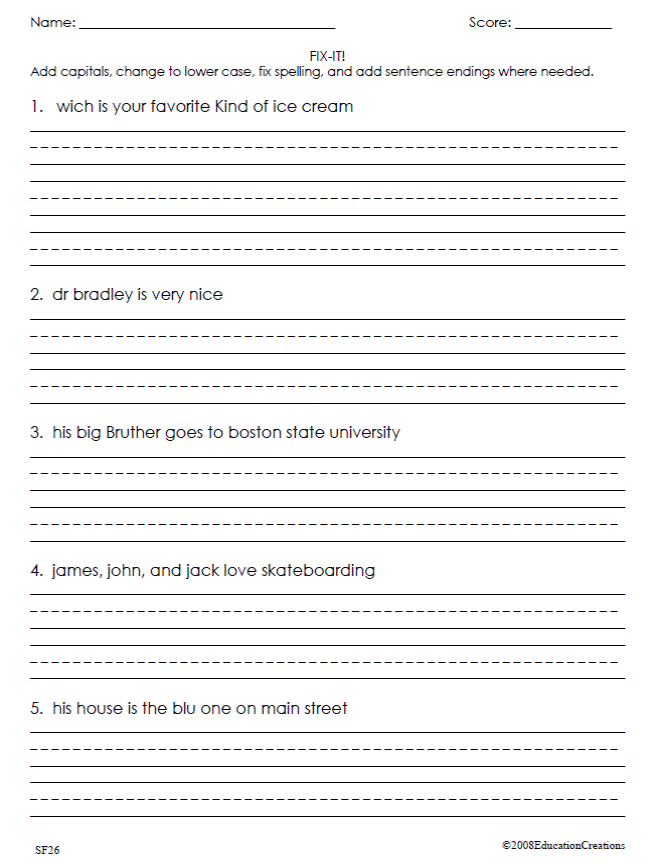
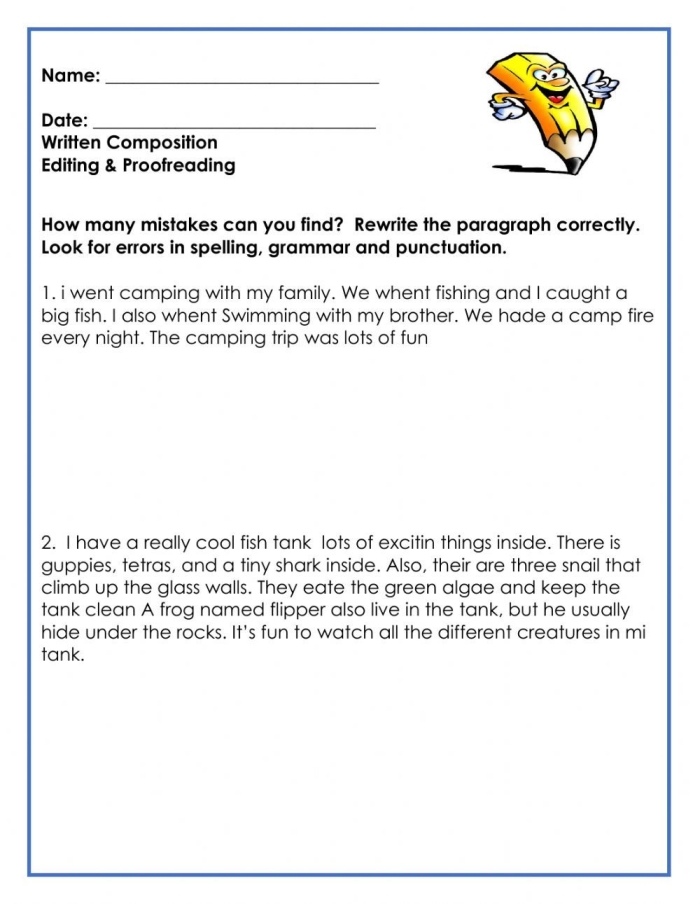
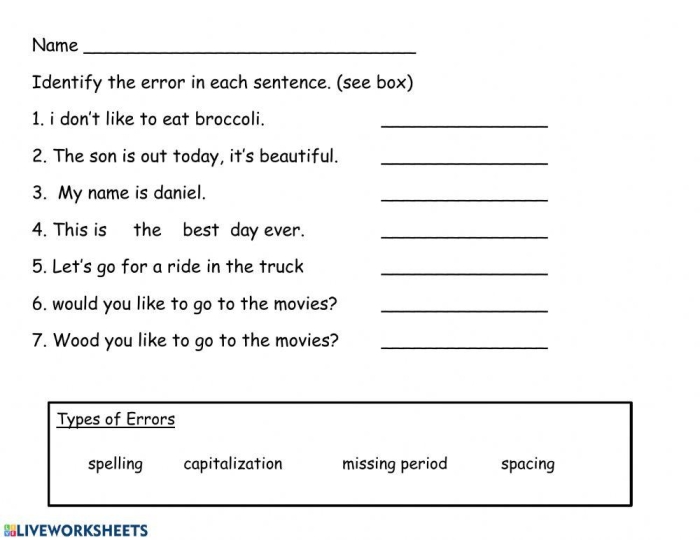
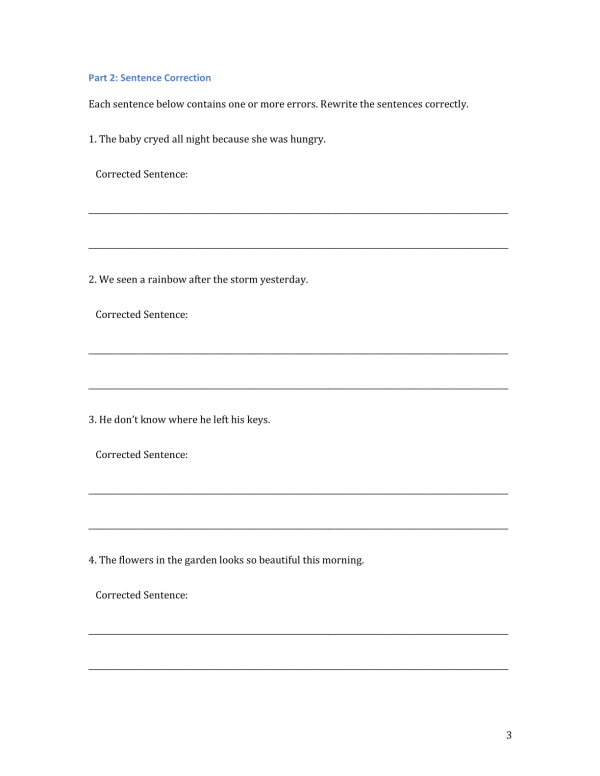
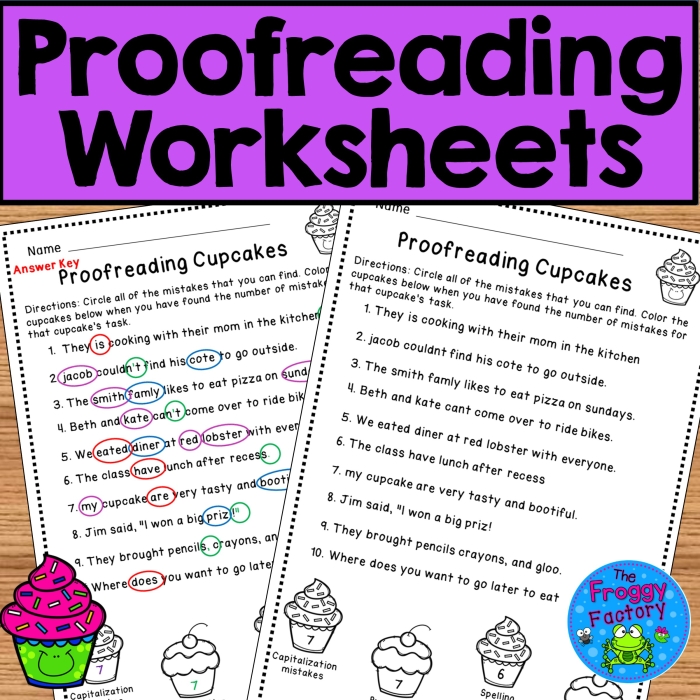
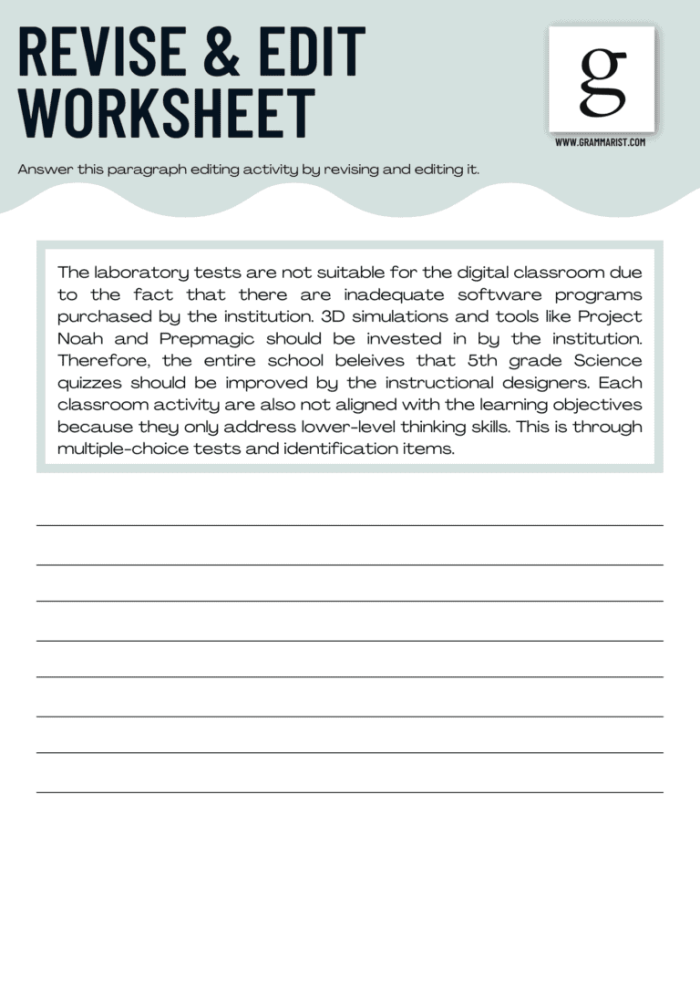
Grammar mistakes slip past even careful writers, which is why copyediting deserves its own dedicated practice. A focused one-page editing worksheet gives sixth grade students the chance to develop an essential skill: spotting and fixing errors before work leaves their hands.
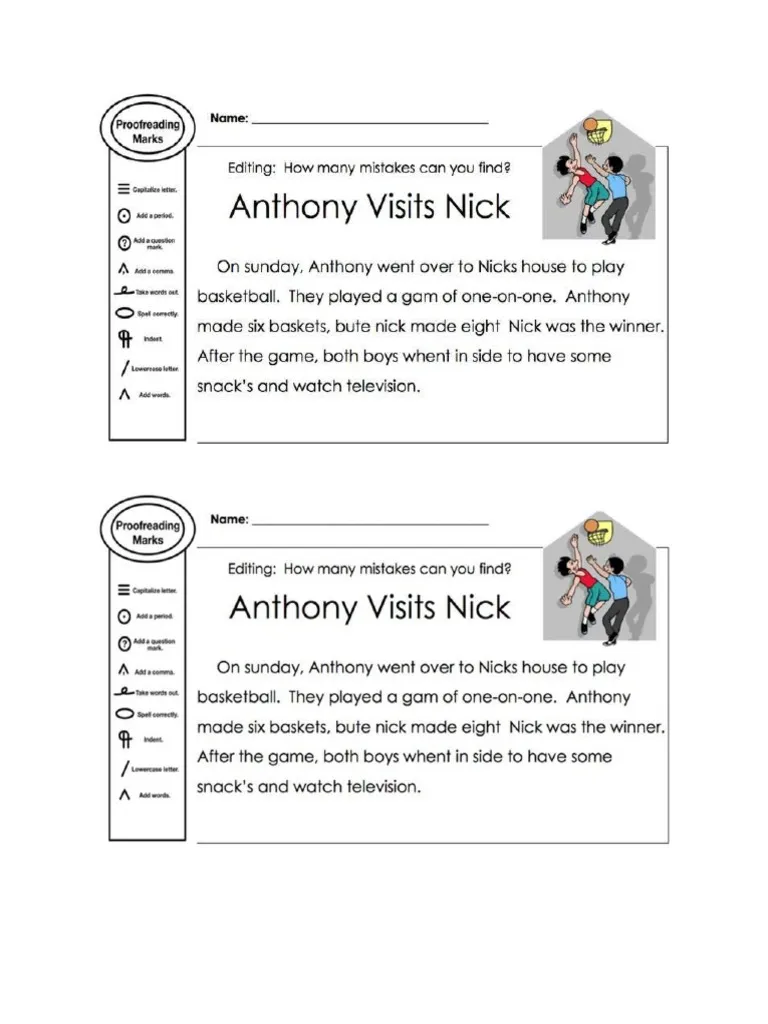
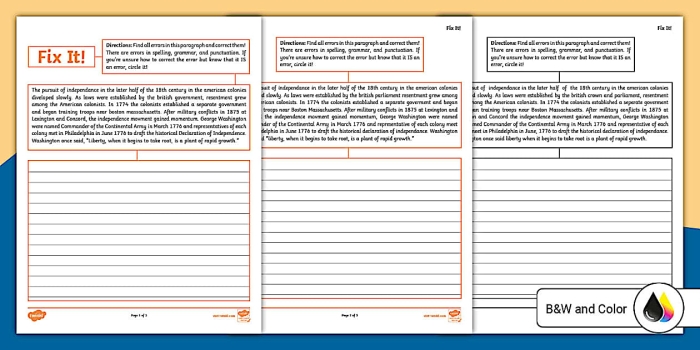
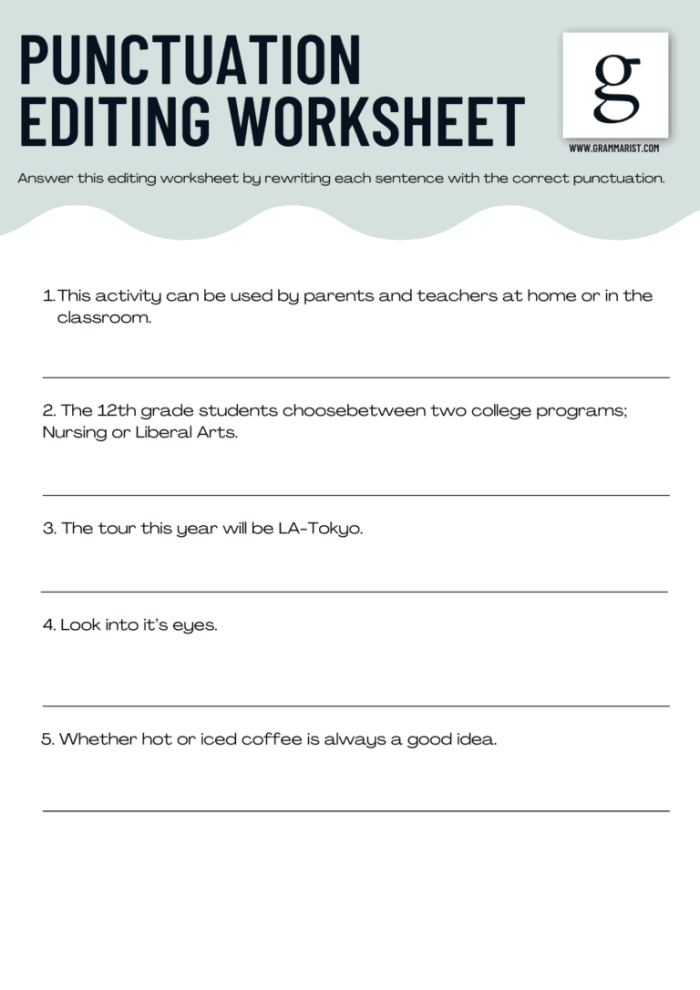
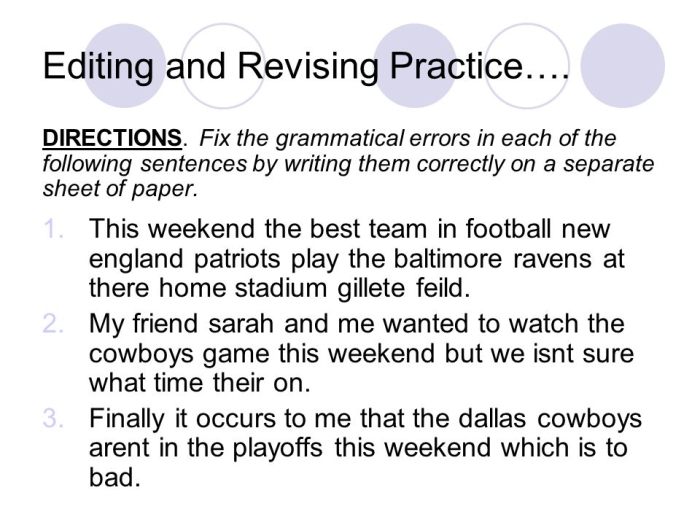
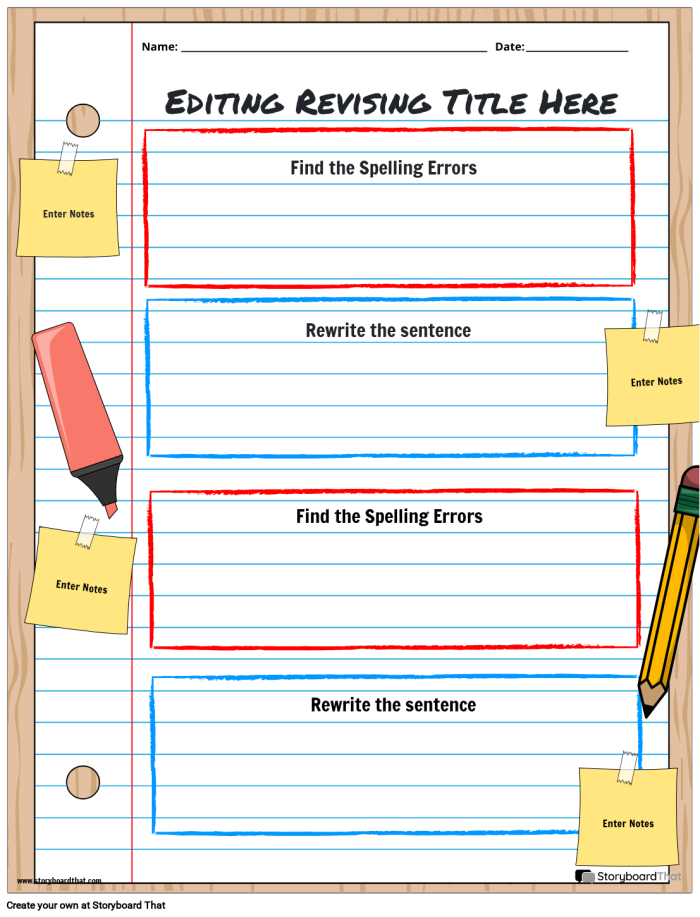
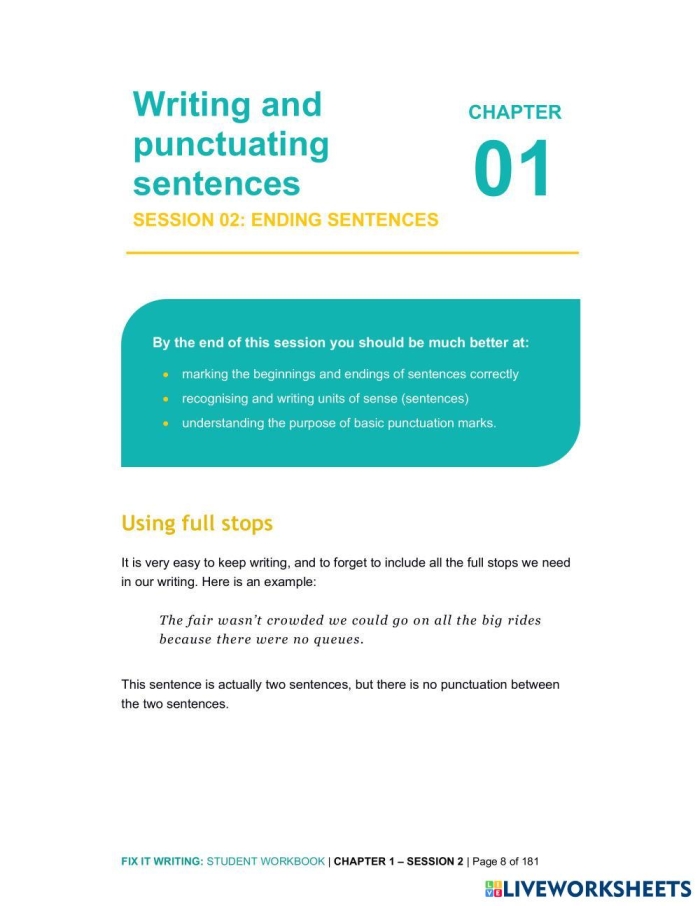
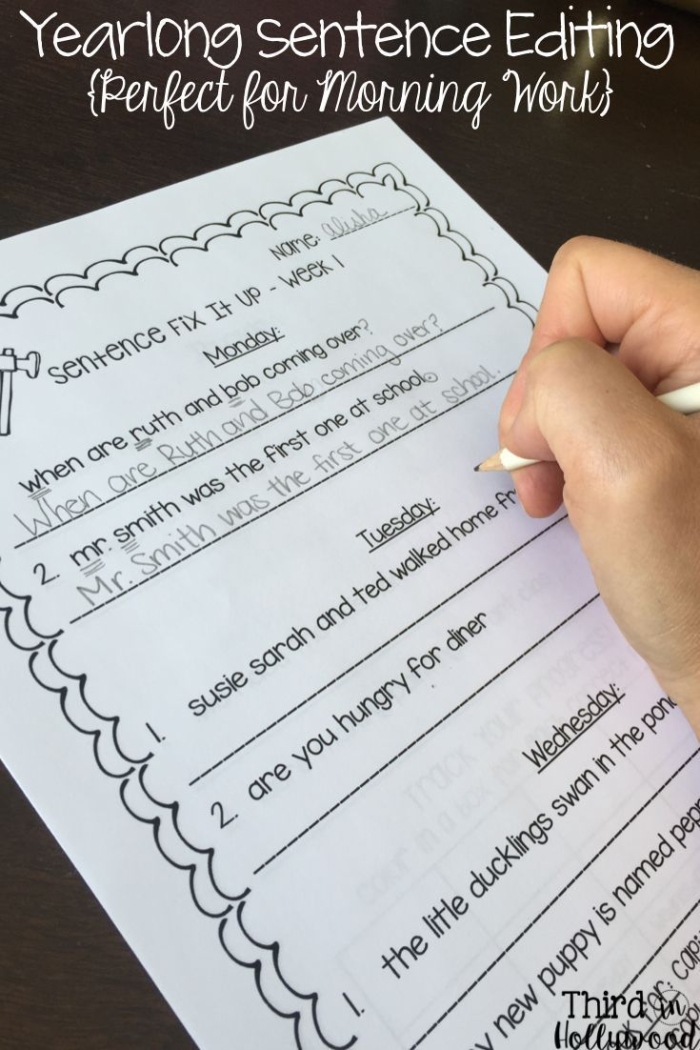
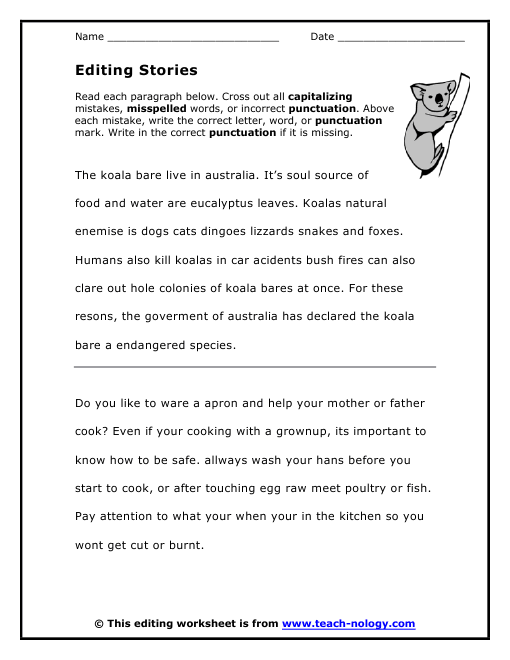
The value of hands-on editing practice lies in repetition and immediate feedback. When learners work through a single page of sentences with intentional mistakes, they train their eyes to catch common problems like subject-verb disagreement, misplaced modifiers, and punctuation errors. This focused approach beats overwhelming students with lengthy passages. One page keeps the task manageable while still providing enough material to build confidence.
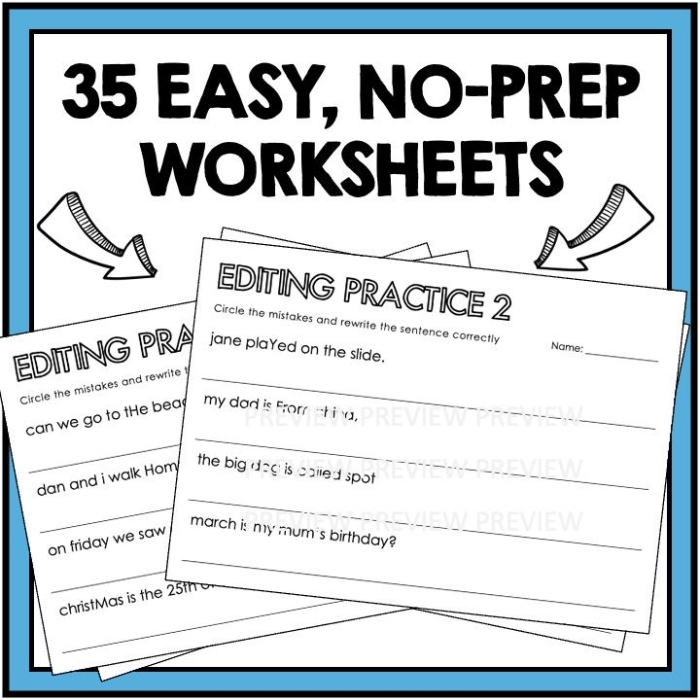
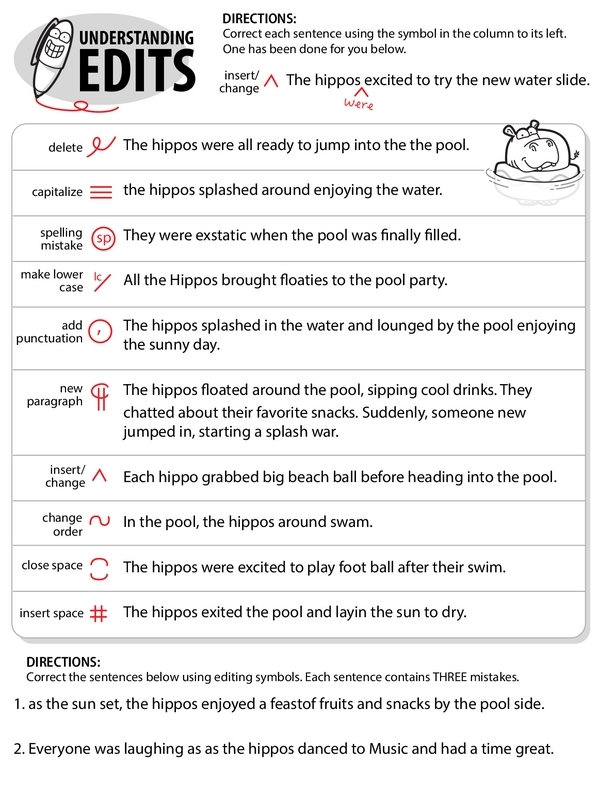
Sixth grade writing instruction benefits from tools that isolate specific skills. Rather than asking students to revise entire essays, a targeted grammar worksheet lets them concentrate on mechanics without the pressure of content creation. They can mark corrections directly on the page, circle errors, or rewrite sentences cleanly. This immediate, visible progress reinforces learning in ways that broader assignments sometimes cannot.
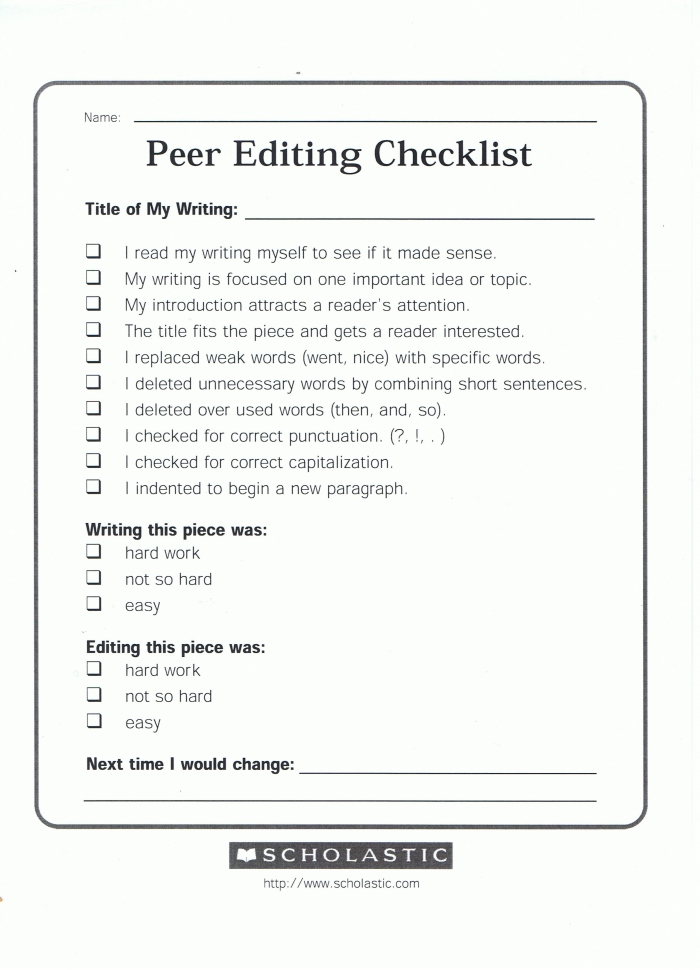
Copyediting worksheets work especially well when paired with other writing activities. After completing a worksheet focused on fixing errors, students apply those lessons to their own work. They might tackle persuasive writing assignments with sharper editing eyes, or strengthen their informational writing through careful revision.
The real payoff comes when students internalize editing habits. Once they recognize a comma splice or a dangling modifier on a worksheet, they start catching those same errors in their own drafts. That transfer of skill from practice to actual writing is where grammar instruction becomes meaningful rather than abstract.
A simple one-page editing worksheet takes minutes to complete but plants seeds for stronger writing throughout the school year.
Download These Worksheets for Practice