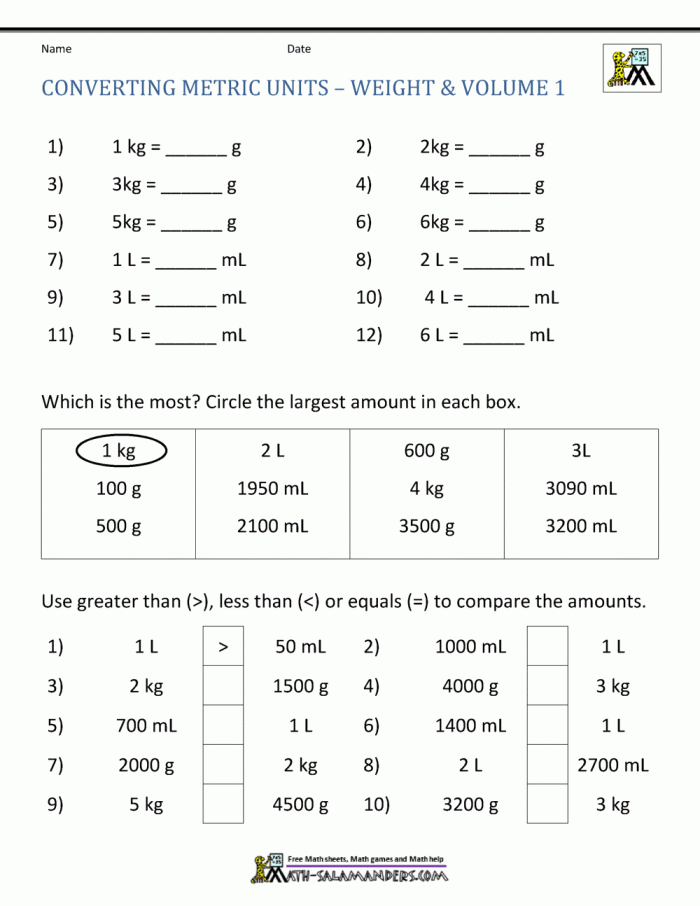
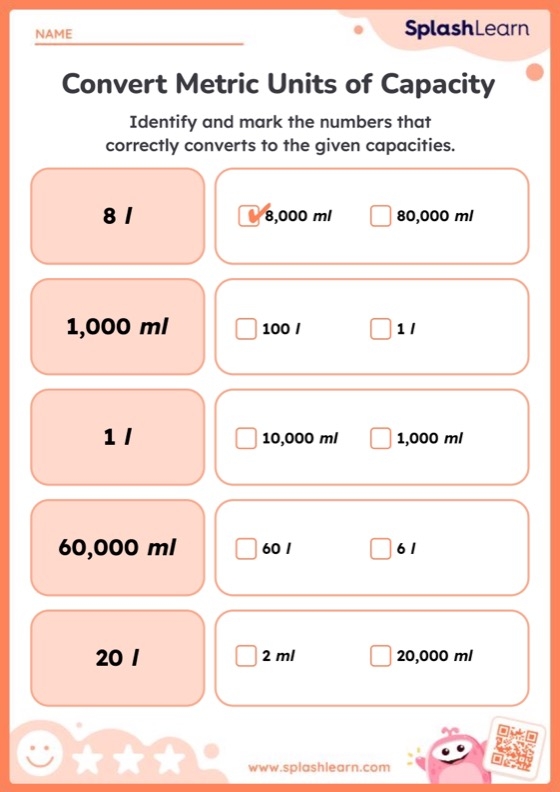
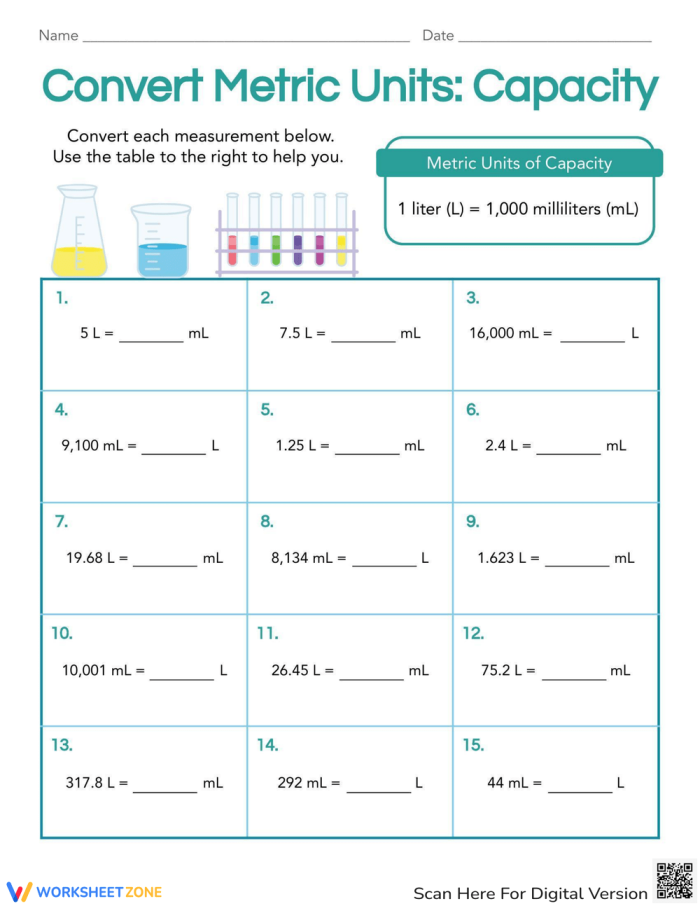
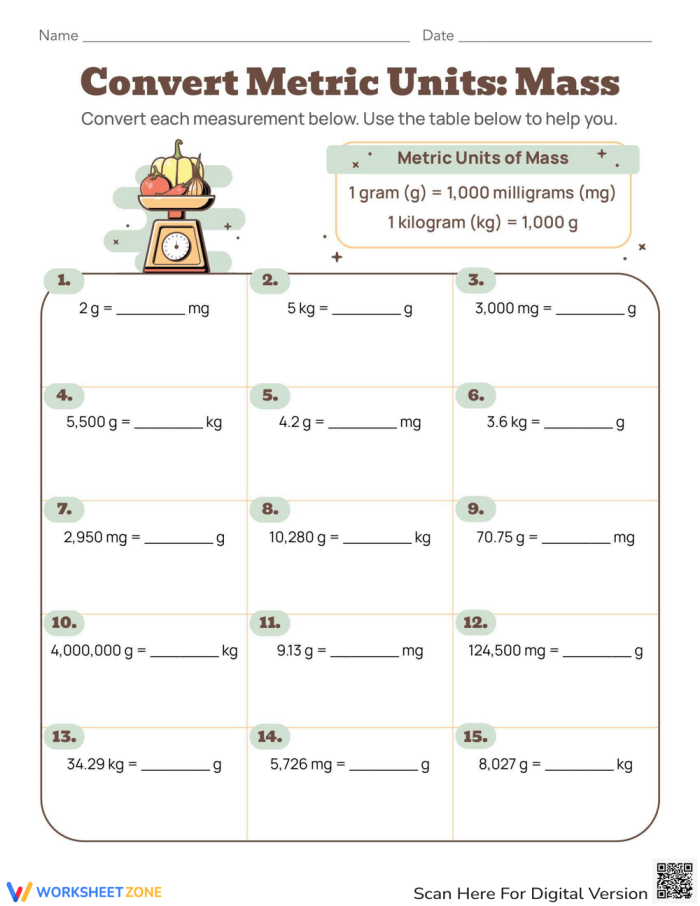
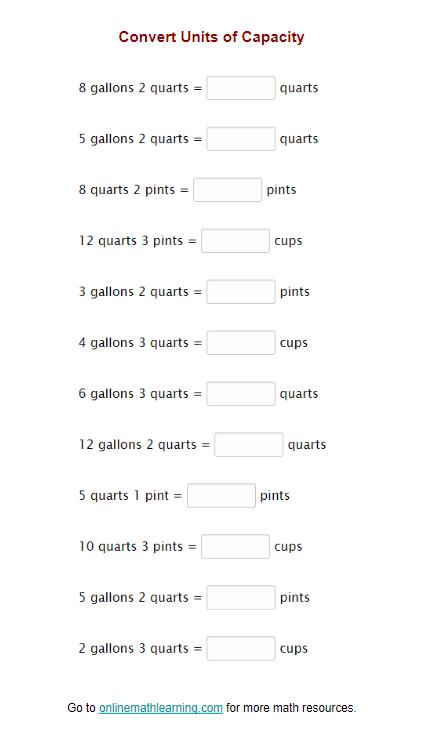
Understanding metric units of capacity is essential for fifth graders as they navigate various math concepts. The relationships between liters, milliliters, and other metric units can sometimes be confusing. However, with the right resources, students can master these conversions with ease. A well-structured practice worksheet can be a valuable tool in this learning process.
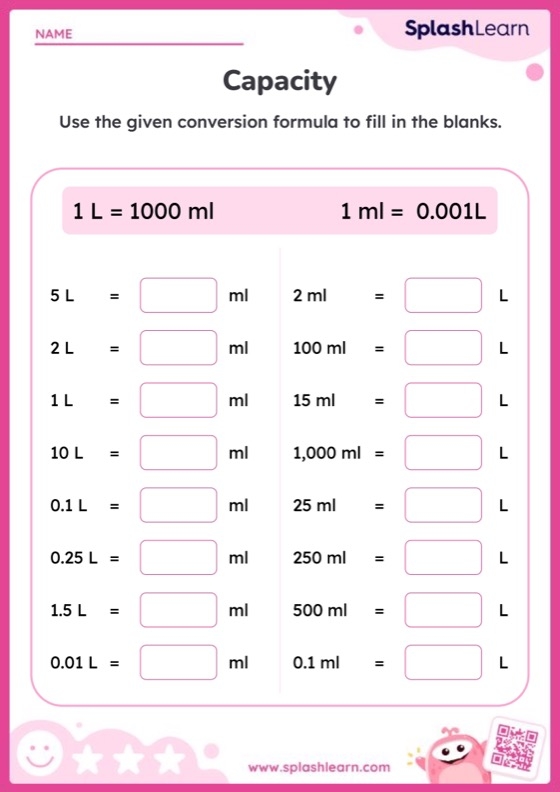
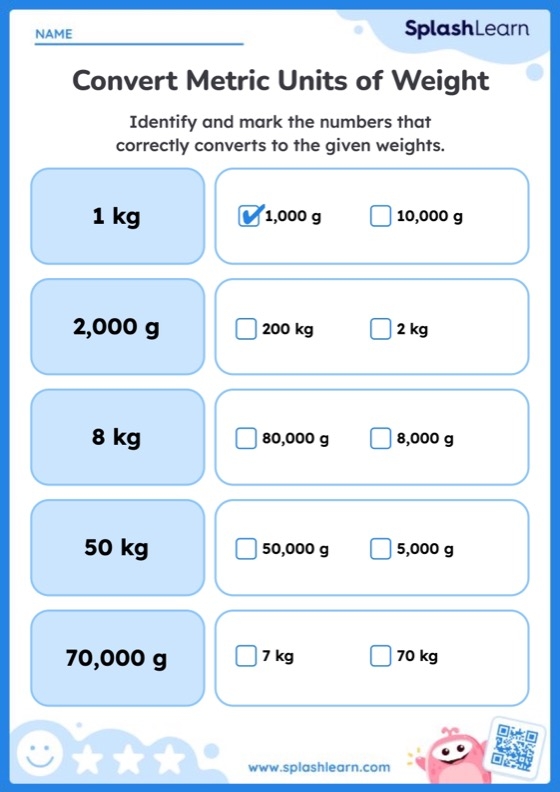
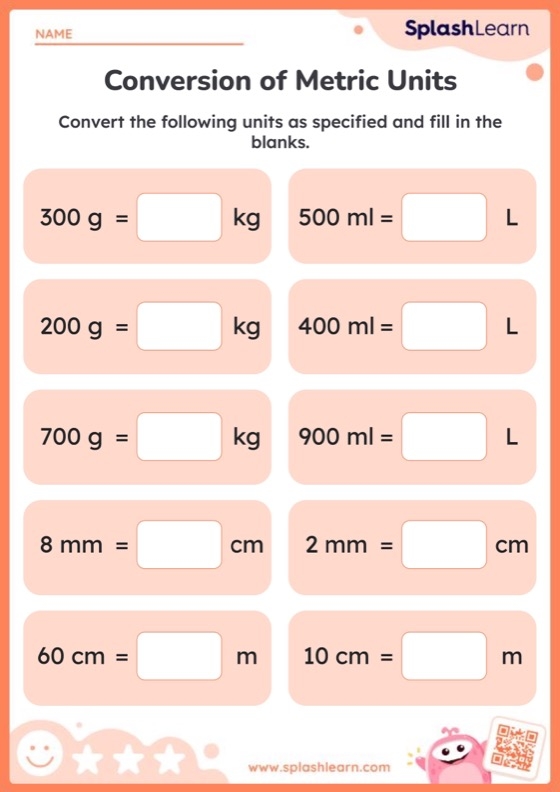
When exploring metric units, it’s important to grasp that 1 liter equals 1,000 milliliters. This simple relationship serves as the foundation for many conversion problems. For example, if a recipe calls for 2 liters of water, students can easily determine this is the same as 2,000 milliliters. Worksheets that present various scenarios, such as cooking measurements or science experiments, can help students apply these conversions in practical situations.
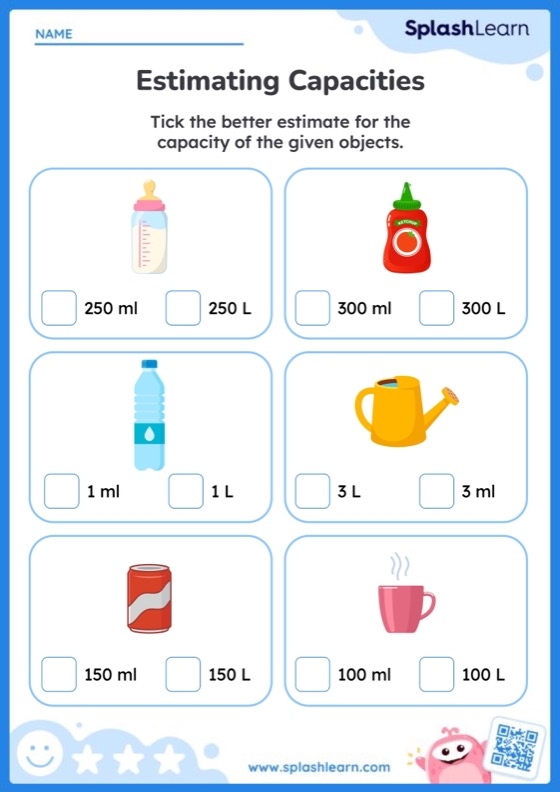
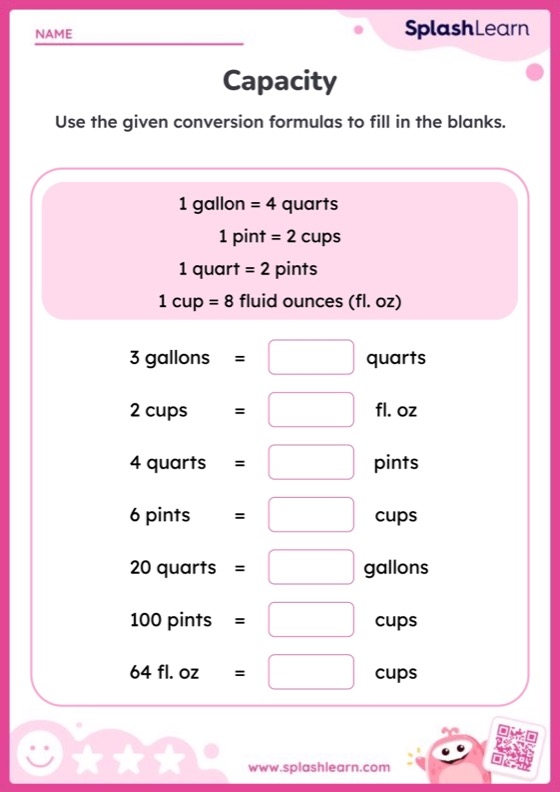
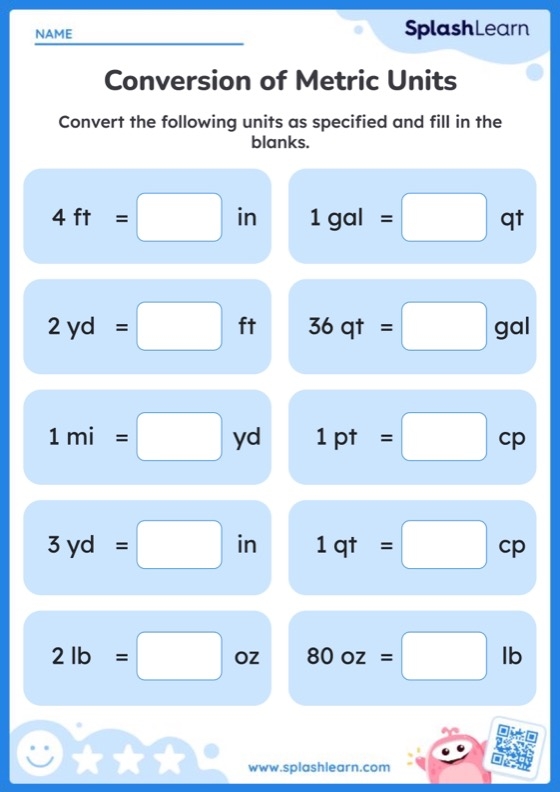
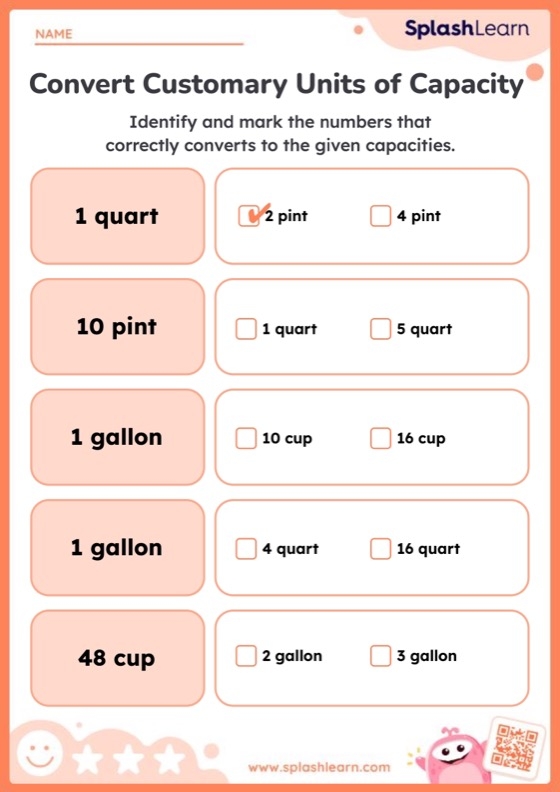
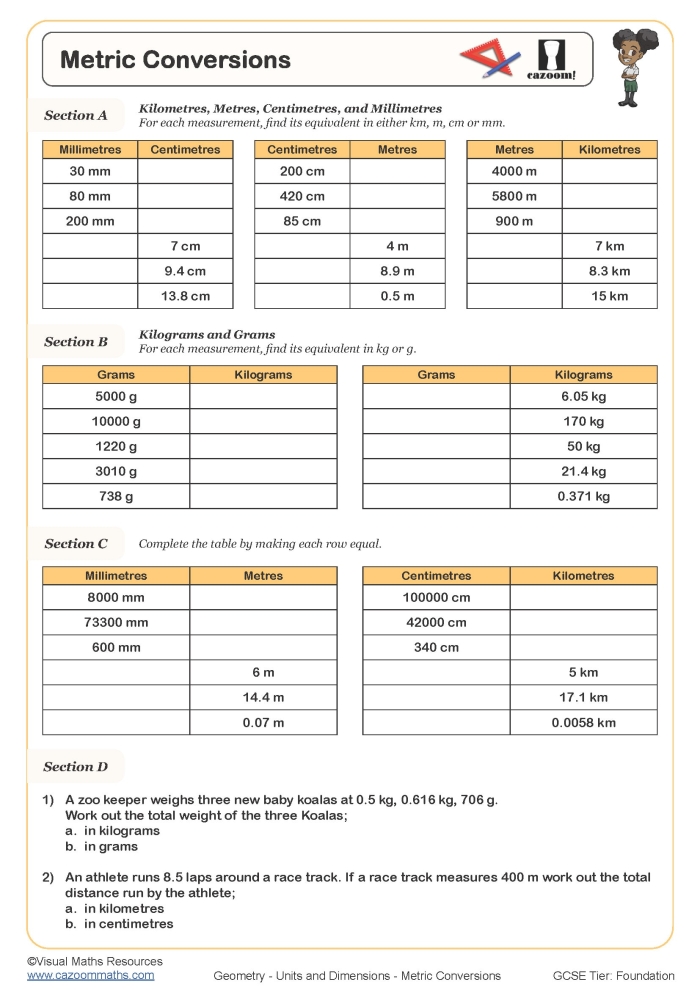
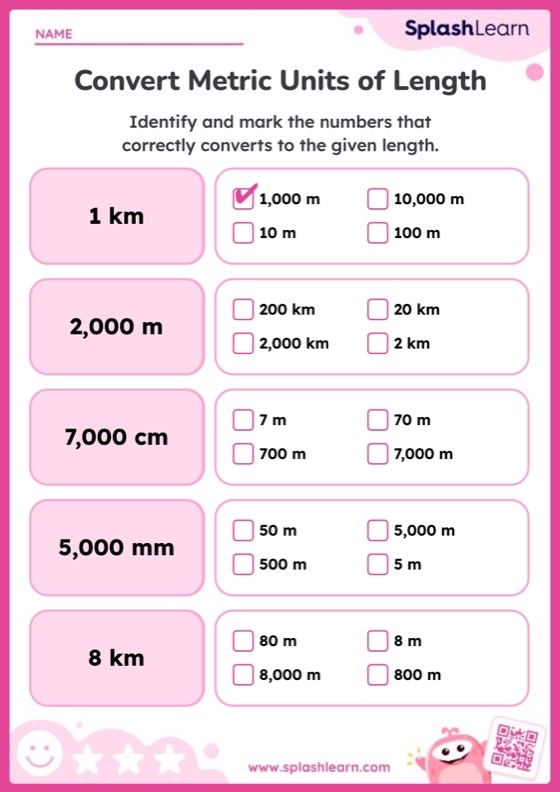
Conversion worksheets can also enhance understanding through engaging exercises. Students can be tasked with converting different capacities, allowing them to visualize the relationships between the units. By incorporating real-life examples, such as measuring liquids for a science project or calculating how much water a container holds, students can see the relevance of metric conversions in their everyday lives. This approach not only reinforces their math skills but also builds their confidence in handling measurements.
For teachers and parents looking to support fifth graders in their learning, several printable worksheets are available. Resources like the metric units place value chart can complement conversion exercises, offering visual aids that clarify these concepts further. Additionally, integrating grammar and mechanics practice, such as found in sentence revision worksheets, can provide a well-rounded educational experience.
By emphasizing practical applications and providing targeted practice, students can more effectively understand and convert metric units of capacity. This not only supports their current learning in fifth grade but also lays a strong foundation for future mathematical concepts.
Start Practicing with These Worksheets