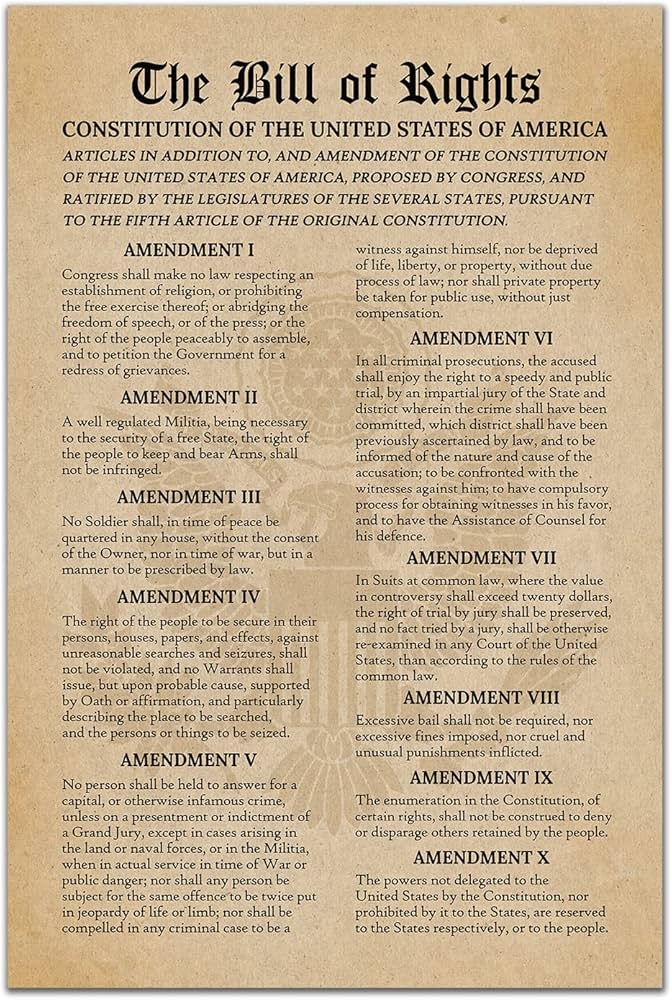
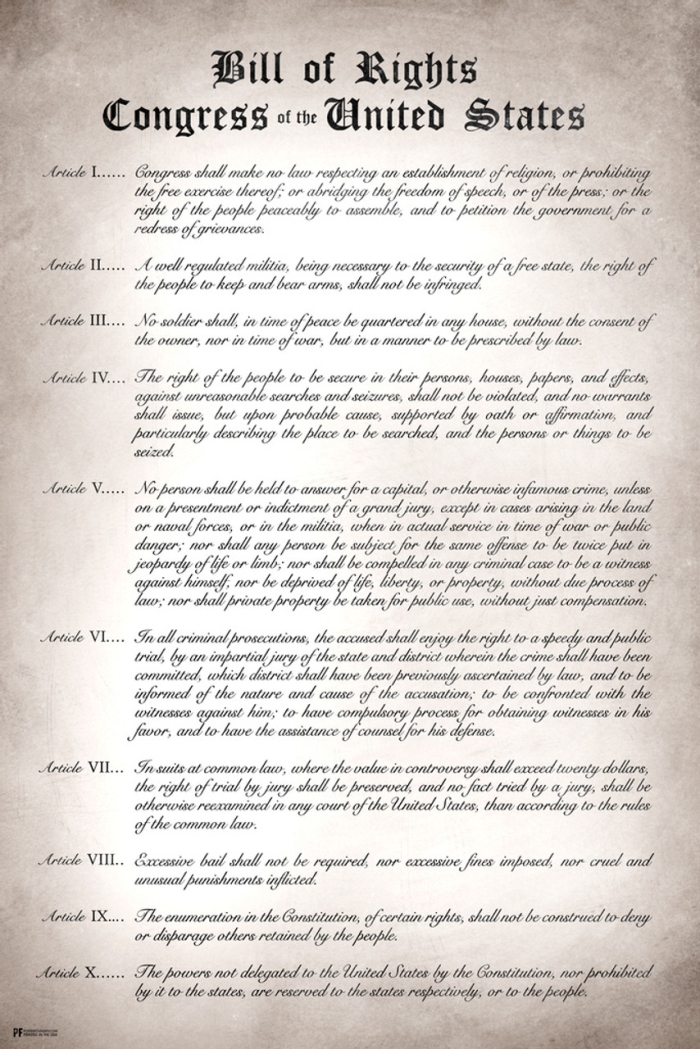
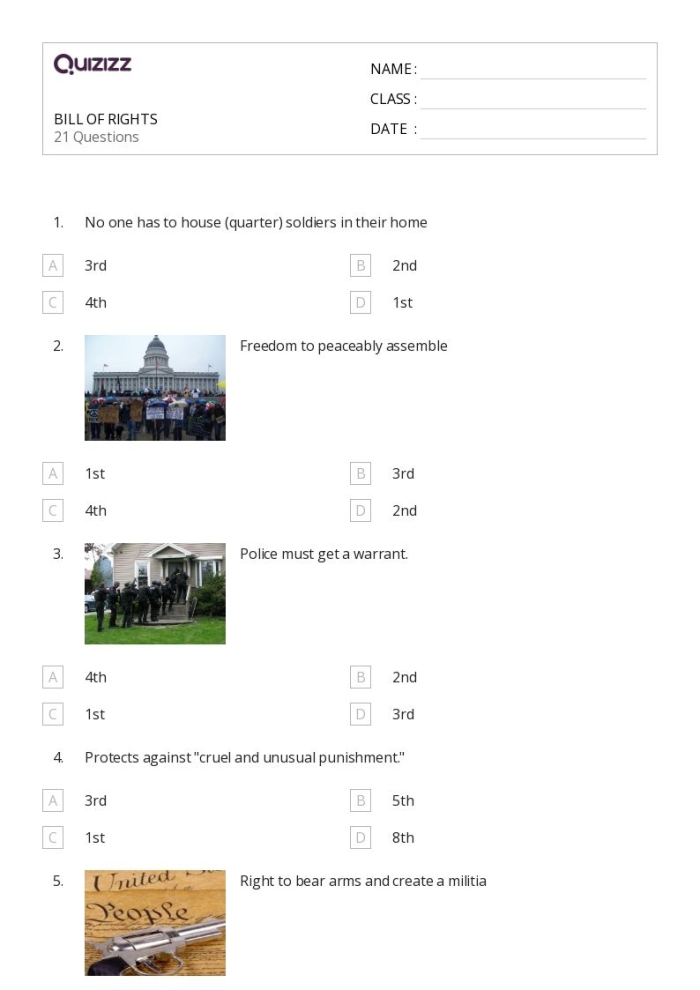
When sixth graders encounter the Bill of Rights for the first time, they’re often struck by how different the language feels compared to what they read today. The original text uses formal phrasing and references concepts that require careful thought. Rather than passively reading through these ten amendments, students who work directly with the primary-source documents develop a much deeper understanding of what each one actually protects.
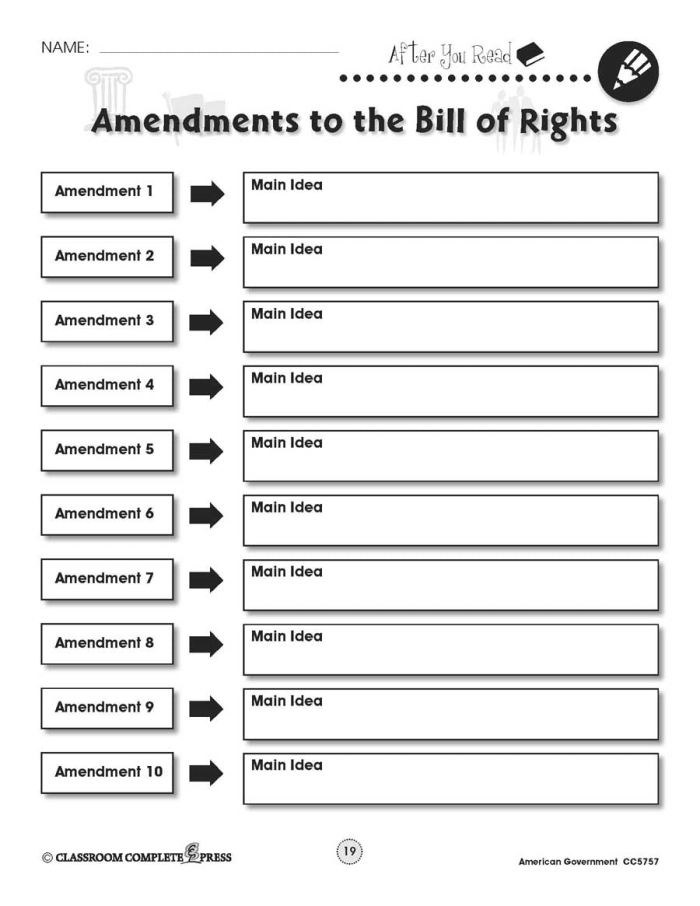
The process of reading the first 10 amendments and summarizing each one in their own words forces students to move beyond surface-level comprehension. They can’t simply memorize definitions or bullet points. Instead, they must break down complex legal language, identify the core idea, and express it in a way that makes sense to them. This approach mirrors the kind of analytical thinking that connects to other academic skills, such as identifying independent and dependent variables, where students learn to isolate key elements from larger systems.
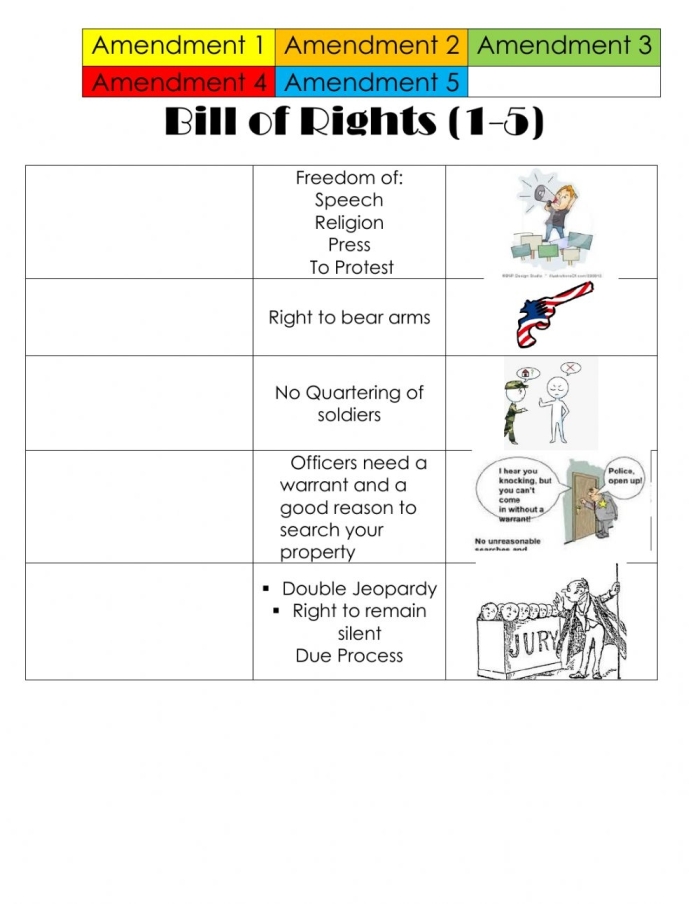
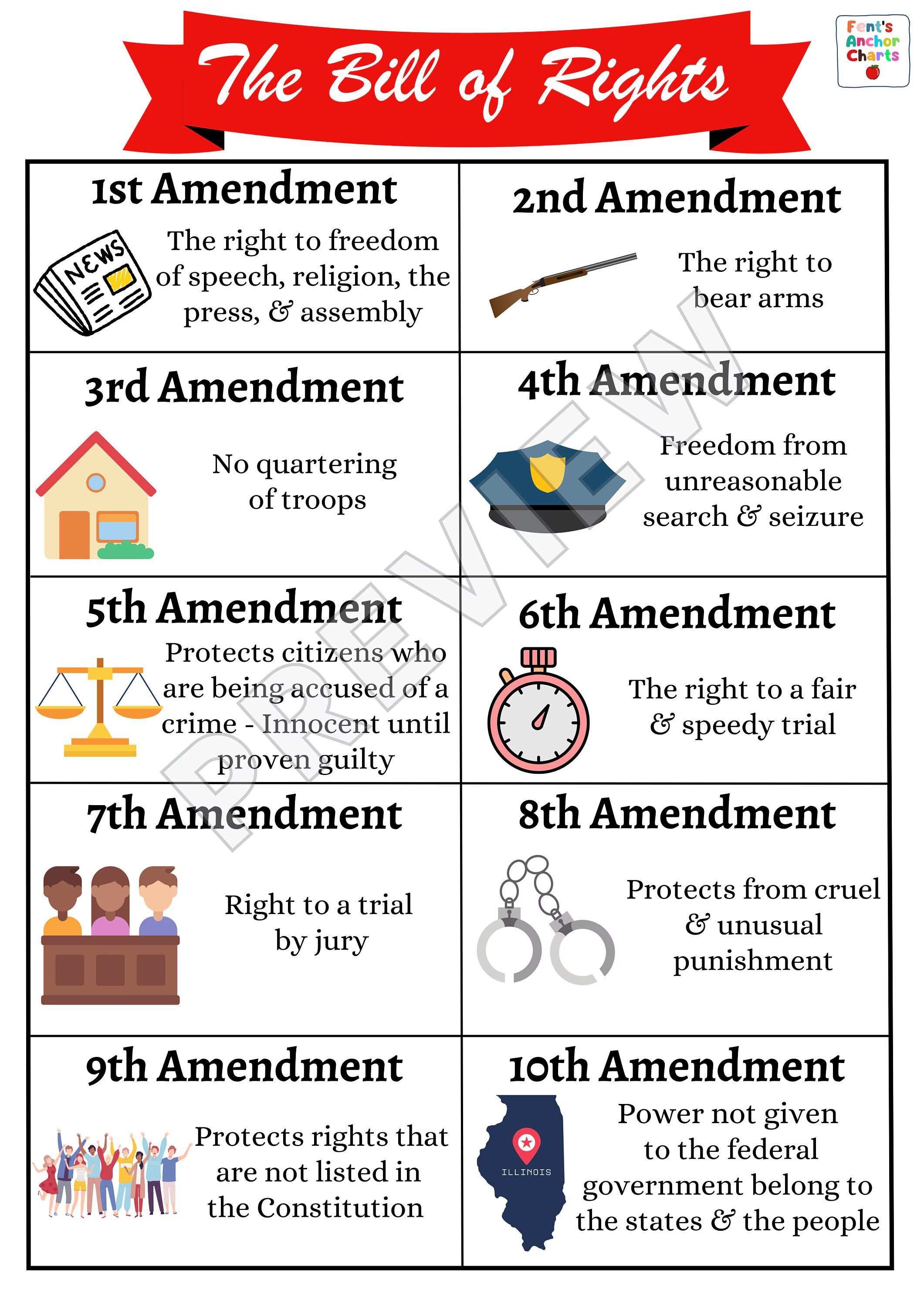
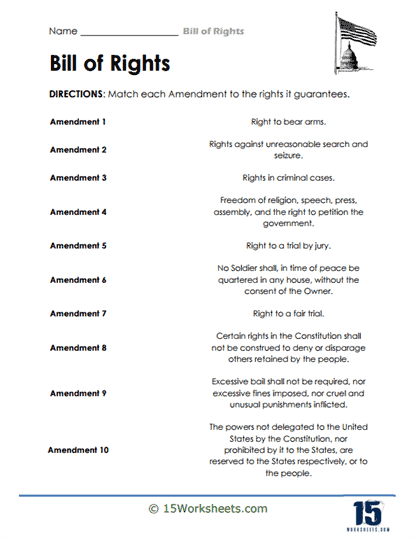
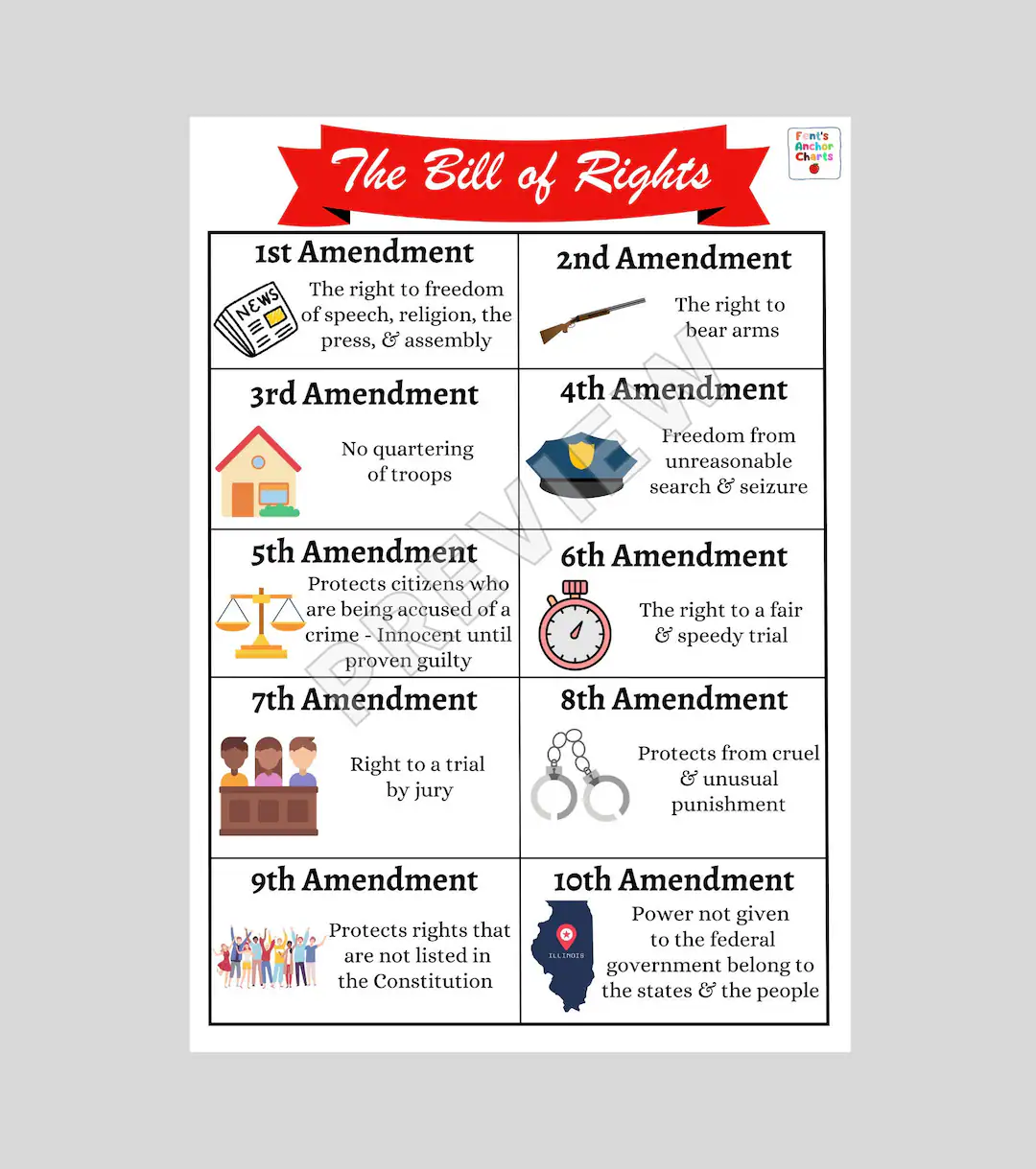
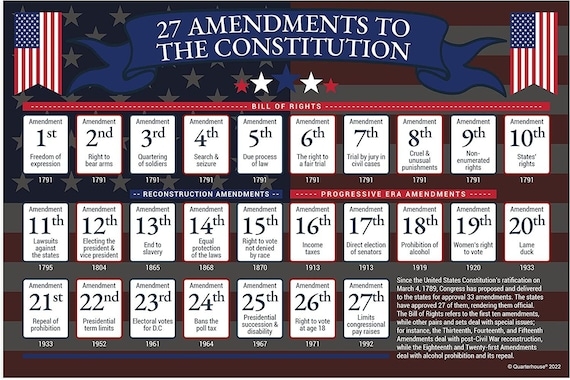
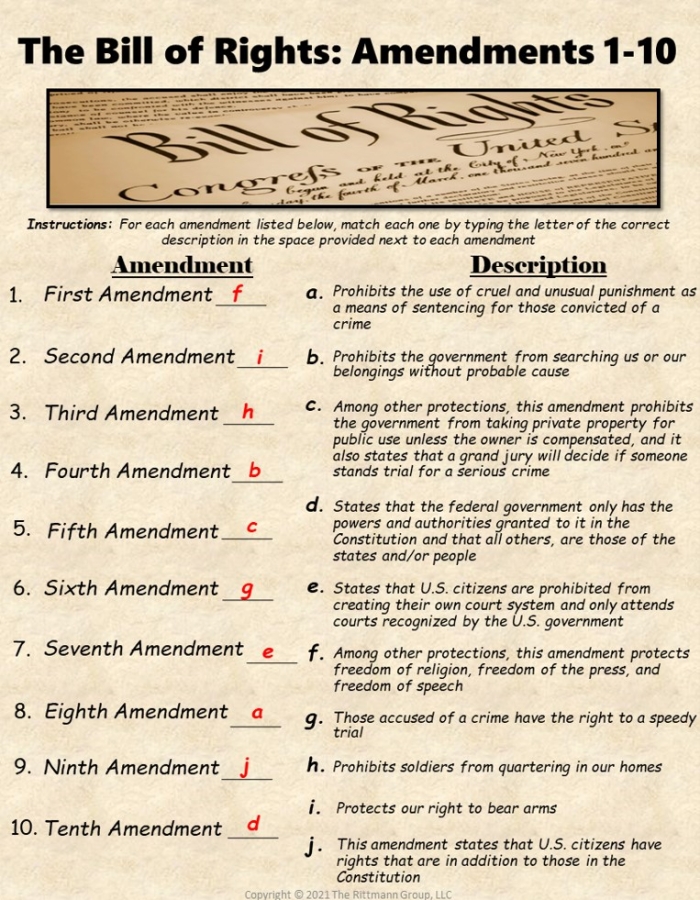
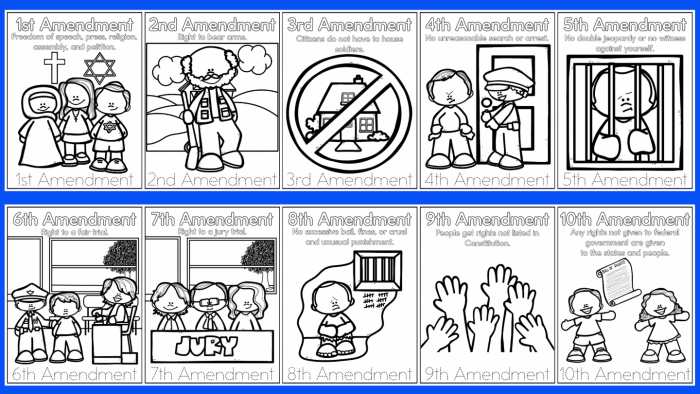
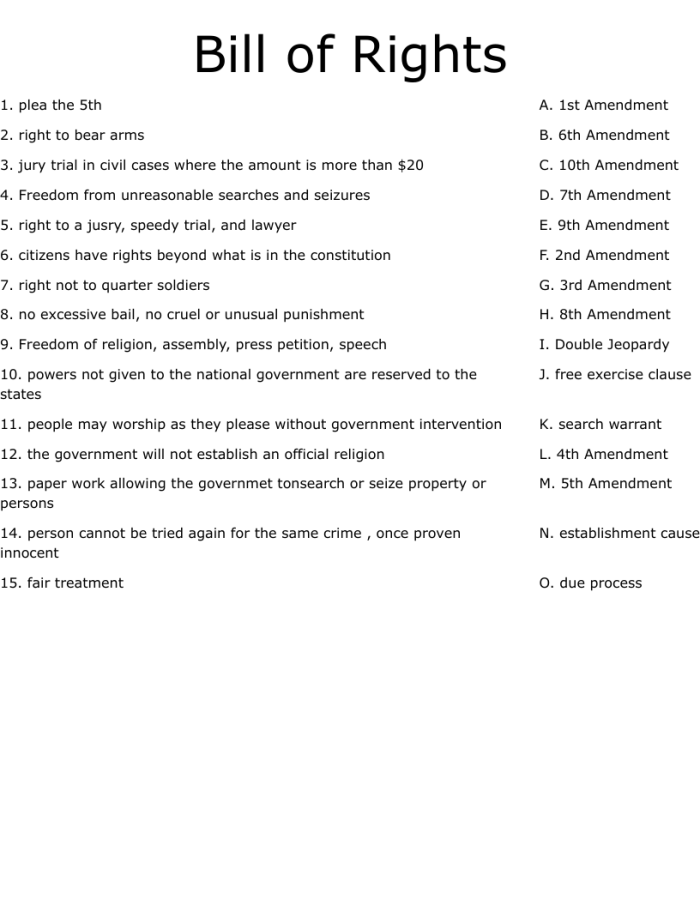
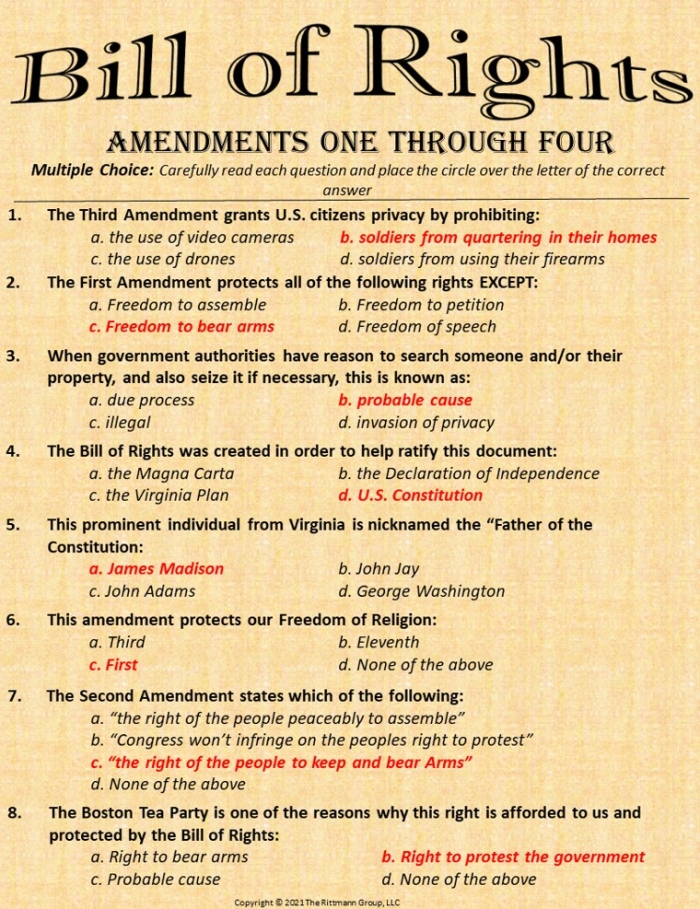
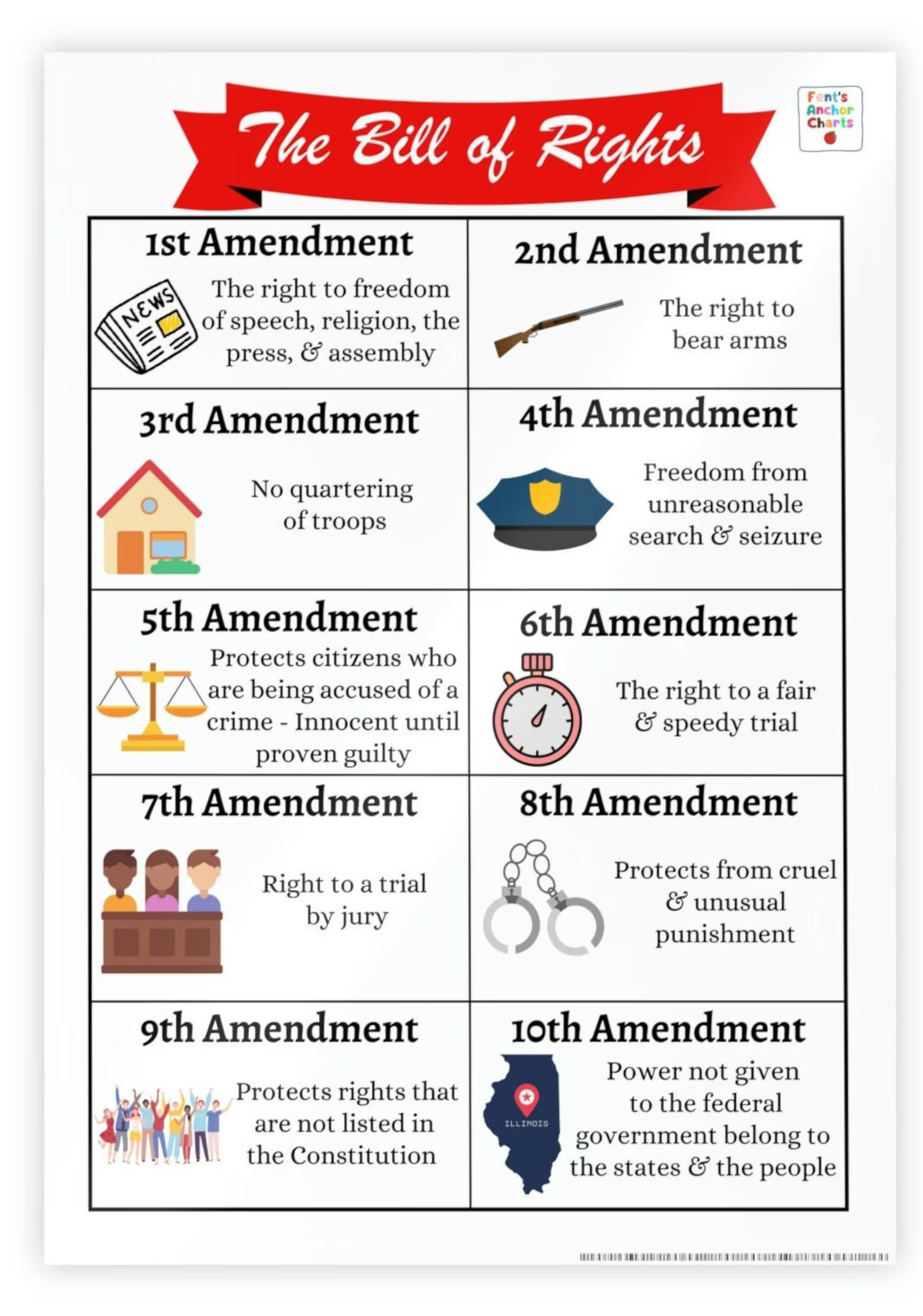
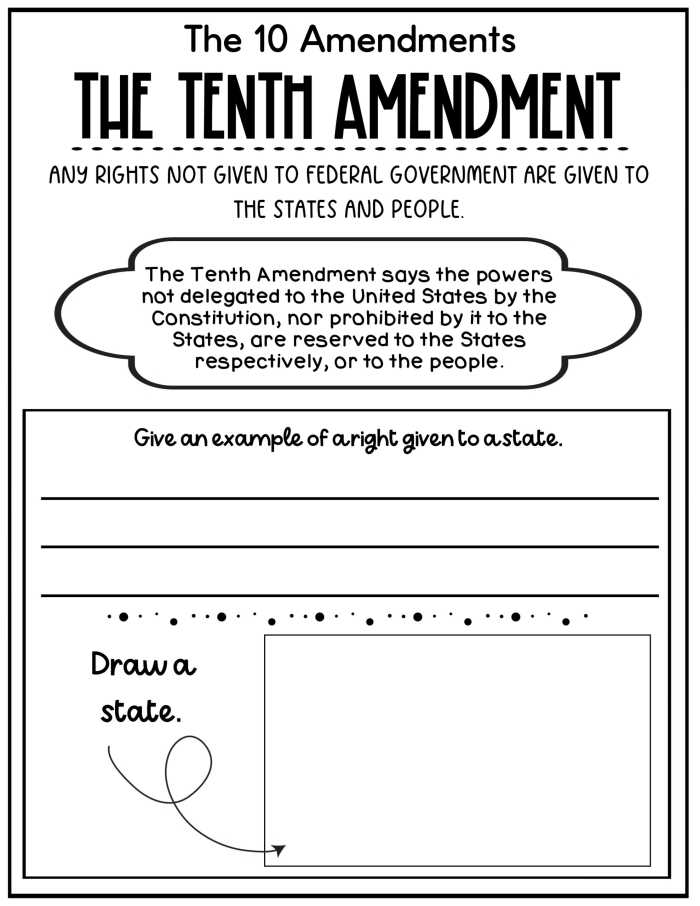
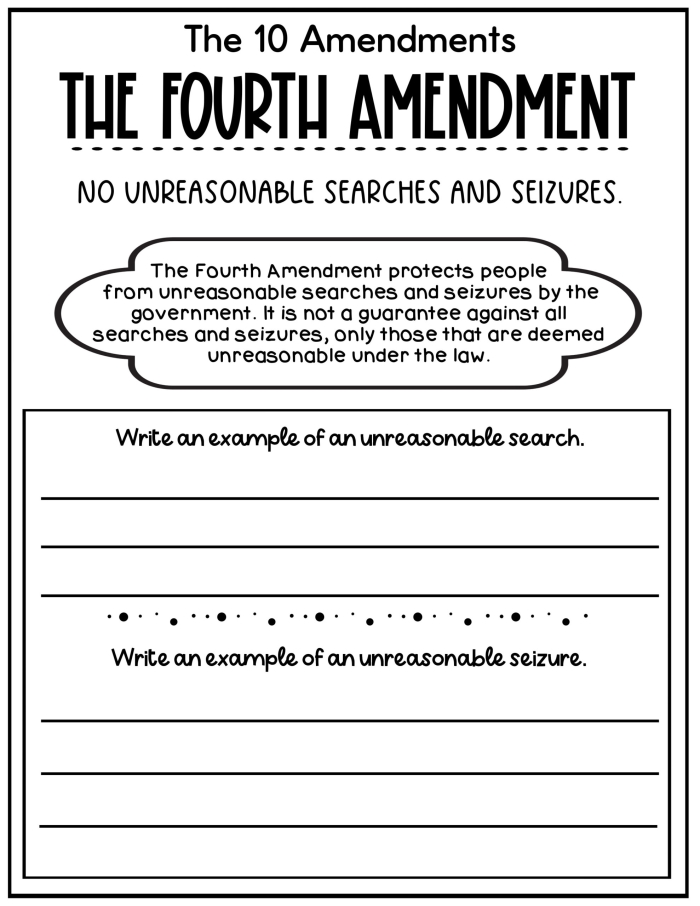
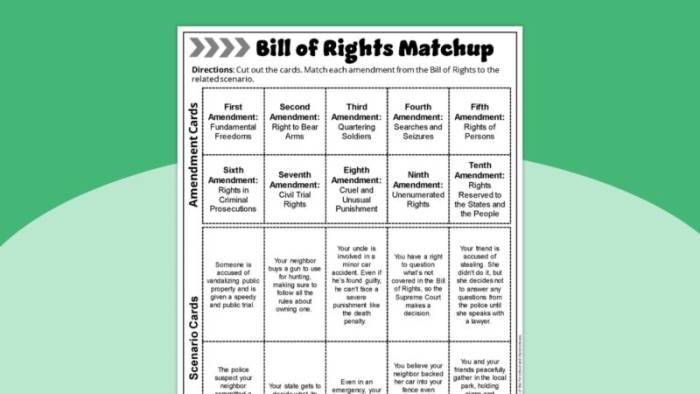
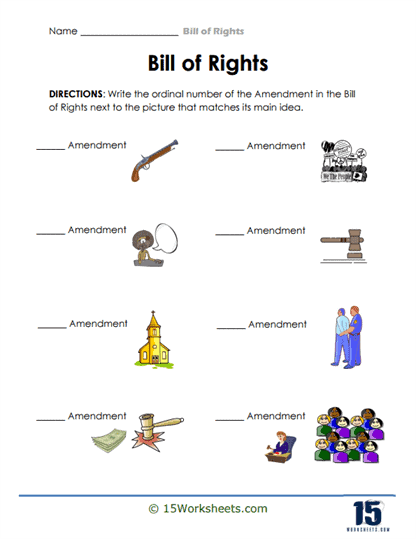
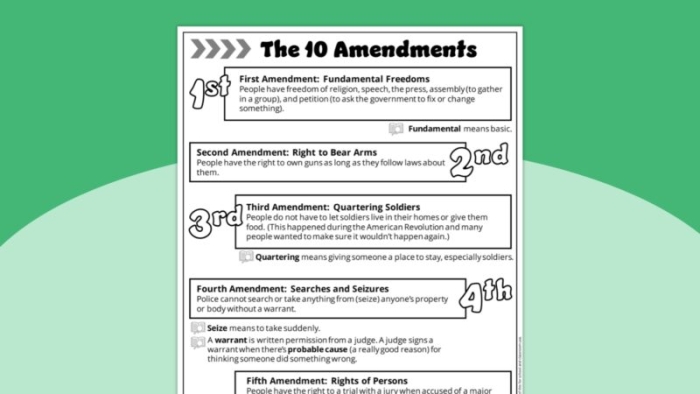
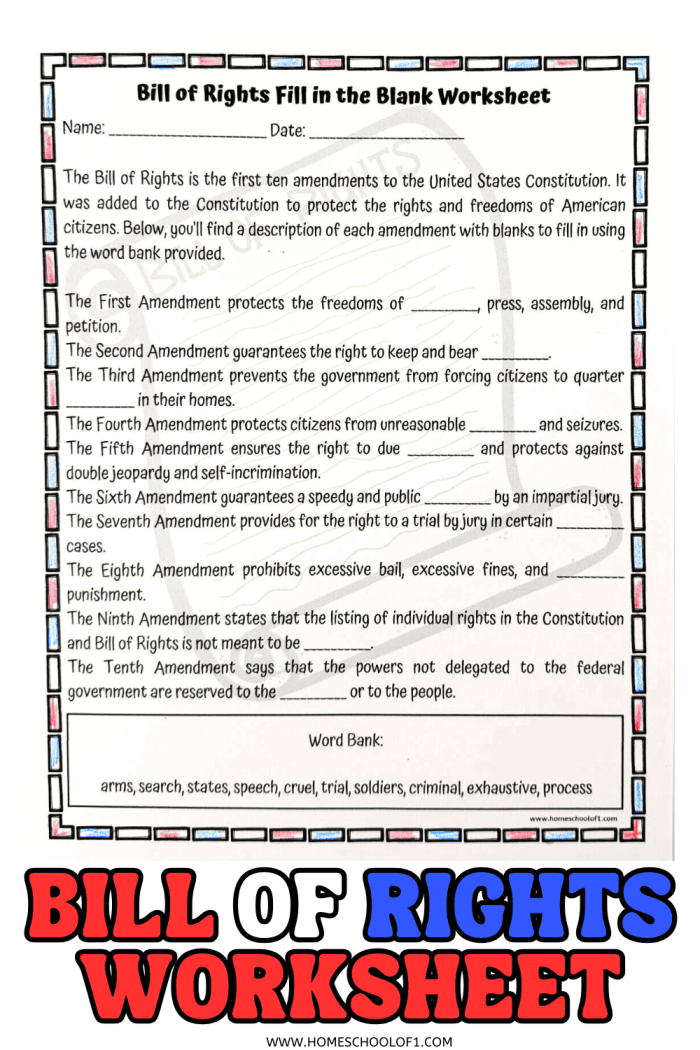
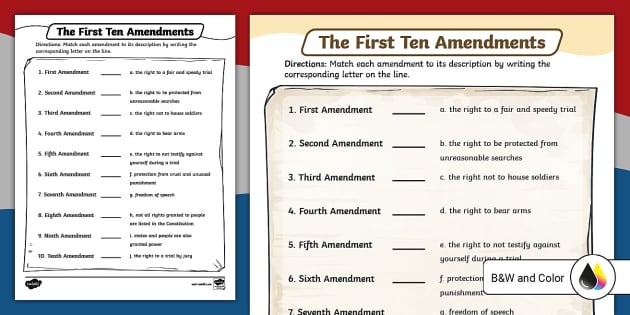
For sixth graders, working through printable worksheets on summarizing the amendments provides structure and scaffolding. Each amendment covers distinct ground: the First protects speech and religion, the Second addresses militia and firearms, the Third limits quartering soldiers, and so on. When students summarize the Eighth Amendment’s protection against cruel punishment or the Tenth Amendment’s reservation of powers to the states, they’re wrestling with ideas that shaped American governance.
The summarization task also strengthens writing skills. Students learn to use transition words in their summaries, connecting ideas clearly and logically. They discover that explaining something complex requires clarity and precision, not just shorter sentences.
This hands-on engagement with primary sources gives students ownership over their learning. They’re not told what the amendments mean; they figure it out themselves, making the Bill of Rights feel less like a distant historical document and more like a living framework that affects their everyday rights.
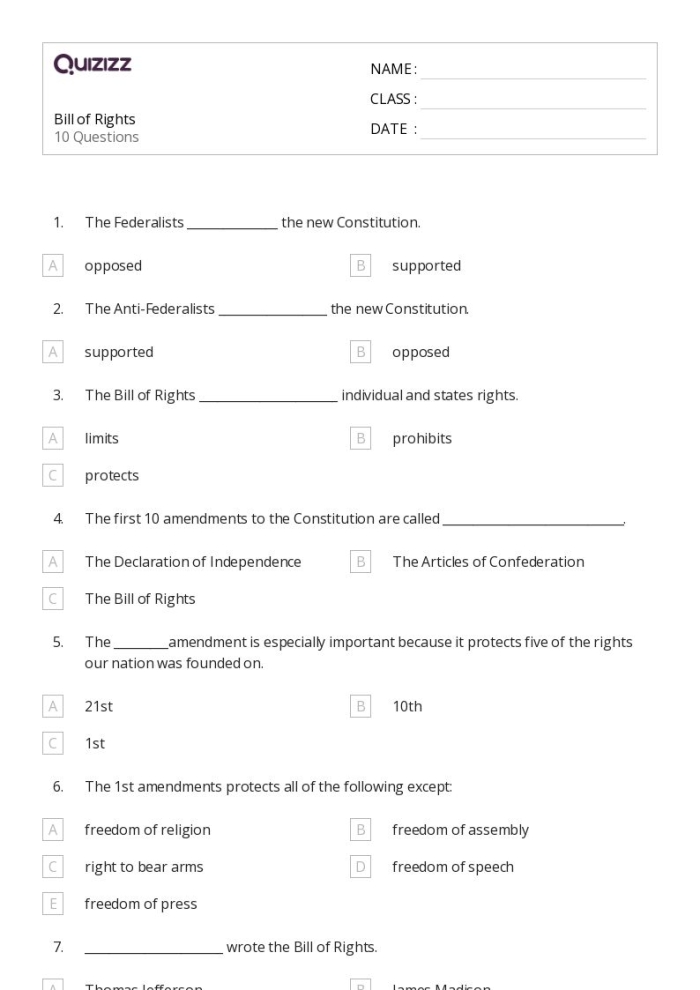
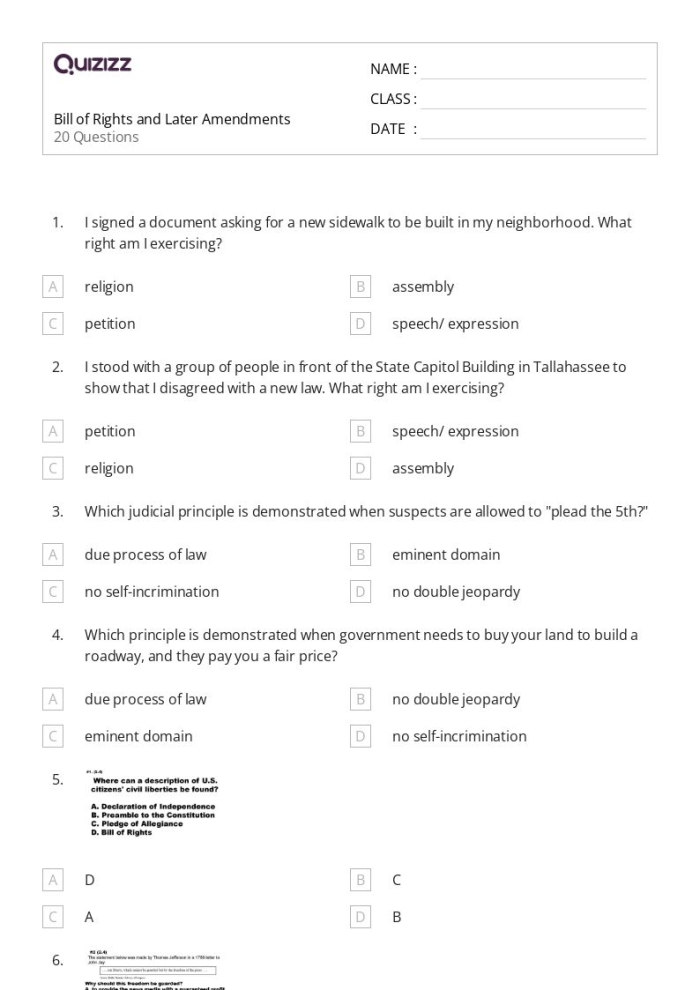
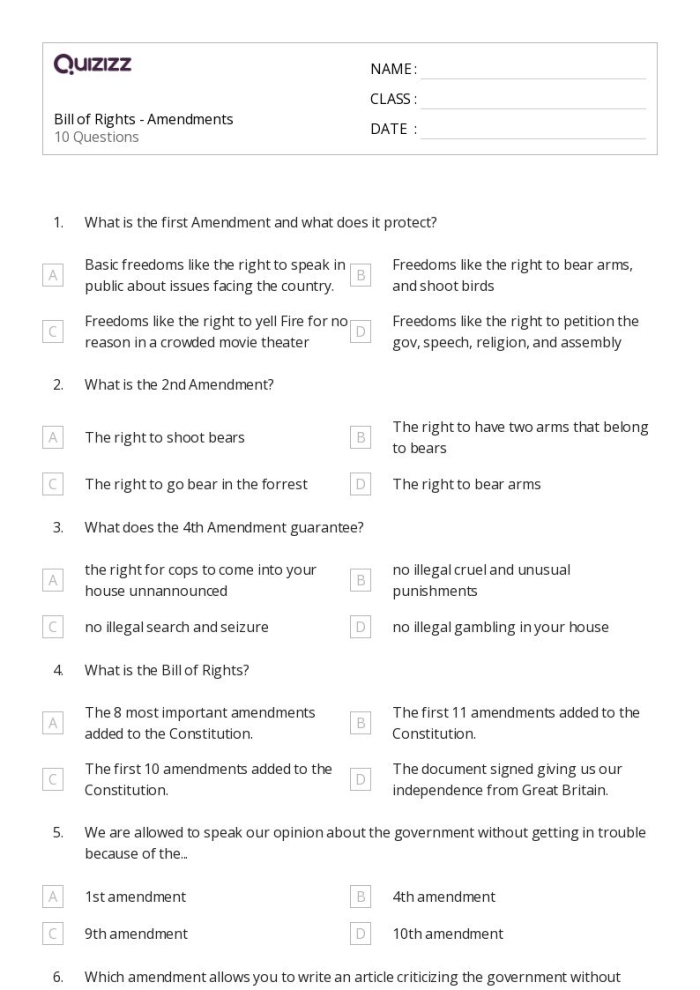
Hands-On Worksheet Activities