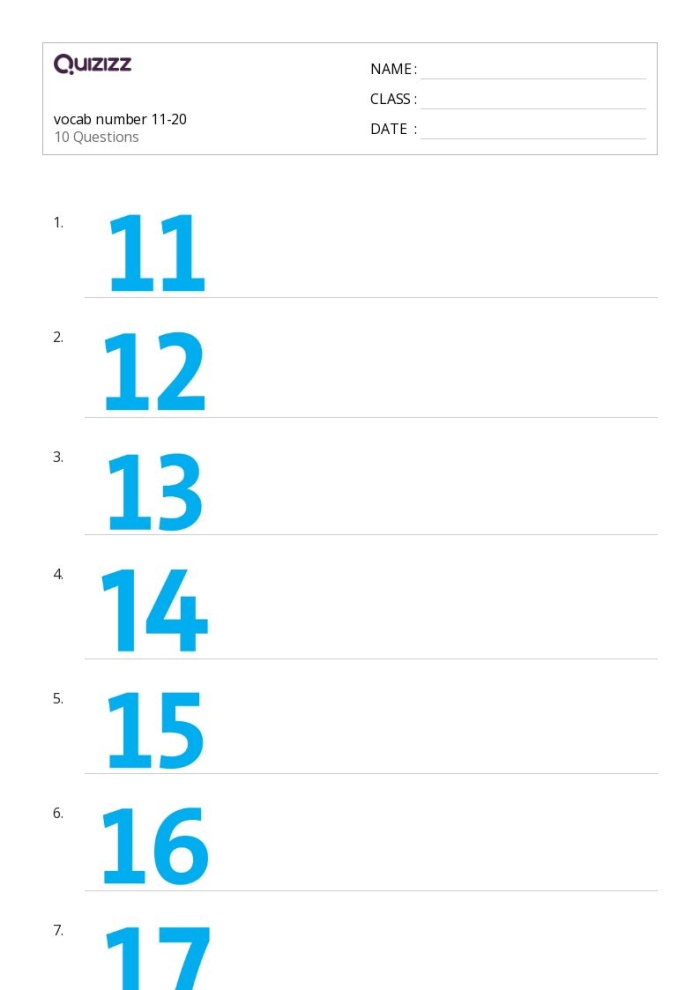
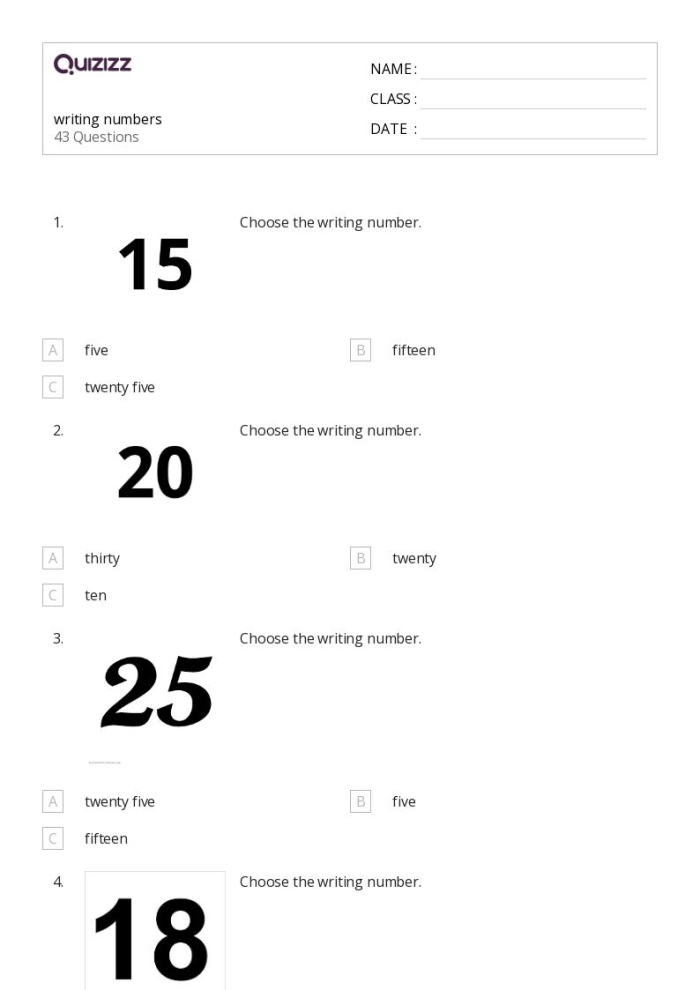
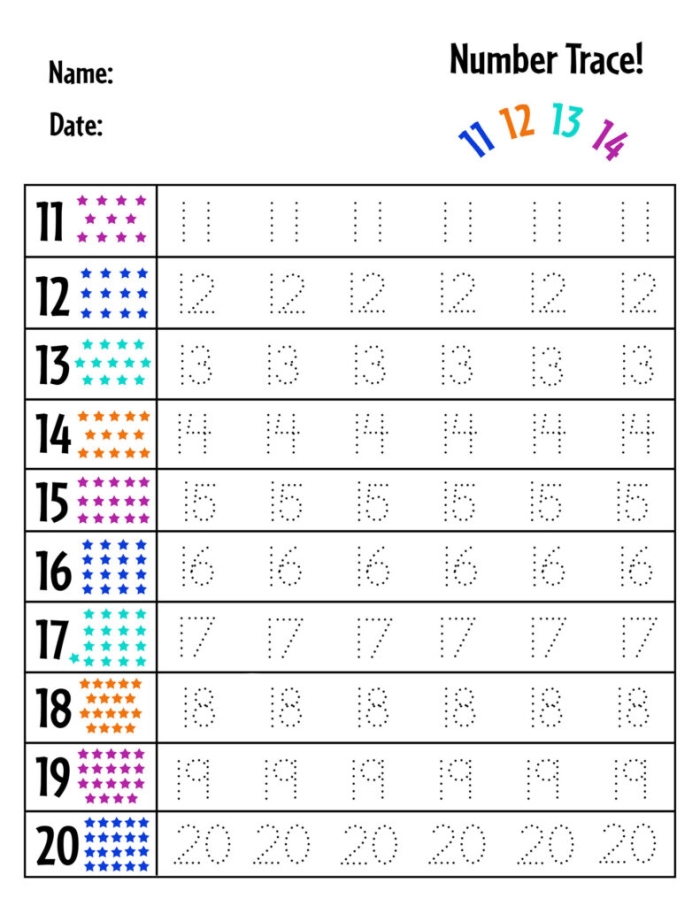
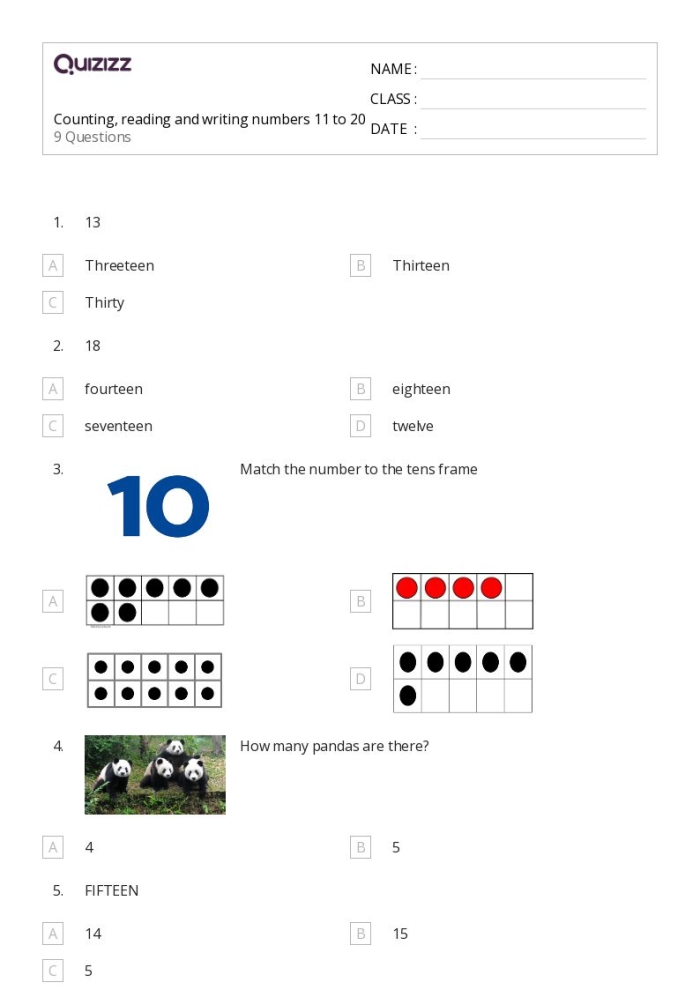
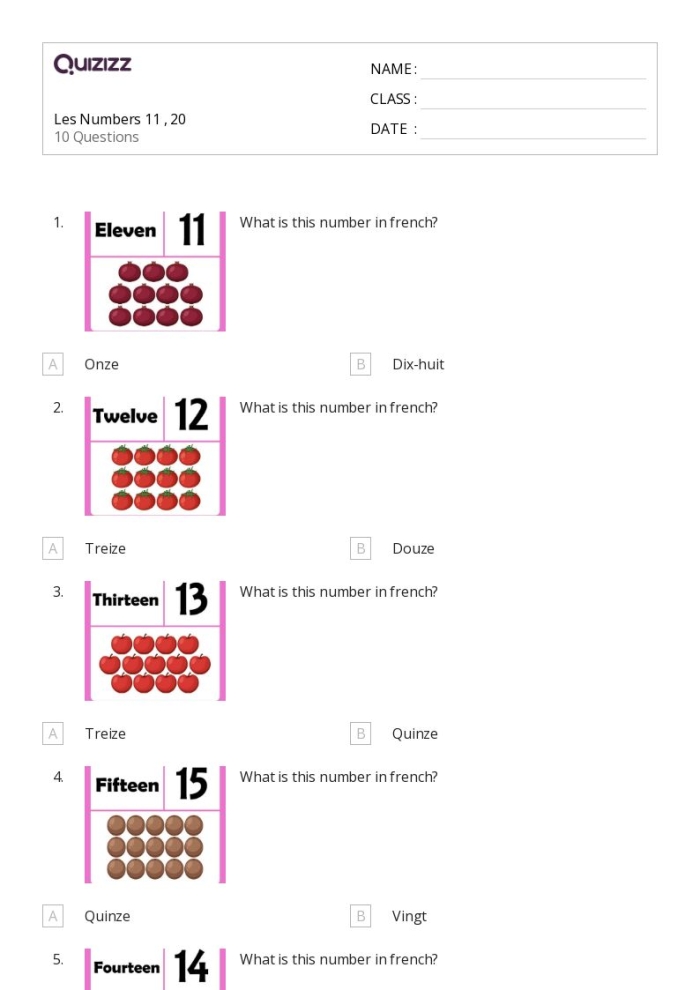
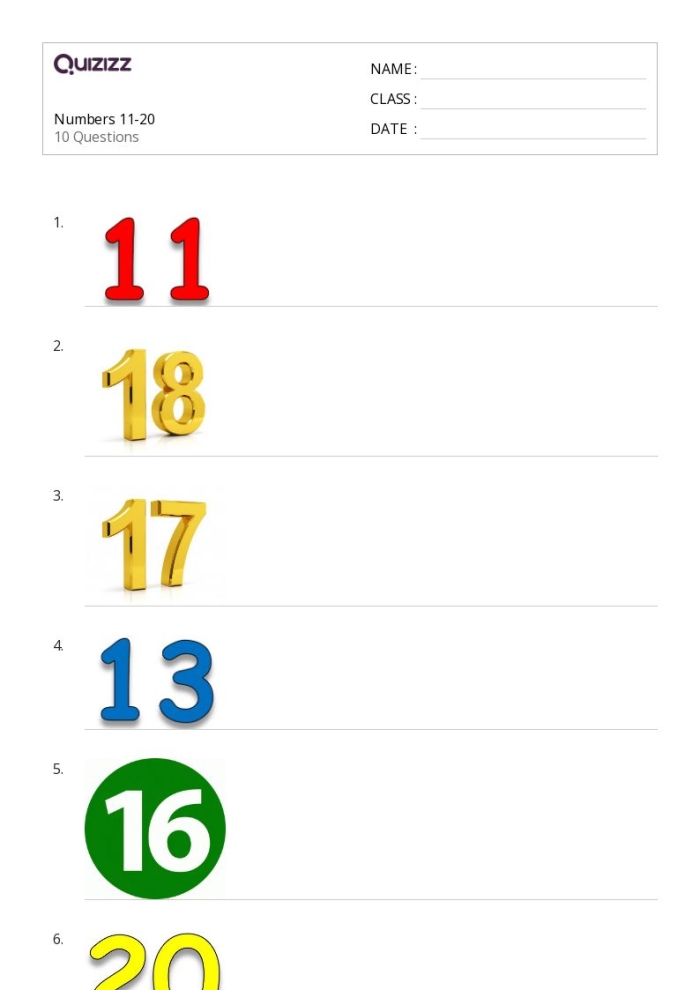
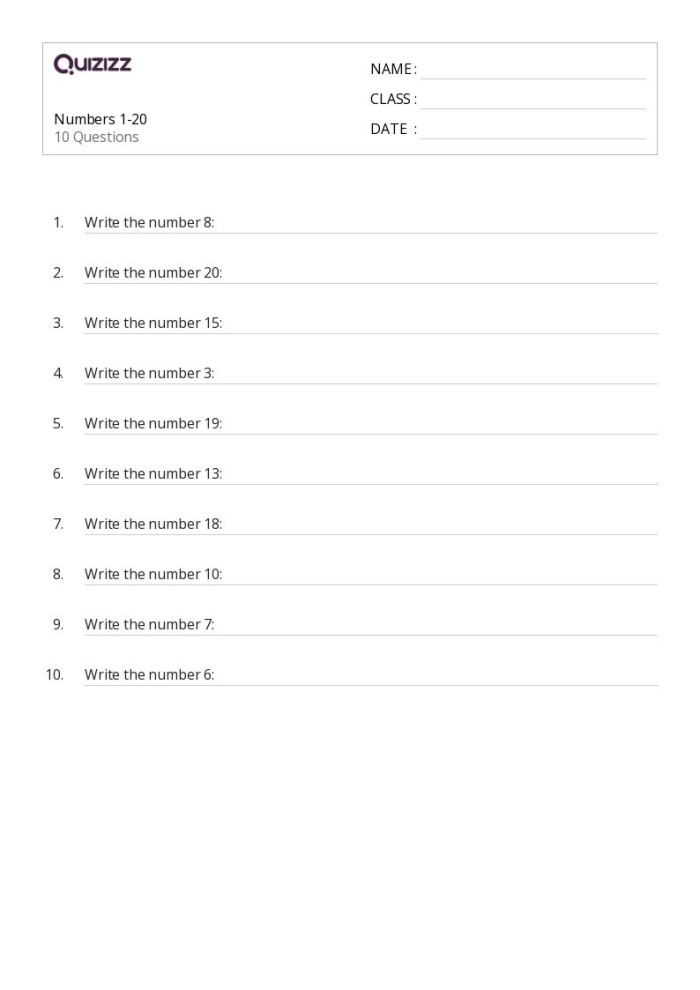
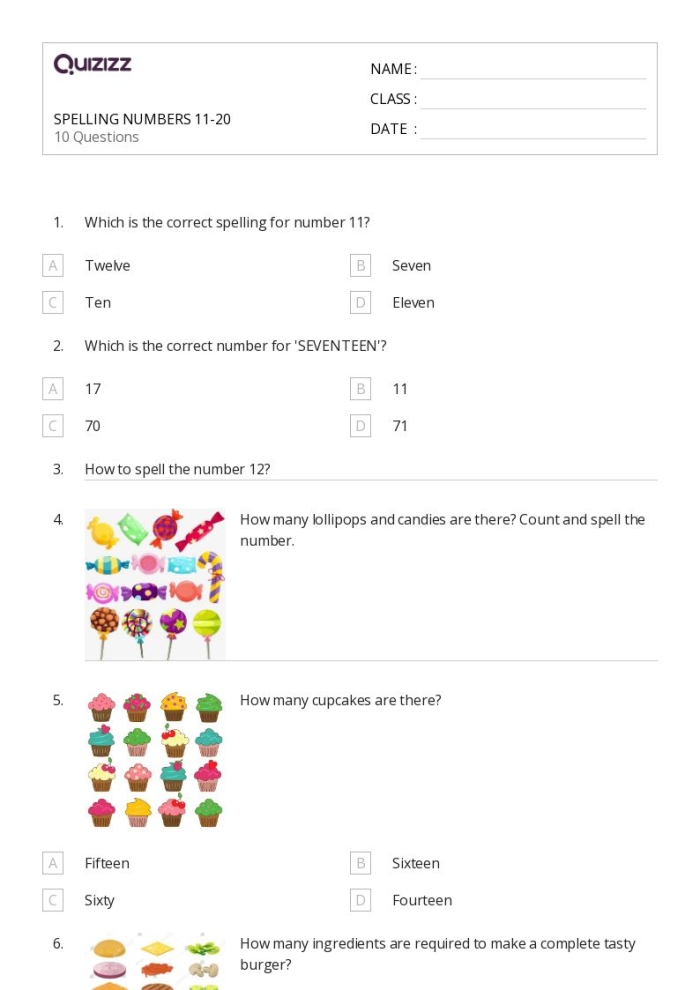
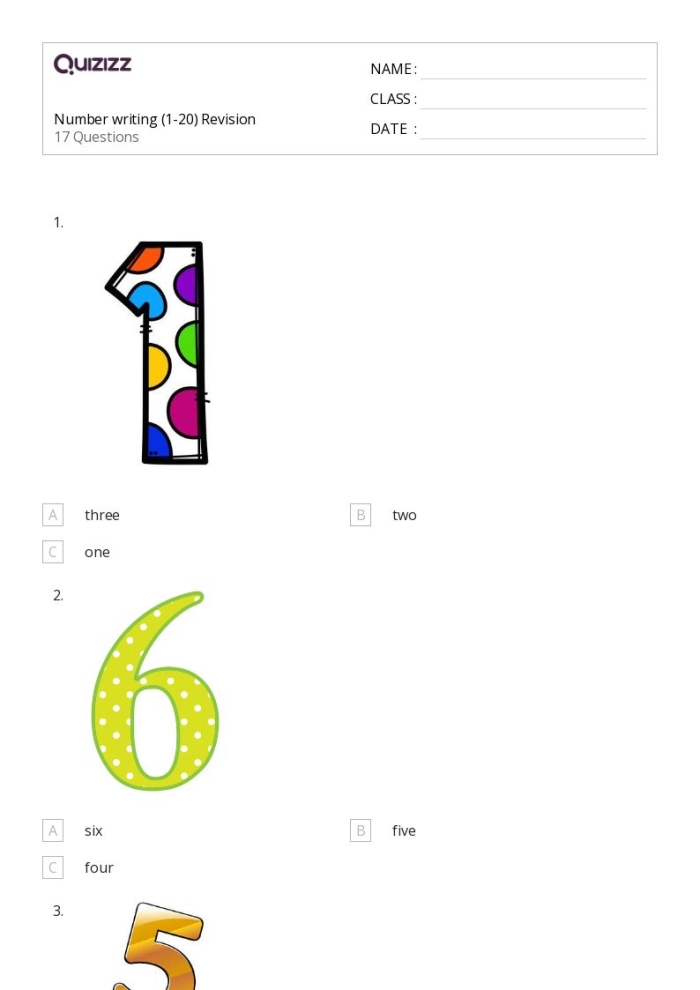
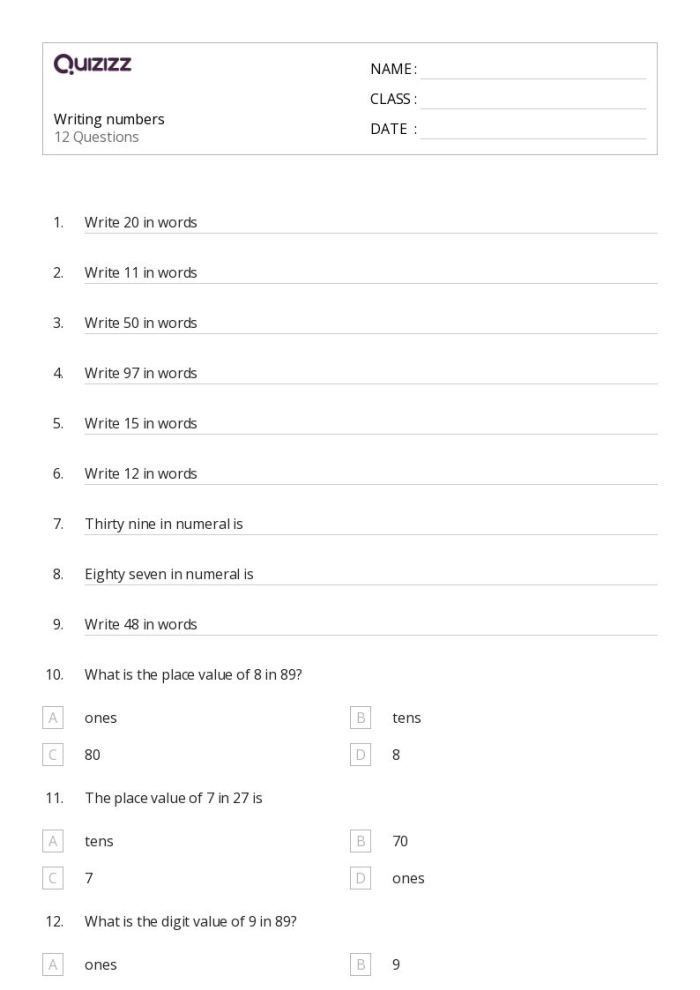
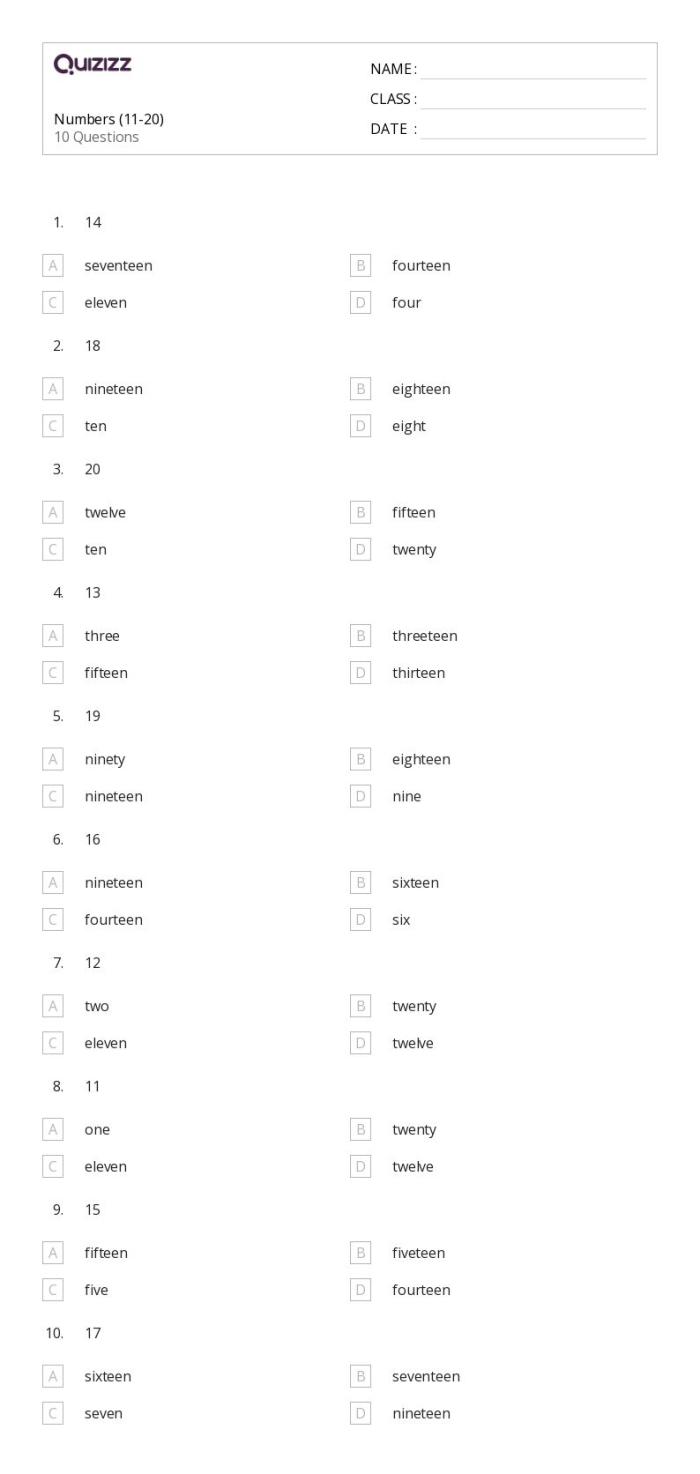
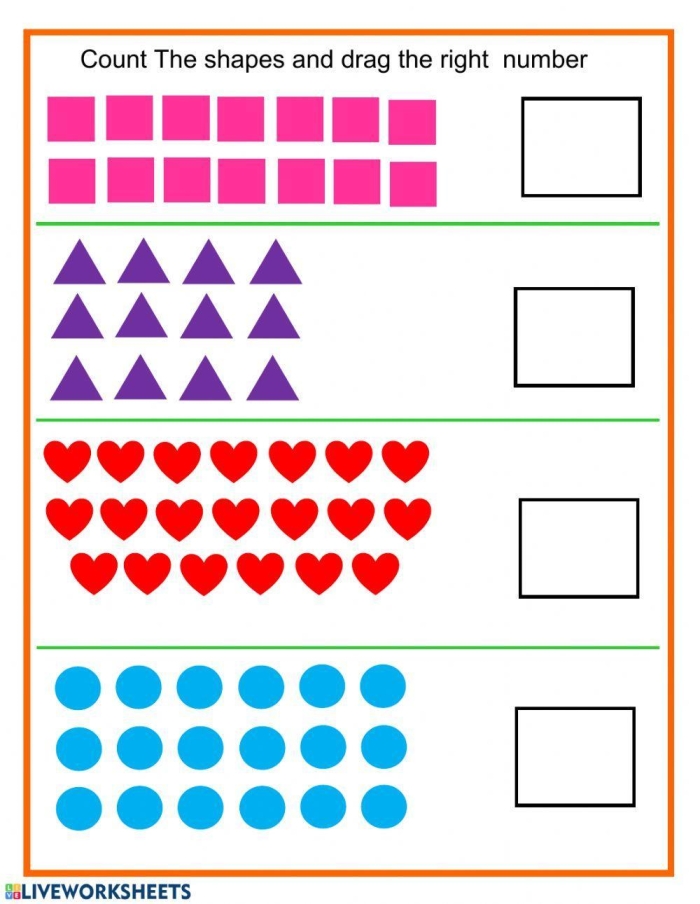
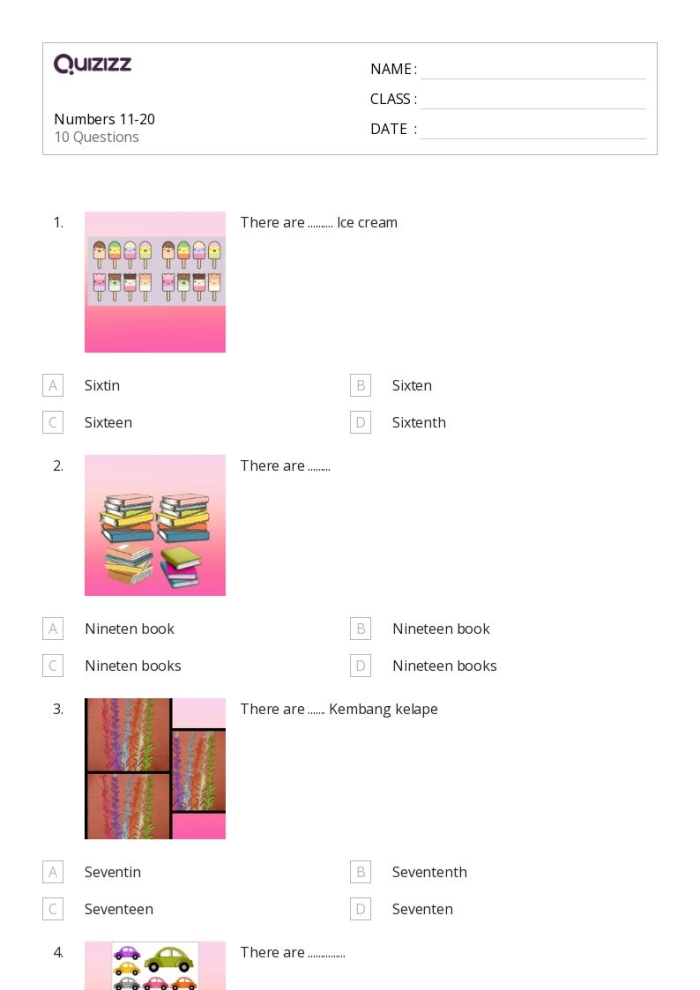
When your first grader reaches the teen numbers, something shifts in their math journey. Suddenly, counting beyond ten feels like entering new territory, and writing these numbers requires a different approach than single digits. The teen numbers (11-20) follow their own logic, and mastering them opens the door to understanding place value, which becomes crucial for later math skills like subtraction and problem-solving.
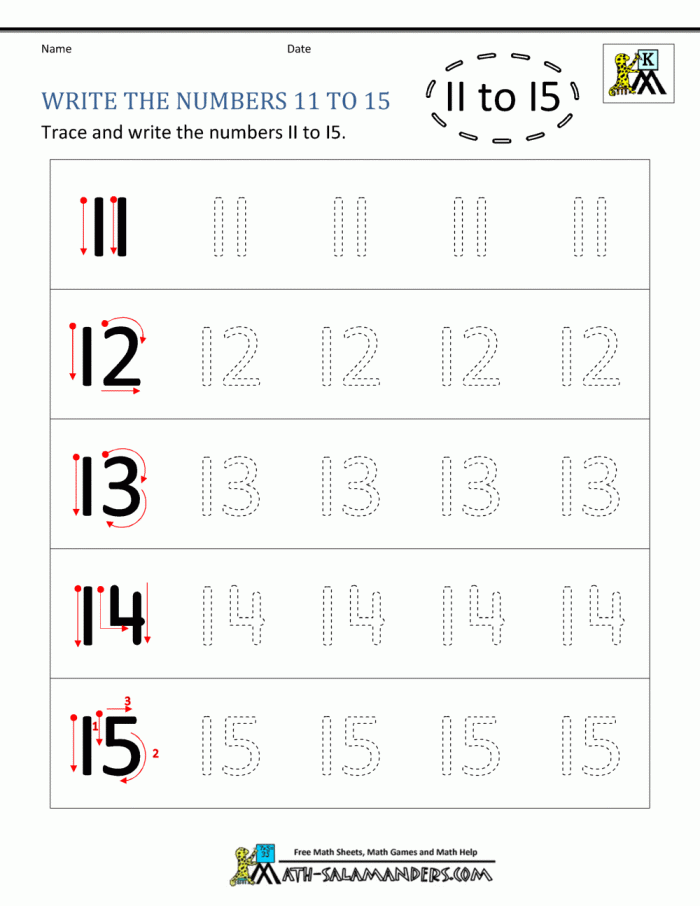
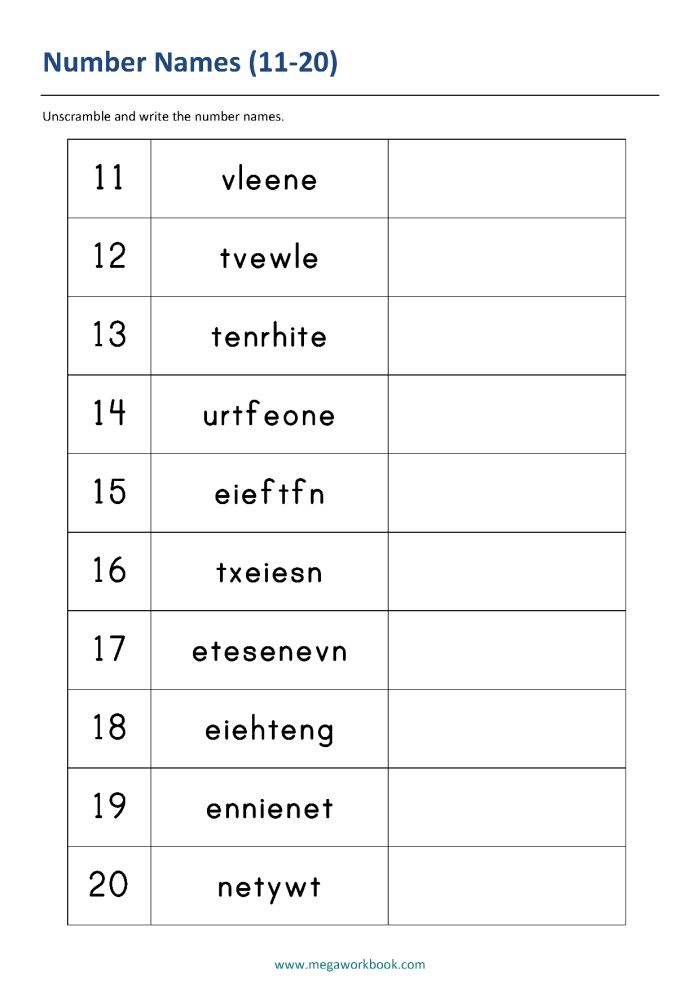
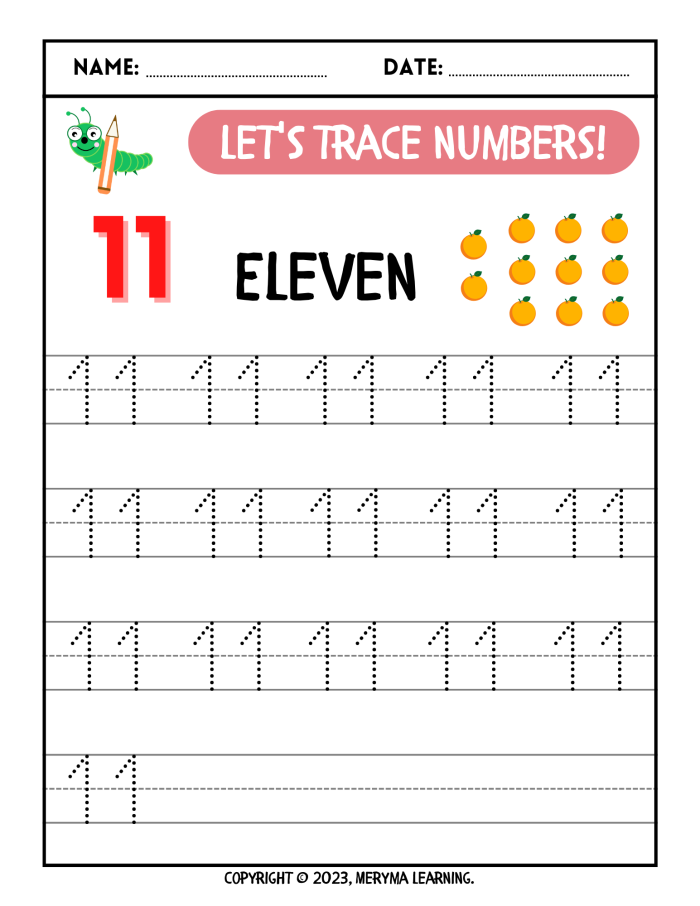
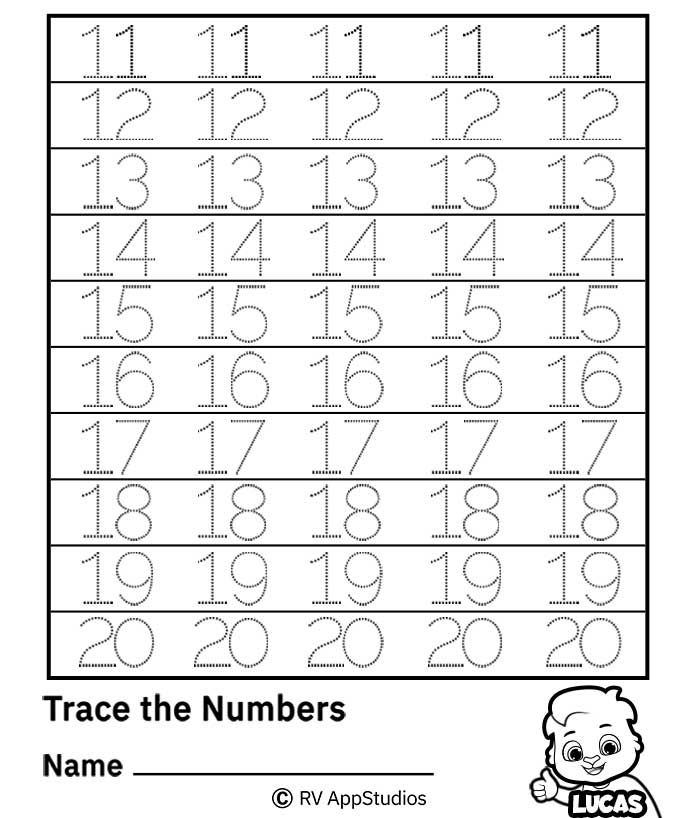
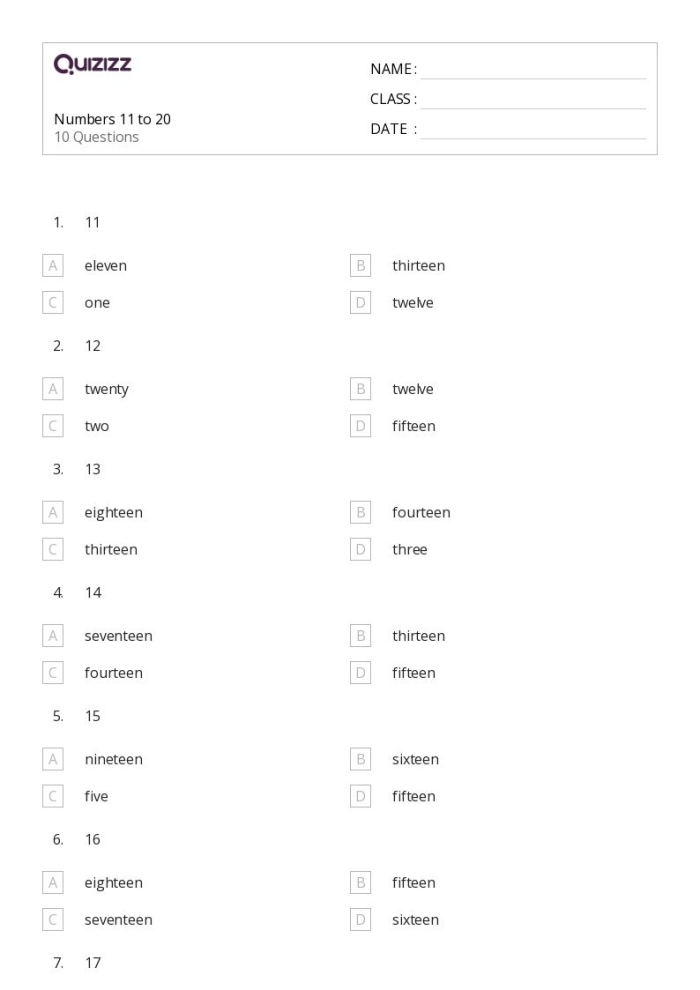
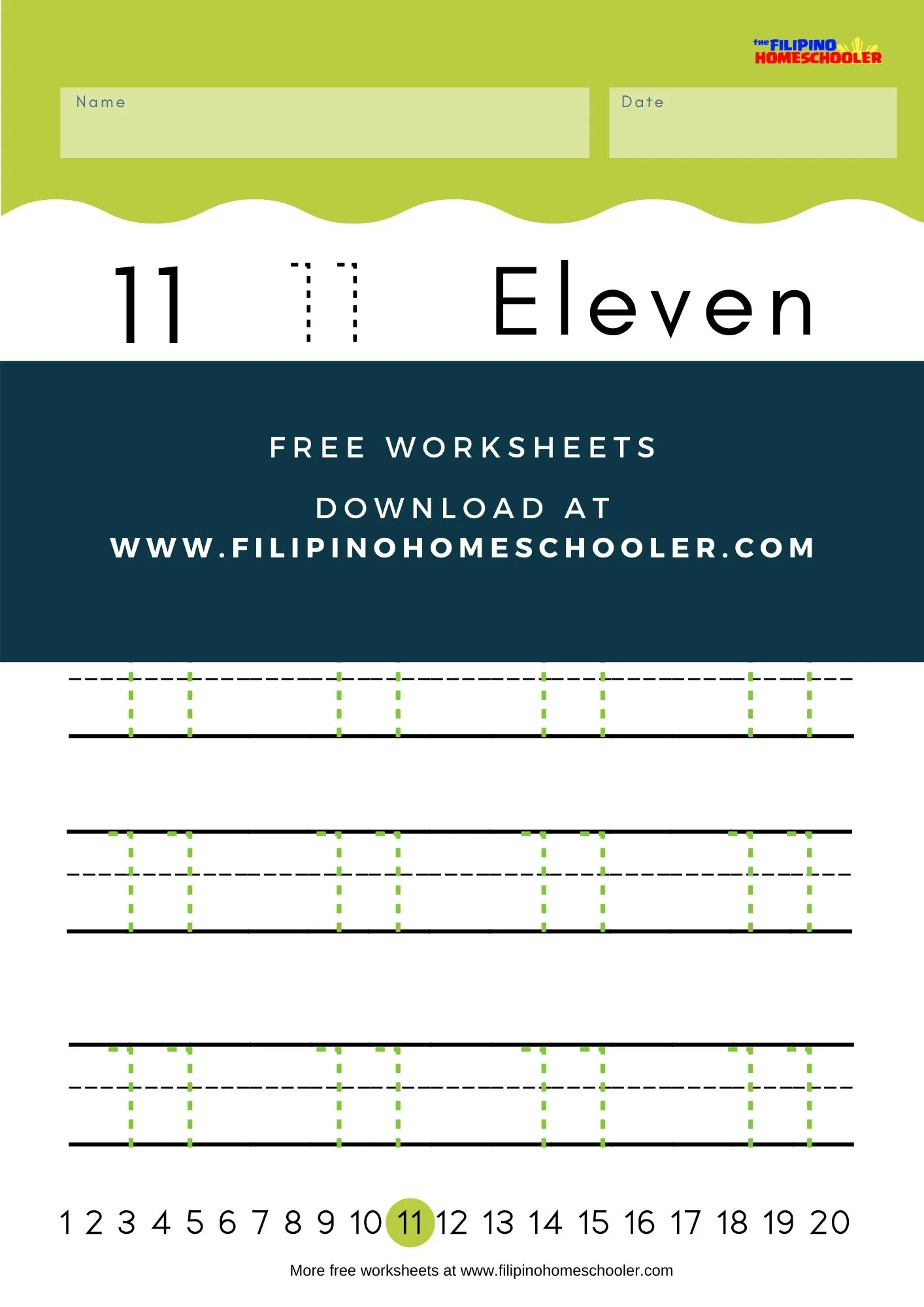
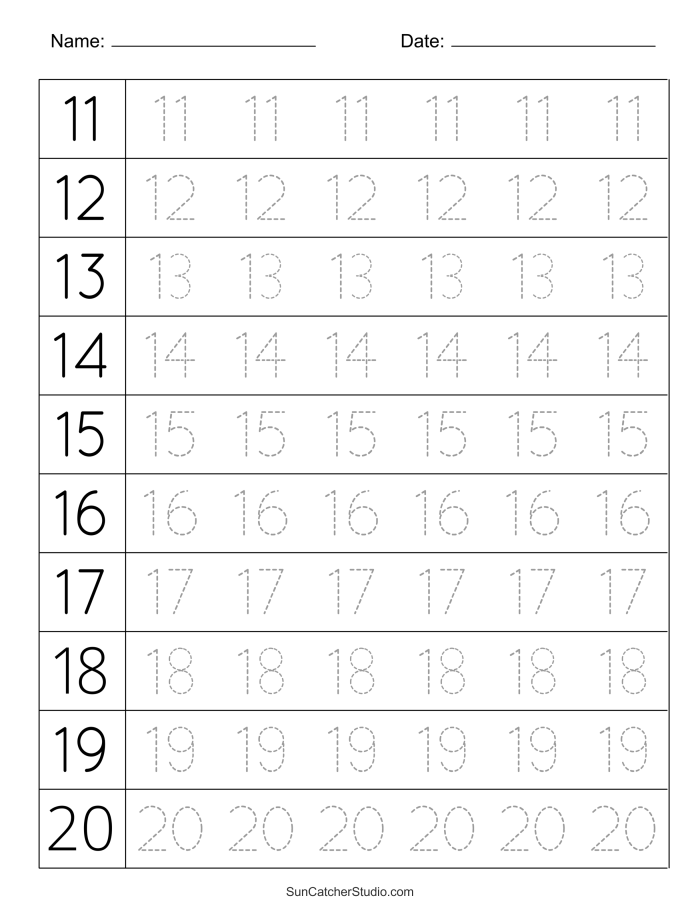
The best way to introduce your child to writing 11-20 is through tracing. Before expecting her to write these numbers independently, let her trace the numeral and its written name. This dual approach helps her brain connect the symbol with the word. Start with 11 and 12, which often confuse children because the spoken name doesn’t match the written digits the way other numbers do. Once she traces “11” and sees the word “eleven” written out, the pattern becomes clearer.
Have her practice tracing each number’s name before moving to the numeral itself. Writing out “thirteen,” “fourteen,” and “fifteen” helps reinforce that these are compound words, which makes them easier to remember. Give her plenty of space on the paper and use a light gray font she can trace over. This low-pressure practice builds confidence without the frustration of starting from scratch.
As your first grader gains comfort with writing numbers 11-20, she’ll develop the fine motor skills needed for more complex math work. This foundation supports later concepts like subtraction to 20 and understanding how numbers relate to one another. Once she’s solid on the teen numbers, she can explore how inverse subtraction works and tackle word problems with confidence.
Keep practice sessions short, around 5-10 minutes daily. Celebrate small wins when she writes a complete number without tracing, and remember that every child progresses at their own pace.
Hands-On Worksheet Activities