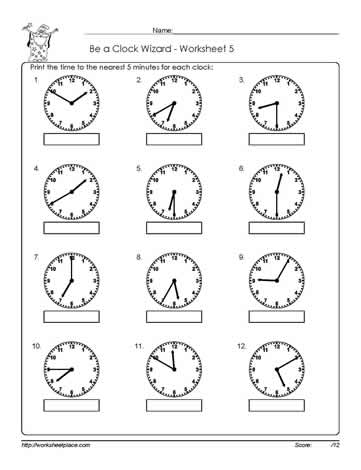
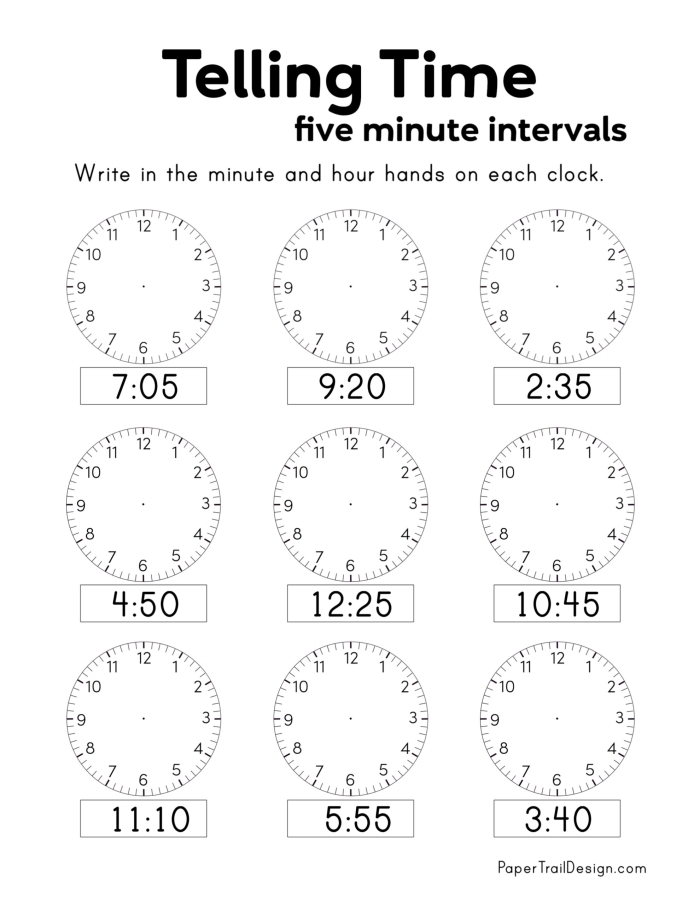
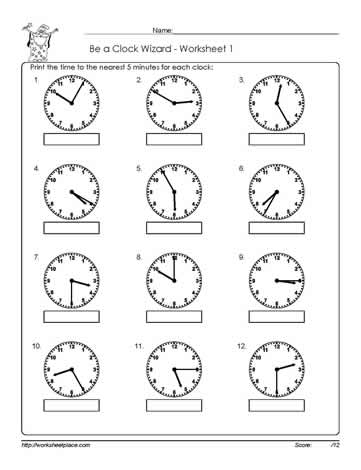
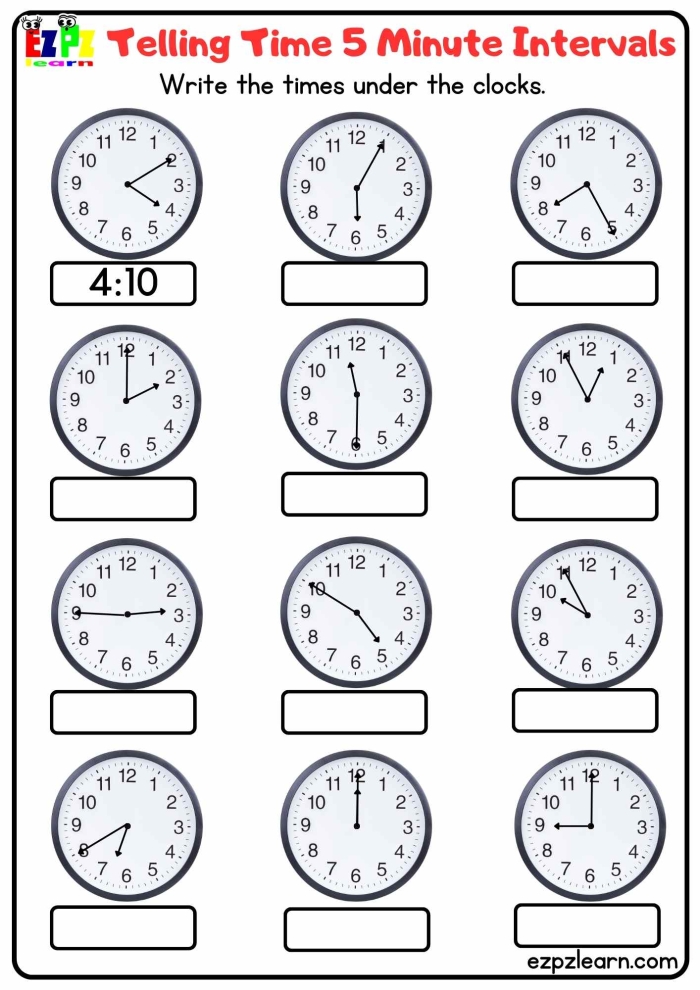
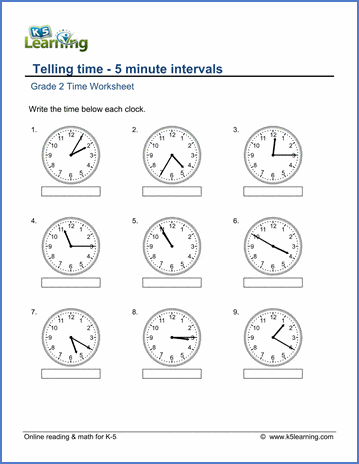
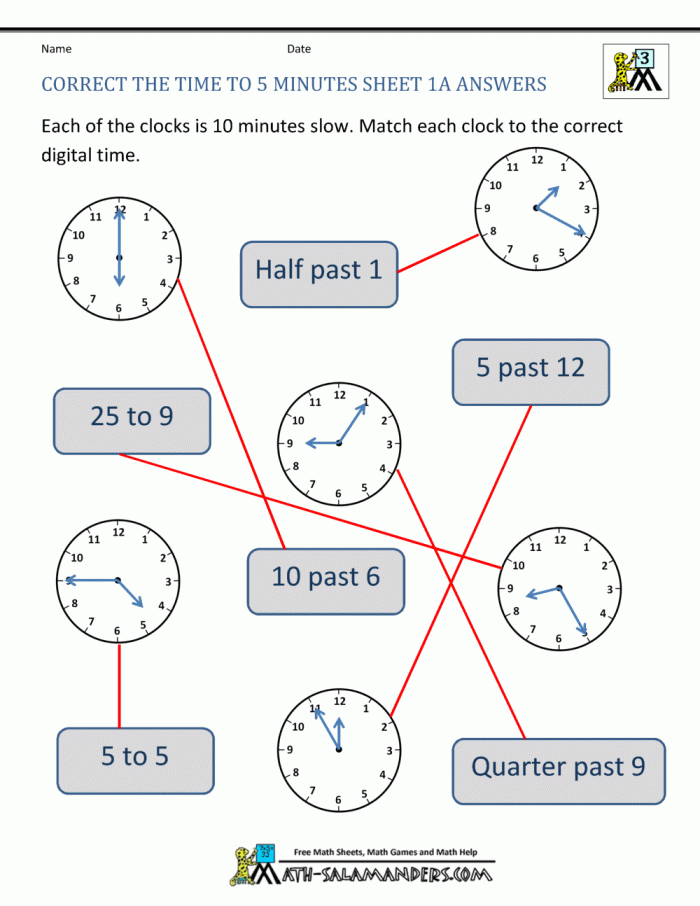
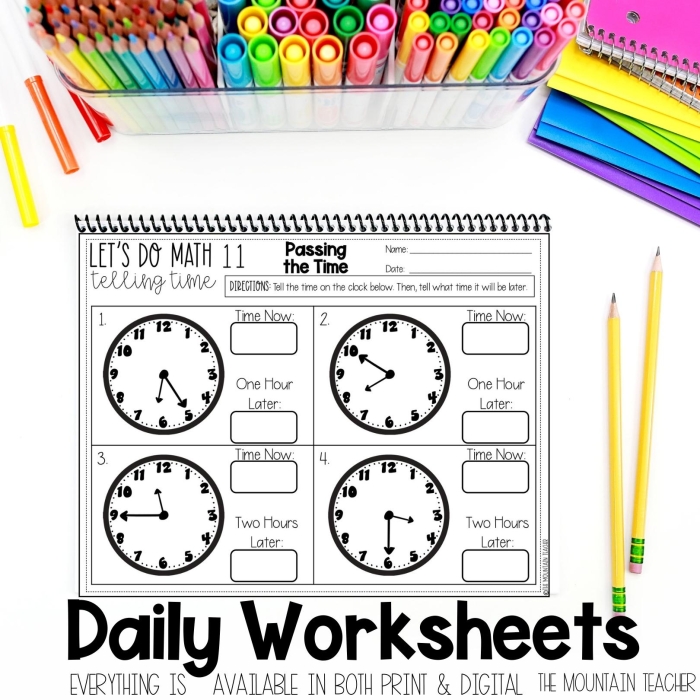
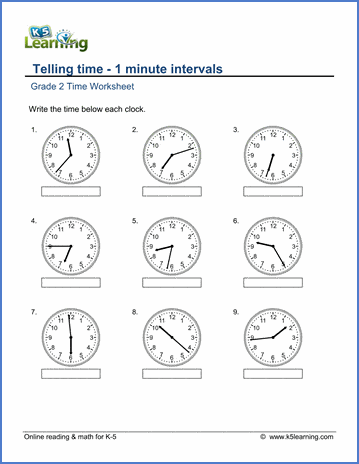
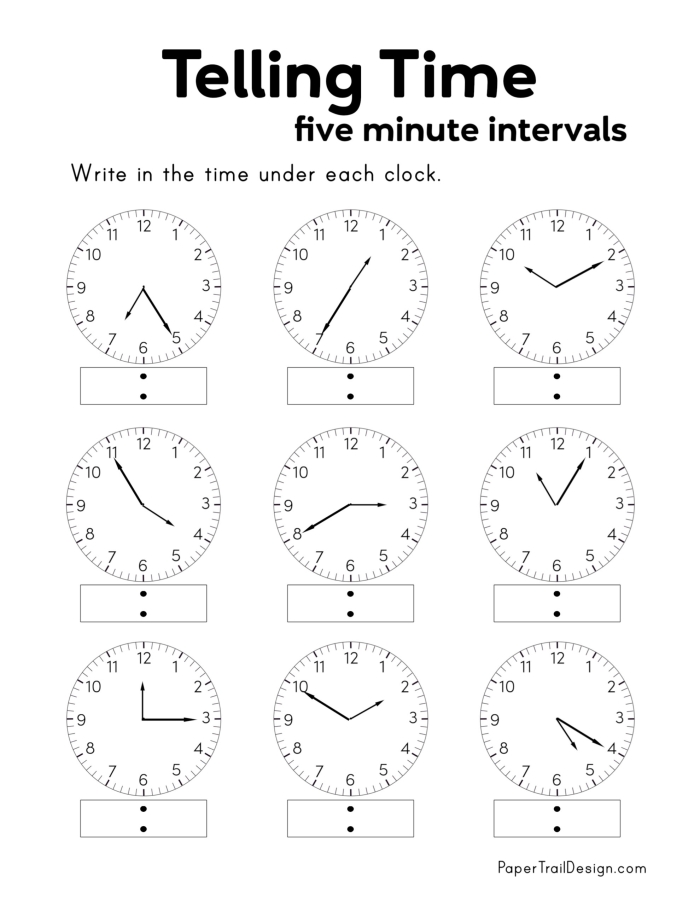
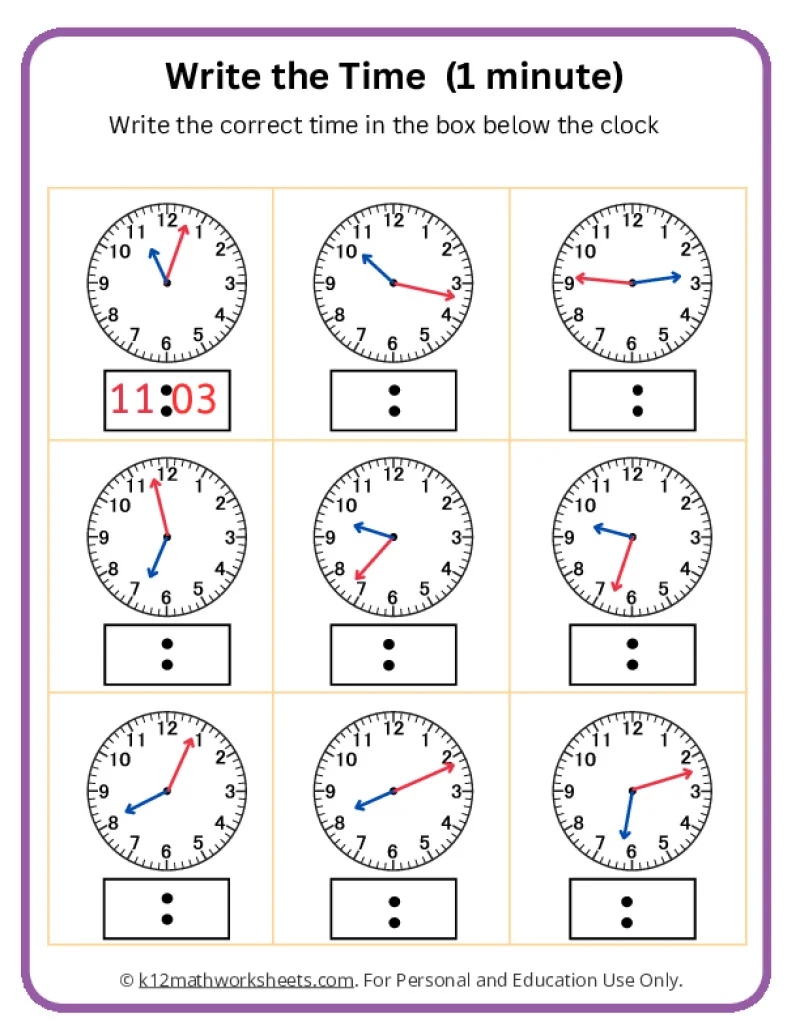
Learning to tell time is one of those skills that clicks suddenly for second grade students, and worksheets focused on five-minute intervals make the process feel less overwhelming. Rather than jumping straight to exact minute readings, breaking time into five-minute chunks gives kids a manageable entry point into clock reading.
When children work with five-minute increments, they’re essentially learning to count by fives while simultaneously understanding how clock hands move. The minute hand lands on a number, and that number multiplied by five gives the minutes past the hour. This connection between counting and time reading reinforces number sense in a practical way that extends beyond abstract math.
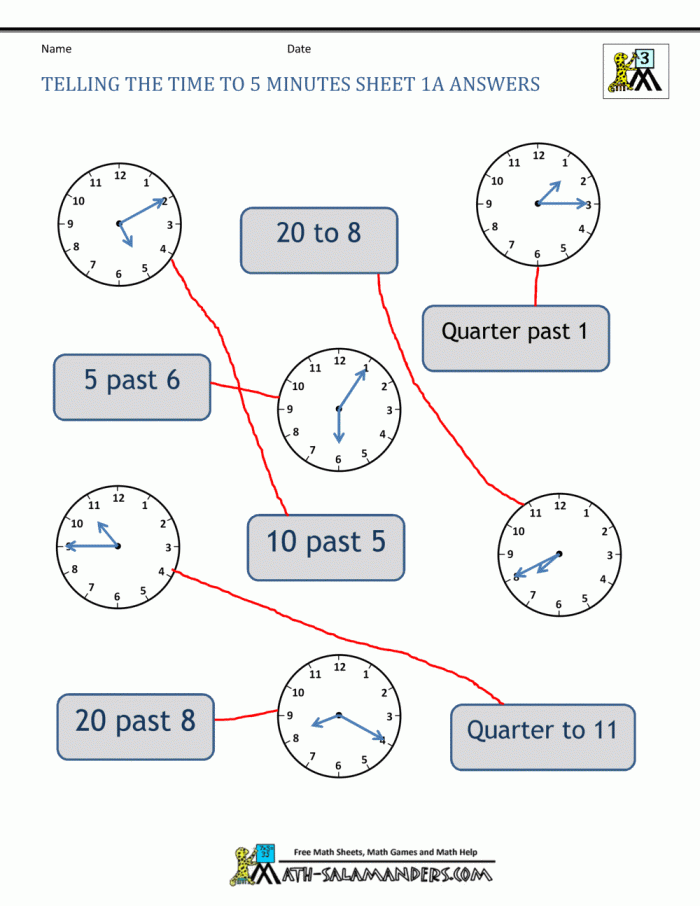
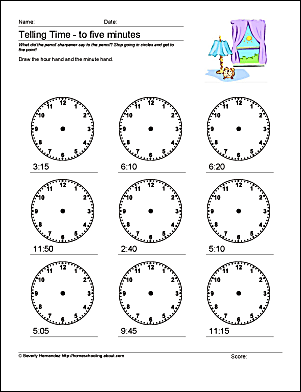
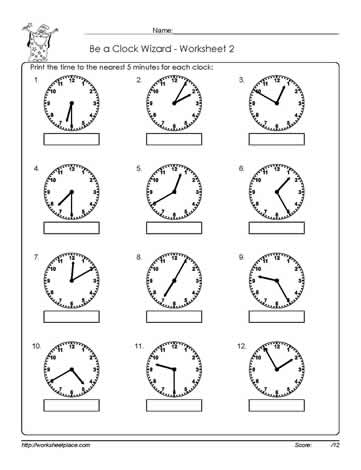
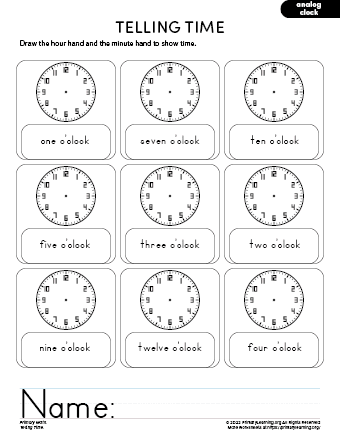
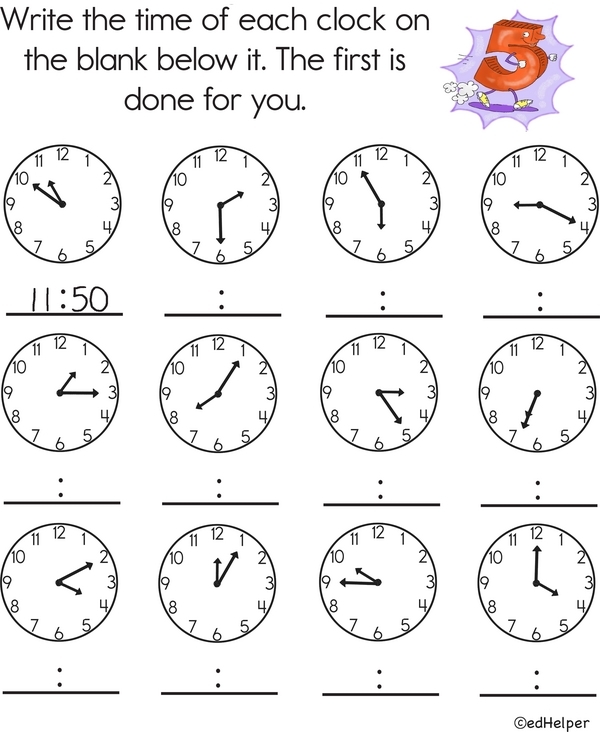
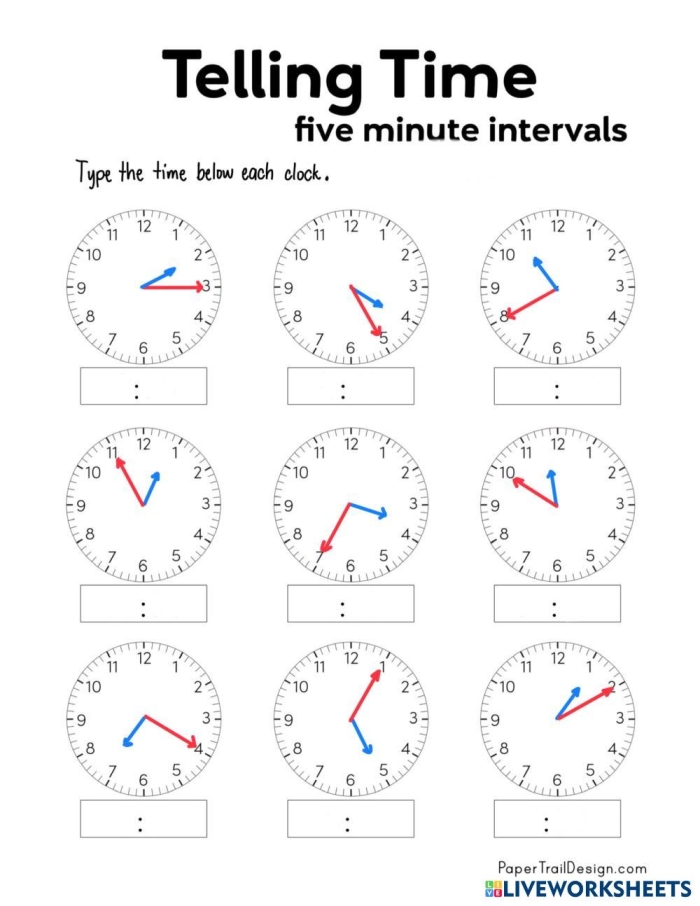
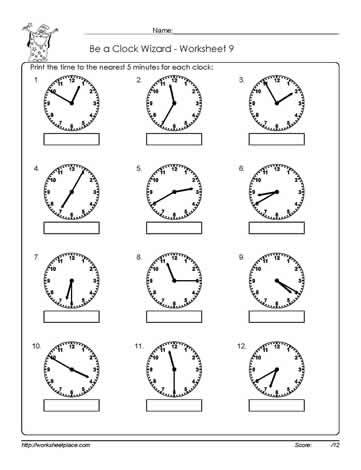
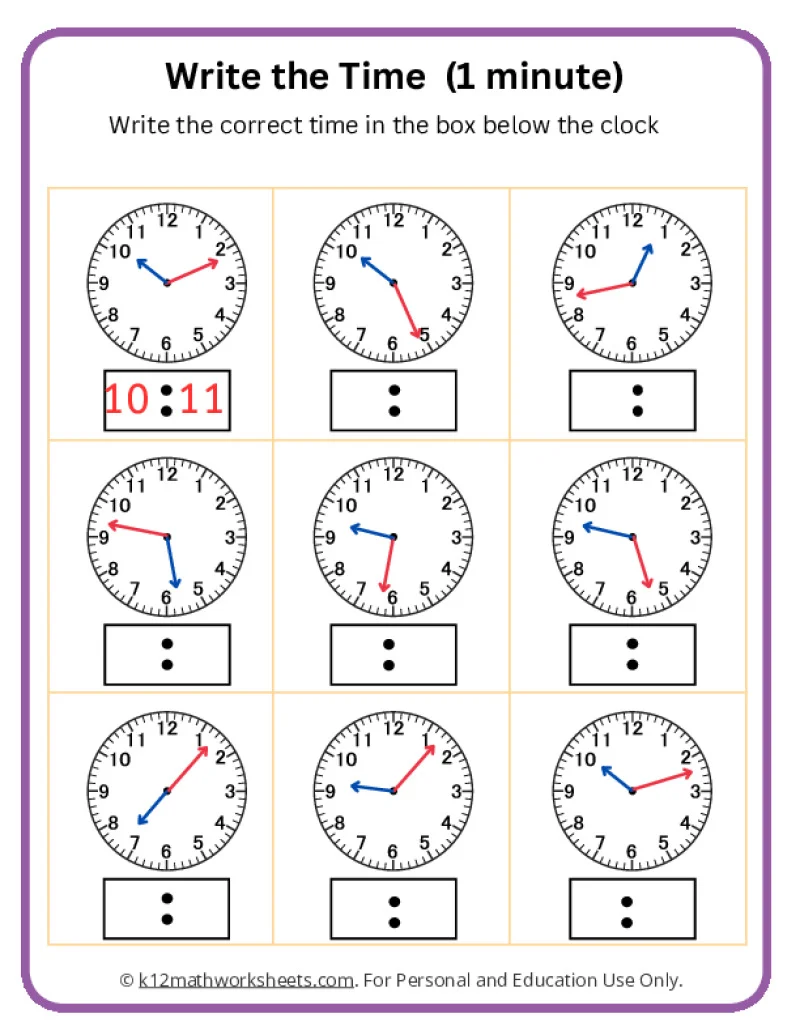
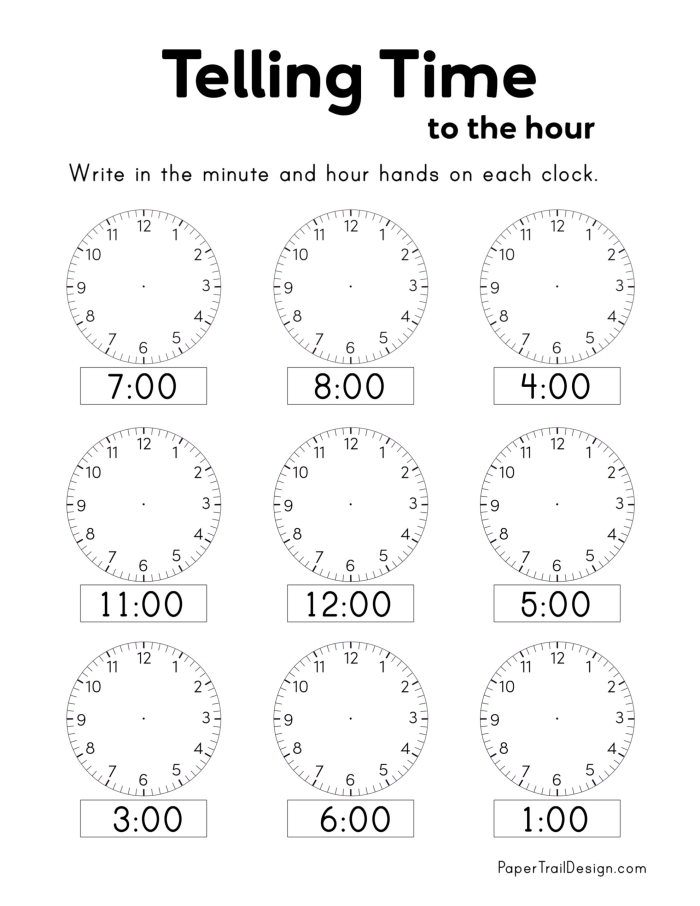
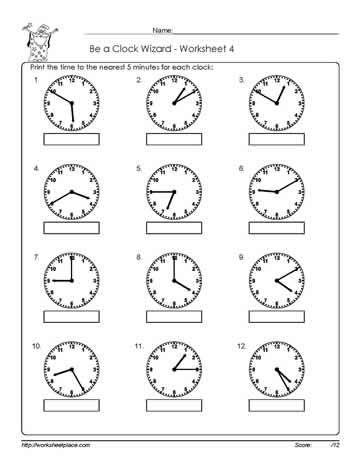
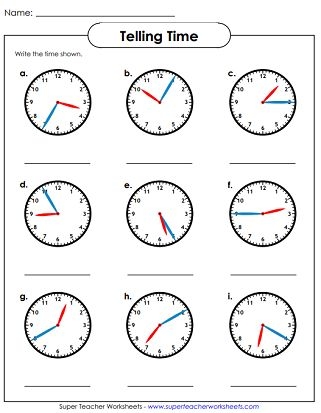
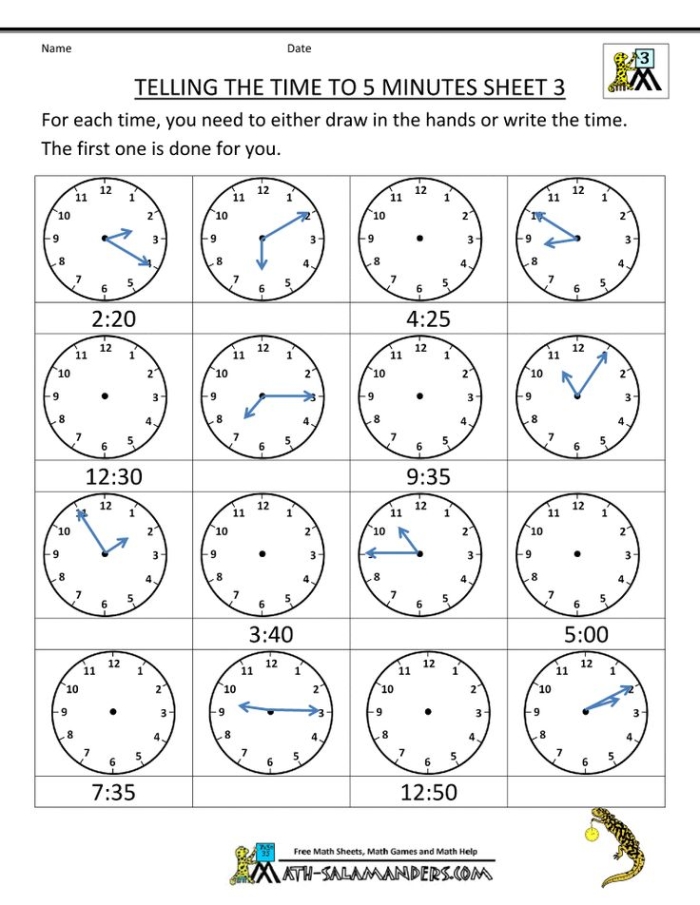
A solid clock math worksheet typically includes analog clock faces with the hour hand and minute hand already positioned, asking students to write the time shown. Some variations ask kids to draw hands on blank clocks to match written times. The repetition helps build automaticity, so students don’t have to think through the calculation each time they encounter a clock.
Second grade is the sweet spot for introducing this skill because most children have developed the fine motor control needed to write answers and the cognitive ability to understand the relationship between numbers and time. Pairing these worksheets with other numbers and counting activities strengthens foundational math skills. For instance, practicing making change at the toy store alongside time worksheets helps students see how numbers apply to real situations.
The best worksheets include clocks positioned at different times throughout the day, ensuring kids encounter a variety of scenarios. Some students benefit from having a reference clock nearby showing all five-minute intervals labeled, while others prefer working without that support once they’ve practiced a few examples.
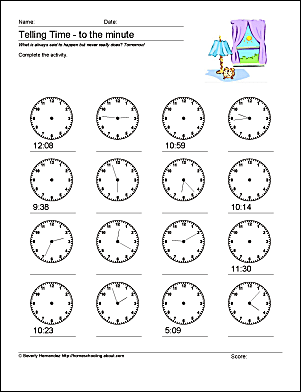
These worksheets work best when used consistently over several weeks rather than as a one-time activity. Regular practice builds confidence and prepares students for the next step: reading time to the nearest minute.
Printable Worksheets for Practice