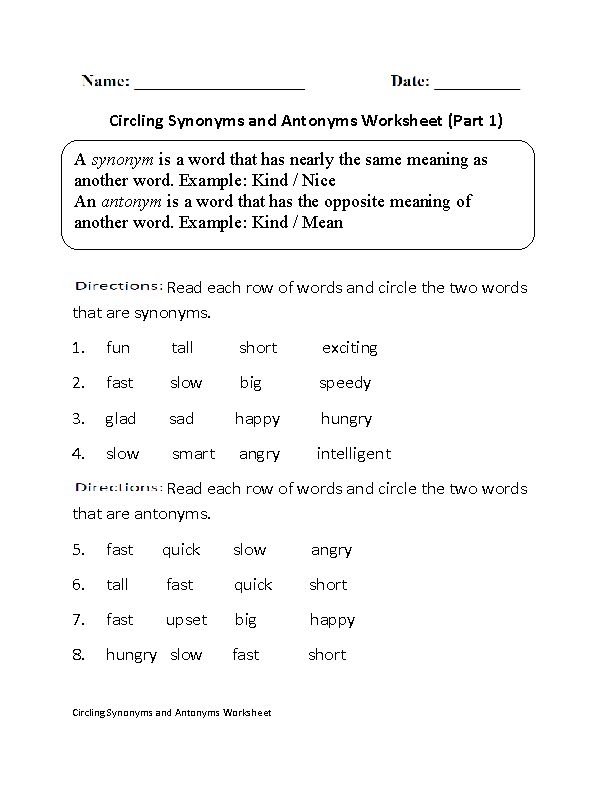
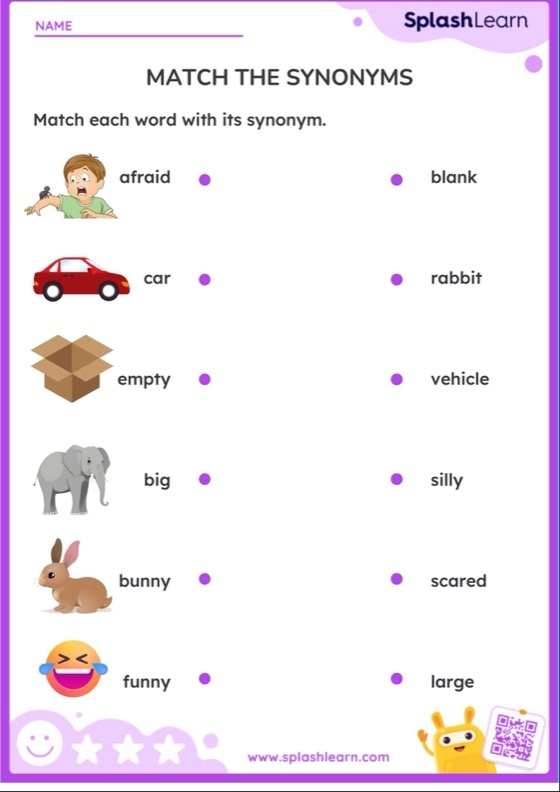
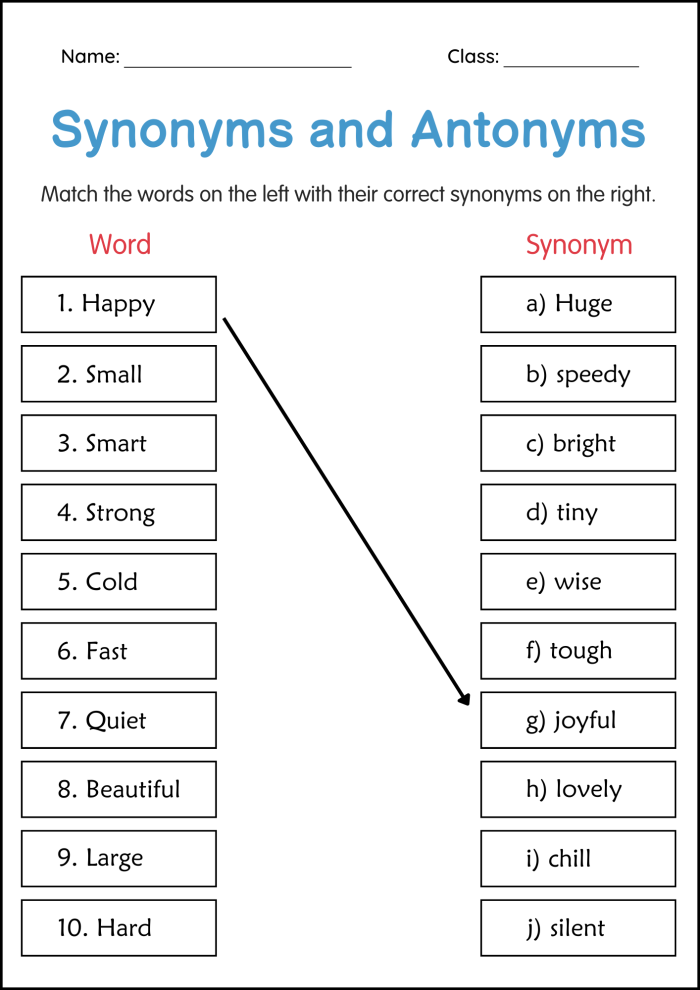
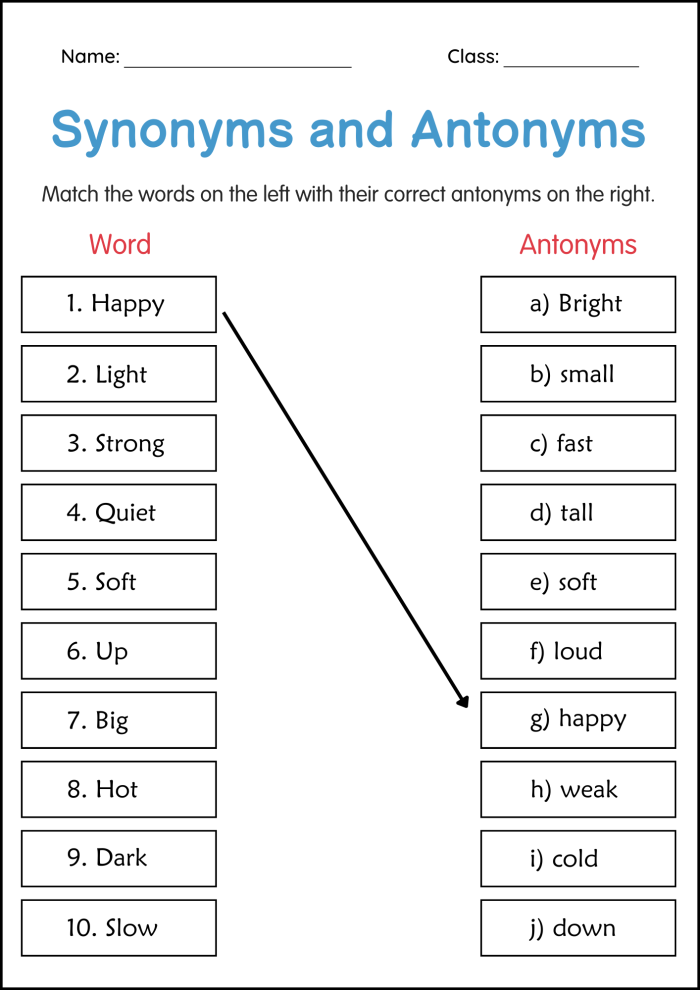
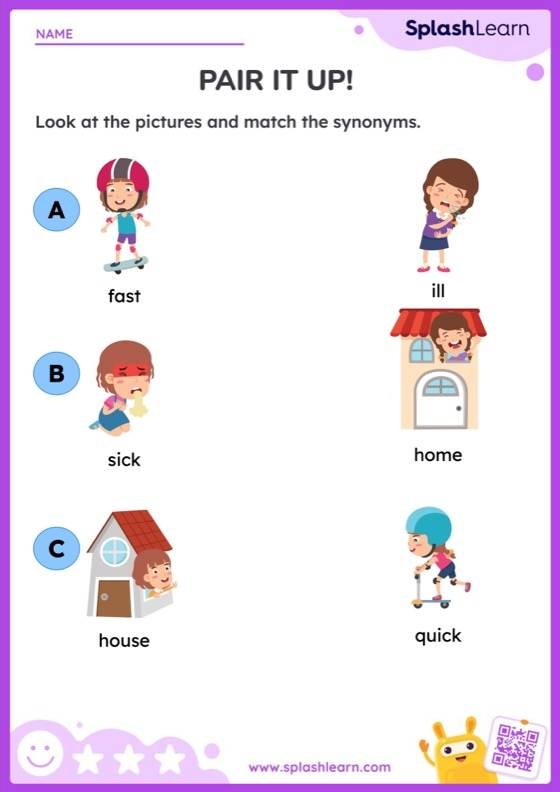
Getting third graders to recognize that different words can mean the same thing opens up a whole new dimension in their reading and writing. A synonyms worksheet gives your student the hands-on practice they need to spot these word connections, which directly strengthens their vocabulary and comprehension skills.
When kids work through synonym exercises, they’re not just memorizing definitions. They’re learning how language works at a deeper level. Instead of always using the word “happy,” they discover they could say “joyful” or “cheerful.” This flexibility in word choice becomes especially useful when they’re writing their own sentences and paragraphs, where repetition can make their writing feel flat.
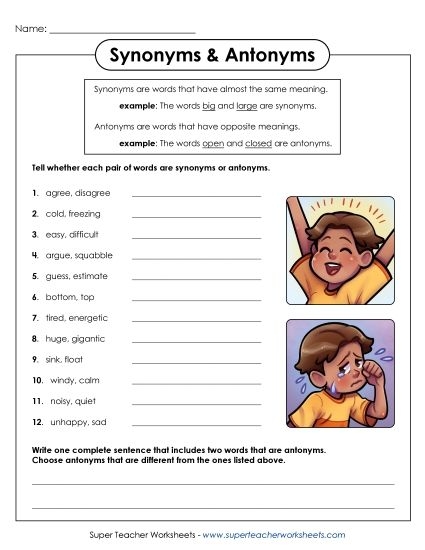
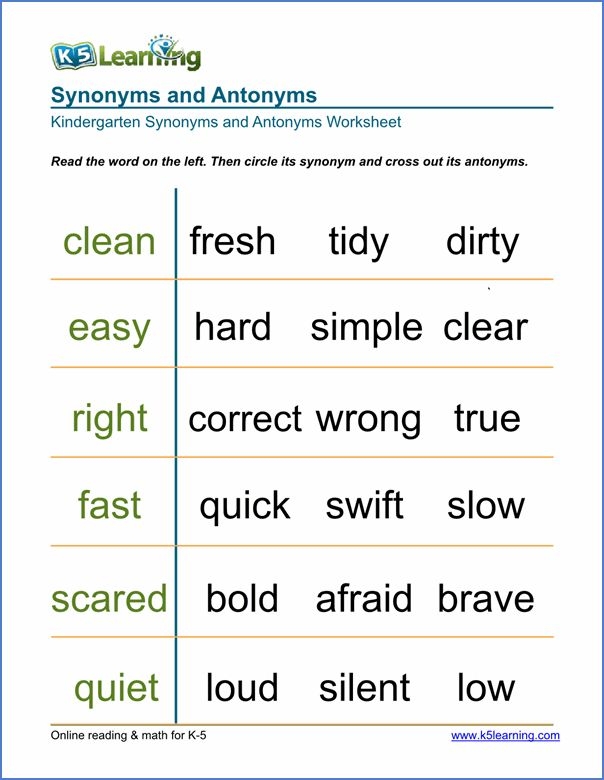
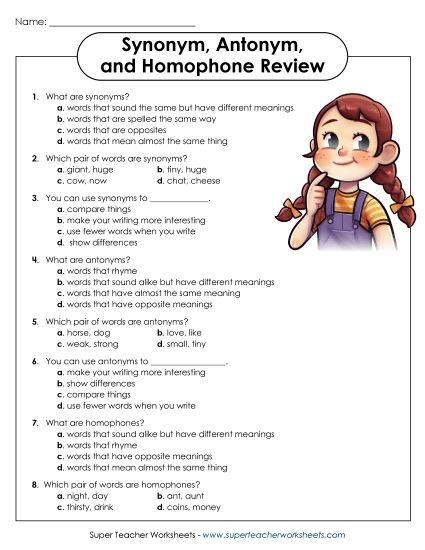
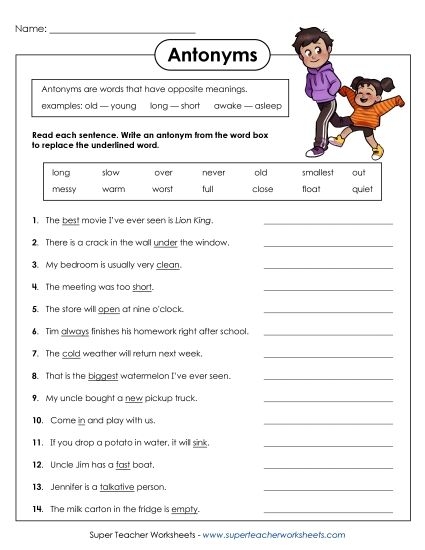
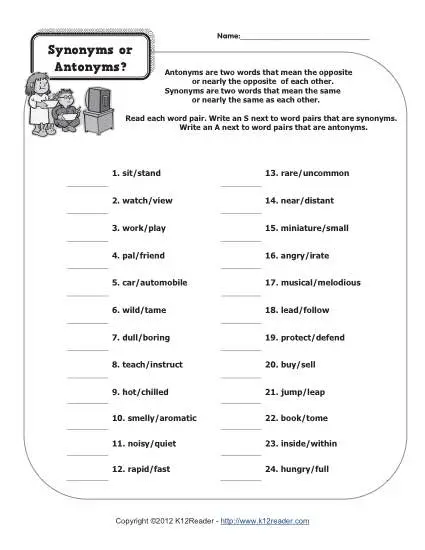
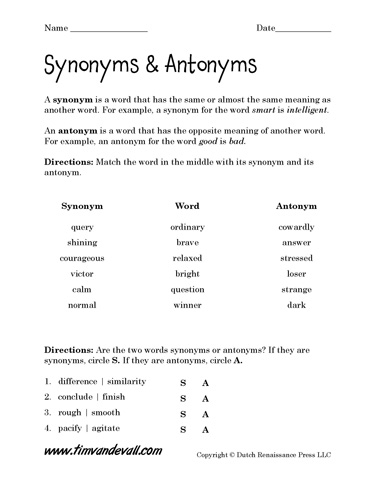
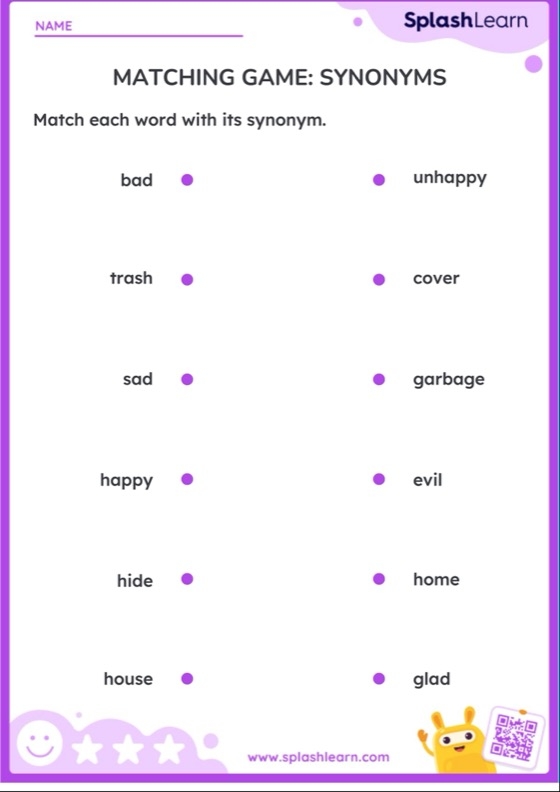
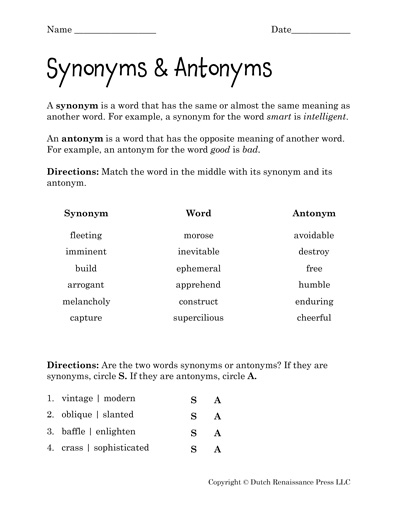
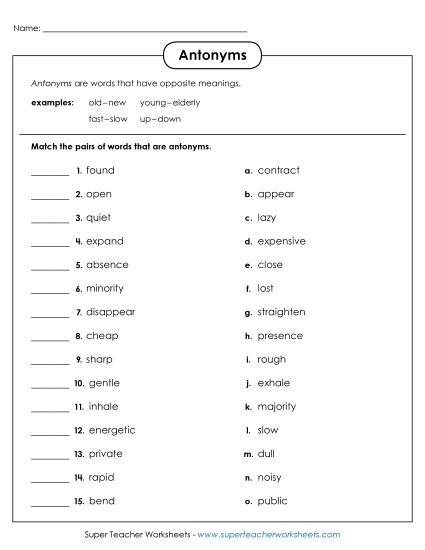
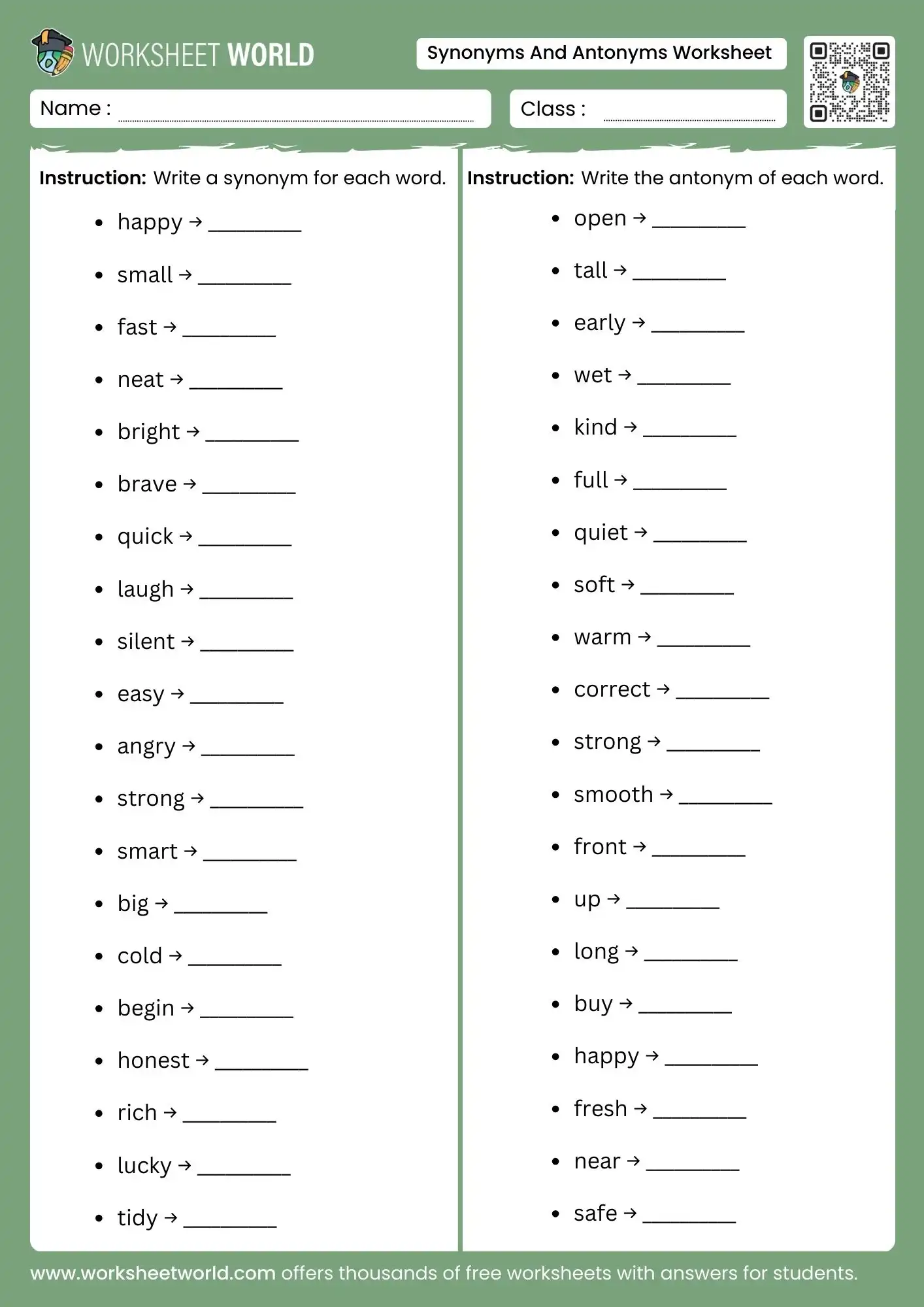
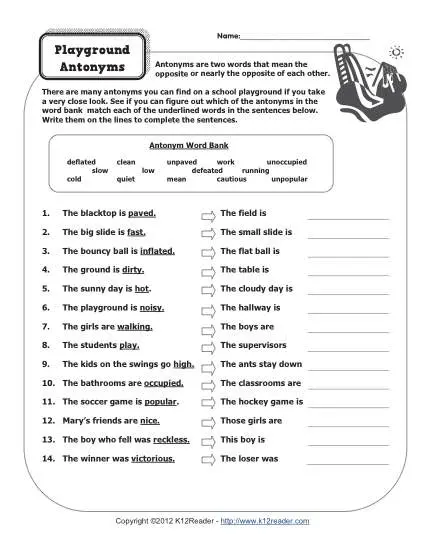
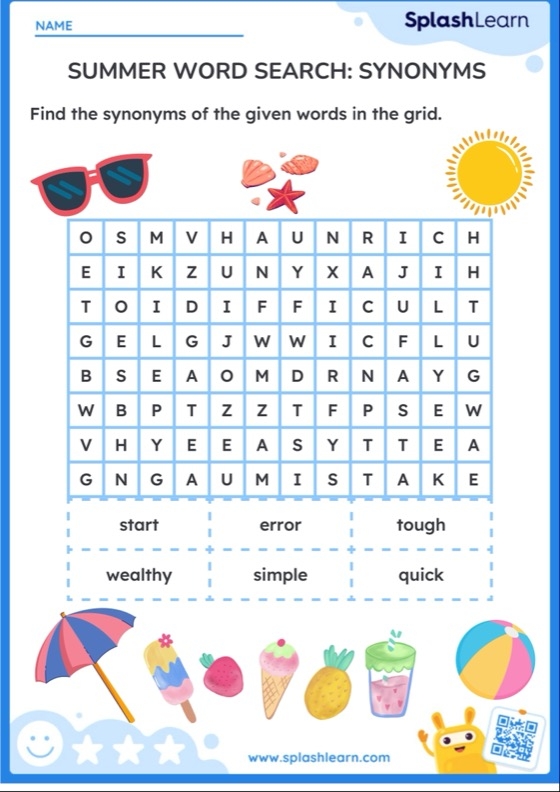
A good synonyms worksheet typically presents a word and asks your student to find matching words from a list or generate their own examples. The best ones include real-world contexts, showing how synonyms work in actual sentences rather than in isolation. For third graders, this concrete approach makes the concept stick better than abstract definitions ever could.
The beauty of working with synonyms at this grade level is that it connects naturally to other language skills. As your student learns to use context clues to understand new words, they’ll also recognize when synonyms appear in their reading. This same vocabulary awareness helps when they’re writing their own persuasive paragraphs, where choosing the right word matters.
Beyond the worksheet itself, you can extend this learning into daily activities. When your child reads a story or completes other assignments like word problem practice, encourage them to spot synonyms in the text. This reinforcement helps cement the skill and shows them that synonyms are everywhere in the language they encounter every day.
Practice with These Worksheets