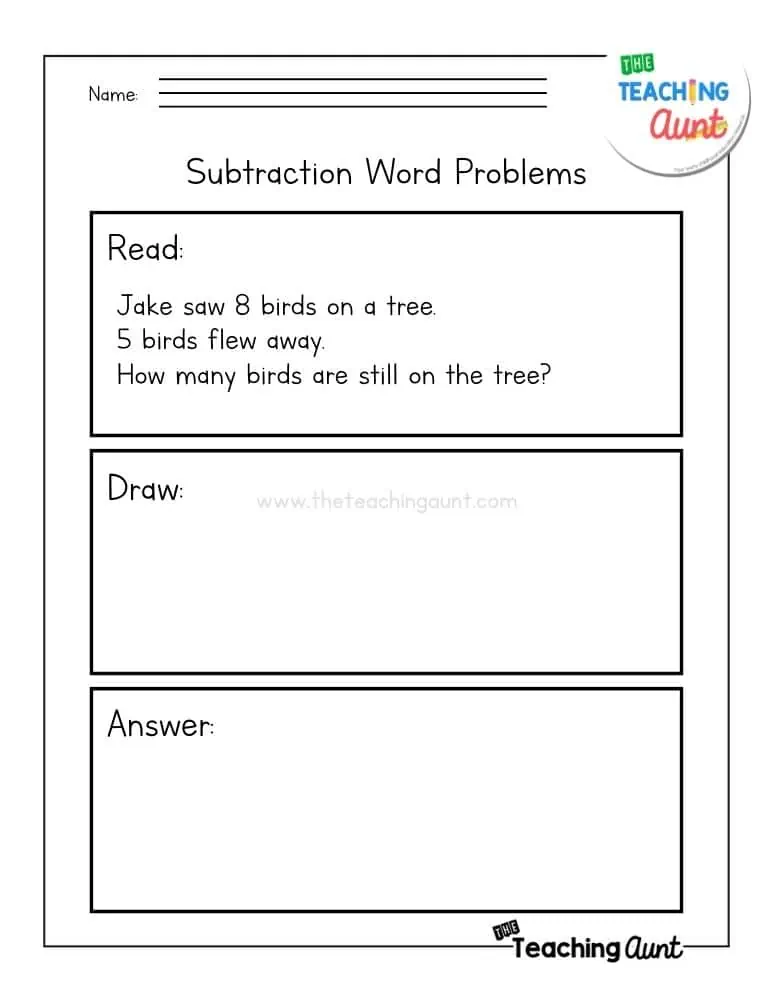
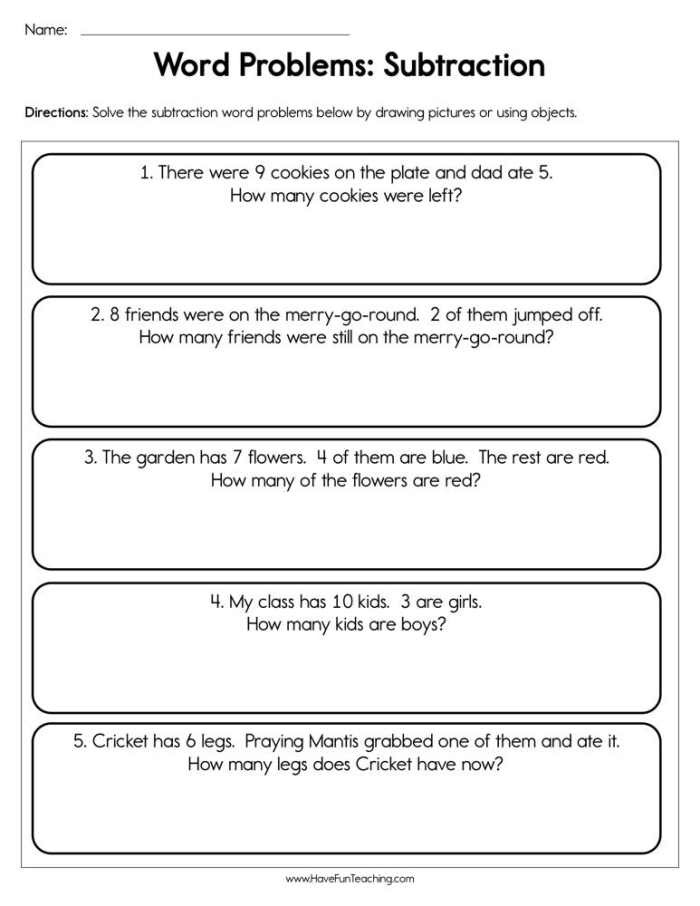
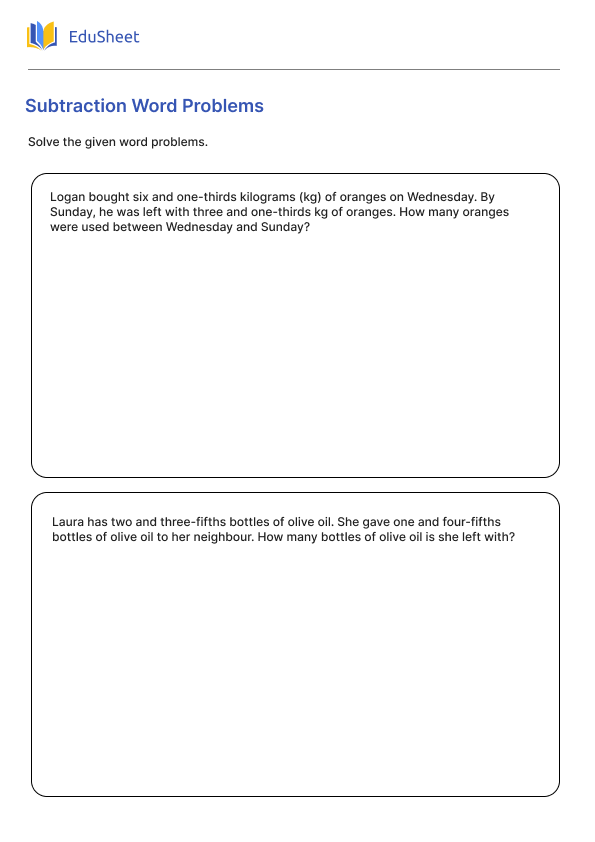
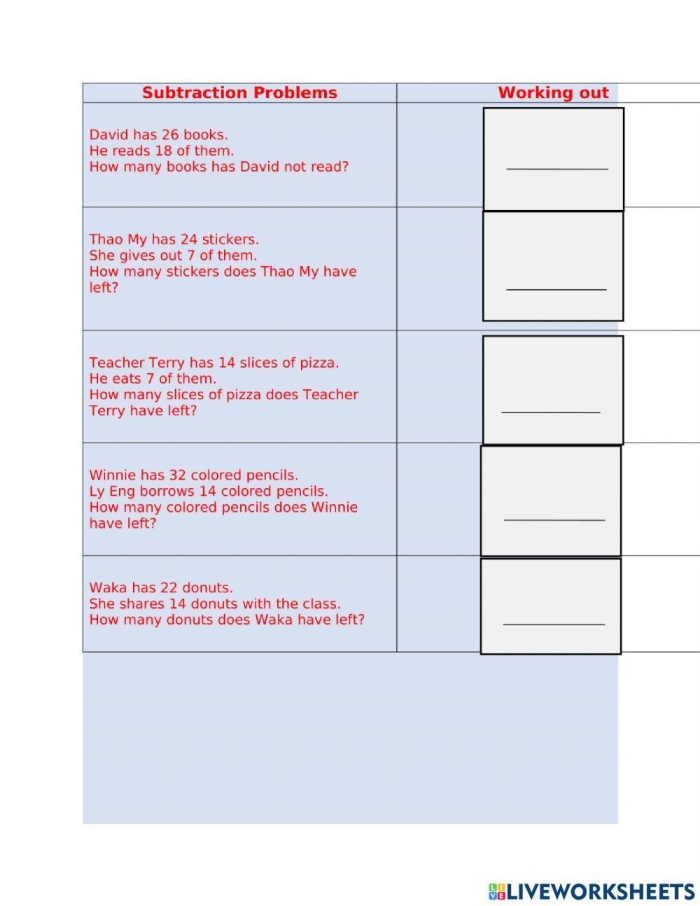
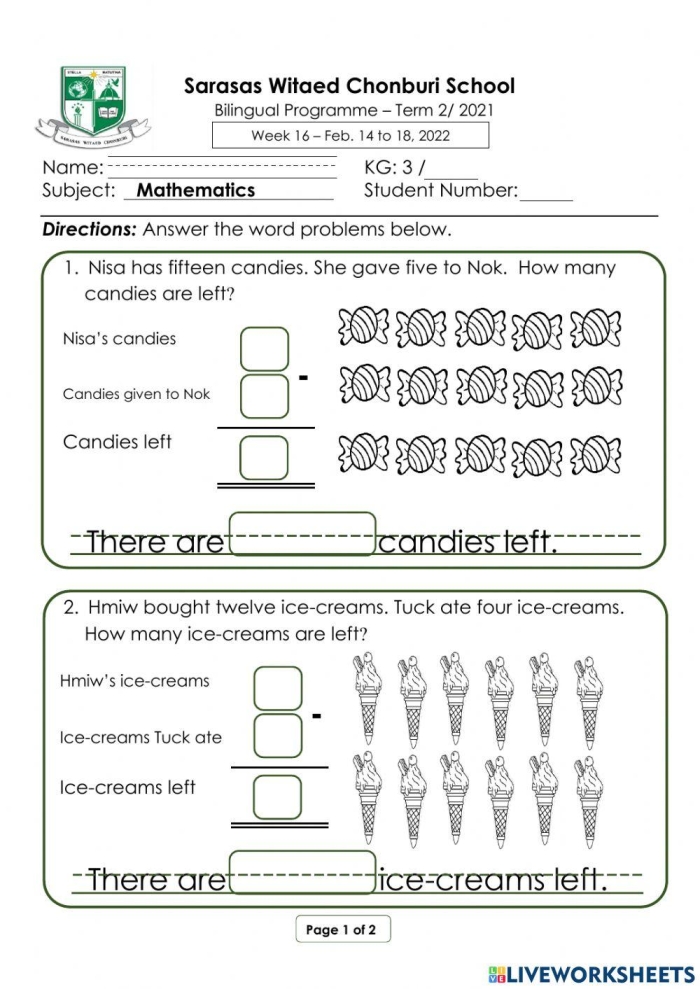
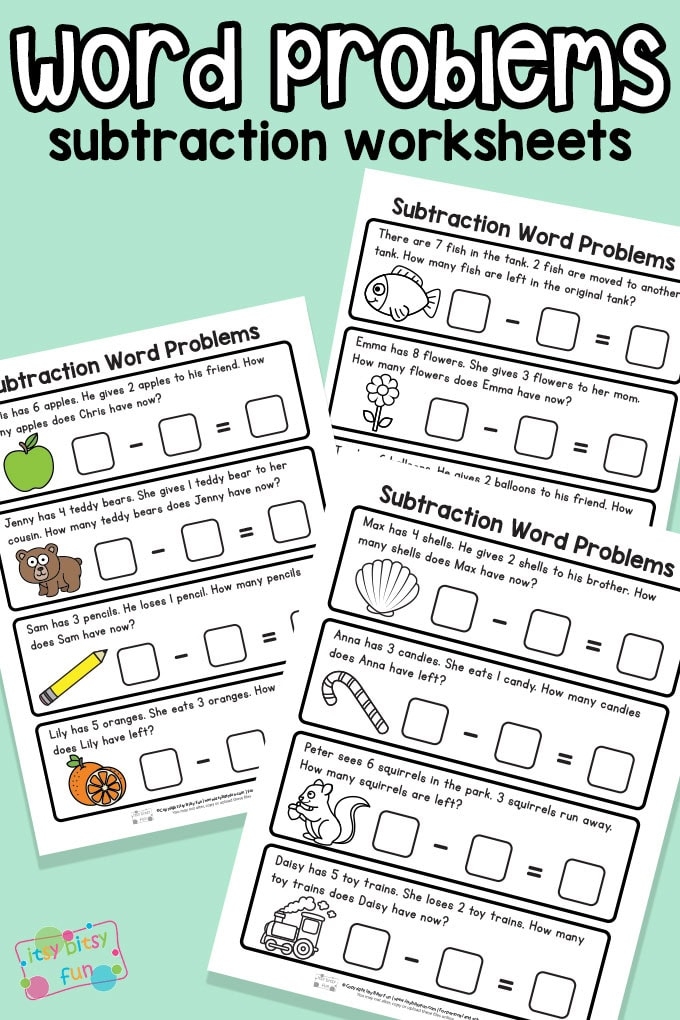
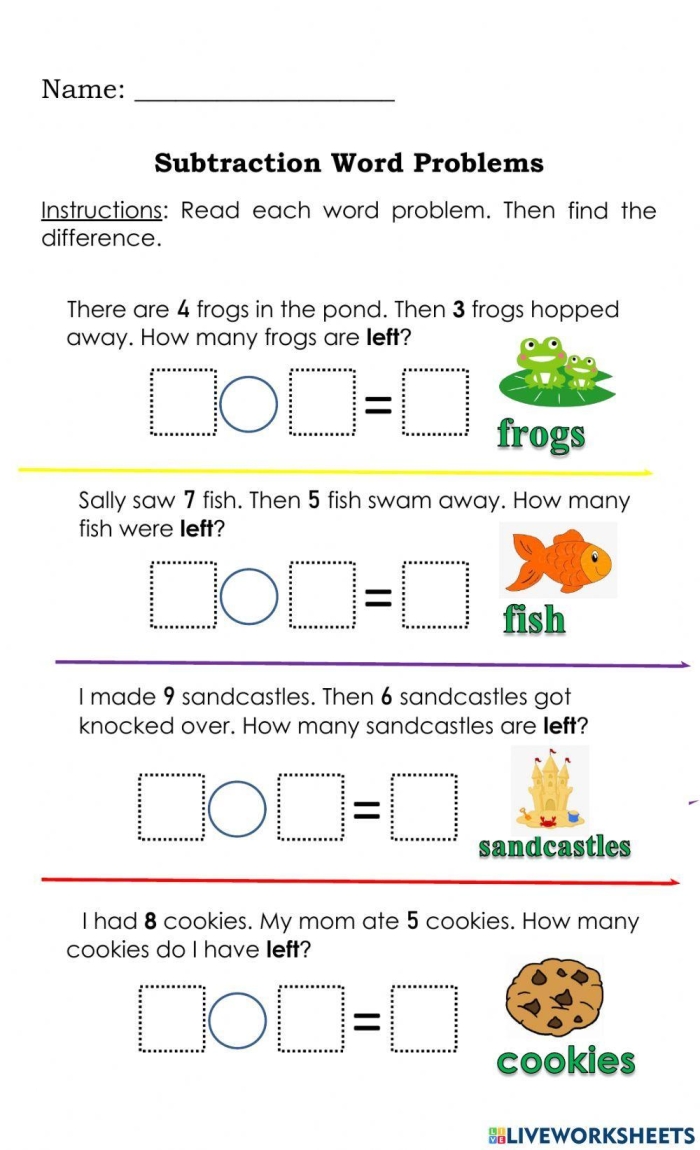
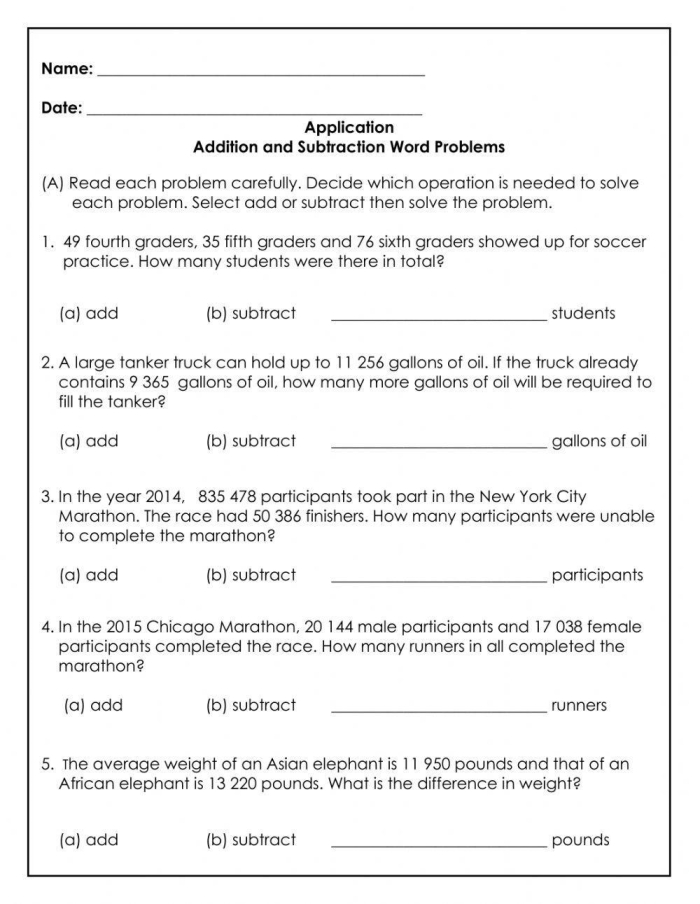
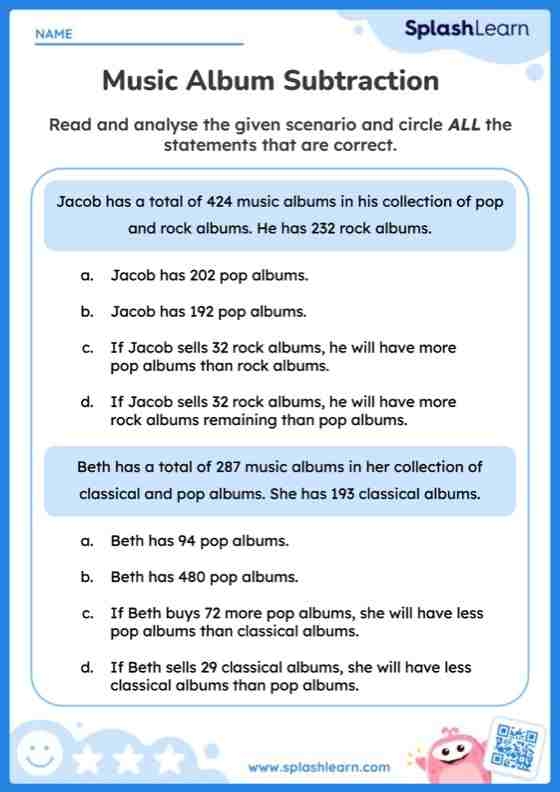
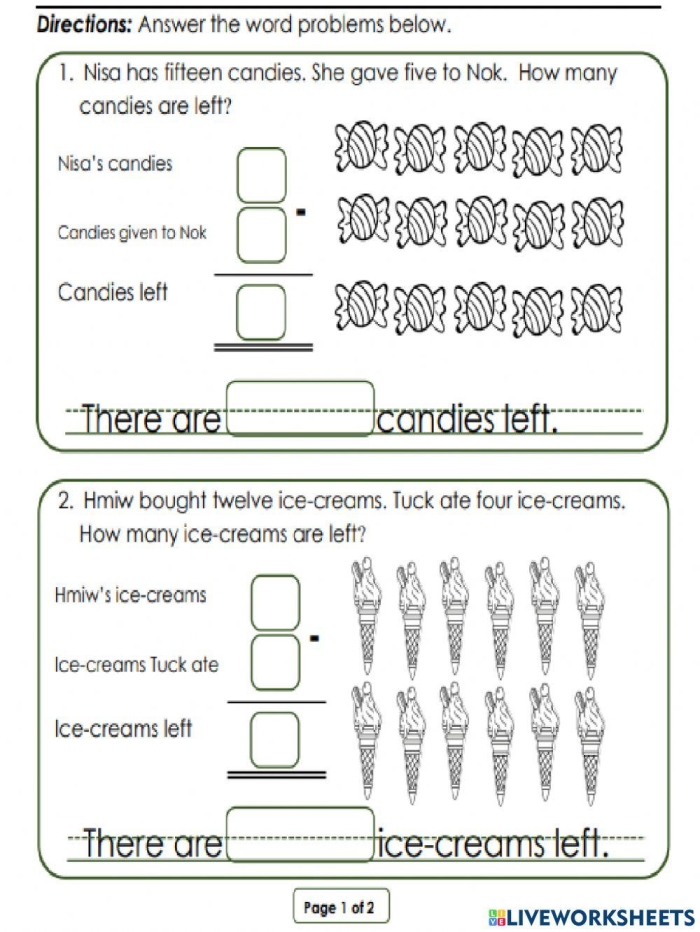
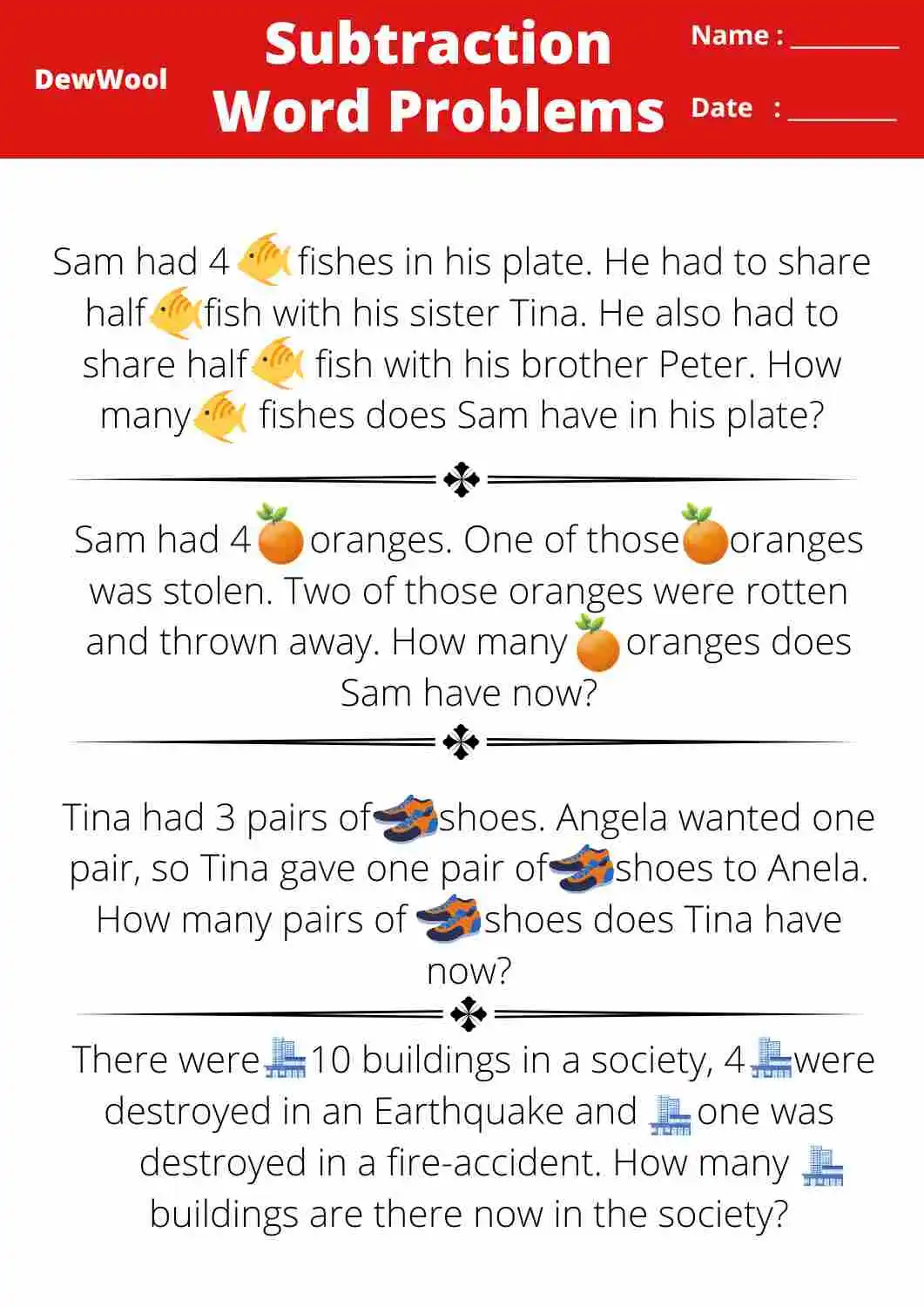
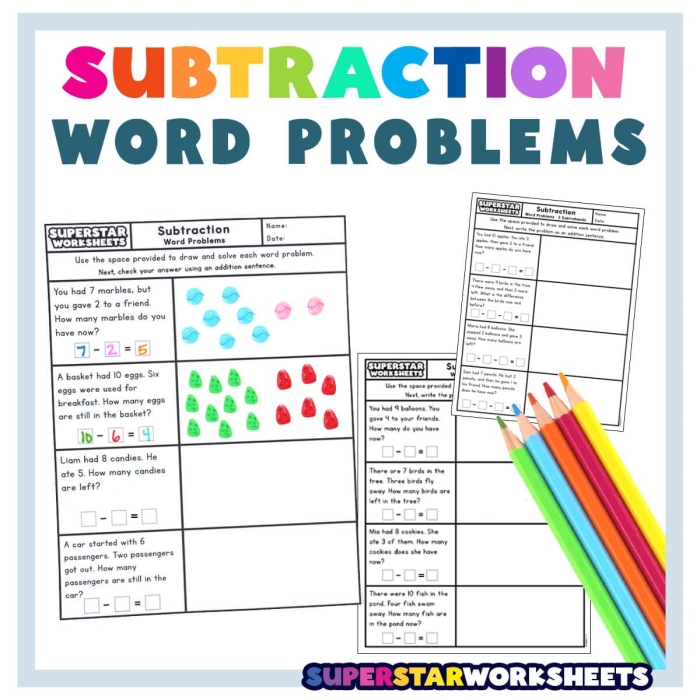
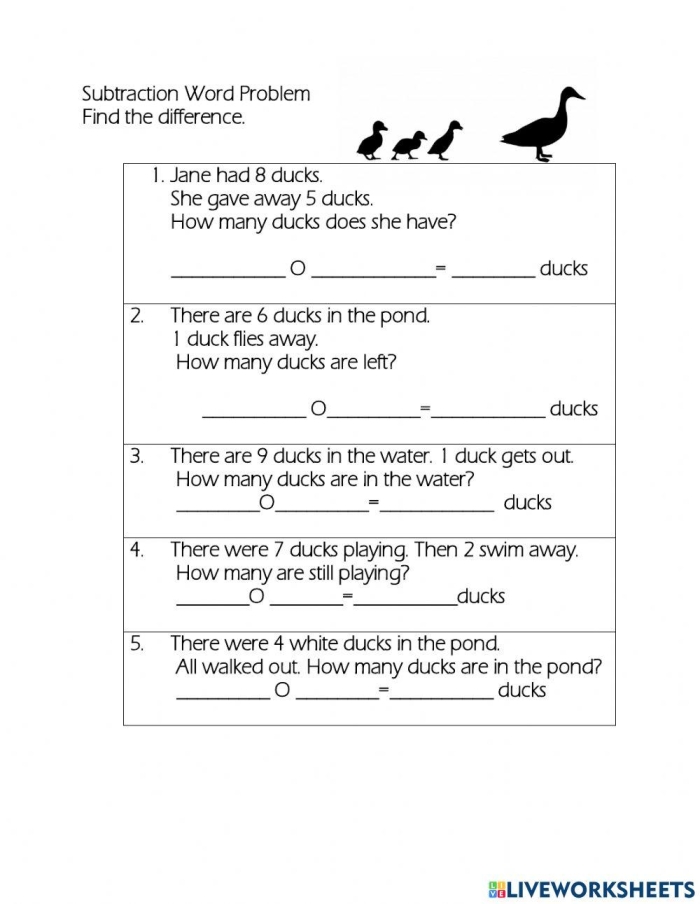
When third graders start working with two and three-digit numbers, subtraction suddenly becomes more than just memorizing facts. It becomes about solving real problems that actually matter to them. School-themed word problems bridge that gap between abstract math and the world kids see every day, making subtraction feel purposeful rather than tedious.
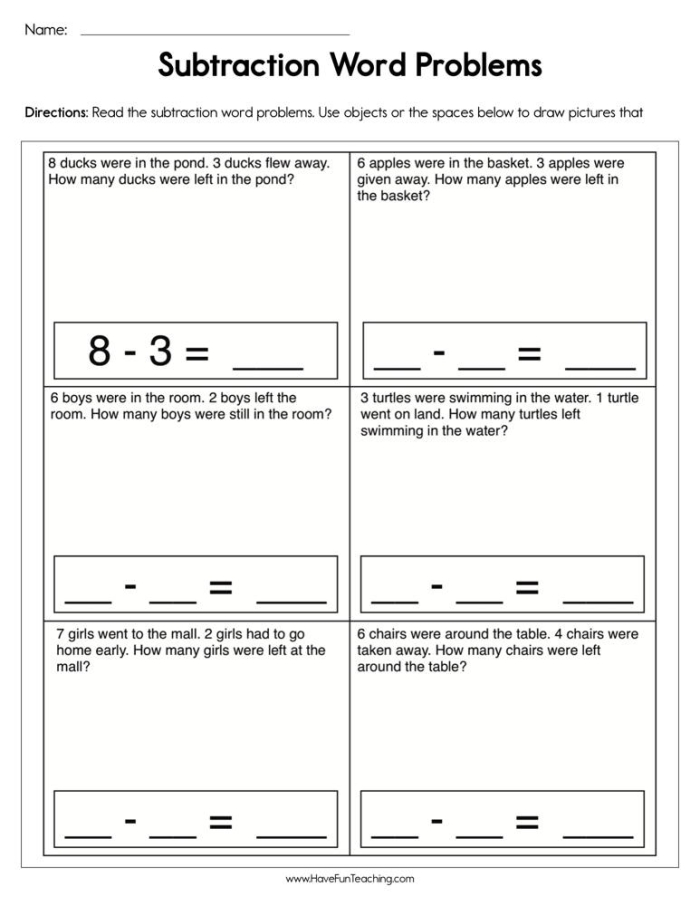
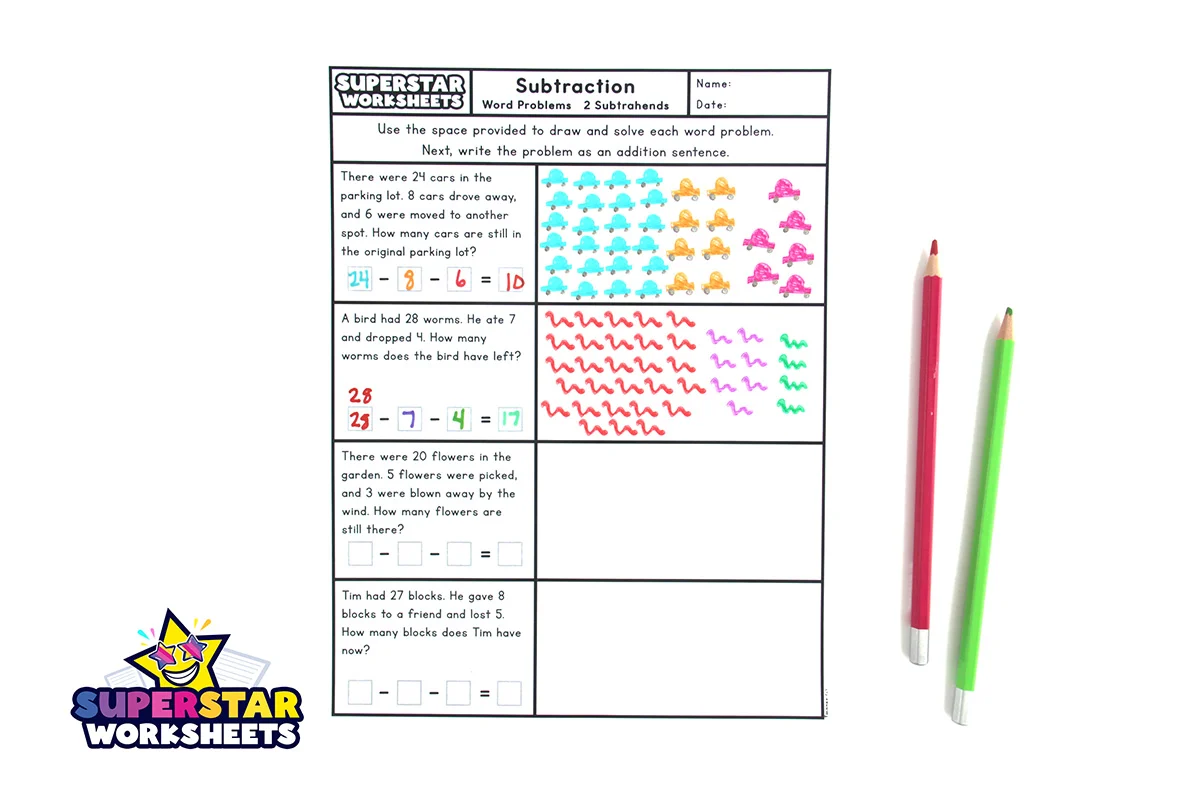
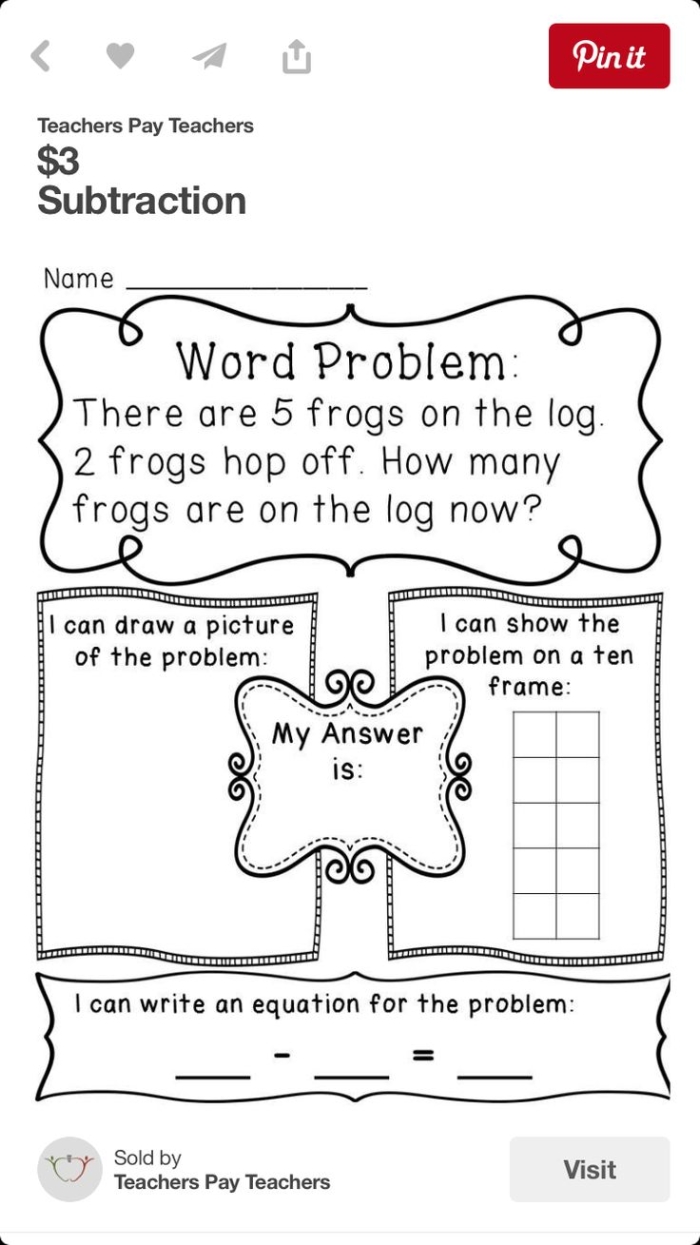
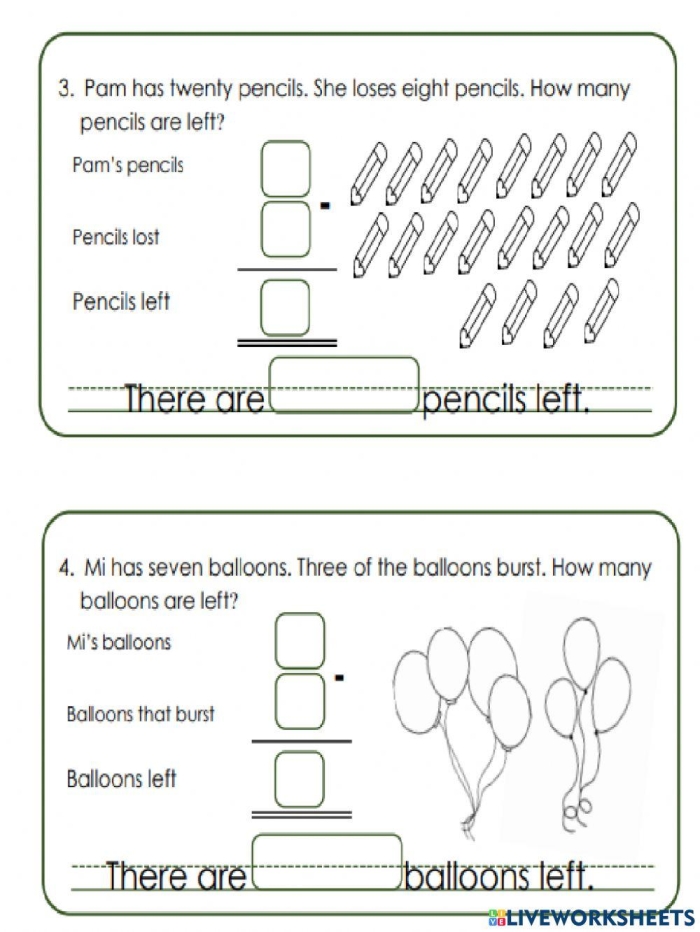
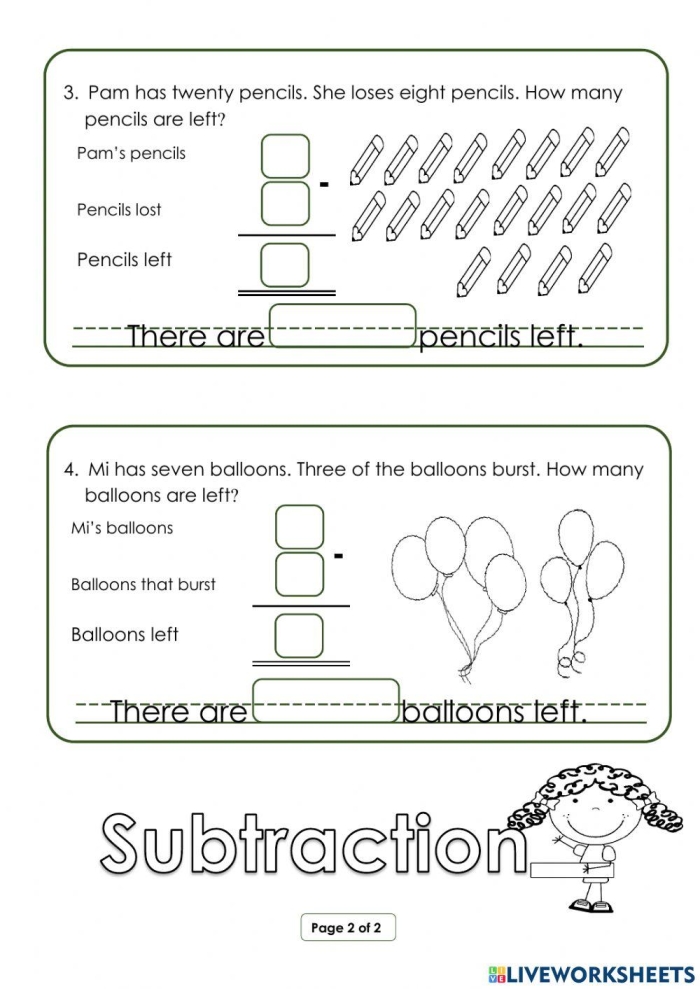
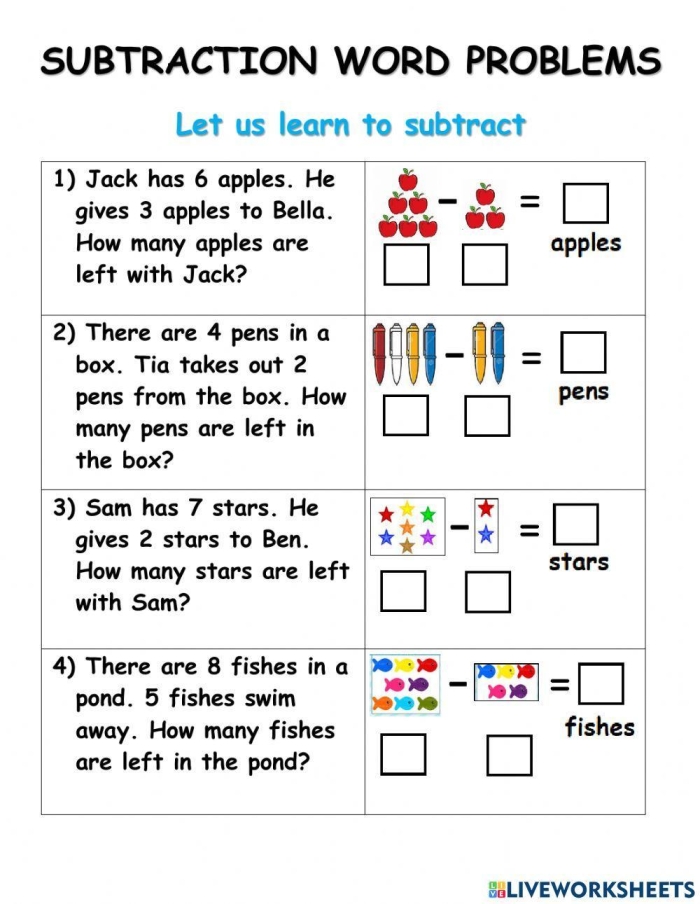
The beauty of word problems in a third grade classroom is that they force students to read carefully, identify what they’re solving for, and then execute the subtraction. A student might need to figure out how many pencils remain after some get used, or calculate the difference between two classroom supplies. These scenarios require students to visualize the situation before reaching for their pencil to work through the calculation.
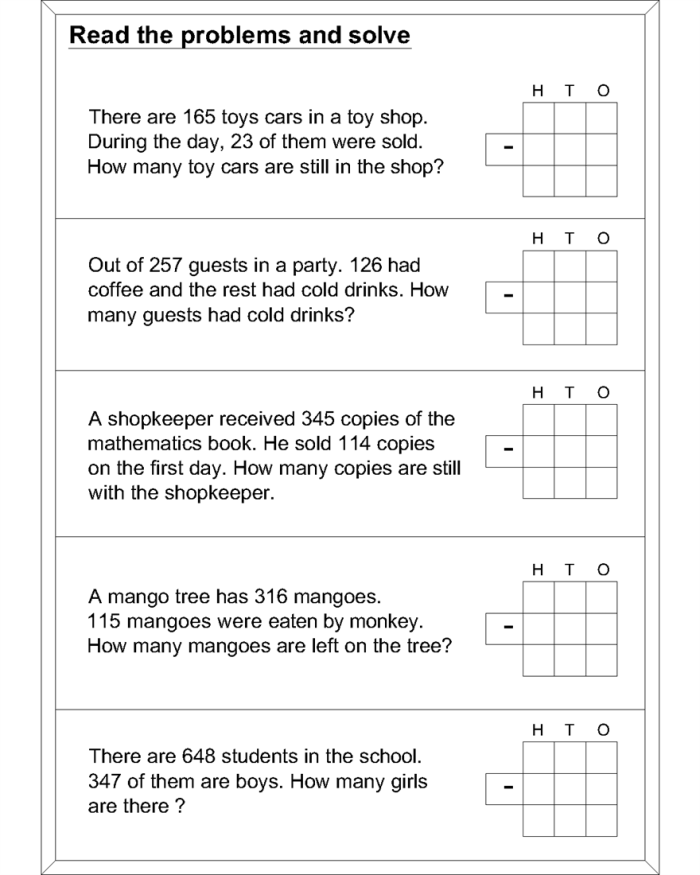
Two-digit subtraction introduces regrouping, which trips up many learners. When a child encounters a problem like 42 minus 15, they need to understand why they can’t simply subtract 5 from 2. Three-digit problems layer on additional complexity, requiring students to manage regrouping across tens and hundreds places simultaneously. School-themed contexts make this practice less intimidating because the numbers represent something concrete, like books in a library or students in different classes.
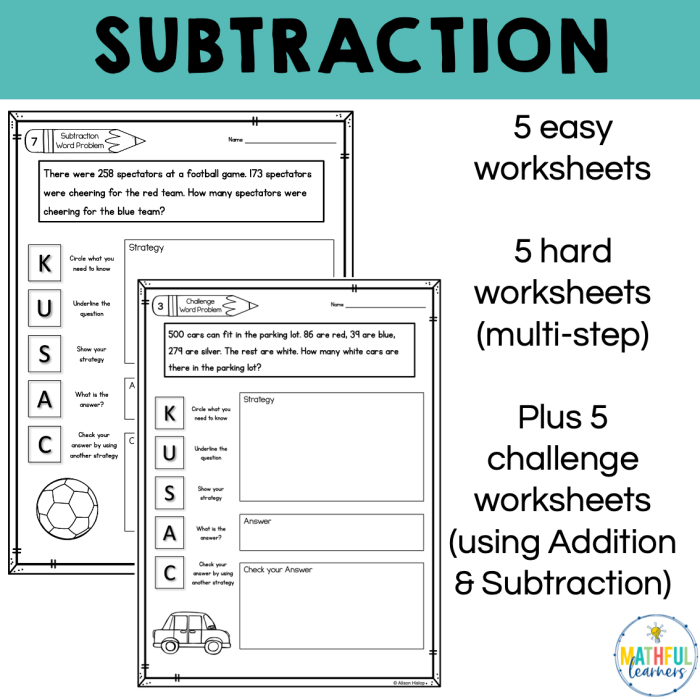
Beyond basic arithmetic, these word problems develop critical thinking. Students learn to estimate before calculating, check their answers for reasonableness, and explain their thinking process. Some worksheets incorporate academic vocabulary development so learners strengthen language skills alongside math skills.
Time and money provide natural contexts for this practice. How much change remains after buying supplies? How many minutes pass between two events? These practical applications stick with students better than isolated number sentences, helping them see subtraction as a tool they’ll actually use.
Download These Worksheets for Practice