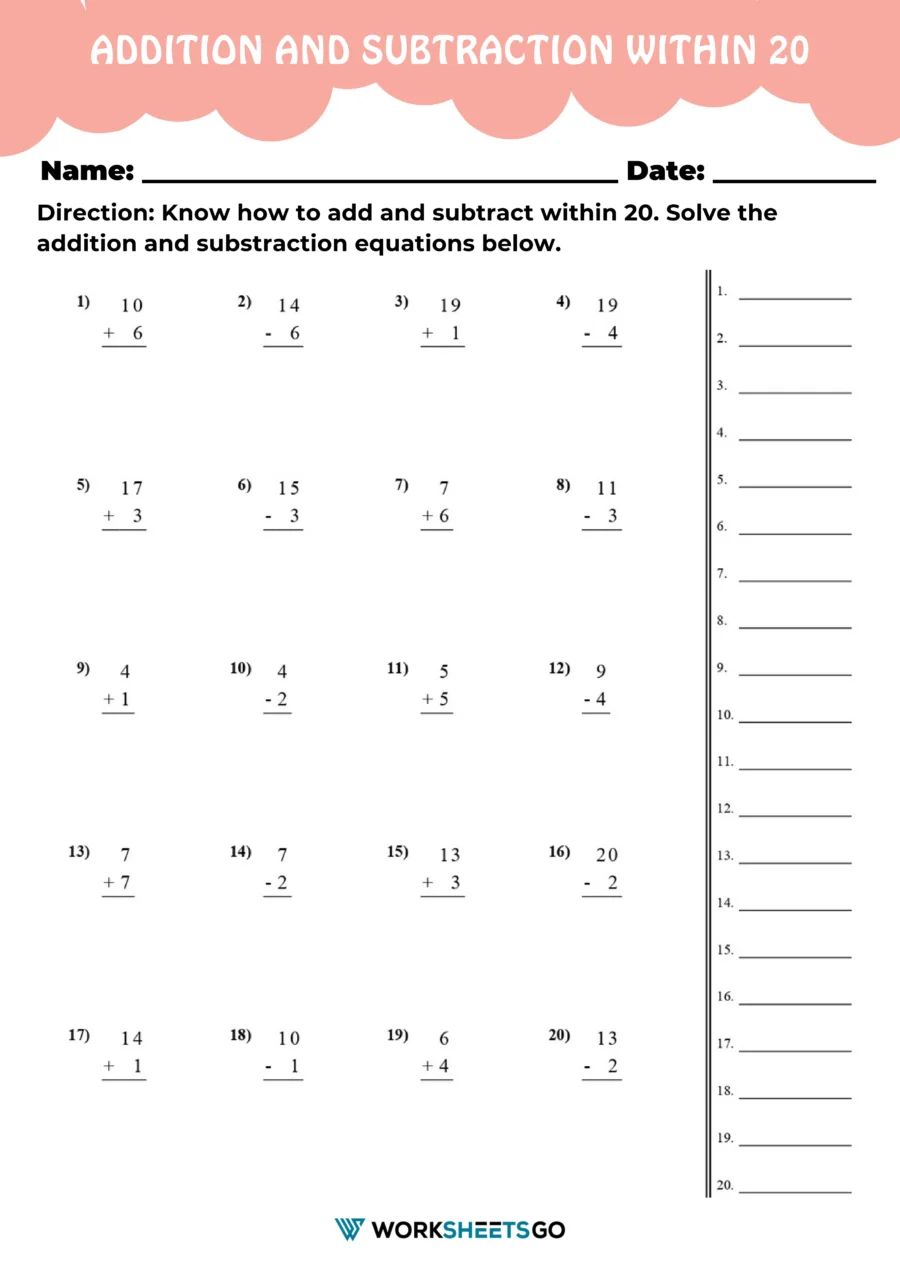
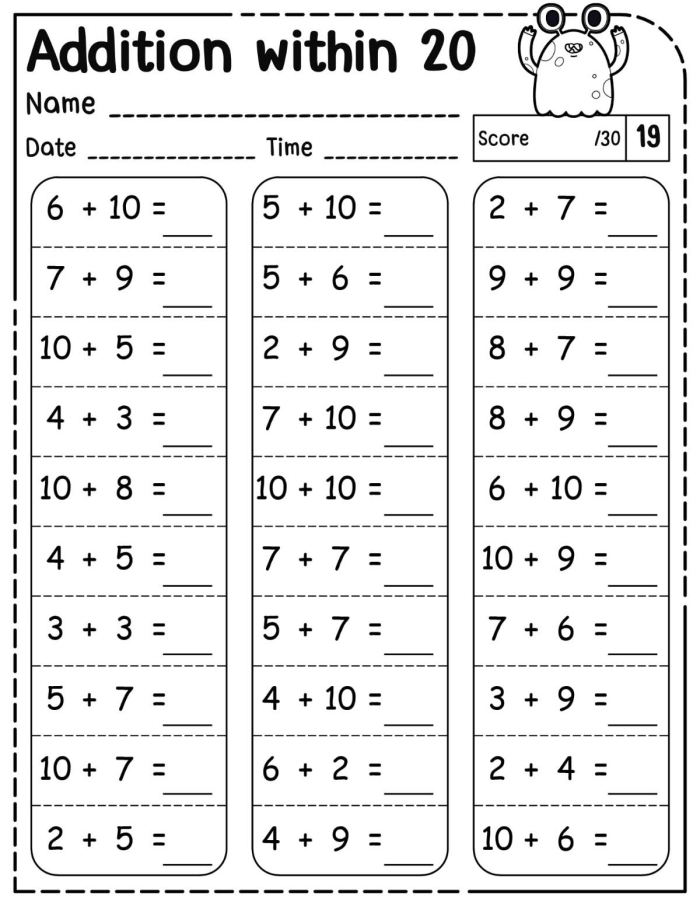
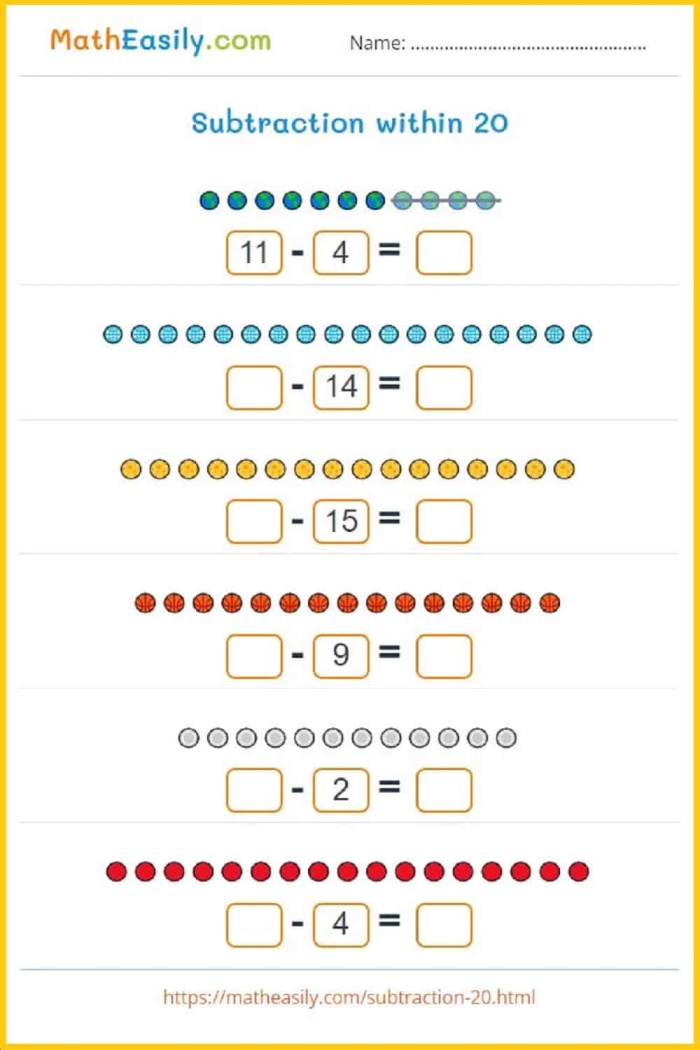
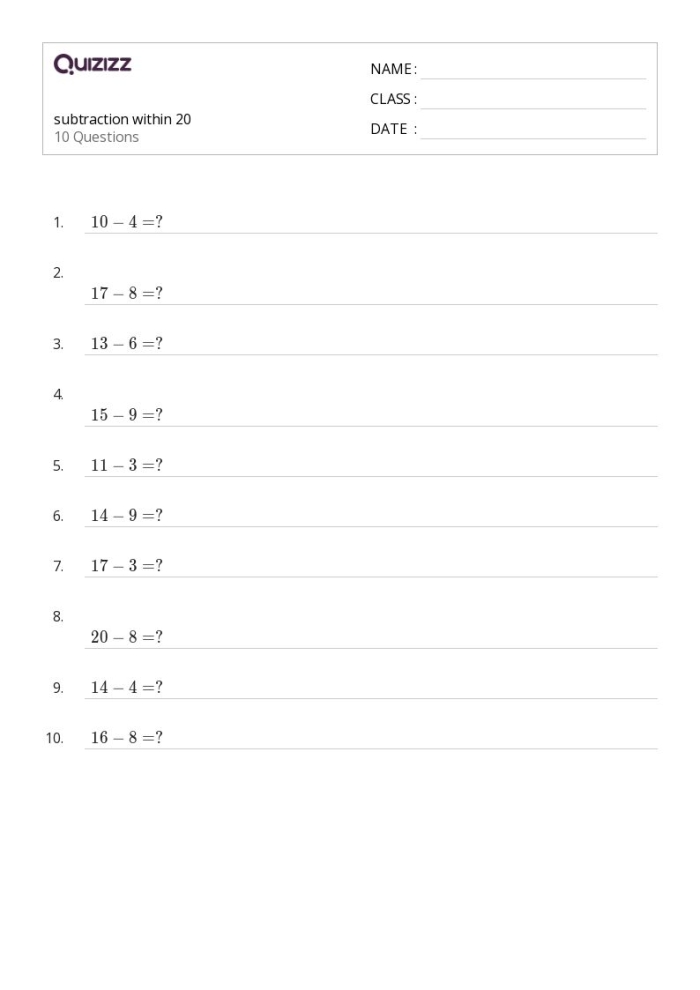
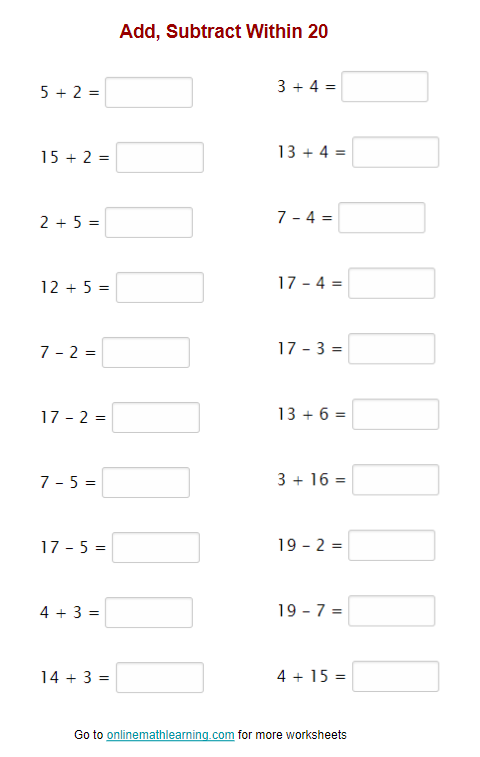
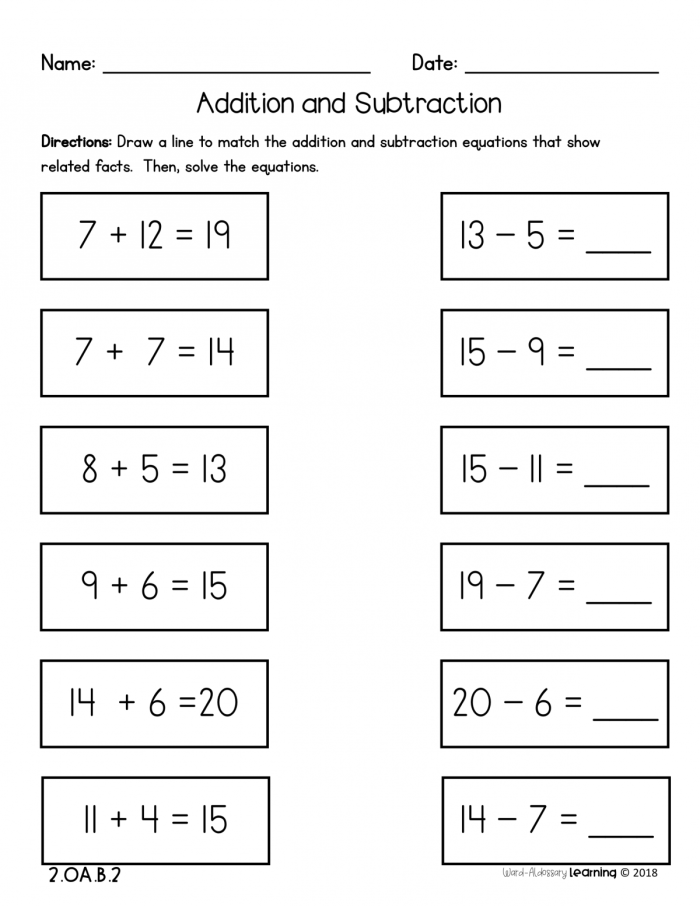
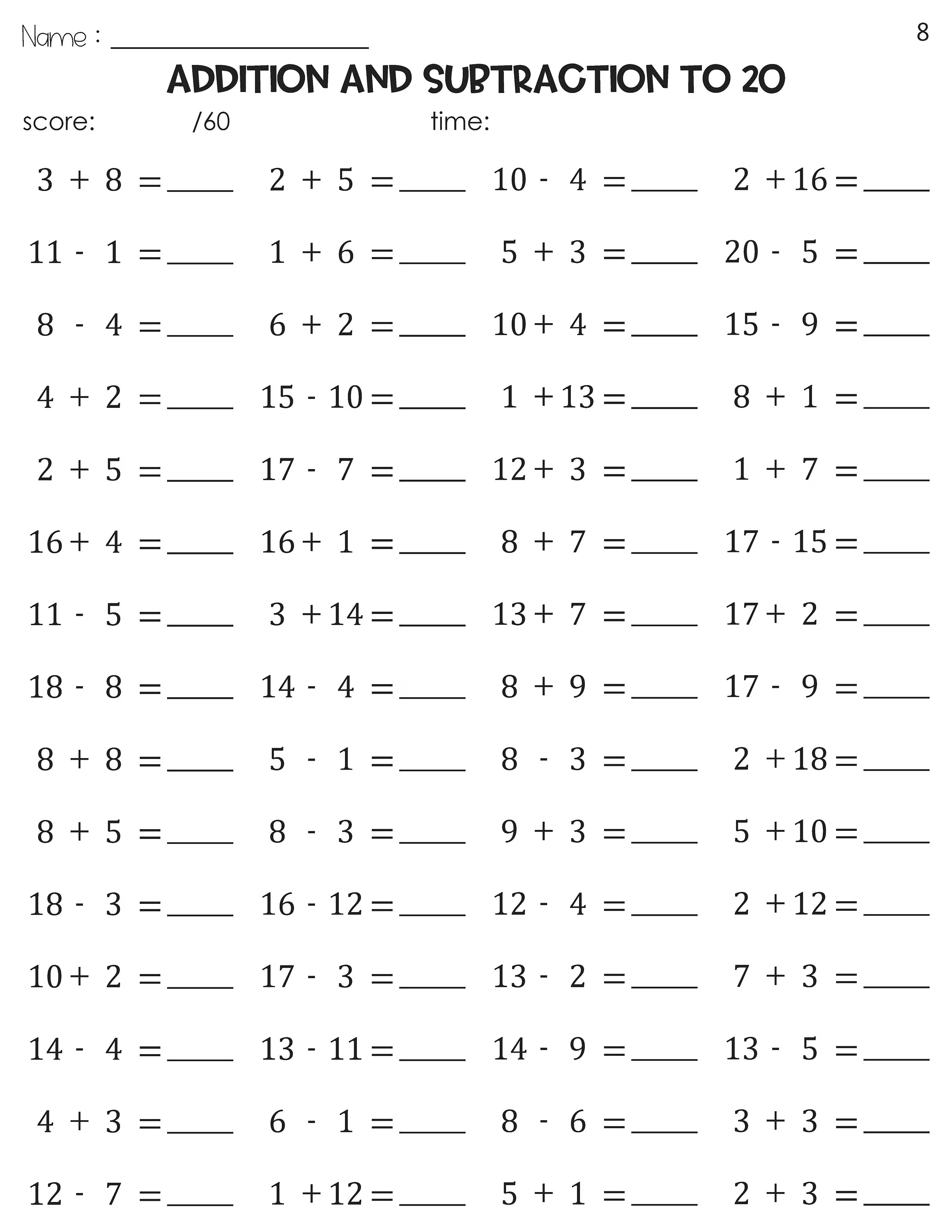
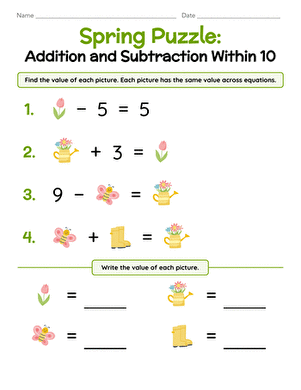
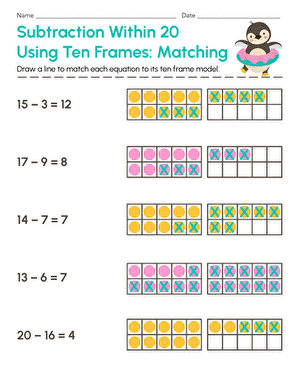
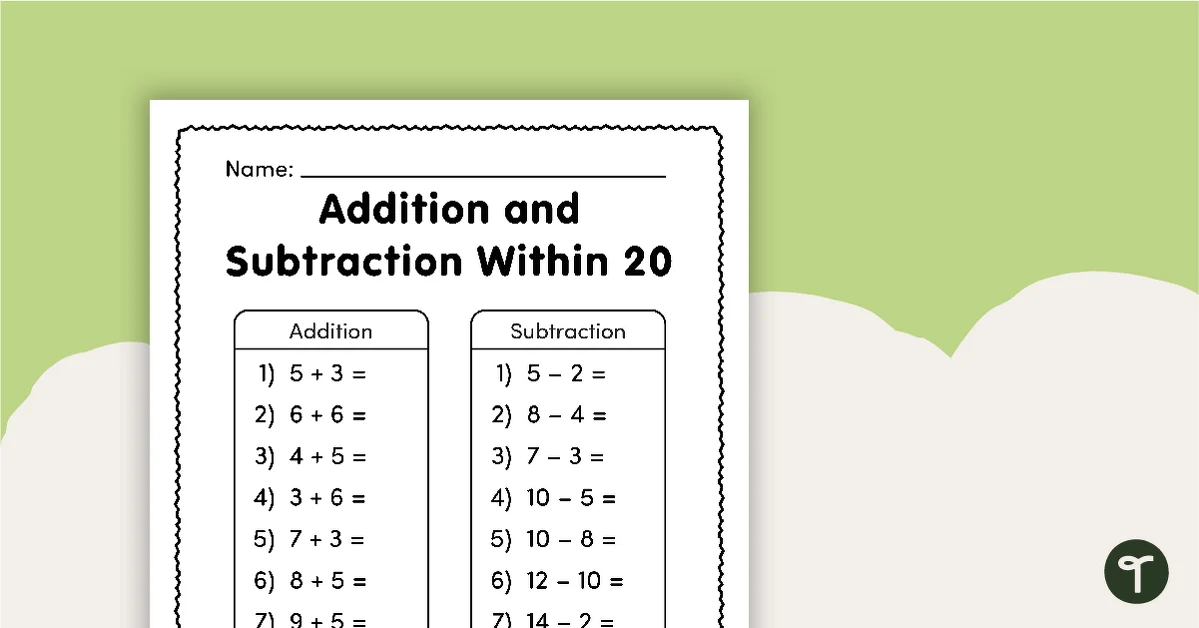
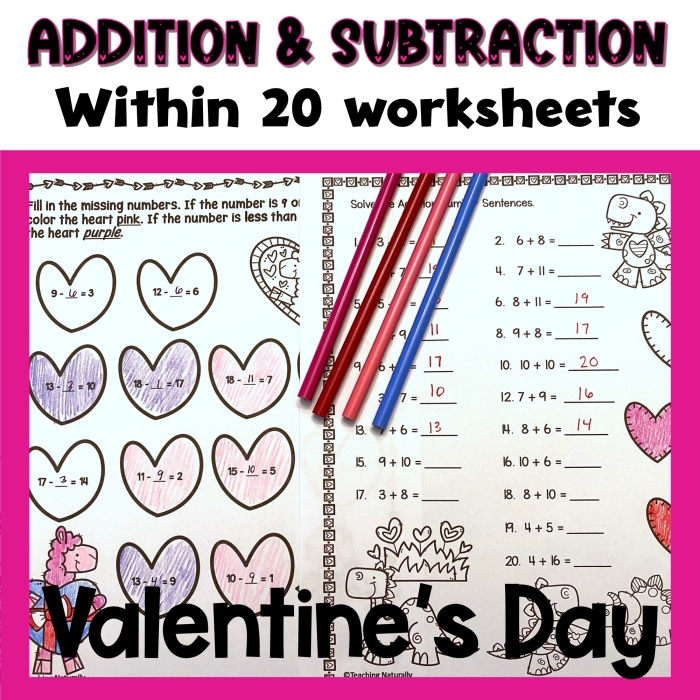
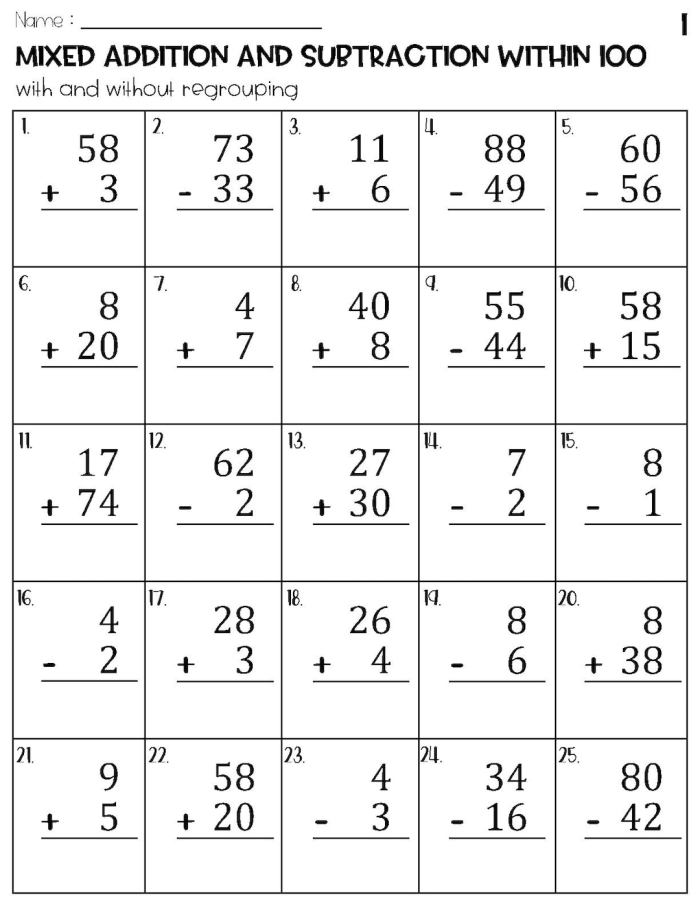
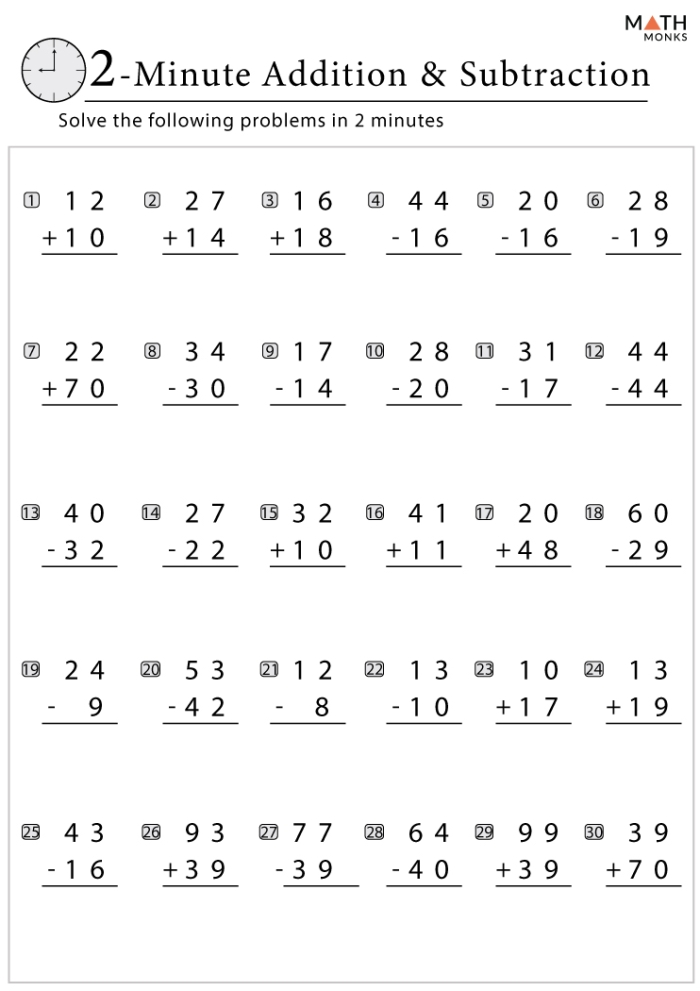
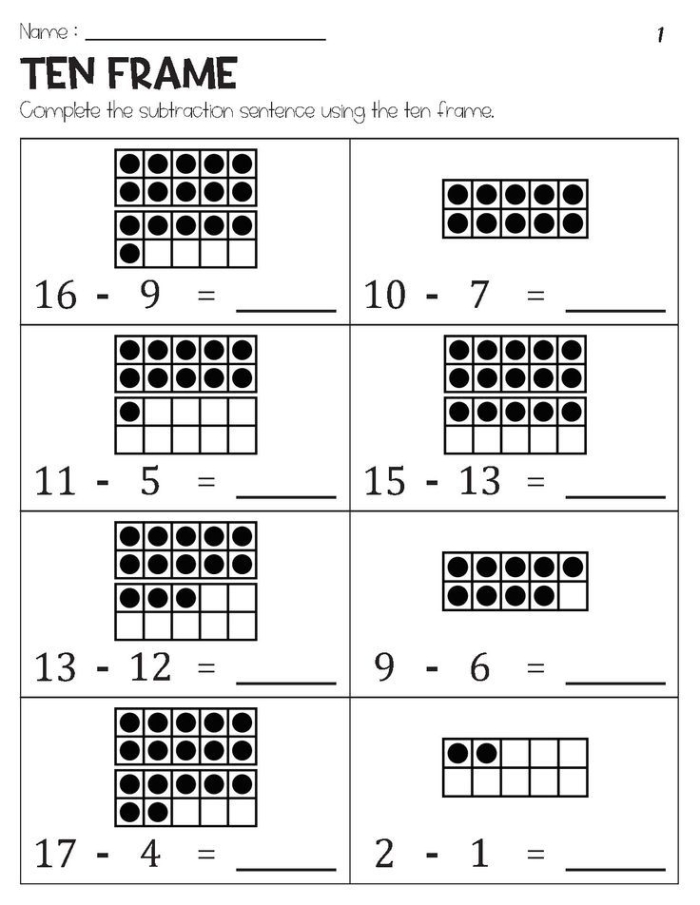
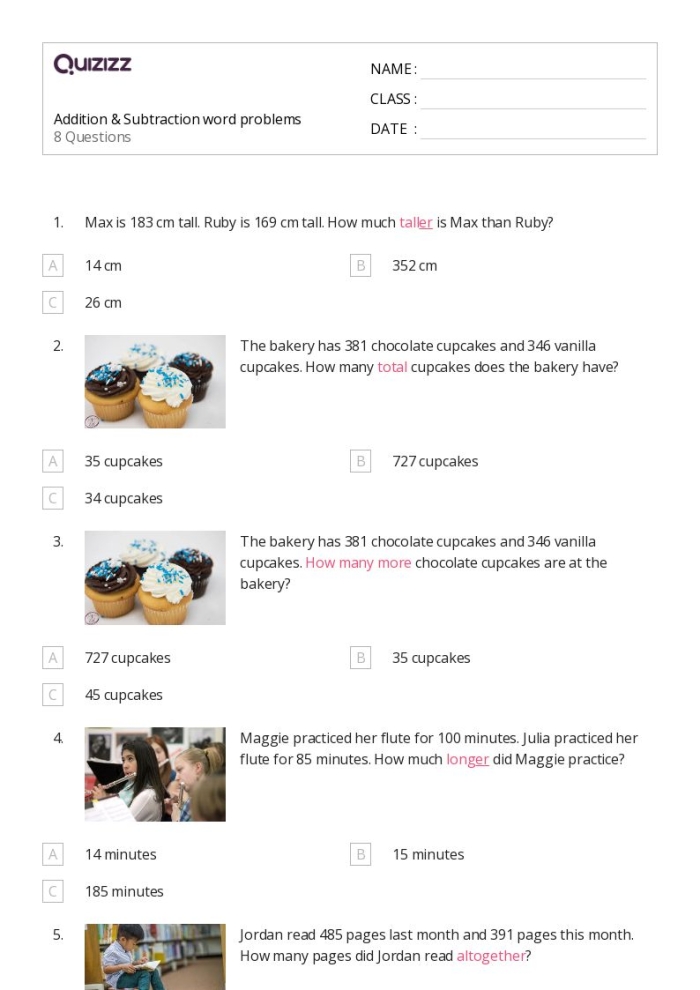
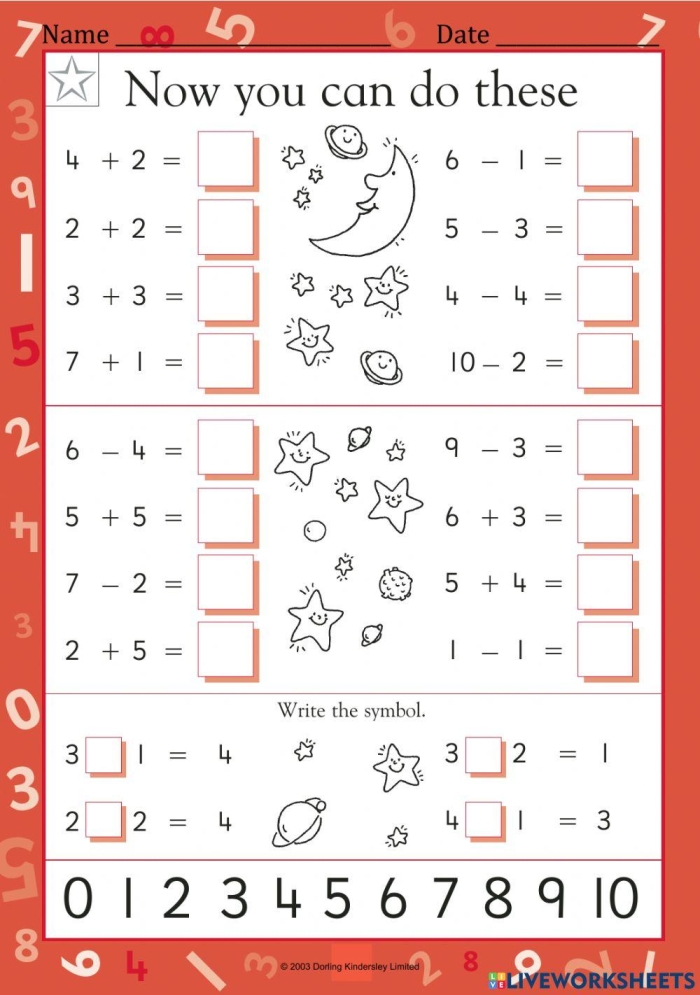
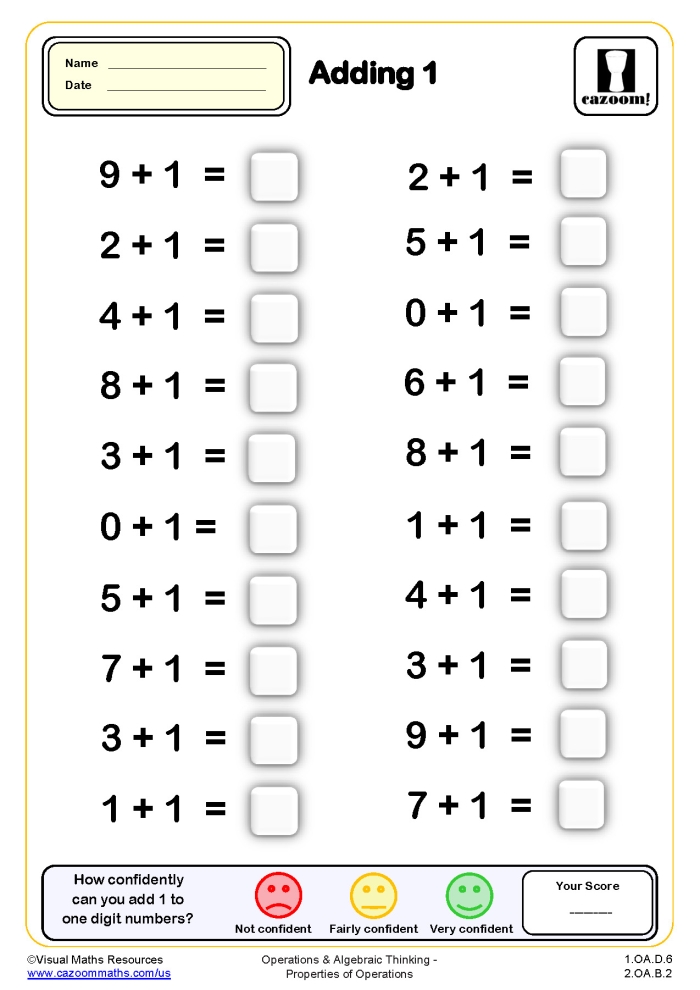
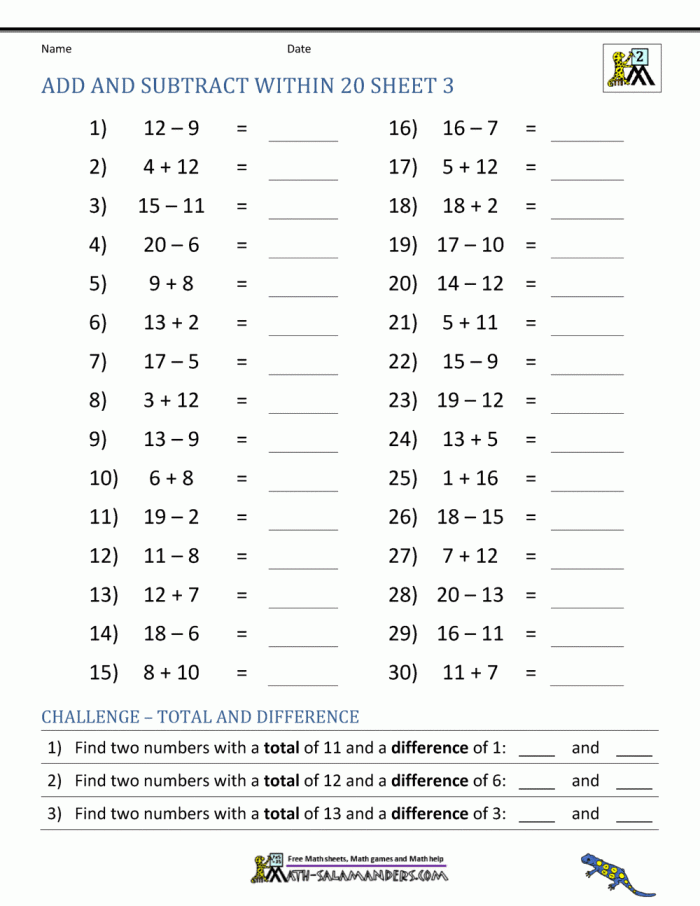
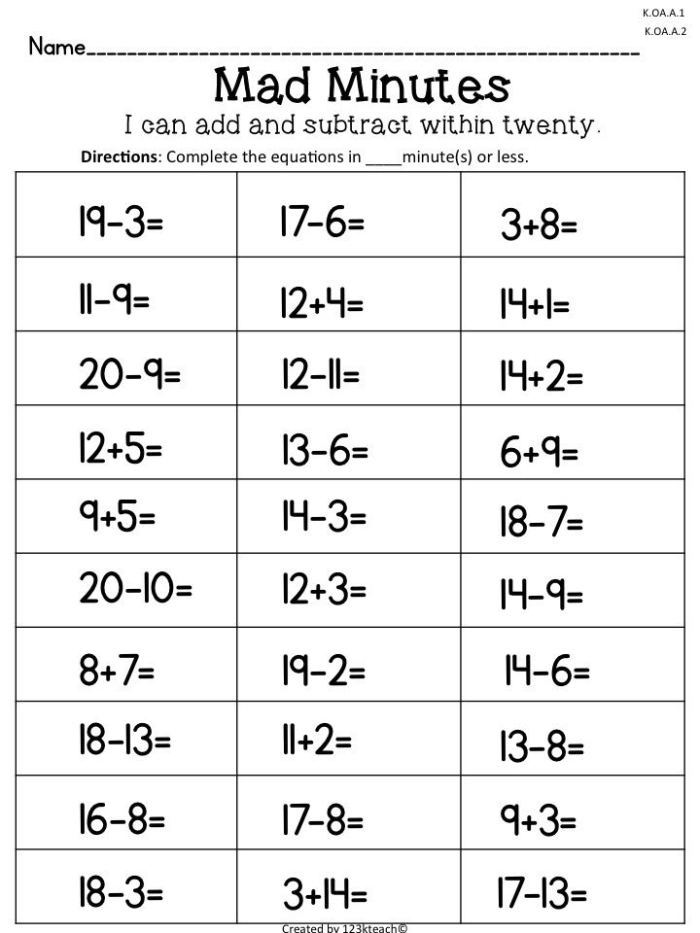
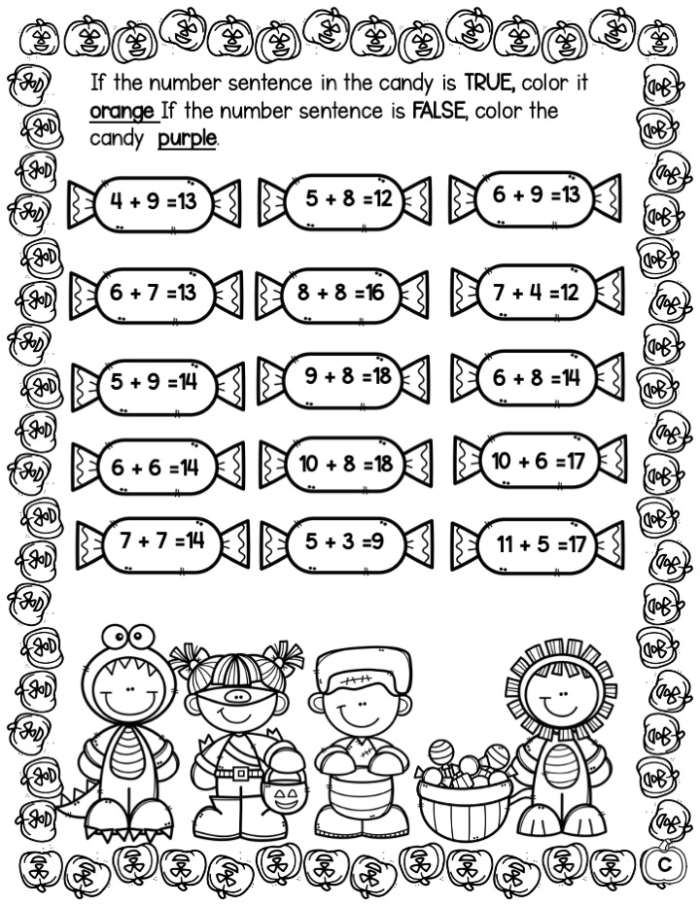
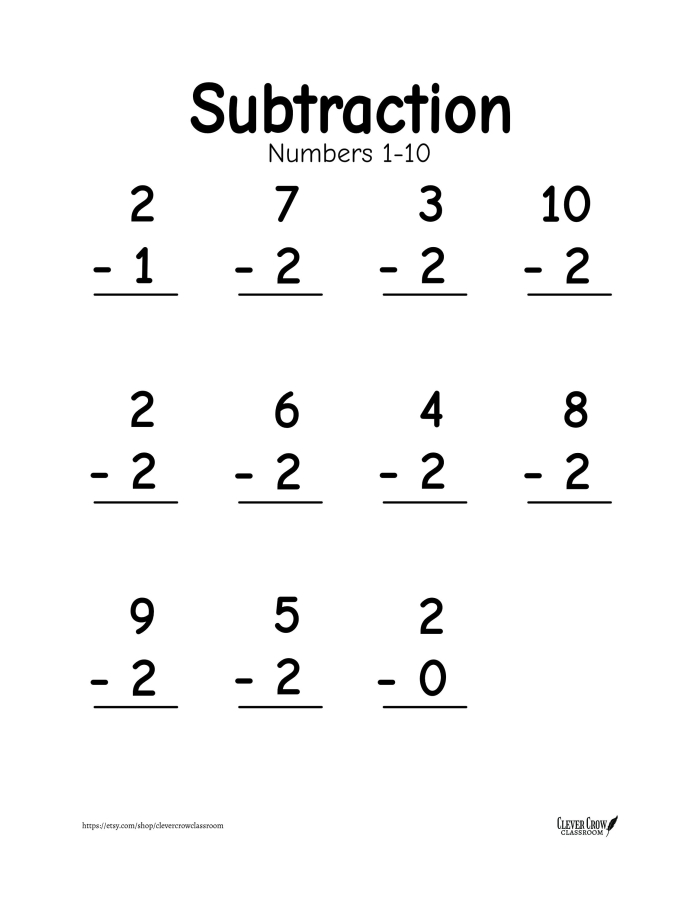
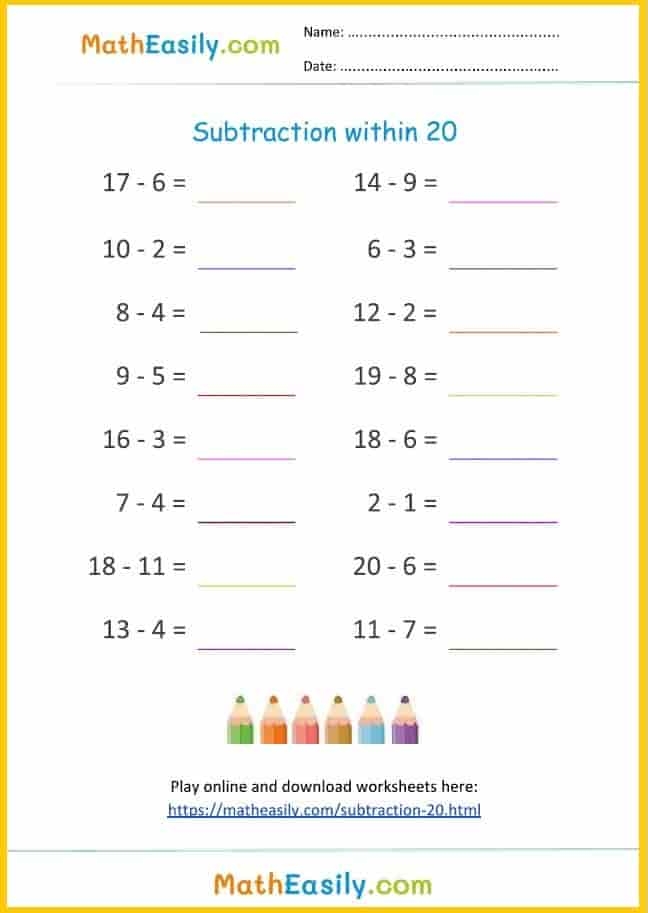
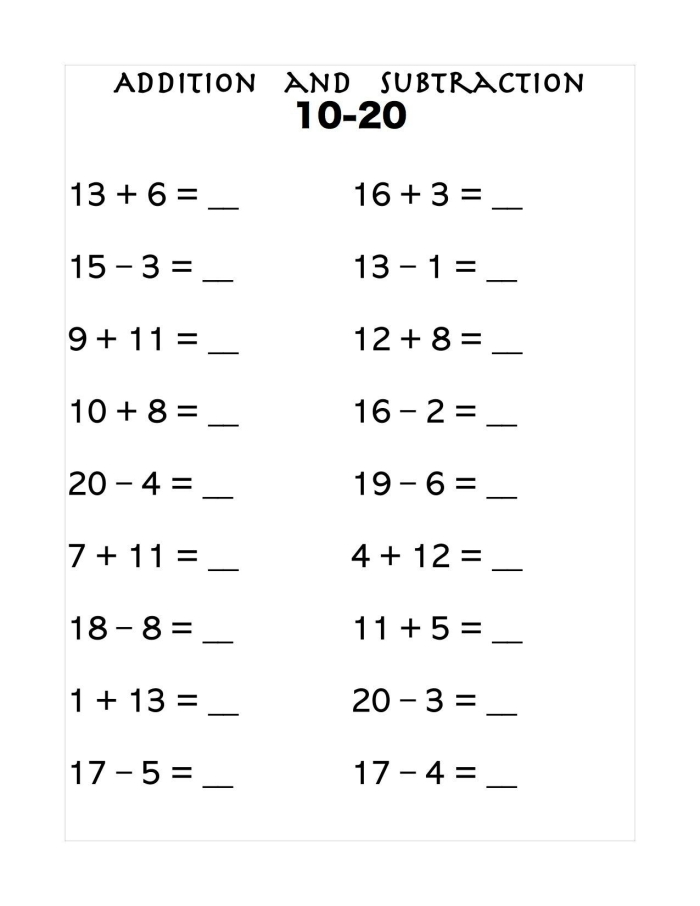
St. Patrick’s Day math puzzles give first grade learners a chance to practice addition and subtraction within 20 while staying engaged with a seasonal theme. These worksheets combine the appeal of holiday imagery with focused skill practice, making routine computation feel more like a game than drill work.
The core value of this approach lies in how it addresses a specific challenge in first grade measurement and math instruction: students need repetition to build fluency, but repetition alone can feel tedious. When you frame addition and subtraction problems around leprechauns, pots of gold, or shamrocks, the context gives students a reason to care about solving each problem correctly. They’re not just working through random number combinations; they’re unlocking a picture or completing a themed puzzle.
Within the range of numbers 1 to 20, first graders encounter problems that require them to think strategically. A student might solve 7 + 8 by counting on from 7, or by recognizing that 8 + 8 = 16, so 7 + 8 must be one less. These mental strategies develop naturally when students work through multiple problems in succession. St. Patrick’s Day puzzles encourage this kind of thinking because students want to finish the puzzle and see the final image.
Beyond basic computation, these worksheets support broader first grade skills. As learners work through problems, they’re also practicing focus, following directions, and checking their own work. If a puzzle doesn’t look right when they finish, many students will naturally go back and verify their answers.
You can pair these puzzles with other counting and number practice activities to build a more complete math routine. The seasonal nature means these worksheets fit naturally into your March lesson plans, offering a fresh alternative to standard practice pages.
Hands-On Worksheet Activities