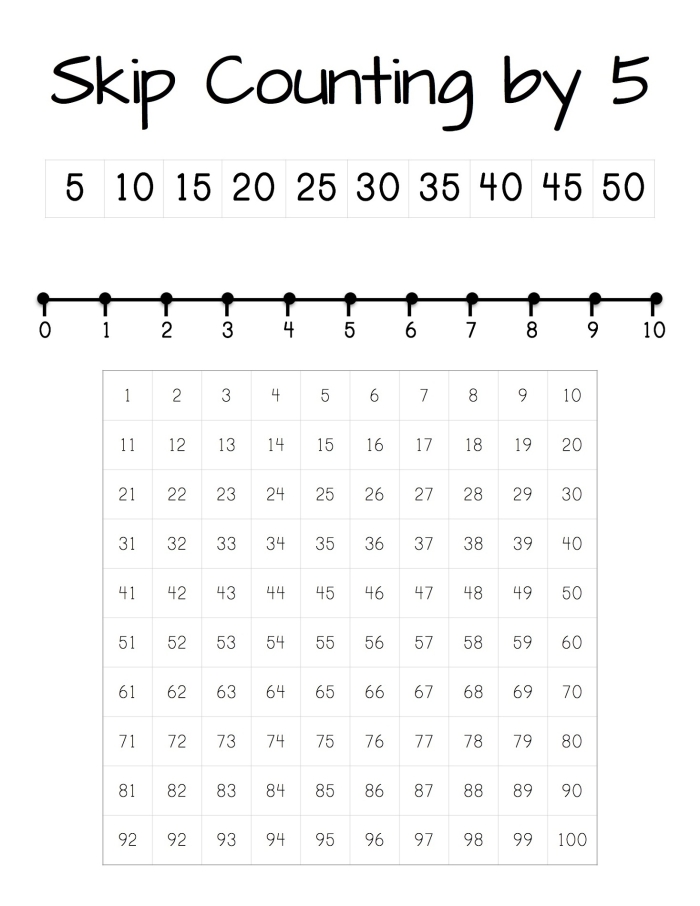
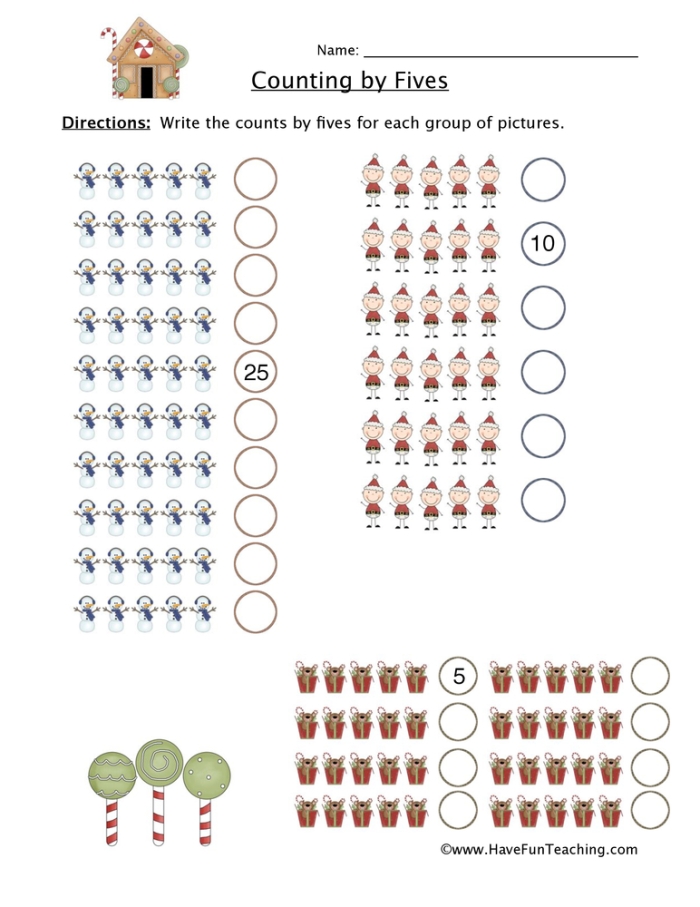
Skip counting by fives might seem like a simple exercise, but it’s actually one of the most effective ways first grade students begin to understand how addition works. When children count 5, 10, 15, 20 all the way to 100, they’re not just memorizing a sequence. They’re building a foundation for multiplication and developing number sense that will serve them throughout their math education.
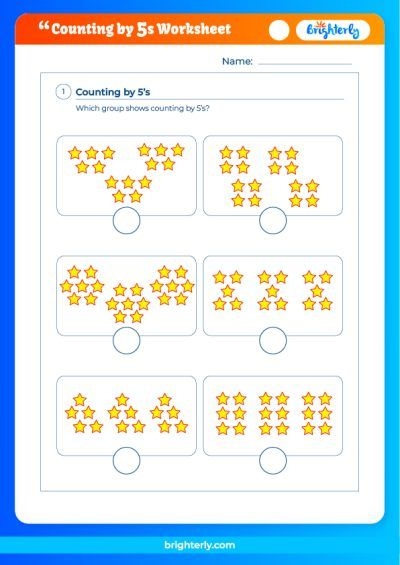
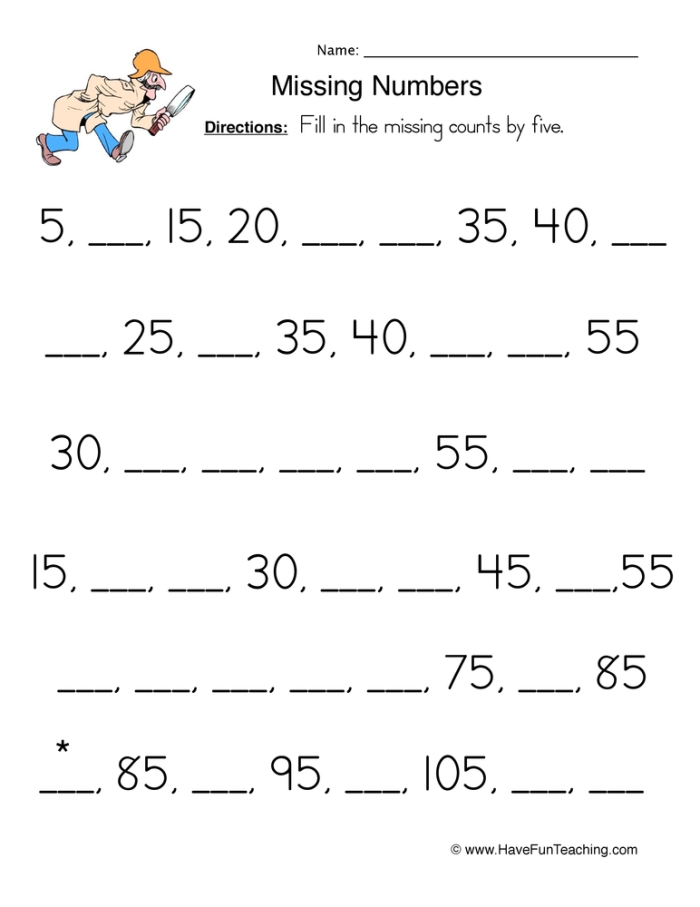
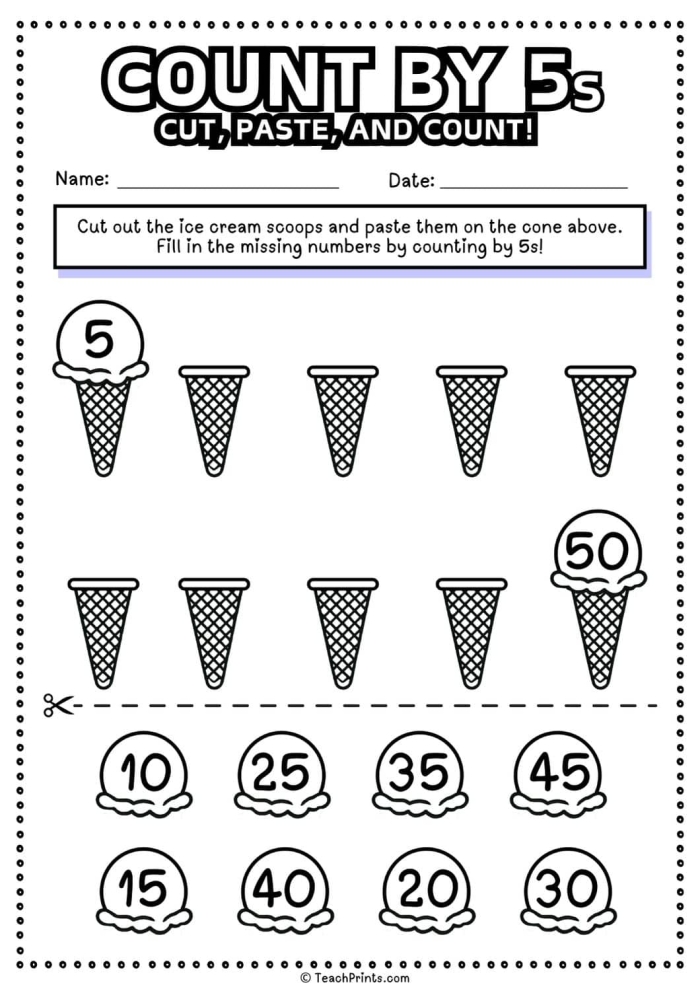
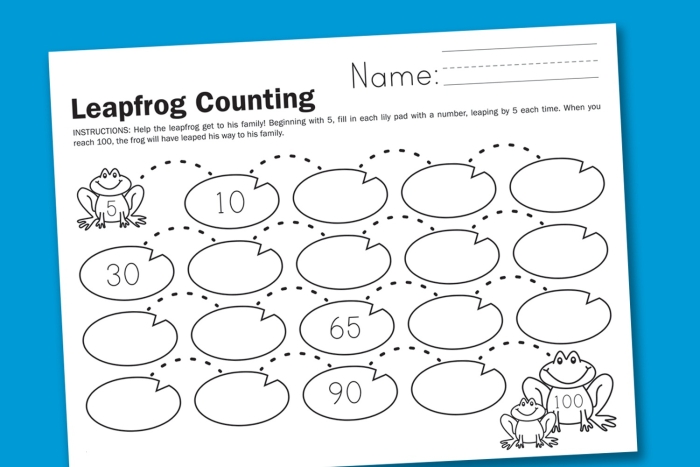
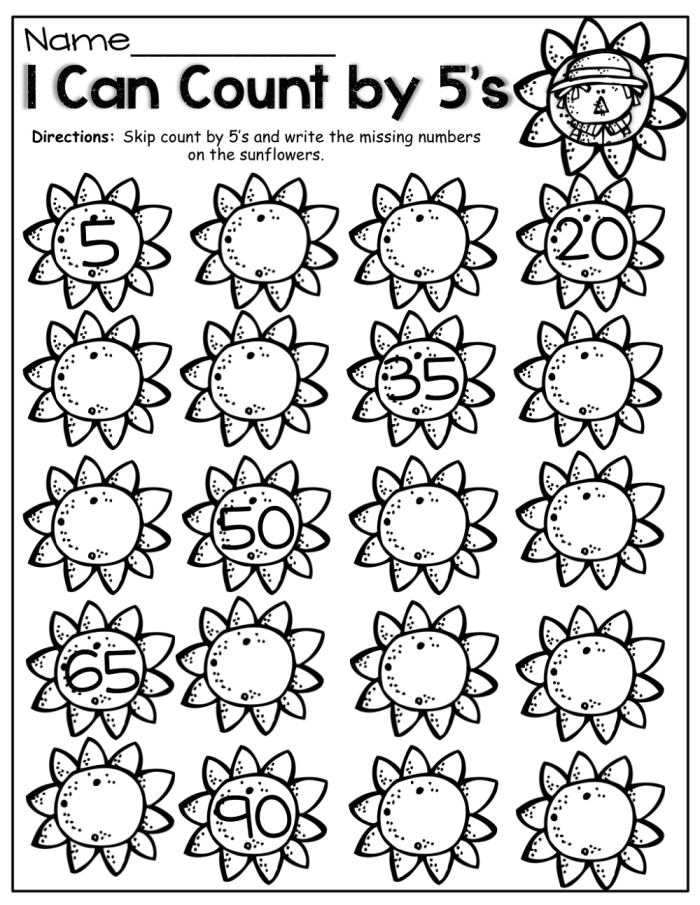
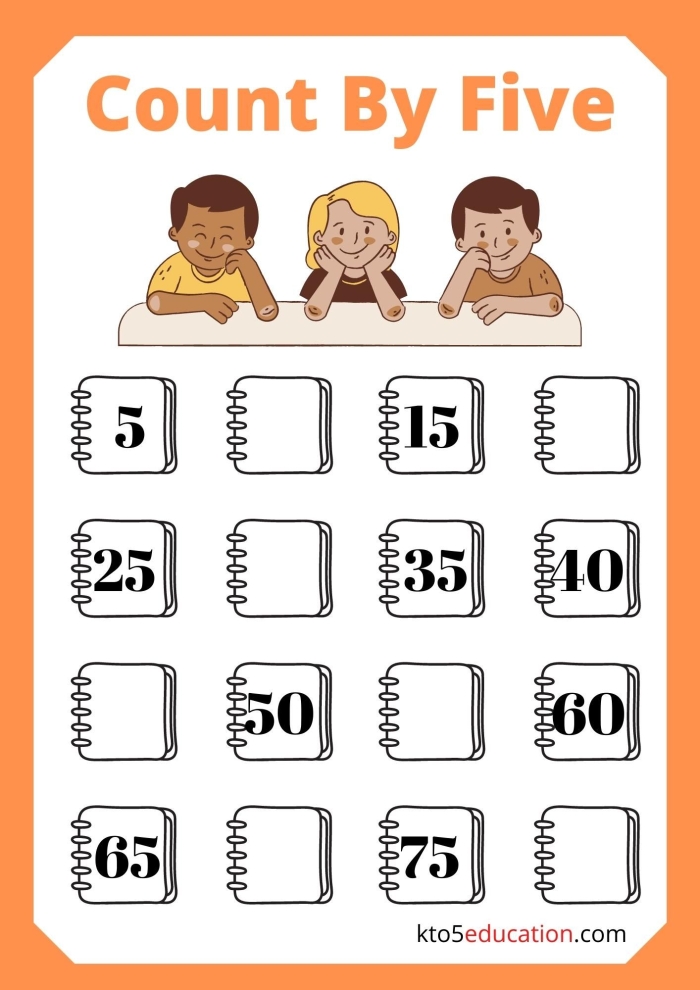
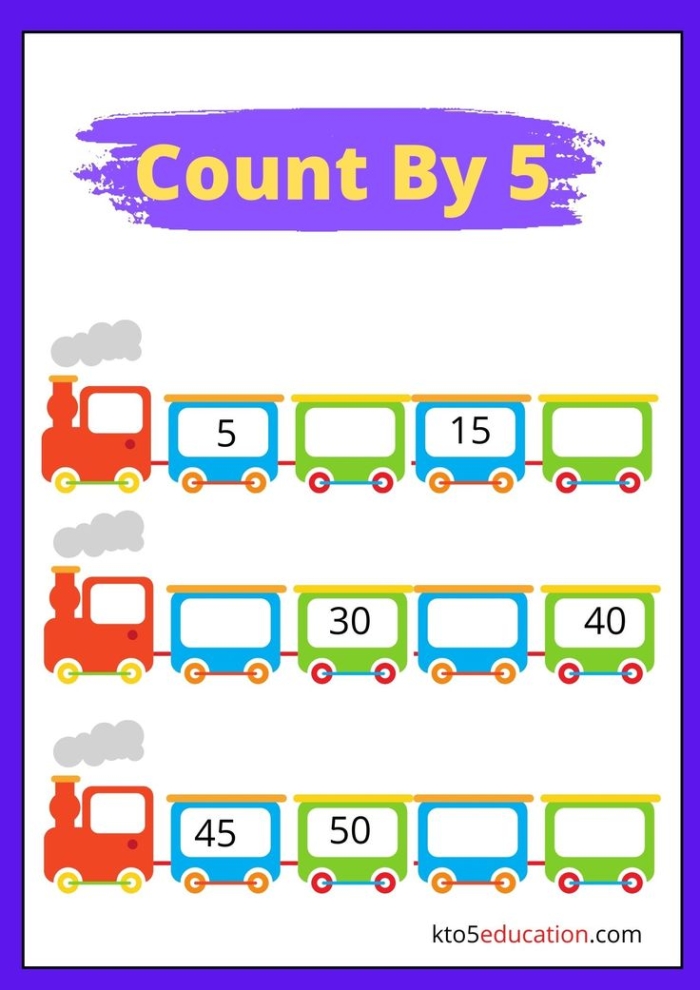
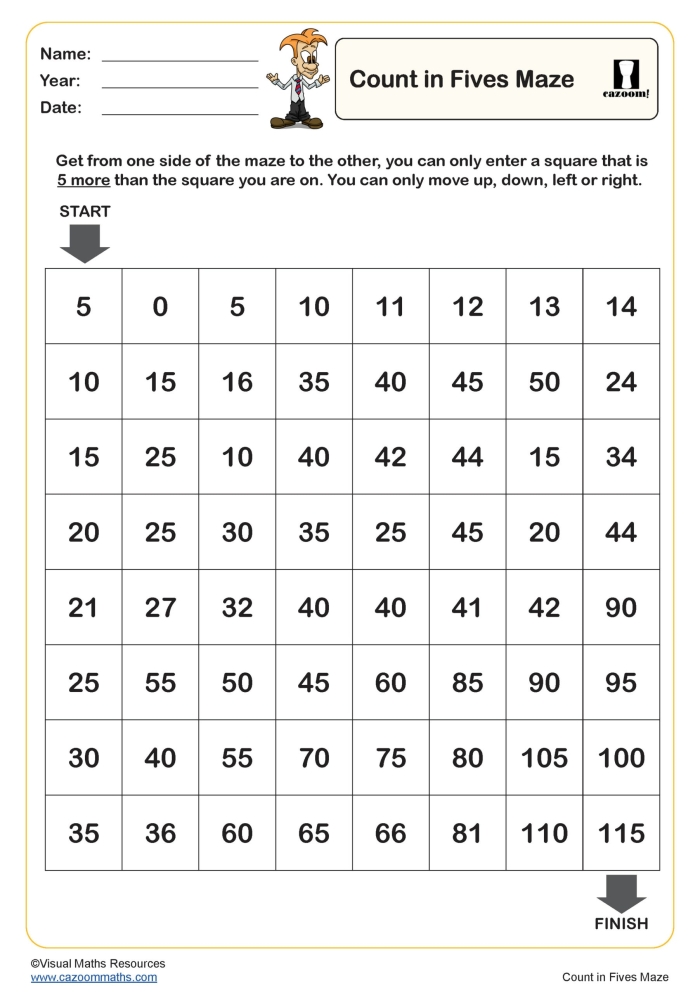
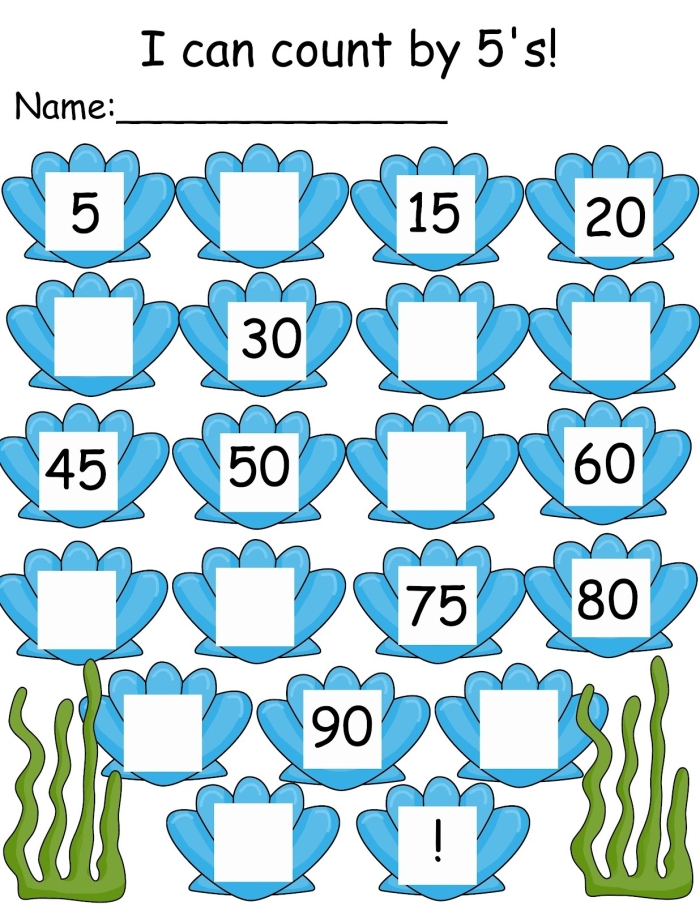
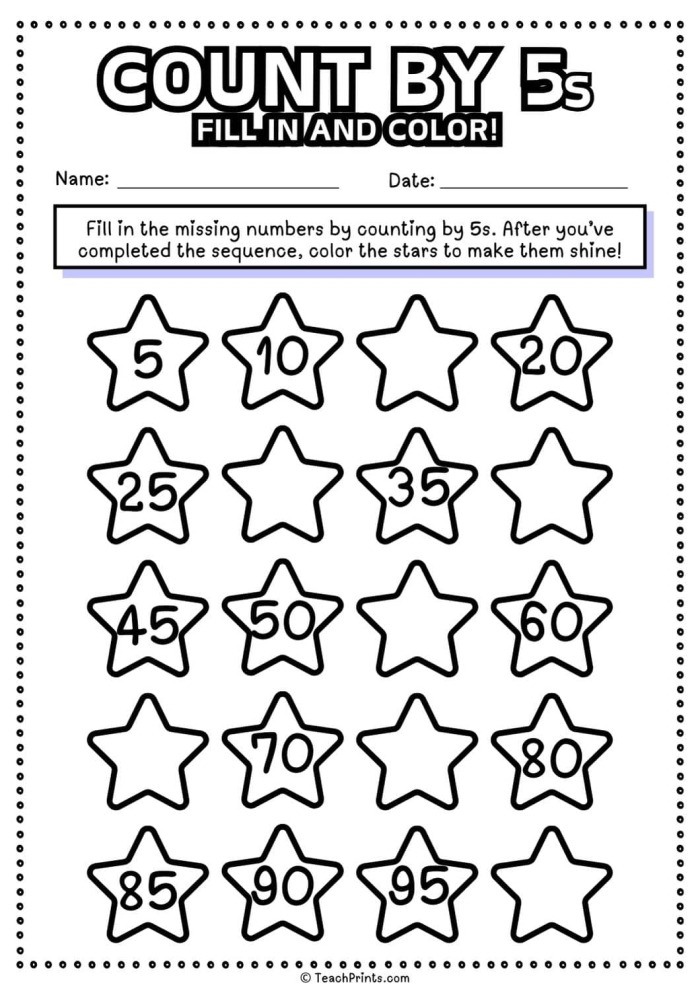
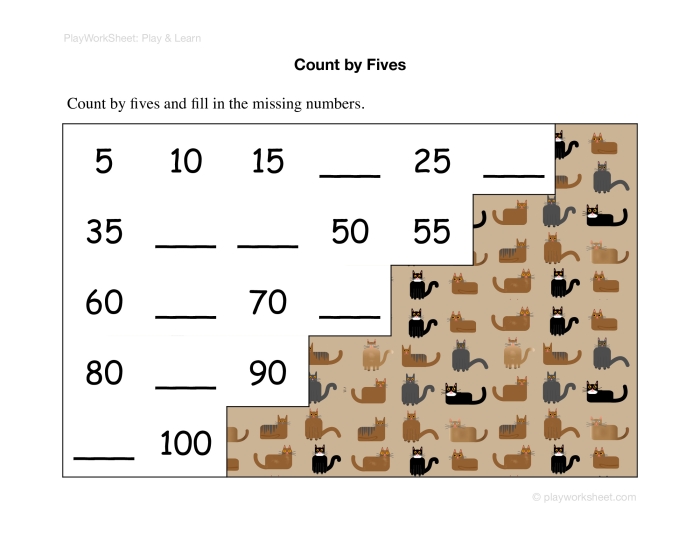
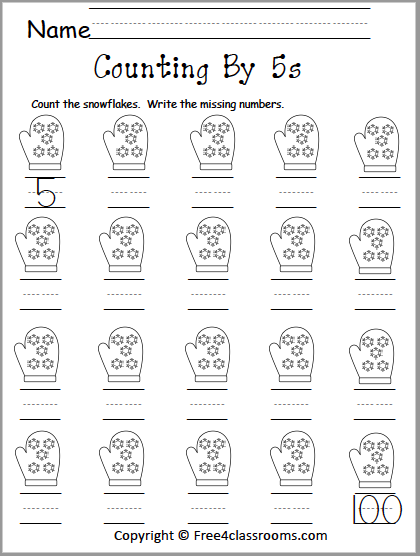
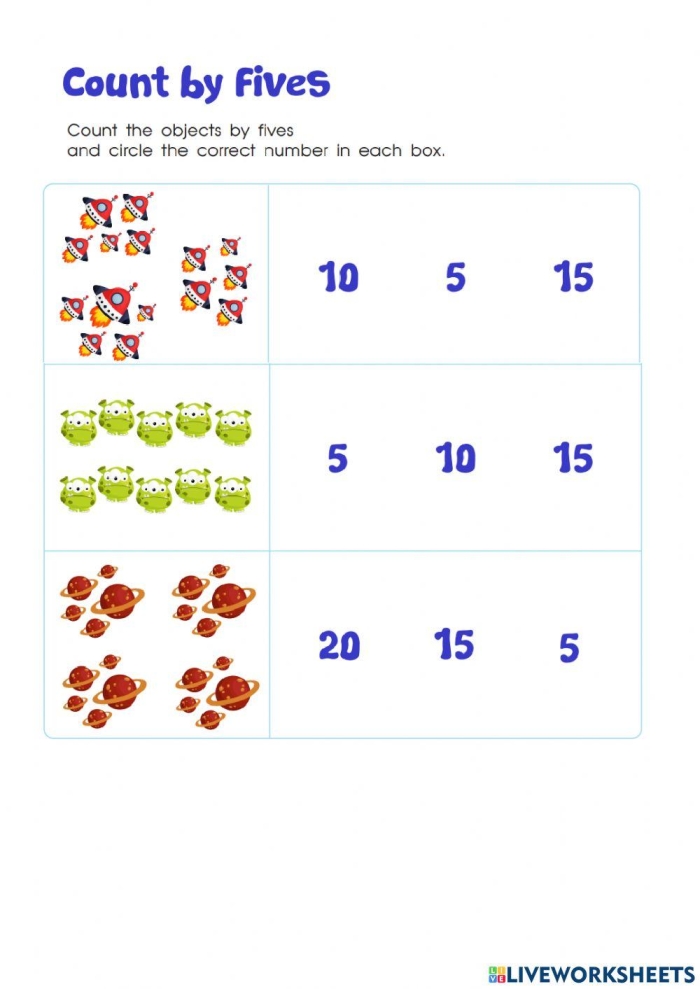
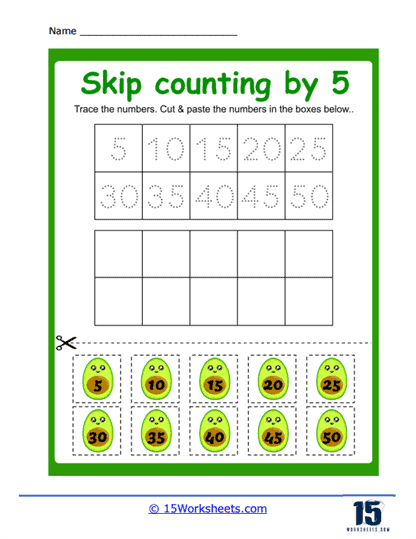
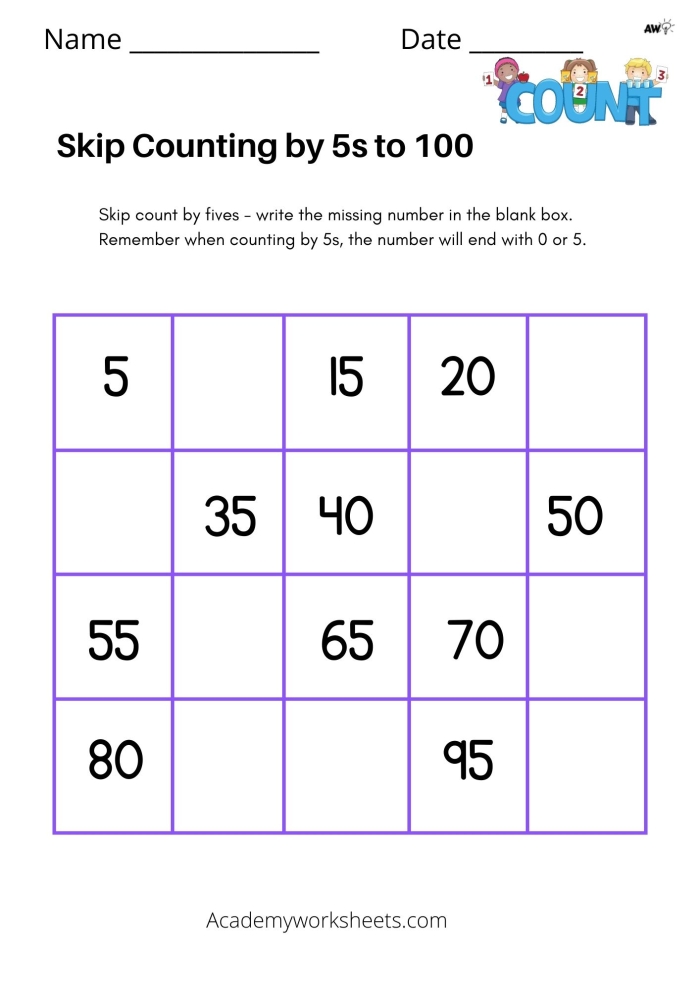
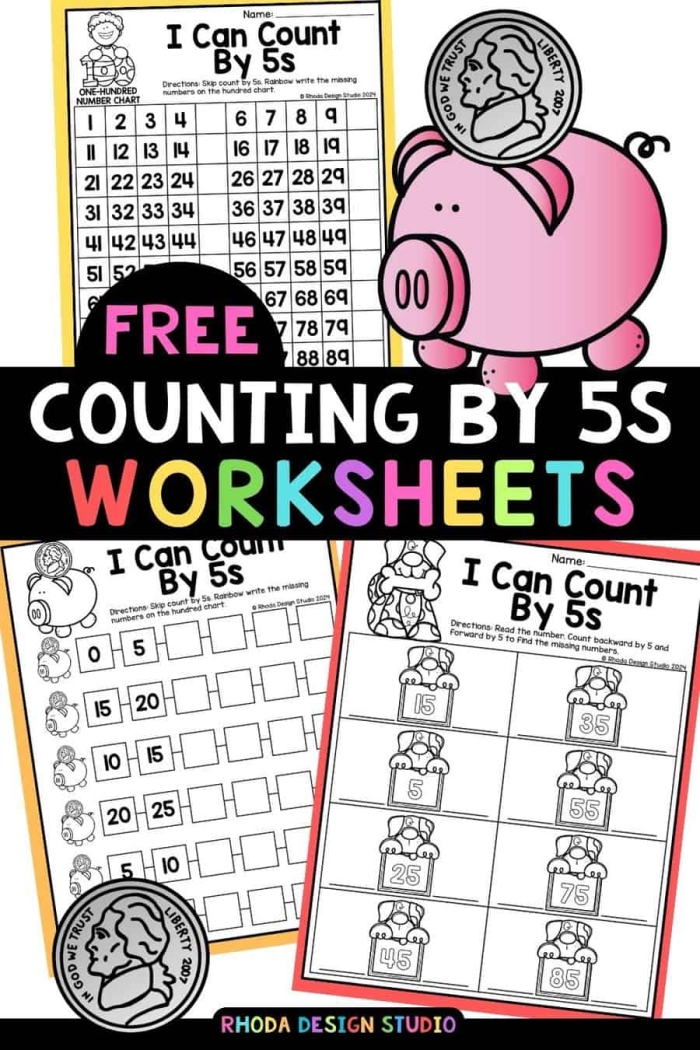
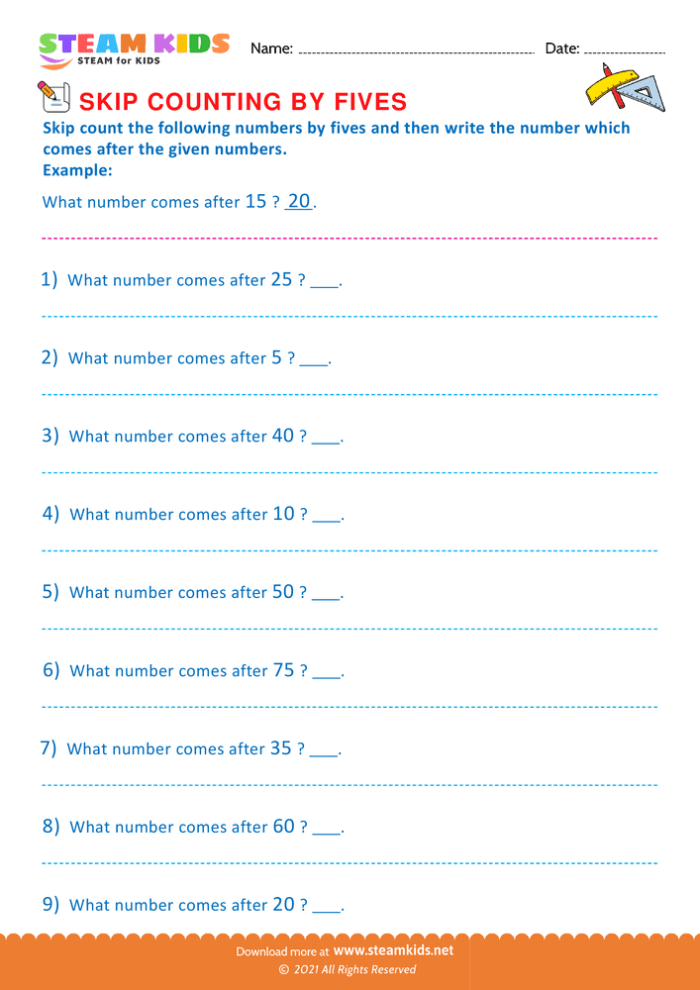
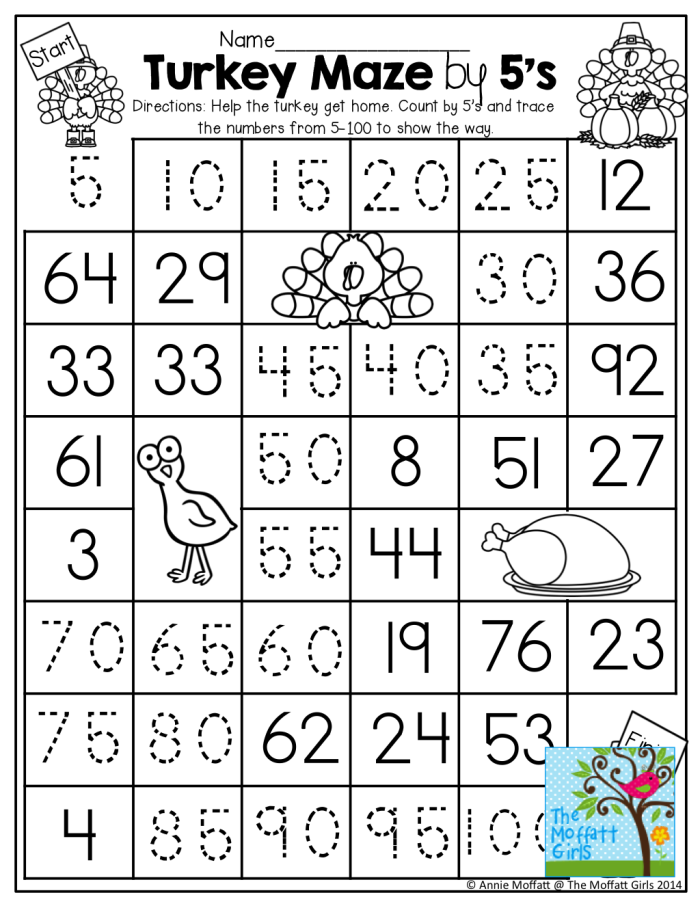
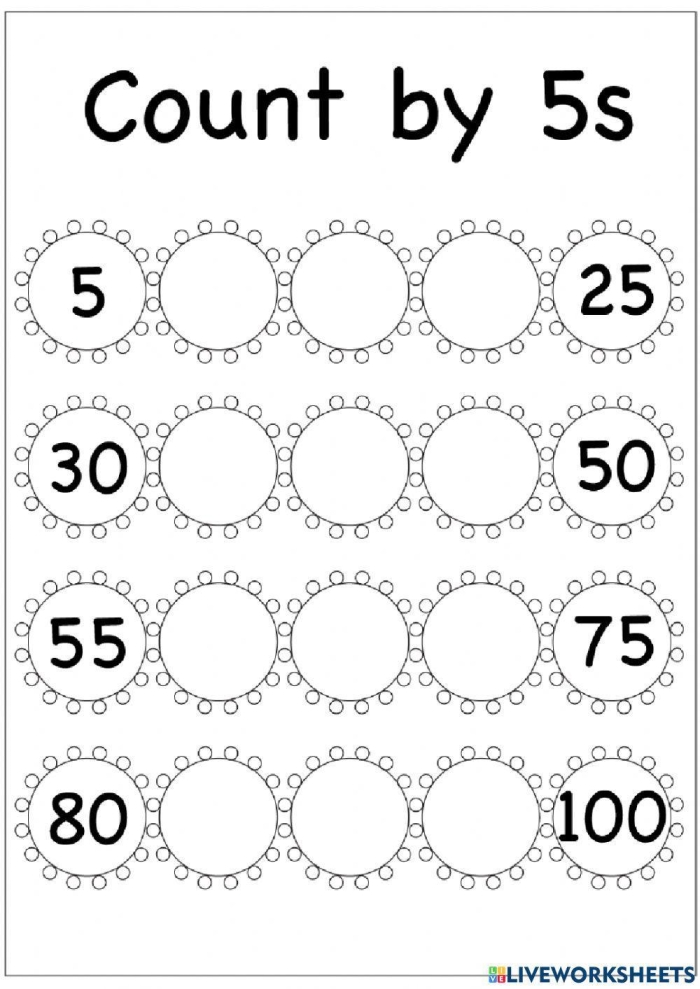
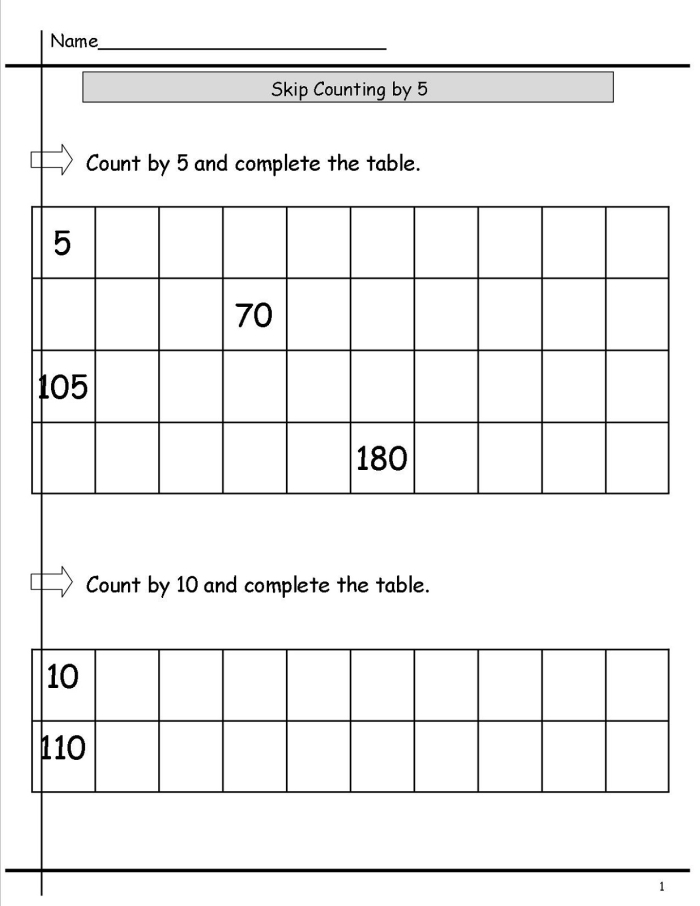
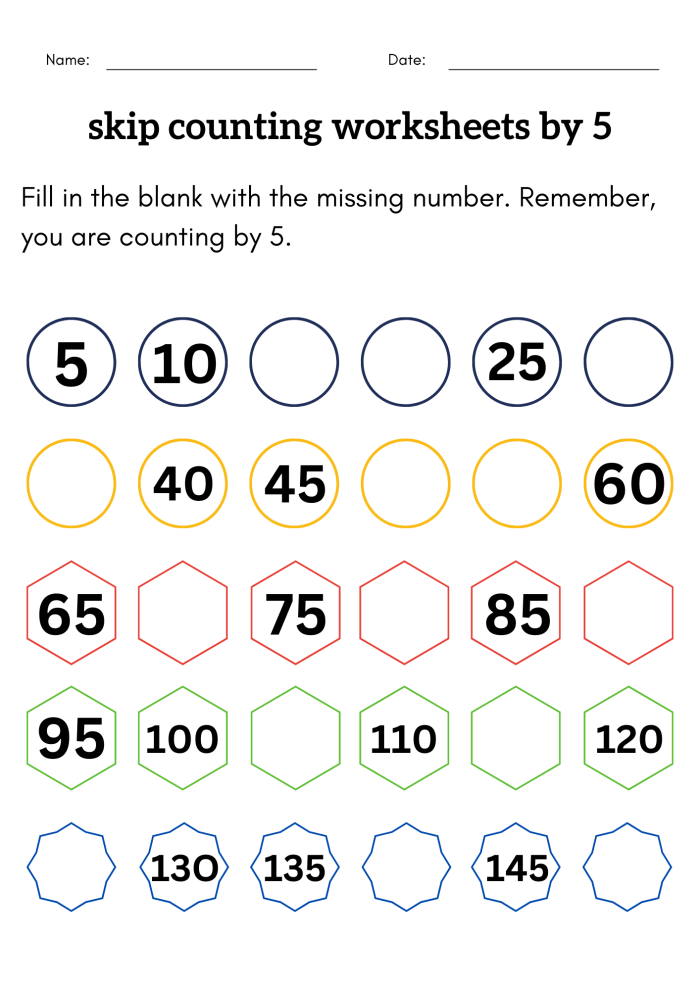
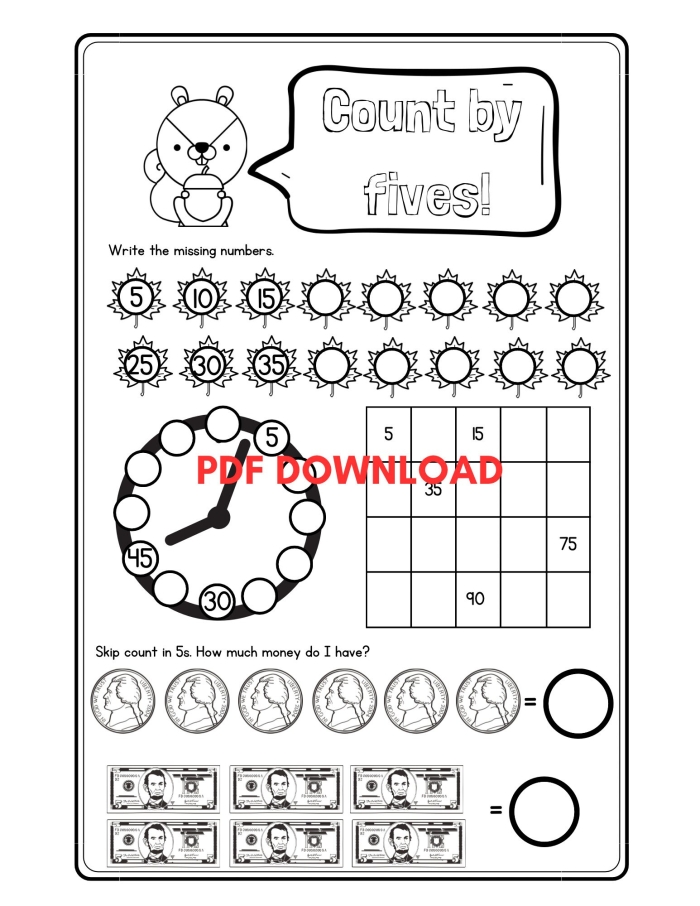
On a typical count by fives worksheet, students fill in missing numbers or trace through the complete sequence. The visual layout helps them see the pattern clearly. Each interval represents the same amount, which reinforces the concept that addition is about combining equal groups. When a child recognizes that 5 + 5 = 10 and 10 + 5 = 15, they’re actively demonstrating their understanding of addition without necessarily doing traditional addition problems.
This approach works particularly well in measurement contexts. First grade measurement activities often involve skip counting because it connects directly to real-world applications. Students might count by fives when measuring objects in inches or tracking time on a clock. The connection between skip counting and practical measurement makes the abstract concept feel concrete and purposeful.
Teachers often pair skip counting practice with other first grade math skills. Students working on comparing numbers using greater than and less than can also practice identifying which multiples of five are larger. Similarly, worksheets focusing on measuring in inches naturally incorporate skip counting as children work with rulers.
The beauty of this method is that it makes children active participants in their learning. Rather than passively receiving information, they discover patterns themselves. By the time students finish counting to 100 by fives, they’ve internalized a pattern that becomes automatic. This automaticity frees up mental energy for more complex math concepts down the road.
Boost Skills with These Worksheets