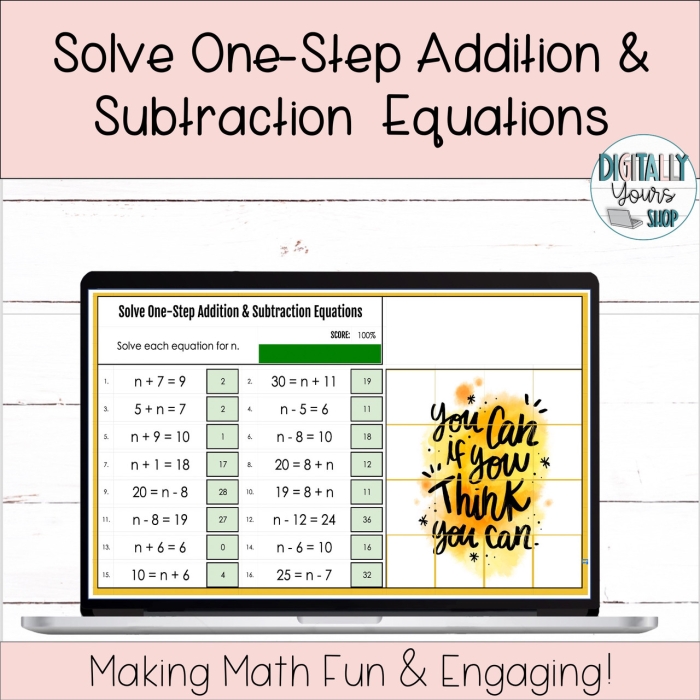
One-step equations form the foundation of algebra, and mastering inverse operations is the key to solving them quickly and confidently. When sixth graders first encounter these equations, they’re learning a skill that will follow them through advanced math courses for years to come.
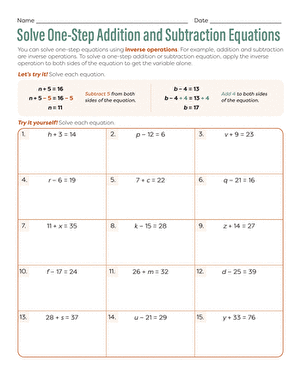
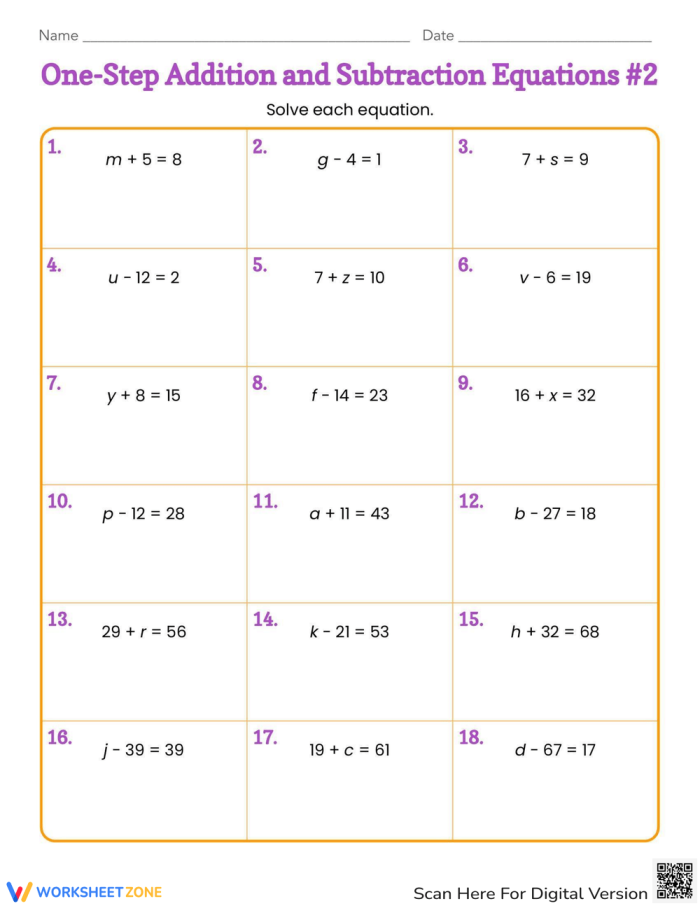
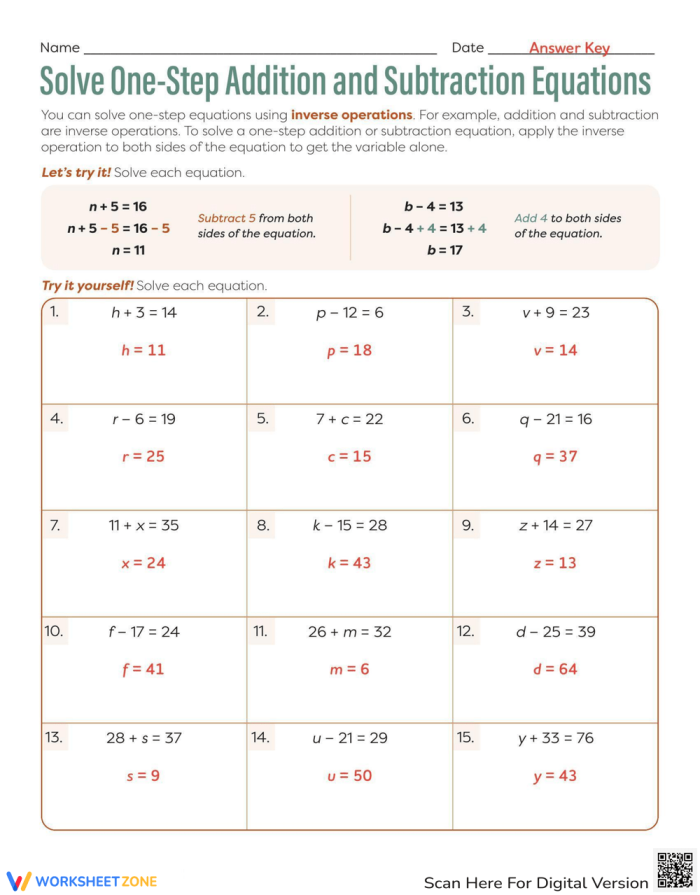
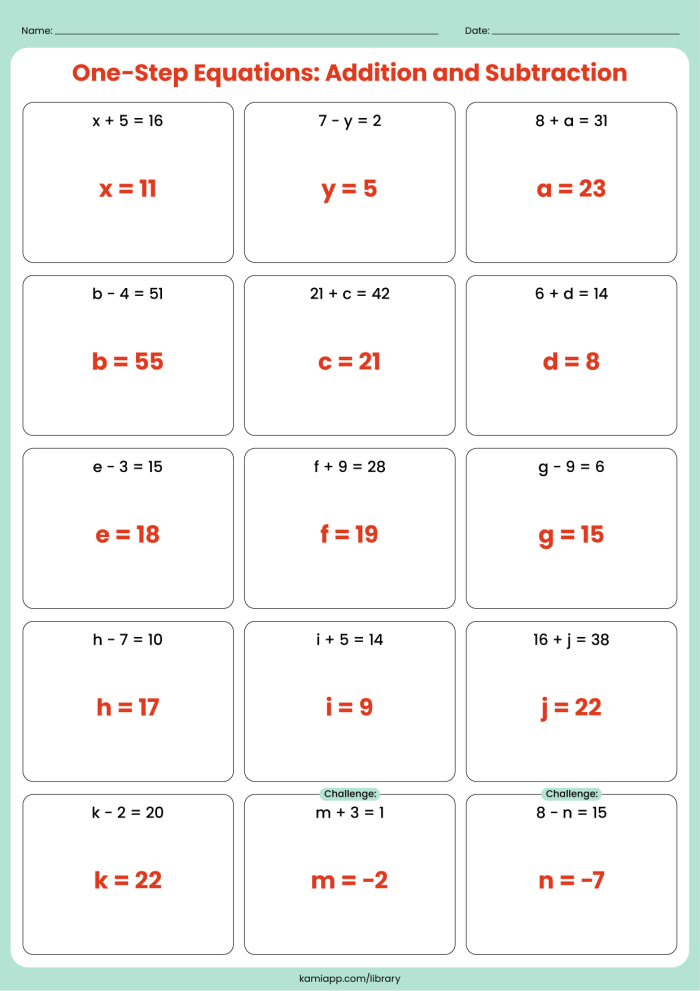
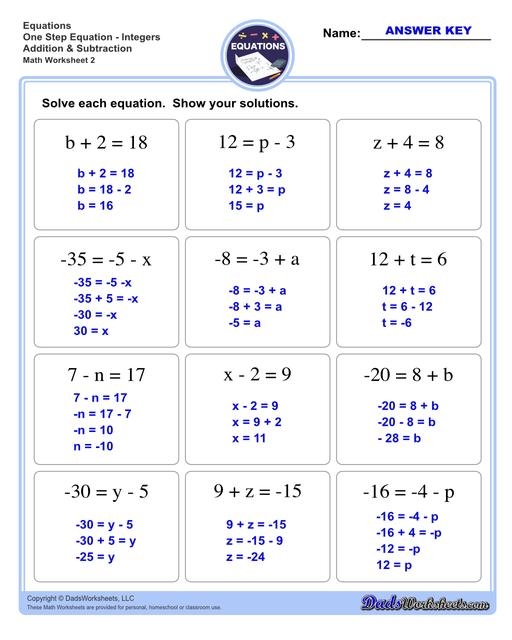
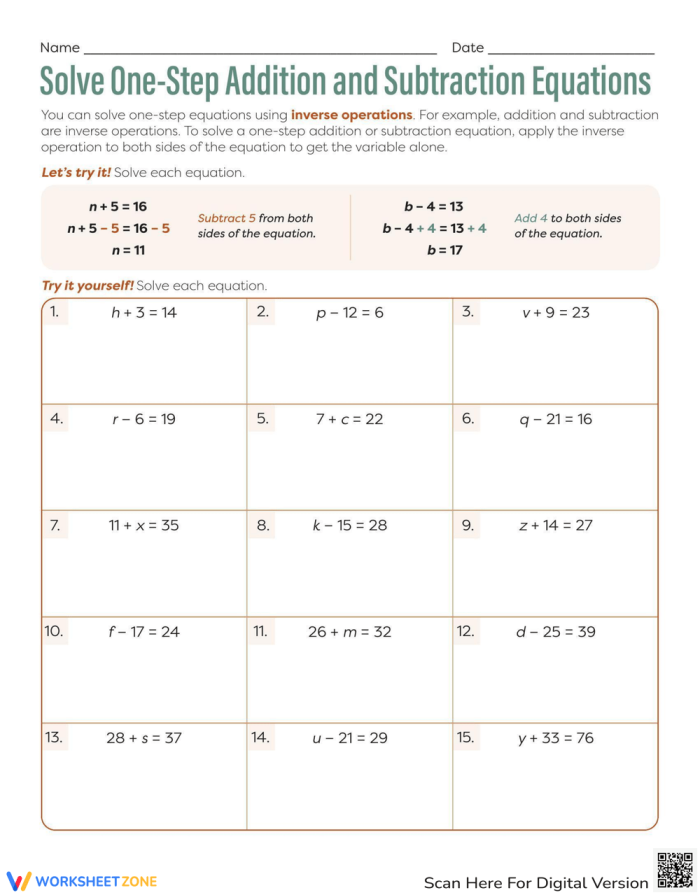
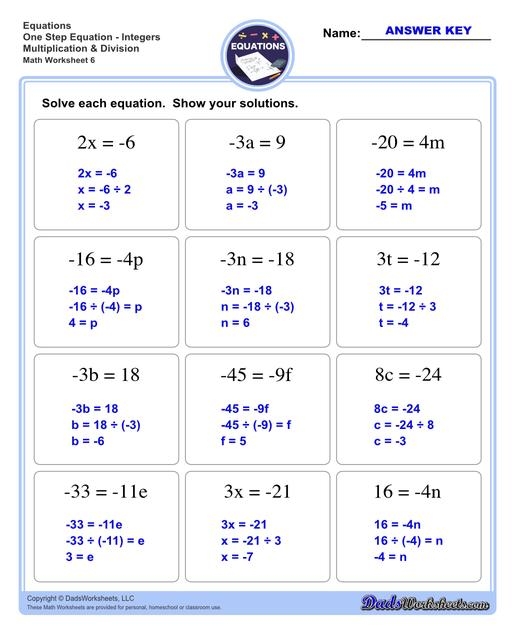
Inverse operations are simply operations that undo each other. Addition and subtraction are inverses, as are multiplication and division. The strategy is straightforward: if a number is being added to your variable, you subtract it from both sides of the equation. If a number is being subtracted, you add it to both sides. This keeps the equation balanced while isolating the variable to find your answer.
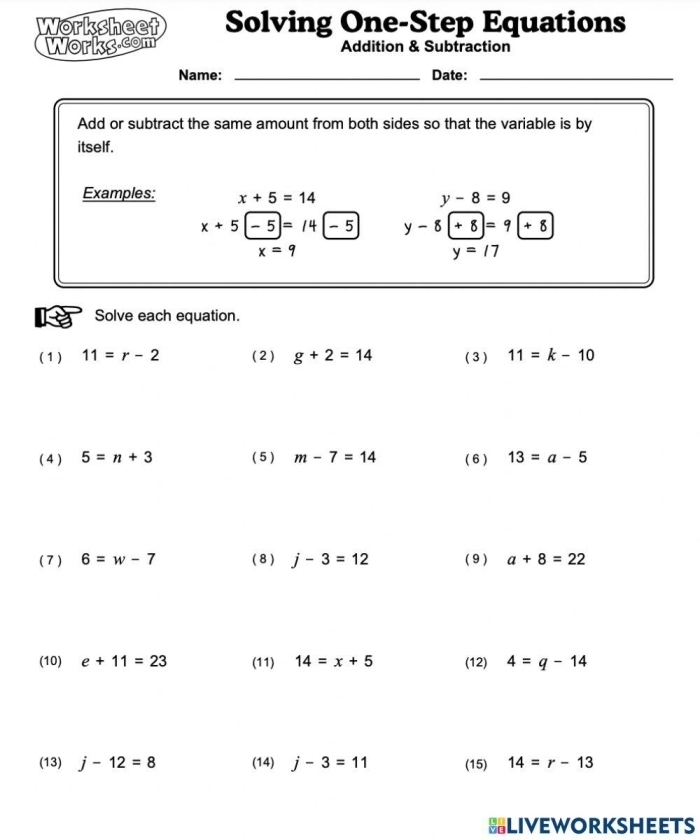
Consider a simple example: x + 5 = 12. Since 5 is being added to x, you subtract 5 from both sides, leaving x = 7. The same logic applies to subtraction equations like x – 3 = 8, where you add 3 to both sides to get x = 11. These problems build automaticity and help students develop number sense alongside procedural fluency.
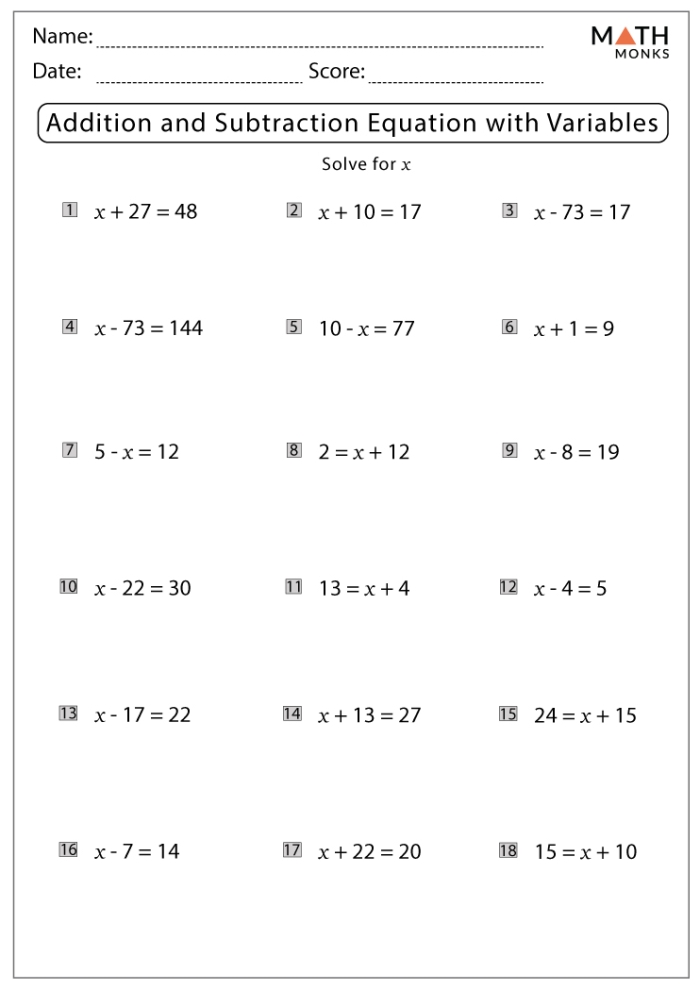
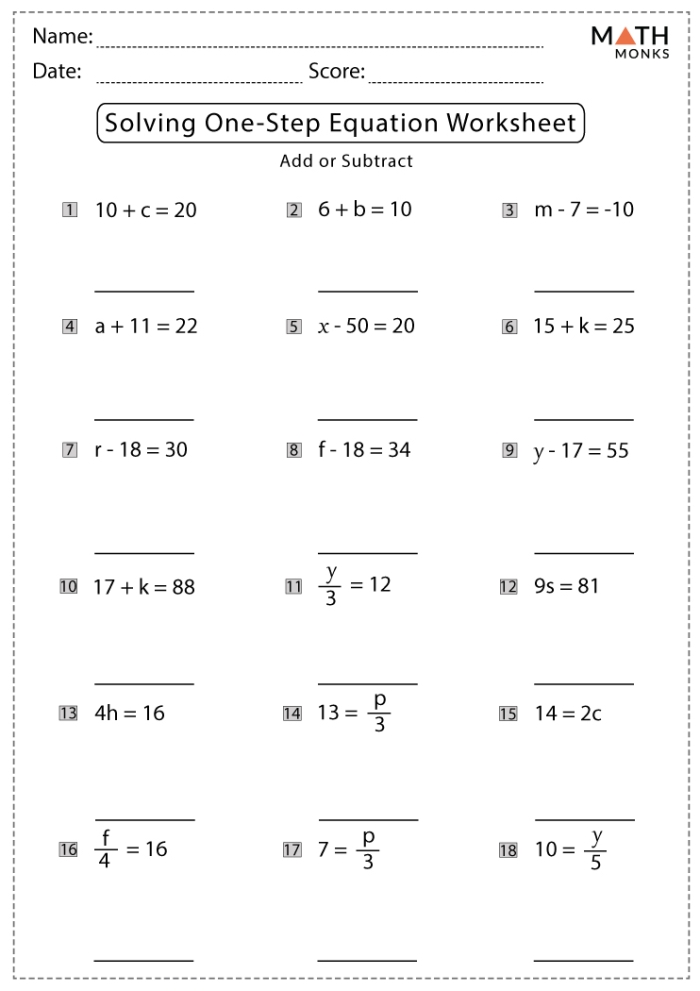
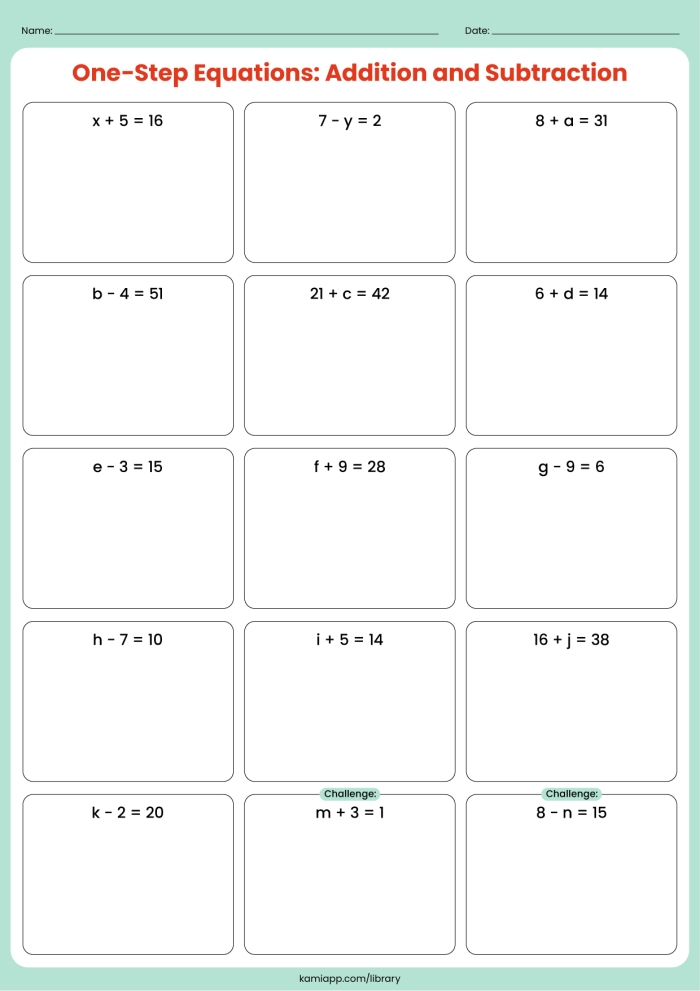
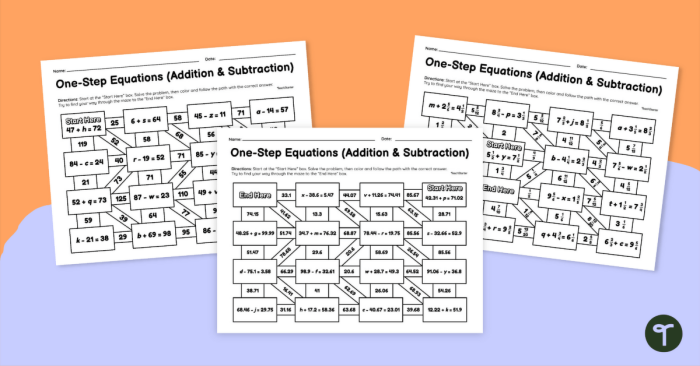
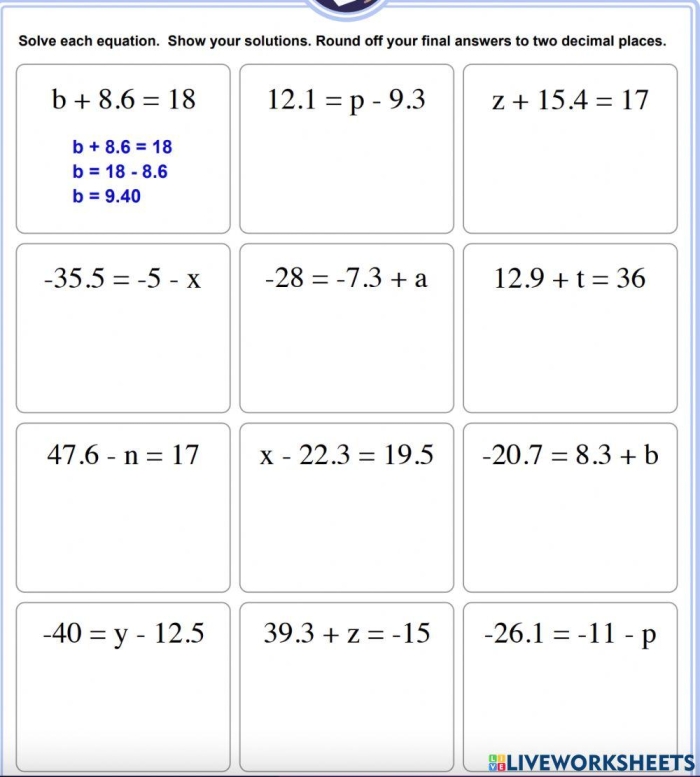
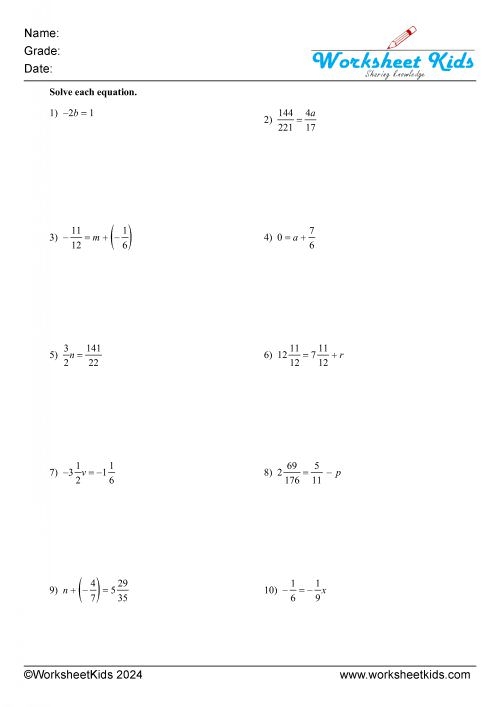
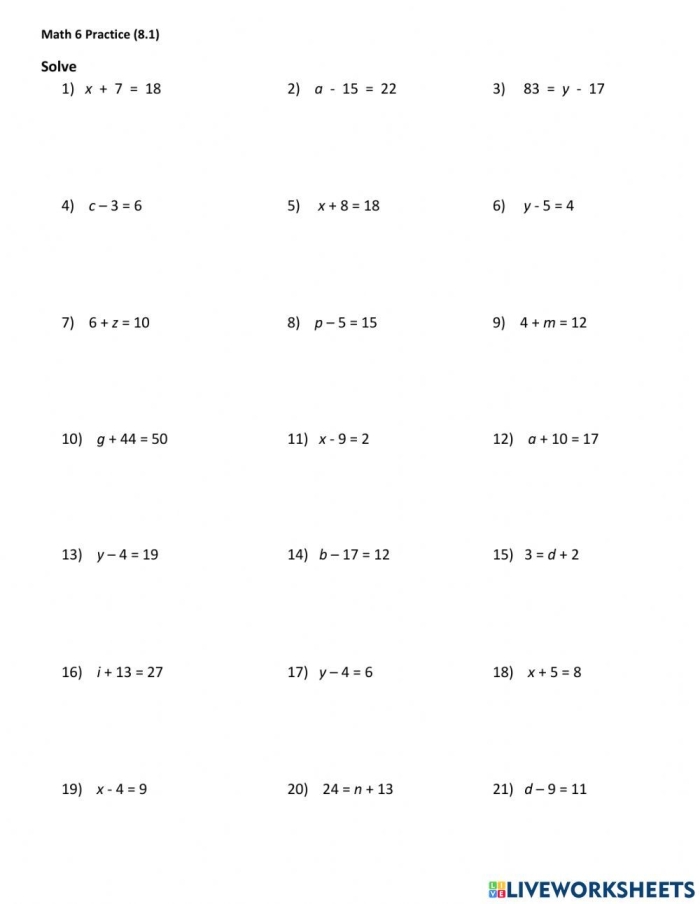
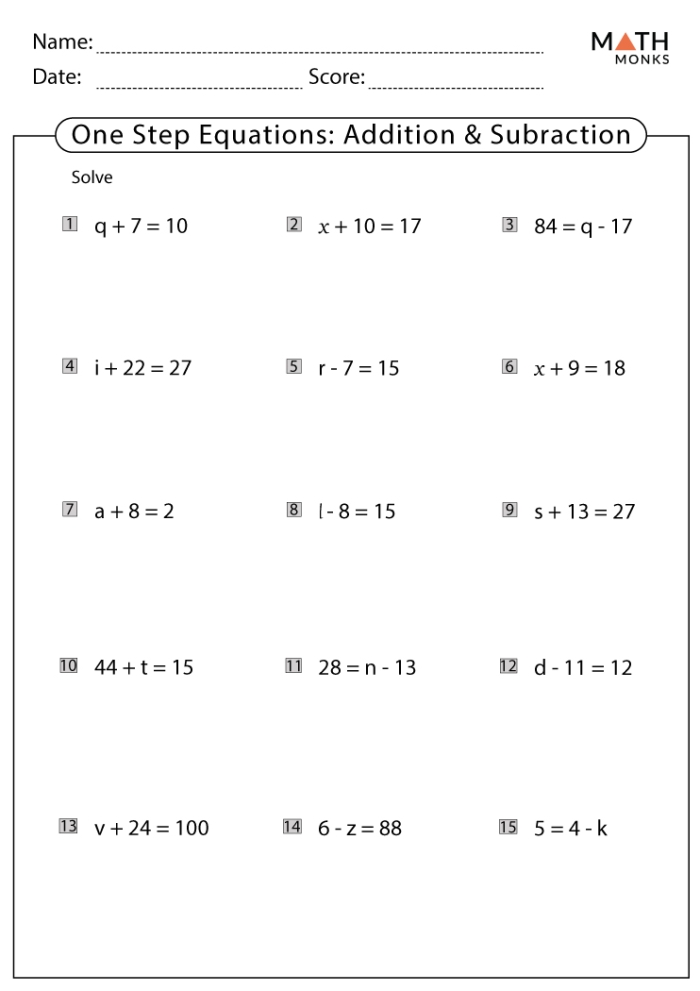
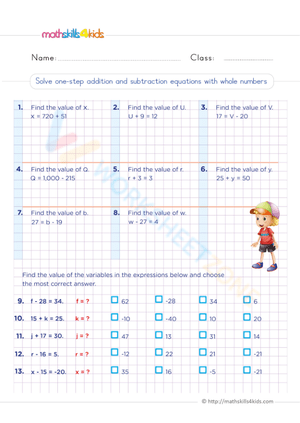
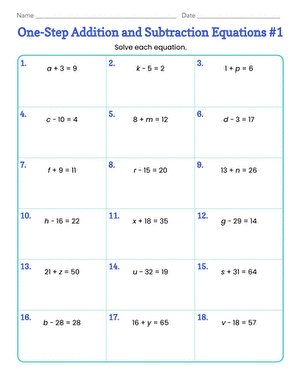
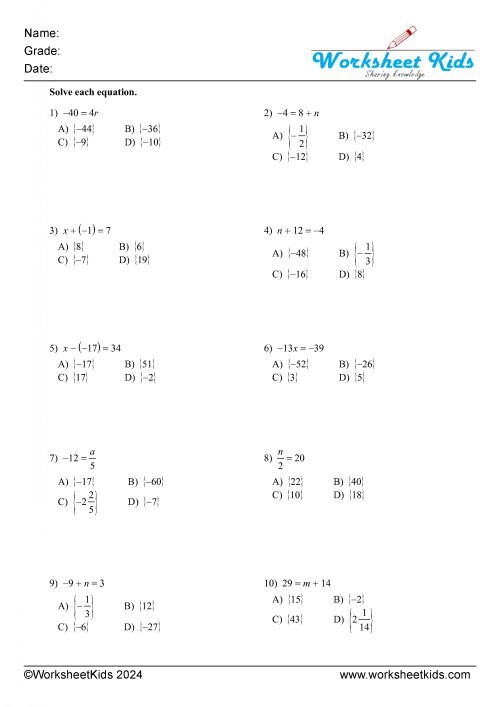
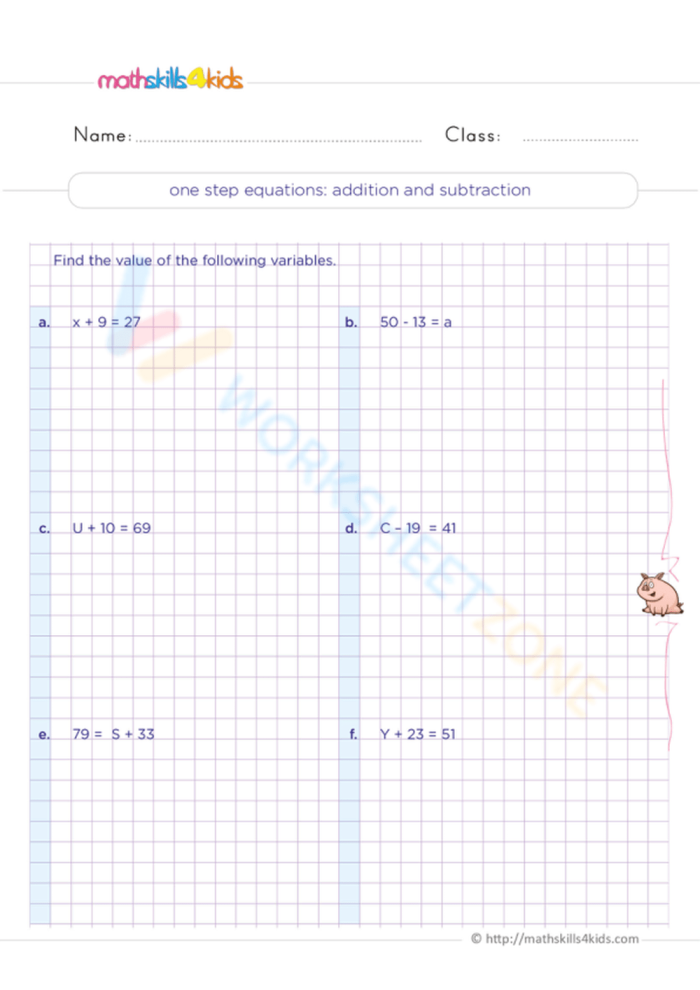
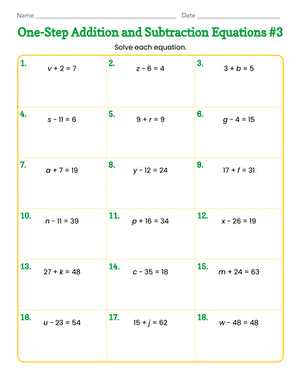
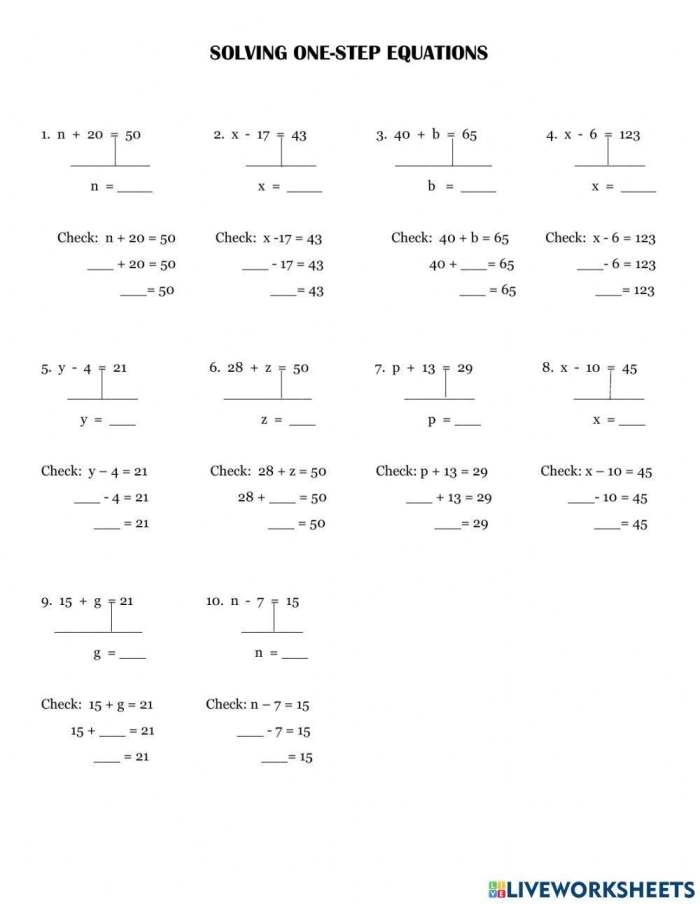
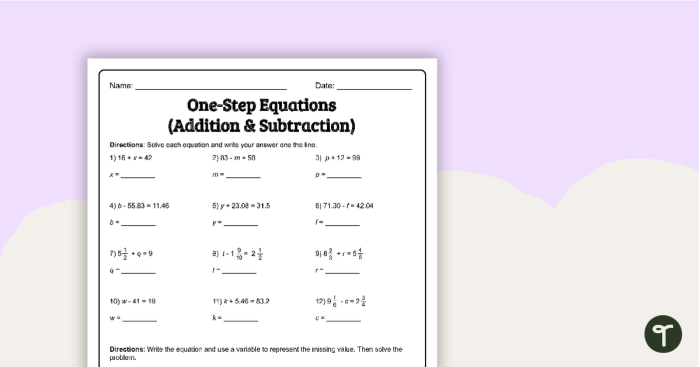
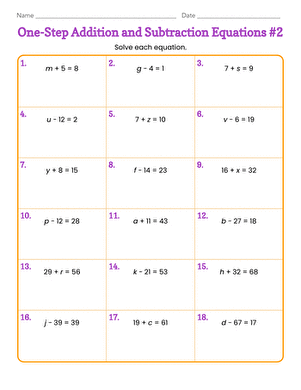
Sixth-grade mixed operations worksheets provide repeated practice that makes these concepts stick. Working through multiple problems in one sitting helps students recognize patterns and build confidence before moving to more complex equations with multiplication and division.
For students looking to strengthen their algebraic thinking, practicing with one-step equations creates a strong foundation. These worksheets complement other sixth-grade learning as well. Students working on graphic organizers for informational writing can apply their math skills to explain their problem-solving process, while those studying evidence of plate tectonics use equations to calculate distances and measurements in science contexts.
The beauty of inverse operations is their reliability. Once students understand the concept, they can apply it to any one-step equation they encounter, building mathematical independence and problem-solving confidence.
Worksheet Practice Section