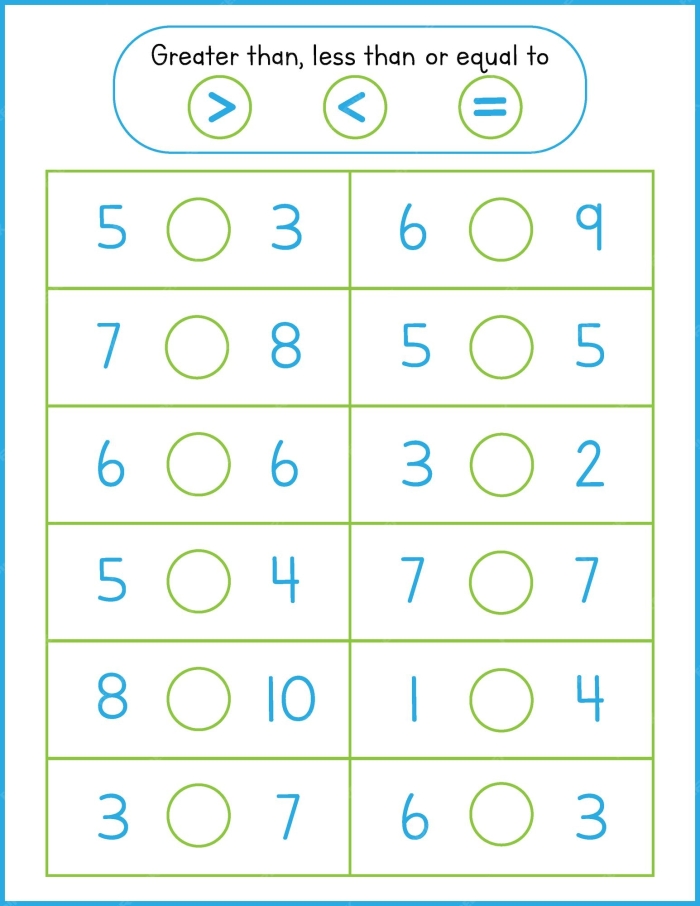
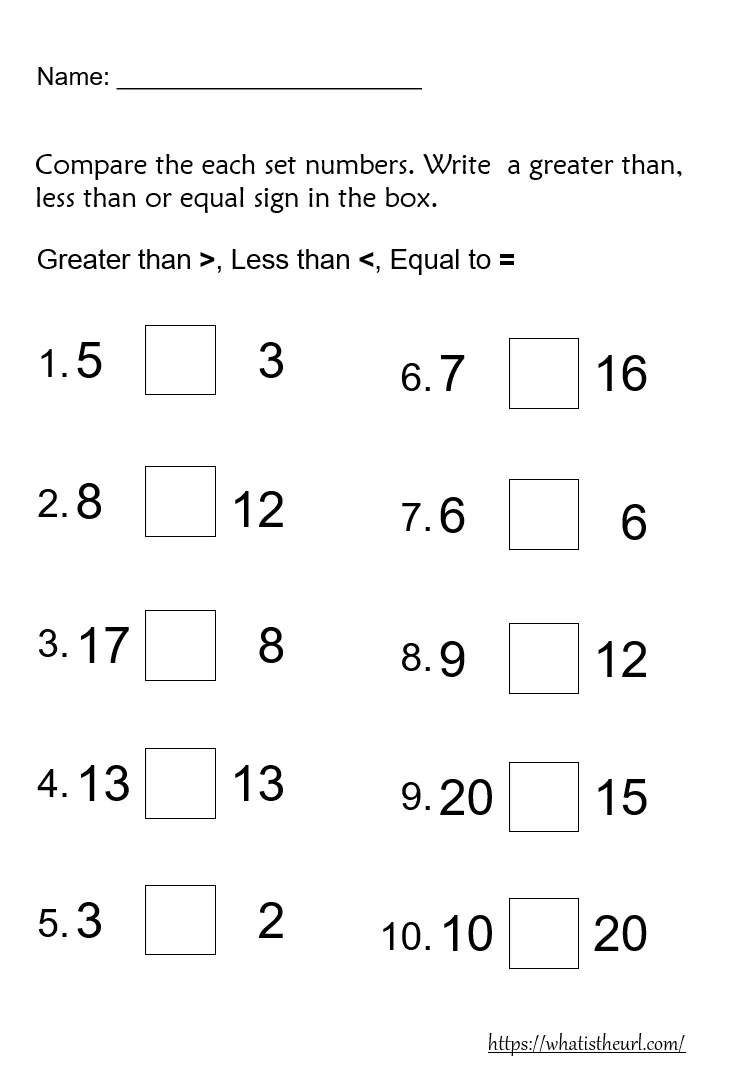
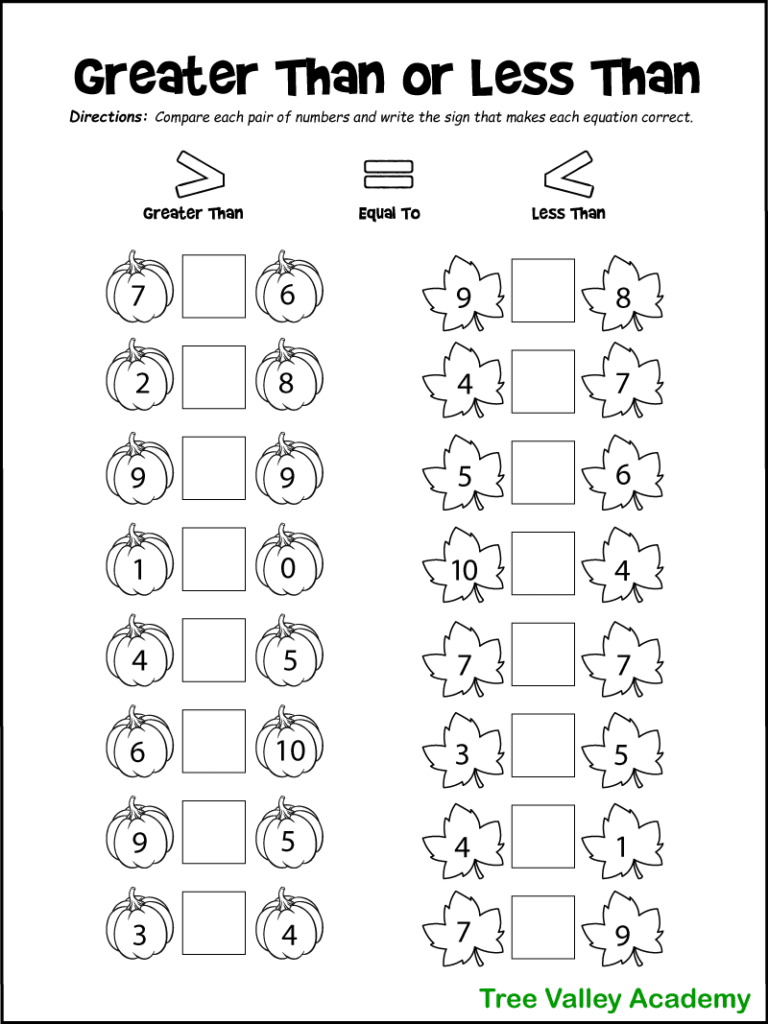
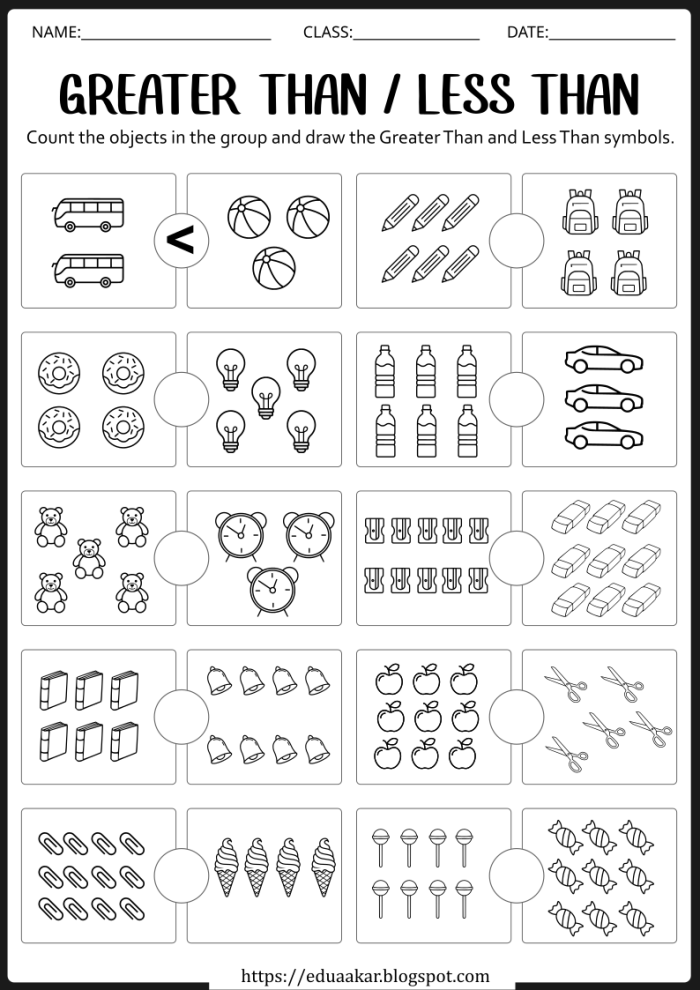
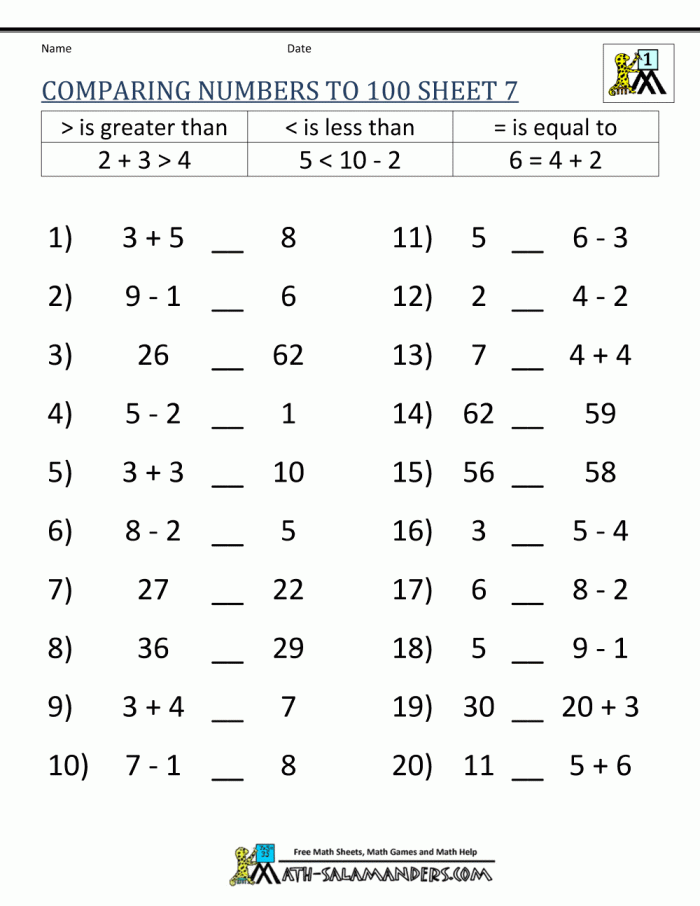
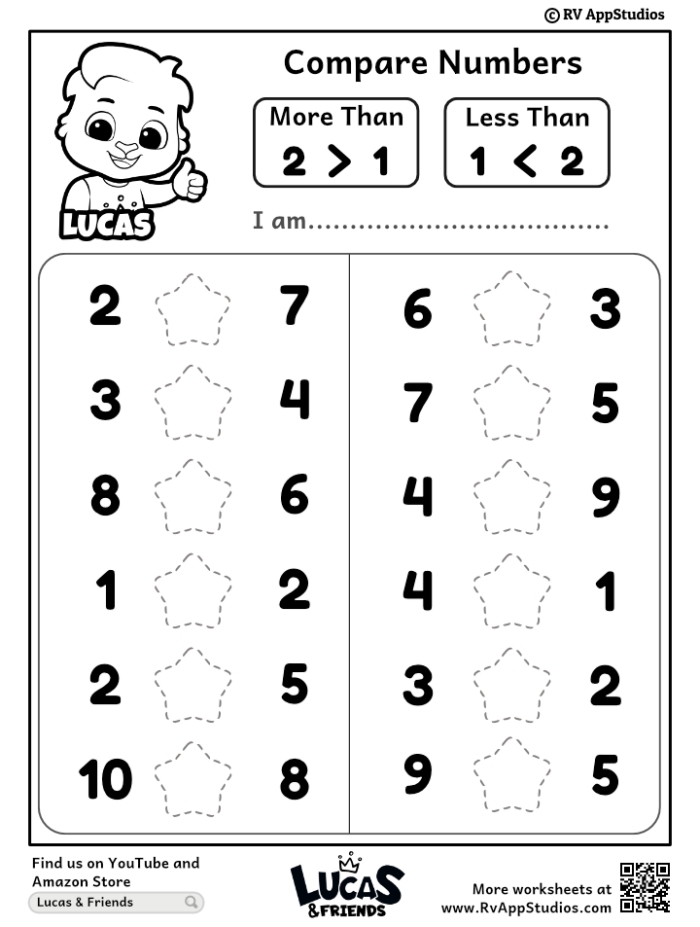
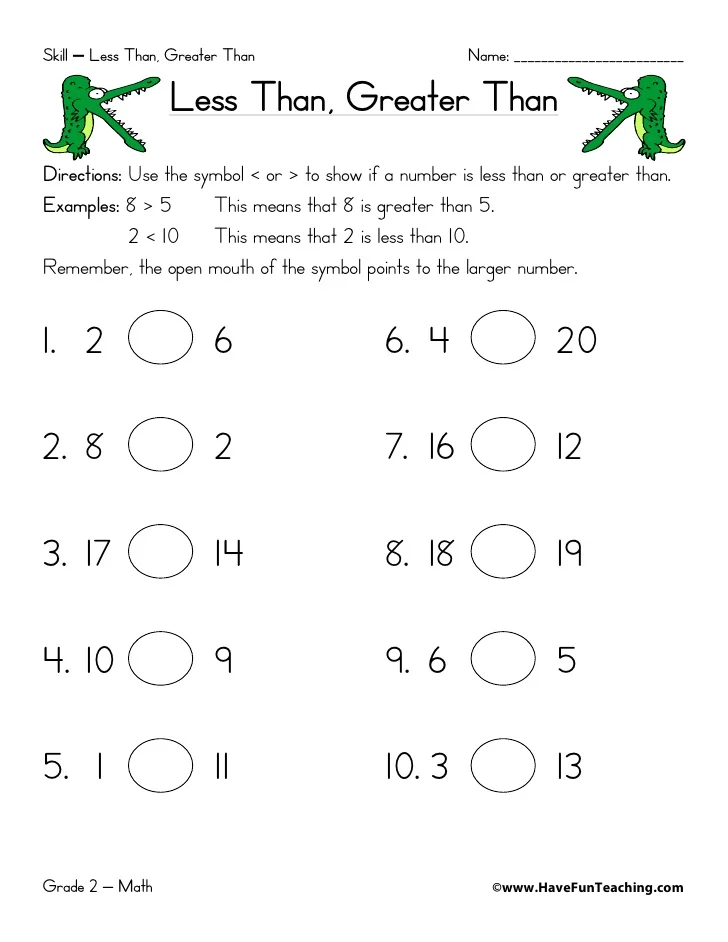
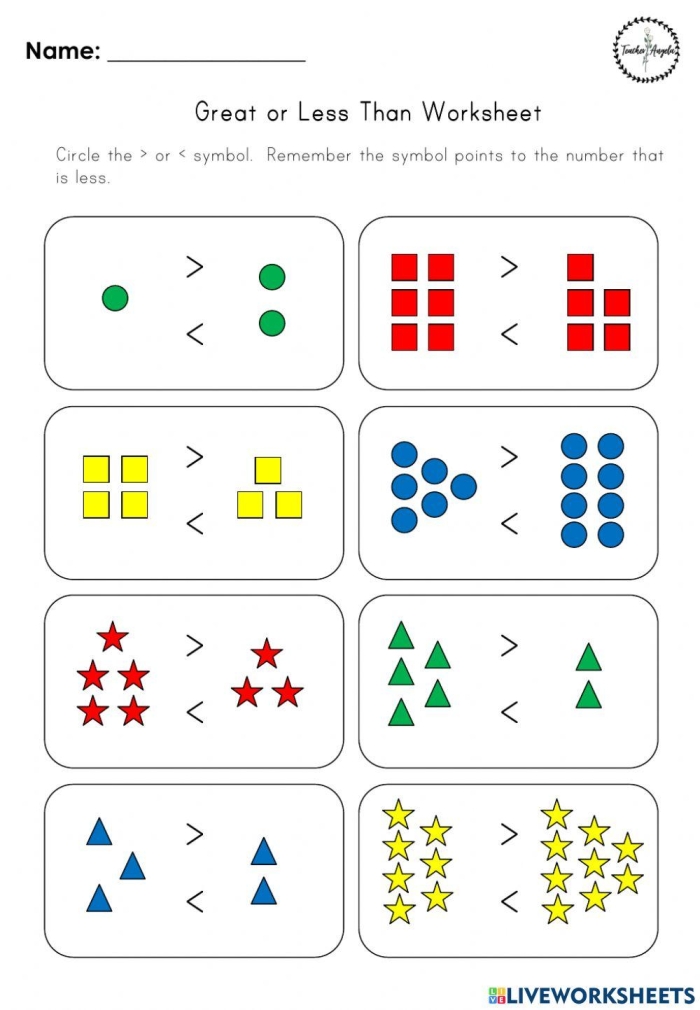
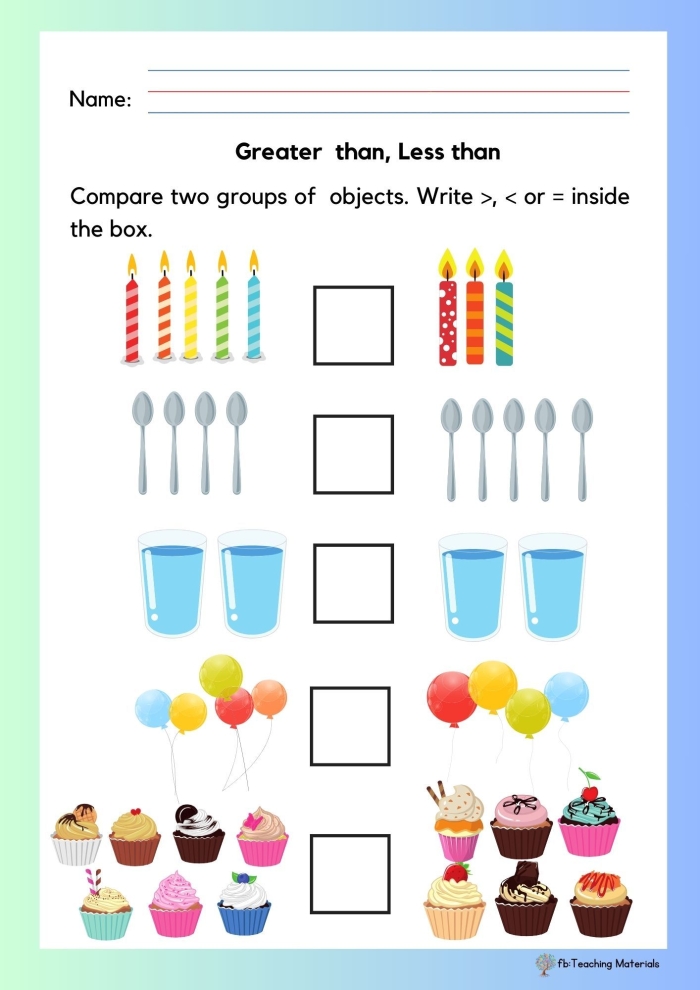
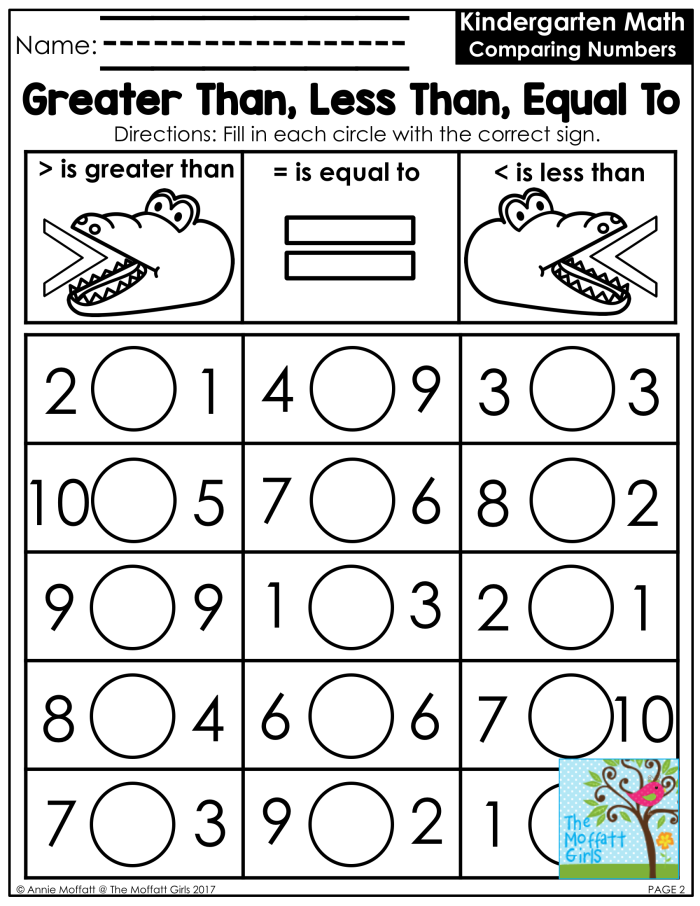
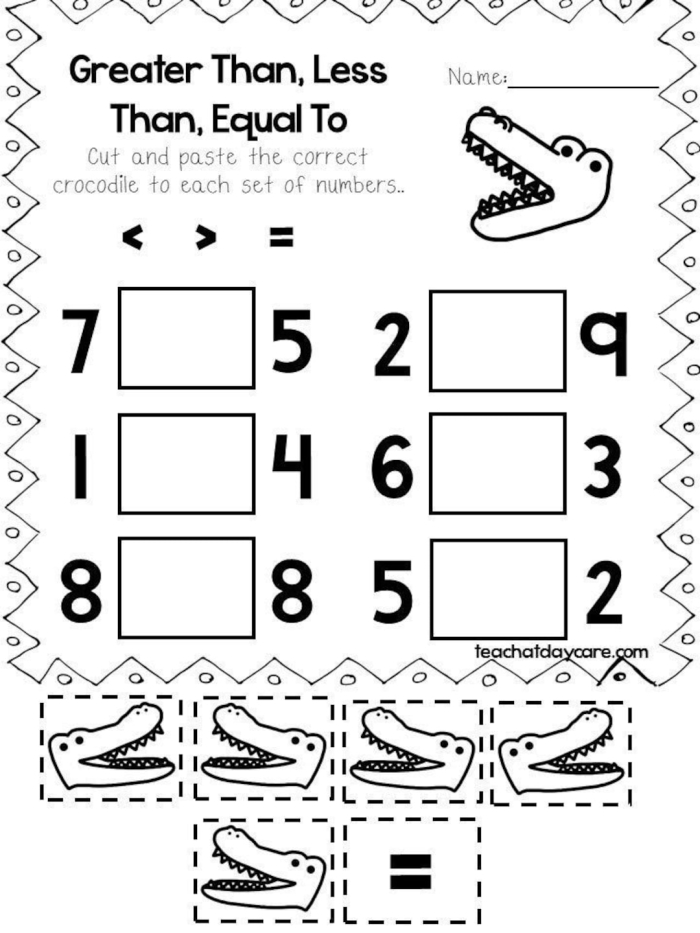
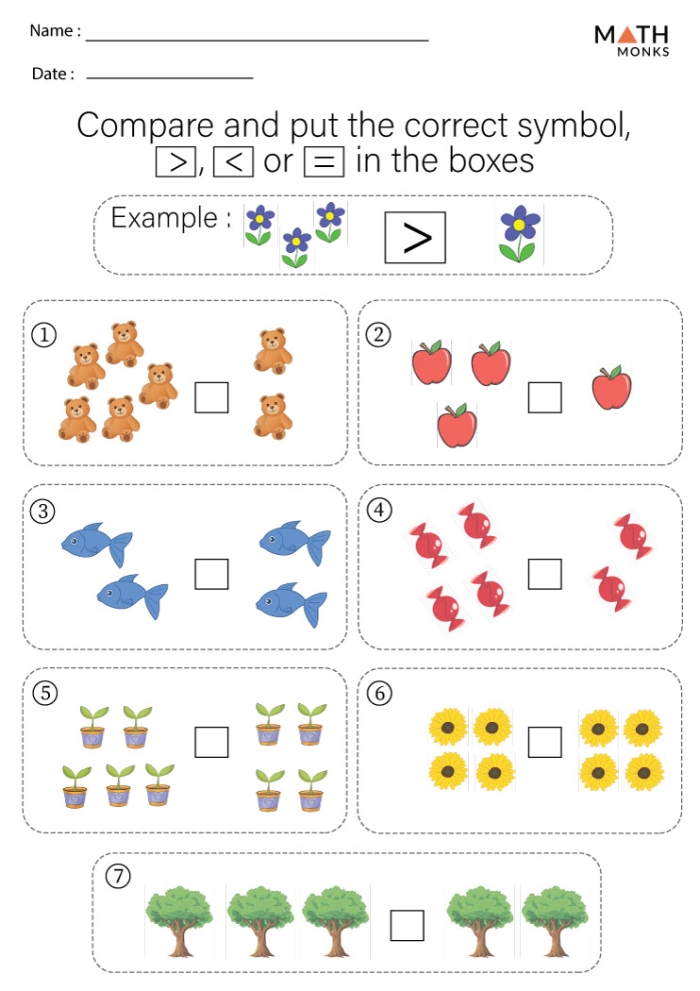
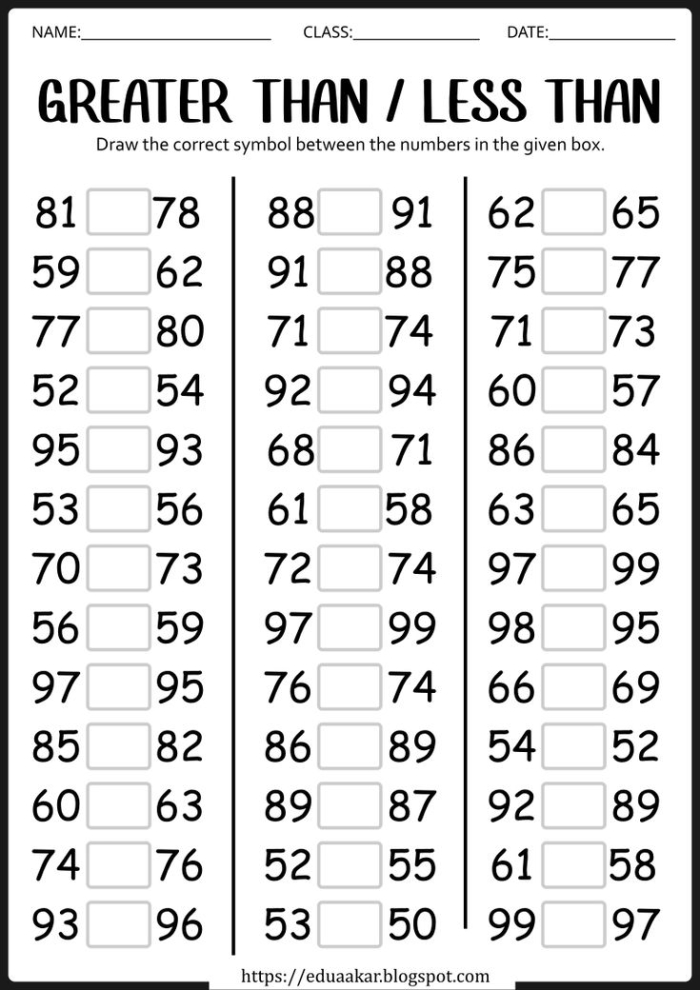
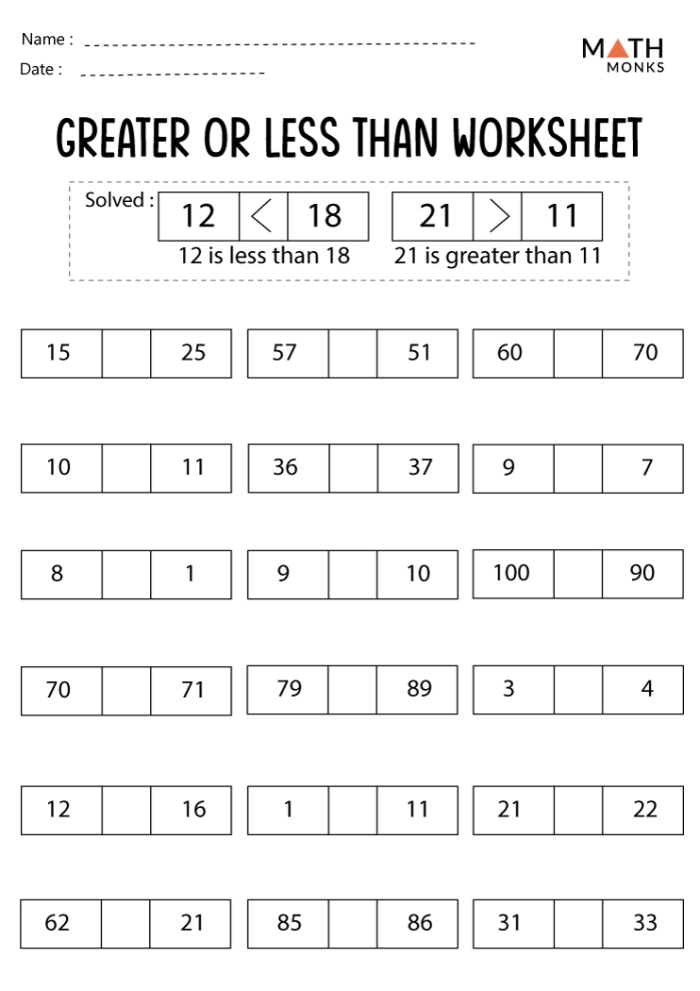
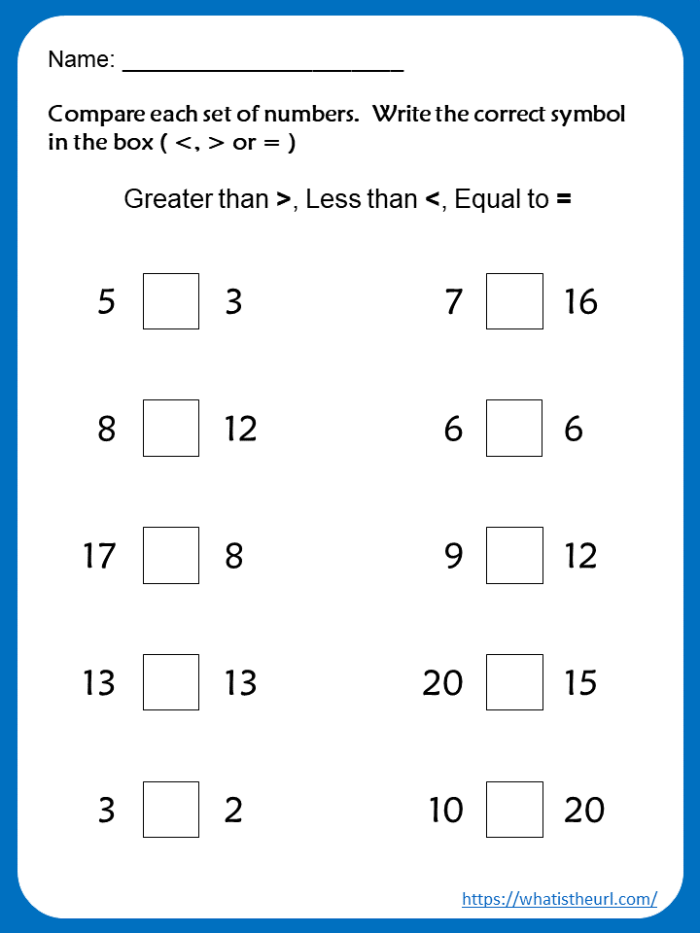
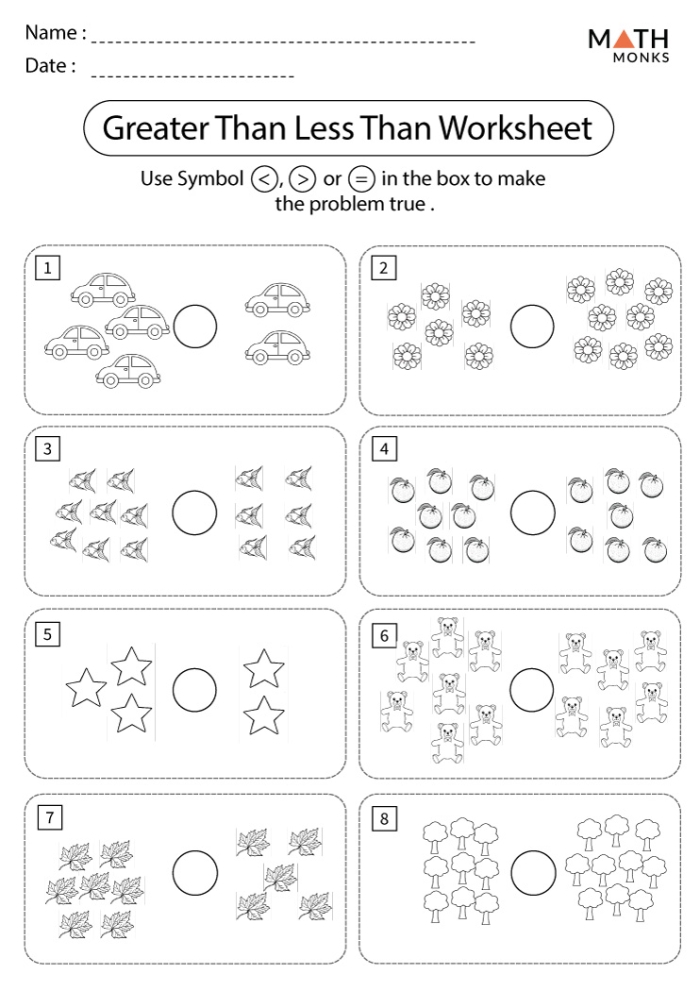
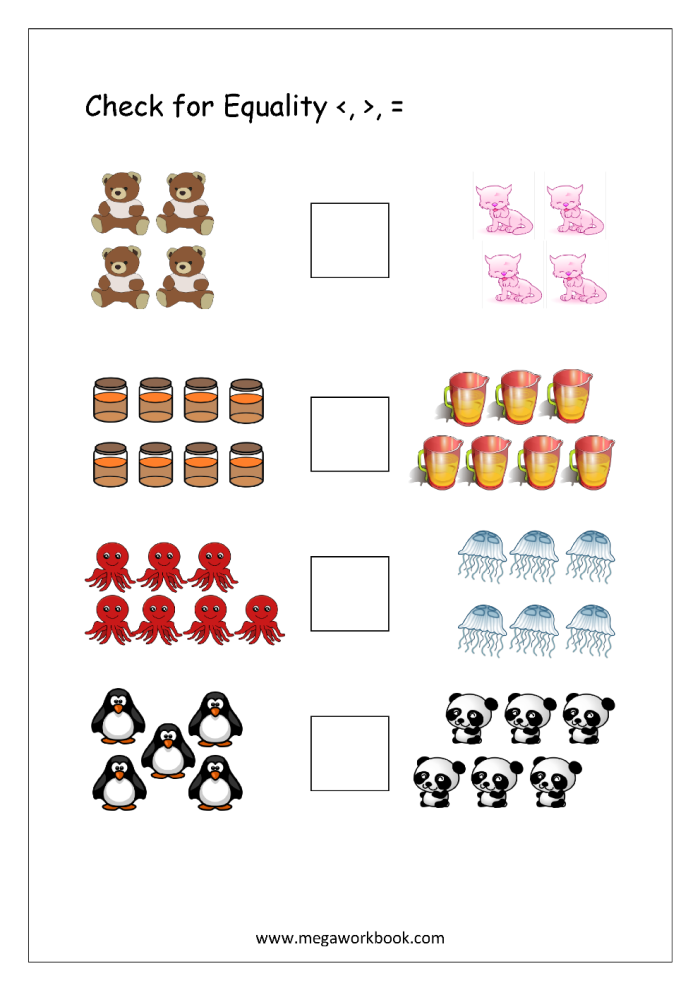
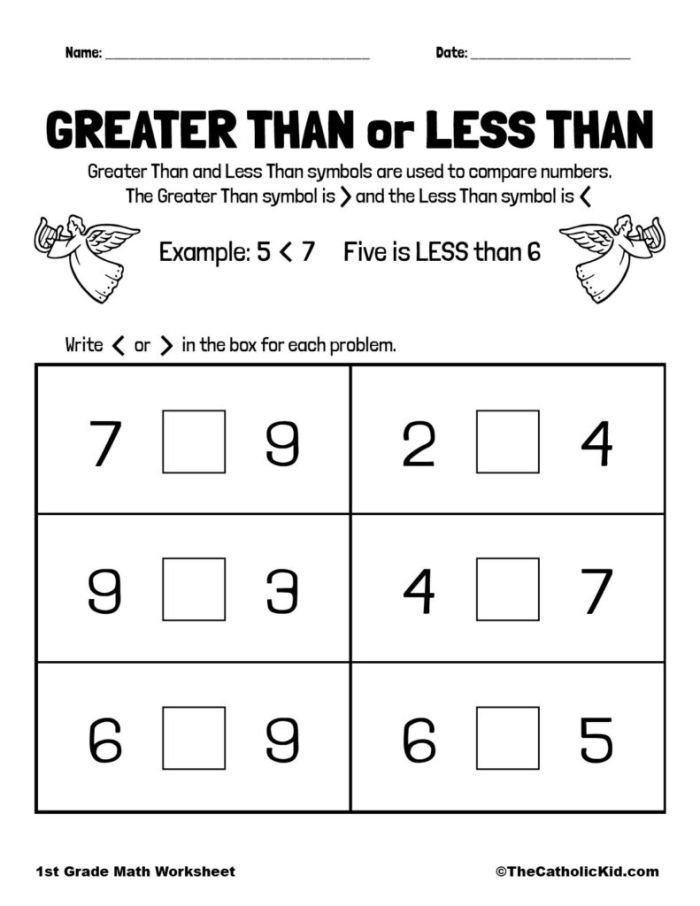
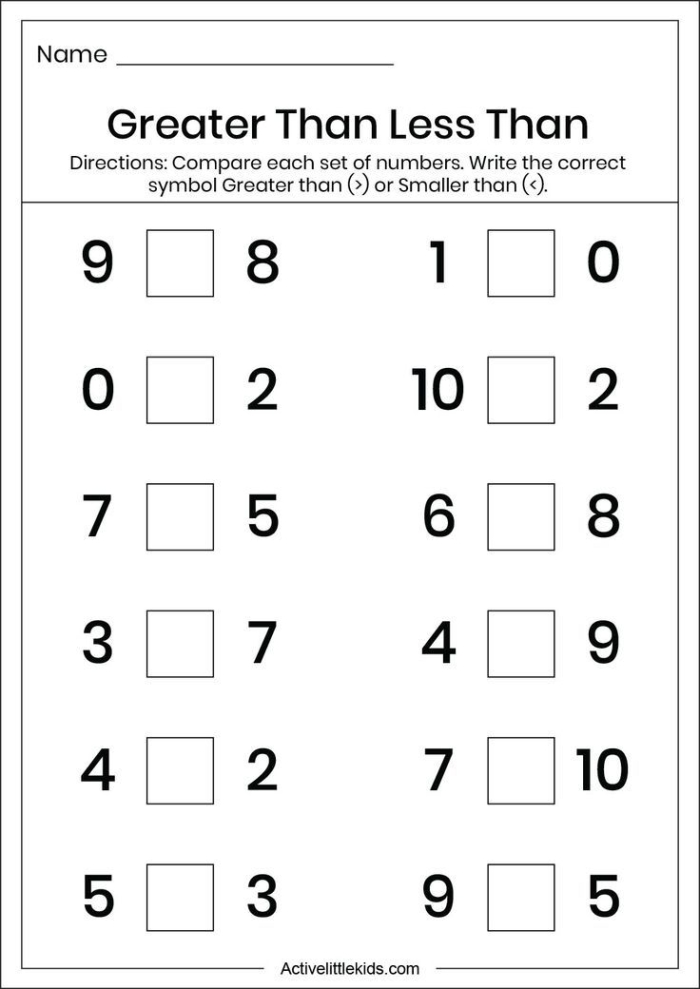
Engaging children in foundational math skills can be both fun and rewarding. One effective way to achieve this is through worksheets that focus on counting, comparing numbers, and using less-than and greater-than symbols. These skills are essential for first graders as they build a strong mathematical foundation.
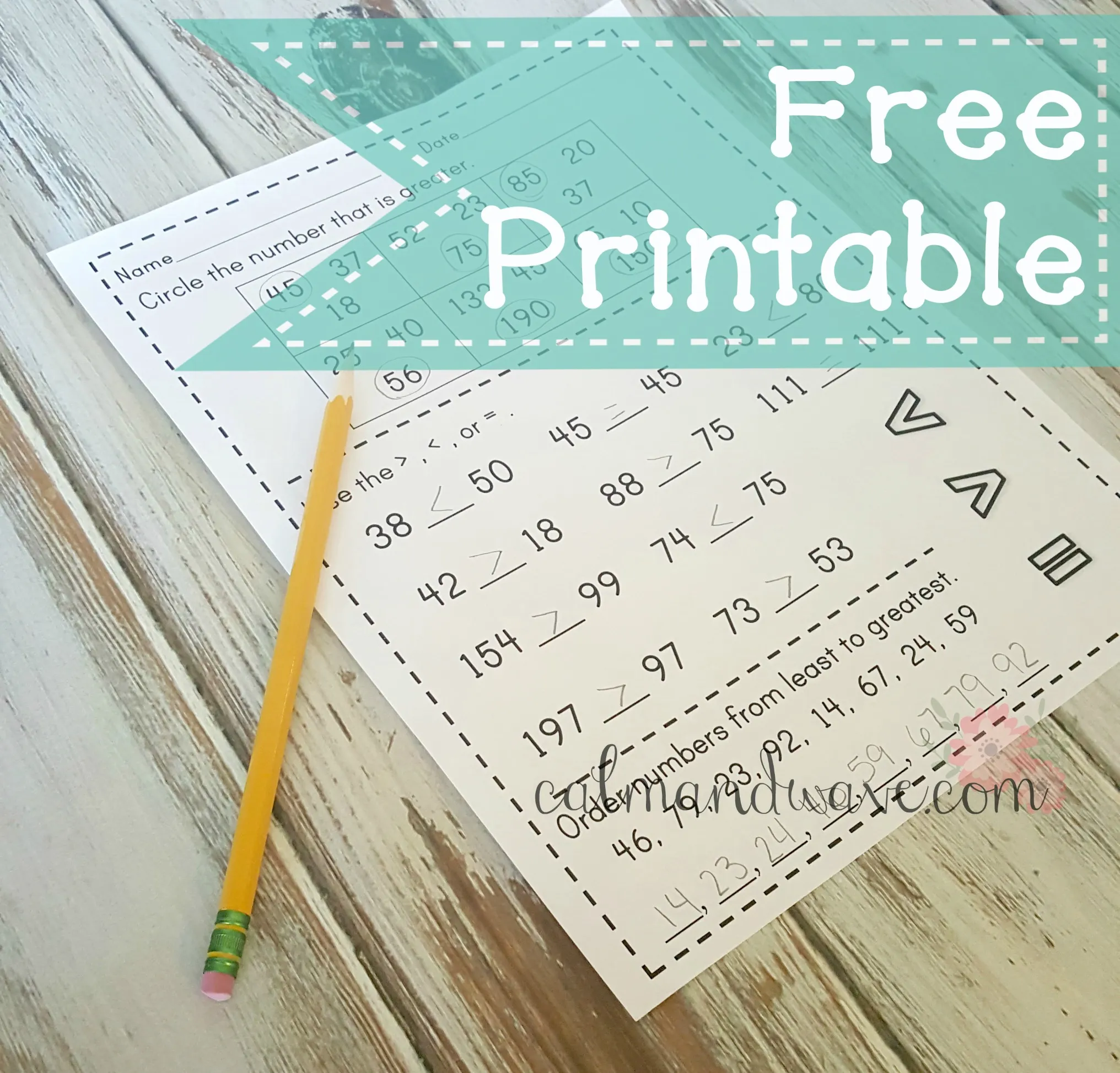
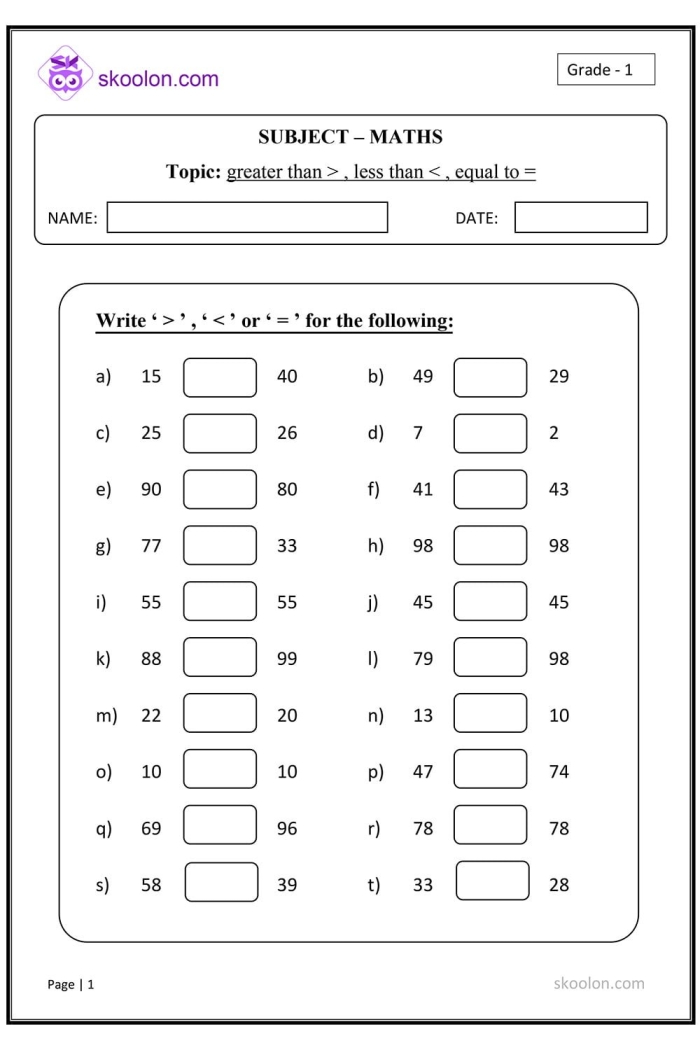
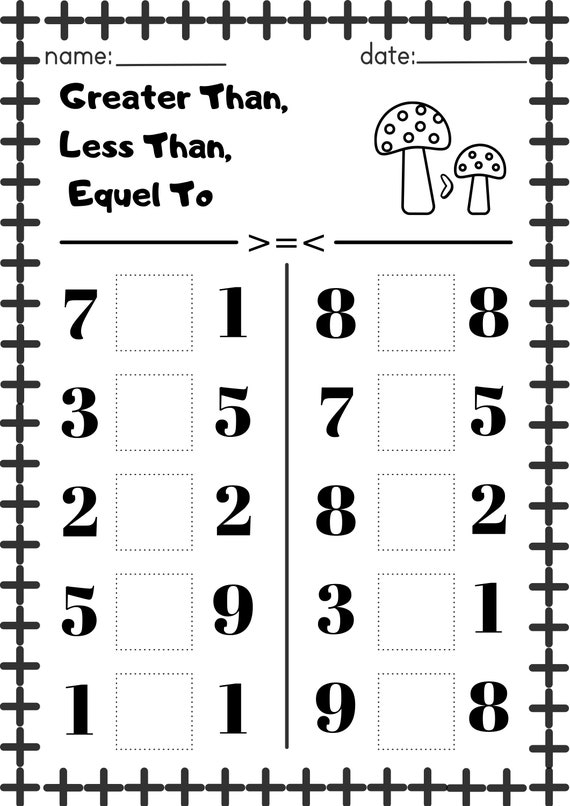
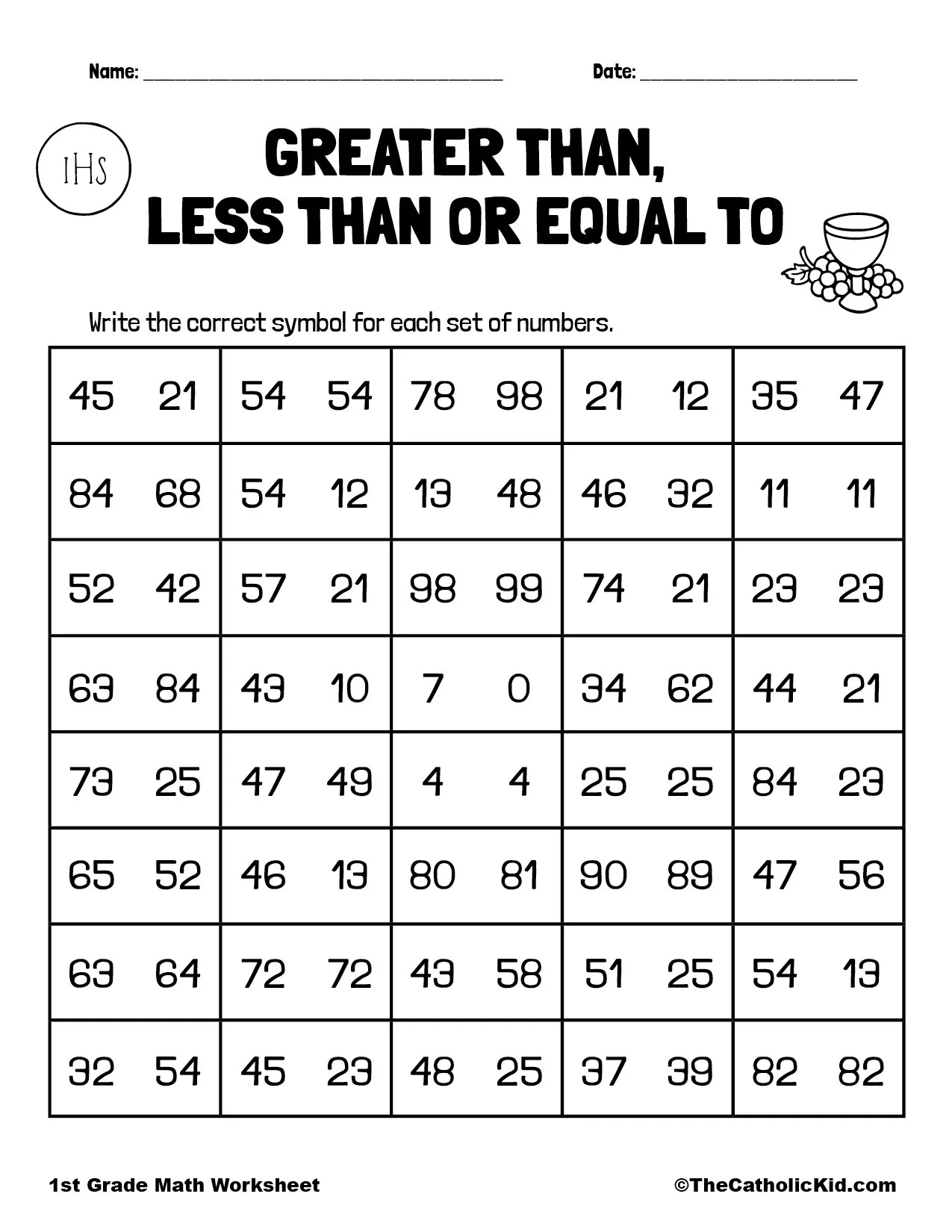
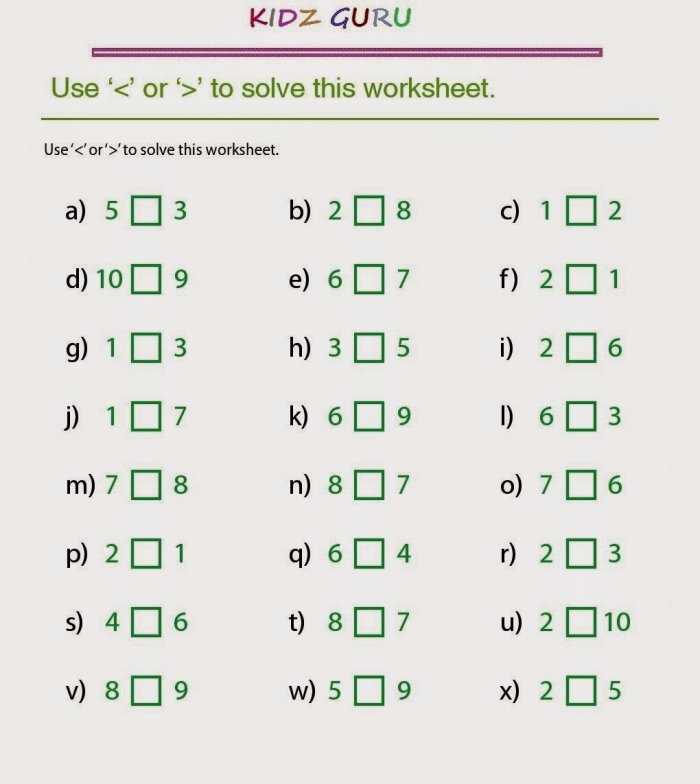
This particular worksheet is designed to help your child practice these concepts in an enjoyable manner. It provides a series of exercises that encourage kids to count various objects, compare the quantities, and identify which number is greater or less than the other. For example, a simple task might present two groups of apples—three apples on one side and five on the other. Your child will learn to recognize that five apples are more than three, reinforcing their understanding of number comparison.
Using symbols like “<" and ">” might seem abstract at first, but with consistent practice, children will become comfortable with these comparisons. Worksheets can make this learning process easier. They can visually see the numbers and symbols, making it more relatable. This hands-on approach enables them to grasp these concepts more effectively than through verbal explanations alone.
Moreover, incorporating activities that use real-life examples can deepen their understanding. For instance, you might have your child compare the number of toys they have with their siblings. This not only makes learning relevant but also creates opportunities for family interaction and discussion.
For parents looking to enhance their child’s math skills, using printable worksheets tailored for first graders can be incredibly beneficial. These worksheets can serve as a valuable resource for practicing comparison skills. Alongside these activities, exploring other subjects like measurement through worksheets on consonant blends or addition and subtraction can further enrich their learning experience.
In summary, worksheets that focus on counting and comparing numbers provide a structured way for children to master these concepts. By making math interactive and relatable, you can foster a positive learning environment that encourages curiosity and confidence in their skills.
Grab These Worksheets Now