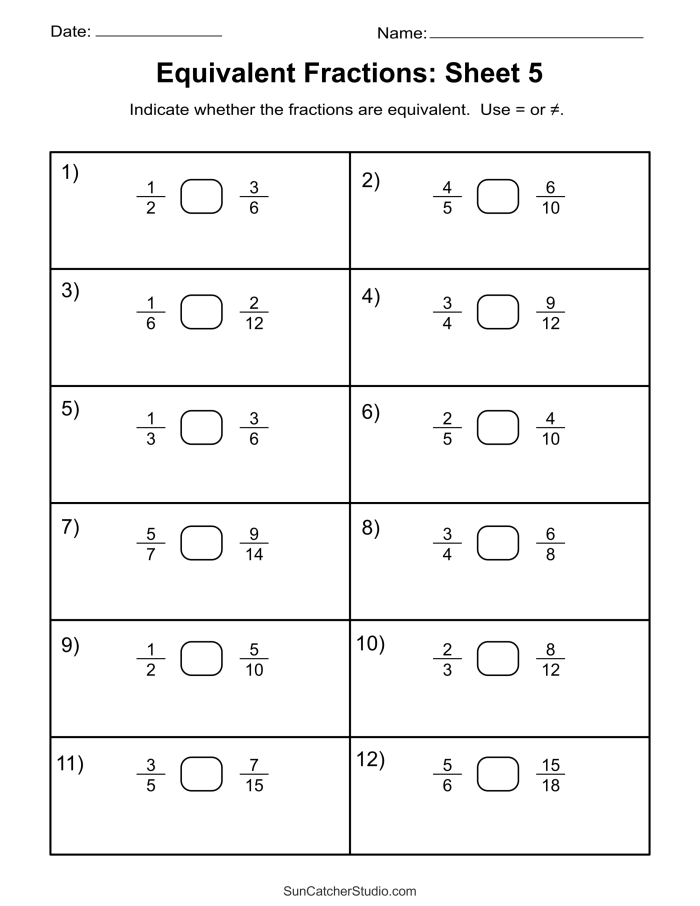
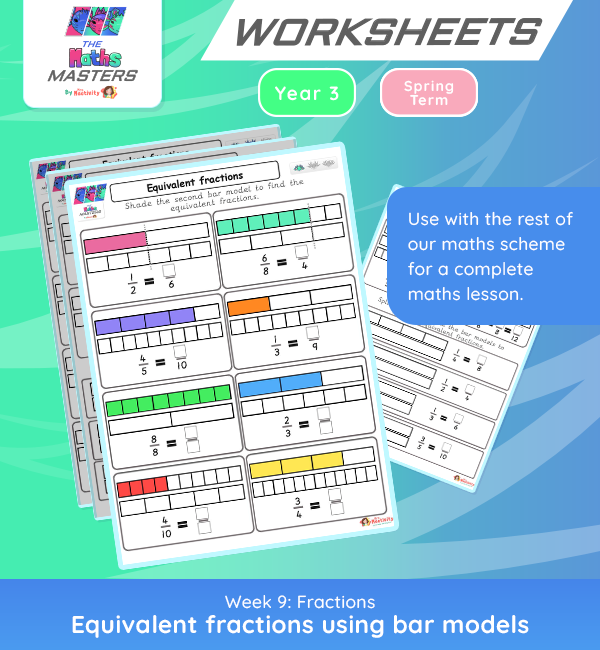
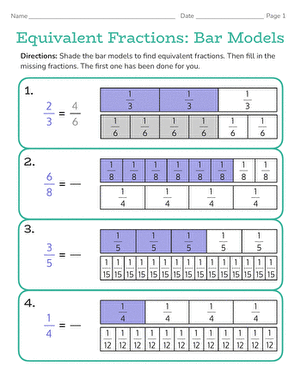
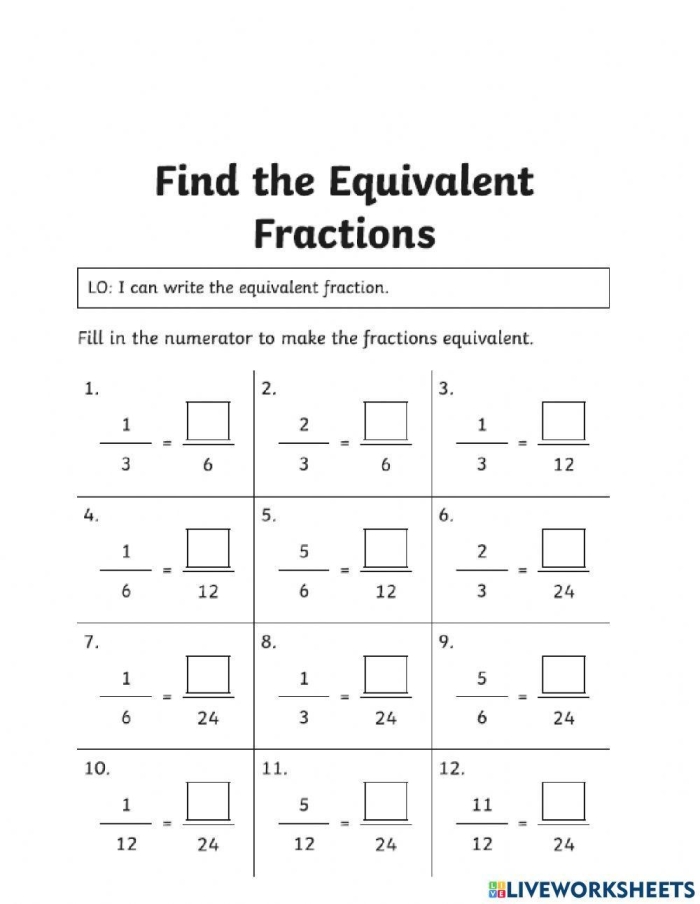
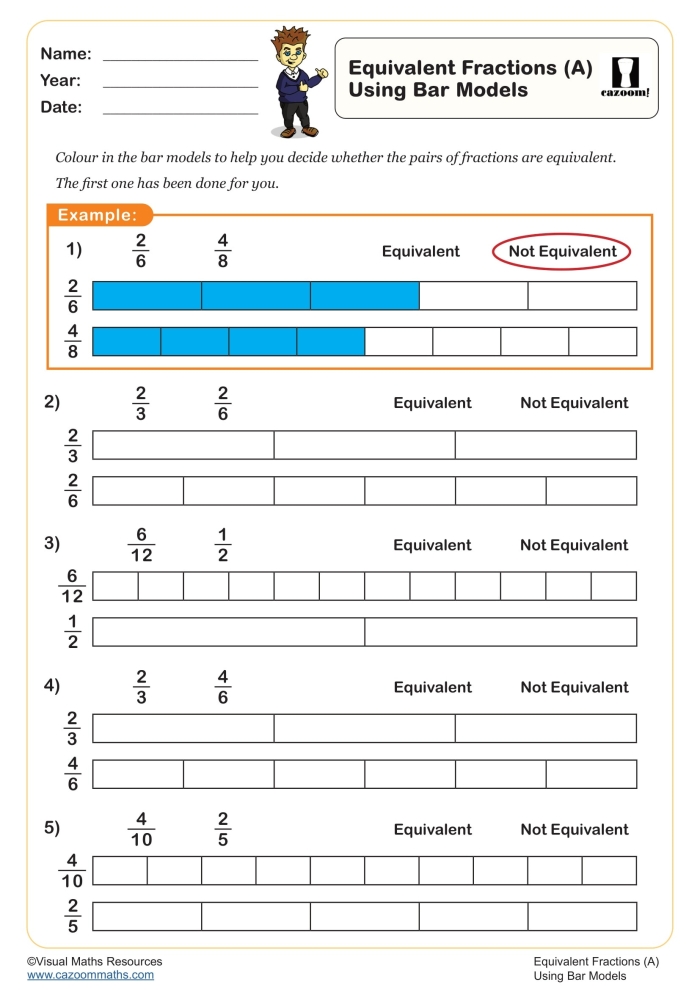
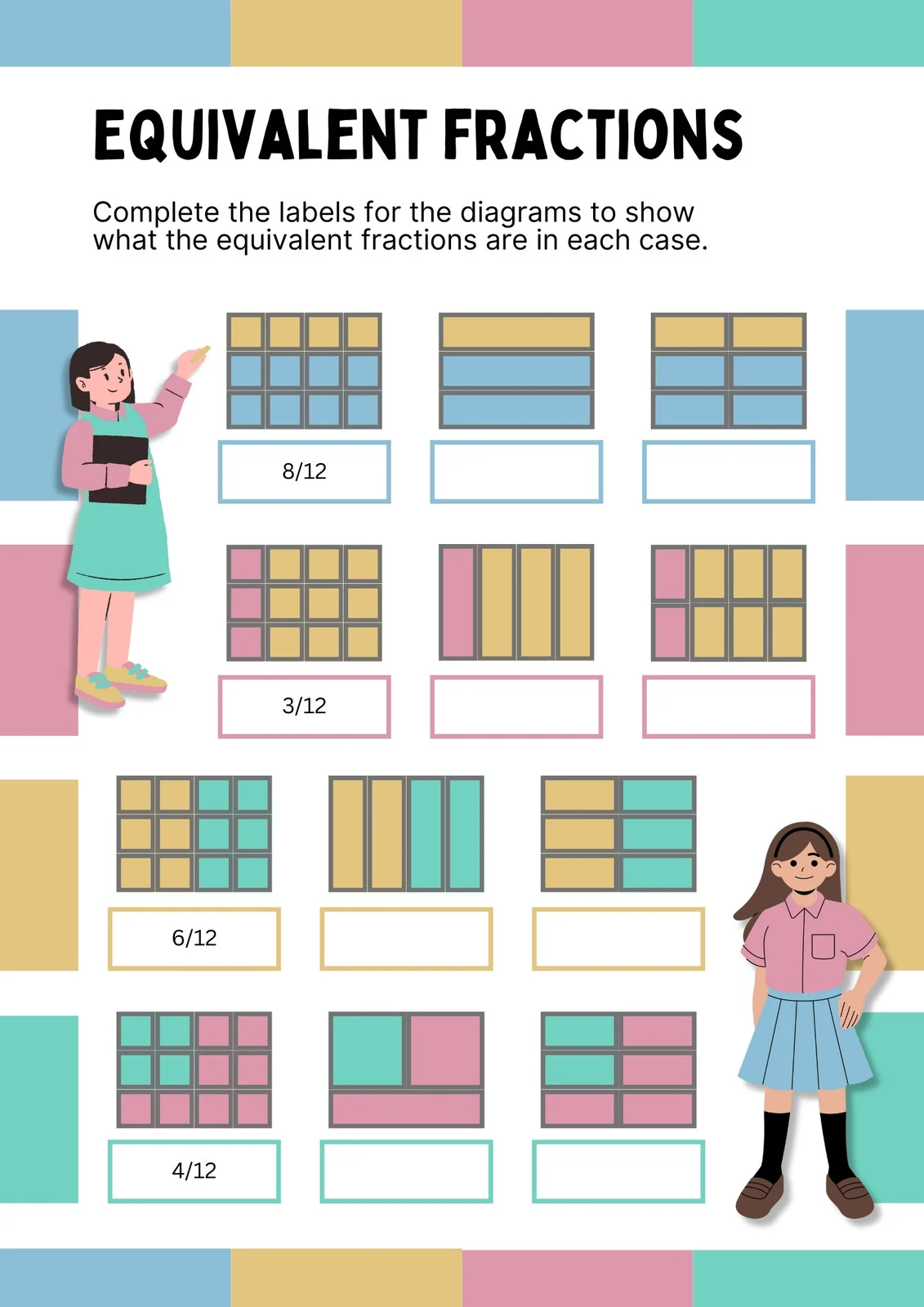
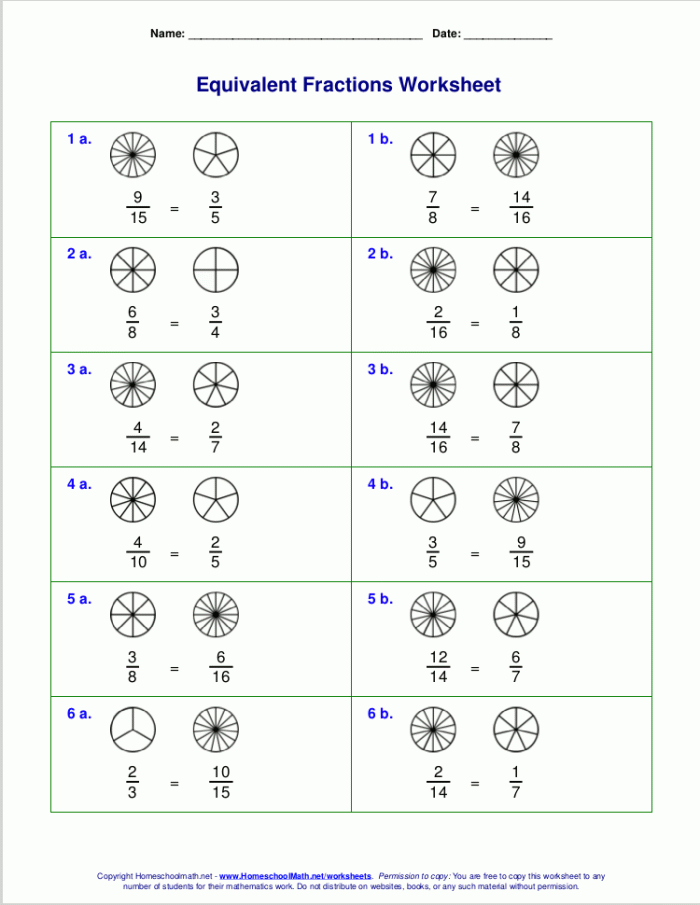
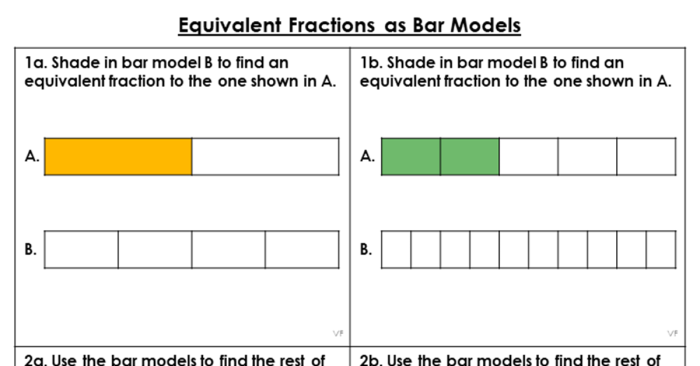
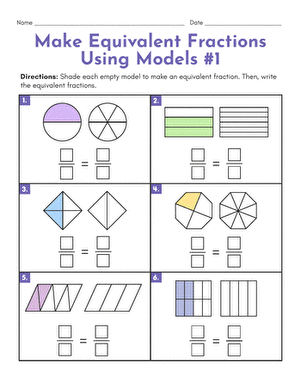
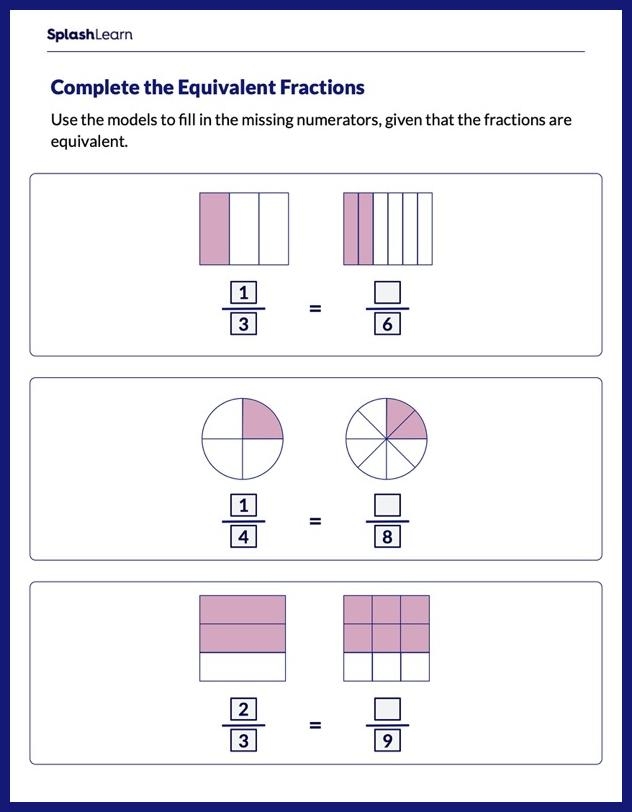
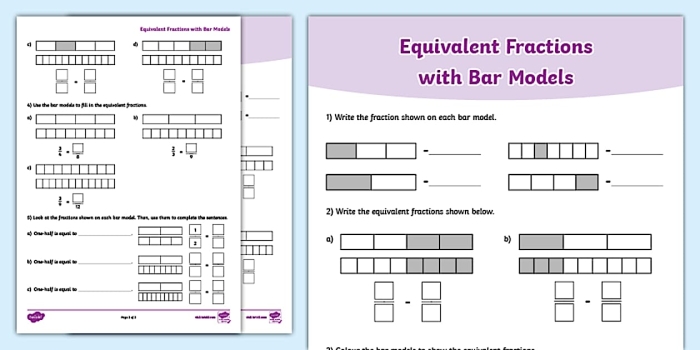
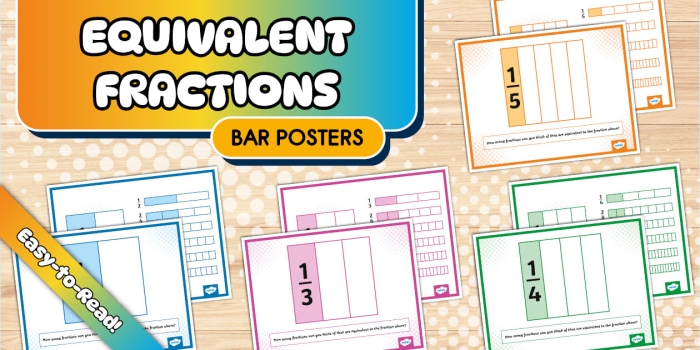
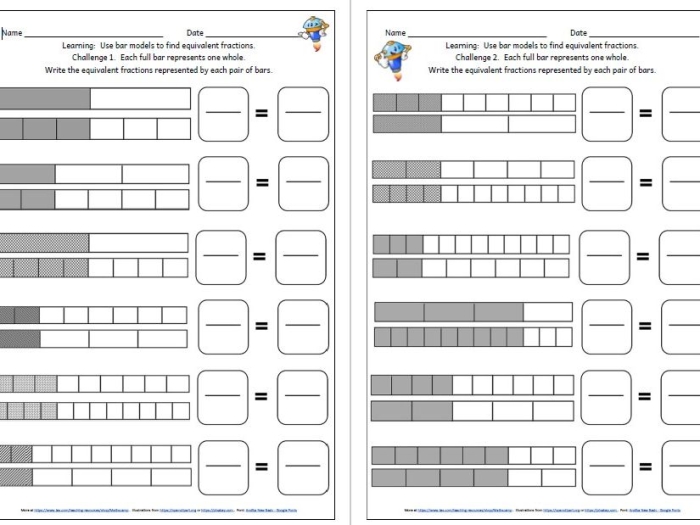
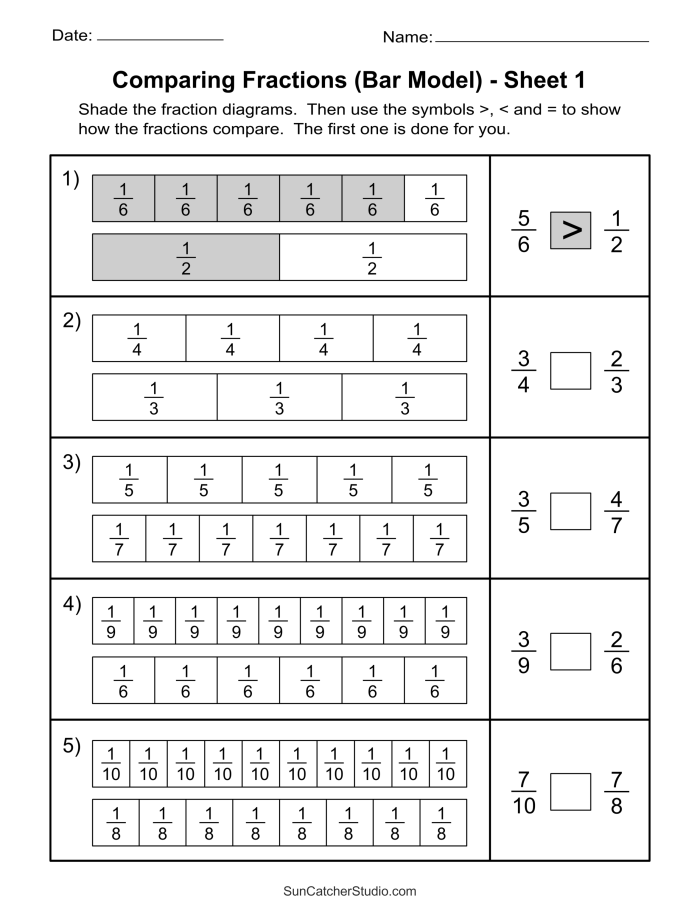
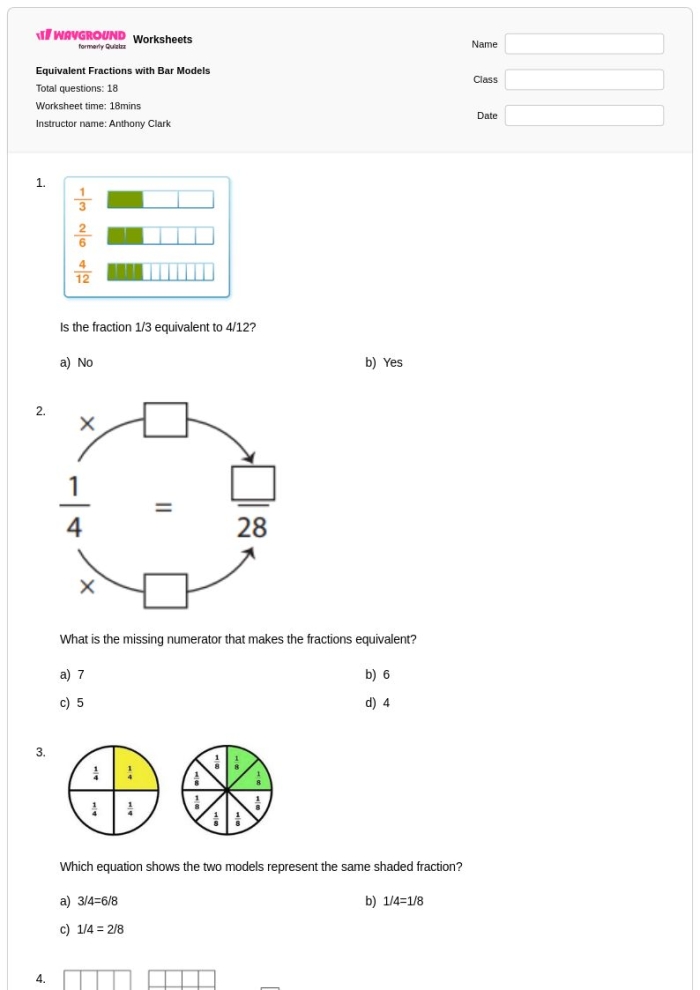
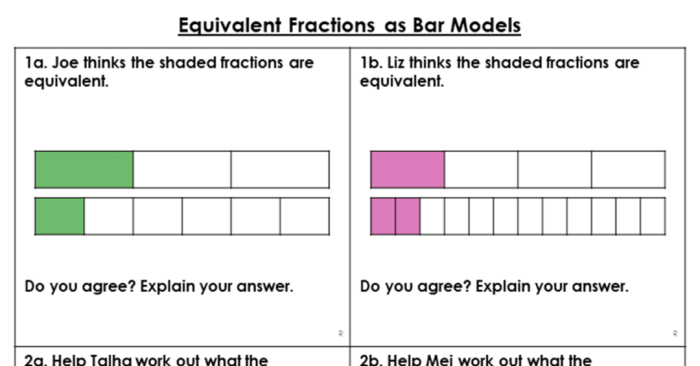
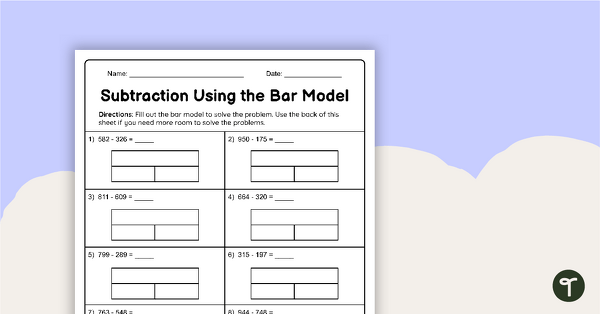
Bar models transform the way fourth grade students understand equivalent fractions. Rather than memorizing rules or relying on abstract definitions, learners can see fractions as concrete visual representations that make mathematical relationships immediately clear.
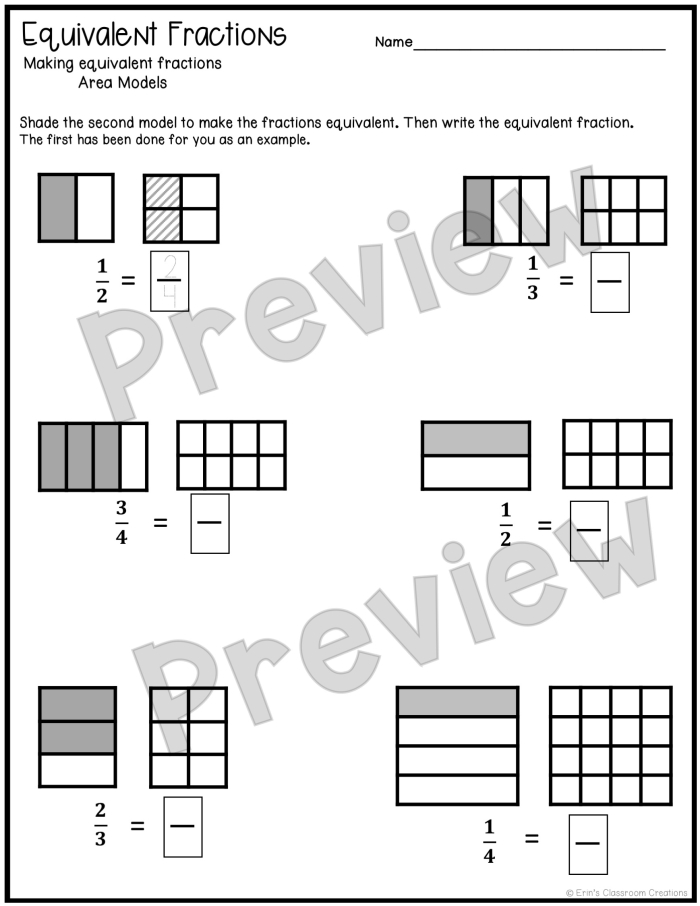
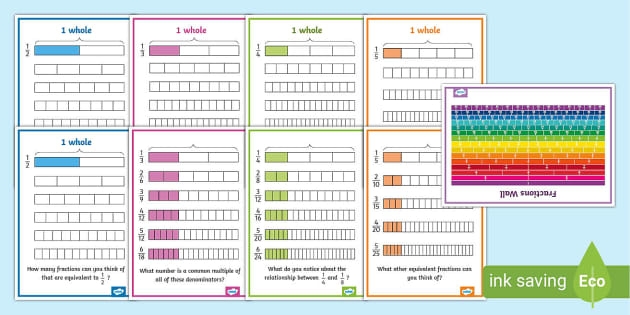
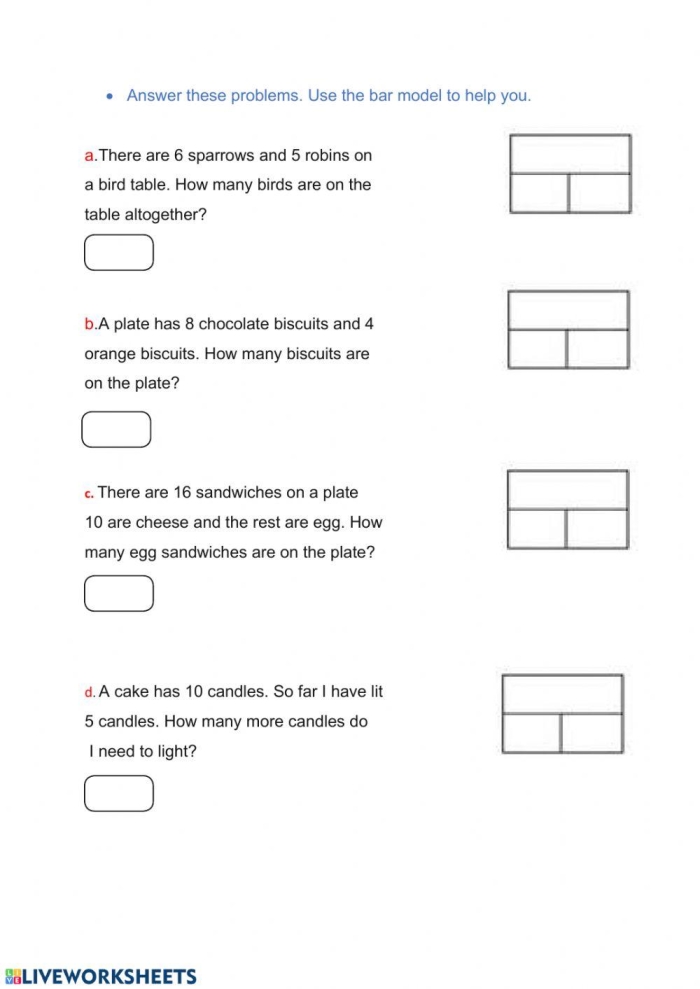
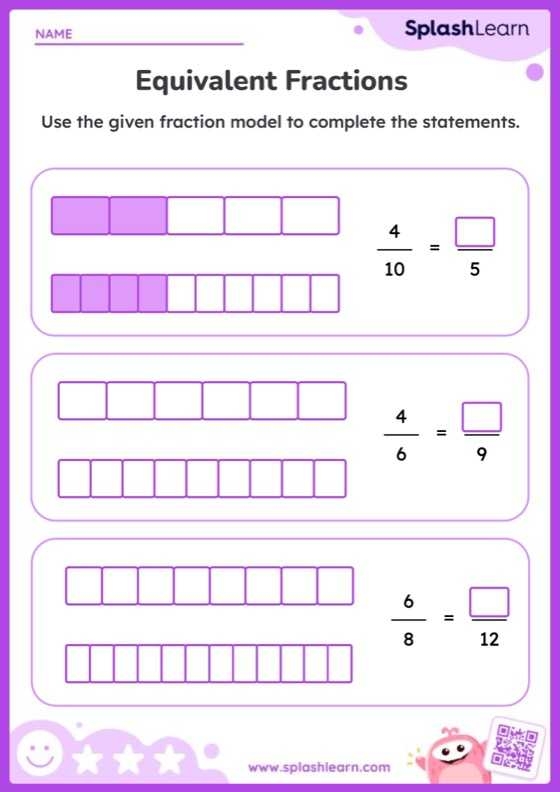
A bar model works by dividing a rectangle into equal parts. When students shade portions of these bars, they develop an intuitive grasp of what fractions actually represent. The power of this approach lies in its simplicity: two bars divided differently but shaded to the same amount demonstrate equivalence without requiring students to cross-multiply or apply formulas they don’t yet understand.
Why Bar Models Matter in Fourth Grade Geometry
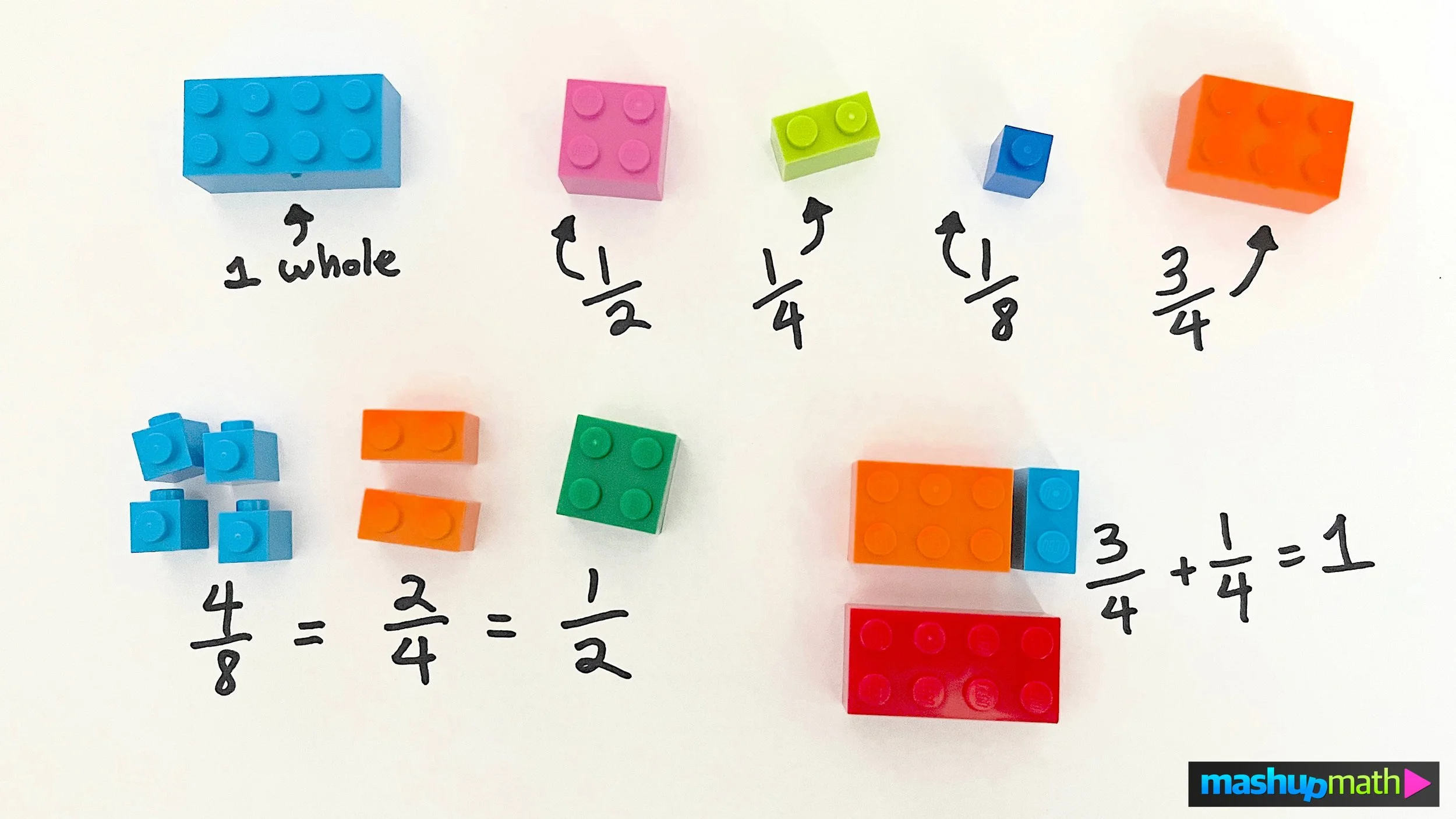
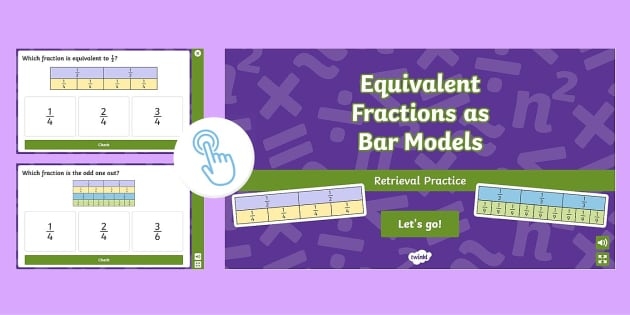
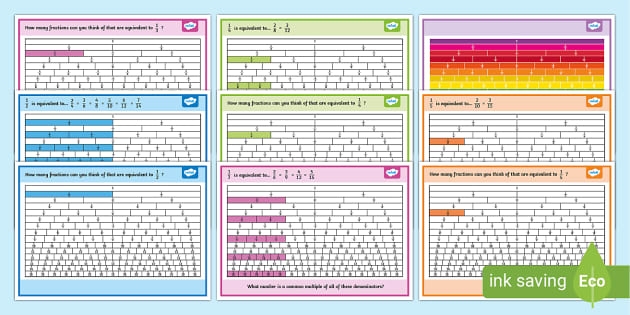
At the fourth grade level, students are still building foundational number sense. Bar models bridge the gap between concrete manipulatives and abstract thinking. When a student sees that one bar divided into 2 parts with 1 shaded equals another bar divided into 4 parts with 2 shaded, the concept clicks in a way that words alone cannot achieve. This visual anchor becomes something they can reference whenever they encounter equivalent fractions later.
The geometry connection runs deeper than you might expect. Bar models introduce spatial reasoning and proportional thinking, skills that underpin geometry itself. Students learn to recognize patterns in how parts relate to wholes, a concept essential for understanding area, perimeter, and scale.
Making It Work in Your Classroom
Start with simple fractions like halves and fourths. Have students draw their own bars and experiment with different divisions. This hands-on exploration builds confidence before moving to more complex equivalent fraction pairs. You might pair this worksheet with other fourth grade resources like practicing fractions from largest to smallest to reinforce ordering skills alongside equivalence.
For students ready for the next challenge, multiplying fractions by whole numbers builds naturally from bar model understanding. The visual foundation they’ve built makes multiplication feel logical rather than arbitrary.
Bar models remain useful long after fourth grade, appearing in middle school algebra and beyond. By introducing them now, you’re giving students a tool they’ll use for years.
Grab These Worksheets Now