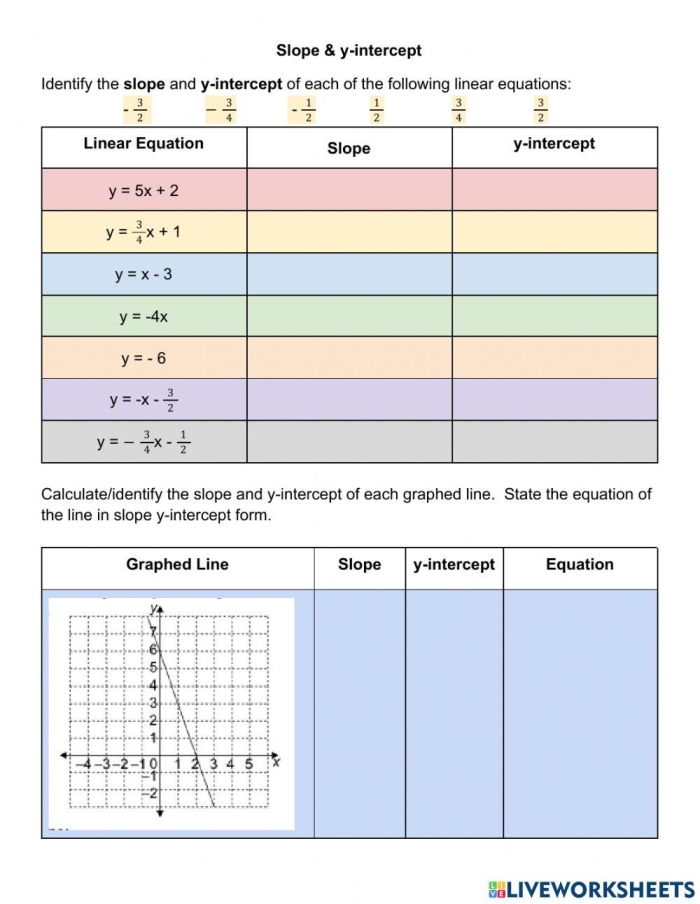
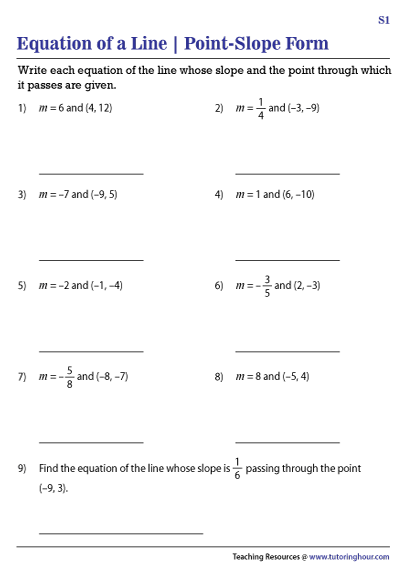
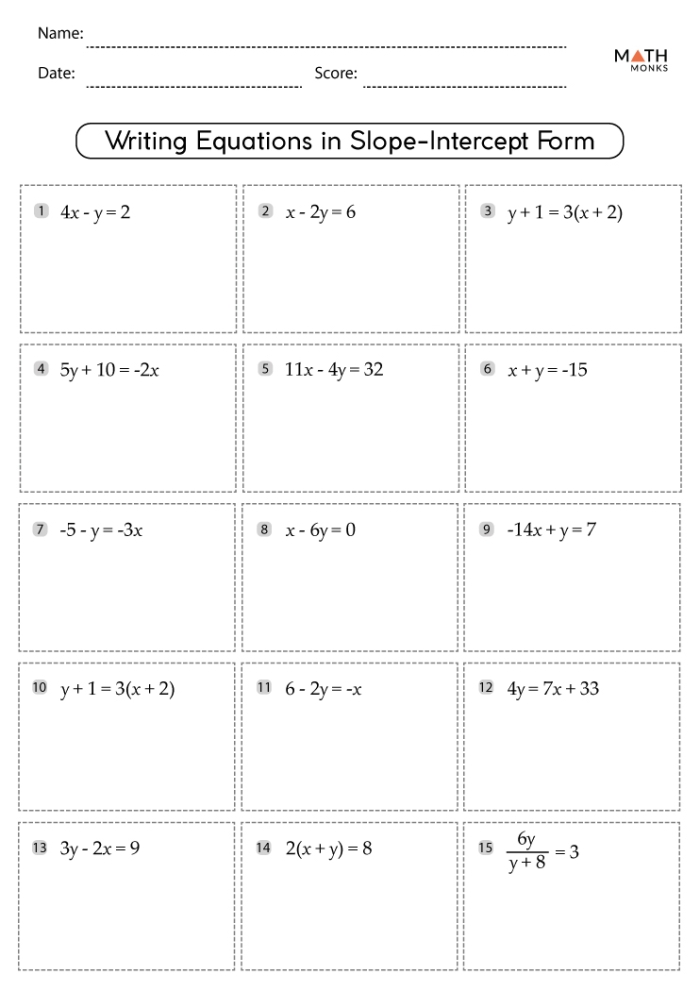
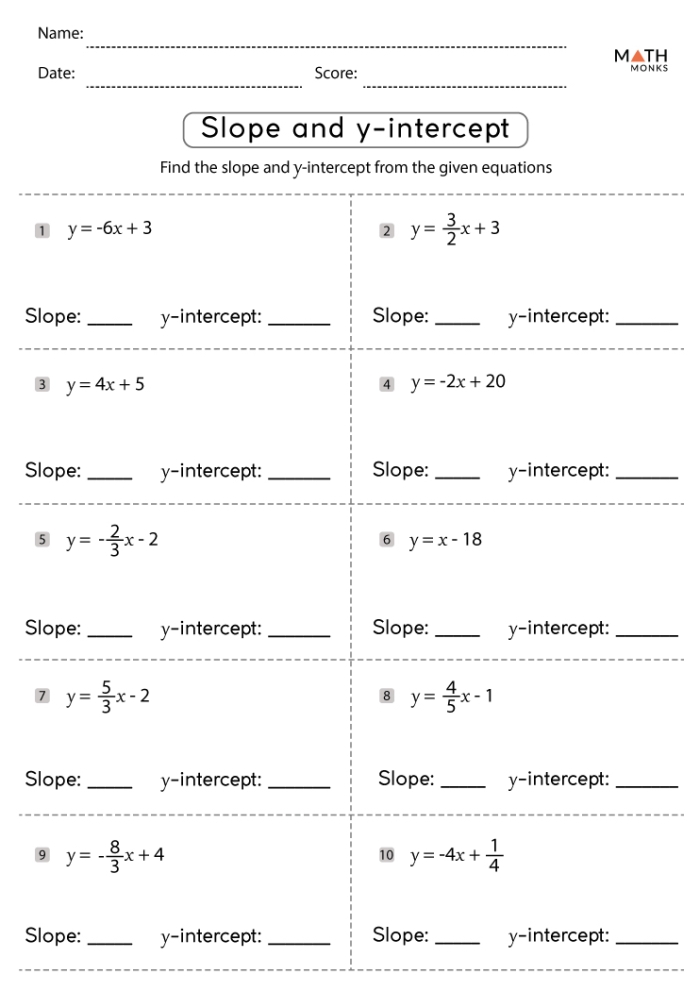
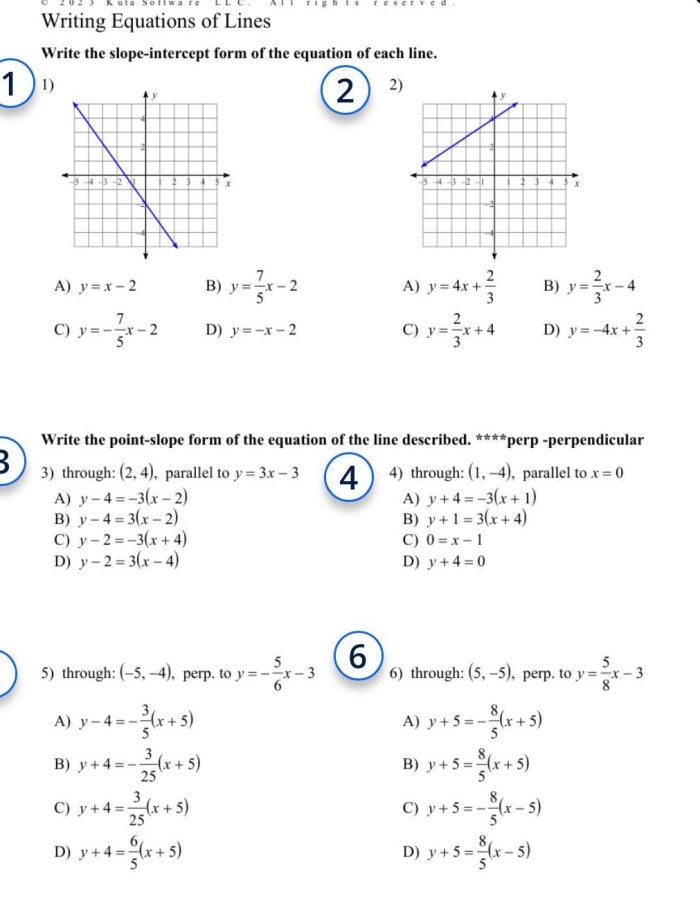
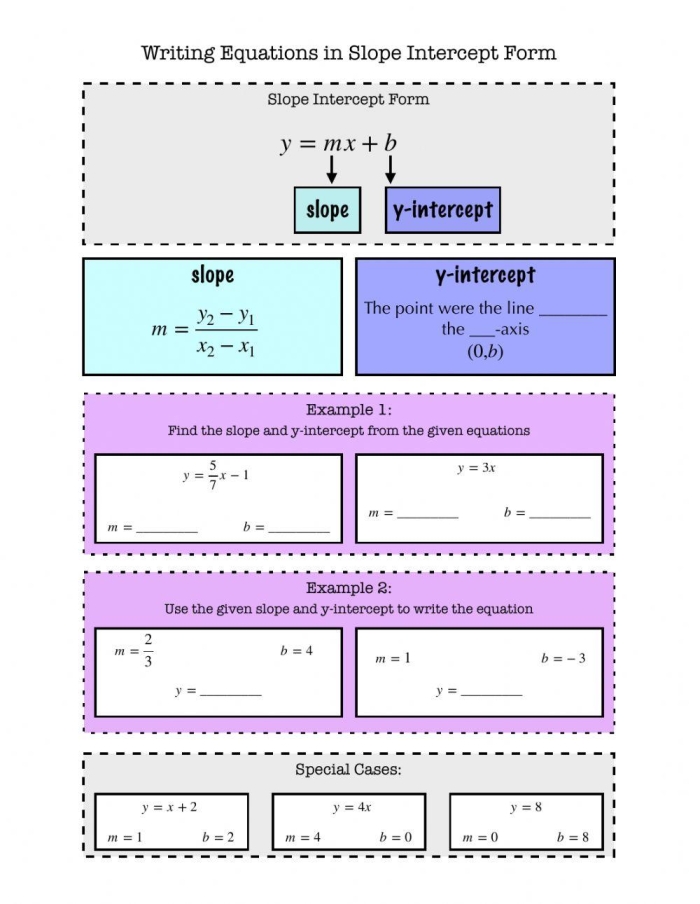
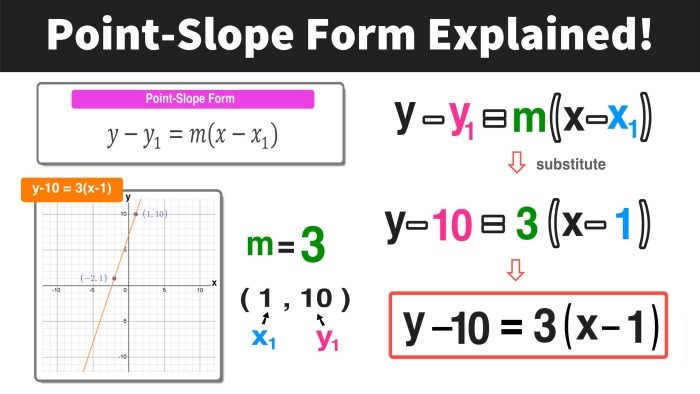
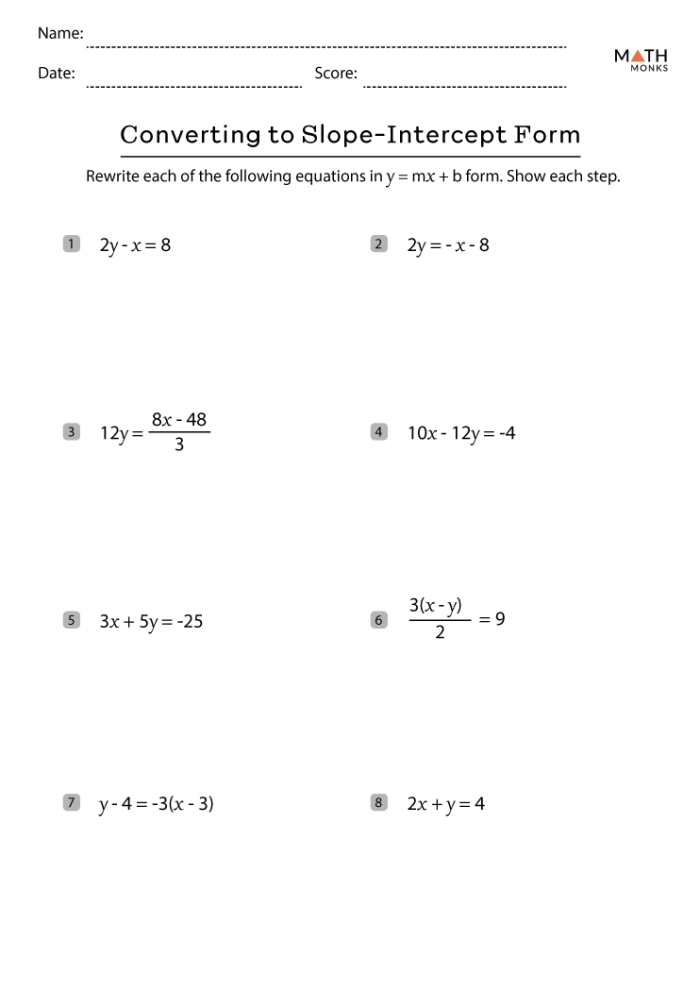
Understanding how to write an equation in slope-intercept form is crucial for eighth-grade students studying algebra. The slope-intercept form is expressed as y = mx + b, where m represents the slope of the line and b indicates the y-intercept. This format simplifies identifying the relationship between two variables and is particularly useful when analyzing graphs.
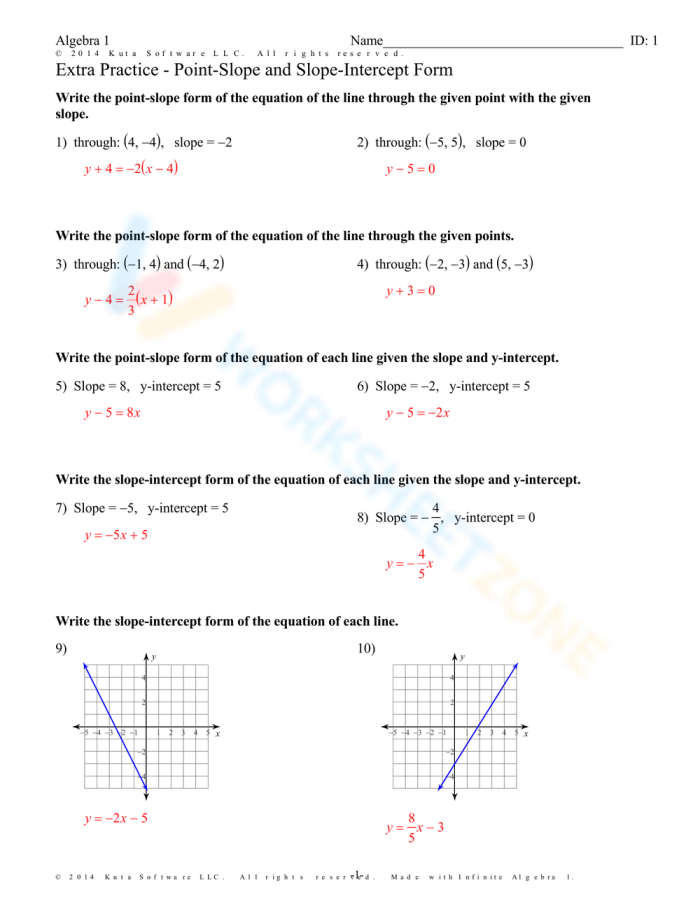
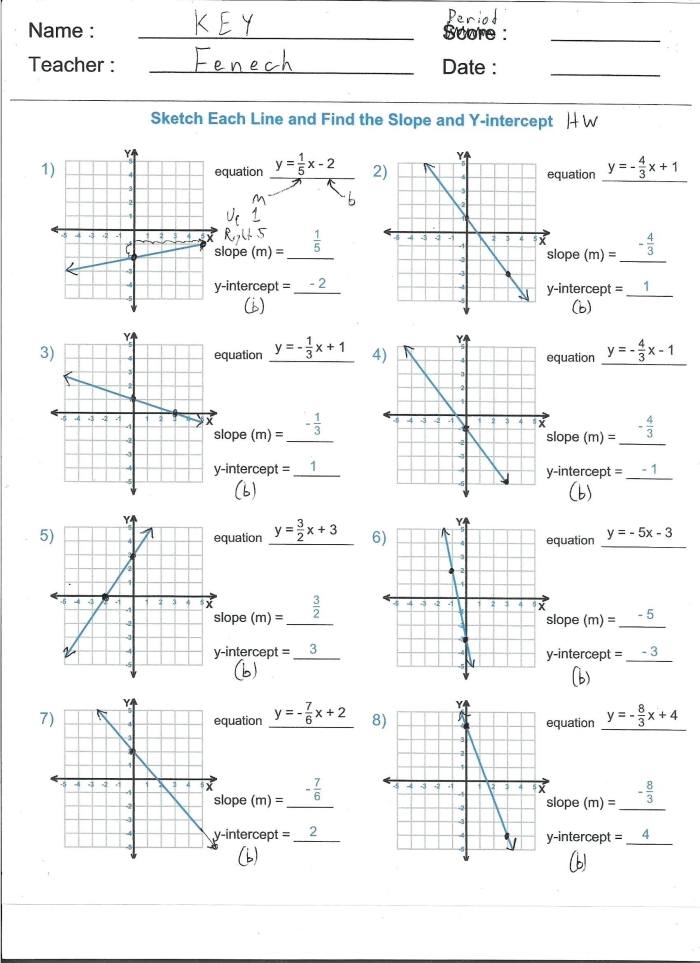
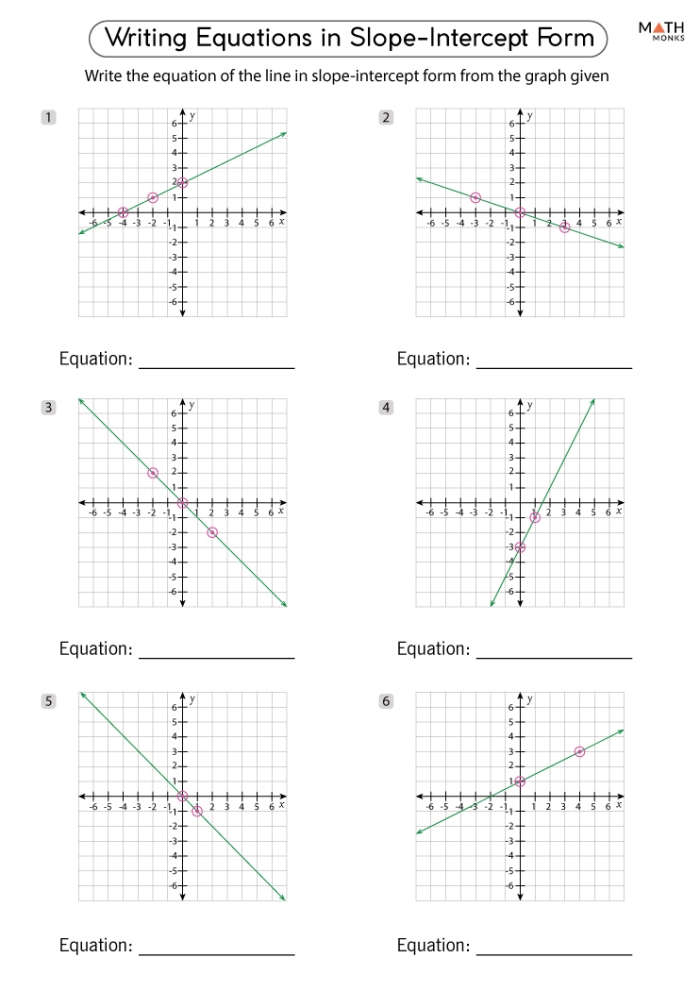
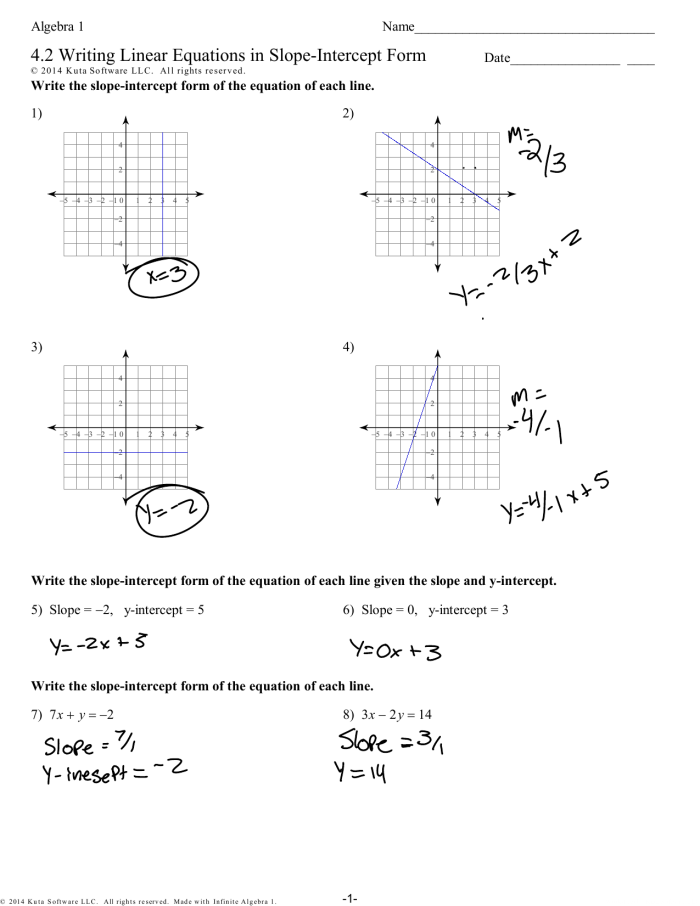
When given a graph, students can extract the necessary components to construct the equation. First, they should identify two key points on the line. For instance, if a line crosses the y-axis at (0, 2) and another point is at (4, 6), these coordinates will help determine the slope. The slope m is calculated by taking the change in y over the change in x, leading to the formula: m = (y2 – y1) / (x2 – x1). In our example, the slope would be m = (6 – 2) / (4 – 0) = 1.
Next, students can use the y-intercept b, which in this case is 2. Thus, the equation of the line can be written as y = 1x + 2, or simply y = x + 2. This process illustrates not only how to convert visual data into algebraic expressions but also reinforces the concept of linear relationships.
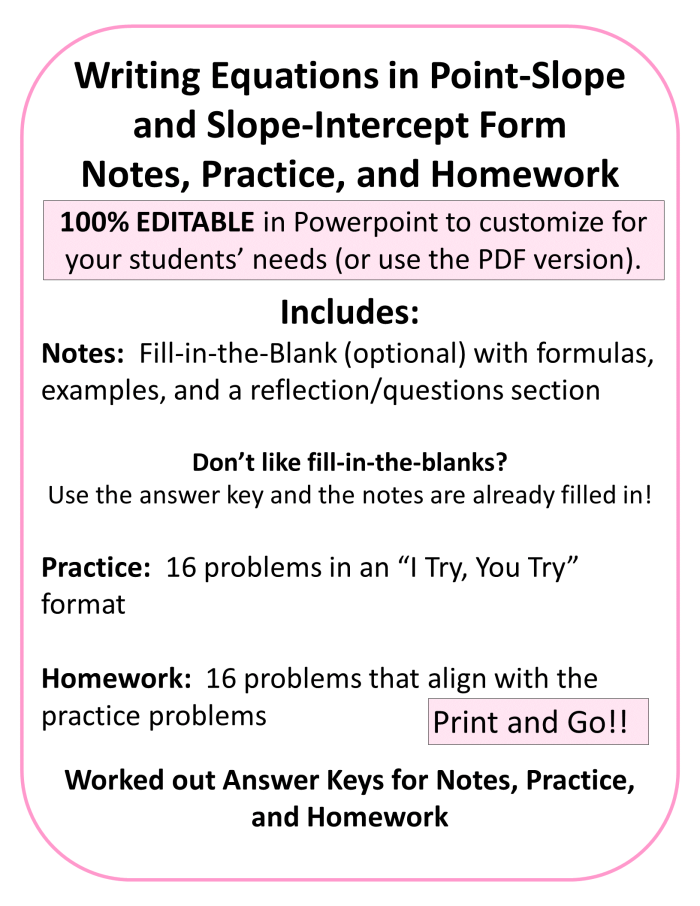
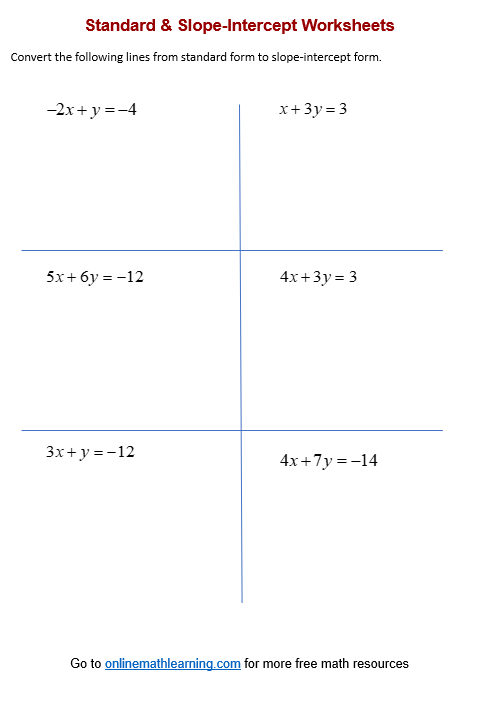
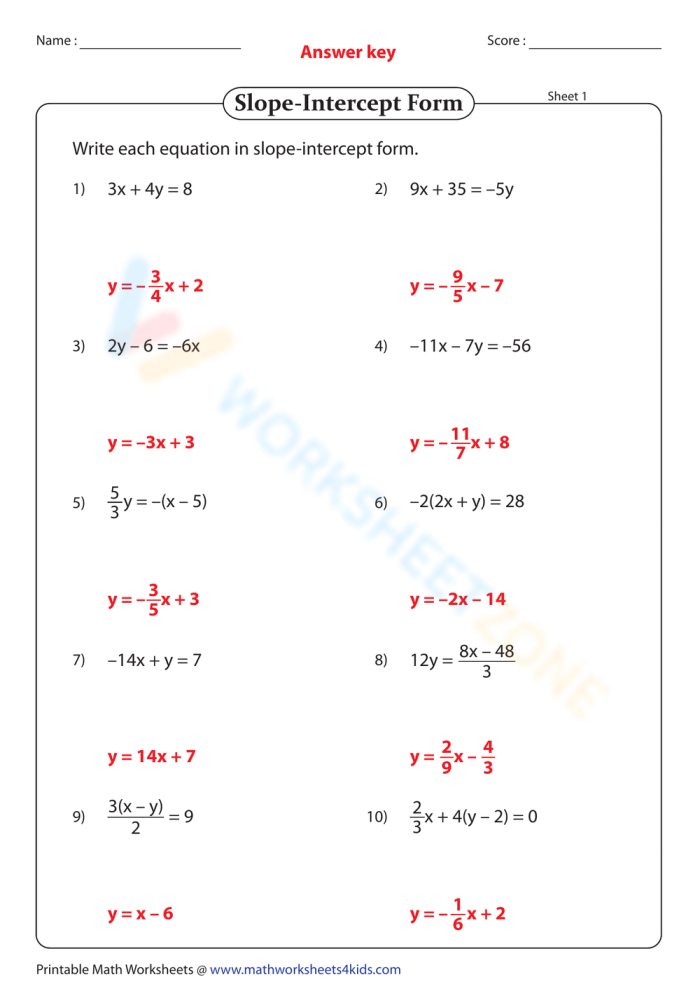
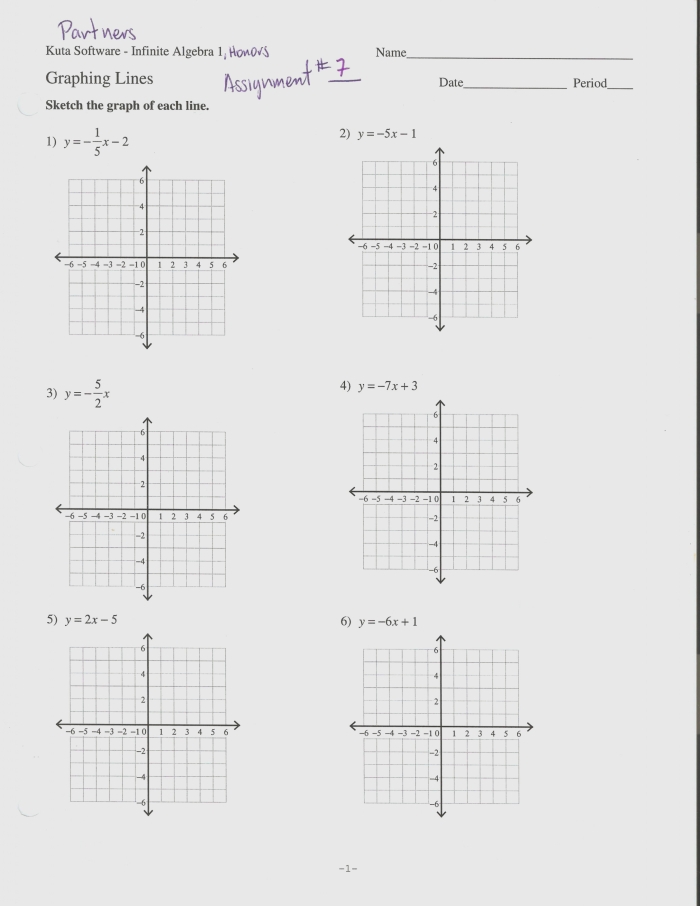
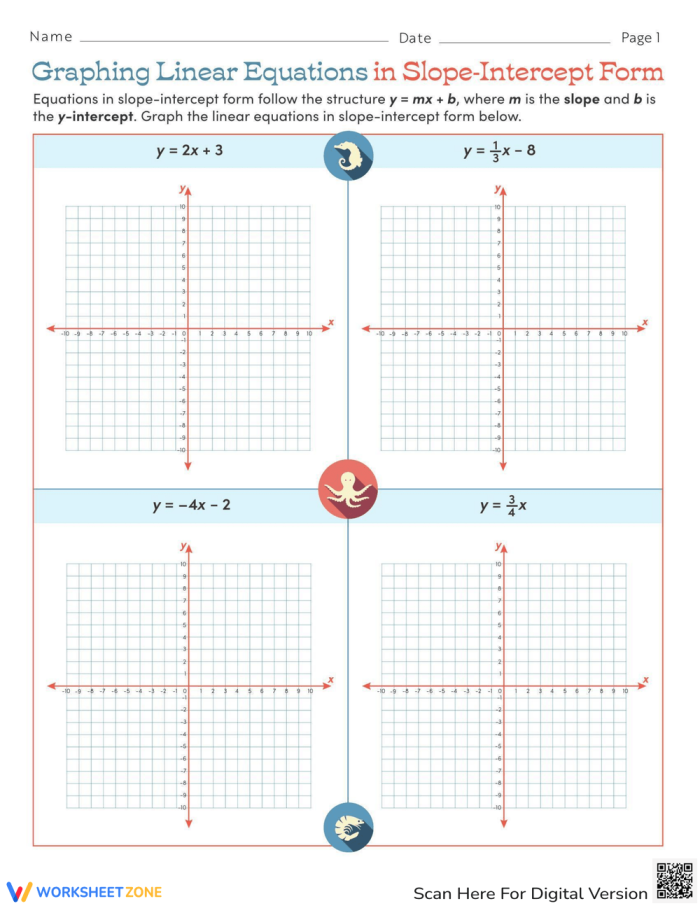
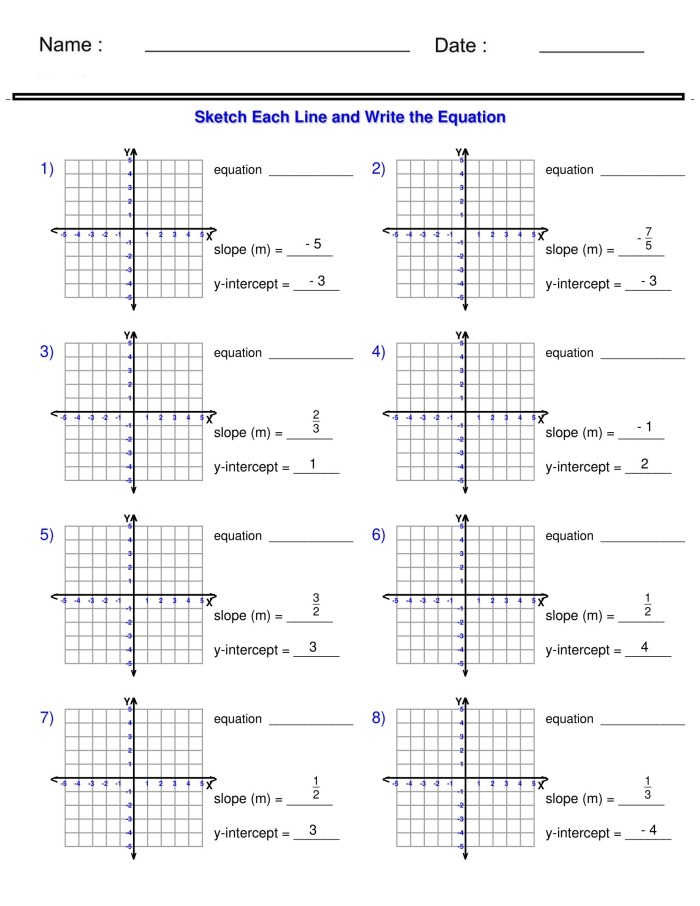
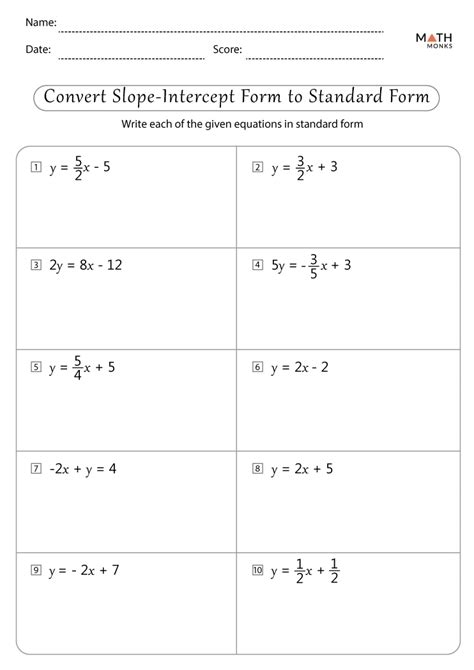
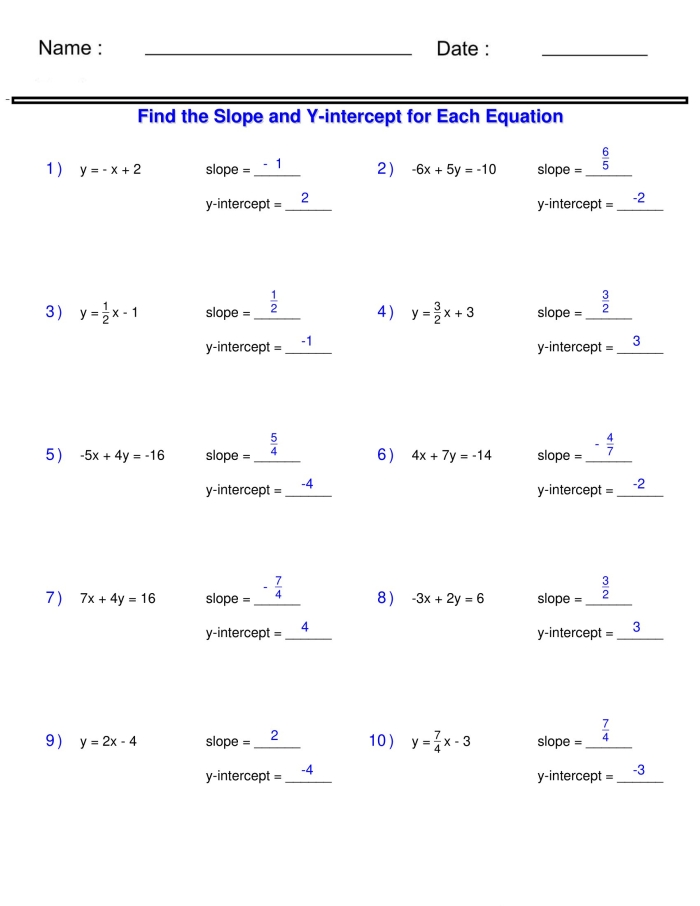
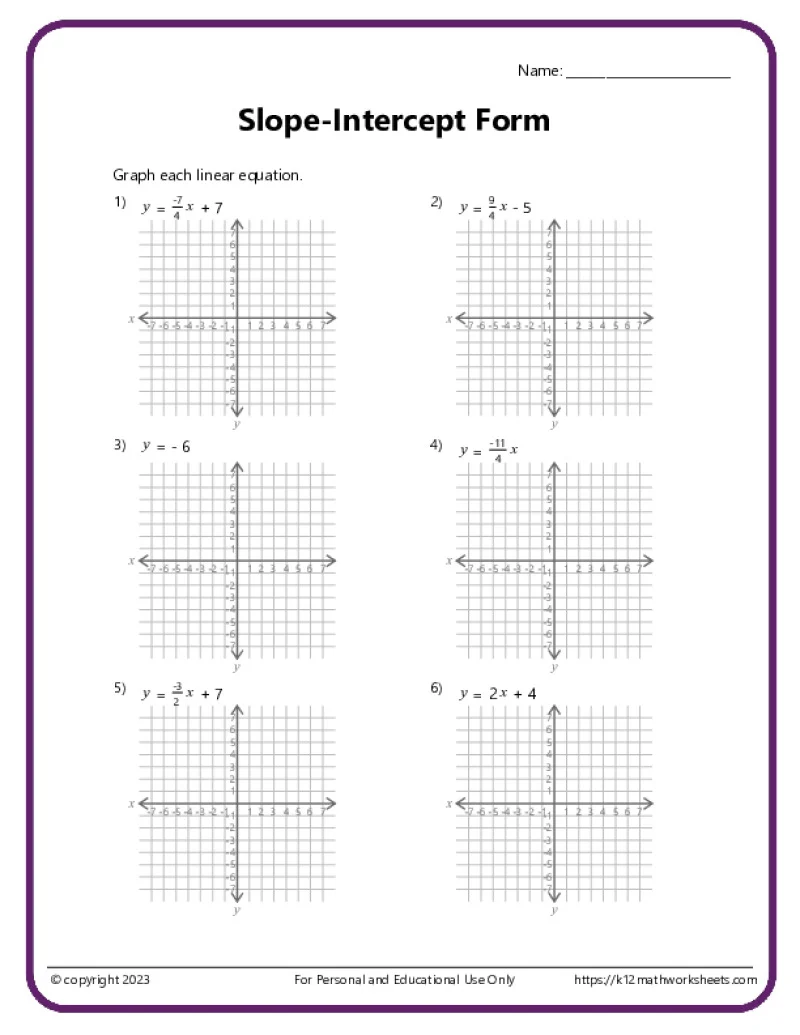
Printable slope-intercept form worksheets can provide great practice for students, allowing them to reinforce these skills independently. Each worksheet can present a variety of graphs, helping students to apply their understanding in different contexts. This hands-on approach fosters confidence and competence in eighth-grade algebra, aligning well with Earth and Space Science topics where such equations frequently apply.
By mastering the slope-intercept form, students enhance their mathematical toolkit, preparing them for more complex topics in high school and beyond. For additional resources, check out worksheets on subjects like addition word problems or subject and object pronouns, which can support further learning in a variety of subjects.
Printable Worksheets for Practice