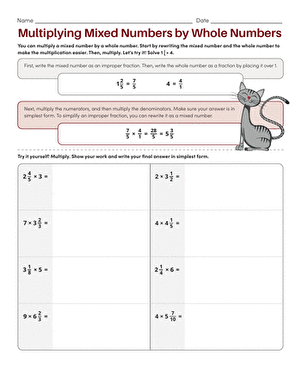
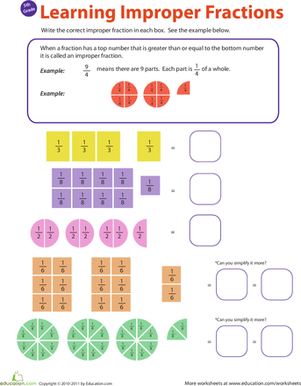
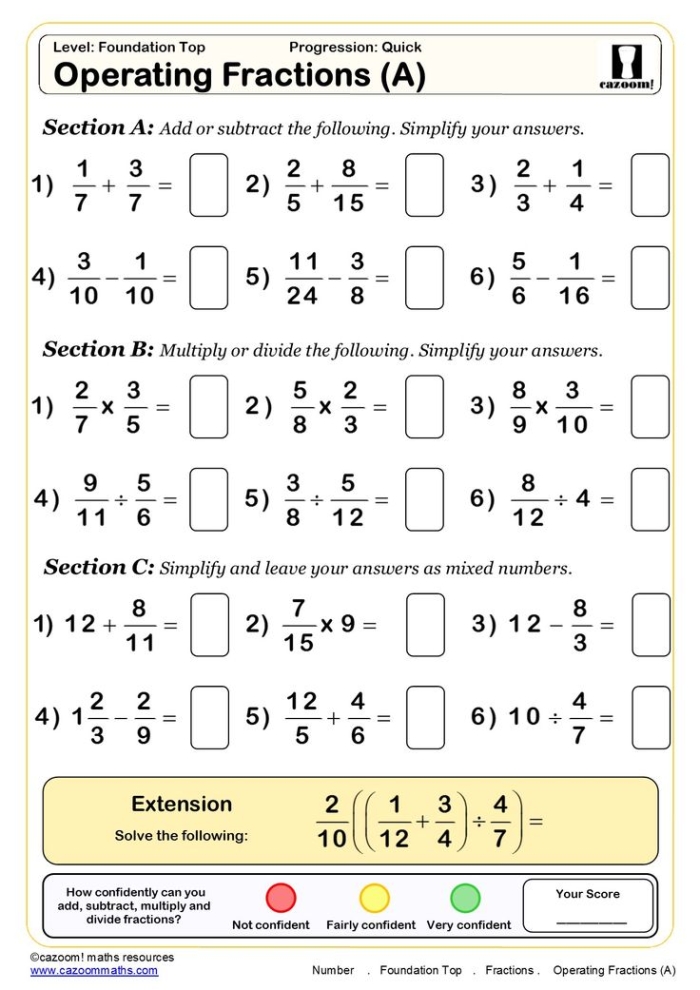
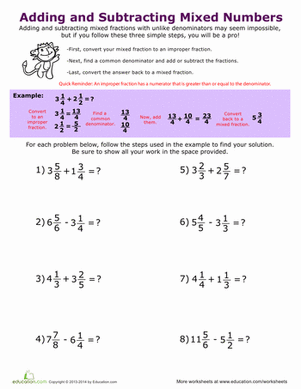
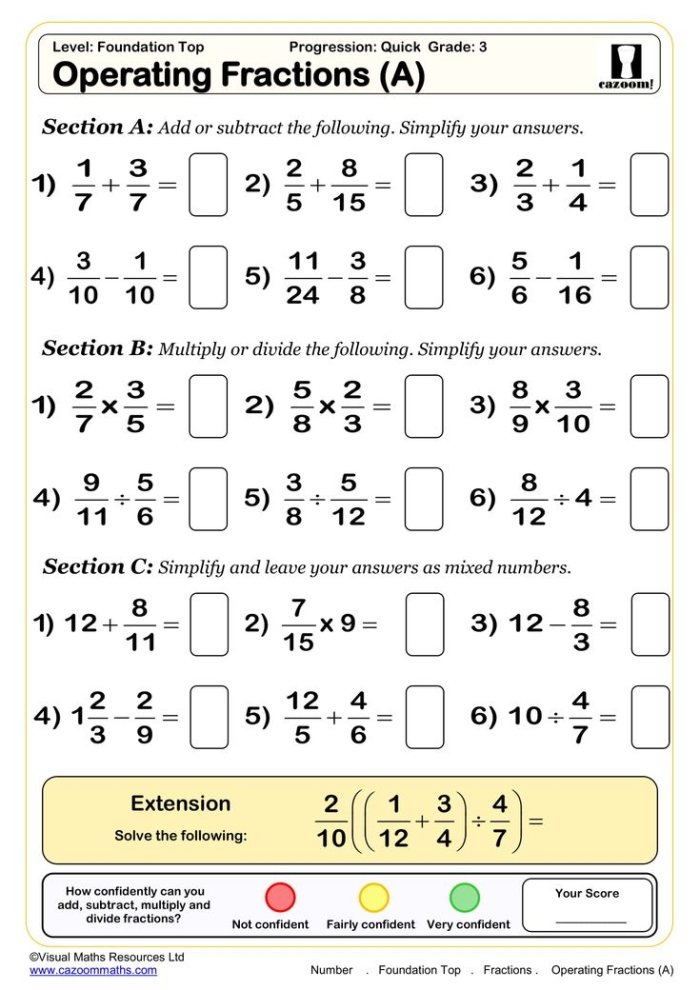
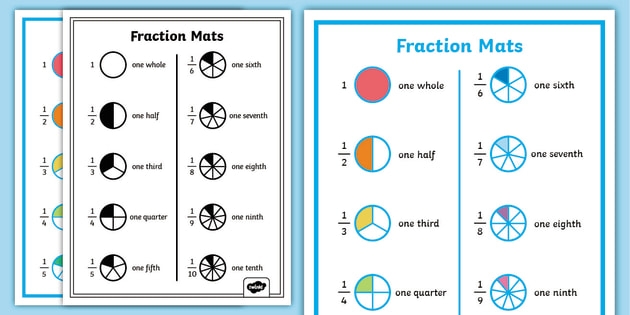
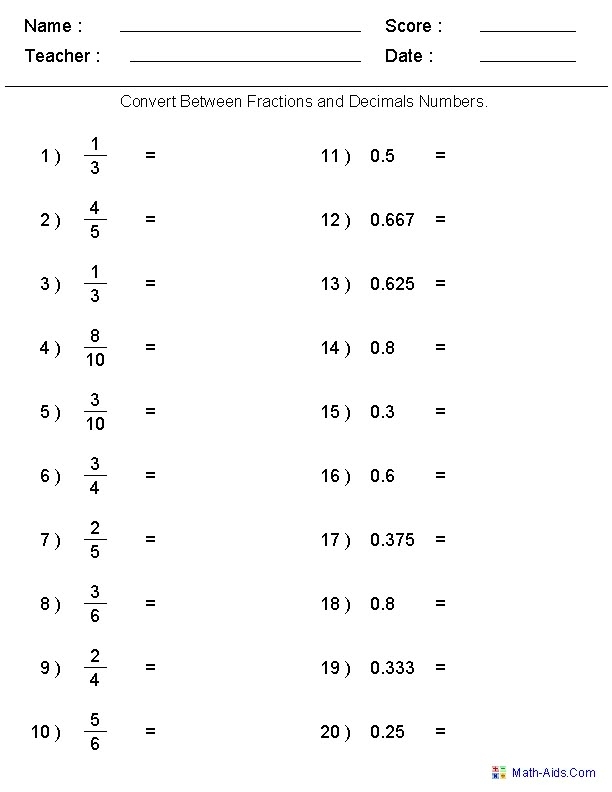
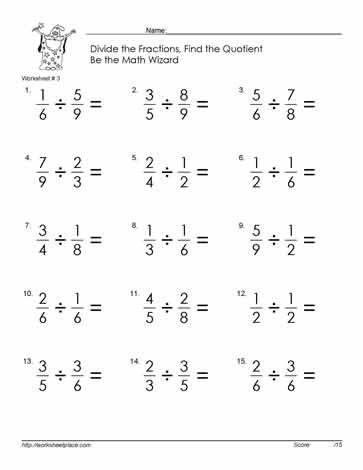
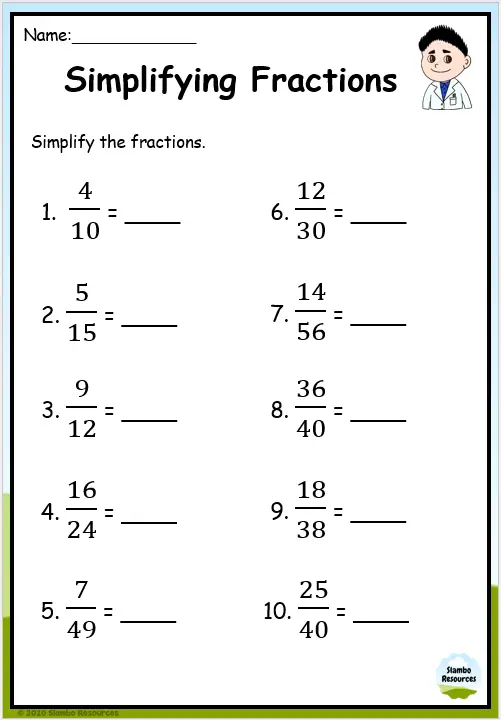
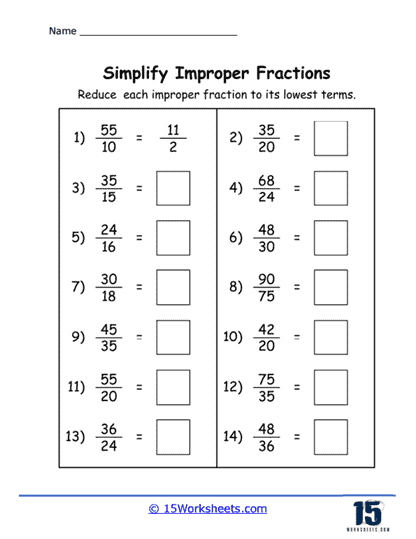
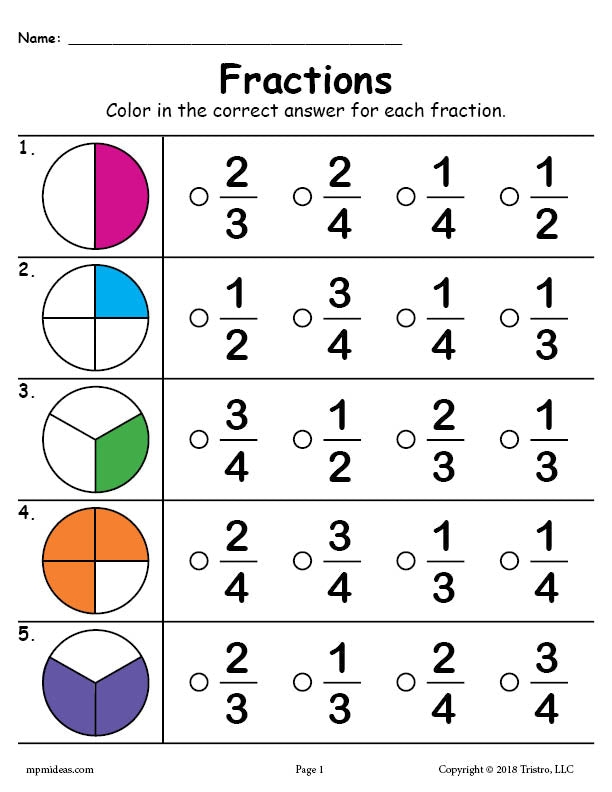
Teaching fractions can feel like pushing a boulder uphill, especially when fourth graders stare blankly at denominators and numerators. A simple fractions worksheet changes that dynamic by breaking down the concept into manageable steps while keeping kids genuinely engaged. The secret lies in combining solid math instruction with visual appeal that actually holds their attention.
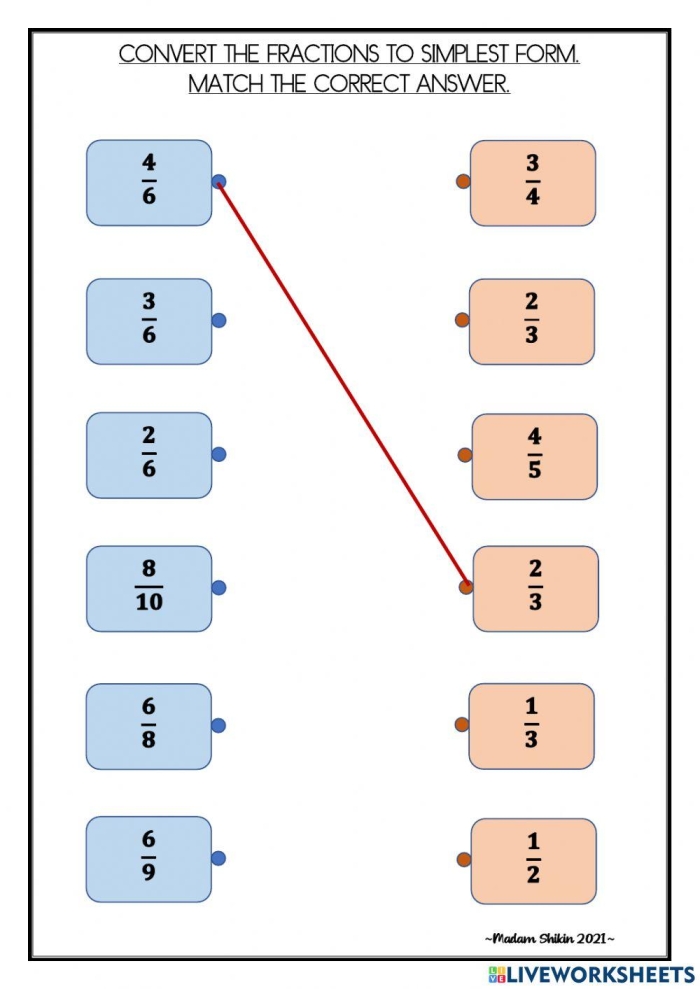
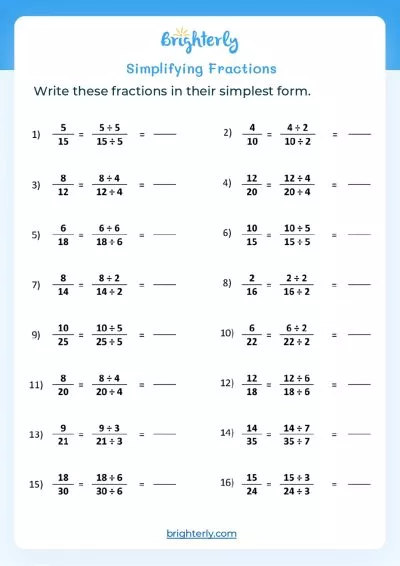
When children work through fraction problems, they often struggle with the “why” behind simplifying. A worksheet that guides them to reduce fractions to their simplest form teaches the underlying logic: that 2/4 and 1/2 represent the same value. This foundation matters because it prevents confusion later when they encounter more complex math. The process becomes clearer when each step is laid out visually, allowing students to see how dividing both the numerator and denominator by the same number keeps the fraction’s value intact.
Here’s where cartoon characters enter the picture. Fourth graders respond to friendly, relatable imagery on their worksheets. When Sylvia or other cartoon characters appear alongside the problems, the worksheet transforms from intimidating to inviting. These characters can guide students through examples, celebrate correct answers, or offer gentle hints. Research on educational materials shows that age-appropriate illustrations increase time spent on tasks and improve retention compared to text-only versions.
The vocabulary associated with fractions also becomes less abstract when presented this way. Terms like “simplest form,” “common factor,” and “equivalent fractions” stick better when students encounter them repeatedly across multiple problems with consistent visual support.
Pairing fraction worksheets with other fourth-grade vocabulary practice creates a well-rounded learning experience. Students benefit from exploring related concepts like fractional units and measurements or working through division problems that connect to fraction concepts. This reinforces how fractions apply across different math contexts rather than existing in isolation.
Practice with These Worksheets