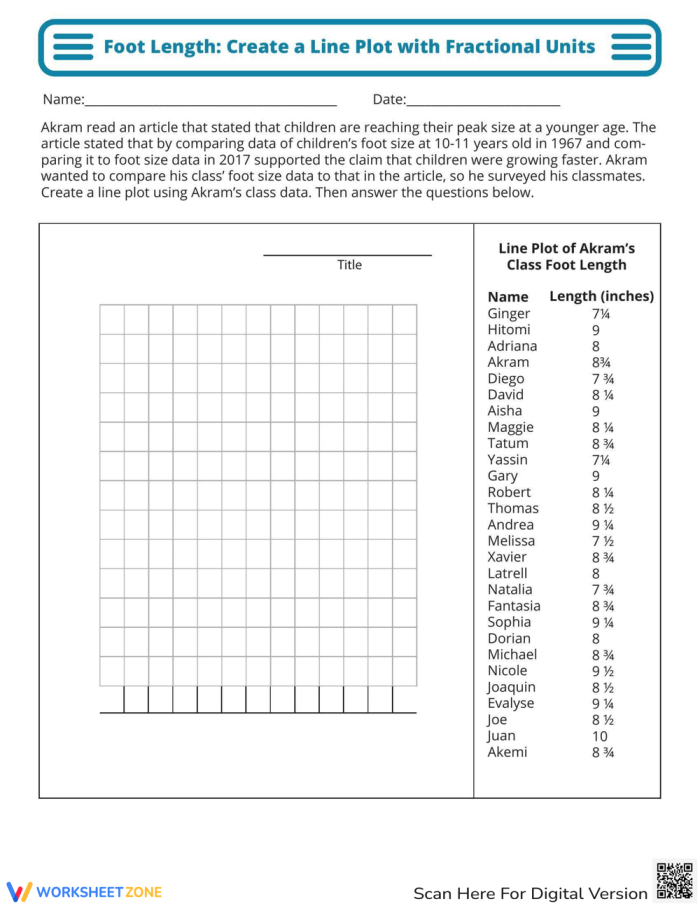
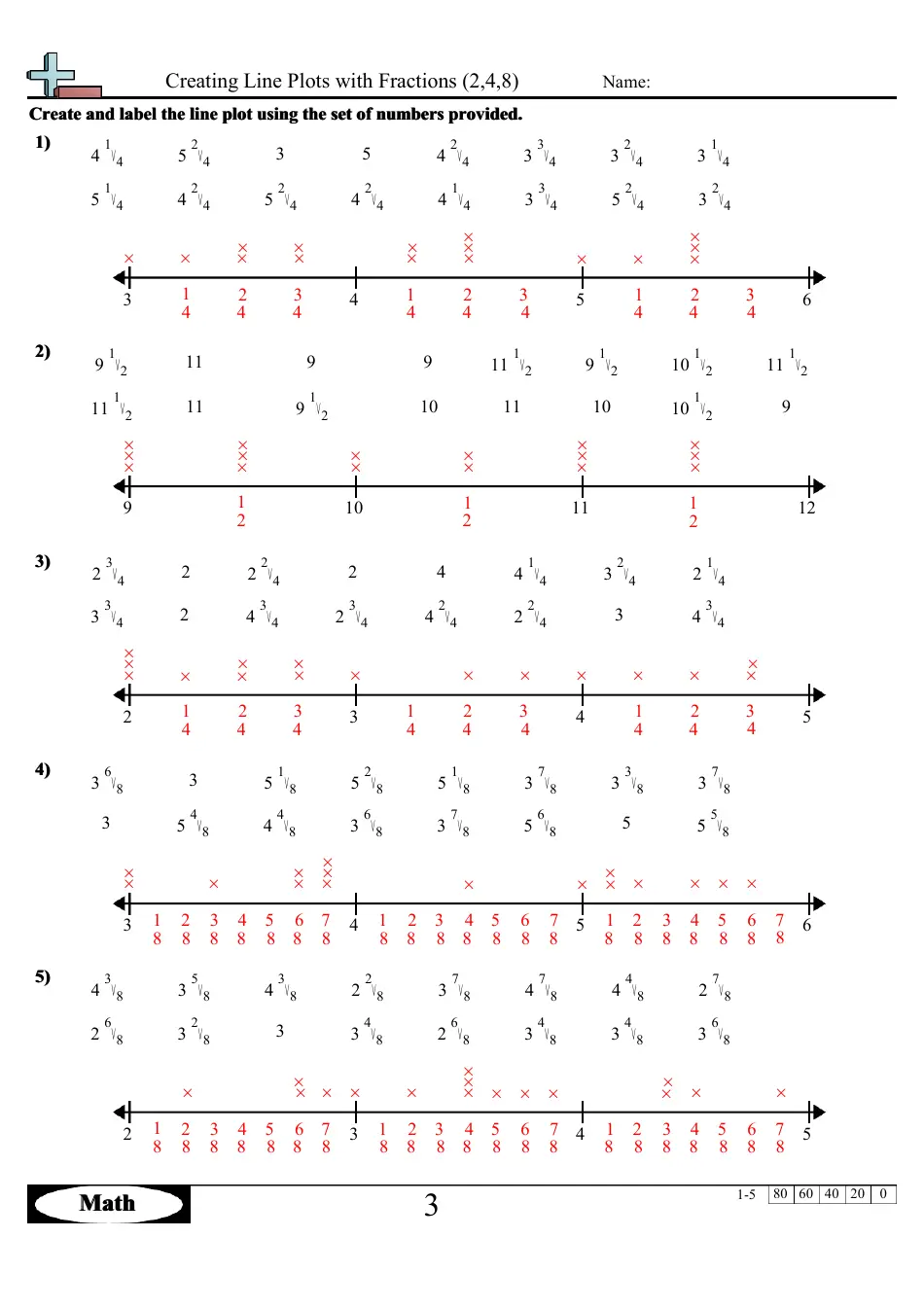
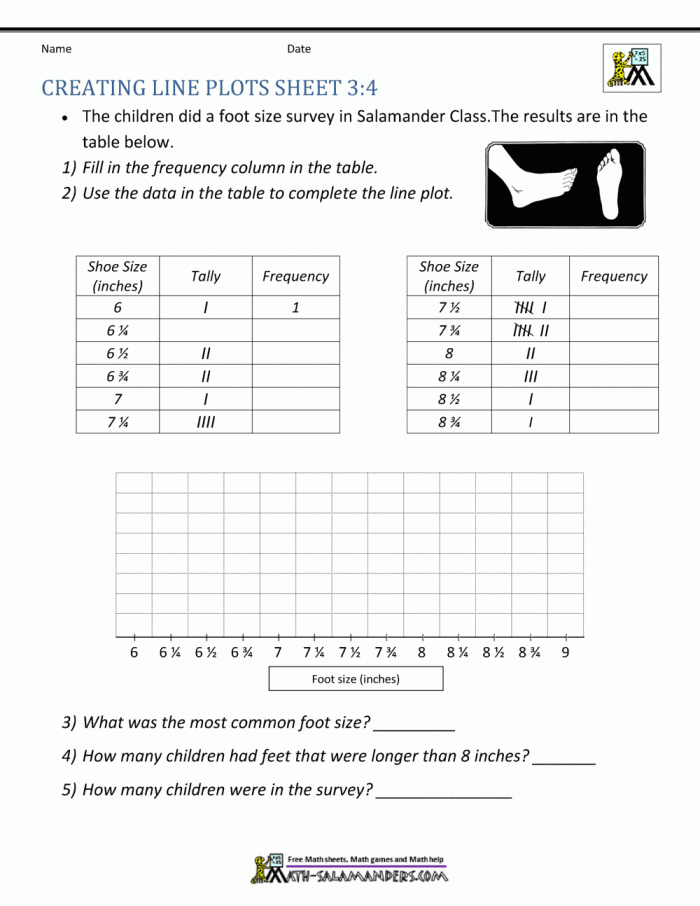
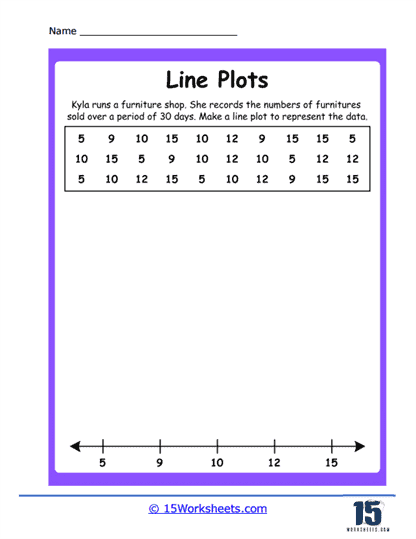
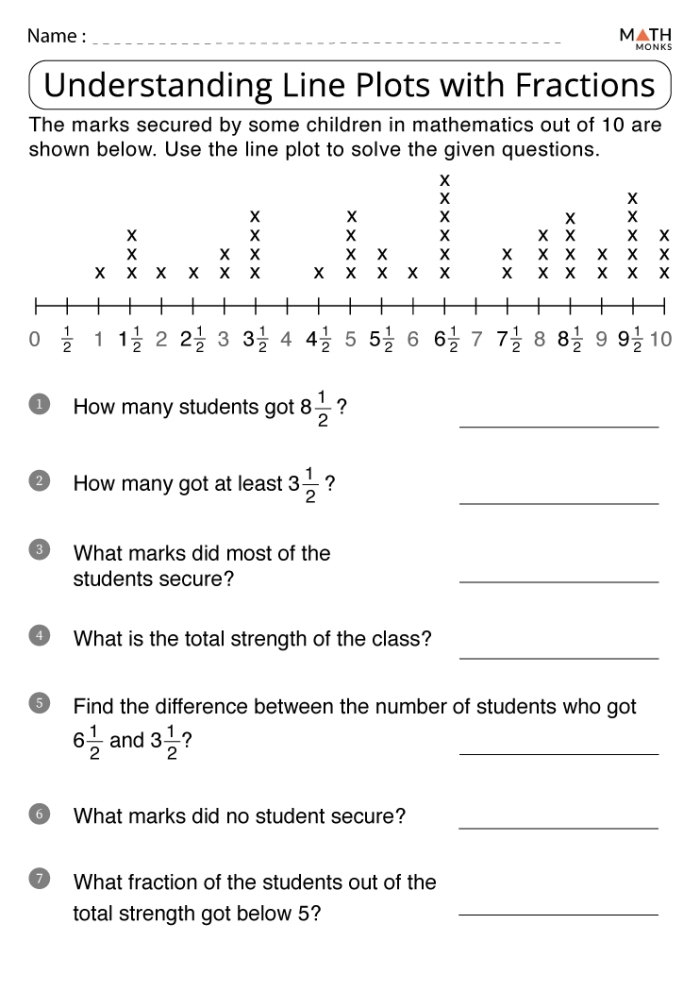
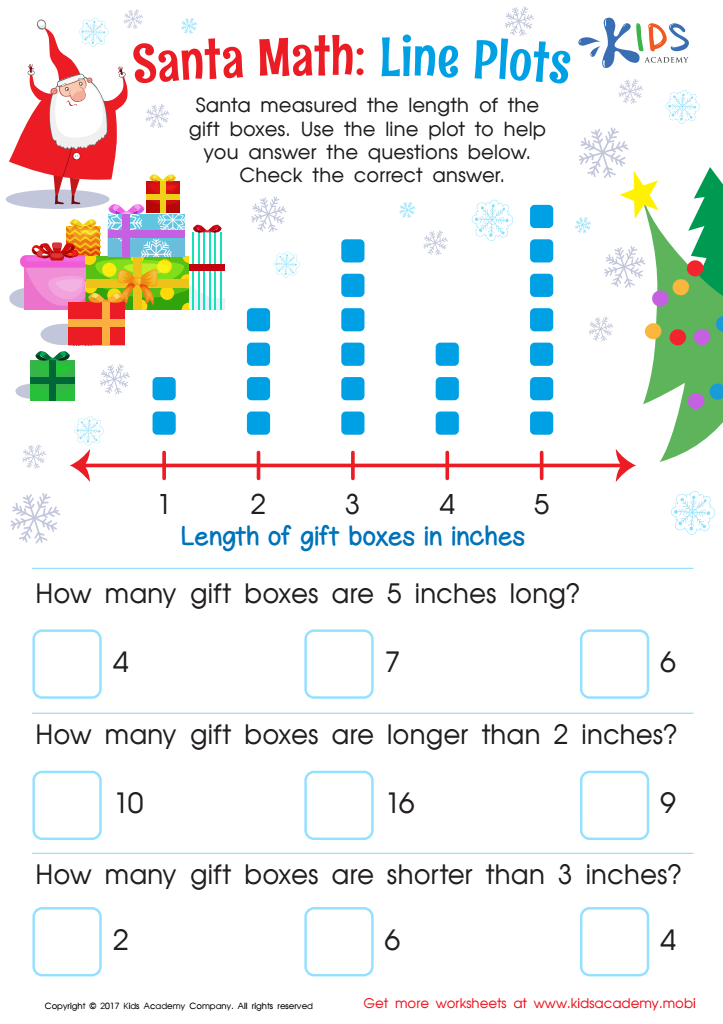
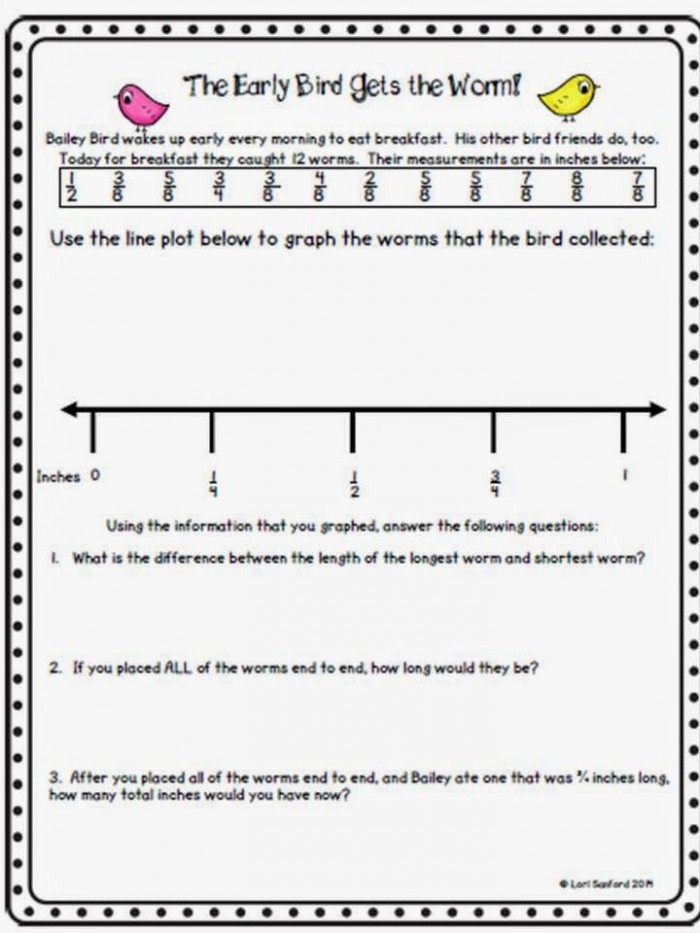
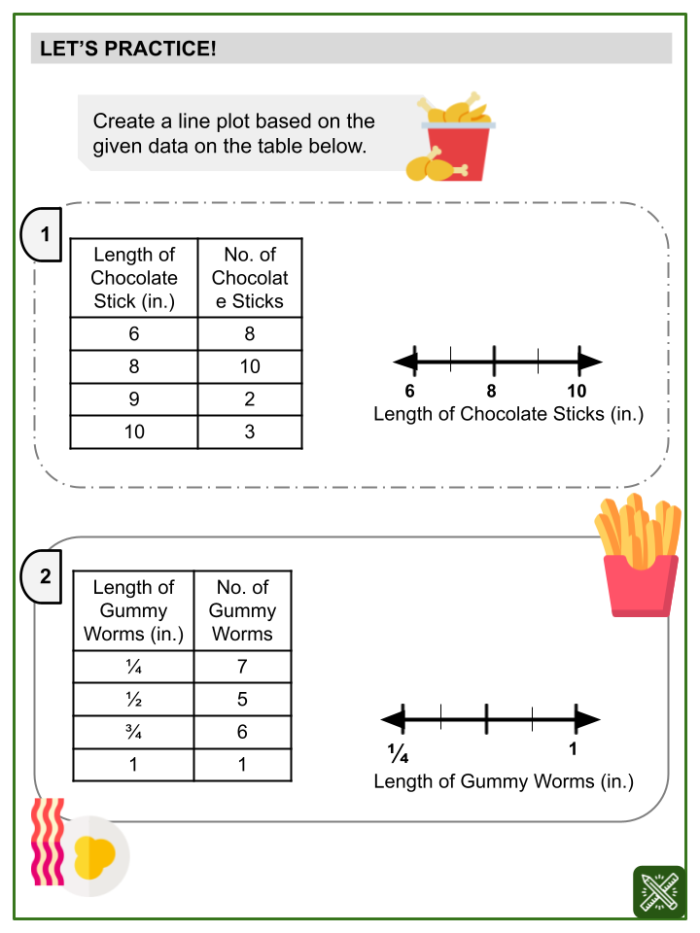
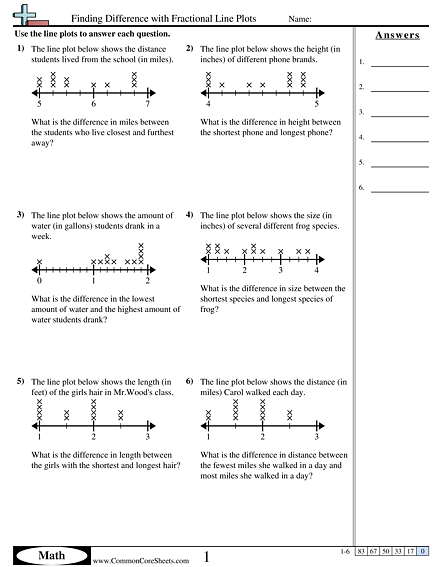
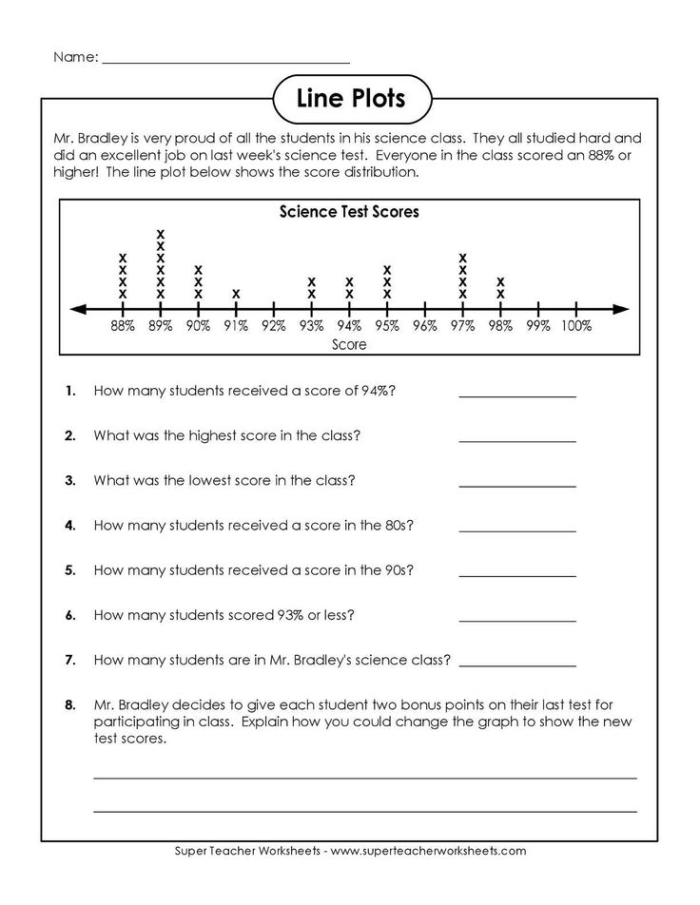
Learning to interpret data is an essential skill for young students, particularly as they transition from third to fourth grade. One effective way to develop this skill is through engaging worksheets that challenge them to create a line plot using fractional units. This specific exercise focuses on measuring foot lengths, allowing students to grasp both mathematical concepts and real-world applications.
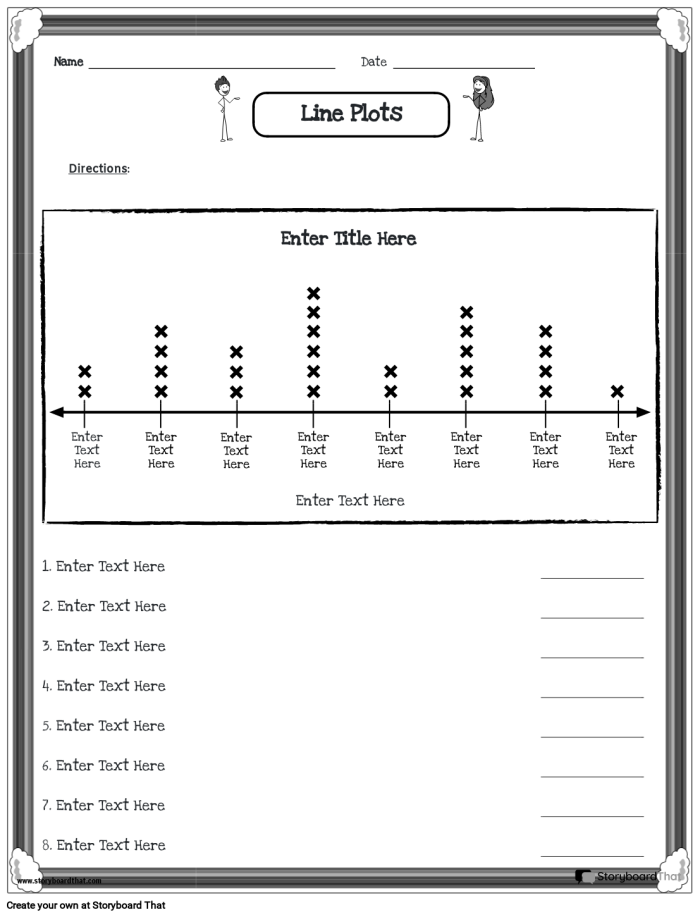
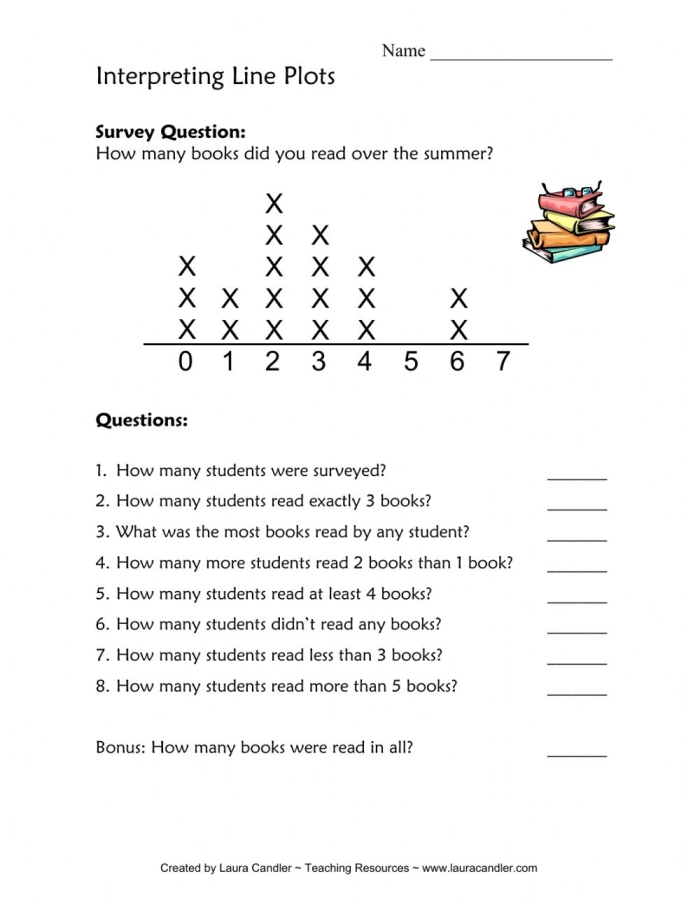
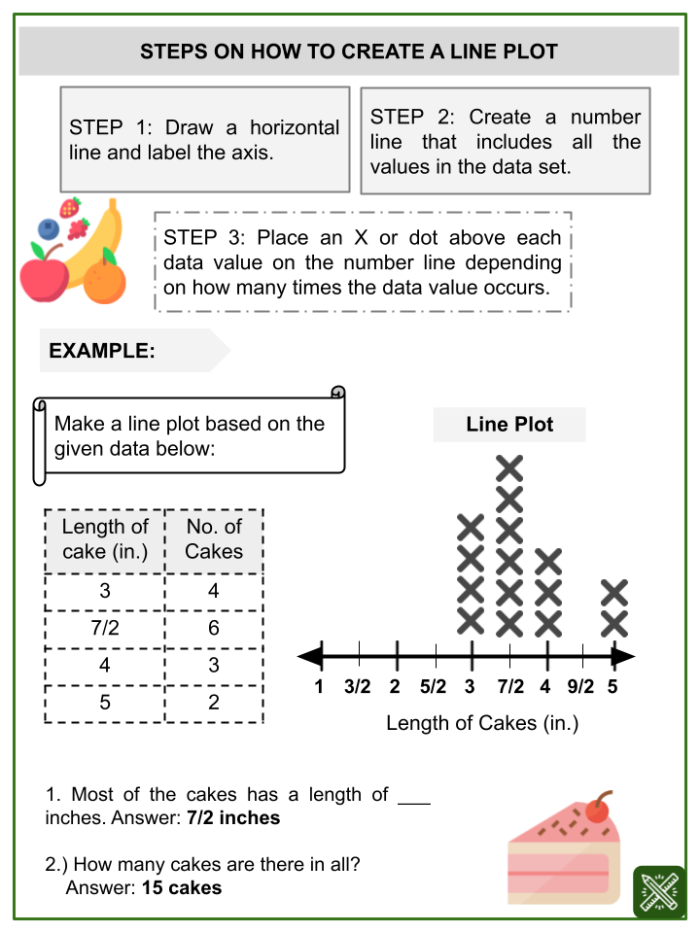
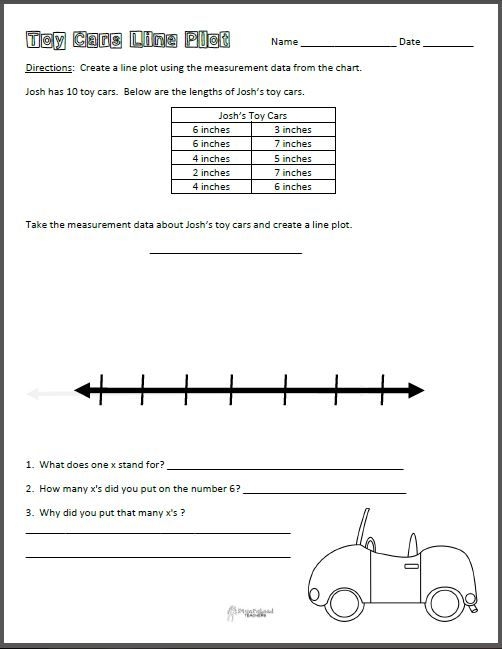
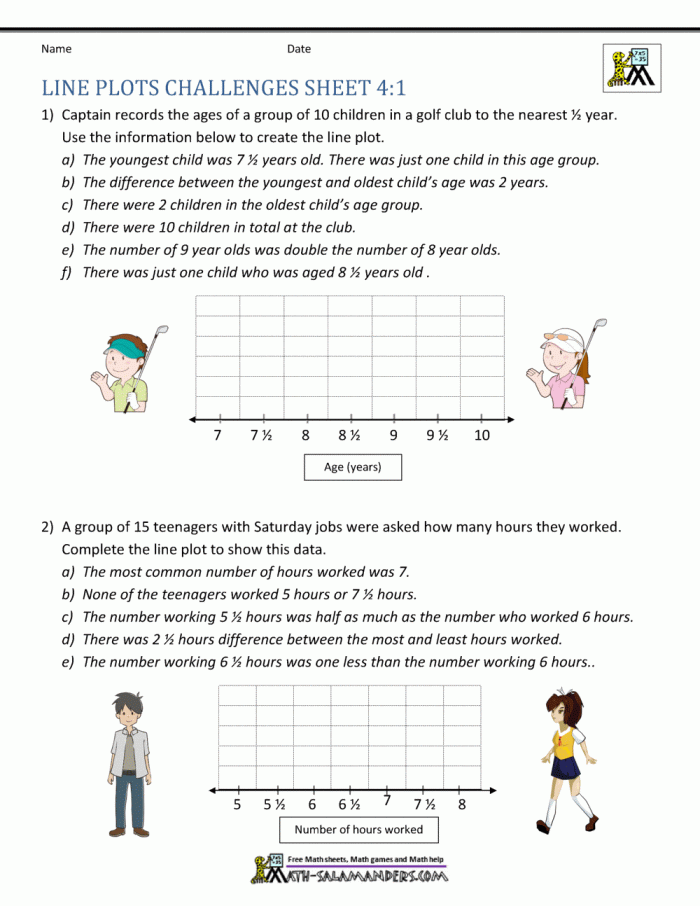
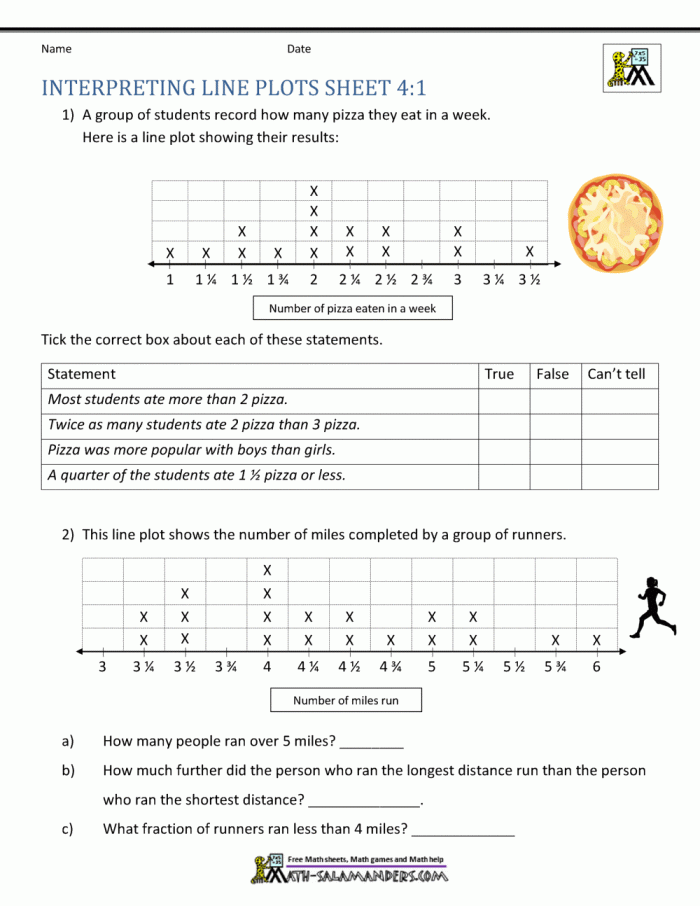
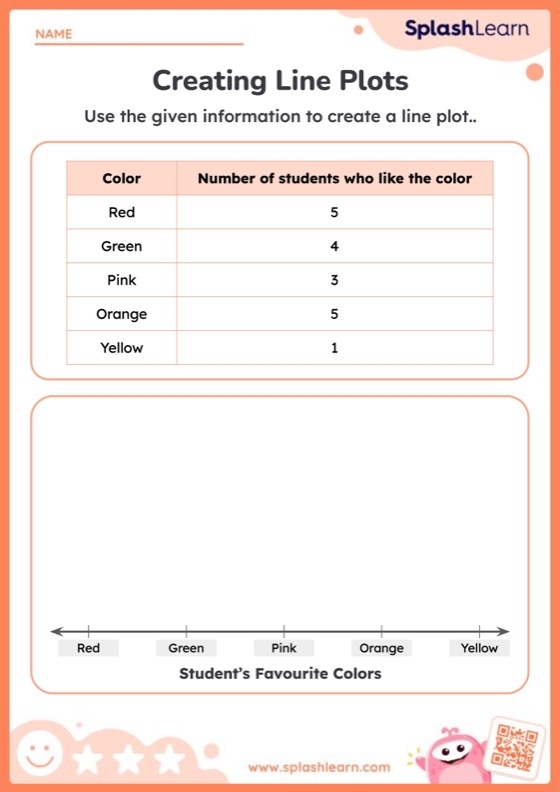
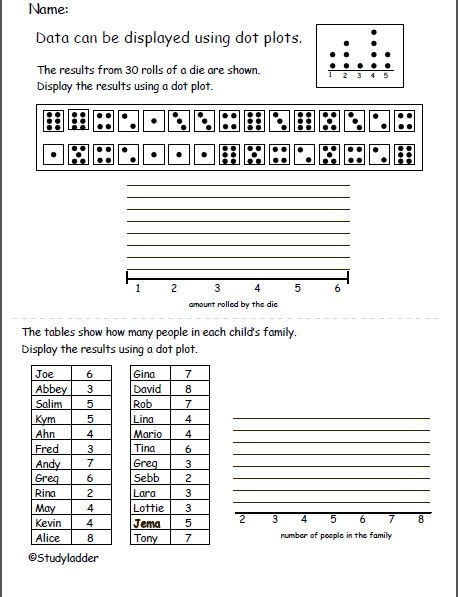
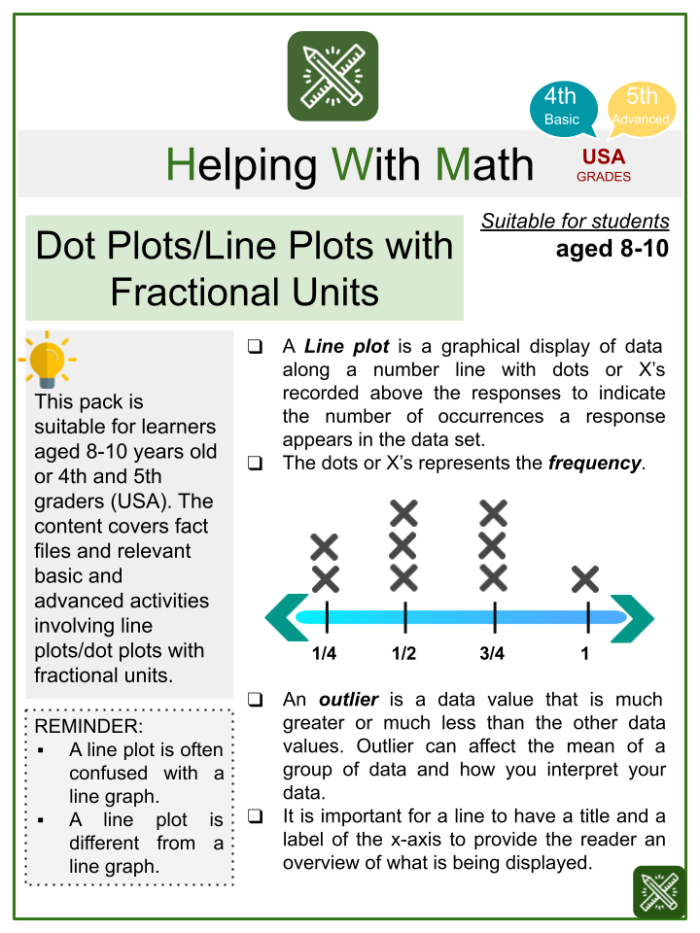
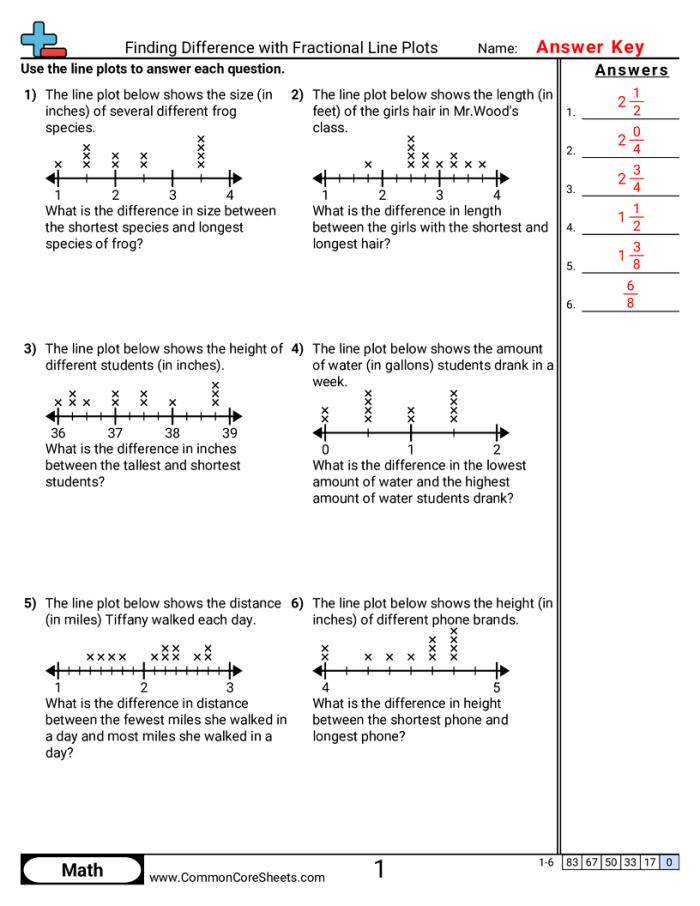
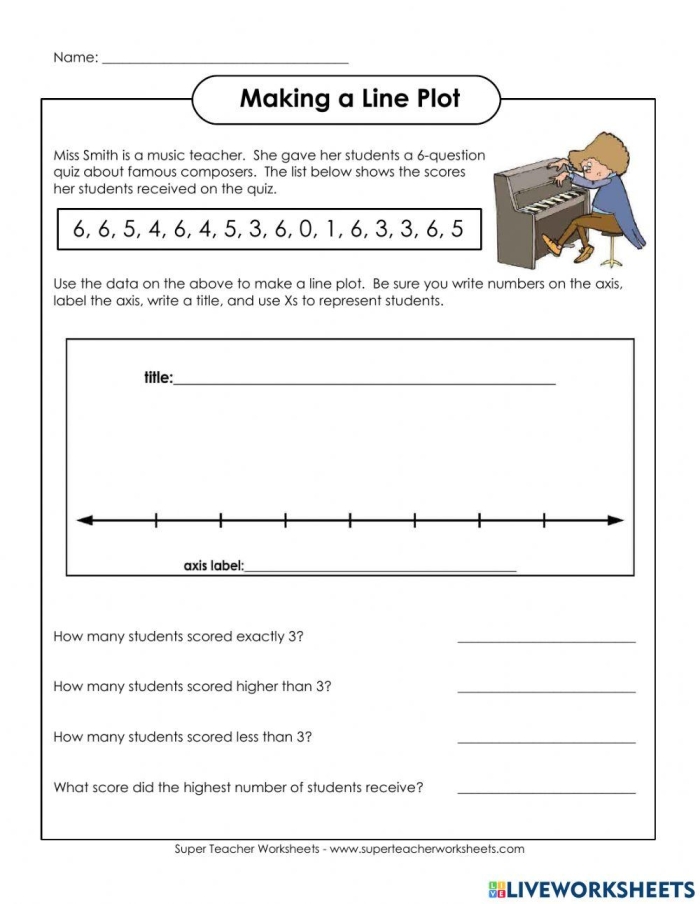
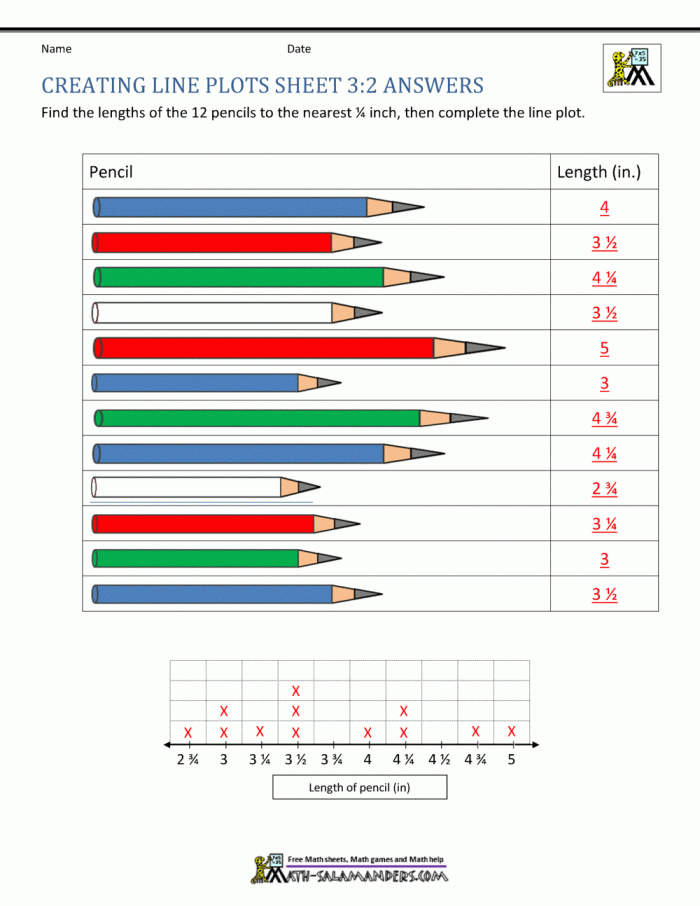
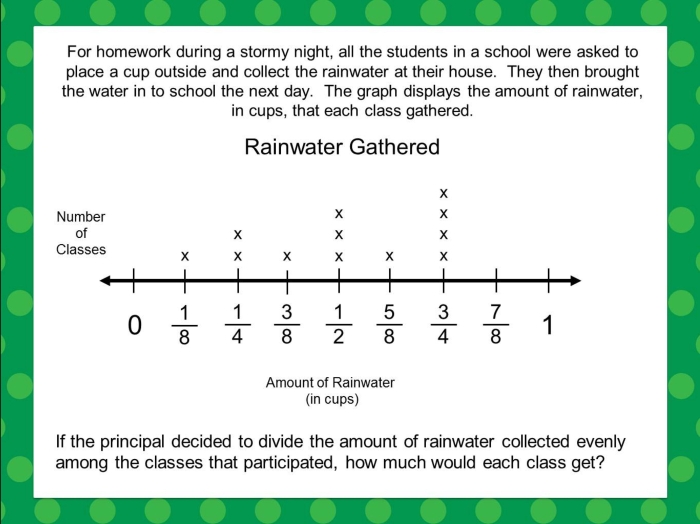
A line plot is a simple yet powerful tool for displaying data. By placing measurements along a number line, students can visually interpret how various foot lengths compare to one another. For example, a worksheet might present foot lengths measured in fractions, such as 1.5 feet or 2.25 feet. Students can then plot these measurements, which not only reinforces their understanding of fractions but also prepares them for more complex tasks in fourth grade math.
Working with fractions in the context of a line plot helps students develop critical thinking skills. They learn to analyze data, which is a key component of statistics. As they plot different foot lengths, they can also engage in discussions about the data. Questions like, “What is the most common foot length?” or “How do these lengths compare to each other?” encourage deeper understanding.
Moreover, this type of worksheet aligns well with the fourth grade curriculum, specifically in the area of Time and Money. Understanding how to manipulate fractions can assist students in making calculations related to time, such as converting hours into minutes, or when budgeting for activities. For additional practice, worksheets on topics like decimal addition and geometry concepts can further enhance their skills.
Ultimately, incorporating practical activities like creating line plots with fractional units not only makes learning fun but also equips students with essential mathematical skills that will serve them well in their academic journey.
Start Practicing with These Worksheets