When young learners first encounter the question “What number comes after 3?” they’re stepping into one of the most important foundations of mathematics. This simple question opens the door to understanding sequence, order, and the basic structure of our number system.
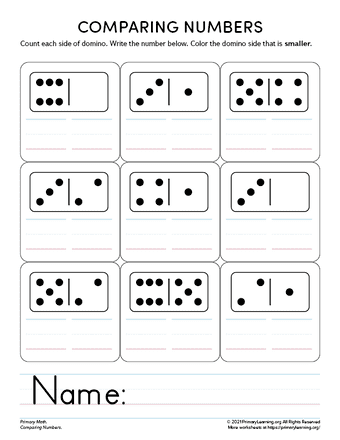
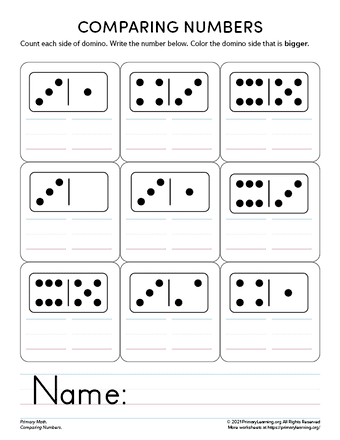
Using dots to count is one of the most effective methods for Pre-K students. When children physically count dots on a worksheet, they engage their visual and tactile senses simultaneously. They see each dot, point to it, and say the number aloud. This multisensory approach helps cement the concept that numbers follow a predictable pattern. After 3 comes 4, after 4 comes 5, and so on. The dots make this tangible rather than abstract.
The beauty of dot-counting worksheets lies in their simplicity. A child sees three dots, counts them carefully, then moves to the next group. When they count four dots, they discover the answer themselves. They’re not memorizing; they’re discovering. This discovery-based learning creates stronger neural pathways than passive instruction.
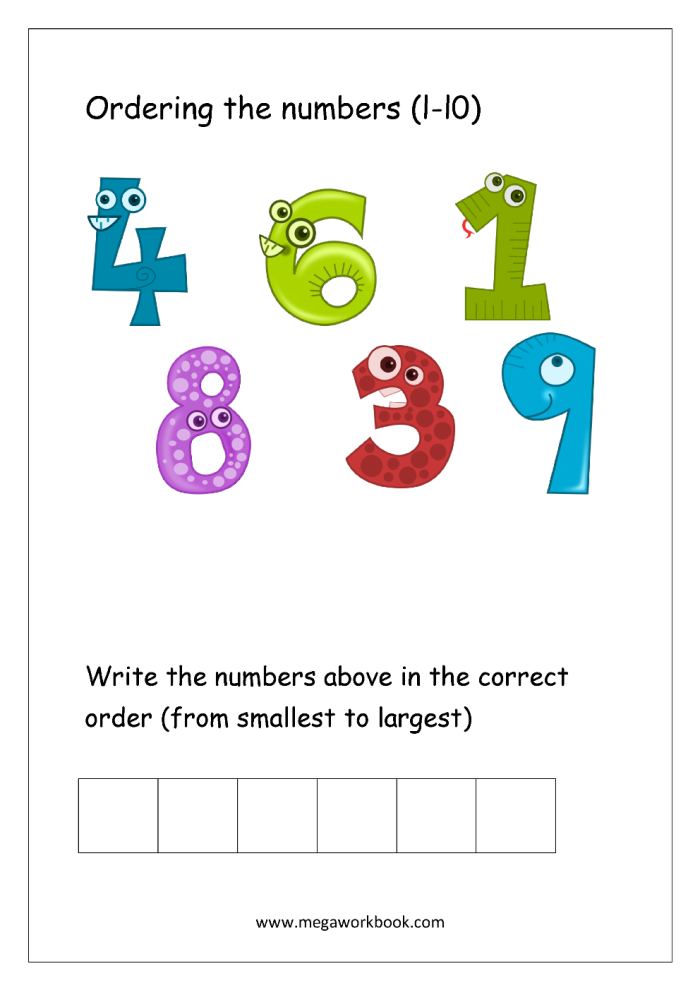
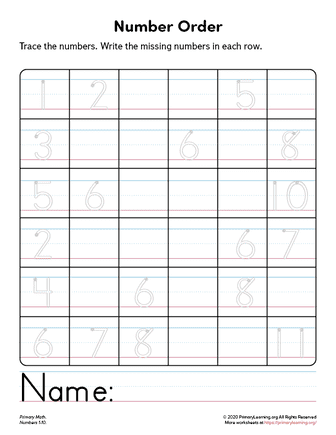
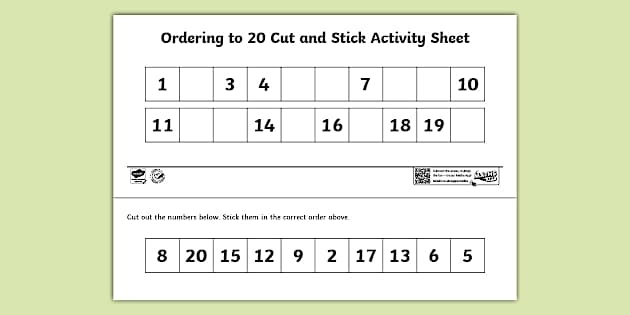
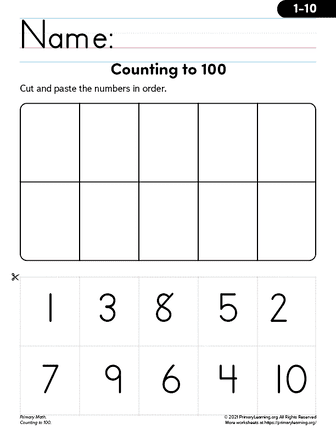
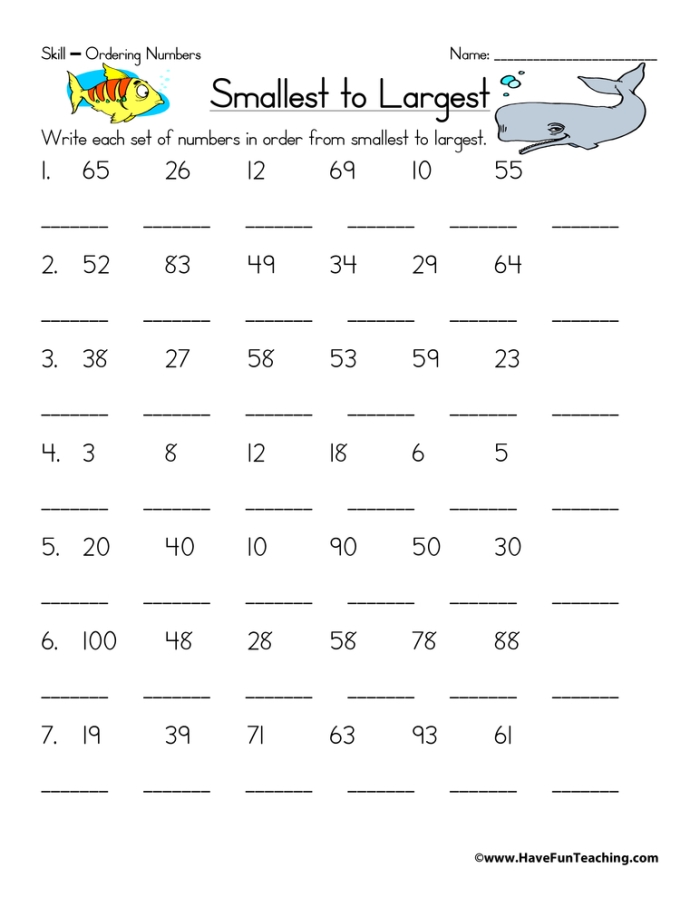
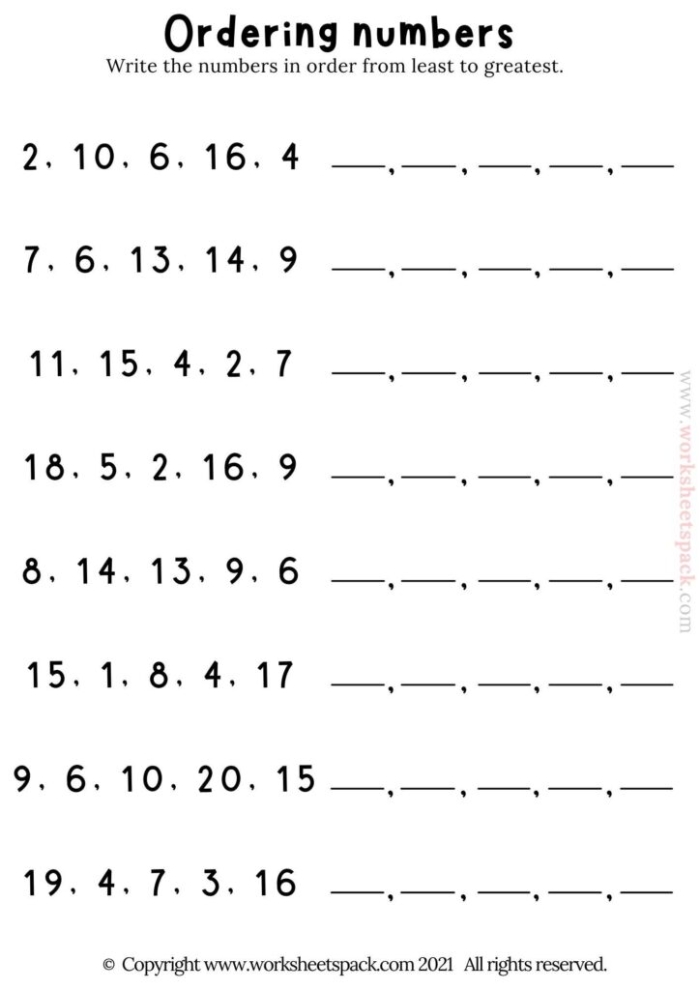
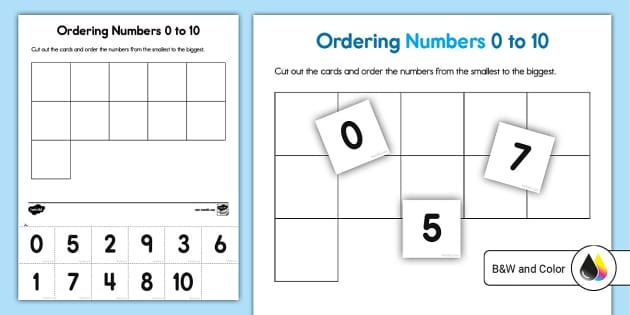
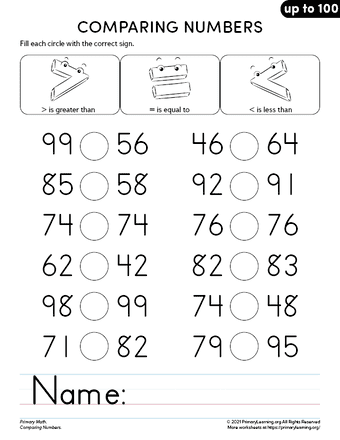
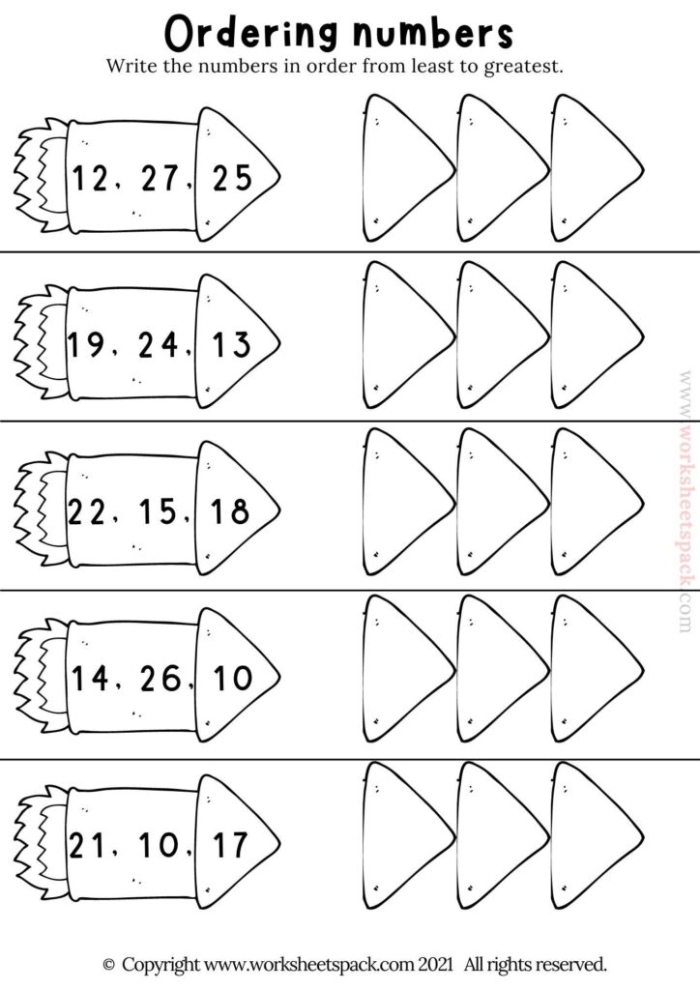
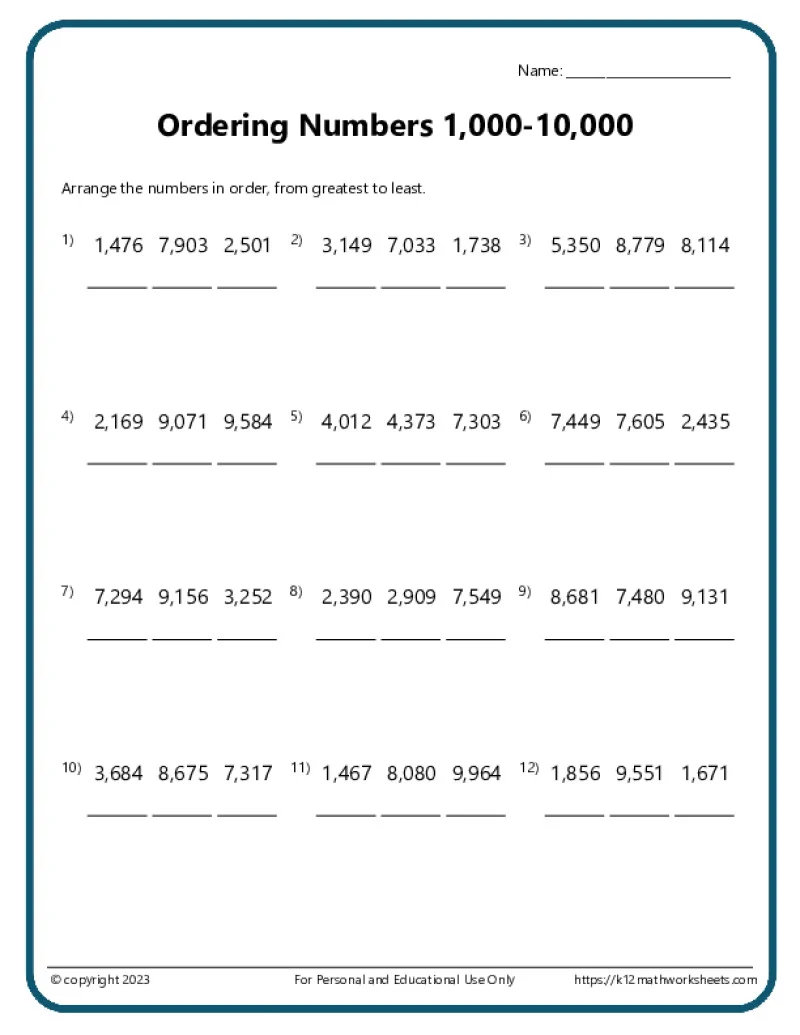
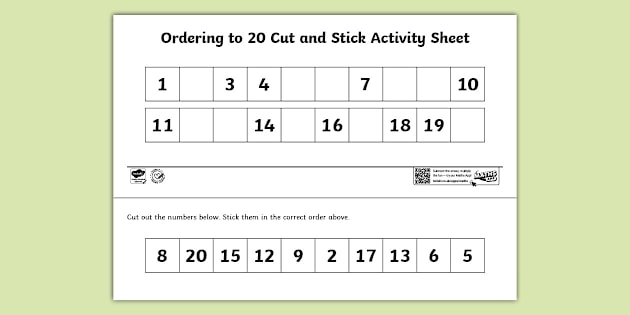
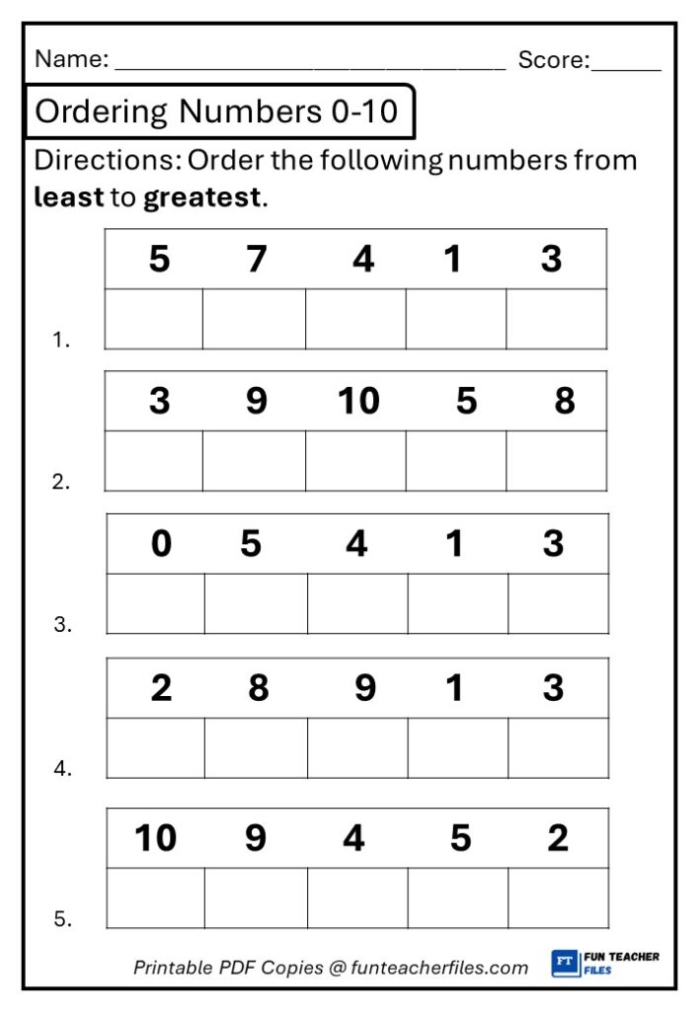
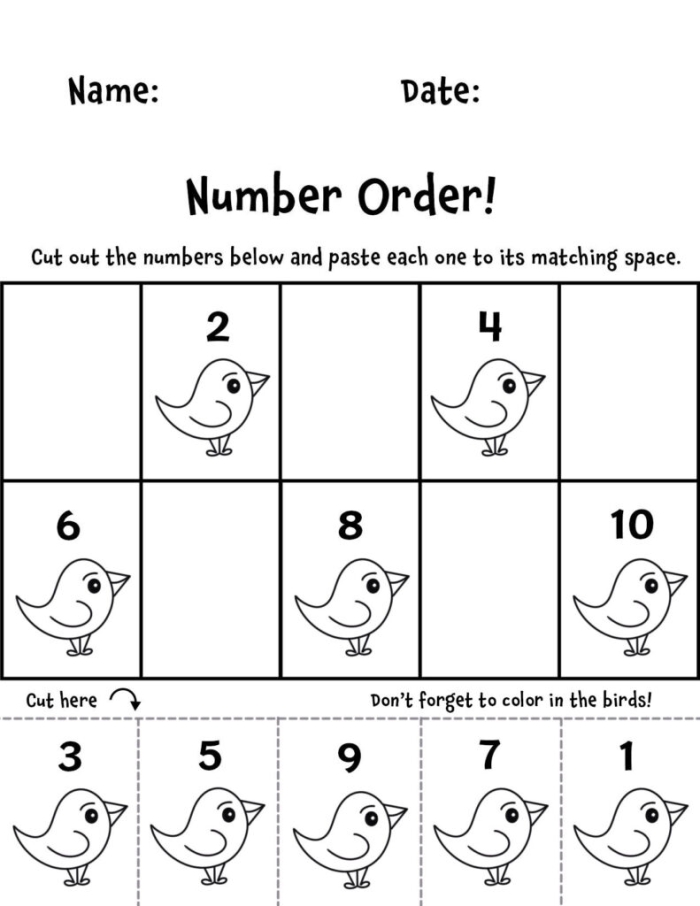
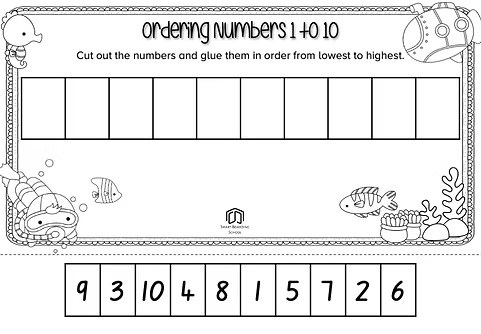
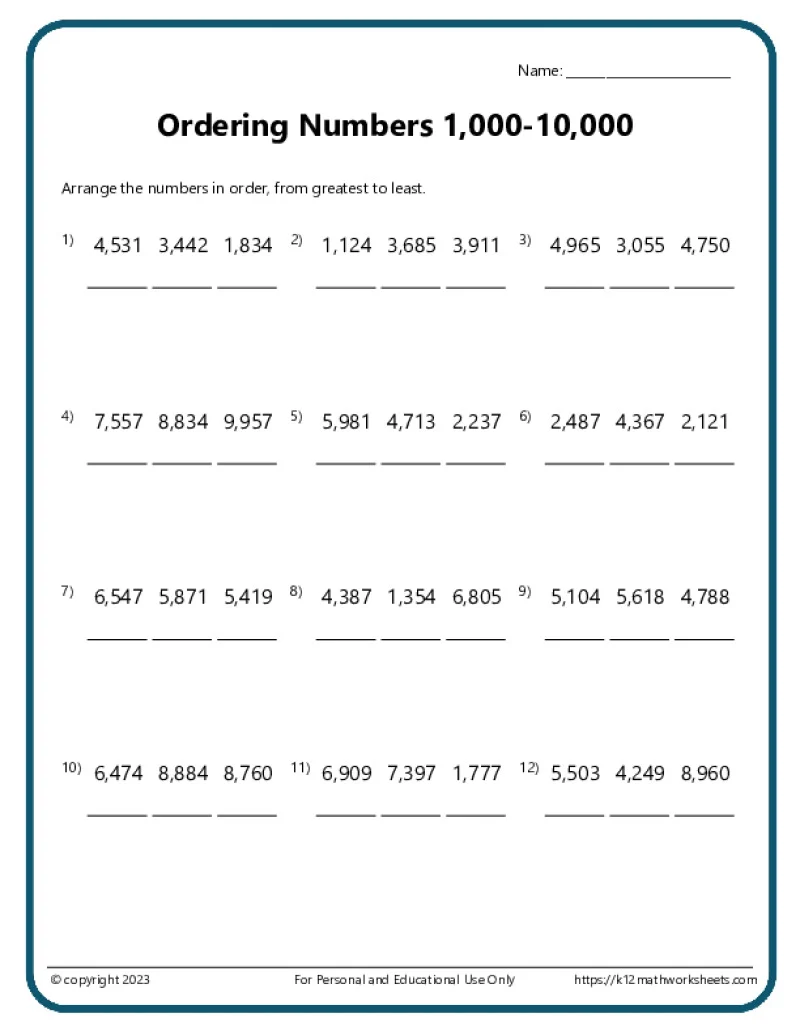
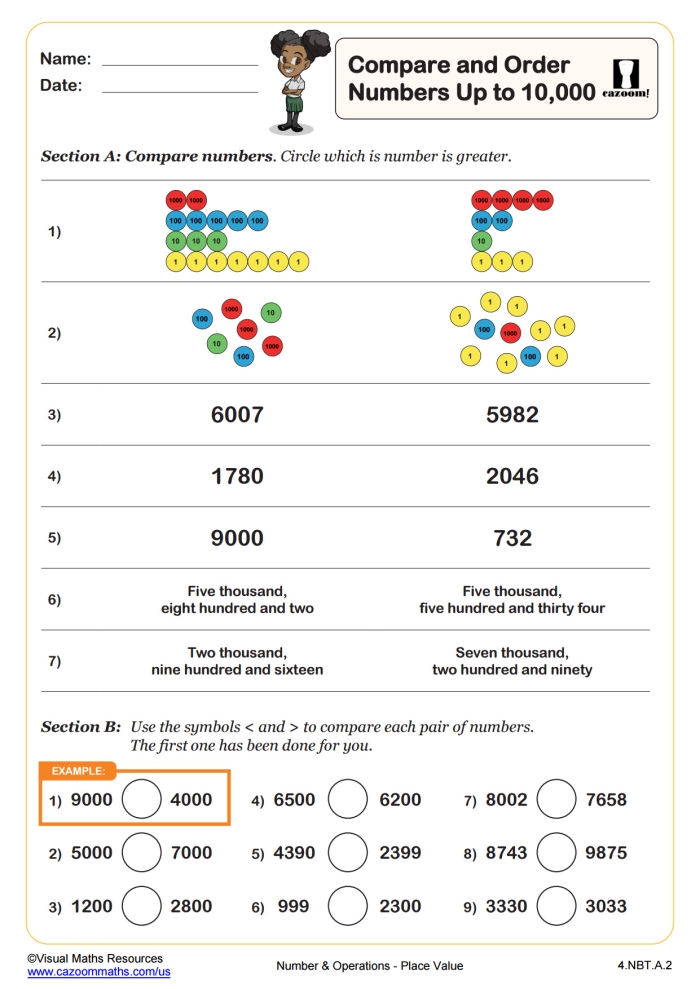
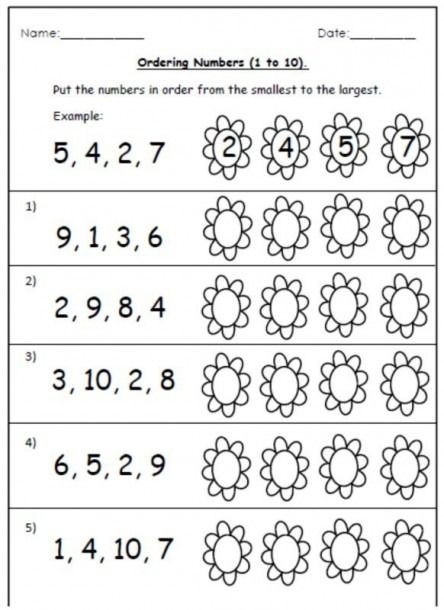
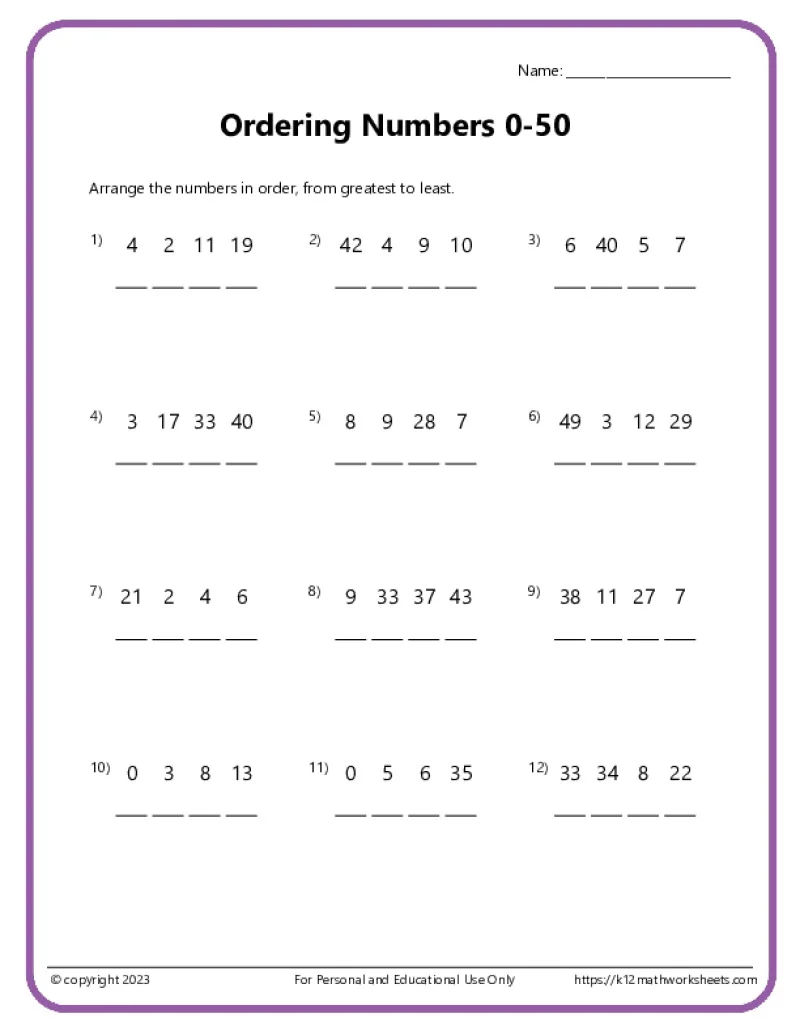
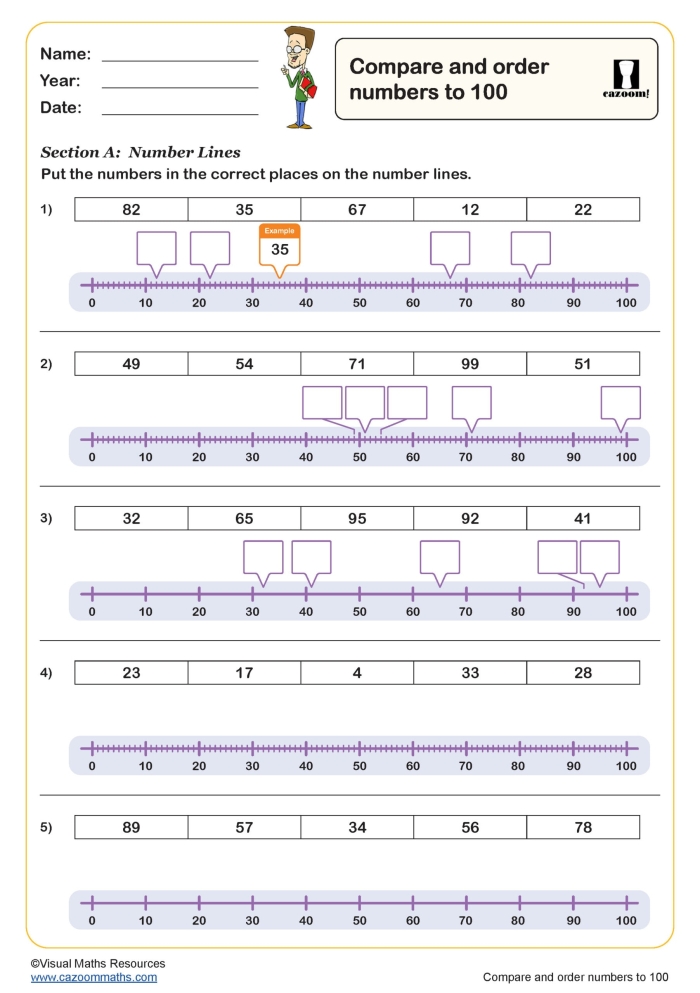
Worksheets designed for ordering numbers to 10 typically progress in difficulty. Early exercises might show dots in groups of one through five, then gradually introduce higher numbers. Some worksheets incorporate visual learning strategies similar to place value activities that help children understand number relationships beyond simple counting.
As children work through these exercises, they’re building the cognitive skills needed for addition, subtraction, and eventually fractions. Understanding that numbers follow a sequence is prerequisite knowledge for all higher mathematics. Teachers and parents who use these dot-based counting activities notice faster progression in number recognition and confidence.
The answer to “What number comes after 3?” becomes automatic through repetition and visual reinforcement. By the time children finish a series of well-designed worksheets, they don’t need to count anymore. They simply know.
Download These Worksheets for Practice