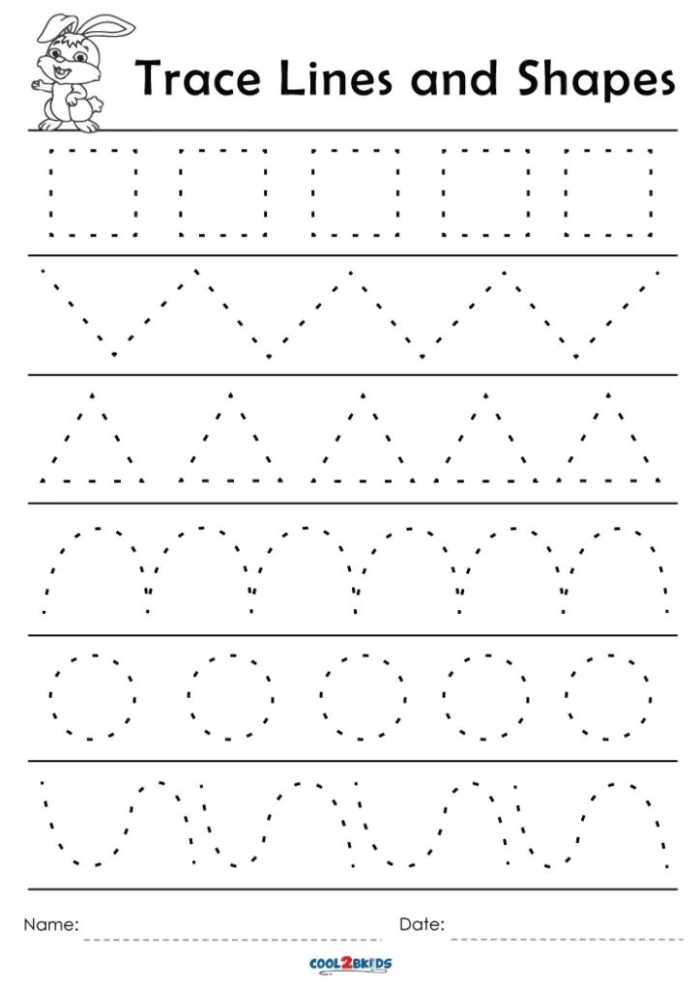
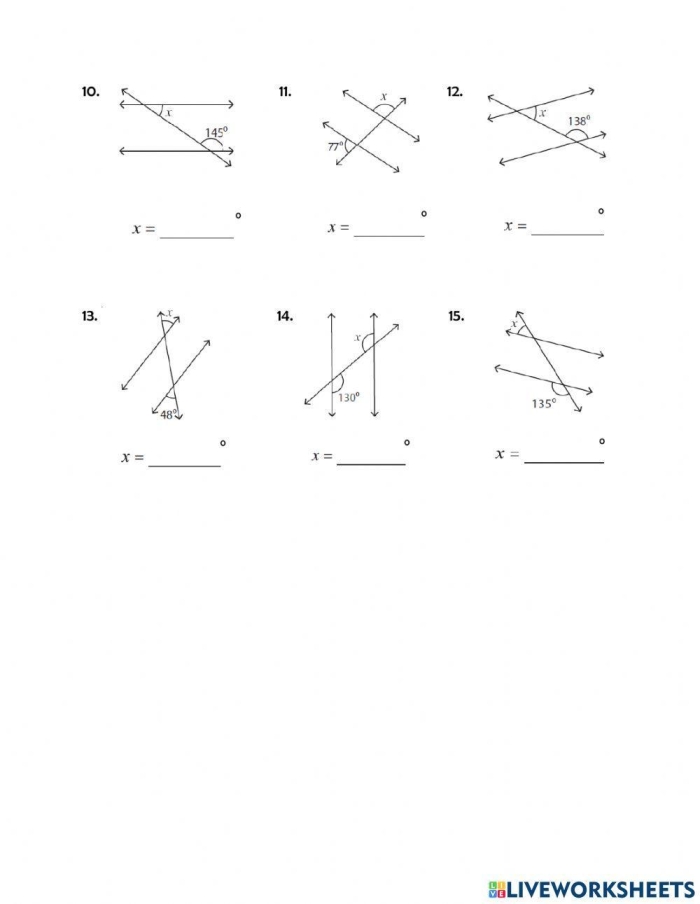
When second grade students start learning geometry, the shapes they see on the page can feel like just pictures. But something shifts when they begin counting the actual parts that make up each shape. By tracking line segments, endpoints, and angles, kids move from passive observation to active discovery.
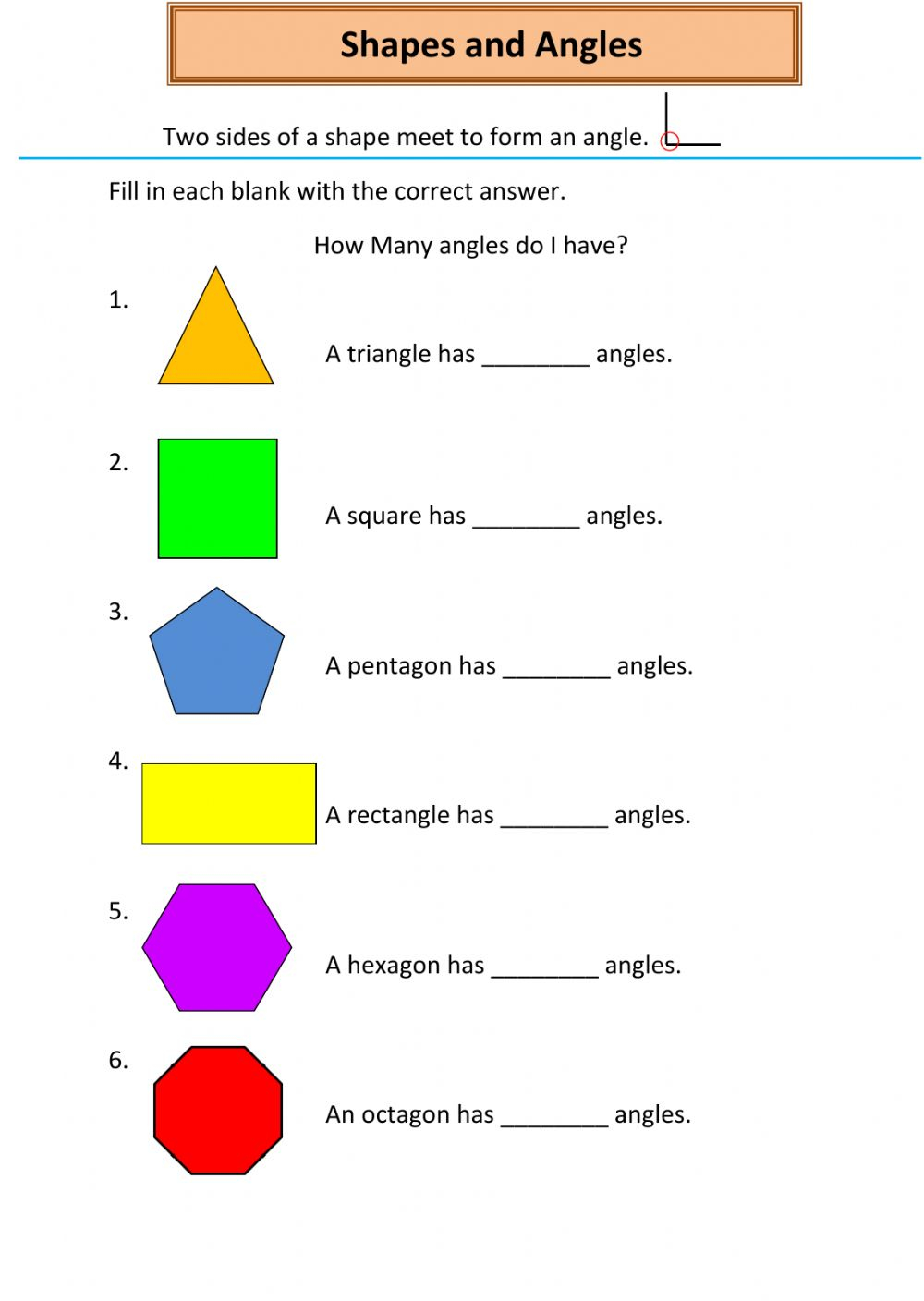
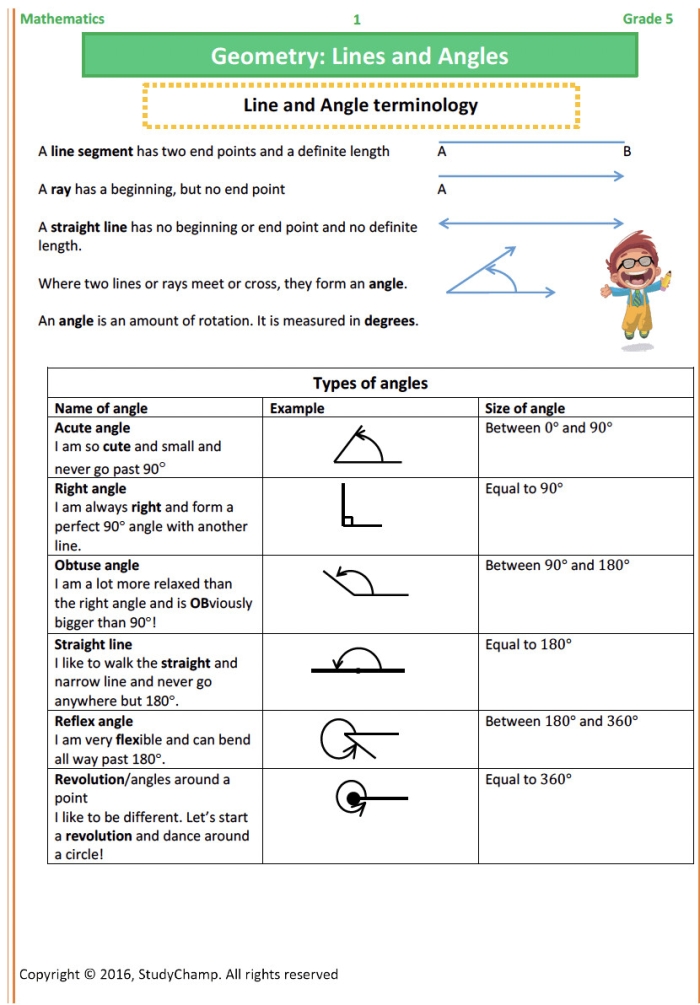
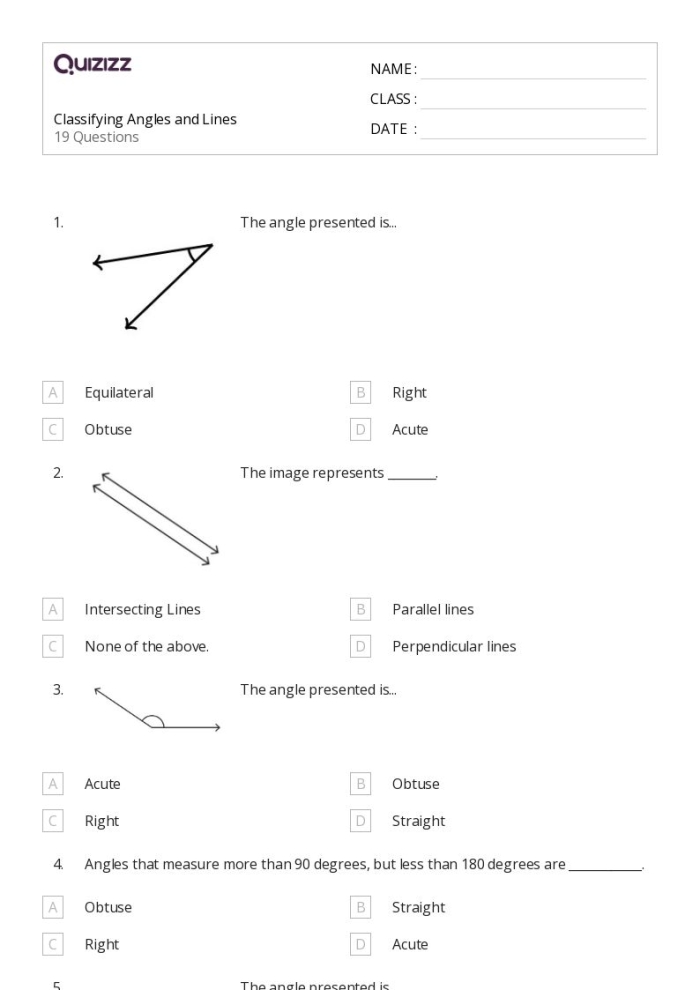
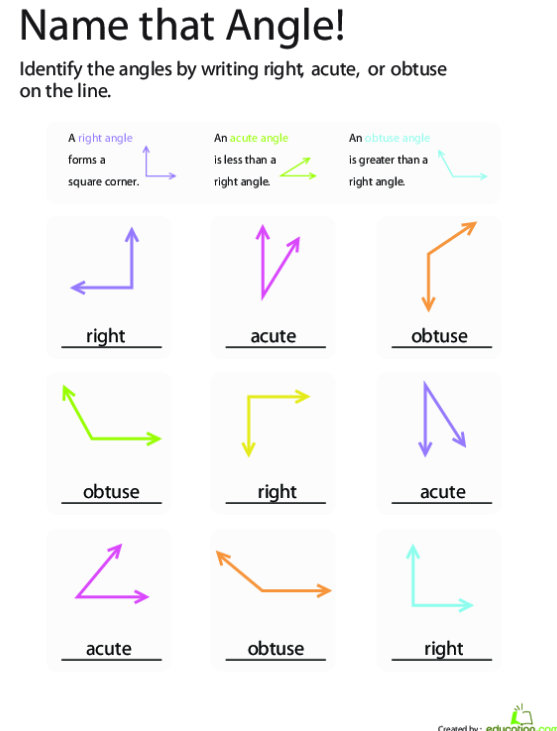
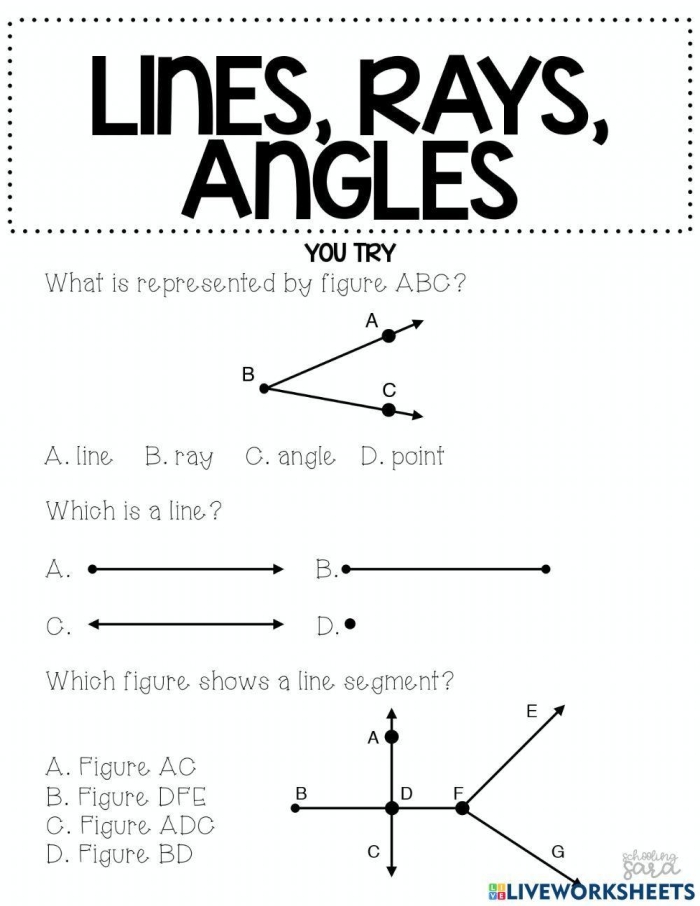
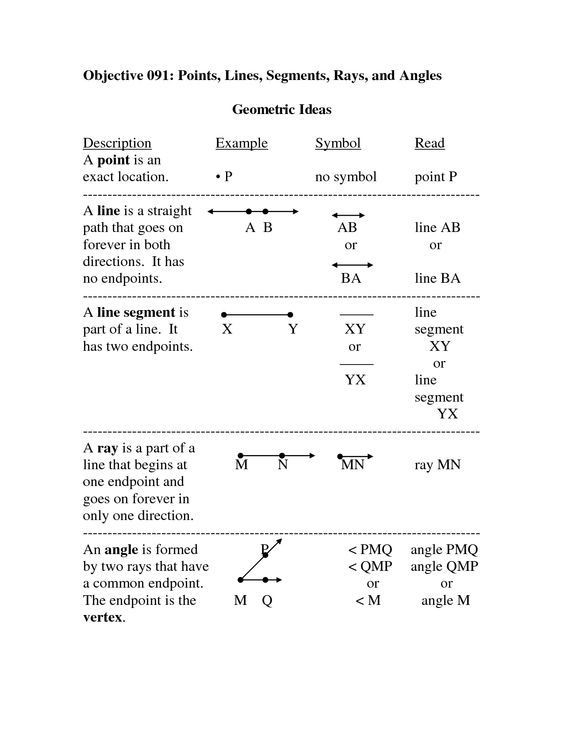
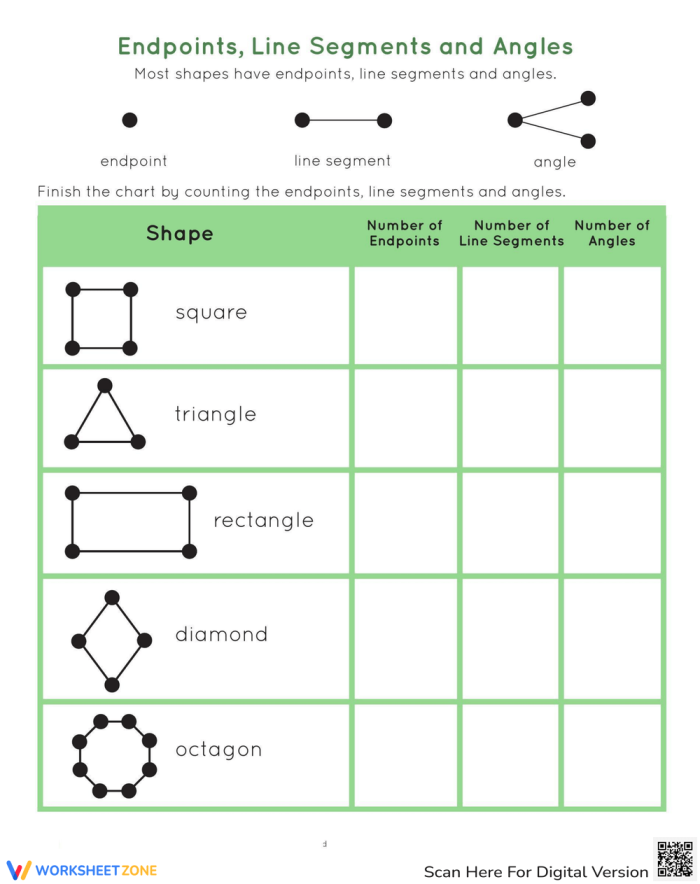
A line segment is a straight path between two points. An endpoint is where that path begins or ends. An angle forms where two line segments meet. These three elements are the building blocks of every polygon, and when children count them deliberately, the shapes become less abstract and more real.
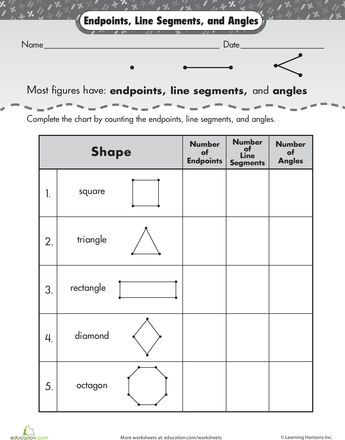
Recording this information in a chart transforms the learning process. A simple table with columns for shape name, number of line segments, number of endpoints, and number of angles gives students a concrete way to organize their findings. A triangle has 3 line segments, 3 endpoints, and 3 angles. A square has 4 of each. A pentagon has 5. The pattern becomes obvious through repetition and visual confirmation.
This hands-on approach works because children learn through doing rather than being told. When they physically count the corners of a shape and write down the number, they’re building spatial reasoning skills that support later math concepts. The chart becomes a reference tool they can return to whenever they encounter a shape they need to analyze.
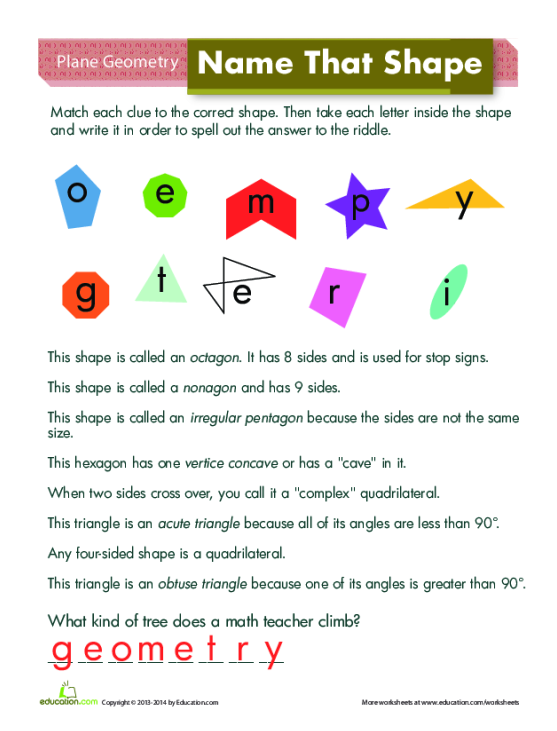
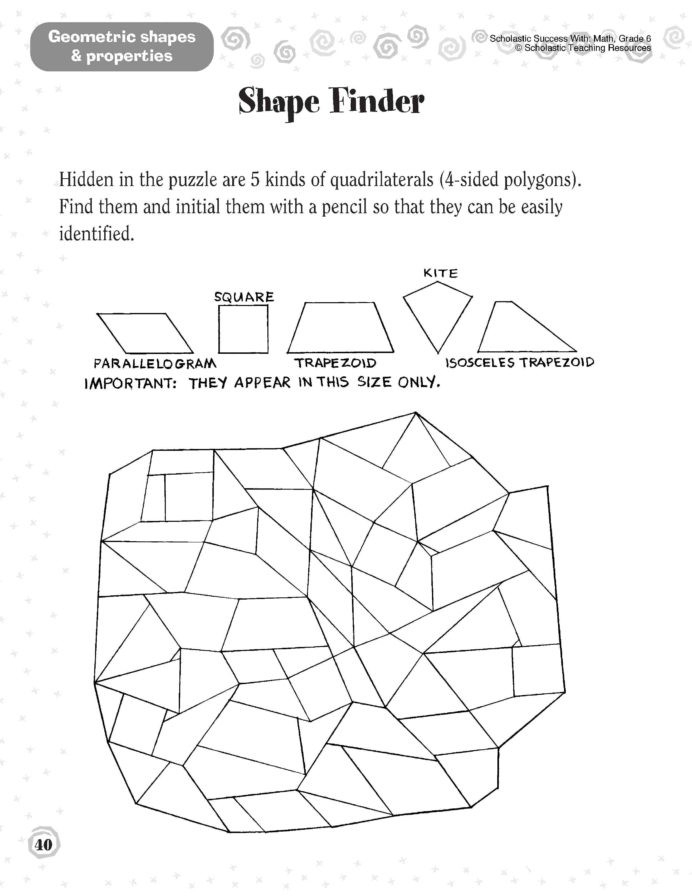
Teachers often pair this activity with other second grade learning objectives. Students might work on shape basics worksheets that combine line segments and angles with spelling practice, or incorporate shape counting into lessons about two-digit subtraction. The flexibility of this method means it fits naturally into broader curriculum goals without feeling forced or disconnected.
Use These Worksheets Today