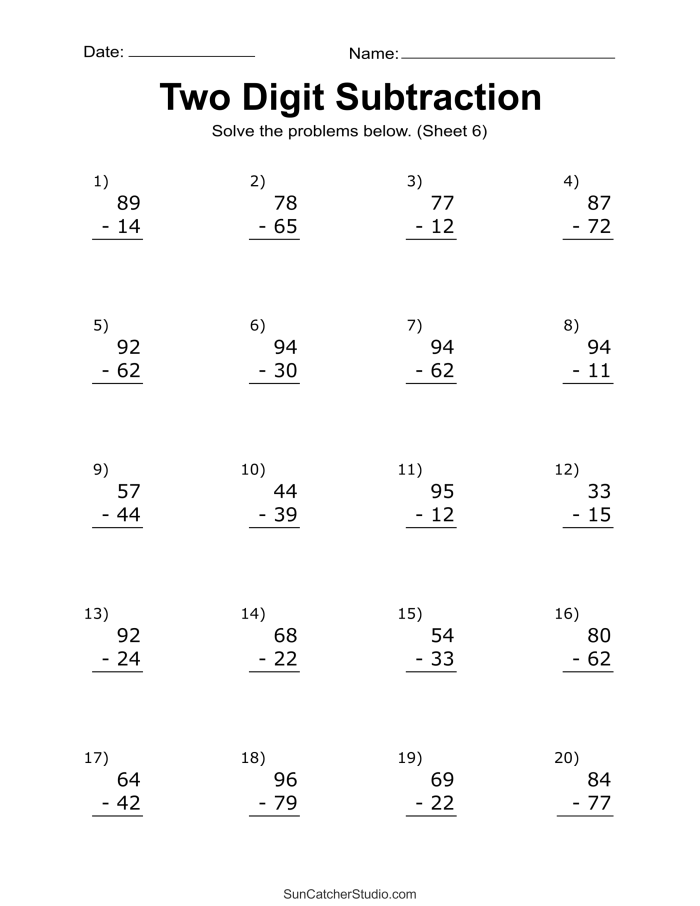
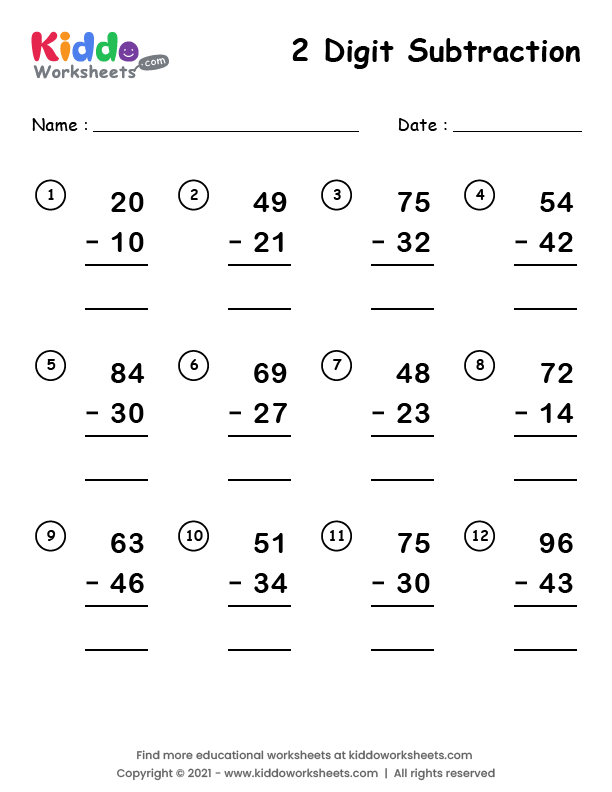
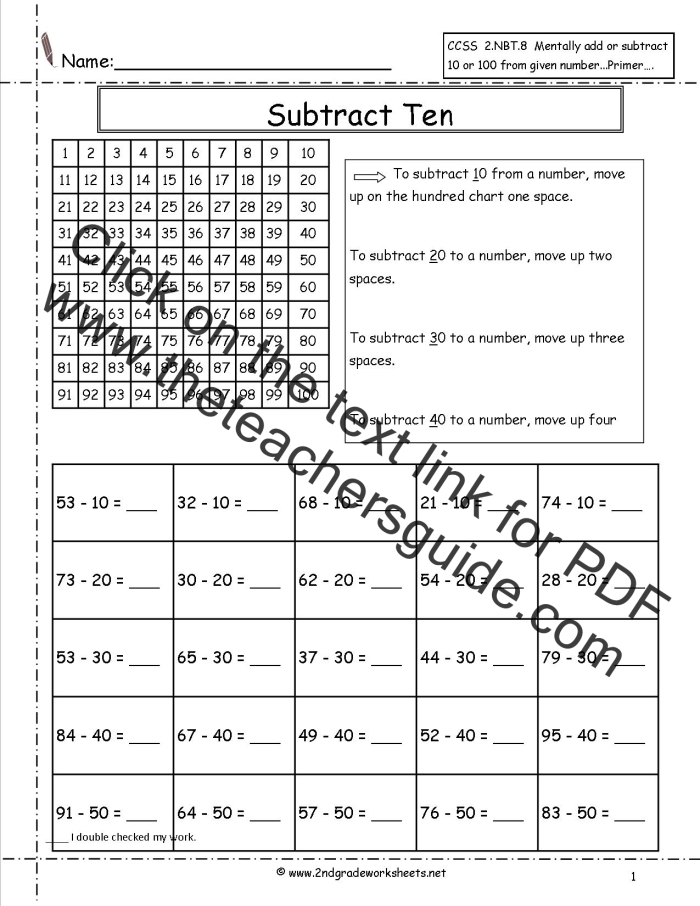
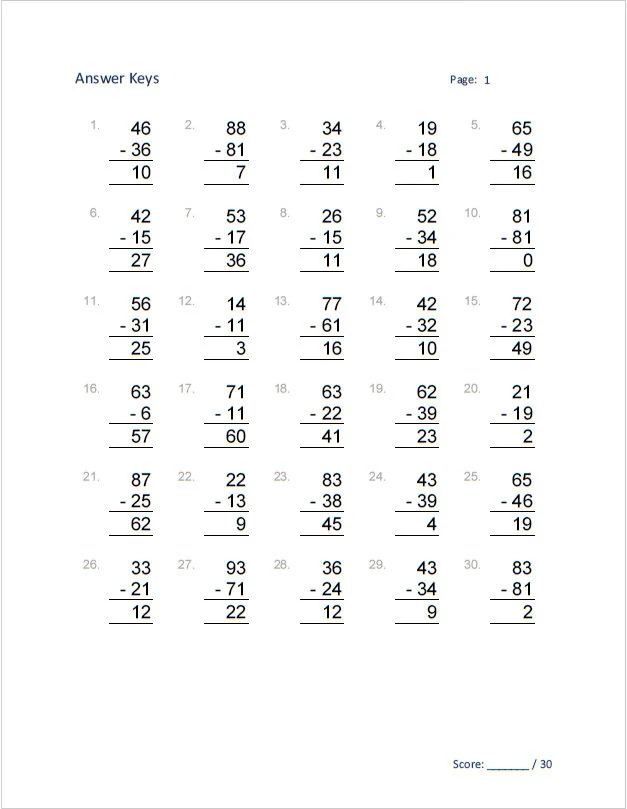
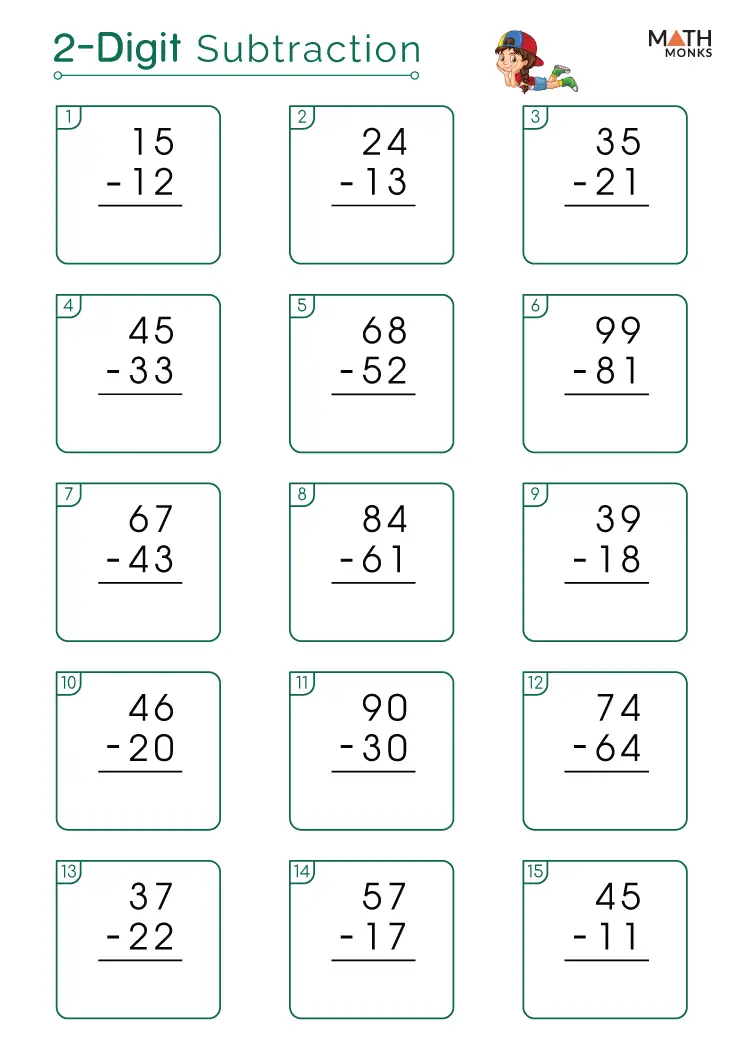
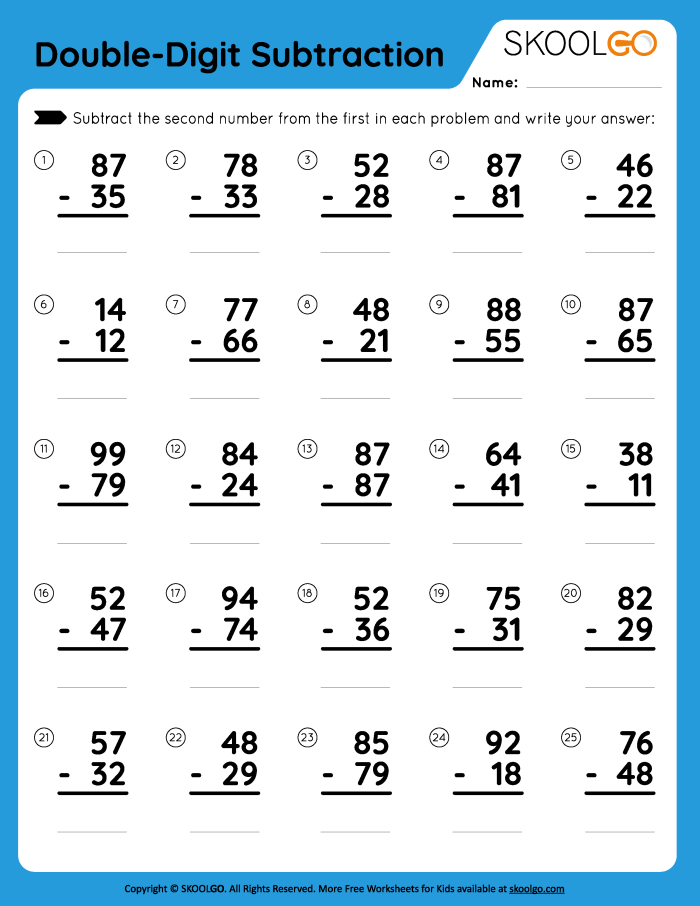
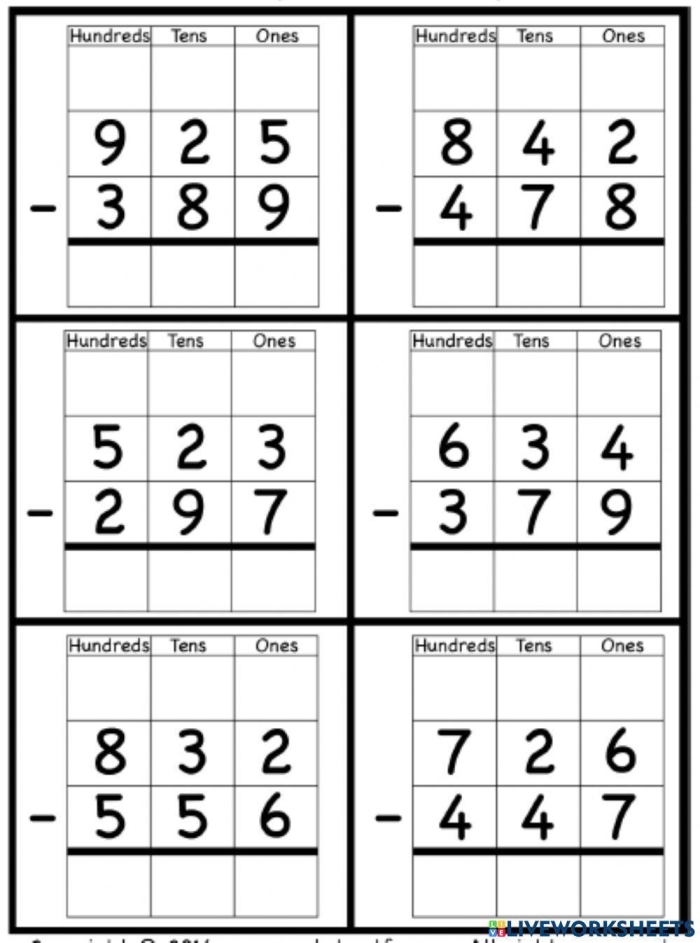
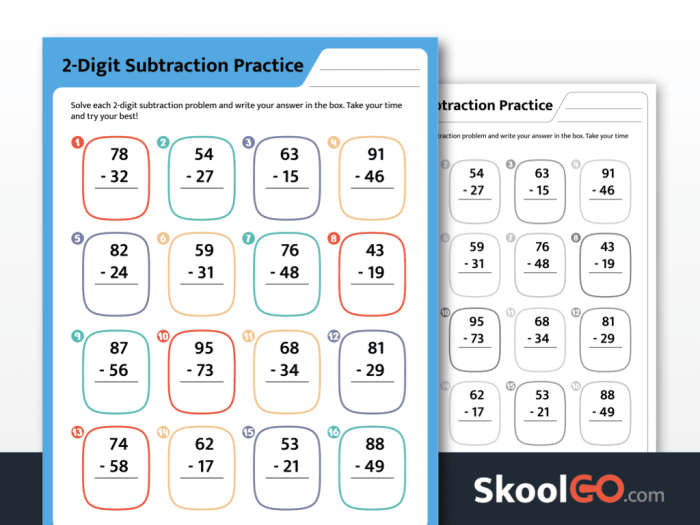
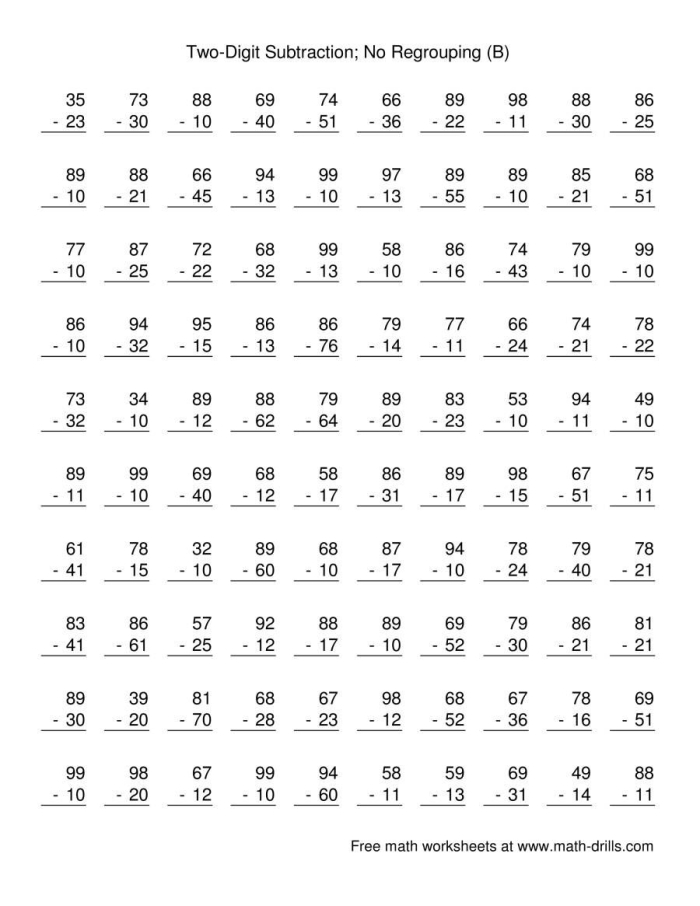
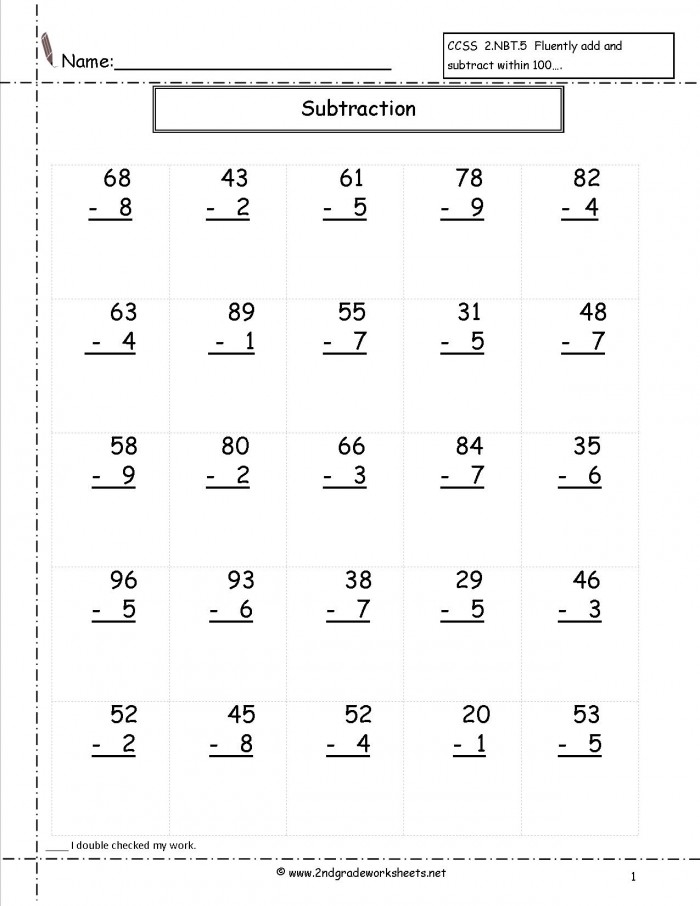
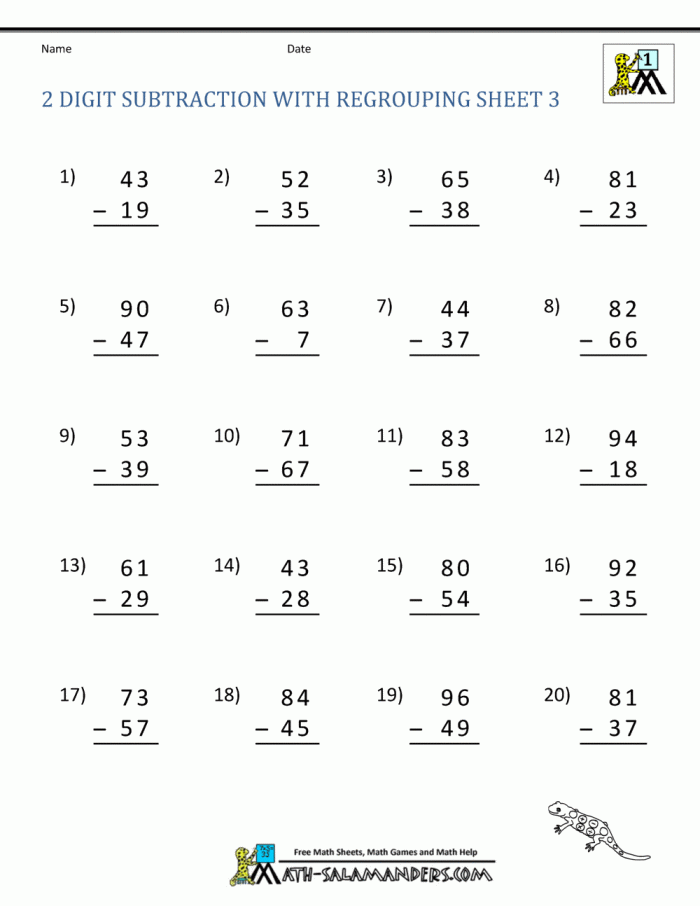
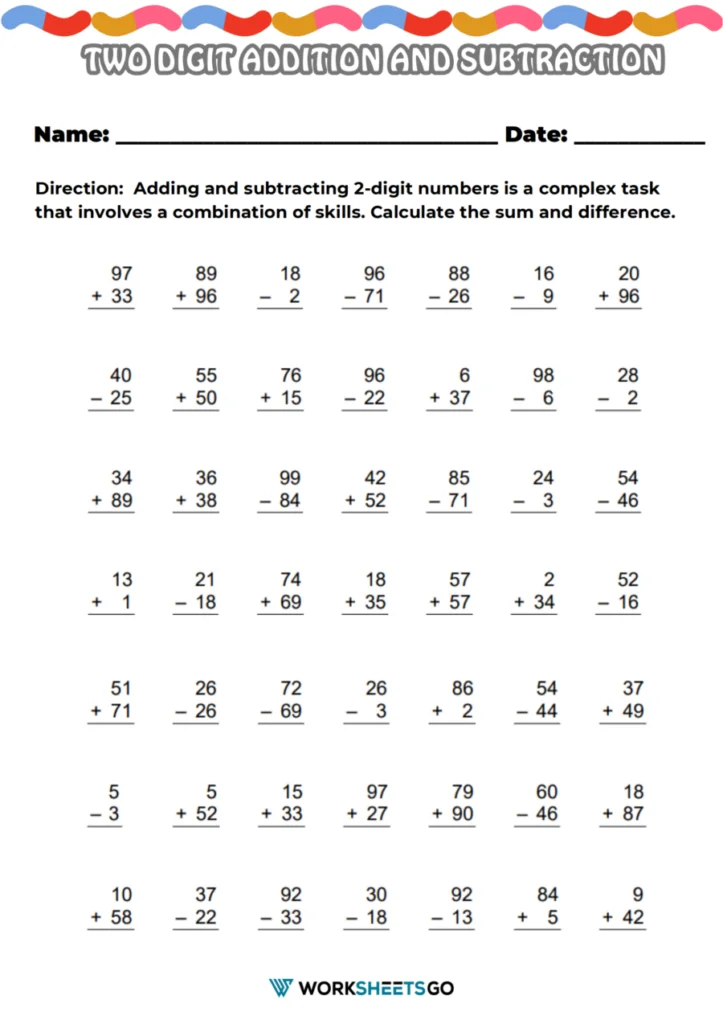
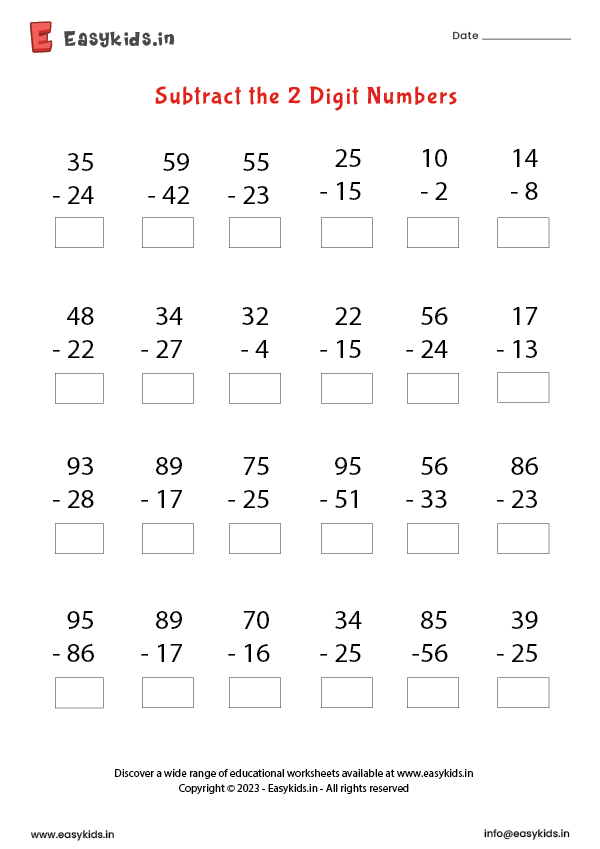
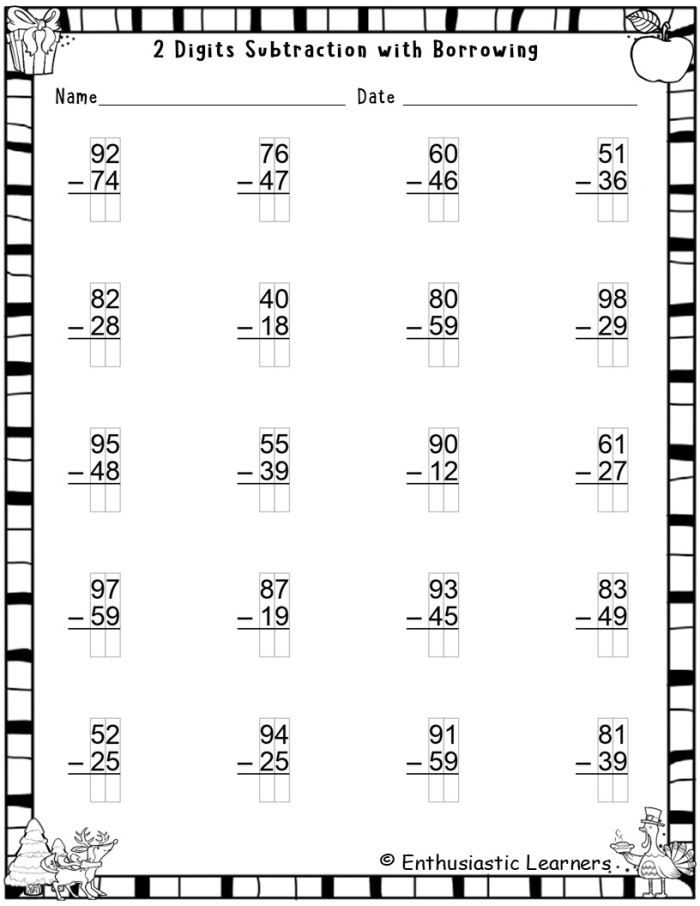
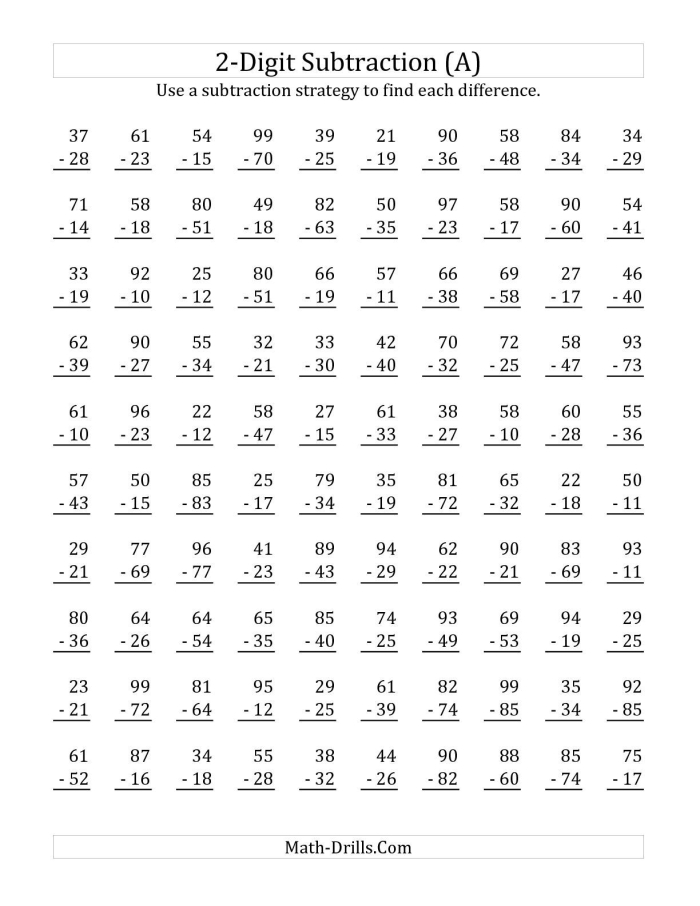
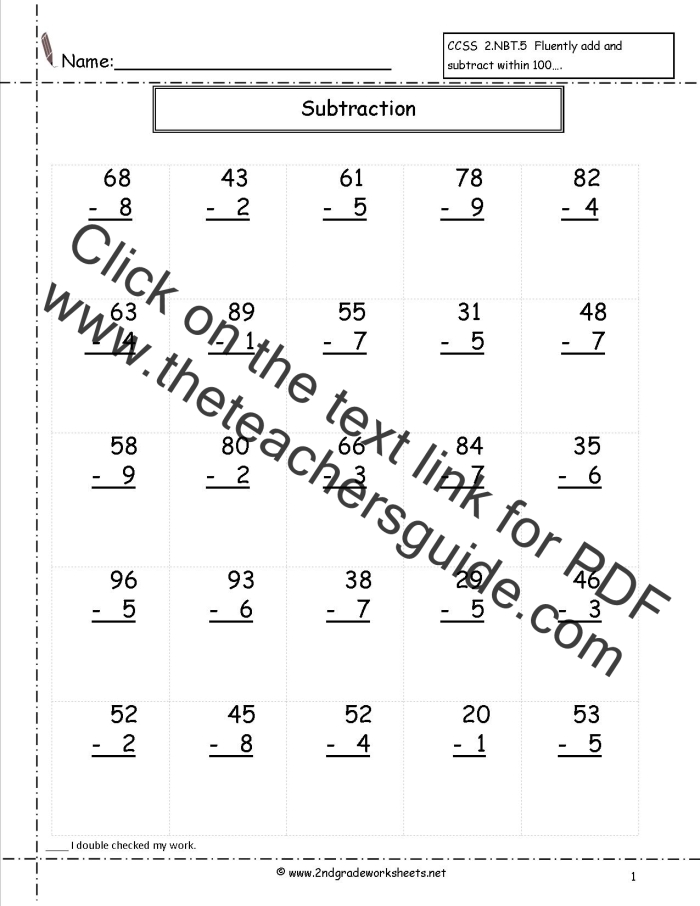
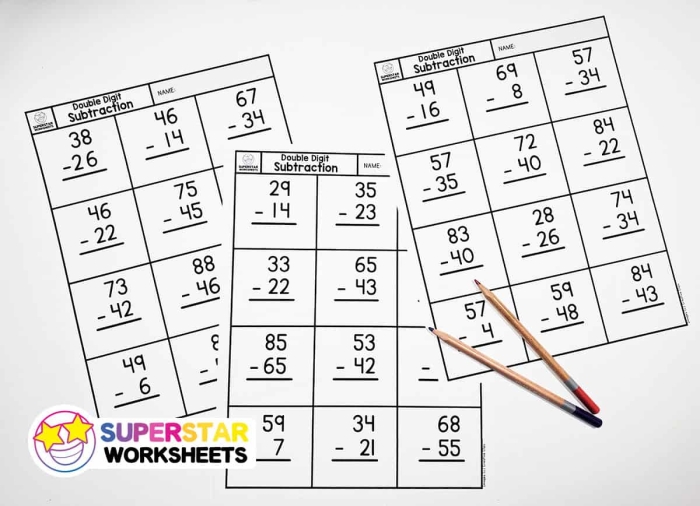
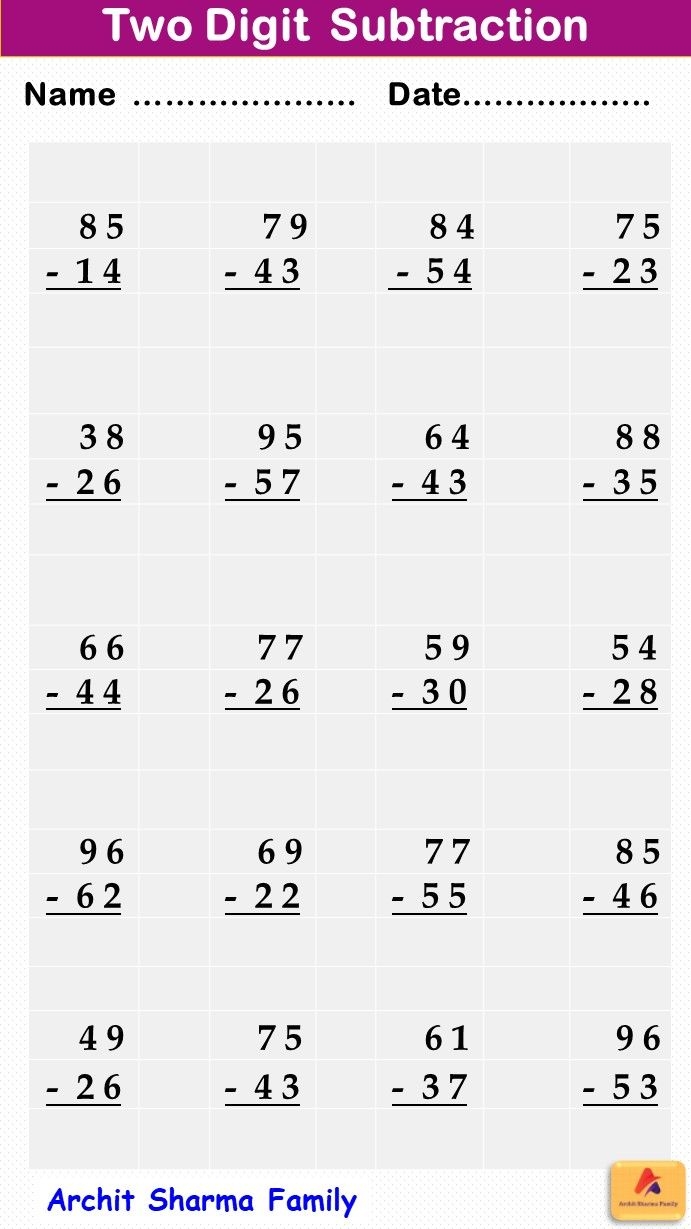
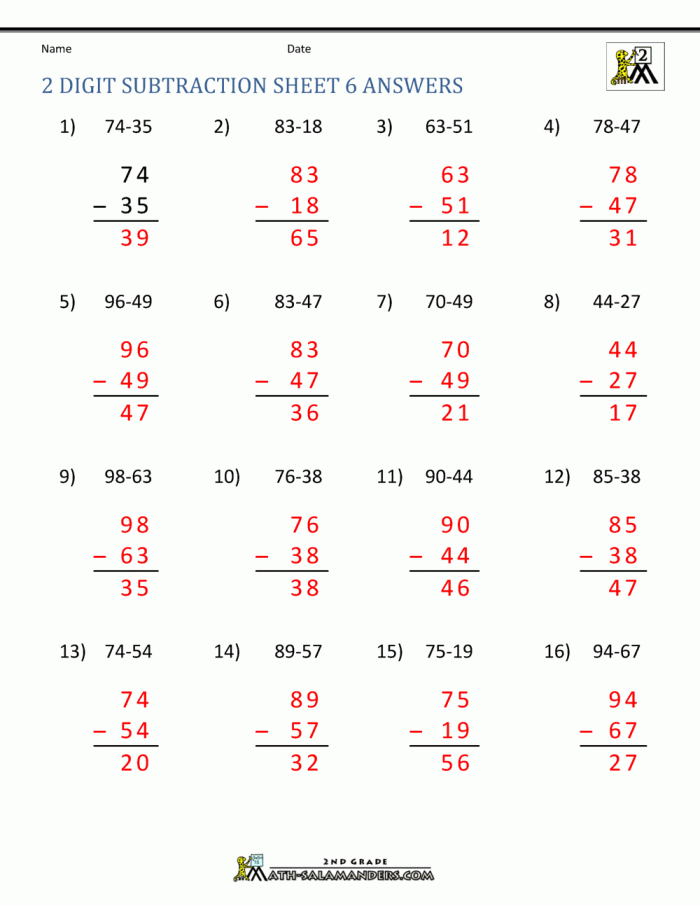
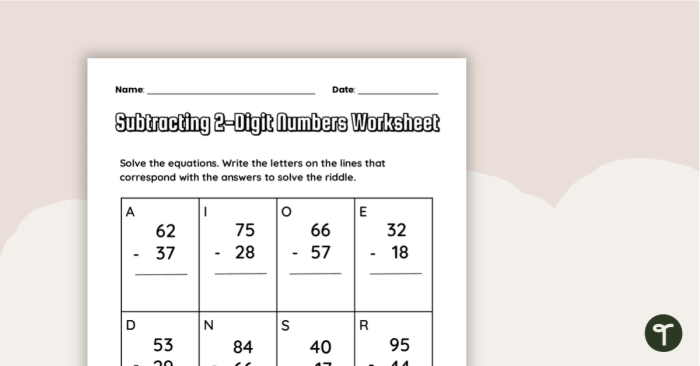
When second graders start tackling two-digit subtraction with borrowing, you’ll notice the moment something clicks. That’s when a worksheet with real teeth becomes invaluable. A solid practice worksheet combines multiple two-digit subtraction problems that require borrowing alongside a word problem, creating the kind of challenge that moves kids from mechanical computation to actual problem-solving.
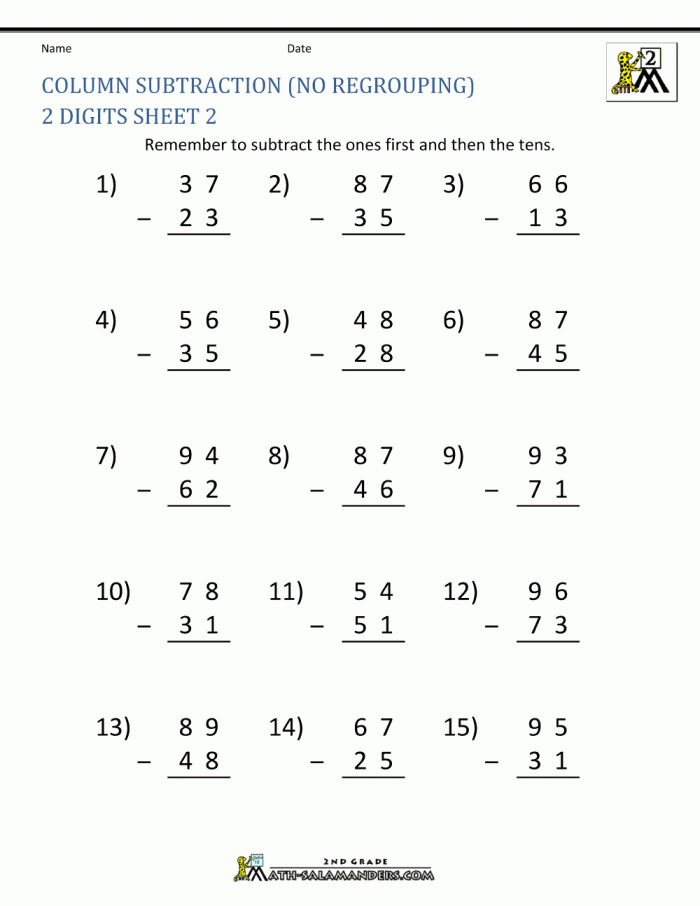
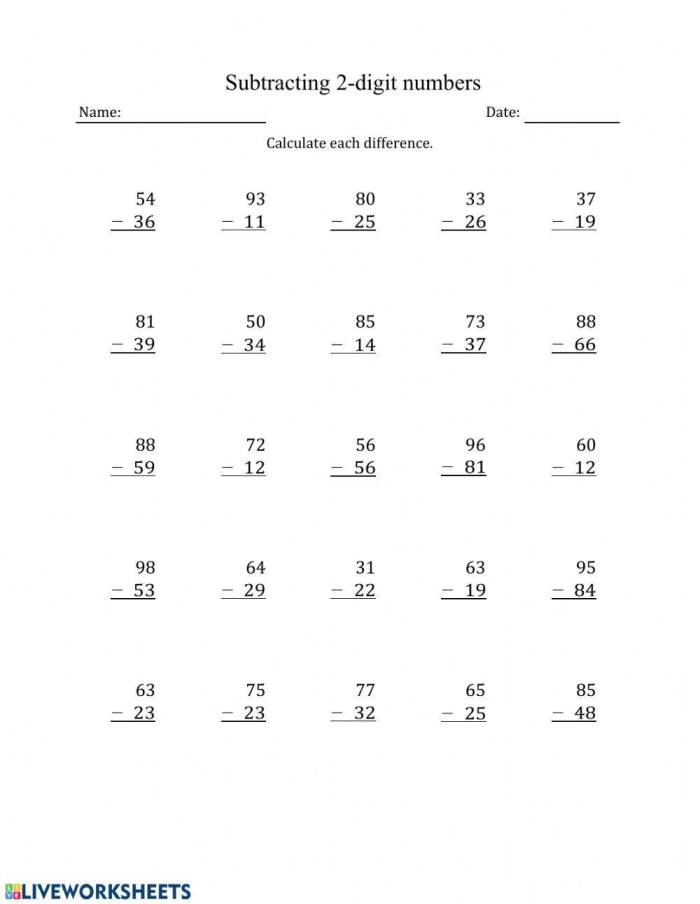
Borrowing is where subtraction stops being straightforward. When your child encounters a problem like 32 – 15, they can’t simply subtract the ones column. They need to regroup, taking one ten from the tens place to create ten ones. This mental shift separates kids who’ve memorized facts from those who truly understand how place value works. A worksheet that focuses on this specific skill forces repeated practice with the exact scenarios that cause confusion.
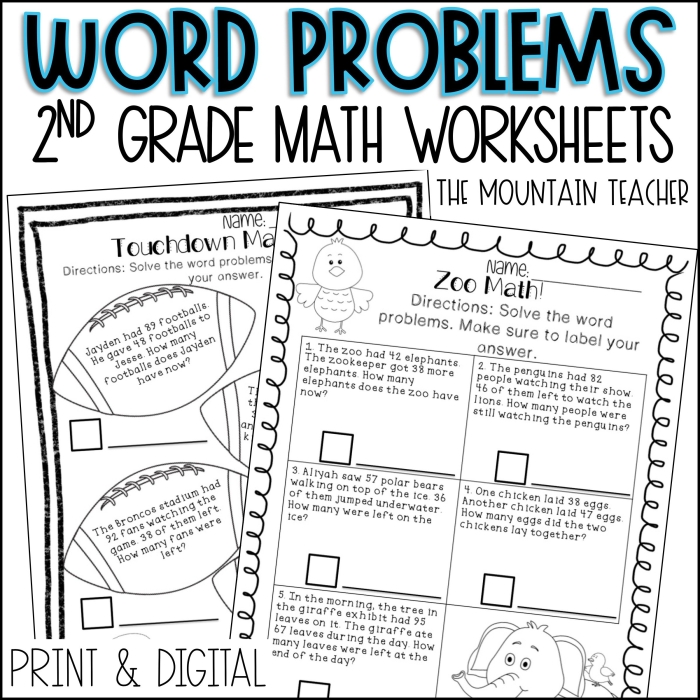
The word problem component matters just as much as the computation drills. Second graders need to translate real situations into subtraction equations. If a problem reads “Maria had 24 crayons and gave 18 to her friend, how many does she have left?” your child must recognize this as a borrowing subtraction problem before they can solve it. This bridges the gap between abstract math and practical application, which is where learning actually sticks.
When selecting worksheets for your classroom or home practice, look for ones that balance quantity with quality. Too many problems lead to fatigue and careless errors. A well-designed worksheet typically includes 8 to 12 subtraction problems that progressively build in difficulty, then wraps up with one or two word problems that reinforce the skill.
Pairing this type of focused practice with other second-grade resources strengthens overall numeracy. Worksheets covering number patterns and grammar or activities like interpreting line plots through word problems complement subtraction work by developing mathematical thinking across multiple domains.
The real benefit emerges when your child moves from hesitantly working through each problem to confidently recognizing when borrowing is needed and executing it correctly. That’s when you know the practice has done its job.
Try These Printable Worksheets