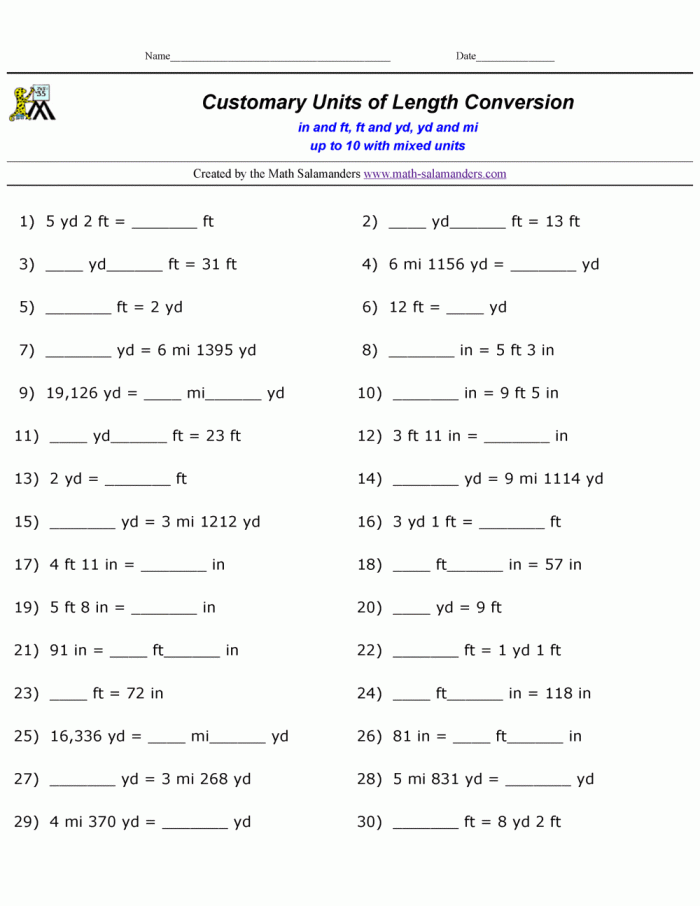
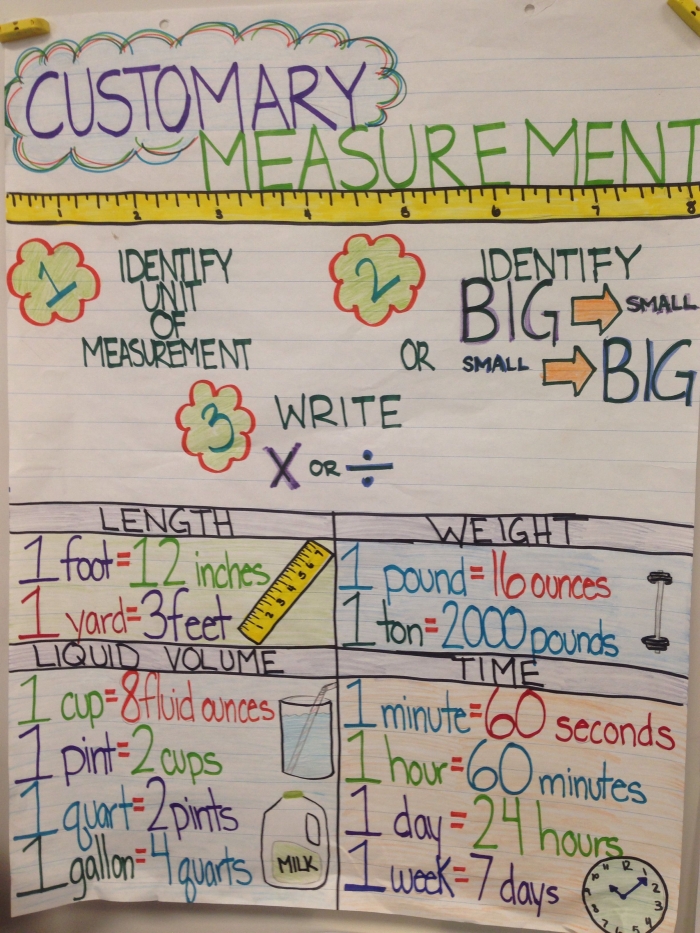
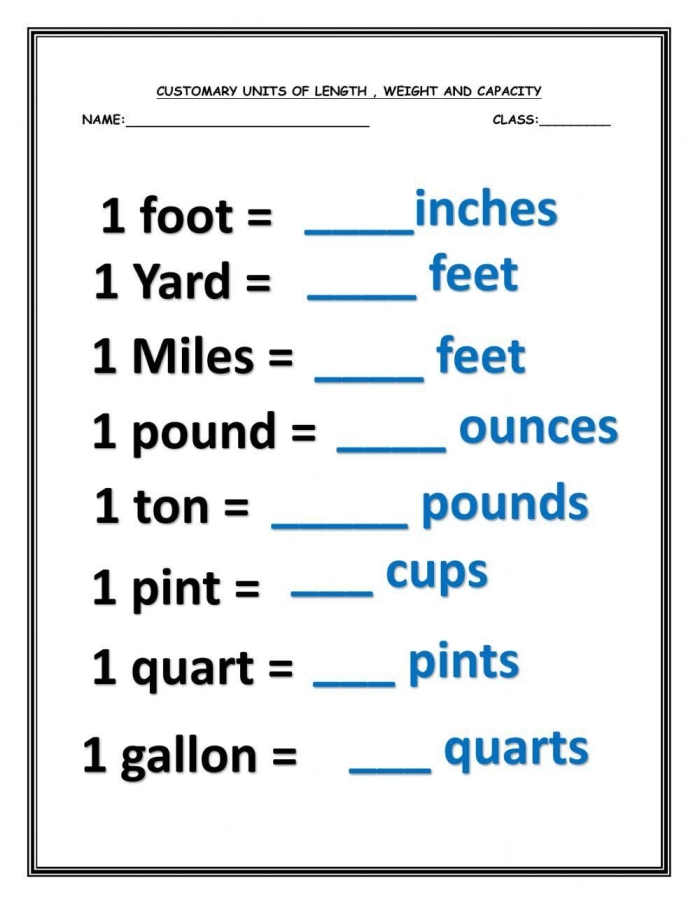
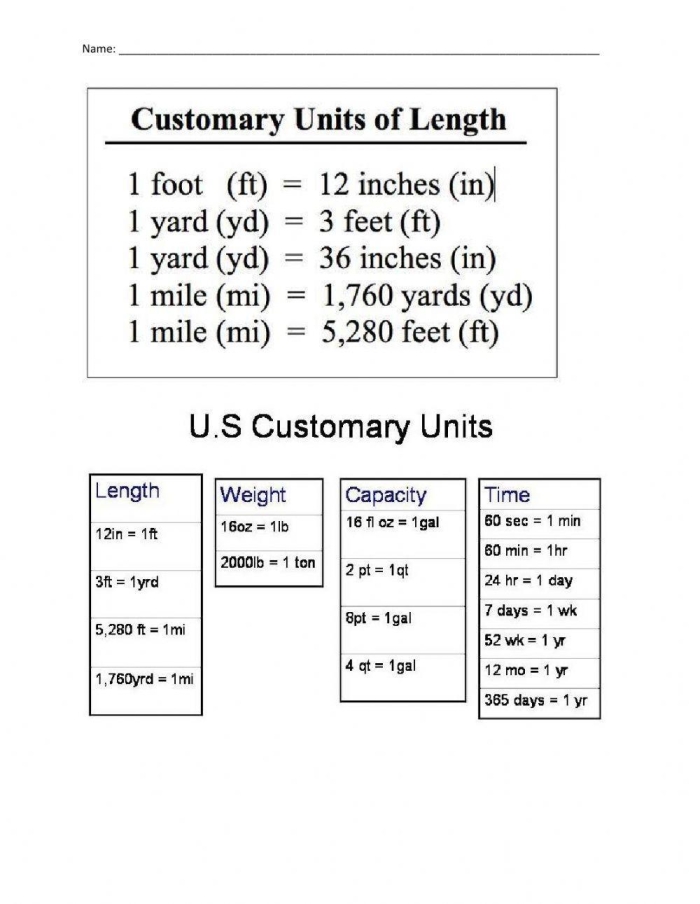
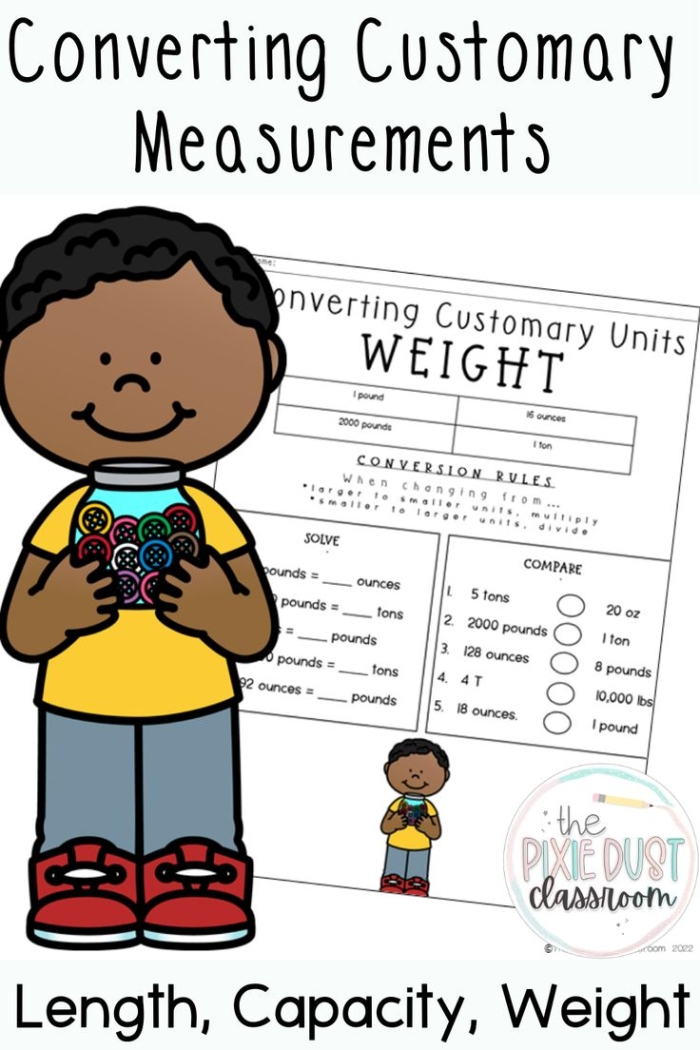
Converting between measurement systems trips up plenty of sixth grade students, and for good reason. The metric system uses powers of ten, making conversions straightforward once you grasp the pattern. Customary units, by contrast, follow irregular conversions that require memorization: 12 inches in a foot, 3 feet in a yard, 5,280 feet in a mile. Jumping between these two systems demands both understanding and practice.
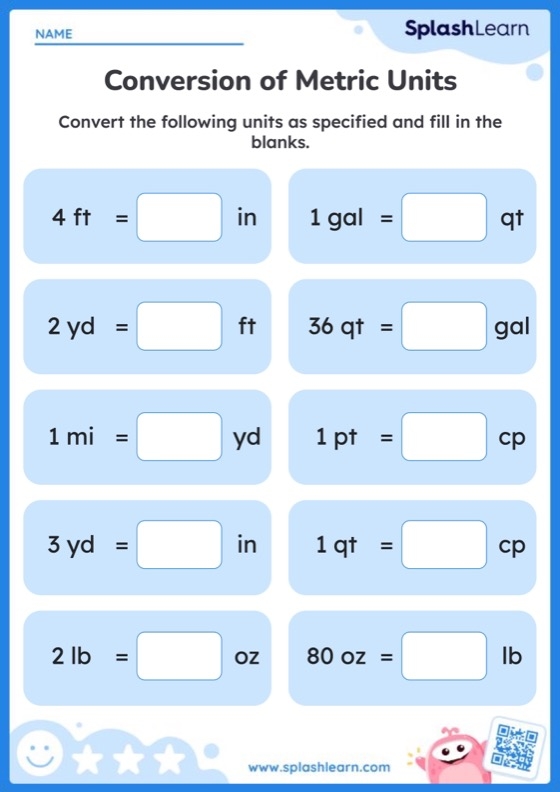
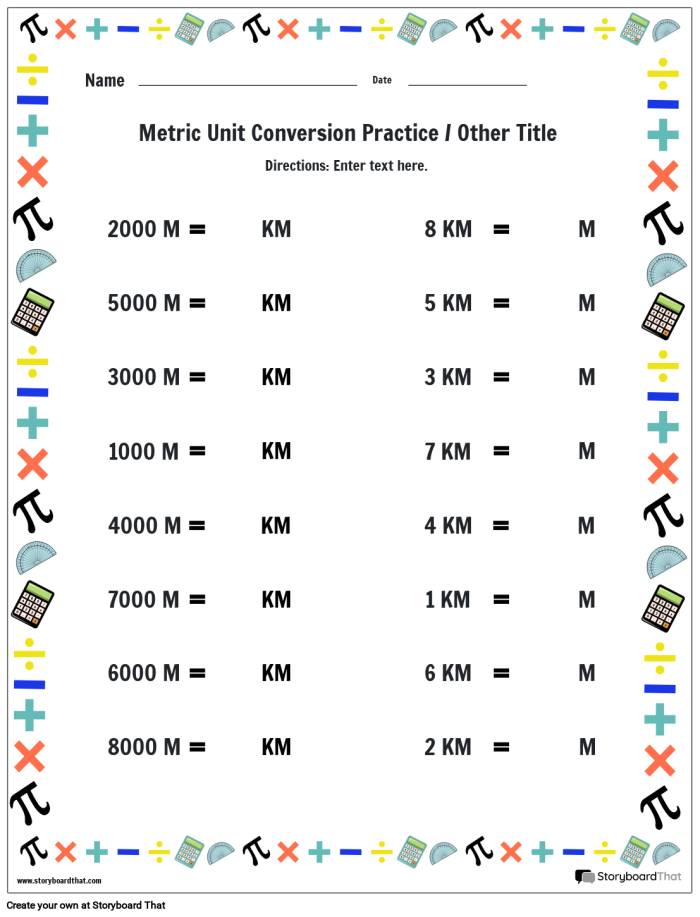
A focused worksheet dedicated to unit conversion gives students the repetition they need without overwhelming them. One page keeps the scope manageable, allowing learners to build confidence through repeated exposure to problems they can actually complete in a single sitting. This approach works better than sprawling multi-page assignments that leave students exhausted before they reach mastery.
The practical value of unit conversion extends beyond the classroom. Students encounter these conversions when cooking (tablespoons to milliliters), traveling internationally (miles to kilometers), or shopping for sports equipment (sizes listed in both systems). By sixth grade, students grasp that measurements aren’t abstract—they describe real quantities in the world around them.
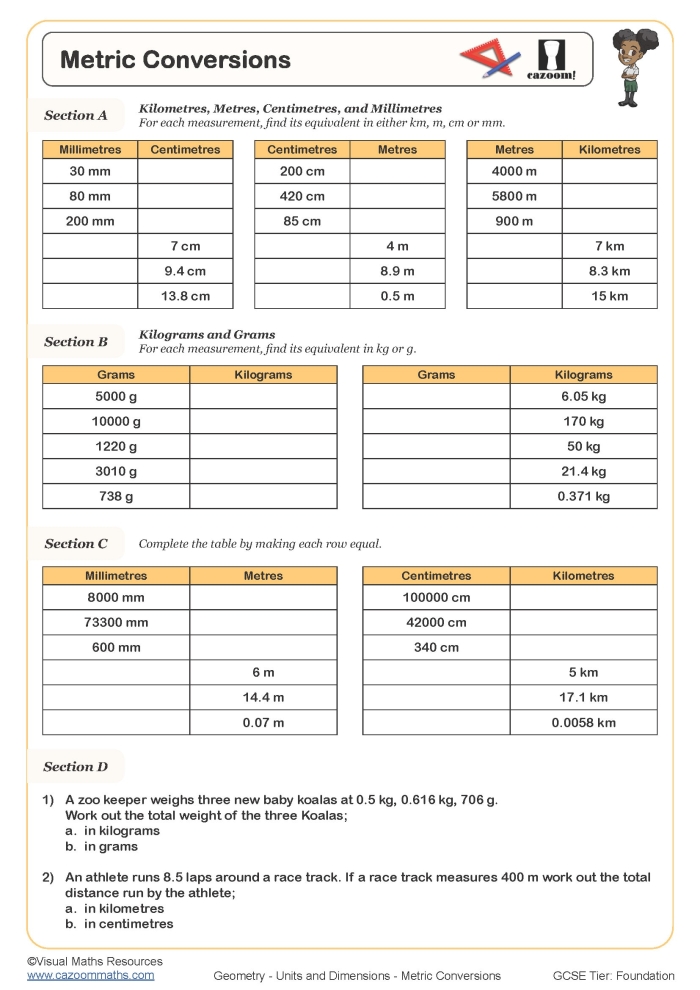
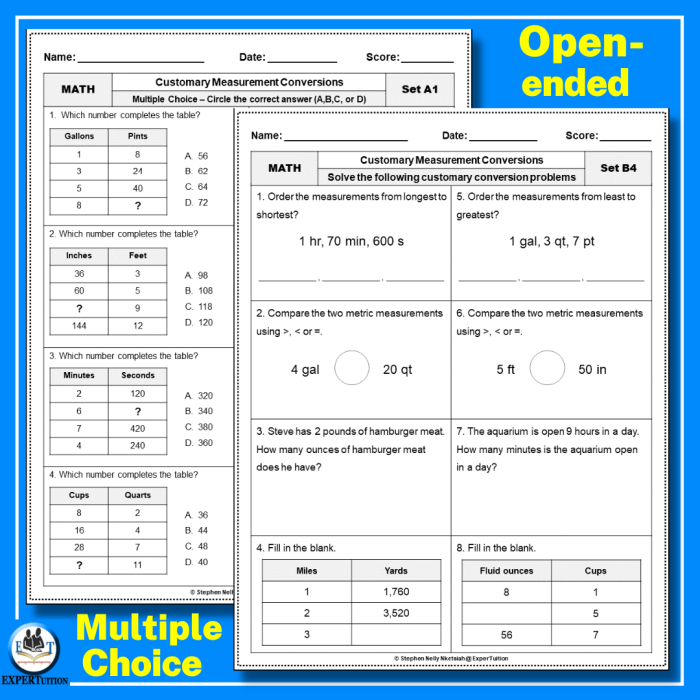
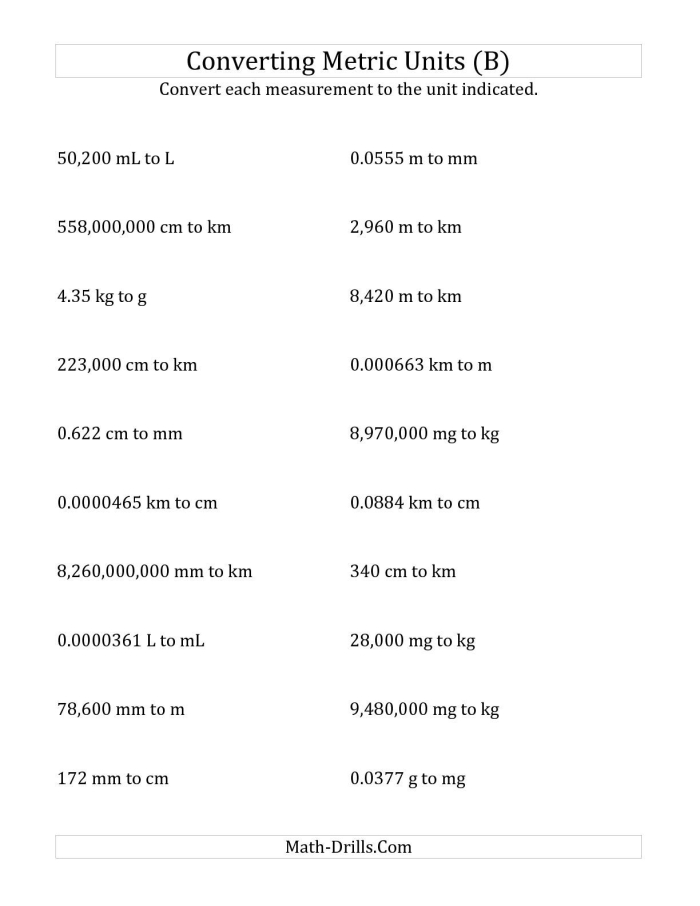
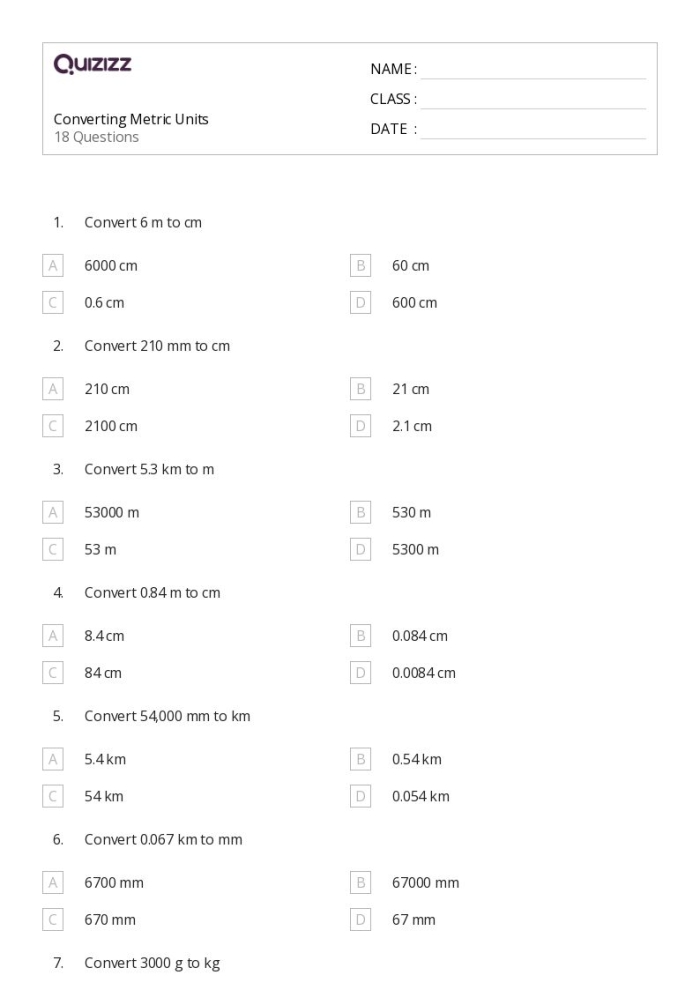
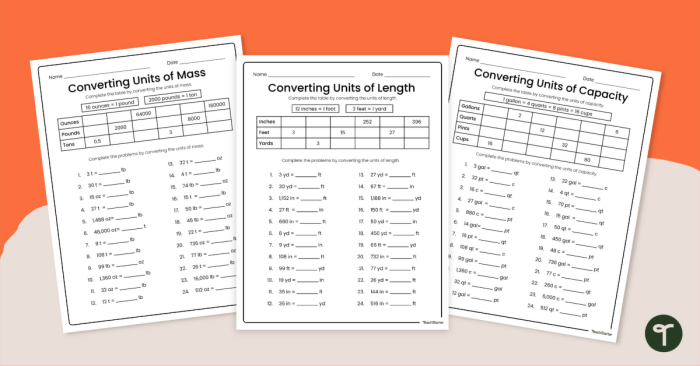
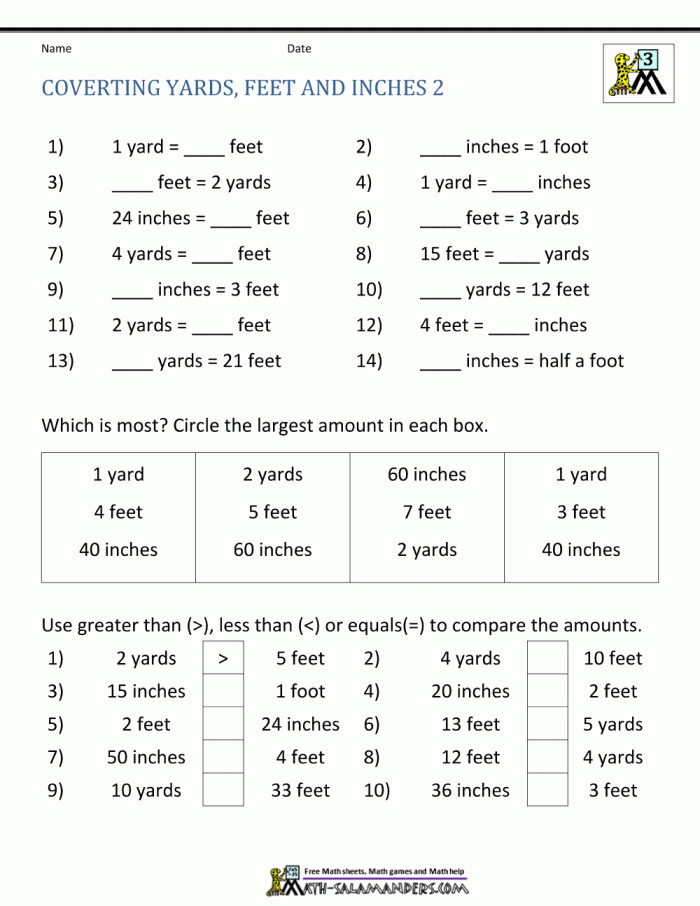
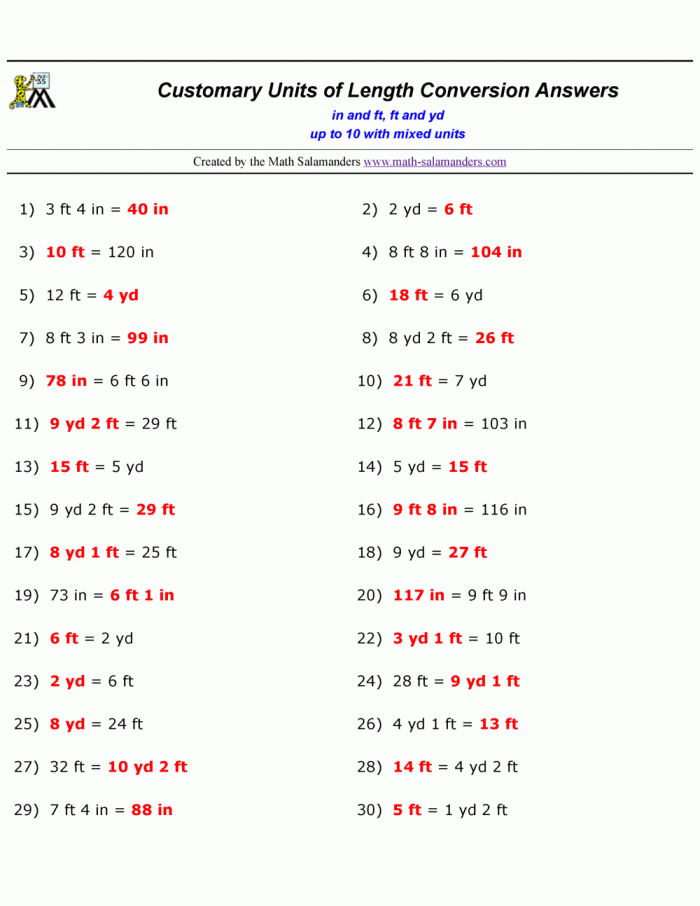
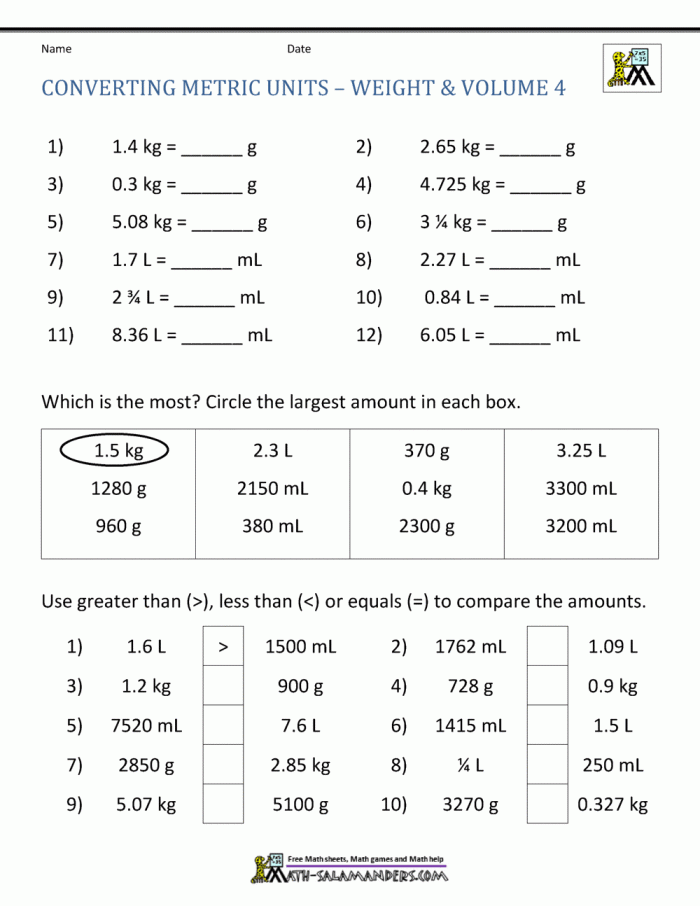
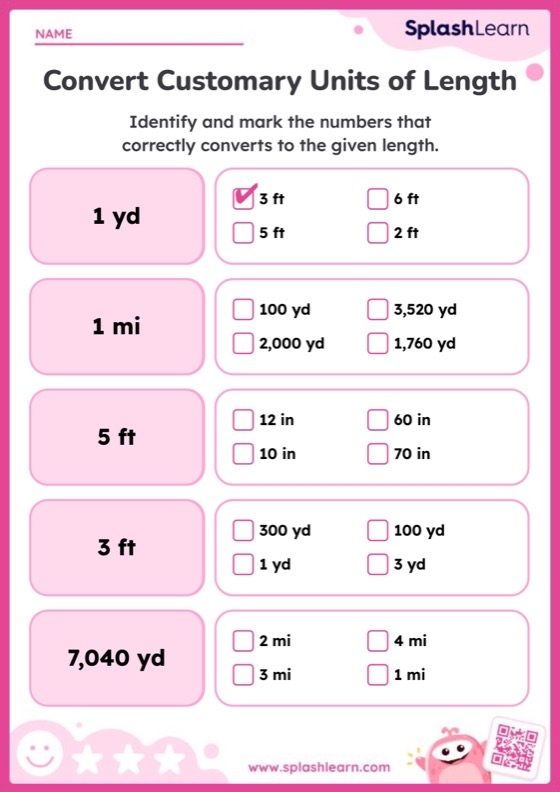
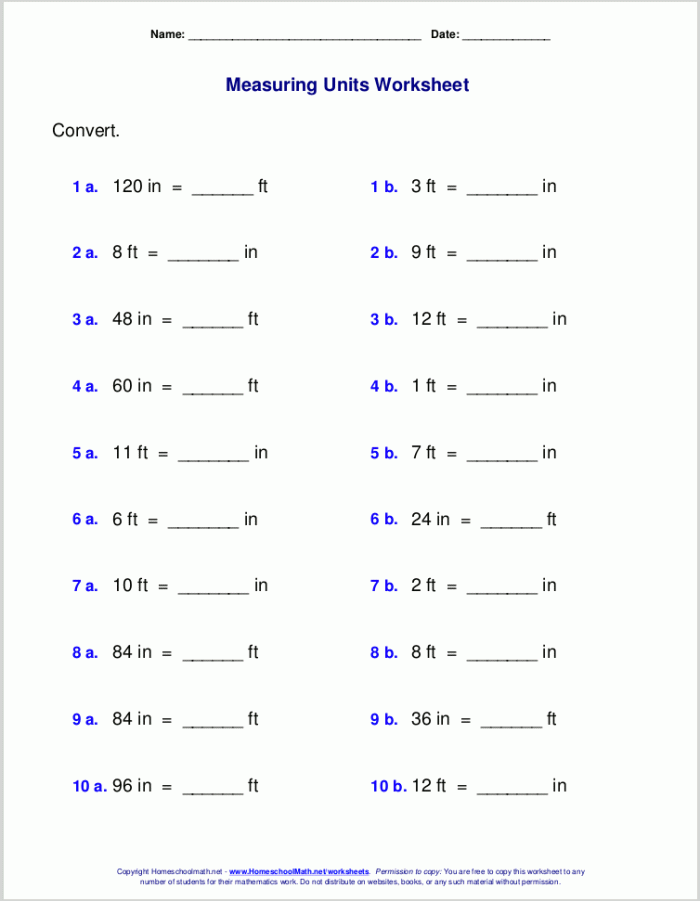
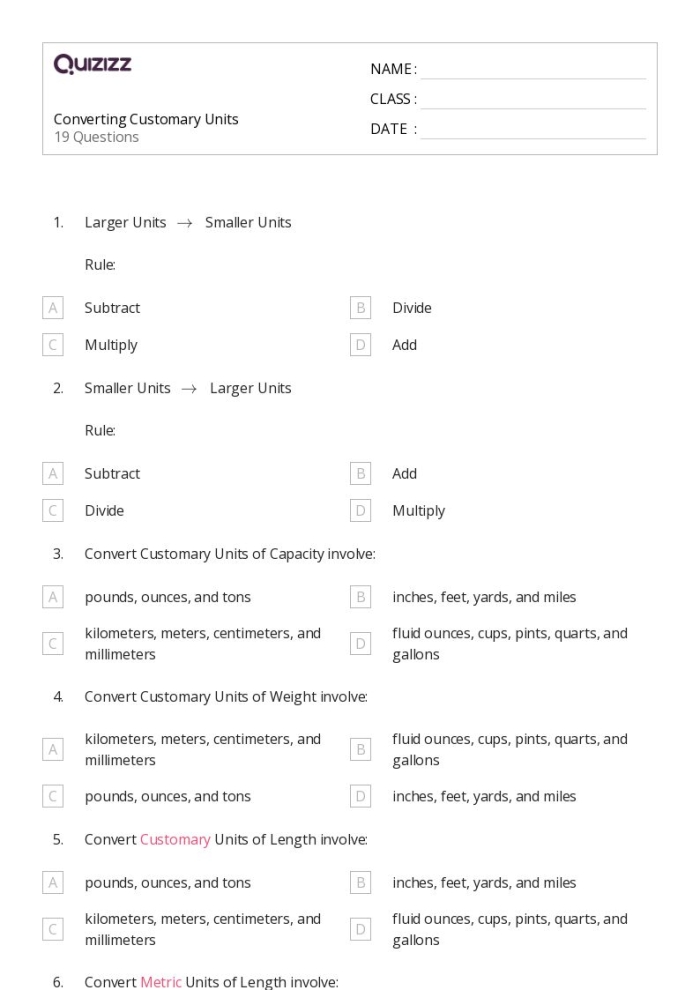
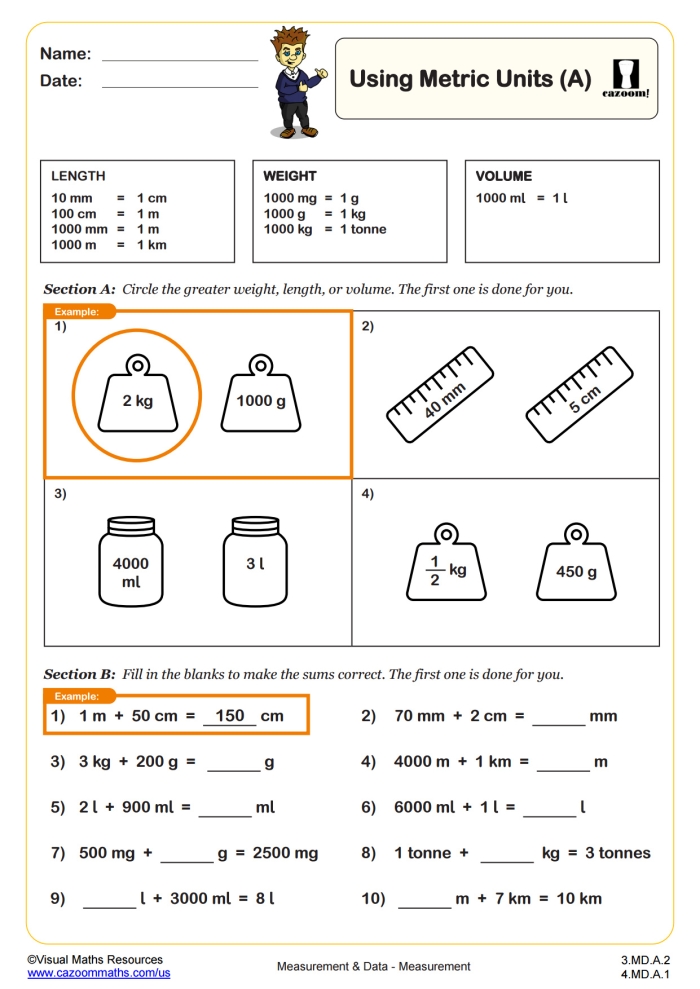
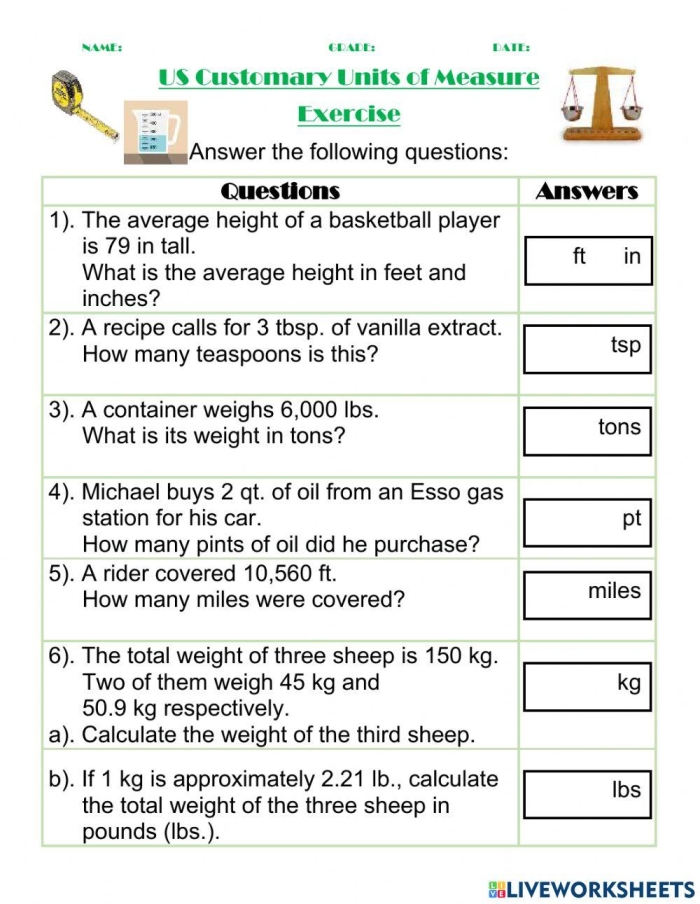
Effective worksheets include a mix of problem types. Some ask students to convert within a single system, like feet to inches or grams to kilograms. Others require converting across systems entirely, which demands both formula knowledge and calculation skills. When paired with grammar and mechanics instruction, these worksheets reinforce precision in mathematical writing and communication.
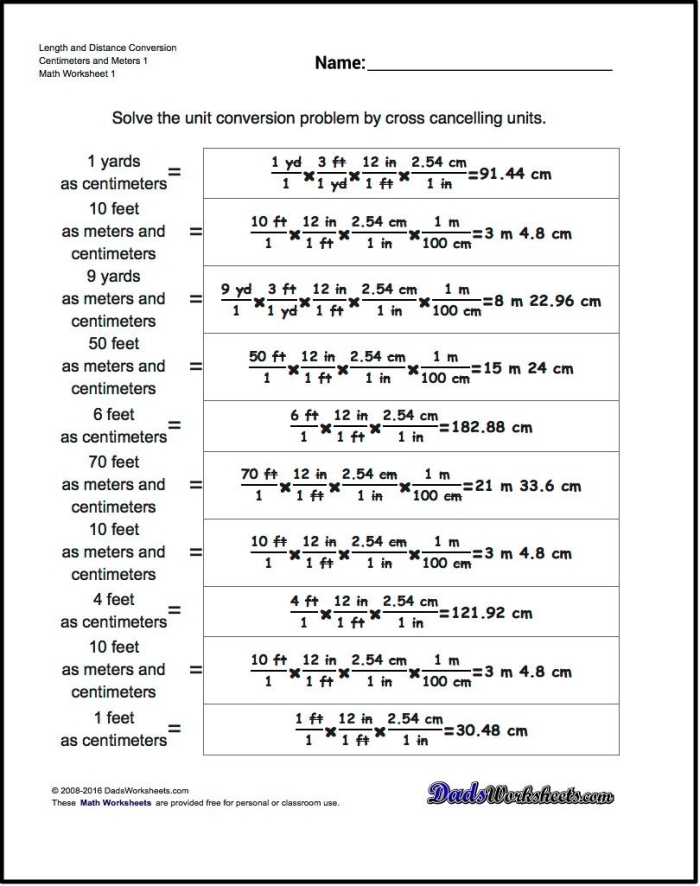
If your sixth grade classroom needs structured practice, a one-page worksheet on converting between customary and metric units provides exactly the focused practice students need. Pairing measurement work with other sixth grade materials like variable expression practice creates a comprehensive math foundation that supports both computation and mathematical thinking.
Use These Worksheets Today