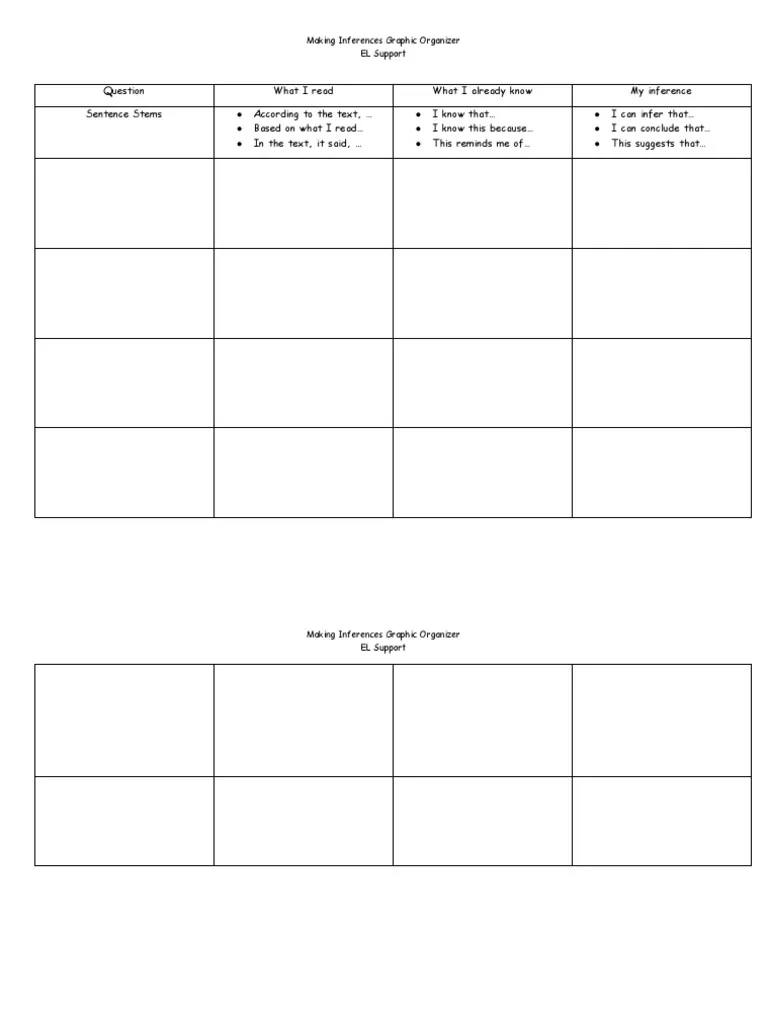
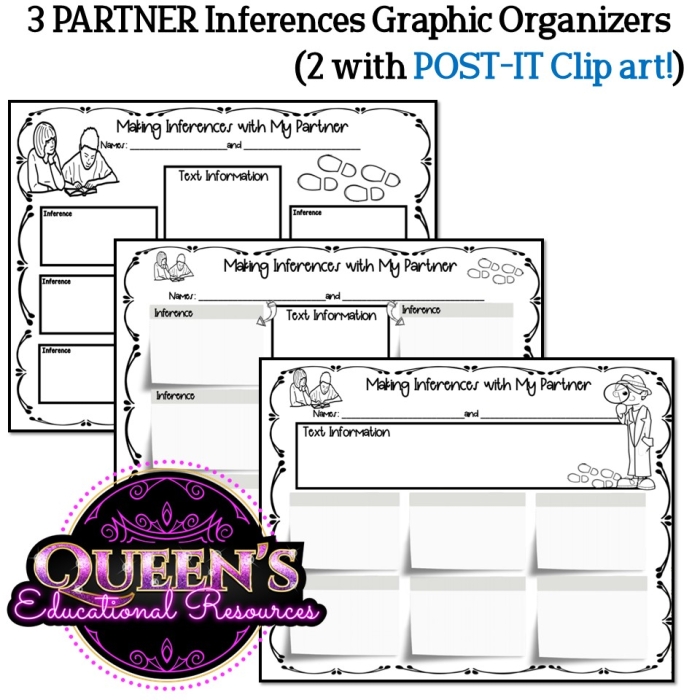
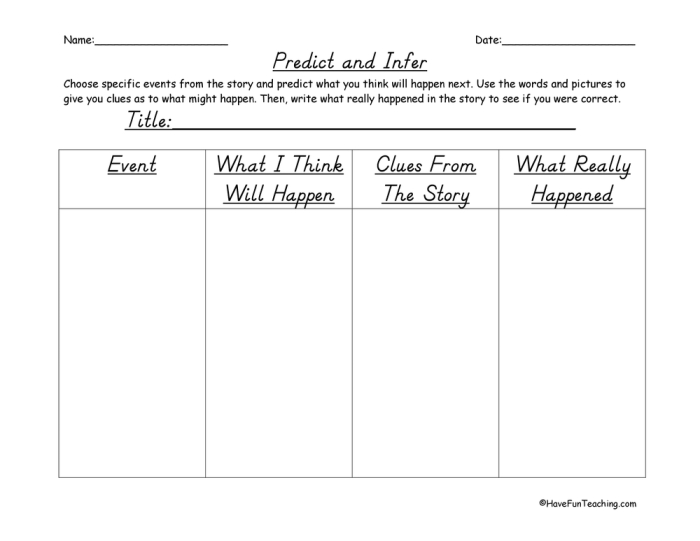
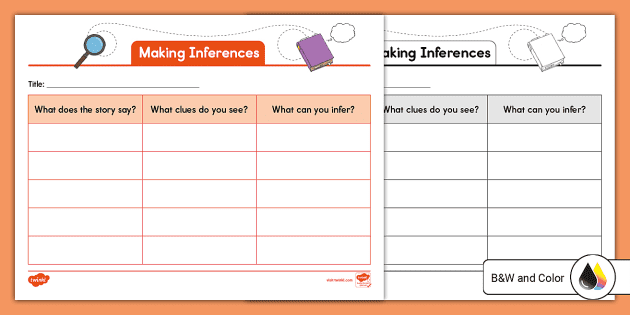
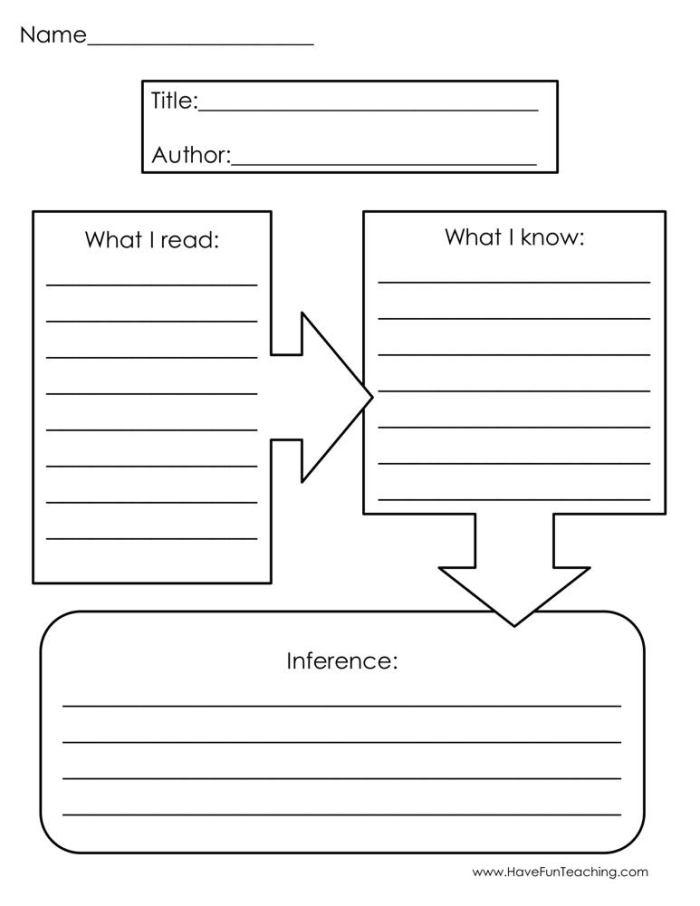
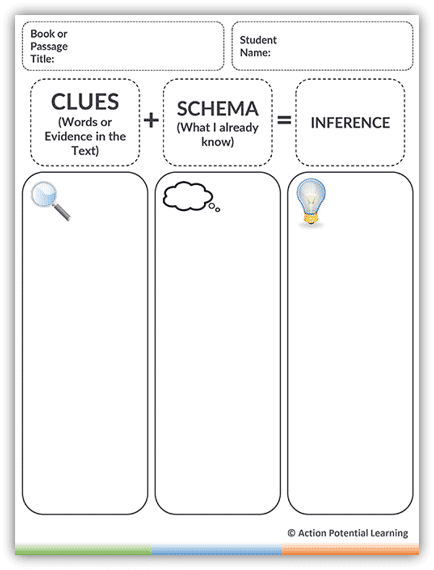
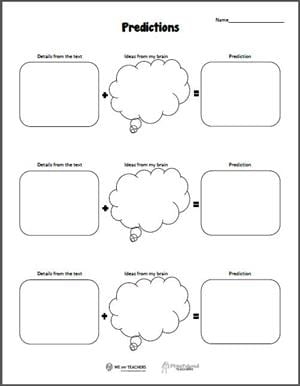
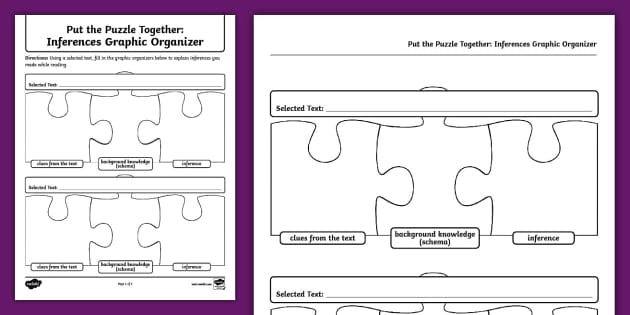
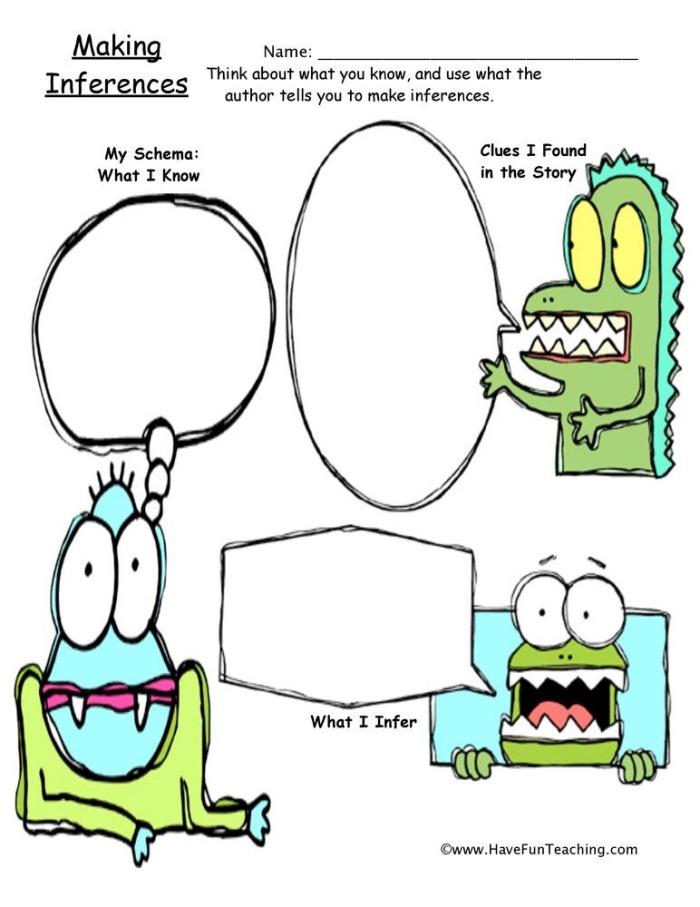
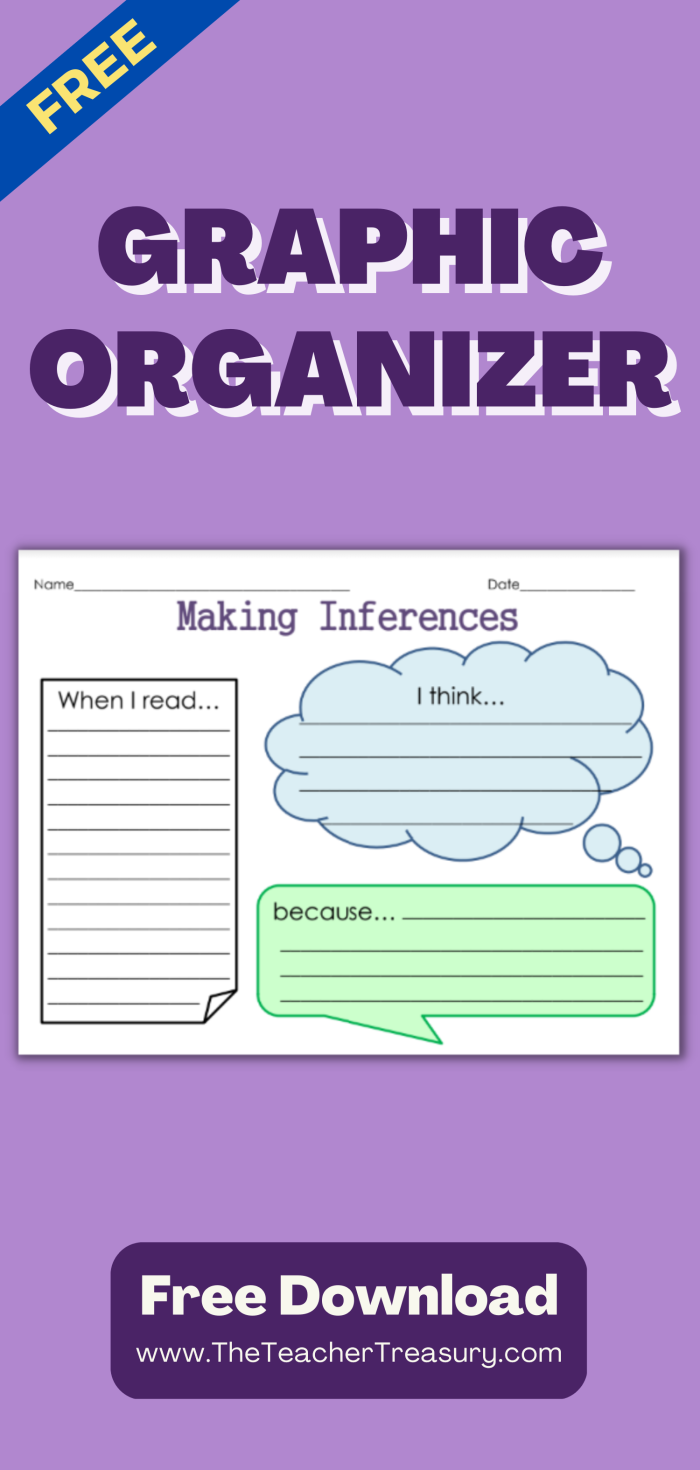
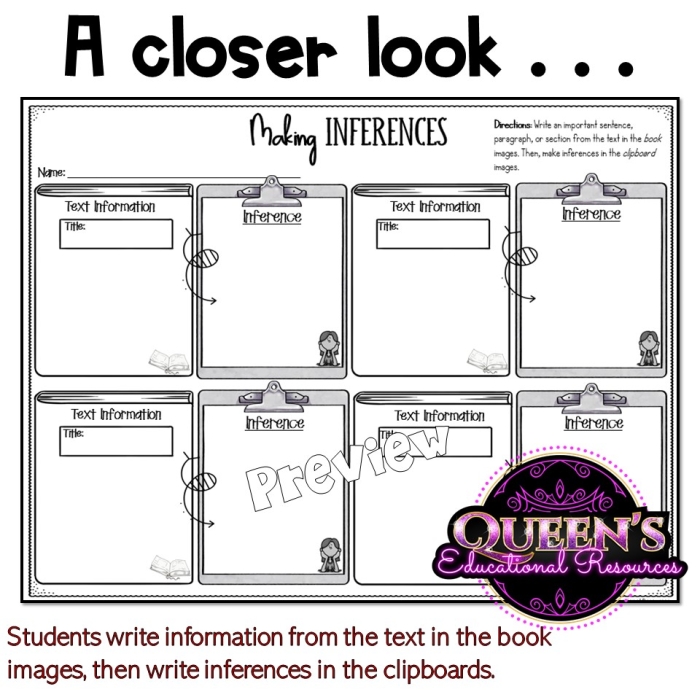
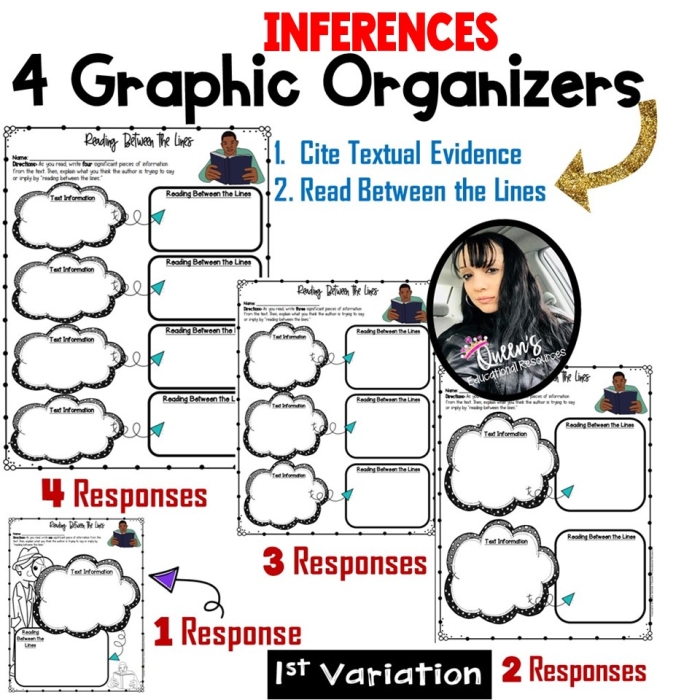
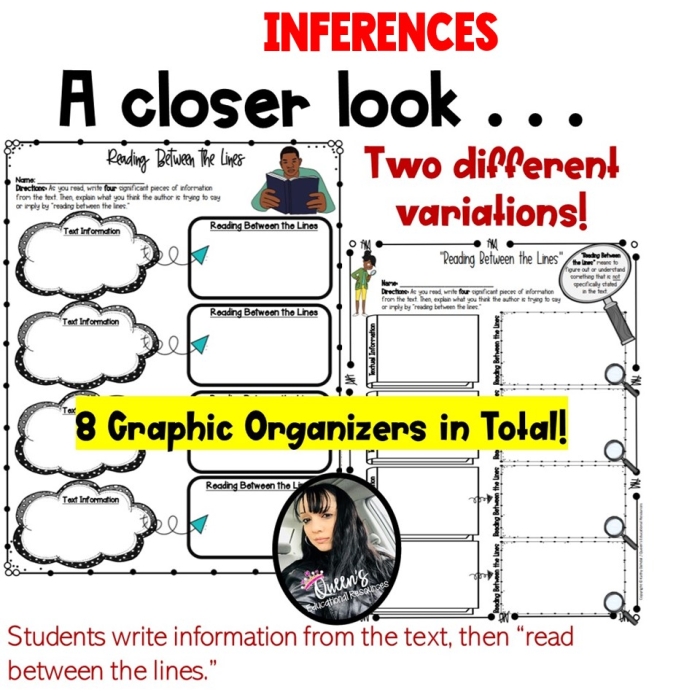
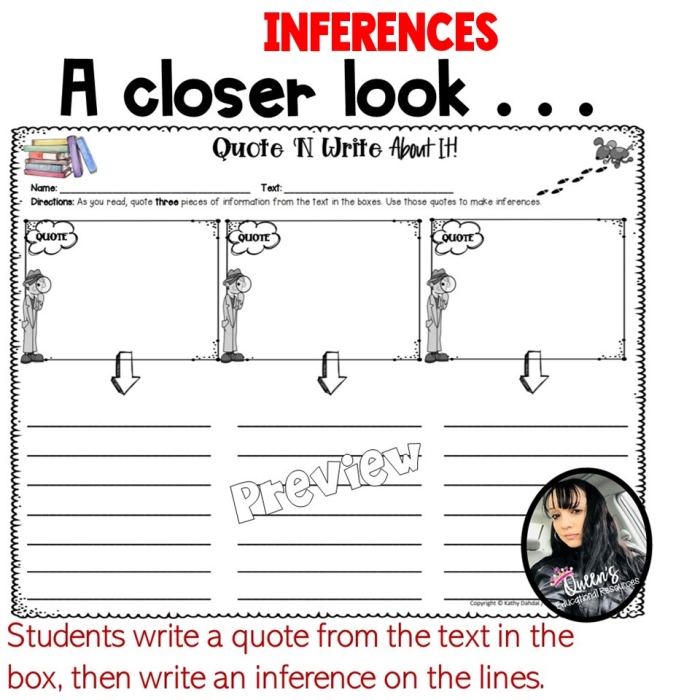
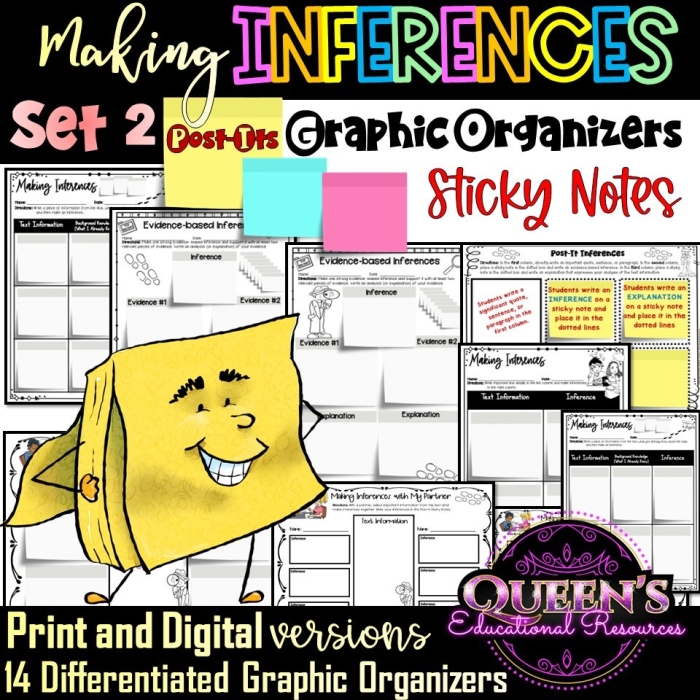
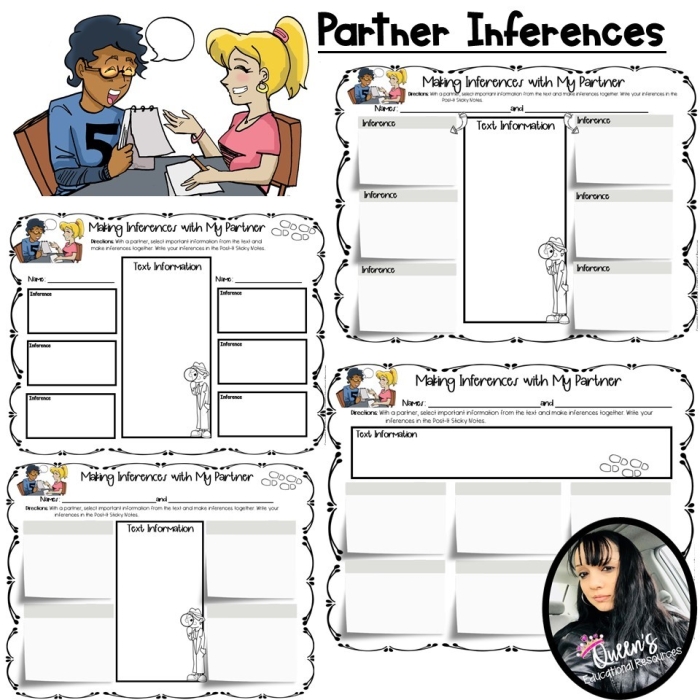
When third graders read a story, they often focus on what’s written directly on the page. But real comprehension means reading between the lines, understanding what authors imply without stating outright. A making inferences graphic organizer teaches students to spot clues, connect them to what they already know, and draw conclusions on their own.
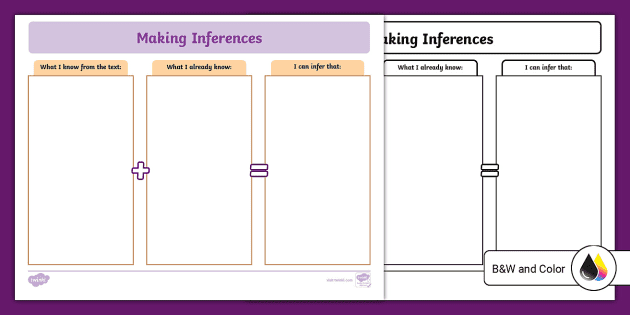
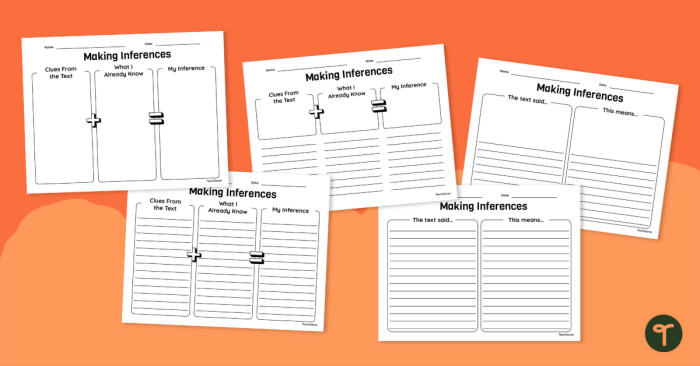
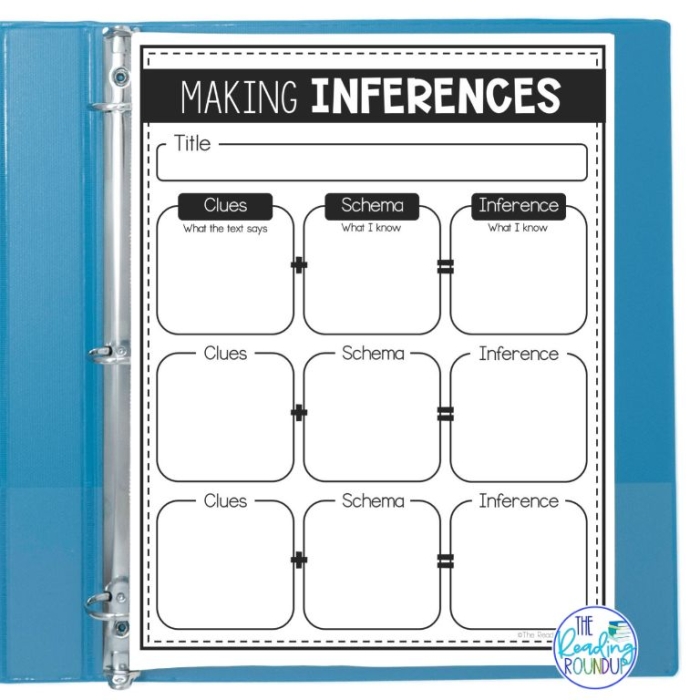
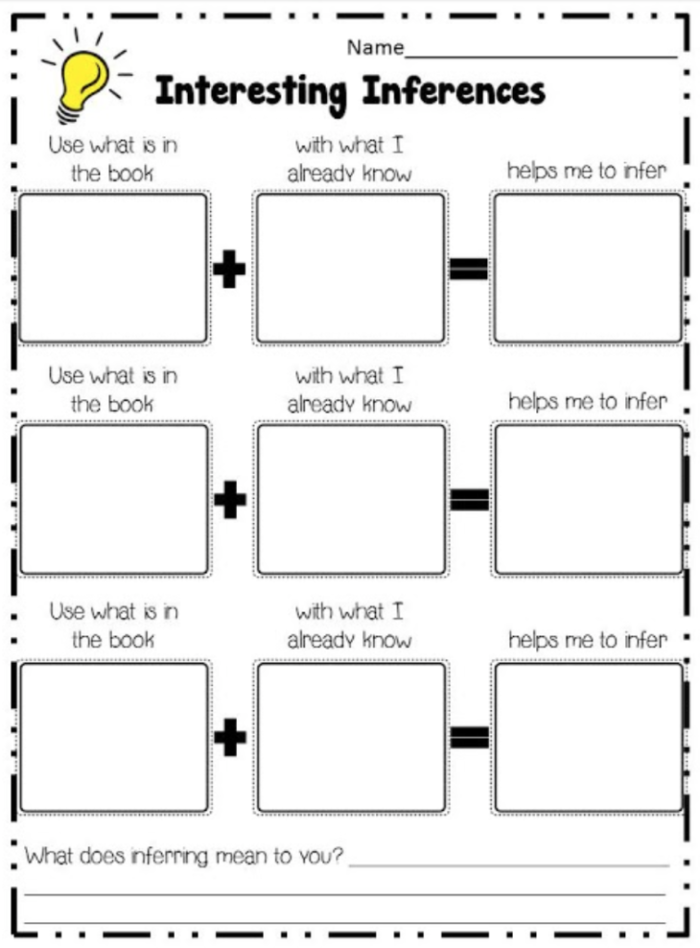
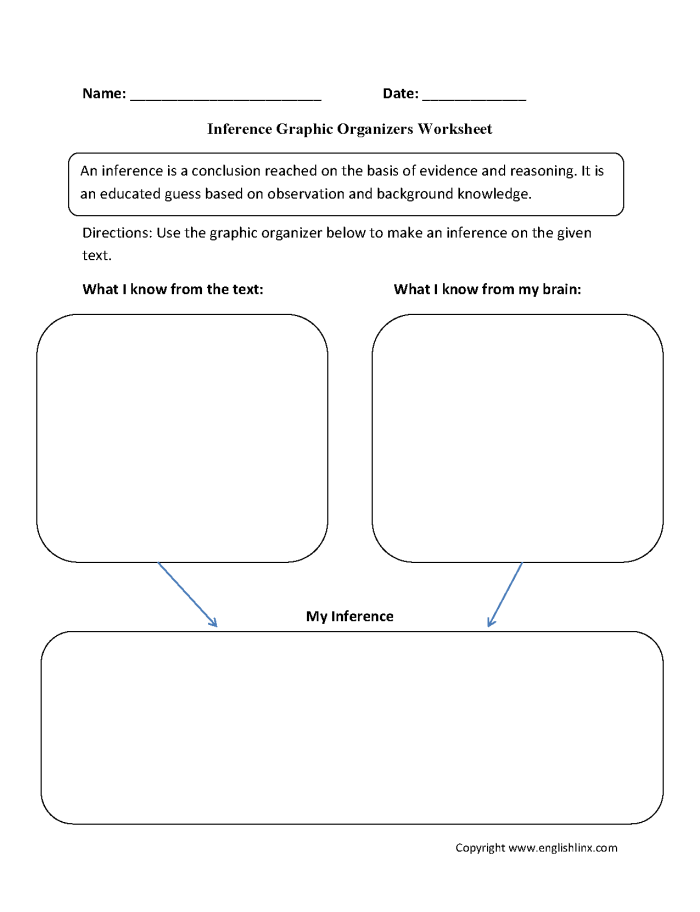
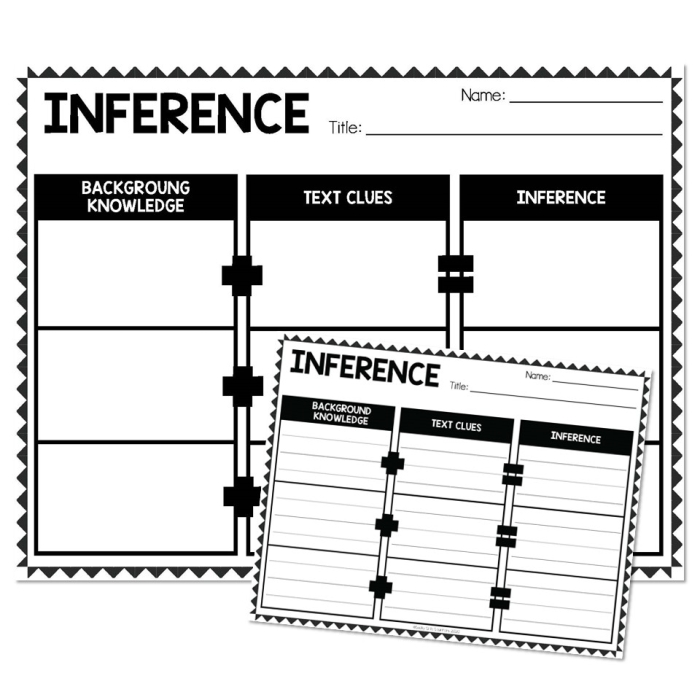
This type of organizer works by breaking down the inference process into manageable steps. Students identify specific details from the text, note what they already understand about similar situations, and then combine both pieces to form a logical conclusion. The visual structure removes the guesswork from critical thinking, giving students a clear framework to follow. Third grade is the perfect time to introduce this skill because students have enough reading experience to recognize patterns but still benefit from scaffolding.
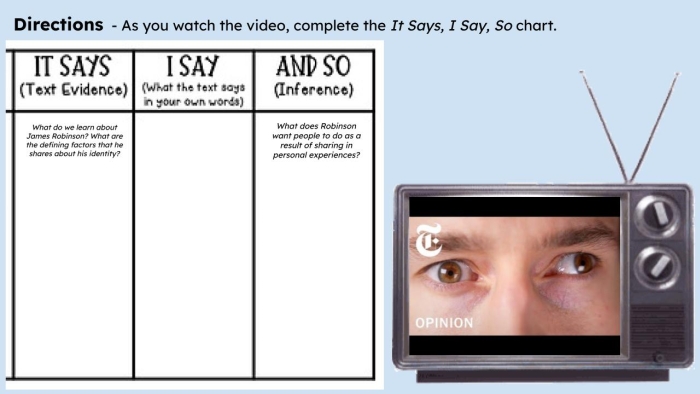
The graphic organizer format also helps struggling readers feel less overwhelmed. Instead of staring at a paragraph and feeling lost, they can write one piece of evidence in one box, their background knowledge in another, and their inference in a third. This separation makes the thinking process visible and manageable. Teachers often notice that students who use these organizers become more confident readers overall, asking better questions and making predictions about what happens next.
Beyond reading comprehension, inference skills connect to other learning areas. When students work through poetry vocabulary activities, they practice inferring tone and meaning. Similarly, exploring Mars facts requires students to infer why certain conditions exist on the planet. Even body systems activities ask students to infer how different parts work together.
A well-designed making inferences graphic organizer becomes a tool students reach for independently, transforming how they approach any text they encounter.
Download These Worksheets for Practice