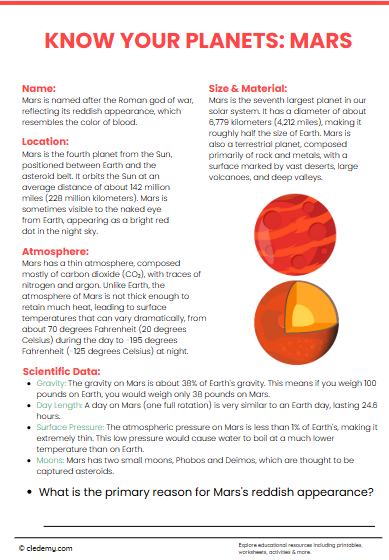
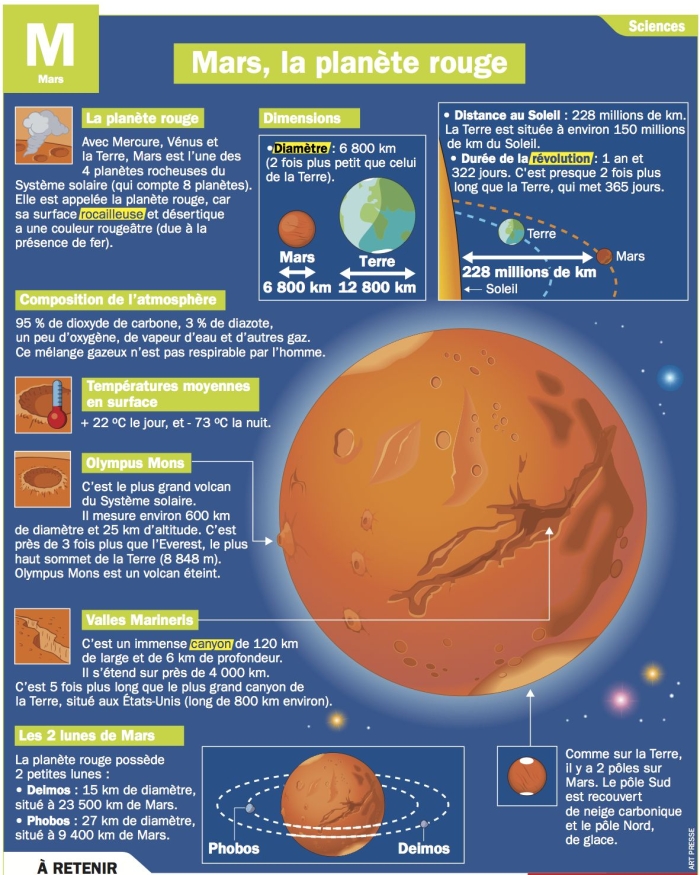
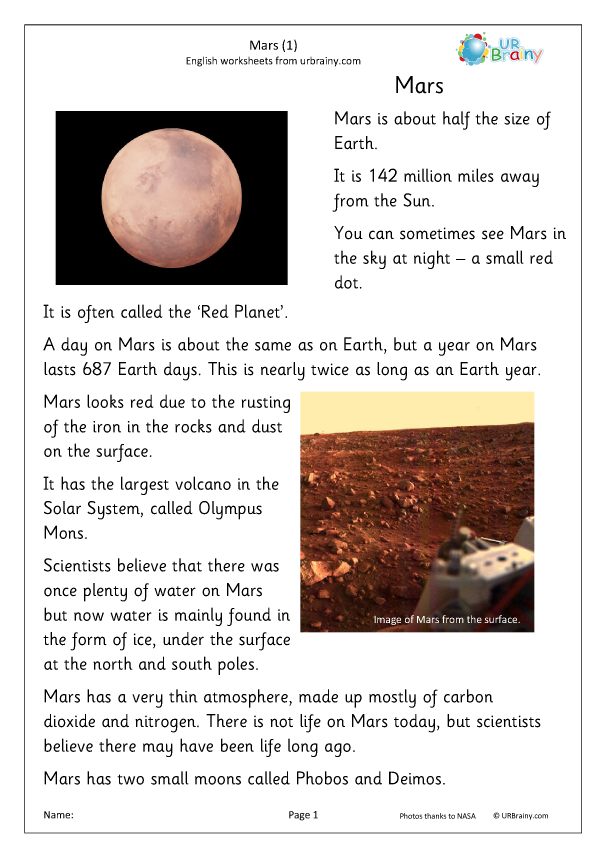
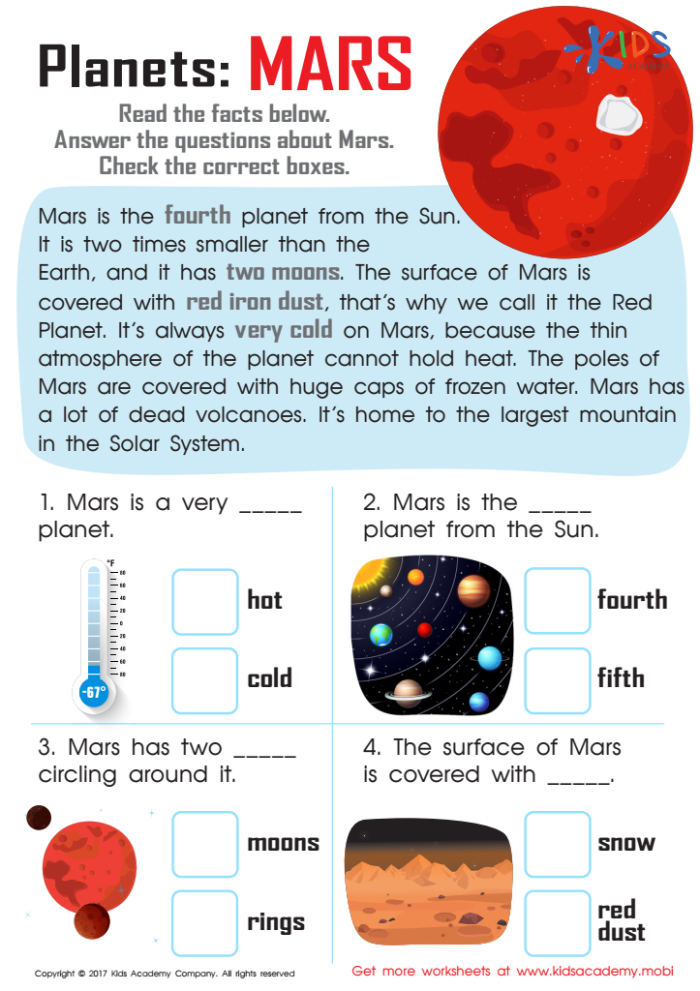
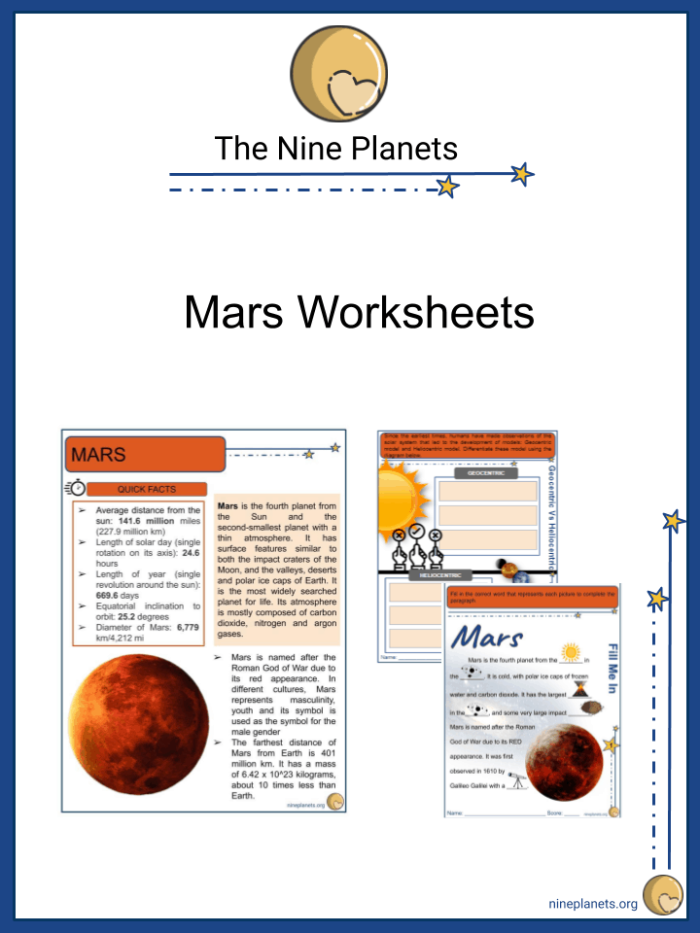
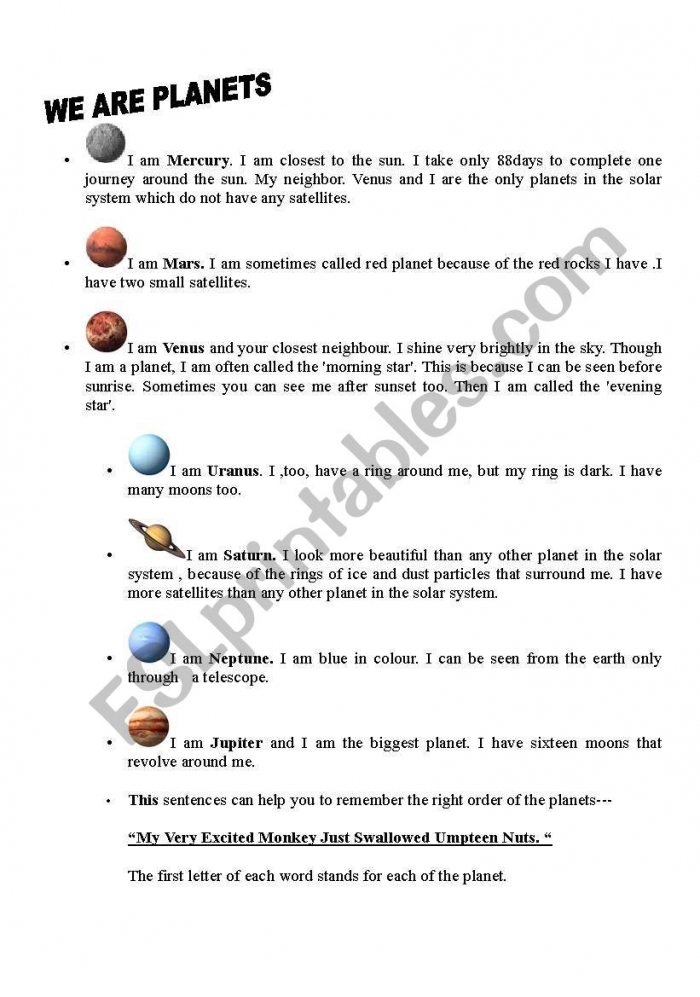
Have you ever wondered why Mars is often referred to as the Red Planet? This nickname comes from its striking reddish appearance, which is visible even from Earth. The color is primarily due to iron oxide, commonly known as rust, covering the planet’s surface. When sunlight hits Mars, this reddish hue becomes even more pronounced, making it one of the most recognizable objects in our night sky.
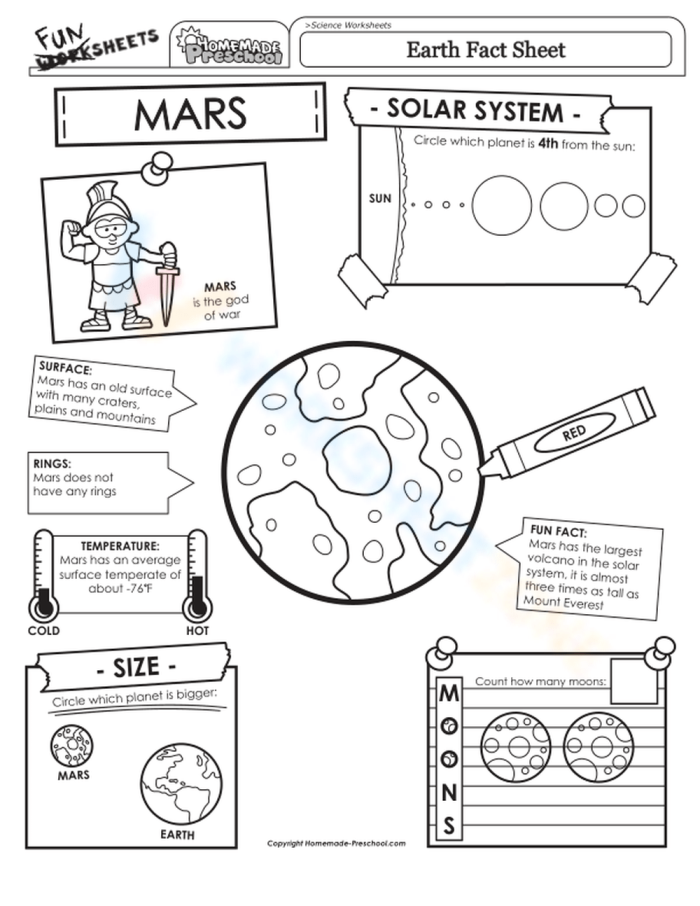
Mars is not just famous for its color; it is a fascinating planet with several unique features. For instance, it has the largest volcano in the solar system, Olympus Mons, which stands about 13.6 miles high—almost three times the height of Mount Everest. Additionally, Mars has a thin atmosphere composed mostly of carbon dioxide, which means it experiences extreme temperatures and weather patterns that are quite different from Earth.
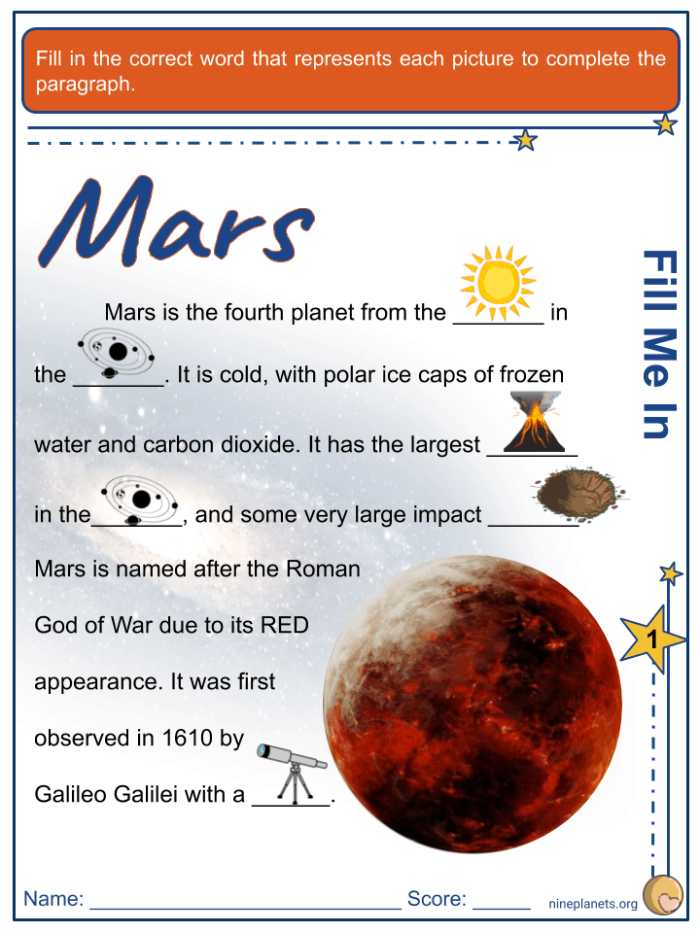
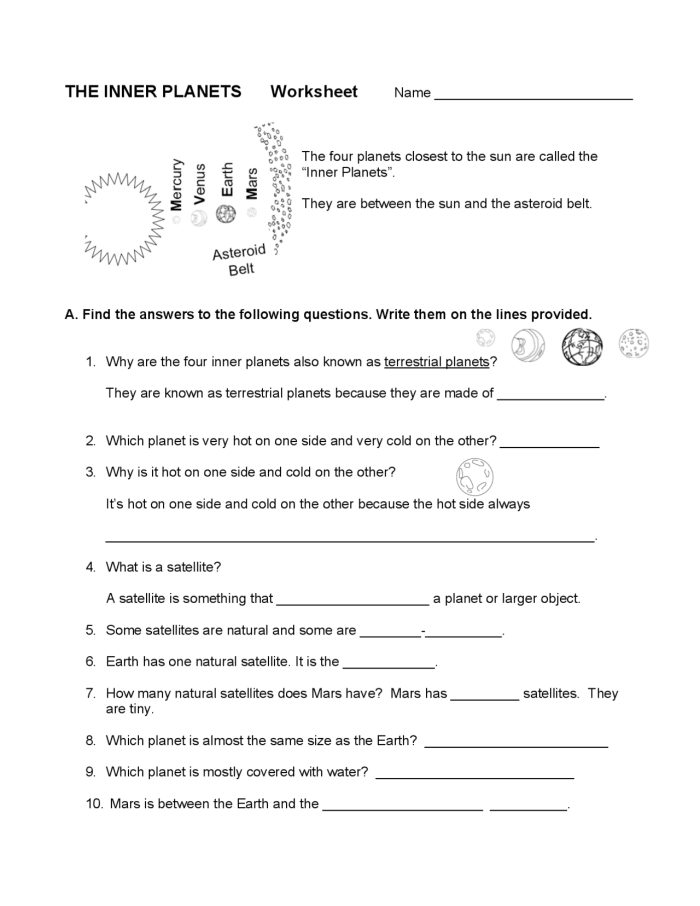
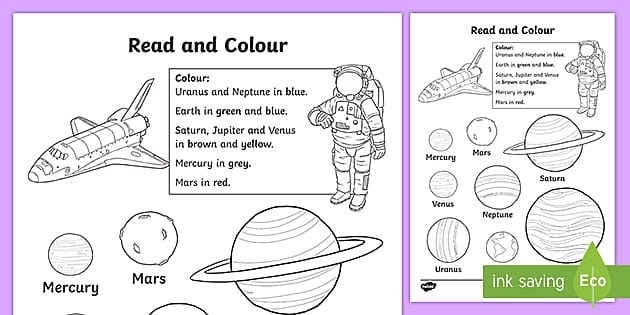
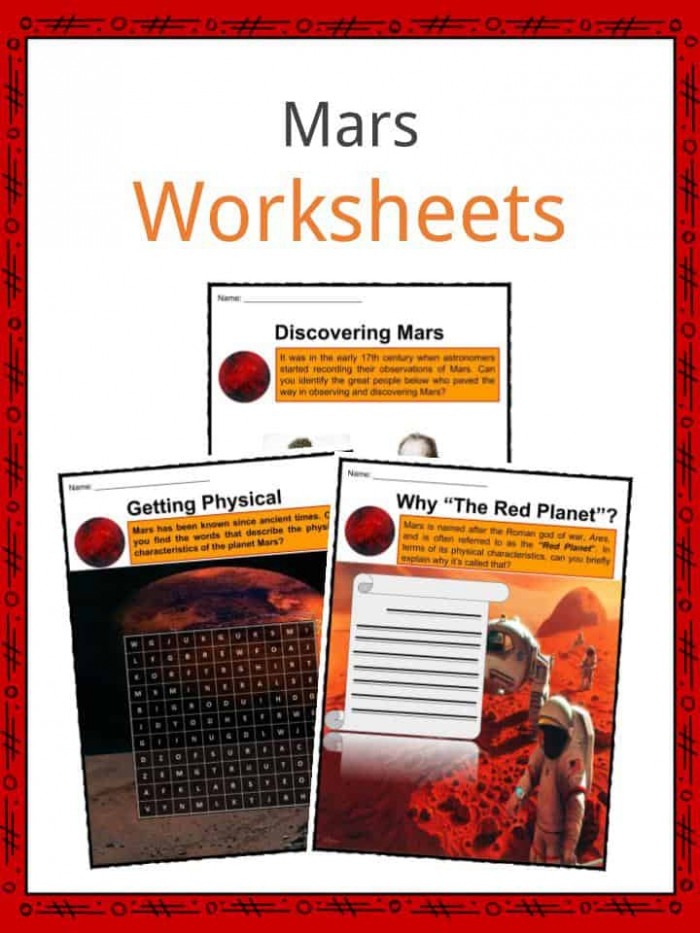
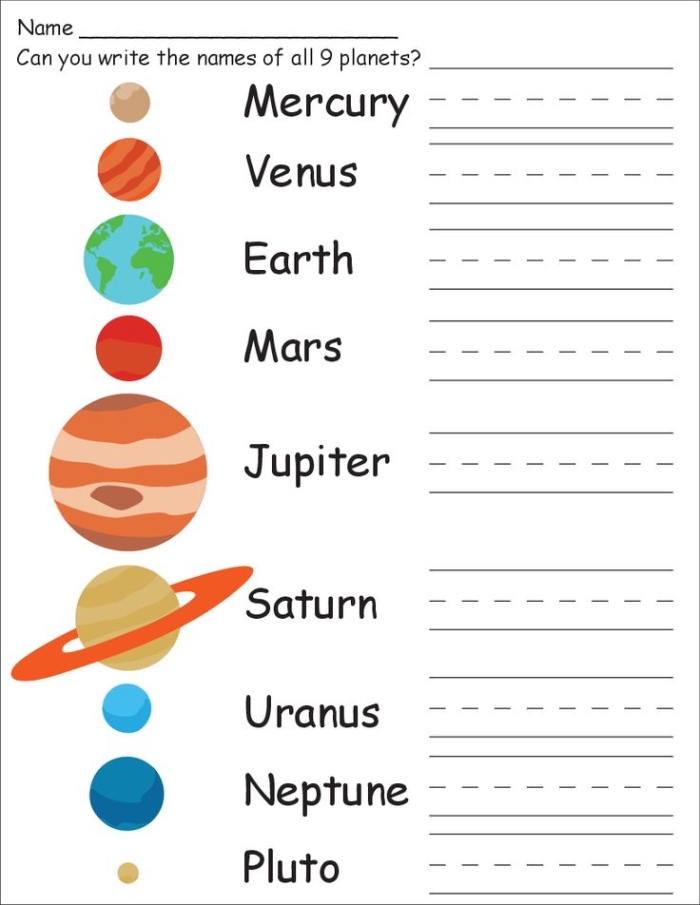
Learning about Mars can be an exciting adventure, especially for third graders exploring the wonders of our solar system. For teachers and parents looking to enhance this learning experience, printable worksheets like those found on Luminaworksheets can make studying planets engaging and interactive. These activities can help students grasp important concepts in measurement while they learn about Mars and other celestial bodies.
Another interesting fact about the Red Planet is its two small moons, Phobos and Deimos. These moons are irregularly shaped and much smaller than Earth’s moon, which adds to Mars’s allure. By incorporating fun facts and activities about Mars into your curriculum, children can develop a deeper appreciation for science and the universe.
With Mars being a focal point for future explorations, understanding its characteristics and history becomes even more significant. So next time you gaze at the night sky and spot the Red Planet, you’ll know exactly why it carries that name and a bit more about its intriguing features.
Use These Worksheets Today